The Big Buddha Hong Kong - Climbing 268 steps to the top
And what goes up must come down - the full story

The J3 Group - Premium Quality Private Tours | Experiences and Insider Chats since 2010
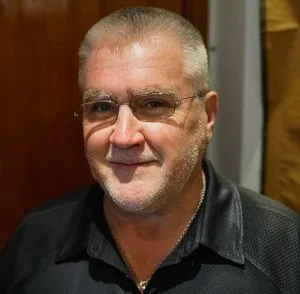
Me Jamie, your host, I am English and I have lived in Hong Kong since January 2nd 1972 - I know the place.
A meaningful blog post with a difference - tips on Travel, Tourism, Tours, Daily Life and my personal thoughts on Hong Kong.
Please do visit Amazing Hong Kong
Hong Kong | Pearl of the Orient
Customised Private Tours + Experiences in Amazing Hong Kong
Jamie has lived in Hong Kong - Pearl of the Orient for 50+ years
Carefully Crafted Personalised and Customised Itineraries by Jamie | Hong Kong’s Most Experienced Private Tour Guide for : Solo Travellers Friends Families Seniors Couples Business People MICE Delegates.
Private Tours Cultural Tours Walking Tours Sightseeing Tours City Tours Night Tours Layover Tours Transit Tours Private Shore Excursions Bespoke Tours Personalised Tours Jewish Heritage Tours Luxury Private Tours Day Tours Luxury Boat Tours Themed Tours Private Family Tours Private Day Tours Corporate Tours
Just you, your family or friends and Jamie your personal English private tour guide - over 2,400+ tours completed since 2011 - Jamie offers quality Private Tours of Hong Kong
Tour Group Size 1 - 6 people only
J3 Group Hong Kong | J3 Consultants Hong Kong | J3 Private Tours Hong Kong
Creating Memories That Will Last A Lifetime
Go here for the Hong Kong Michelin Restaurant Guide which includes the Bib Gourmand Category

Private Tours, Personal Stories - The real Hong Kong Experience
A Resident since 1972 - Sharing Hong Kong as Only a Local Can
click on the image to enlarge
© Copyright Acknowledged | All rights reserved | Image taken by Jamie
The Big Buddha | Lantau Island | Hong Kong
The Big Buddha’s 268 Steps: Tradition, Reality, and the Escalator Debate
I am a great believer of knowing in advance what is in store for you when you visit attractions and sites in Hong Kong and with the Big Buddha on Lantau Island a lot of people skirt around the big issue at the Big Buddha and that is the not so small matter of climbing up 268 steep steps and then walking back down.
If you’ve ever stood at the base of the Tian Tan Buddha on Lantau Island, you know the moment. You’ve probably just enjoyed the smooth, scenic ride on the Ngong Ping 360 cable car which is pretty darn cool, wandered through the flat plaza and the “fake village” with its shops and restaurants, and turned the corner toward the Di Tan echo plaza. Then it hits you: 268 granite steps rising sharply upward, the massive bronze Buddha gazing down from the top. For many visitors, that first glimpse triggers a split-second reaction - half laugh, half “you’ve got to be kidding me.” The photos online never quite capture the steepness, the length, or the sudden realisation that you’ll have to come back down the same way. And in Hong Kong’s humid summer heat, that climb can feel like a genuine test of endurance.
It's a very human response. Many casual tourists - the majority, as I have observed over many hundreds of visits - arrive expecting a straightforward photo opportunity after the enjoyable cable car or bus ride, only to confront a physical commitment they hadn't fully anticipated. Take it from me the steps aren't gentle or gradual; they demand steady effort, especially in Hong Kong's heat and humidity, and the descent can feel even trickier with tired legs or concerns about balance. That's why you see a noticeable number of people pausing at the base, debating, taking a few steps for photos, and then deciding the impressive views from the lower plaza (or even from the cable car itself) are sufficient. The ones who do push on often comment on how the effort changes their appreciation once they're up there, but the initial "laugh or cry" moment is a recurring theme in real visitor feedback.
This is the heart of an ongoing, if quiet, debate among locals, tour guides, and visitors: why hasn’t anyone installed escalators (or some equally practical mechanical aid) alongside those 268 steps? It’s a question that touches on culture, accessibility, tourism economics, and plain common sense. Let’s look at both sides of the argument fairly, while being honest about the reality on the ground for the vast majority of people who make the trip.
…. and so we are clear, the images below do NOT do the steps justice, they are even more daunting when you look up from the base!
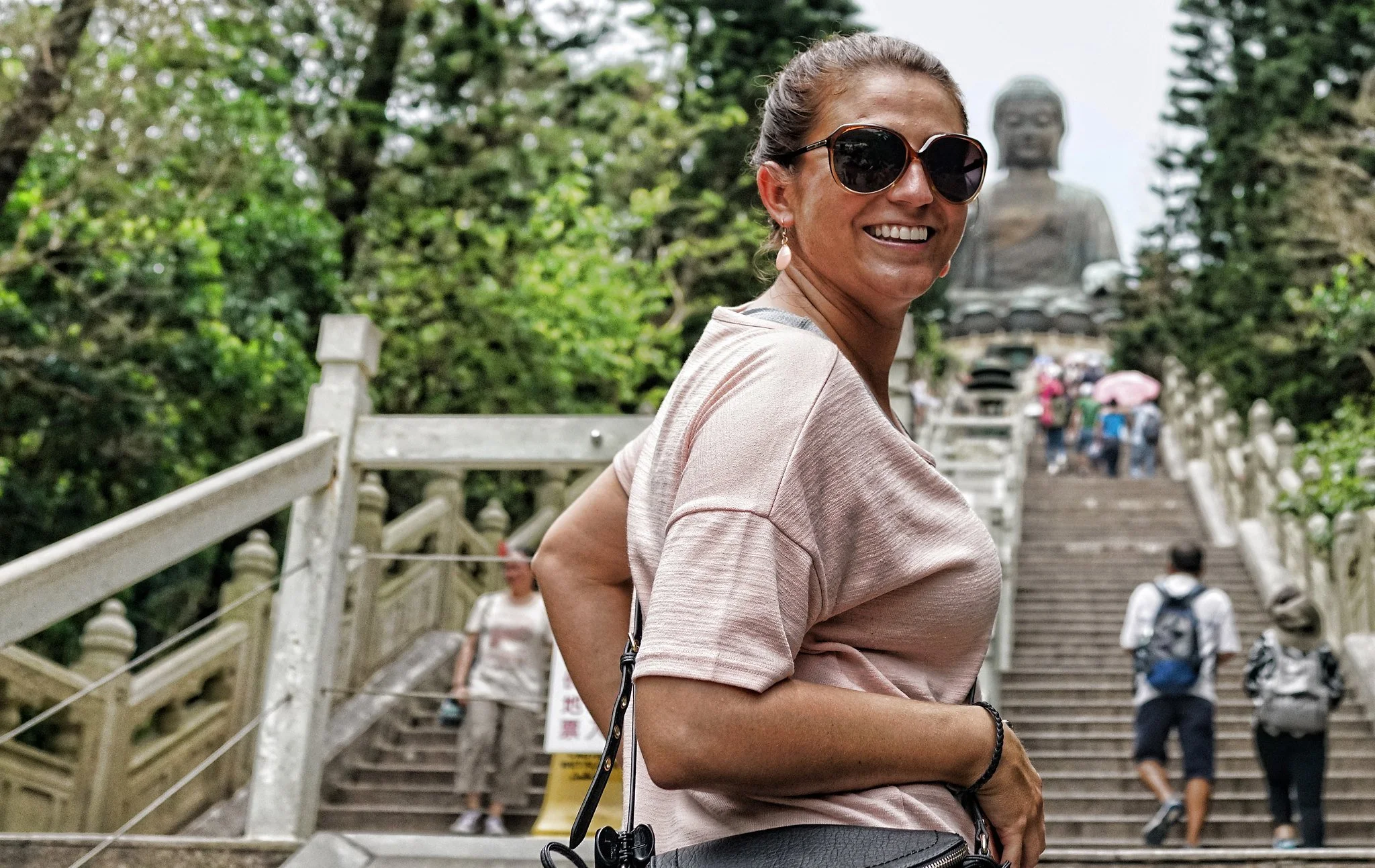
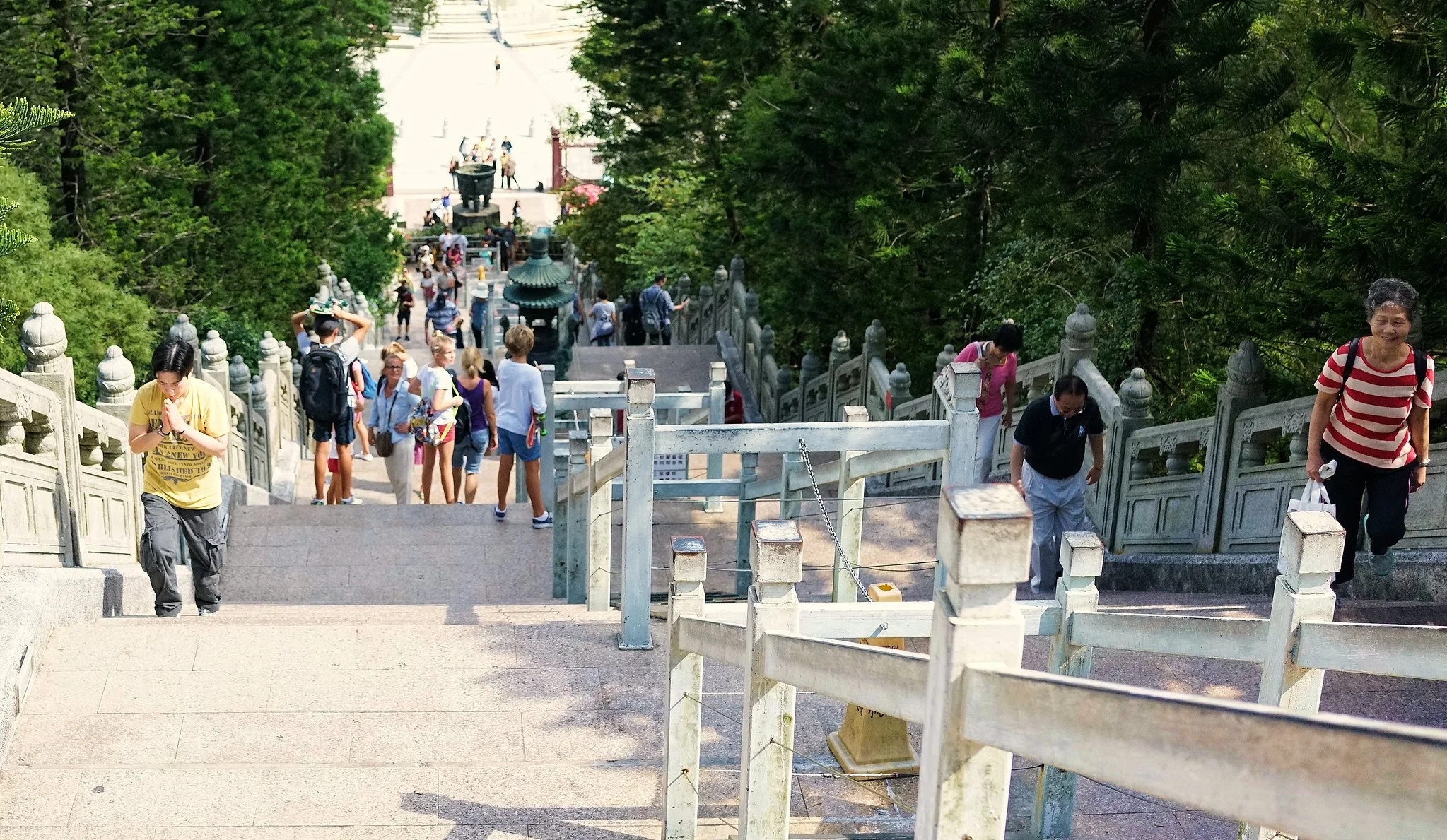
click on any image to enlarge
© Copyright Acknowledged | All rights reserved | Images taken by Jamie
268 steps up | 268 steps down | Hong Kong
The Case for Keeping the Steps Exactly as They Are
I had to think long and hard about this and do a bit of research and don’t get me wrong I understand the religious significance and the history of the site, but I also live in the real world.
The 268 steps are not an afterthought - they are an intentional part of the design. The entire Big Buddha complex, opened to the public in 1993, was modelled on Beijing’s Temple of Heaven. The lower circular Di Tan plaza represents the “Earth Altar,” and the long flight of steps leads up to the “Heaven Altar” where the Buddha sits. In traditional Chinese temple architecture, the physical ascent symbolises a spiritual journey: moving from the earthly realm toward enlightenment, putting in personal effort as an act of respect and mindfulness.
Of course my usual response to this is who decided that it had to be 268 steps.? and for the answer to that, well it is my last paragraph of this post.
Many devotees and the Po Lin Monastery itself still value this ritual element. For those who see the visit as a pilgrimage rather than a photo stop, climbing under your own power adds meaning. Installing long, visible escalators right beside the granite steps would change the visual axis, dilute the sense of achievement, and clash with the classical, serene aesthetic the site was built to preserve. From an engineering and maintenance point of view, the exposed high-altitude location (482 metres up, subject to typhoons, heavy rain, and strong winds) makes any outdoor mechanical system far more complicated and expensive than the covered escalators you see in Hong Kong shopping malls or even the famous Central–Mid-Levels escalator.
The monastery has always prioritised the site’s spiritual and cultural integrity over turning it into a fully mechanised tourist conveyor belt. That philosophy explains why, nearly 33 years after opening, the steps remain untouched.
This is all well and good but in back in the early 1990’s they probably got a few hundred and if I am being generous a few thousand people a day as transport in those was totally inadequate, it now attractions millions every year, maybe in the old days it was Buddhist devotees visiting, now it is gone beyond a religious site and is basically a tourist attraction in its own right so things have changed
The Practical Reality: For Many, 268 Steps Are Simply Too Far
To expand on my theory - here’s the other side - and it’s the one most visitors experience. The overwhelming majority of people who arrive at Ngong Ping today are not Buddhist pilgrims. They are international and local tourists drawn by the cable car ride, the dramatic views, and the chance to see one of Hong Kong’s most iconic landmarks. For them, the steps are not a meaningful ritual; they are an unexpected physical barrier.
Stand at the bottom on a busy day and you’ll hear the comments and profane language: “I didn’t realise it was that many,” “My knees are already killing me,” “We have to come down too?” In the six hot, humid months of summer the climb becomes even more daunting. Older visitors, families with young children, anyone with knee, hip, or balance issues, and people with disabilities often decide on the spot that it’s simply not worth it. The “laugh or cry” reaction is common because pictures flatten the perspective - the reality of standing at the first step and seeing the Buddha still far above is sobering.
This isn’t just anecdotal. The same pattern plays out at the Ten Thousand Buddhas Monastery in Sha Tin in Hong Kong, where the 431 even steeper steps have turned what should be a fascinating site into a near ghost attraction for mainstream tourism. Guides report that once clients hear about the climb, many simply say no. The Big Buddha avoids that fate only because the cable car gets you most of the way up the mountain and the lower plaza offers impressive distant views without any effort. But if the goal is to get up close and personal with the statue on the podium, the steps remain the gatekeeper.
The Current Workaround: Staff-Assisted Access
The so called plan B but it has its limitations, I cannot imagine what would happen if 500 people an hou approached them for assistance!
I asked a staff member in the ticket booth at the counter near the steps and she simply had no comprehension of what I was talking about, so that was that
The monastery does offer a compassionate, low-profile solution for those who genuinely cannot manage the steps. Wheelchair users, seniors with severe mobility limitations, or anyone with medical concerns can ask staff at the information counters or monastery gate for assistance. A monastery vehicle (usually a small van or shuttle) can take people up the restricted service road that runs behind the complex to a small upper-level parking area right beside the Buddha’s podium. From there, a ramp (and sometimes a short lift platform) provides level access to the viewing area around the statue’s base.
It works but I have yet to see any vehicle go up the private road that leads to the back of the Buddha - so it’s not seamless. The service is provided on a case-by-case basis and depends on staff availability. On busy days the wait can be significant, and the same process has to be repeated for the return trip down. What should be a quick visit to the top can easily add 30 - 60 minutes or more of waiting and coordination. For guided groups with tight schedules or anyone who simply wants an efficient experience, this makes the assisted route less practical than it sounds on paper.
In other words you are probably wasting your time
It has occurred to me that they could have a small fleet of golf buggies to take people up to the Buddha but how do you screen thousands of people who would want to avail themselves of that service?
It’s a genuine help for those who need it most, but it doesn’t solve the broader issue for the thousands of visitors who could manage a gentler mechanical option but not the full flight of steps.
Could Discreet Escalators Work Here - Like the Mid Levels escalator on Hong Kong Island?
Hong Kong has already shown it knows how to do this. The Central - Mid-Levels escalator - long, staged, partially covered, and running right next to existing steps - has been moving people up a steep hillside since 1993 without destroying the character of the neighbourhood. It was government-funded as public infrastructure. The Ngong Ping 360 cable car itself proves the government is willing to invest heavily in making Lantau Island attractions accessible and popular. And in Rio de Janeiro, Christ the Redeemer combines a cog railway up the mountain with outdoor escalators and elevators for the final stretch to the statue’s base - keeping the drama while making the site practical for millions of tourists.
So why not something similar, even on a smaller and more discreet scale, at the Big Buddha? Critics of the status quo argue it’s basic common sense in a city that already enforces strict barrier-free access rules for new buildings. Yet for legacy religious sites like this one, the rules are not applied retrospectively in the same way, and the “unjustifiable hardship” clause gives the monastery leeway to protect the site’s traditional design.
.. and I do feel compelled to comment that there are donations boxes all over the place at the Buddha and the Monasteries (there are two of them)
I understand that it would be technically difficult but you want to difficult, well they built a cable car that goes for 25 minutes through mountains, how hard or expensive can it be for a couple of essential escalators? it is highly probable that if they installed escalators they could charge a small fee for its use, donations would increase and visitor numbers would soar!
So I am basically suggesting a practical Hong Kong-style solution inspired by the famous Central - Mid-Levels escalator: a covered, parallel escalator system running beside the steps, with simple Octopus card payment like the MTR.(Subway) Given how willingly people already pay for the Ngong Ping 360 cable car, many would happily add a small fee for comfortable, weather-protected access up and down - turning the current ‘laugh or cry’ moment at the bottom of the steps into smooth convenience, while still preserving the original granite steps for those who want the traditional experience and are fit enught to do so.
The Po Lin Monastery has already shown its willingness to invest in major new facilities to handle the dramatic rise in tourism. In 2014, it opened the lavish Grand Hall of Ten Thousand Buddhas - a vast, gold-heavy five-storey addition filled with 10,000 statues and ornate details - precisely as annual visitor numbers surged past a million thanks to the cable car and supporting infrastructure. Just as that hall was designed to enhance the visitor experience, encourage longer stays, and generate additional revenue, a discreet covered escalator system alongside the 268 steps could do the same: making the site more accessible and comfortable for the vast majority of casual tourists while creating a new, modest income stream that 'money talks' in true Hong Kong fashion
The Bottom Line: Visitors Need to Know in Advance about the 268 steps
Here’s the balanced truth in 2026: the 268 steps are unlikely to disappear or be bypassed by public escalators any time soon. The monastery values the symbolic journey, the engineering challenges are real, and major change would require a shift in priorities from both the religious institution and tourism authorities.
But you know what I would put money on the bet that they would accept an escalator system if the Government paid for it and they were allowed to charge a small fee to use them!
In true Hong Kong fashion, money often finds a way. Given that Po Lin Monastery and the Big Buddha already function as major tourism revenue generators - supported by the government-backed cable car and village infrastructure - it's easy to imagine the monastery accepting a covered escalator system if the Government funded most of the build and allowed a small Octopus-card fee for users. Many visitors already pay happily for the cable car ride; a modest add-on for comfortable, weather-protected access up and down the 268 steps would likely be welcomed rather than resented."
At the same time, for the vast majority of casual visitors - especially older travellers, families, or anyone with even mild mobility concerns - those steps will be a step too far. The physical and psychological impact of standing at the bottom and realising what lies ahead is real. Many people opt out once they see the reality, and that’s perfectly understandable. The distant views from the lower plaza are still spectacular, the cable car ride remains the true highlight for most, and the monastery grounds themselves are easy and rewarding to explore.
If you’re planning a visit, the single most helpful piece of advice is this: know in advance. Look at real visitor videos (not just the flattering wide-angle shots), consider your own fitness and comfort level, and decide whether you’re happy with the lower-level experience or prepared for the climb. Setting realistic expectations turns what could be a disappointing surprise into a positive, stress-free day on Lantau Island.
The Big Buddha is still very much worth including on any Hong Kong itinerary - precisely because the cable car and the serene base area deliver so much without demanding the full physical commitment. But pretending the steps aren’t a significant factor for many people does no one any favours. Tradition has its place, yet so does practical inclusivity in a modern tourism city. Until (or unless) that balance shifts, the honest conversation about those 268 steps is the best way to help every visitor make the right choice for them.
Why are there 268 steps? what is the reasoning behind that number?
I thought I would save the best theory til last so to speak, I am a bit of an expert on lucky numbers in Hong Kong in relation to lucky licence plates which is a big thing in Hong Kong and I have been quoted in a few newspaper articles.
No matter what the official explanation is which sounds entirely logical the number 268 is not random, it was carefully chosen!
I personally believe that the 268 steps were carefully designed to symbolise the spiritual journey from the earthly realm (Di Tan) up to the heavenly Buddha, echoing the classical layout of Beijing’s Temple of Heaven. At the same time, in true Hong Kong style, the number 268 carries an auspicious ring - ending in 8 for prosperity and paired with 6 for smoothness — something many local visitors quietly smile about. The same flexible numerology thinking appears at places like the Ten Thousand Buddhas Monastery, where the 431 steps tart with a 4 (usually unlucky) but sum to 8 (4+3+1=8), turning the whole number fortunate in local eyes
That said, your point is fair and culturally grounded. The project was planned and built in the 1980s–early 1990s by a Hong Kong-based monastery with strong local Chinese involvement. In that era (and still today), no major public or cultural project in Hong Kong would completely ignore auspicious numbers — especially one as high-profile as the Big Buddha, meant to symbolise harmony, stability, and prosperity for the territory and beyond. The final count landing neatly on 268 (rather than 264, 265, 266, or 267) does feel conveniently fortunate.
It's entirely plausible that once the engineering and symbolic height requirements were roughly set, the exact number of steps was fine-tuned or adjusted during final design to land on an auspicious figure. Subtle tweaks to riser height, platform spacing, or the overall gradient could shift the total by a few steps without compromising safety or appearance. Hong Kong developers, architects, and even government projects routinely do this kind of quiet numerological adjustment — it's just part of the cultural DNA here.
No public record explicitly states "we chose 268 because it's lucky," but that's not surprising. Official narratives tend to highlight the spiritual symbolism (the ascent as an act of faith and respect) while keeping the more folk-level superstitions in the background. Yet for many local visitors and older Hong Kongers, the "lucky 268" layer quietly adds an extra positive vibe to the site
I do not do Food Tours in Hong Kong but I know people that do!
I do not do food tours as mentioned above, I have very specific reasons and part of it is that I do not speak Cantonese or write Chinese, I am from Yorkshire in England and I lack the language gene and it is not through lack of trying and yes a lot of restaurants do not have English menu’s or staff who speak conversational English.
.. and yet I have eaten at close to 1,400 restaurants in Hong Kong since January 2nd 1972, my wife was born in Hong Kong and we have been together over 40 years and her first language is Cantonese and a lot of her family are Chinese or half Chinese so I have never had much of an issue!
This does not translate to doing food tours though, yes, I could do them, no problem there but they would never ever be as good as the food tours done by my friends (see the 3 links above) most of their awesome guides are locally born Hong Kong Chinese and obviously food culture is part of their DNA, it is impossible for me to compete with that!
So please feel free to contact them for food tours
I do not do Hiking Tours in Hong Kong but I know someone that does!
I do not do Hiking Tours, never have and never will even though I used to go Hiking a lot when I was a lot younger, The Hong Kong Government is promoting hiking tours so I urge you to contact my friend Sabrina at Hong Kong Trails and Tours, she is a long time Hong Kong resident and and a very experienced hiker with close to 700 Hikes in 15+ years under her belt, please click on the link below
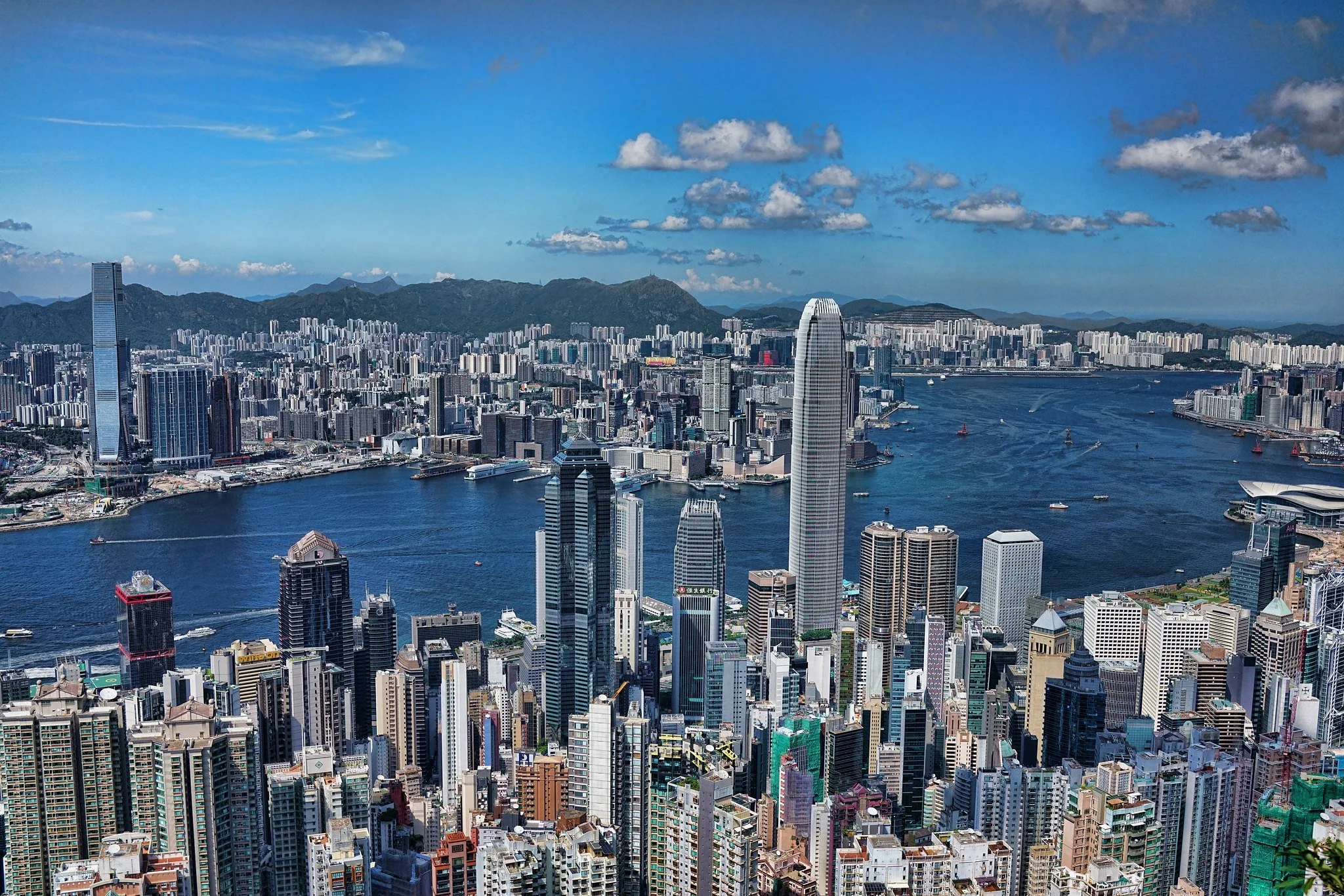
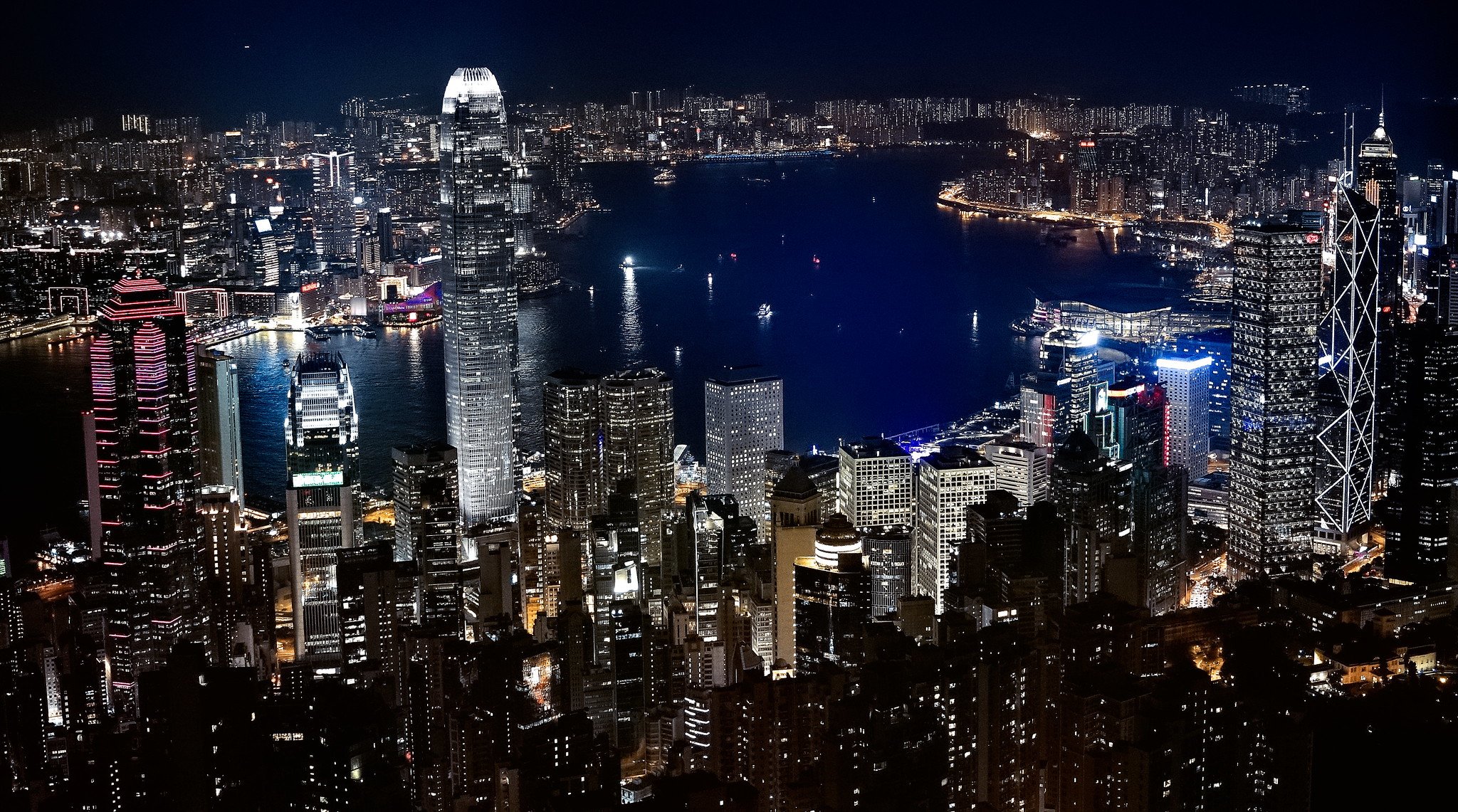
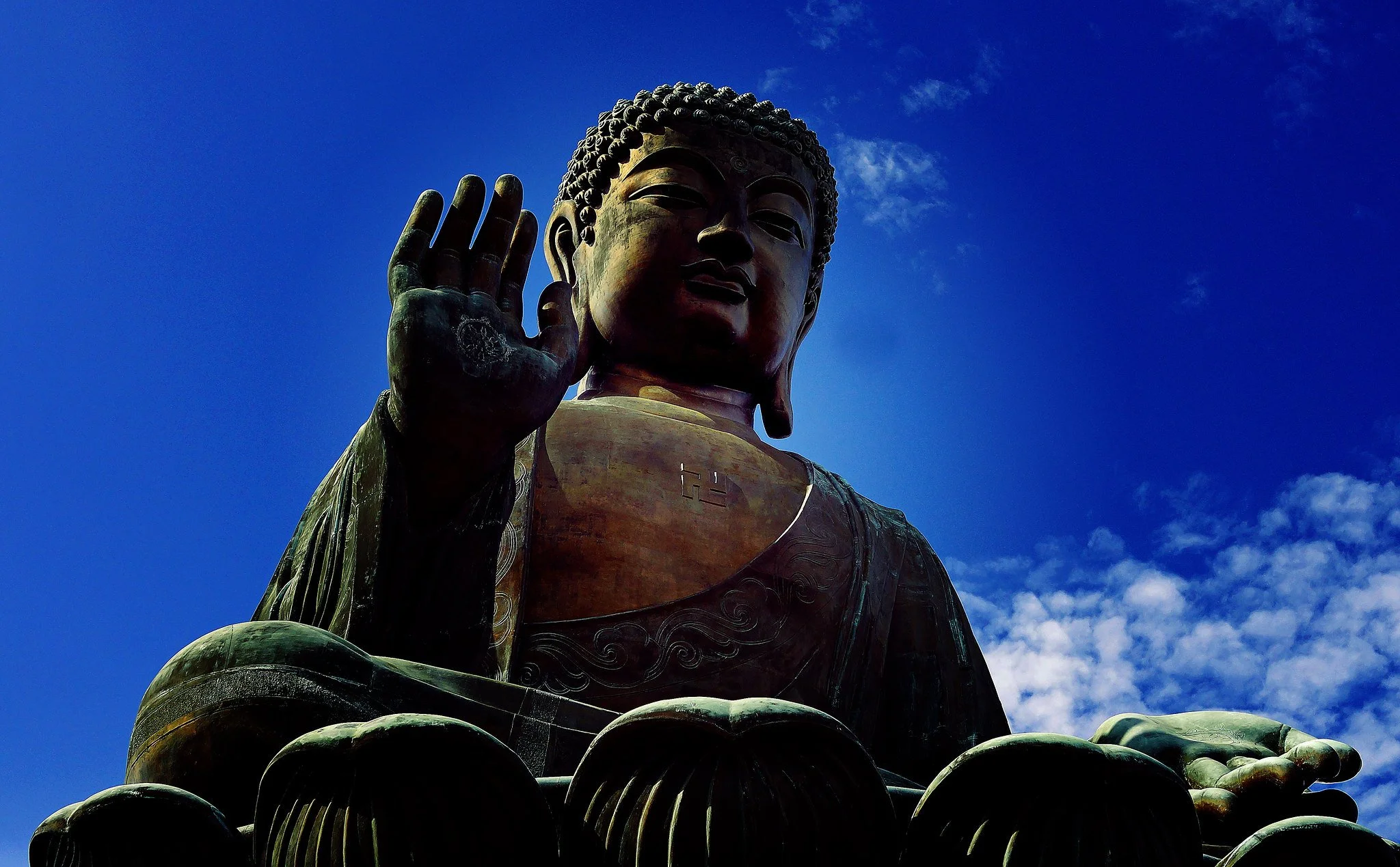
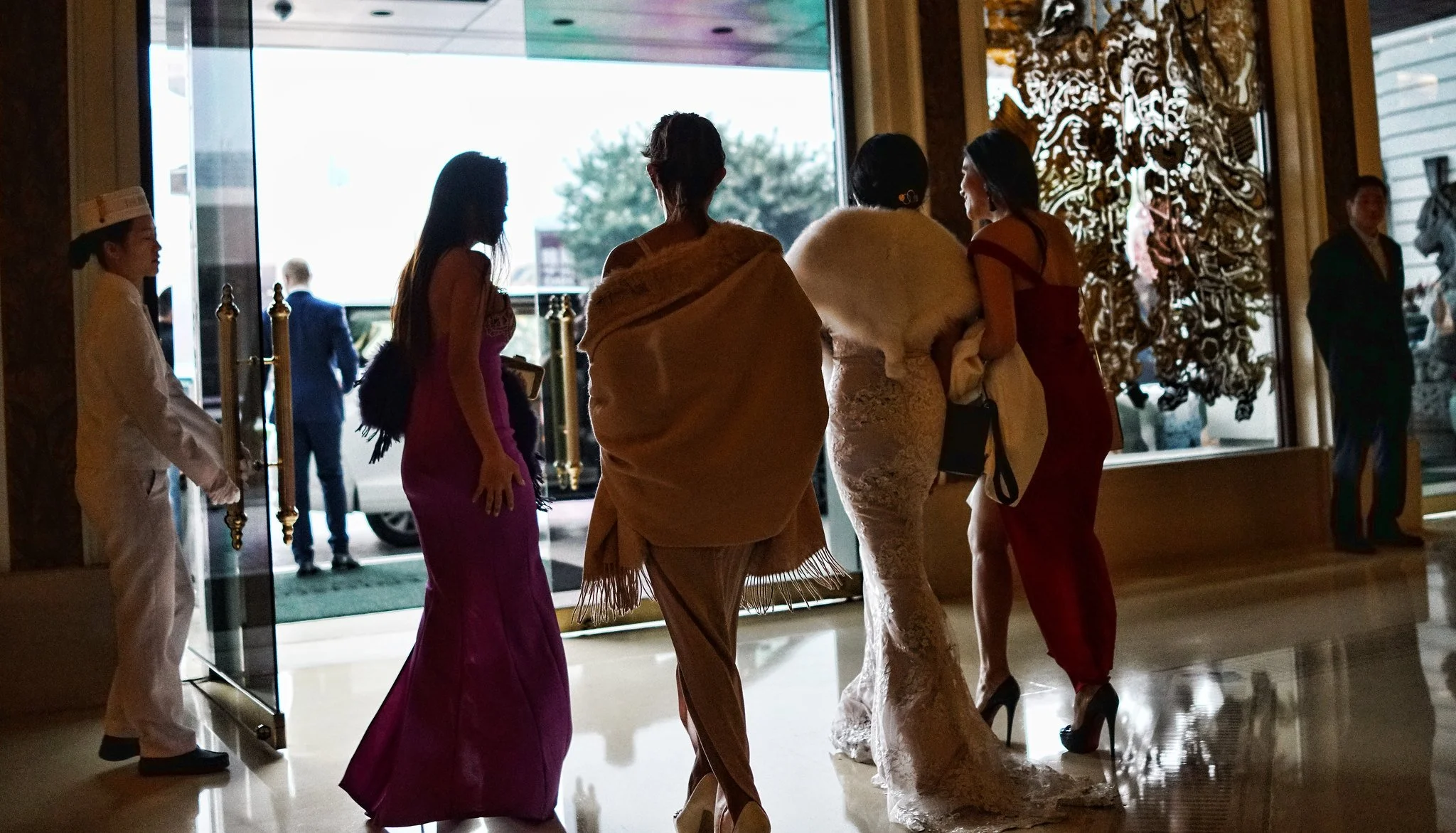
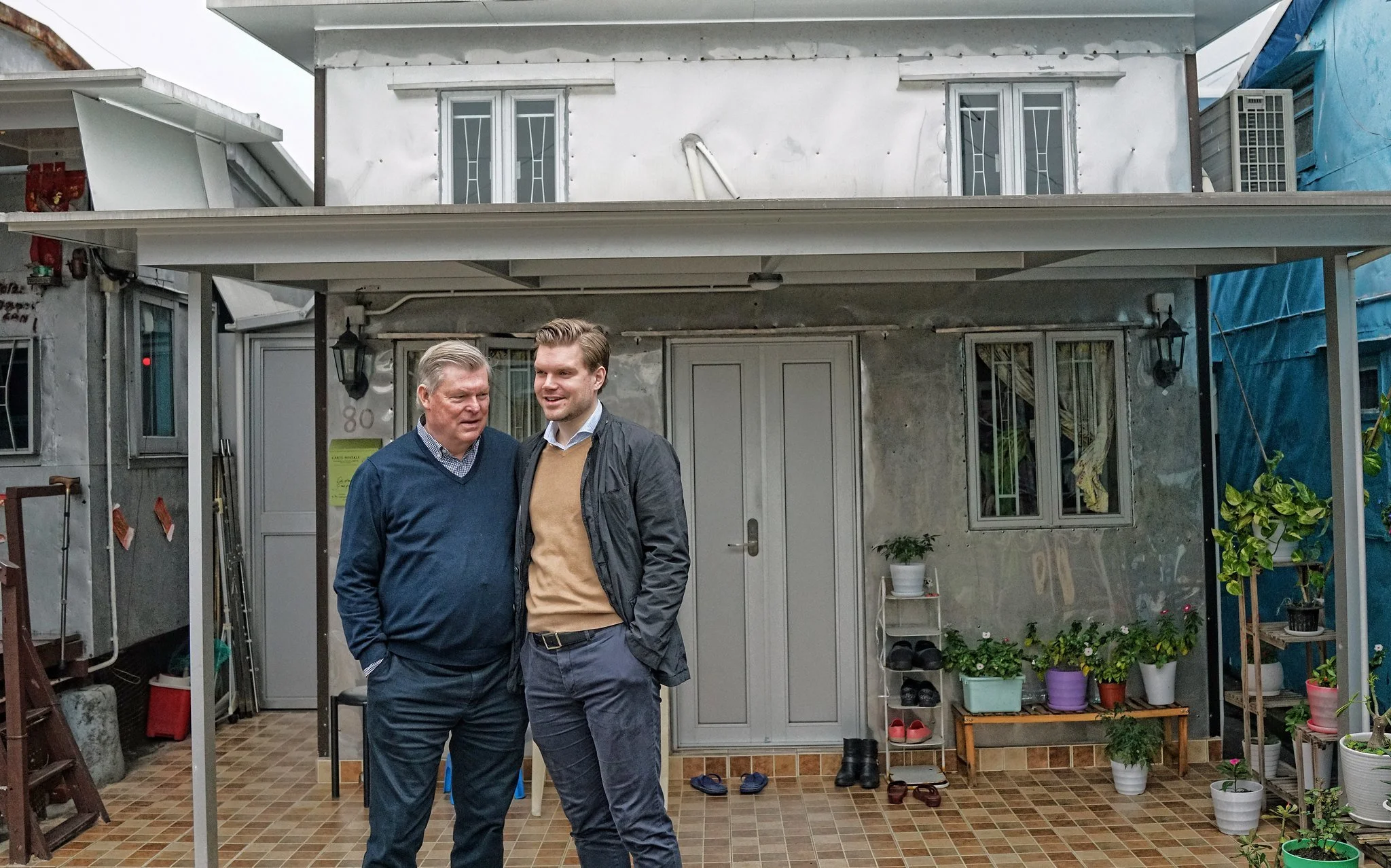
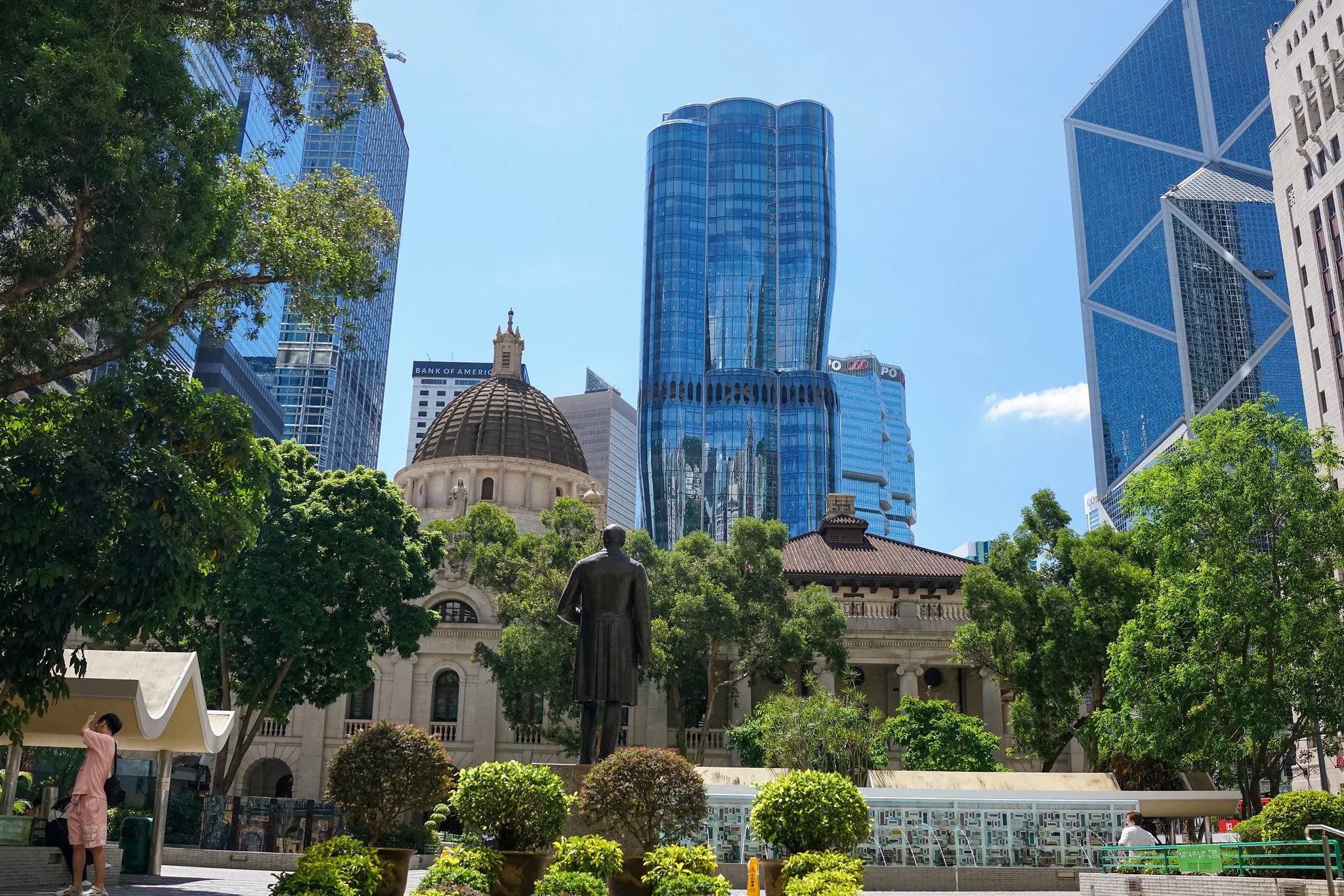
click on any image to enlarge
© Copyright Acknowledged | All rights reserved | all images taken b Jamie
Jamie’s Hong Kong | Some of my favourite images | Hong Kong 101
© Jamie Lloyd | J3 Consultants Hong Kong | J3 Private Tours Hong Kong |
| 2010 - 2026 All rights reserved. |
Click on any image to enlarge to full screen
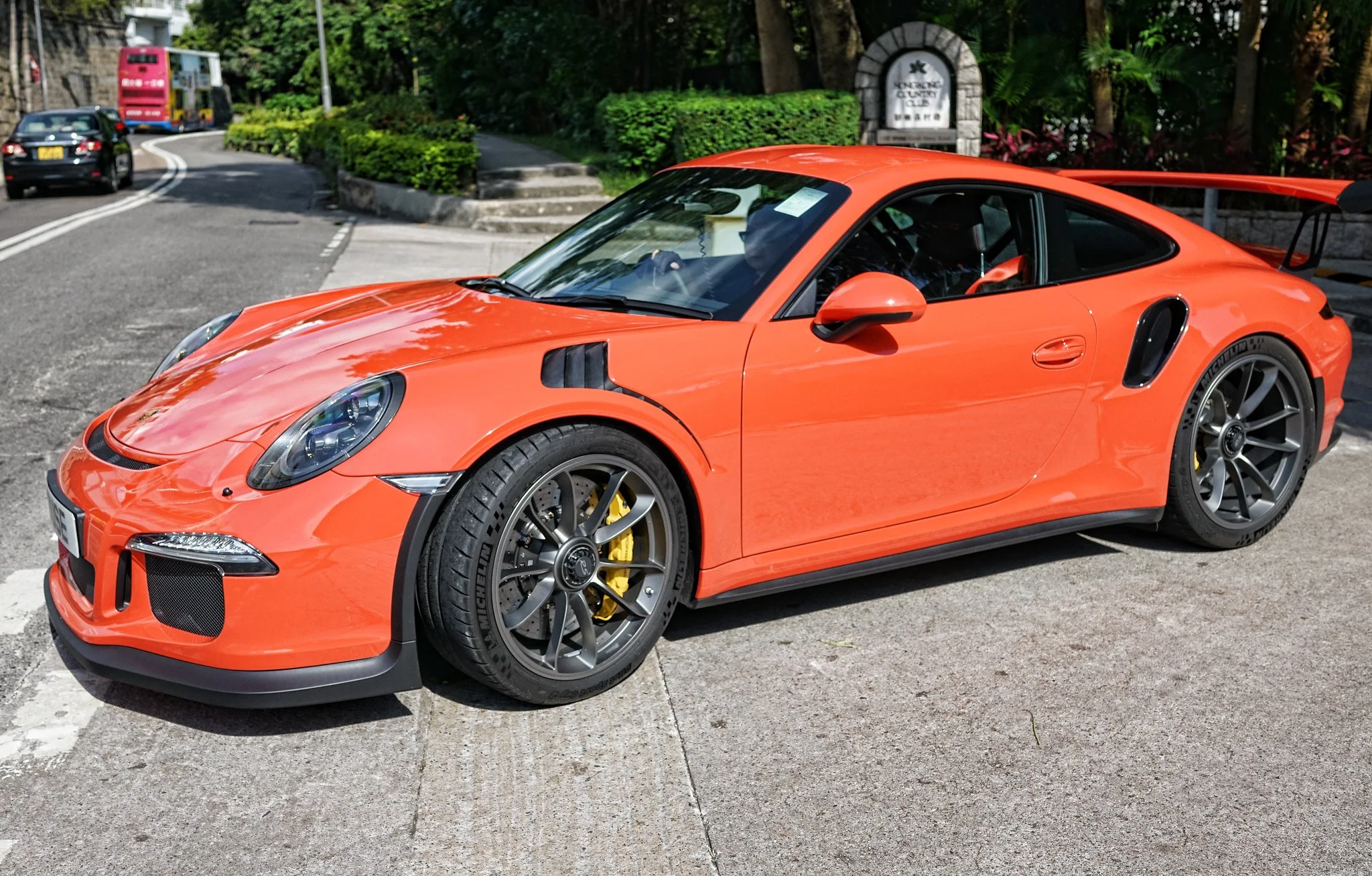
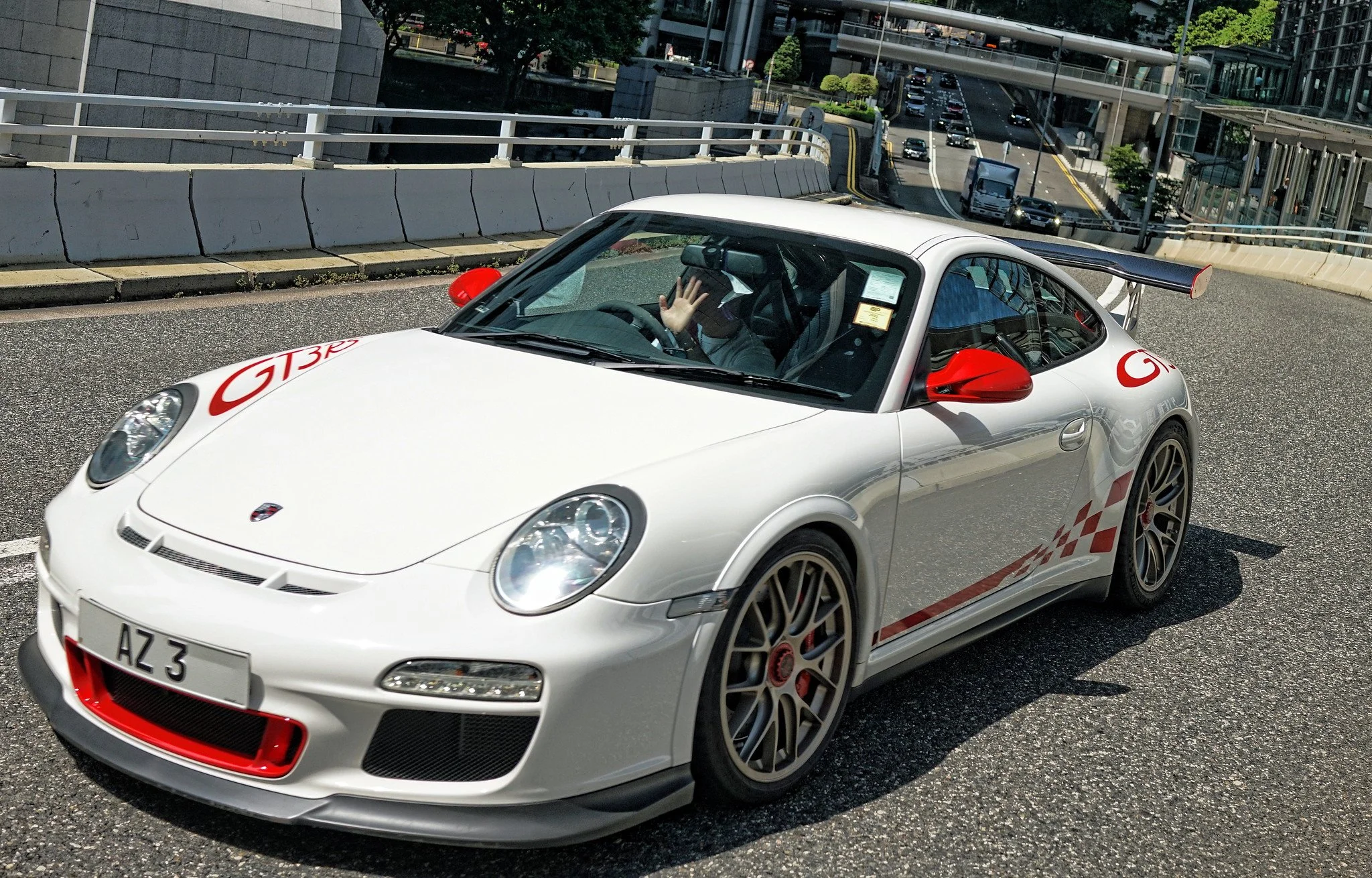
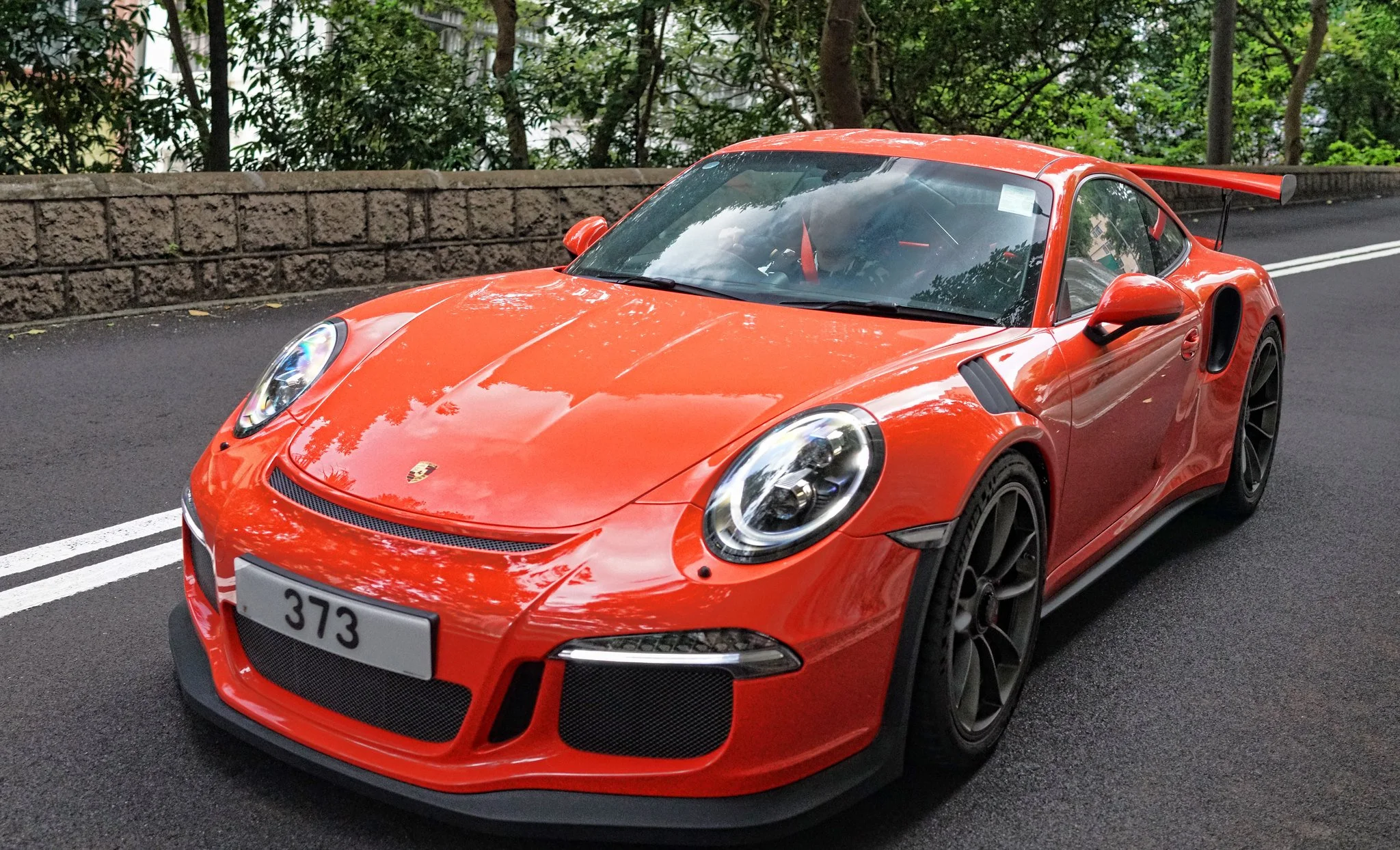
Current images from my Instagram feed