The Big Buddha Hong Kong - The story of it’s opening in 1993
It was finished in 1989 so why the 4 year gap to open in Hong Kong?
The J3 Group - Premium Quality Private Tours | Experiences and Insider Chats since 2010
Me Jamie, your host, I am English and I have lived in Hong Kong since January 2nd 1972 - I know the place.
A meaningful blog post with a difference - tips on Travel, Tourism, Tours, Daily Life and my personal thoughts on Hong Kong.
Please do visit Amazing Hong Kong
Hong Kong | Pearl of the Orient
Customised Private Tours + Experiences in Amazing Hong Kong
Jamie has lived in Hong Kong - Pearl of the Orient for 50+ years
Carefully Crafted Personalised and Customised Itineraries by Jamie | Hong Kong’s Most Experienced Private Tour Guide for : Solo Travellers Friends Families Seniors Couples Business People MICE Delegates.
Private Tours Cultural Tours Walking Tours Sightseeing Tours City Tours Night Tours Layover Tours Transit Tours Private Shore Excursions Bespoke Tours Personalised Tours Jewish Heritage Tours Luxury Private Tours Day Tours Luxury Boat Tours Themed Tours Private Family Tours Private Day Tours Corporate Tours
Just you, your family or friends and Jamie your personal English private tour guide - over 2,400+ tours completed since 2011 - Jamie offers quality Private Tours of Hong Kong
Tour Group Size 1 - 6 people only
J3 Group Hong Kong | J3 Consultants Hong Kong | J3 Private Tours Hong Kong
Creating Memories That Will Last A Lifetime
Go here for the Hong Kong Michelin Restaurant Guide which includes the Bib Gourmand Category

Guided by Stories, Private Tours of Hong Kong with Jamie
A Resident since 1972 - Quality Private Tours of Hong Kong
click on the image to enlarge
© Copyright Acknowledged | All rights reserved | Image taken by Jamie
The Big Buddha | Lantau Island | Hong Kong
Fast becoming one of the most popular places to visit in Hong Kong
The Buddha statue is really quite magnificent isn’t it!
I have been to the Big Buddha hundreds of times and not just in my capacity as a private tour guide, I went there many times after it opened in December 1993 simply because it was a nice place to visit and myself and the wife loved the bus ride (which has not changed much since 1993) this was long before the NP 360 Cable Car opened, Lantau was quite rustic back in the day.
The Po Lin Monastery which is next to the Buddha which they administer and look after, well my first visit there was in 1972 when they had a very basic hostel and it was a school trip and we spent a few days there, presumably to teach “rich kids” a few lessons in humility, an interesting experience for a bunch of 11 year olds (but better than the boot camp experience at Wu Kai Sha a few years later! - but that is another story for another day)
The Big Buddha Hong Kong - The story of it’s opening in 1993
The Tian Tan Buddha (commonly known as the Big Buddha) at Po Lin Monastery on Lantau Island is indeed a landmark whose visible bronze structure was largely in place by late 1989, yet the site was not formally opened to the public until 29 December 1993. The roughly four-year gap was not the result of any dramatic celestial alignment, planetary waiting period, or significant Hong Kong government bureaucratic hold-up. Instead, it boiled down to a mix of very practical, logistical, and ceremonial factors that are typical for a project of this scale and cultural importance
I did actually speculate for a very long time, that this 4 year gap was because they where waiting for the planets to align, as I so eloquently put it and I still believe that that was partially the reason along with Government red tape and getting transportation issues sorted.
To put the timeline in context: planning for the statue had been underway since the late 1970s/early 1980s, with the formal construction committee established around 1981. The bronze components (202 separate pieces cast in Nanjing, China) were transported by sea and then up the narrow, winding roads to Ngong Ping. Assembly on the 482-metre-high Mount Muk Yue site began in earnest in the mid-1980s. The supporting steel framework, pedestal foundation, and plinth were completed earlier, but the final major structural milestone for the statue itself came in October 1989 when the last pieces were welded into place during a topping-out ceremony. At that point the 34-metre-tall, 250-tonne figure was physically standing and visible from afar - hence why some accounts describe it as “completed” or a “symbolic presence” from 1989 onward. However, this was only the statue shell; turning it into a fully functional, safe, and visitor-ready religious and tourist site required substantial additional work.
… and yes I have to say that, that also makes perfect sense but even so, 4 years is still a long time to sort out minor details
The primary reasons for the delay were infrastructural and site-preparation demands. Ngong Ping is a remote plateau with historically limited access - narrow roads that had already been strained just to move the heavy bronze sections. Upgrading these routes, widening sections, and ensuring they could safely handle increasing numbers of buses, coaches, and foot traffic for the expected public crowds took time and engineering effort. The full visitor experience also involved constructing the 268 granite steps leading up to the statue, landscaping the surrounding plaza, installing the six smaller bronze “Offering of the Six Devas” statues that encircle the base, and completing the three-storey pedestal beneath the Buddha. Those internal halls (Hall of Universe, Hall of Benevolent Merit, and Hall of Remembrance) house exhibition spaces, Buddhist relics (including sacred relics received from Sri Lanka), and commemorative areas; fitting them out properly, along with safety features, ventilation, and finishes, was not instantaneous.
I am probably a lone voice of dissent here but I still cannot figure out why they did not install up and down escalators next to the 268 steps, from an engineering point of view it would not be difficult and the cost would not be prohibitive, many shopping malls have giant escalators in Hong Kong.
I appreciate the religious aspects of climbing up and down 268 steps but for heavens sake, older people in particular have an issue with this many steps (I know from my own experiences) not to mention people with disabilities and are wheelchair bound. There have long been rumours that there is a secret elevator going to the top, bypassing the steps but I have never been able to confirm this, I will cover this in another blog post
On top of that, the monastery deliberately chose to stage a grand, internationally attended inauguration ceremony rather than simply declaring the statue “open for business” once the physical structure was ready. December 29, 1993, was selected because it carried symbolic weight in certain Buddhist traditions – regarded by some as aligning with the day of the Buddha’s enlightenment or a particularly auspicious date for consecration. Monks and dignitaries from 13 countries participated in the blessing rituals, and the event was designed to mark the statue not just as a local attraction but as a global symbol of harmony, stability, and the promotion of Buddhist teachings. Coordinating such a high-profile gathering, ensuring all finishing touches were perfect, and aligning with the monastery’s broader vision of creating a lasting cultural and spiritual icon naturally extended the timeline.
Throughout the entire project there had been earlier technical and financial hurdles - design revisions (the final bronze version differed from initial plans), engineering challenges to make the statue typhoon-resistant with its internal steel truss, material sourcing, and cost overruns approaching HK$60 million - but these were resolved by the time of the 1989 assembly. The post-1989 period was more about polishing the complete visitor/religious complex and orchestrating a memorable public debut than overcoming new obstacles. Hong Kong government involvement was largely supportive (road upgrades were funded in part to improve access), with no evidence of prolonged red tape delaying the opening once the monastery was ready.
In my considered view, this gap reflects the thoughtful, deliberate pace at which Po Lin Monastery approached what was then one of the largest outdoor bronze Buddha statues in the world. They were not rushing a half-finished site onto the public; they were ensuring that when visitors arrived, they experienced a complete, dignified, and spiritually resonant landmark rather than just a striking sculpture on a bare hilltop. It’s a classic example of how major cultural/religious projects often separate “structurally finished” from “fully operational and ceremonially launched.” The result has been a enduring success: the Big Buddha has drawn millions of visitors since 1993, serving both as a serene spiritual focal point and a key part of Hong Kong’s cultural identity. The wait, while it might seem puzzling at first glance, ultimately made the opening far more impactful.
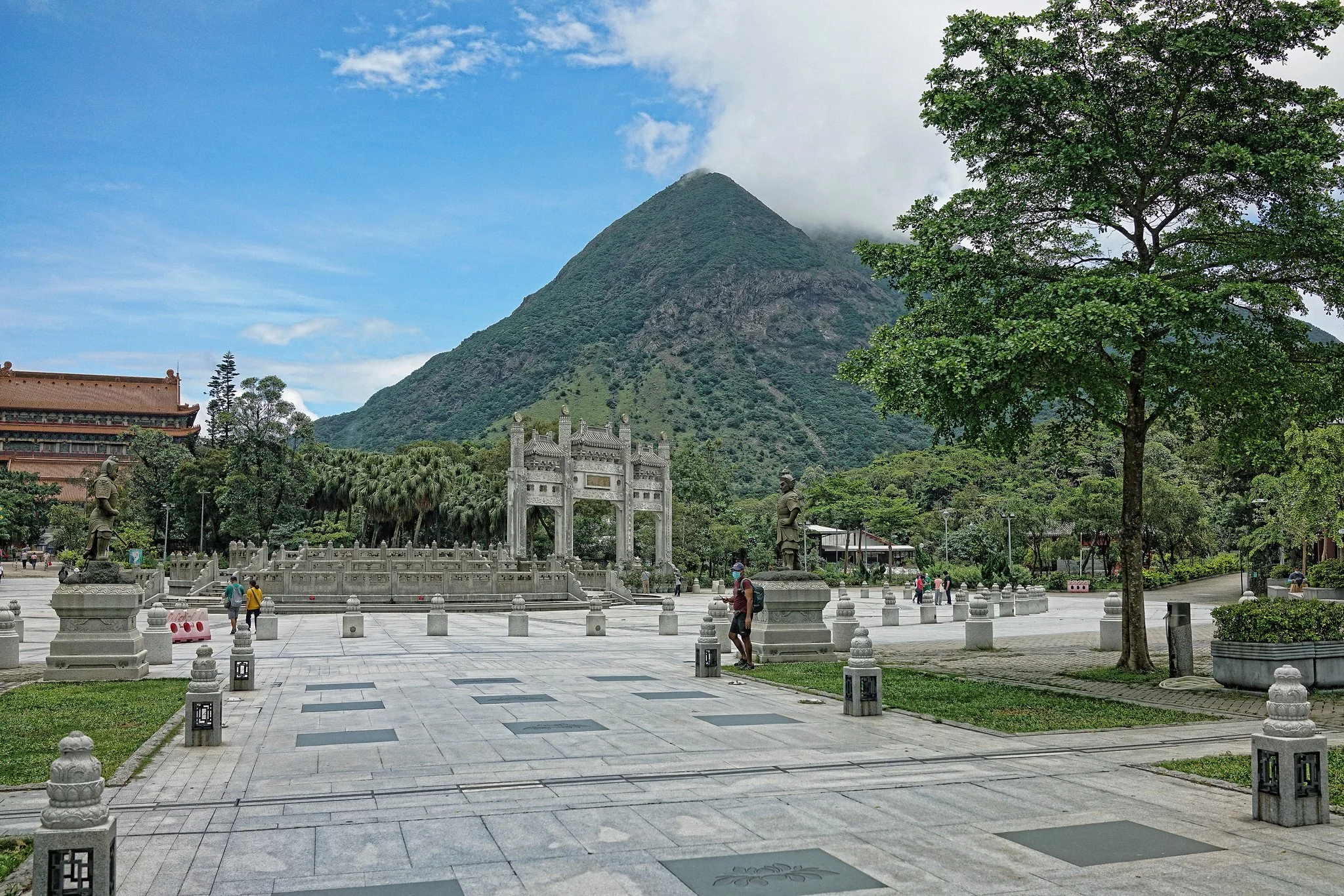
click on any image to enlarge
© Copyright Acknowledged | All rights reserved | Images taken by Jamie
The Di Tan Earth Altar | At the Big Buddha | Hong Kong
The Di Tan also known as the “Earth Altar” or Earth Platform next to the Big Buddha
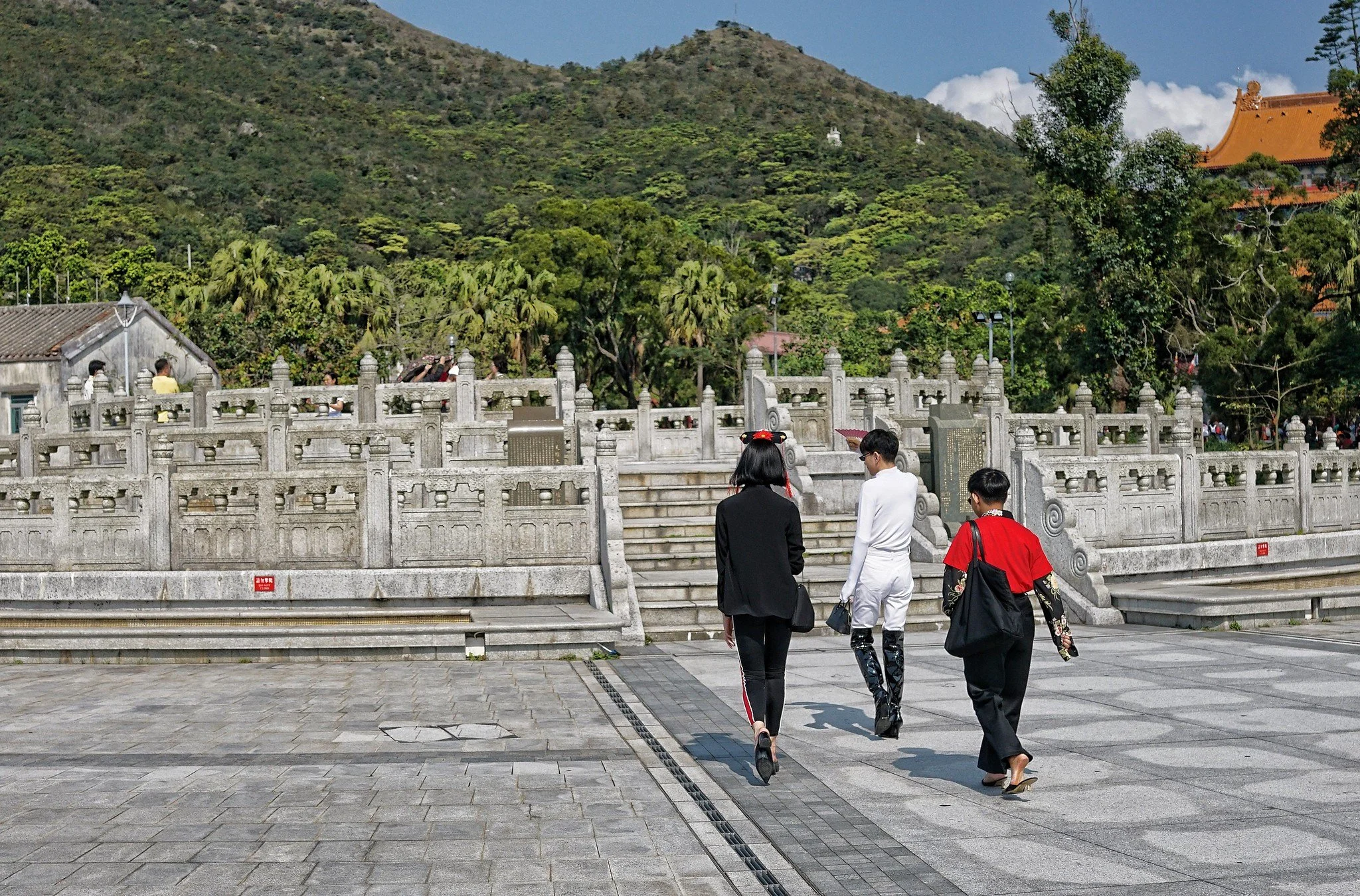
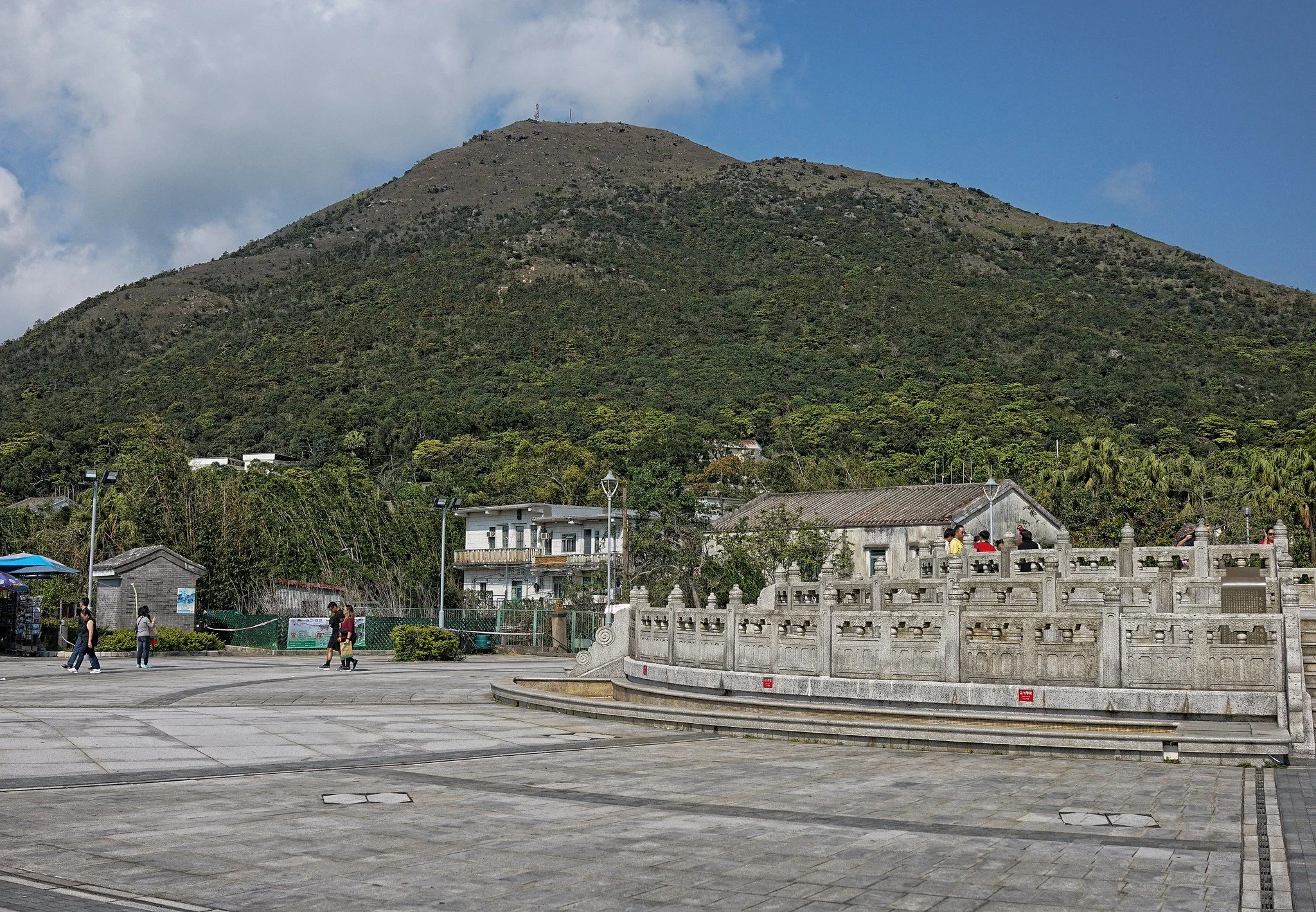
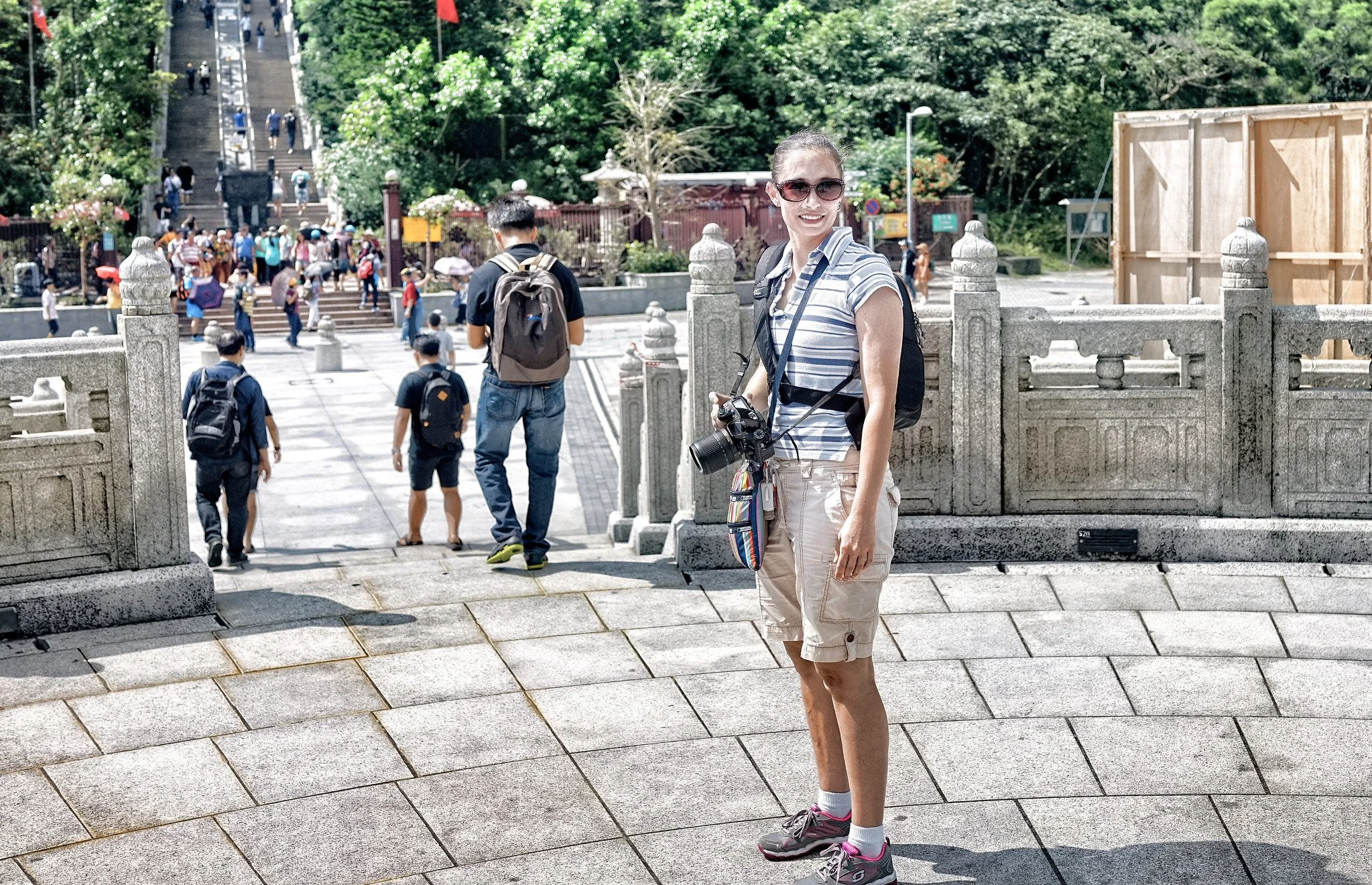
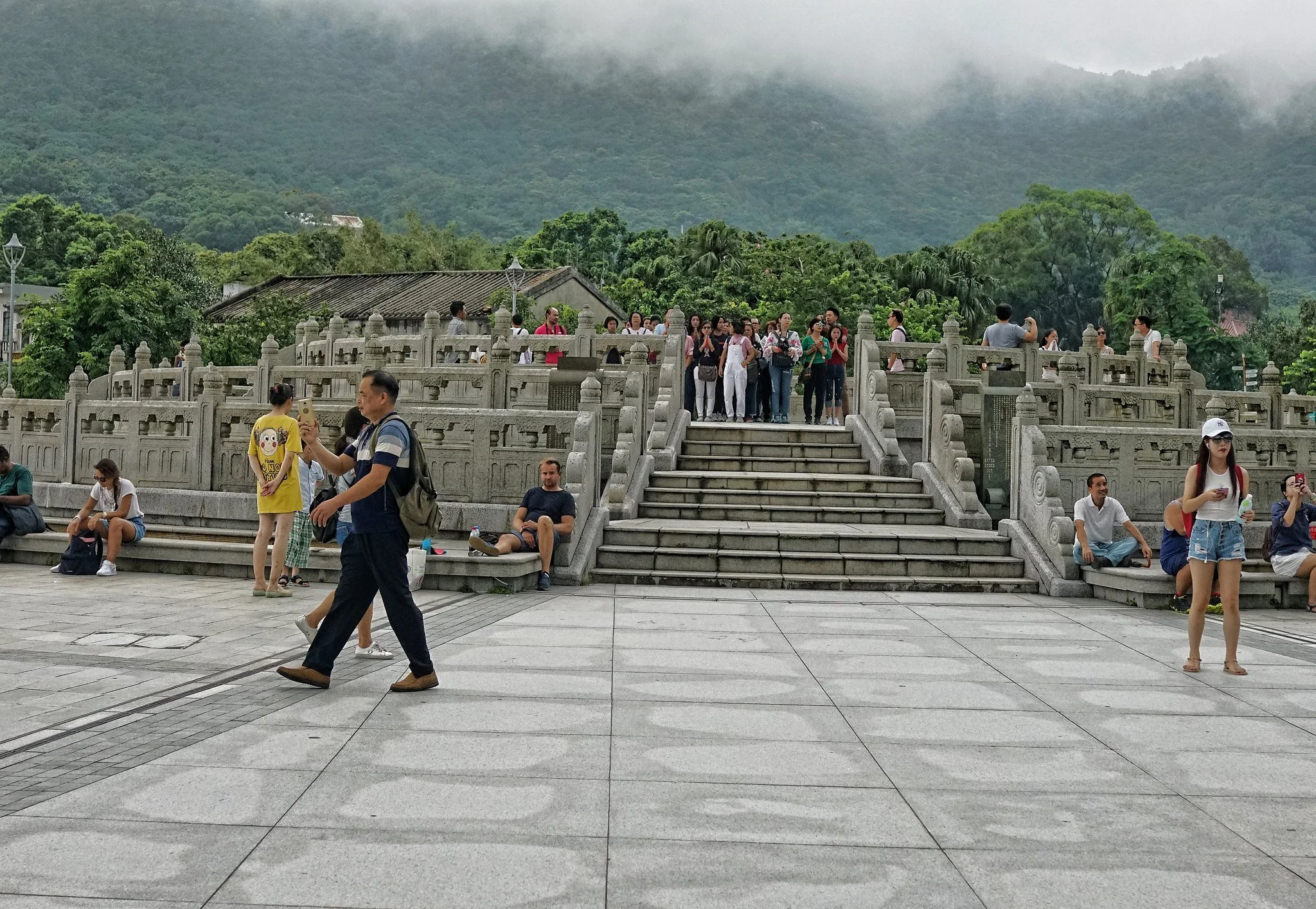
This is the concrete structure you might want to visit before or after visiting the Big Buddha statue and the Po Lin Monasteries, it is hard to miss and there are always lots of people in there doing strange things like yelling at the floor! well there is a reason for that., the 5 imags above shows the circular structure, the steps to the Buddha are on the right about 20 seconds away!
I have been to the Big Buddha and Po Lin Monasteries many many times but I have neve really given much thought to the Di Tan concrete structure at the base of the steps leading to the Big Buddha, I knew that you had to yell at the floor and you would hear an echo (and you can really hear it)
So, know the basics, so now I give you the full story
The Di Tan Earth Altar is a large open-air circular concrete plaza positioned directly at the base of the 268 steps leading up to the Tian Tan Buddha (the “Heaven Altar”). It sits right before you begin the climb, forming the starting point of the entire axial approach to the statue.
In the exact centre of this circular plaza is the acoustic feature locals and regulars call the Wall of Echoes (or central echo point). When you stand precisely in the middle and speak, chant, or even shout downward or outward, your voice reflects back to you with surprising clarity and volume - almost like an invisible chamber amplifying and returning the sound directly to your ears. Step even a metre or two outside the centre and the effect vanishes almost completely. That’s why you constantly see crowds clustered there, people (especially kids, tour groups, and curious visitors) leaning forward and hollering at the ground or into the circle: they’re testing the echo, often laughing or filming the result.
This isn’t accidental or a happy engineering side-effect. The entire layout of the Big Buddha complex was deliberately modelled on Beijing’s famous Temple of Heaven (Tian Tan) complex. There, the main Heaven Altar sits on a raised platform reached by stairs, while a corresponding Earth Altar (Di Tan) sits below on axis. The Hong Kong designers replicated that symbolic Heaven–Earth alignment here: the 268 steps represent the spiritual ascent from the earthly realm (Di Tan) to the heavenly realm (Tian Tan Buddha). The circular shape and the precise placement of the echo point follow classical Chinese architectural principles used in imperial altars — curved walls, smooth reflective surfaces, and geometric proportions that focus and return sound waves to the centre. In traditional temples, such acoustics were intentional: they made prayers, chants, or ritual recitations feel as though the words were being “returned” or amplified by the heavens themselves, heightening the sense of connection and resonance.
So while visitors today treat it mostly as a fun, interactive gimmick (and it is great for that), the original intent was deeply spiritual. Standing in the centre of Di Tan and hearing your own voice echo back as you face the towering Buddha above was meant to symbolise that your prayers or good intentions rise up the axis and are answered or reflected back to you. It turns the approach to the statue into something participatory rather than purely observational - you literally “speak to the earth” before ascending to meet the Buddha.
In my view, it’s one of the more thoughtful and clever details of the whole site. Most people notice the scale and serenity of the Buddha itself, but this humble concrete circle quietly adds an extra layer of engagement and symbolism. It’s why the spot is almost always packed: the echo is surprising, repeatable, and oddly satisfying, especially on a still day when the sound seems to bounce perfectly. It transforms what could have been just a staircase into a mini ritual that everyone — believer or not — instinctively wants to try. A small but very effective piece of architectural psychology that keeps the energy lively right at the threshold of one of Hong Kong’s most peaceful landmarks.
So there you go.
I do not do Food Tours in Hong Kong but I know people that do!
I do not do food tours as mentioned above, I have very specific reasons and part of it is that I do not speak Cantonese or write Chinese, I am from Yorkshire in England and I lack the language gene and it is not through lack of trying and yes a lot of restaurants do not have English menu’s or staff who speak conversational English.
.. and yet I have eaten at close to 1,400 restaurants in Hong Kong since January 2nd 1972, my wife was born in Hong Kong and we have been together over 40 years and her first language is Cantonese and a lot of her family are Chinese or half Chinese so I have never had much of an issue!
This does not translate to doing food tours though, yes, I could do them, no problem there but they would never ever be as good as the food tours done by my friends (see the 3 links above) most of their awesome guides are locally born Hong Kong Chinese and obviously food culture is part of their DNA, it is impossible for me to compete with that!
So please feel free to contact them for food tours
I do not do Hiking Tours in Hong Kong but I know someone that does!
I do not do Hiking Tours, never have and never will even though I used to go Hiking a lot when I was a lot younger, The Hong Kong Government is promoting hiking tours so I urge you to contact my friend Sabrina at Hong Kong Trails and Tours, she is a long time Hong Kong resident and and a very experienced hiker with close to 700 Hikes in 15+ years under her belt, please click on the link below
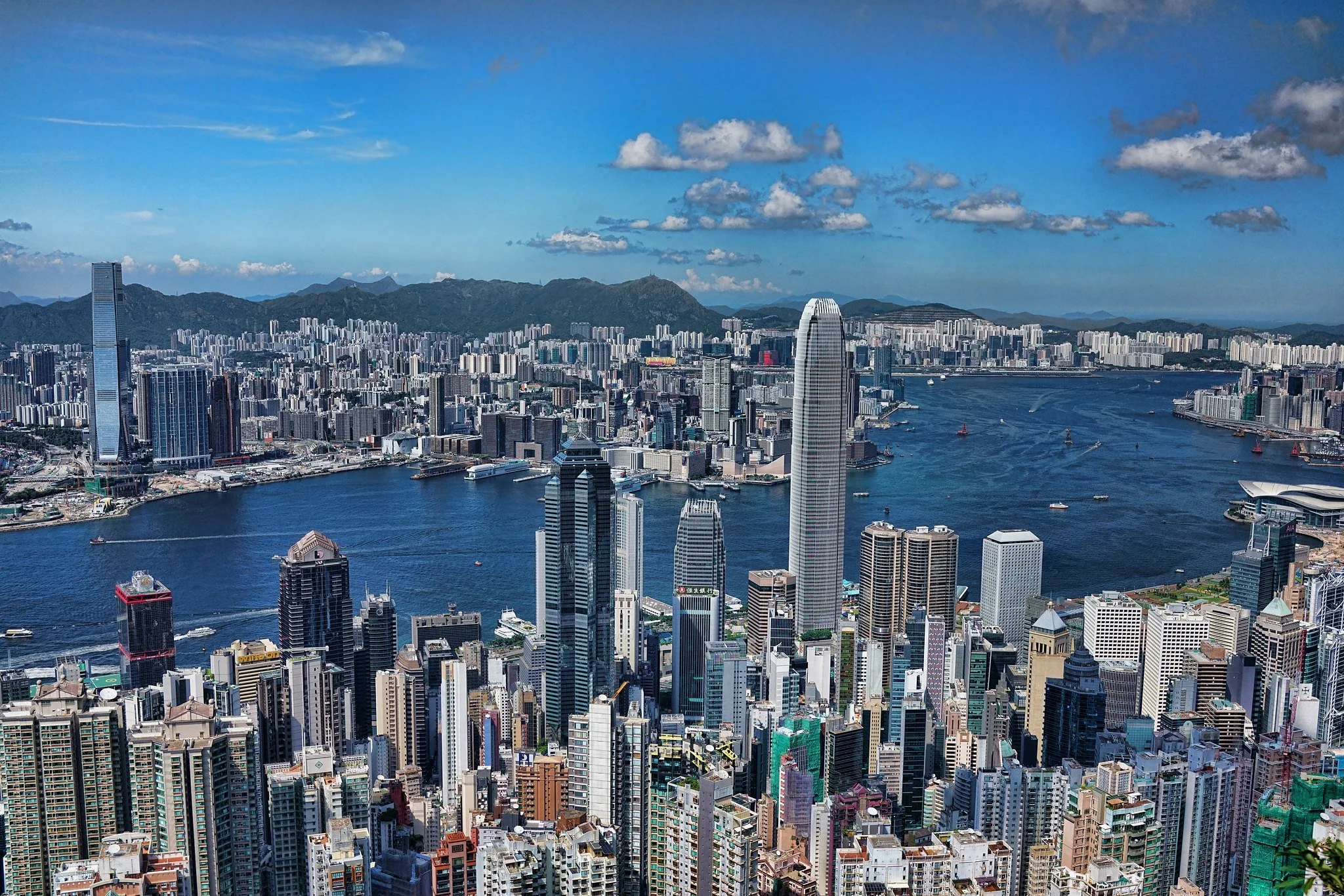
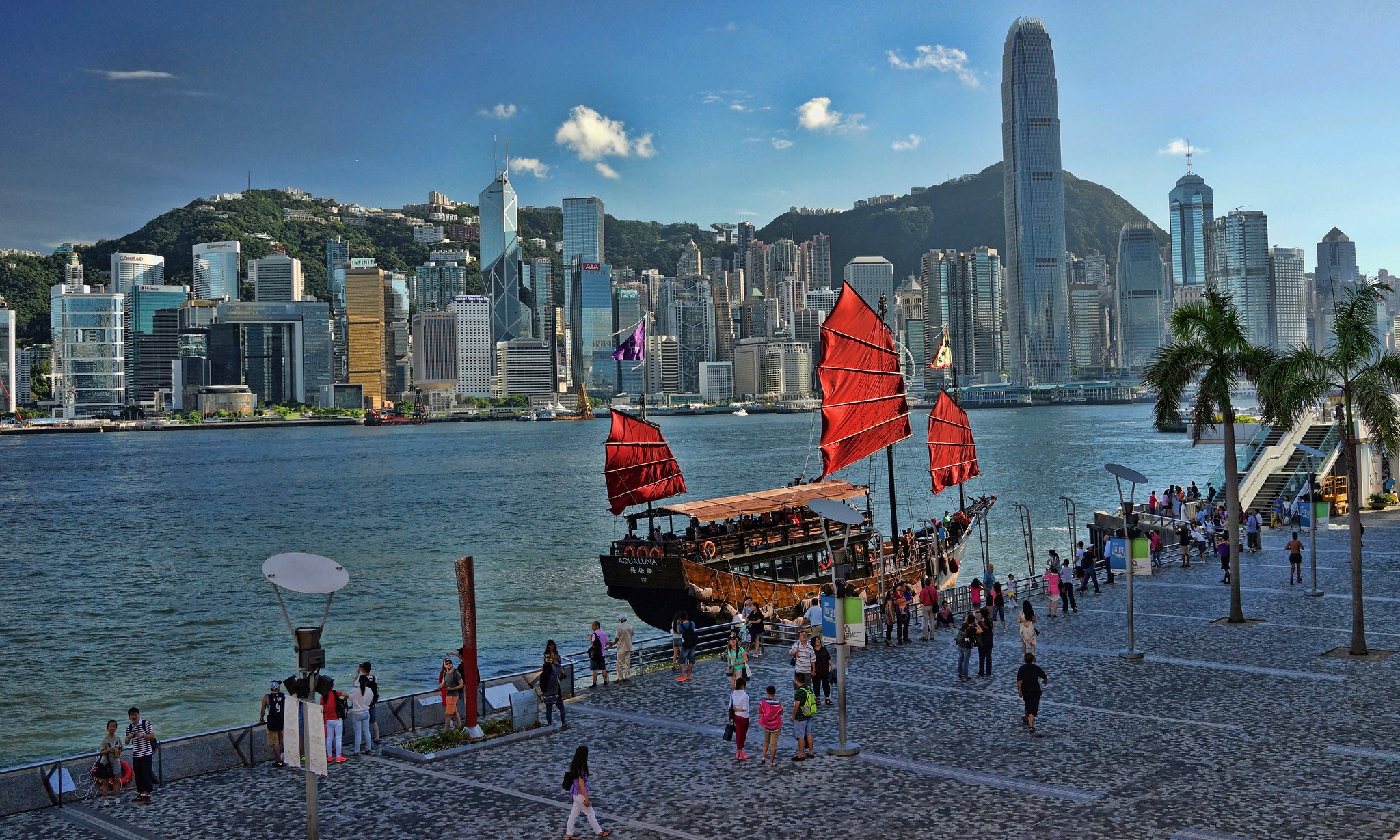
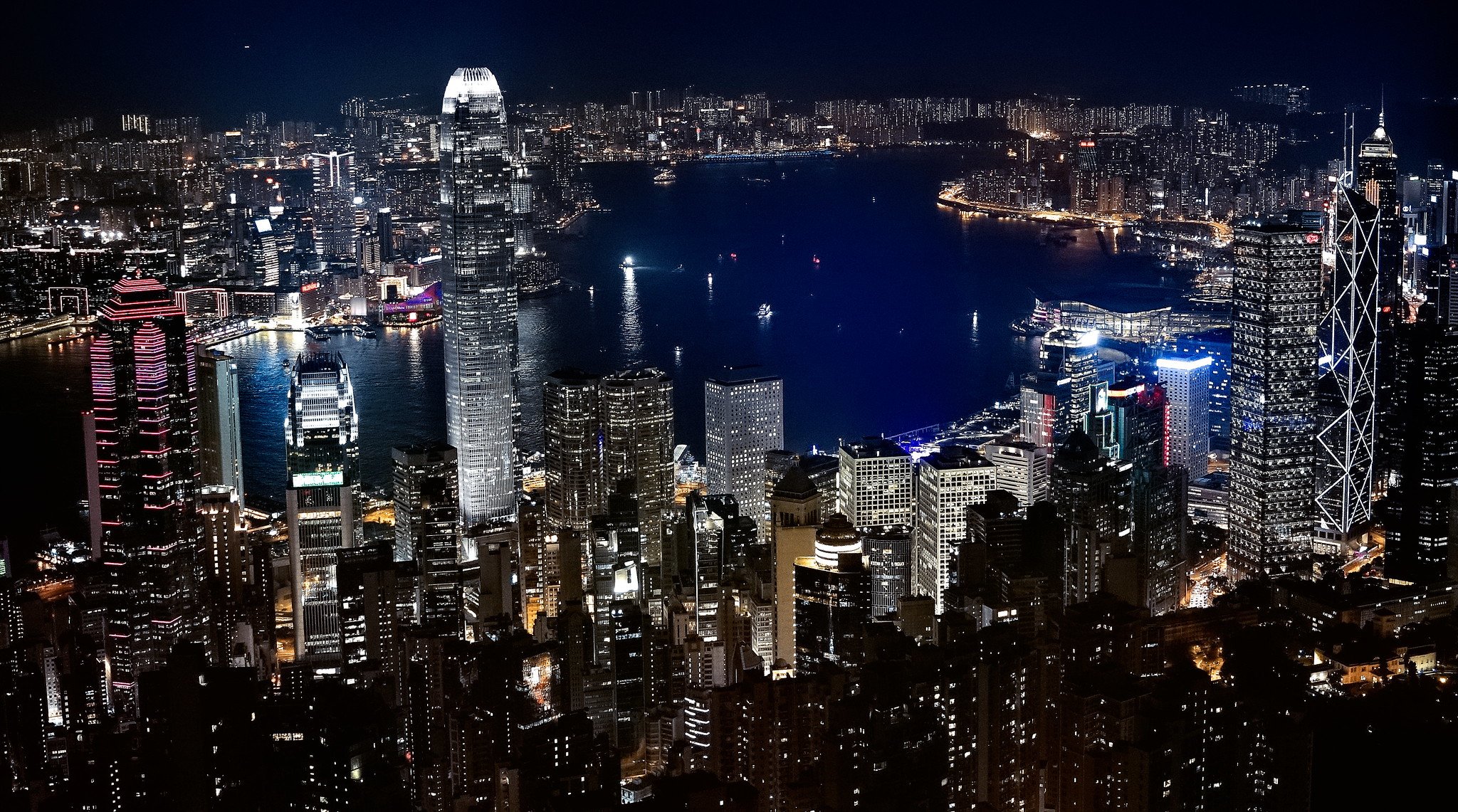
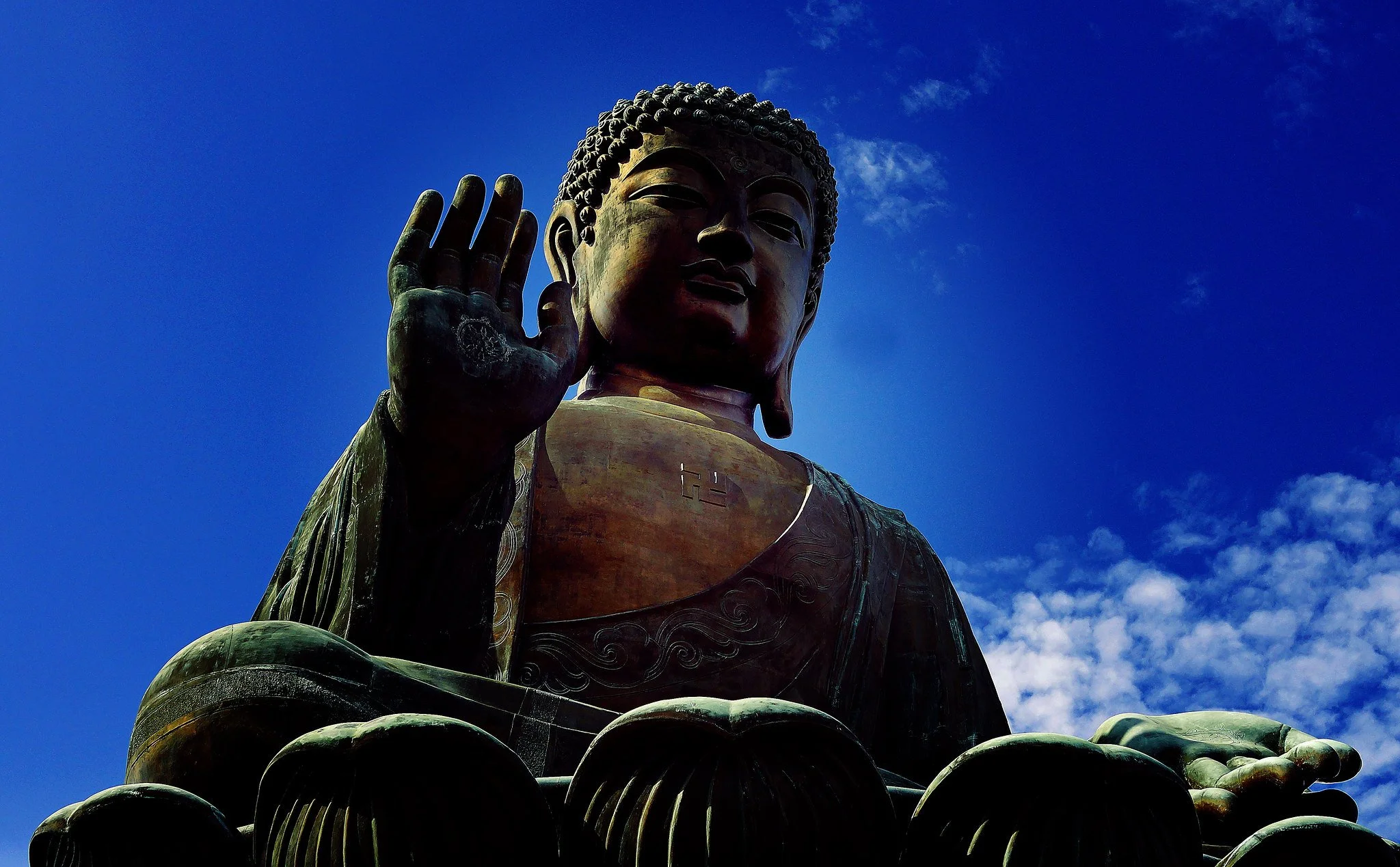
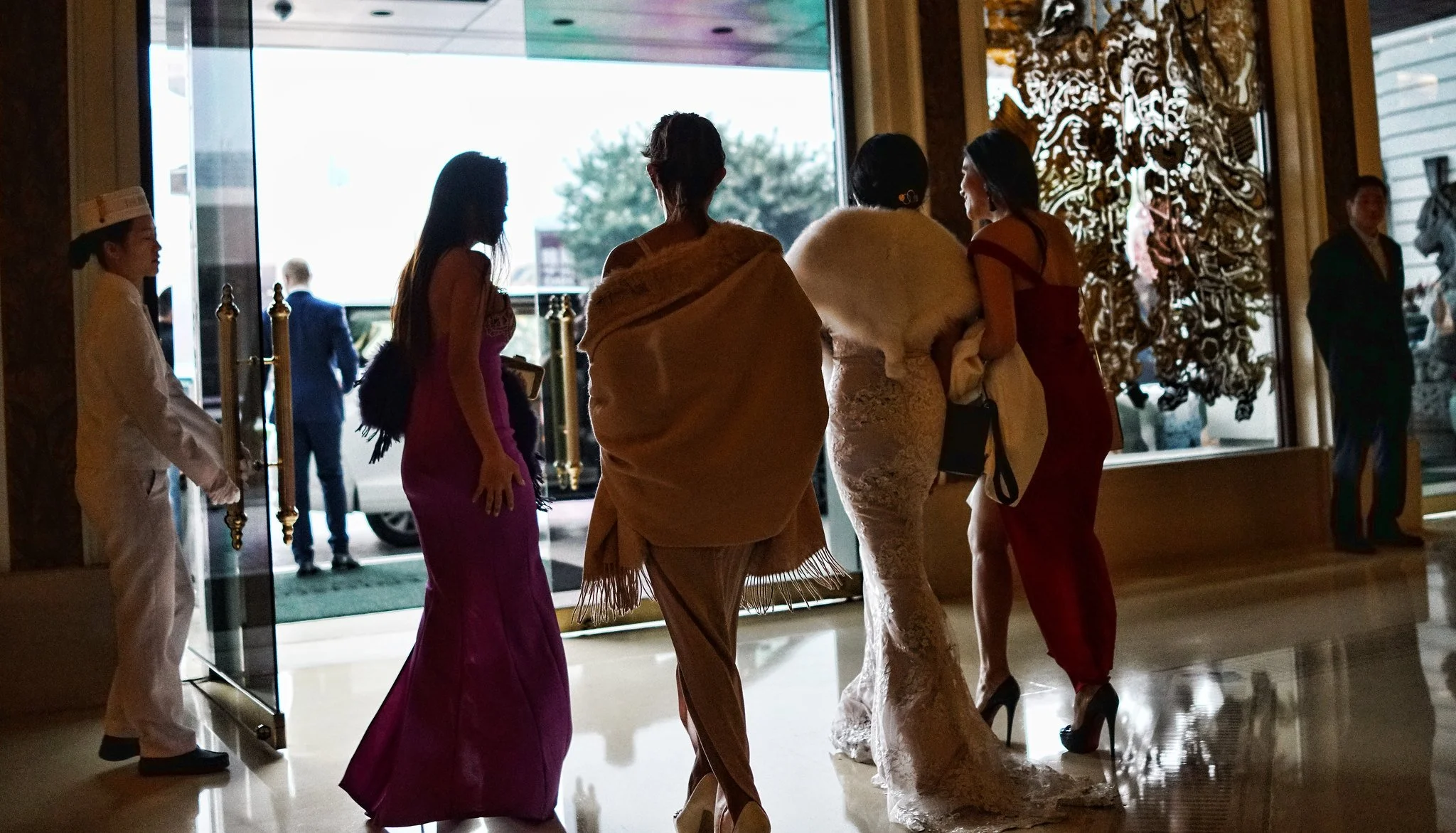
click on any image to enlarge
© Copyright Acknowledged | All rights reserved | all images taken b Jamie
Jamie’s Hong Kong | Some of my favourite images | Hong Kong 101
© Jamie Lloyd | J3 Consultants Hong Kong | J3 Private Tours Hong Kong |
| 2010 - 2026 All rights reserved. |
Click on any image to enlarge to full screen
Current images from my Instagram feed