Lantau's Blue Taxi Blues in Hong Kong : Why 75 Taxis Aren't Enough
Hong Kongs Shocking Transport Woes on Lantau Island

The J3 Group - Premium Quality Private Tours | Experiences and Insider Chats since 2010
Me Jamie, your host, I am English and I have lived in Hong Kong since January 2nd 1972 - I know the place.
A meaningful blog post with a difference - tips on Travel, Tourism, Tours, Daily Life and my personal thoughts on Hong Kong.
Please do visit Amazing Hong Kong
Hong Kong | Pearl of the Orient
Customised Private Tours + Experiences in Amazing Hong Kong
Jamie has lived in Hong Kong - Pearl of the Orient for 50+ years
Carefully Crafted Personalised and Customised Itineraries by Jamie | Hong Kong’s Most Experienced Private Tour Guide for : Solo Travellers Friends Families Seniors Couples Business People MICE Delegates.
Private Tours Cultural Tours Walking Tours Sightseeing Tours City Tours Night Tours Layover Tours Transit Tours Private Shore Excursions Bespoke Tours Personalised Tours Jewish Heritage Tours Luxury Private Tours Day Tours Luxury Boat Tours Themed Tours Private Family Tours Private Day Tours Corporate Tours
Just you, your family or friends and Jamie your personal English private tour guide - over 2,400+ tours completed since 2011 - Jamie offers quality Private Tours of Hong Kong
Tour Group Size 1 - 6 people only
J3 Group Hong Kong | J3 Consultants Hong Kong | J3 Private Tours Hong Kong
Creating Memories That Will Last A Lifetime
Go here for the Hong Kong Michelin Restaurant Guide which includes the Bib Gourmand Category

Timeless Hong Kong Stories, Tailored Just for You by Jamie
A Resident since 1972 - Sharing Hong Kong as Only a Local Can
click on the image to enlarge
© Copyright Acknowledged | All rights reserved | image take by Jamie
Hong Kong Tourism | One of the elusive 75 blue taxis on Lantau Island | Hong Kong
Lantau's Blue Taxi Blues: Why 75 Taxis Aren't Enough for Tourists going to Lantau Island Attractions in Hong Kong
By Jamie, Hong Kong Resident since January 2nd 1972 and Private Tour Guide Since 2010 – J3 Consultants Hong Kong & J3 Private Tours Hong Kong (2,360+ Tours Completed)
I have been wanting to write about this subject for a while now but I needed to calm down first because it is a subject that makes me angry every time I go to Lantau Island and I have been waiting to see if the Government would get around to fixing this long standing issue.
It is also an issue because the situation is now getting worse, the Tourism Board and related agencies are obsessed with visitor numbers, they love to use the term KPI (Key Performance Indicator) particularly when it comes to private companies managing Government services (the current big one, they are looking for a new operator for Kai Tak Cruise Ship Terminal) well it is about time that they looked at their own Tourism Department.
For the Tourism Agencies it seems the only KPI of interest is simply the number of visitors we get a year (50 million in 2025) and I have seen mentioned a few times, the new holy grail and that is 100 million visitors in a calendar year.
All well and good but in tourism particularly for remote attractions, transport is a real issue and on Lantau Island we have 3 major attractions - Disneyland, The Big Buddha | NP 360 Cable Car and the Tai O Fishing Village and not to mention it is home to Hong Kong International Airport!
Picture this: You've just stepped off the Ngong Ping 360 cable car, awe-struck by the majestic Big Buddha looming against Lantau's misty peaks. The air is crisp, the views are breathtaking, and you're eager to head to Tai O Fishing Village for a taste of Hong Kong's stilt-house heritage and fresh seafood. But then reality hits—a sea of tourists milling about Ngong Ping Village, scanning desperately for one of Lantau's elusive blue taxis. Forty-five minutes pass, then an hour. Buses are packed to the gills, and you're left wondering if you'll make it to Tai O before sunset. This isn't a rare mishap; it's the daily grind for visitors to Lantau's southern attractions.
I have lived here since January 2nd 1972 and who's guided over 2,360 private tours since 2010 through my companies, J3 Consultants Hong Kong and J3 Private Tours Hong Kong, I've witnessed this frustration firsthand. Lantau Island is one of Hong Kong's crown jewels - home to the Big Buddha, Tai O, stunning hikes, and even Disneyland—but its transport system is stuck in the stone age. With only 75 blue taxis licensed to serve the entire island (and often just 50 - 60 active daily), it's woefully inadequate for the millions of visitors flocking to spots like the Big Buddha and Tai O. This bottleneck not only sours the tourist experience but highlights a deeper issue: outdated policies that prioritize conservation without enough common sense.
In this post, I'll break down the problem, back it up with data, and suggest practical fixes based on my years on the ground.
The Core Problem: Lantau's Taxi Bottleneck
.. and yes, tourists always wonder why you normally have to take a bus to get to and from the Big Buddha and the Tai O Fishing Village and it really is a sore point for them.
Note - NP 360 refers to awesome cable car from Tung Chung to Ngong Ping where the Big Buddha is situated
Hong Kong's taxi system is color-coded for a reason: red for urban areas, green for the New Territories, and blue exclusively for Lantau Island and Chek Lap Kok (including the airport). These 75 blue taxis are the lifeline for ground transport on Lantau, especially in the restricted southern areas where private cars and coaches need special permits. They're meant to shuttle visitors from the airport, Tung Chung, or Ngong Ping and to even remoter places like the Tai O Fishing Village
But here's the rub: On peak days, when NP 360 disgorges 6,000 - 7,000 visitors (or more during holidays), the demand skyrockets. Not all taxis are available - some are tied up with airport or Disneyland runs, others idle elsewhere, one of the really frustrating experiences at Ngong Ping or Tai O is a blue taxi with an out of service sign, washing the taxi when there is 100 people waiting for a taxi and you guessed it, the winner is the tourist who offers a sum of money way in excess of the meter fare. There are apps that offer a booking service for blue taxis, good luck with that, you can easily wait for an hour and perhaps a little less if you offer a HK$100 bribe!
- and the net result is chaos. Tourists resort to overcrowded buses (New Lantao Bus routes like 21 or 23), which are affordable but often standing-room-only and infrequent outside peaks. Or worse, they give up and head back early, missing Lantau's full magic.
From my tours, I've seen families with kids or elderly members particularly hard-hit. A simple taxi ride could make all the difference, but with ratios like 80–100 visitors per active taxi on busy days, waits stretch endlessly. Apps like Uber (help a bit, but generally Uber is private cars which are basically not allowed unless they have a permit) but blue taxi availability is still scarce. It's year 16 for me as a guide, and the situation just seems to get worse as tourism rebounds post-COVID.
Visitor Data: Proof that Lantau Island is being overwhelmed
To put this in perspective, let's look at the numbers. The Ngong Ping 360 cable car is a key gateway to the Big Buddha and onward to Tai O, serving as a proxy for southern Lantau's tourism pull. Hong Kong-wide visitor arrivals provide broader context, while Lantau estimates (pieced from attractions like Disneyland, NP360, and transport data) show the island's draw—around 20 - 30% of total Hong Kong visitors.
These figures tell a story: Pre-COVID peaks (1.83 million at NP360 in 2018, amid Hong Kong's record 65.1 million arrivals) dropped sharply with protests (2019) and the three-year border closure (2020 - 2022). But recovery is underway - NP360 hit 1.47 million in 2025, slightly down from 2024 due to weather suspensions but still straining resources. Lantau's broader estimates (factoring Disneyland's 8 - 9 million projected for 2025 and other sites) highlight the pressure: Even at 11- 13 million island visits, the 75 blue taxis can't keep up.
Theoretically, NP360 could handle up to ~5.11 million visitors annually (based on 3,500 passengers/hour per direction over 8-hour days, 365 days), but real highs are ~36% of that. Buses absorb much (popular routes carry millions yearly), yet peaks overwhelm everything. With Hong Kong's tourism still 23% below 2018 levels, imagine the strain if we hit those highs again and not mention the mythical 100 million visitors a year!
The Permit Puzzle: Why Alternatives Are Limited
To repeat again, a constant complaint from tourists is why on a tour they have to take a bus and not a comfortable car or private coach, well this is the reason. (a lot of tour companies do not really explain this situation for fear of losting bookings)
Lantau's closed roads exacerbate the taxi shortage. To access South Lantau (Big Buddha, Tai O), vehicles need a Lantau Closed Road Permit (LCRP) - a system from the 1970s to control traffic and protect the environment.
Tourist Coaches: Capped at 40 daily quotas (20 for local tours, 20 for non-local). These book up fast, especially in peak seasons - great for groups but leaving individuals reliant on taxis or buses.
Private Cars: Priority for residents/businesses (~23,100 permits issued annually, including renewals). Visitors get up to 50 daily weekday slots (excluding holidays) under the 2016 "Driving on Lantau Island" scheme, with 10 for electric vehicles. Weekends? Tighter restrictions funnel more to public options.
This conservation-focused setup preserves Lantau's rural vibe but pushes undue pressure onto the 75 blue taxis. Permits haven't scaled with tourism growth since 2011, mirroring the taxi stasis.
The Illogical Restrictions: Why Lantau Is Treated Differently
I've lived in Hong Kong since January 2nd 1972 and been guiding private tours since 2010—over 2,360 tours completed with J3 Consultants Hong Kong and J3 Private Tours Hong Kong - and the taxi situation on Lantau has only gotten worse year by year. The government's reasoning for the strict rules makes sense on paper, but in practice, it feels downright illogical when you compare Lantau to the rest of Hong Kong.
The core policy dates back decades: South Lantau roads (including those to the Big Buddha at Ngong Ping and Tai O Fishing Village) are "closed roads" under Transport Department regulations. Only vehicles with a Lantau Closed Road Permit (LCRP) can enter, and that's tightly controlled to protect the island's environment, rural character, and sensitive areas like country parks and wetlands. This falls under the Sustainable Lantau Blueprint's principle of "Development in the North; Conservation for the South" - focusing growth around Tung Chung, the airport, and Disneyland while keeping the south pristine.
So Lantau Island is about 57 square miles and the South Lantau restrictions cover over 50% of that
Red taxis (urban, the vast majority at 15,250) are barred from Tung Chung Road (south section) and all South Lantau roads. Green taxis (New Territories, 2,838) are similarly restricted—they serve rural zones like Tuen Mun, Yuen Long, Tai Po, and parts of Sai Kung freely, but not Lantau's south. Only the 75 blue taxis (Lantau-specific) get full access to the island, including these key attractions.
Here's where the illogic kicks in: Much of the New Territories beyond Kowloon looks and feels a lot like Lantau - rural villages, winding hilly roads, country parks, low-density areas with plenty of open space. Yet green taxis operate without these heavy restrictions there, and red taxis can reach many of those spots too. Why treat Lantau so differently when similar rural landscapes elsewhere have freer taxi access? The conservation goals are valid, but the rules seem disproportionately strict for one island.
Even more telling is the reality on the ground. Drive the routes to the Big Buddha or Tai O, and you'll notice the roads are pretty much devoid of traffic most of the time - especially outside peak tourist hours or weekends. Historical data backs this up: Tung Chung Road (south section) has a design capacity of around 10,000 vehicles per day, but average daily traffic has hovered around 3,700 - 4,800 in past surveys (even lower on quieter days). South Lantau Road and Keung Shan Road are similar - capacities of 8,000+, but actual usage often 2,700–3,200. These numbers haven't spiked dramatically with tourism recovery; the roads have plenty of spare capacity and yes, it is true that cows on the South Lantau roads can be an issue!
You could add a thousand blue taxis to Lantau, and it wouldn't make a noticeable difference in congestion or environmental impact. The narrow, winding roads aren't suddenly going to gridlock like urban highways, and vehicle emissions from a modest increase in licensed taxis (carefully regulated) would be minimal compared to the buses already rumbling through and yes, a lot of taxis these days are hybrids and EV’s)
Speaking of buses: New Lantao Bus routes (like 21, 23 to Tai O or 2 to Ngong Ping and the Big Buddha) are popular and essential, but let's be honest - some drivers push hard on those tight bends, making the ride feel risky or uncomfortable, especially for families or first-timers. More reliable taxi options would offer a calmer, safer alternative without overwhelming the roads.
The closed road system is meant to preserve Lantau's magic, and I respect that. But with visitor numbers rebounding (NP360 cable car at - 1.47 million in 2025, Lantau overall estimates around 11 - 13 million visits annually), the rigid limits on taxis create unnecessary bottlenecks. Tourists end up in outrageous lines at Ngong Ping Village (The Big Buddha) after the cable car, or stranded in Tai O waiting for a rare blue taxi. It's time to rethink the approach - keep private cars and tourist coaches capped, but give people more taxi options. That wouldn't "mess with the environment" or clog the roads; it would just make enjoying Lantau's highlights easier and more enjoyable for everyone.
Conservation vs. Common Sense: Time for Equal Treatment
If we're serious about conservation, we have to apply some common sense - and treat similar places equally across Hong Kong. To my mind (and to a lot of fellow Hong Kongers I've spoken with over the years), Lantau Island isn't fundamentally different from large swathes of the New Territories. Think about it: rolling hills, country parks, rural villages, winding roads with light traffic, and plenty of natural beauty. Yet the New Territories have no such rigid taxi restrictions - green taxis roam freely in rural areas like Sai Kung, Tai Po, or Yuen Long, and red taxis can reach many spots without barriers. South Lantau looks pretty much the same as many parts of the NT: quiet, green, and under-trafficed most days. So why the double standard?
The government's Sustainable Lantau Blueprint pushes "Development in the North; Conservation for the South," and I respect the intent to protect sensitive ecosystems. But if conservation is truly the priority, why build massive attractions on Lantau that collectively draw around 10 - 13 million visitors a year? The Ngong Ping 360 cable car, the Big Buddha at Po Lin Monastery, and Hong Kong Disneyland were all greenlit to boost tourism and the economy. NP 360 alone saw about 1.47 million riders in 2025, Disneyland hit record highs in recent years, and bundled visits to Tai O add even more footfall. These aren't low-key eco-spots - they're high-impact draws that bring crowds, buses, and infrastructure. Yet when it comes to ground transport for everyday tourists, the rules stay locked down tight.
This creates real contradictions. The government loves promoting "green tourism" - hiking Lantau Peak, exploring trails in the country parks, or enjoying nature walks. They highlight these as sustainable ways to experience Hong Kong's outdoors, and rightly so - hiking is low-emission and connects people with nature. But without adequate transport links, who will bother? After arriving via packed buses or enduring outrageous 1-hour lines for the NP 360 cable car (especially on weekends or holidays), many visitors are too tired or frustrated to venture further. Stranded groups miss out on Tai O's stilt houses or a peaceful trail hike because the only reliable option is one of the scarce 75 blue taxis.
Our leaders talk a big game about sustainable, green tourism, but limited transport options make it feel like lip service. If the goal is to encourage eco-friendly activities like hiking (which does involve some environmental impact from trail wear and crowds), then people need practical ways to get there - without relying solely on overcrowded public buses or hoping a blue taxi shows up. Better access would spread visitors out, reduce peak pressure on the cable car and buses, and actually support green goals by making Lantau more enjoyable and reachable.
I have no issue with eco-policies - they're important for preserving what makes Hong Kong special. But they need to be "equal" across districts. South Lantau isn't some ultra-fragile zone unlike anywhere else; it's comparable to NT rural areas where taxis flow freely. A simple, elegant tweak - such as increasing the number of blue taxis (say, to 150 or 300 more) or allowing red taxis targeted access to Ngong Ping (The Big Buddha) and Tai O (perhaps with conditions like no village idling) - wouldn't have any meaningful impact on eco issues. The roads are already underused, with traffic volumes often well below capacity, and a modest increase in licensed taxis wouldn't cause congestion or pollution spikes. It would, however, give tourists real options: no more endless queues, no more packed bus rides, just smoother, more enjoyable visits to Lantau's highlights.
In my 16 years guiding tours, I've seen the problem worsen as tourism rebounds (Hong Kong hit 49.9 million visitors in 2025, with Lantau pulling a solid share). It's time for policies that match reality: keep conservation strong, but make it practical and fair so everyone can experience Lantau's magic sustainably.
click on the image to enlarge
© Copyright Acknowledged | All rights reserved | image take by Jamie
Tai O Fishing Village | a rare sighting of a mythical blue taxi | Hong Kong
A Practical Solution: Scale Up Blue Taxis (and More)
The good news? This doesn't require reinventing the wheel. A targeted increase in blue taxi licenses - from 75 to 150 or 300—would provide immediate relief without undermining conservation. Keep private cars and coaches capped, but let more blues handle the surges at Ngong Ping The Big Buddha) and Tai O. Precedents exist: The government bumped blue taxis from - 50 to 75 around 2015–2016, raised coach quotas from 30 to 40, and expanded car permits from 25 to 50 weekdays. No environmental disaster followed.
Alternatively, allow red taxis limited access to southern attractions (e.g., via temporary permits or trials) - even at higher fares due to distance, it gives options. Other quick wins: Enhance shuttle services from Tung Chung, improve bus frequency/scheduling, or promote electric blue taxis for green alignment.
I'm not optimistic about swift change, but here's a forlorn hope: The government should send a small team - officials, transport experts, and local reps - to spend just seven days on Lantau, including a full weekend. Observe the NP 360 arrival surges, the taxi queues at Ngong Ping Village, the packed buses to Tai O, and the empty stretches of road in between. Experience what thousands of visitors face daily. It's not about dismantling conservation - it's about applying common sense to make it work for everyone.
Practical Tips for Visitors going to Lantau Island
To help make your Lantau trip smoother despite the transport hassles, here are some real-world pointers from years of seeing how things actually play out:
For Tai O access: Stick to the most reliable options - buses win for frequency and ease.
From Tung Chung (easiest for most visitors arriving by MTR or airport): Walk to the bus terminus near Citygate Outlets (5 minutes from Exit B), catch New Lantao Bus Route 11 to Tai O ( -45 minutes; every 15–30 minutes, more frequent at peak times). Fare - HK$12 weekdays / HK$19 weekends/holidays (Octopus card best). This is the go-to for independent travellers - predictable and rarely leaves you stranded.
From Mui Wo (if coming by ferry from Central for a scenic start): Ferry from Central Pier 6 to Mui Wo (35 - 55 minutes, ~HK$20 - 40), then Bus 1 from Mui Wo Ferry Pier to Tai O (- 45 minutes). Good for a relaxed vibe, but factor in ferry wait times.
Tung Chung to Tai O ferry option (Fortune Ferry): A scenic alternative (~30–36 minutes) with water views, running several times daily (roughly every 2 - 4 hours, more on weekends and holidays). It's nice if timed right, but the schedule isn't super flexible - if you miss one, waits can be 2+ hours. The pier is a 15 - 20 minute walk from Tung Chung MTR (follow waterfront signs - not right at the station). Ferries often get crowded (jammed seats/standing), so it's not ideal for groups, tight plans, or if reliability matters. Check Fortune Ferry site or apps ahead- many prefer the bus instead.
NP 360 and Big Buddha timing: Arrive early (first cable car) or late afternoon to dodge peak queues and taxi/bus overloads or do what I do, go to the Tai O Fishing Village first on the bus and then to the Big Buddha by taxi (!) or bus and then the cable down, you only need to do the Cable Car one way, the views are the same!
General prep: Download HKeMobility or Citymapper for real-time bus/ferry tracking. Pack patience, water/snacks for any waits, and comfy shoes for short walks (piers, villages). Weekdays are quieter overall- avoid weekends/holidays if possible.
Backup plans: Combine routes (e.g., cable car to Ngong Ping, then Bus 21/23 to Tai O) or build in extra time. If things go sideways with taxis/buses, Tung Chung MTR (Subway) is the most popular way for for getting back to the city
Personal Insights from the Trail
Some of my guests have opted out of a visit to the Tai O Fishing Village altogether after long waits for transport drained their energy. But when a taxi does show? It's transformative - private, comfortable rides letting groups chat, snap photos, and soak in Lantau's serenity. As Hong Kong rebounds, we owe visitors (and locals) better.
Conclusion: Let's Unlock Lantau's Potential
Lantau's 75 blue taxis are a relic in a city welcoming 50+ million visitors annually. With NP 360 and broader tourism data showing clear demand, and closed roads creating artificial shortages, it's time for change. Preserve the environment—absolutely - but do it equitably, with practical transport that matches the island's draws.
If you've experienced Lantau's taxi woes, share your stories on social media and such and to authorities: Let's make sustainable tourism real, not rhetoric. Safe travels - and here's hoping for better blue-taxi days ahead!
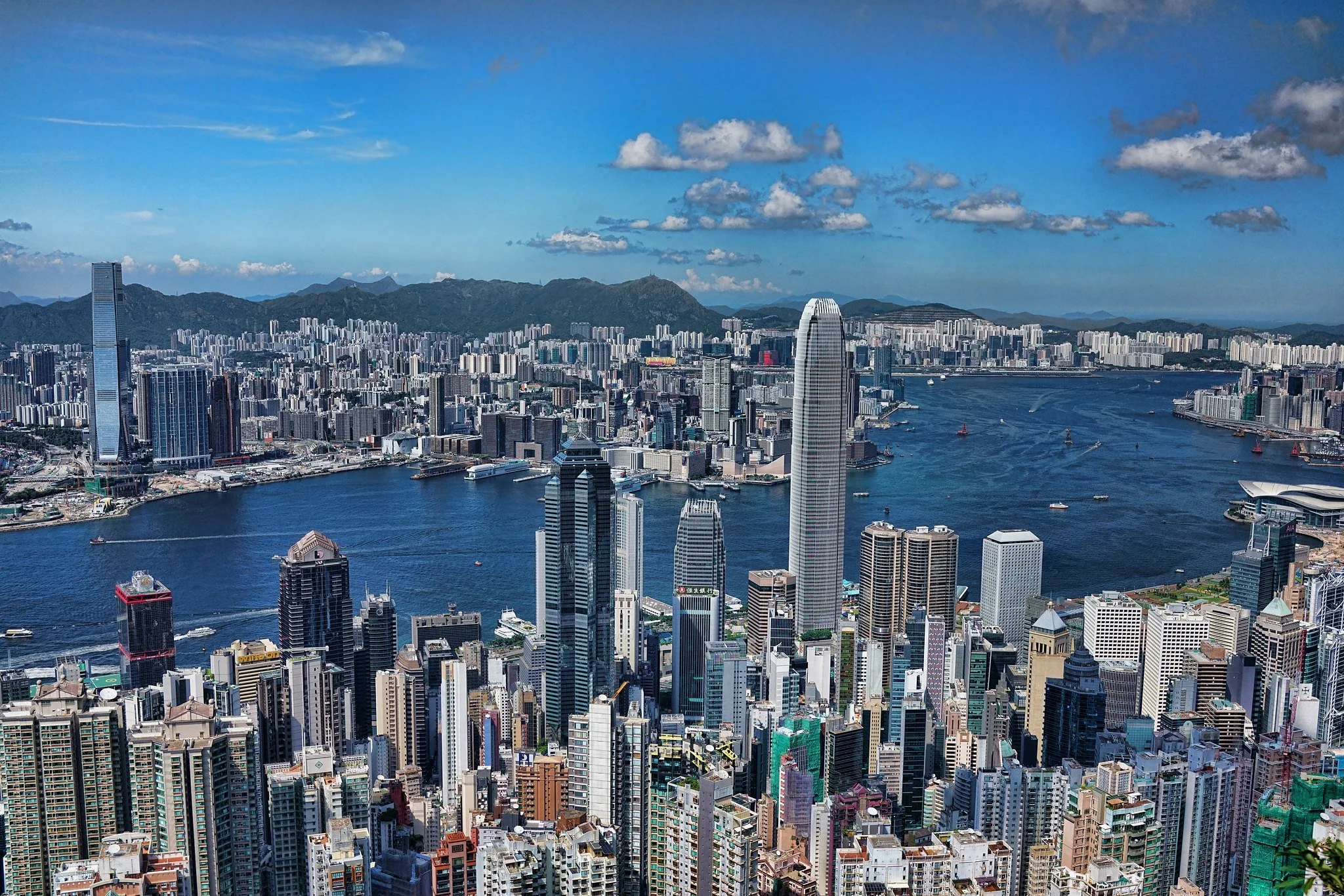
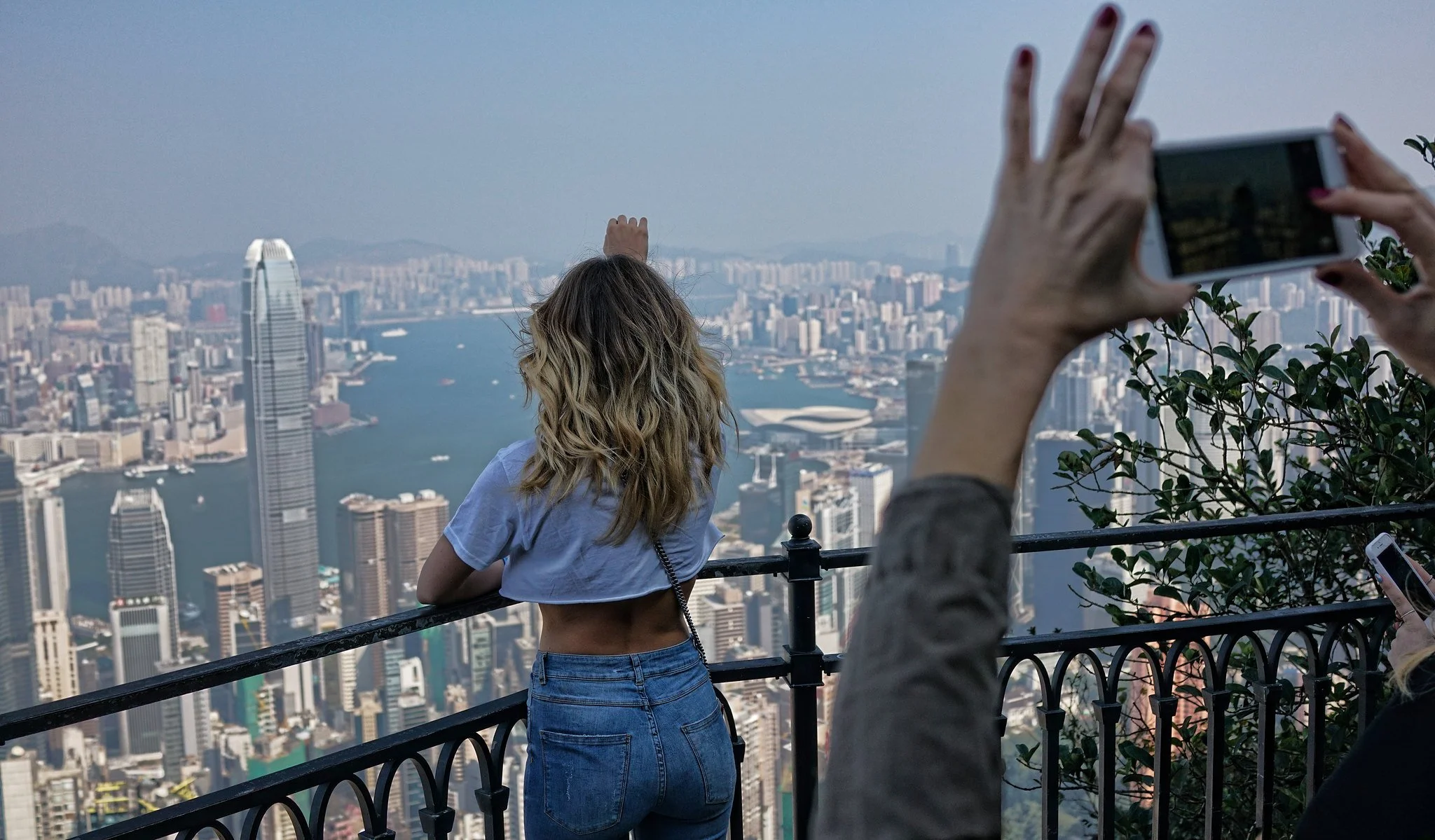
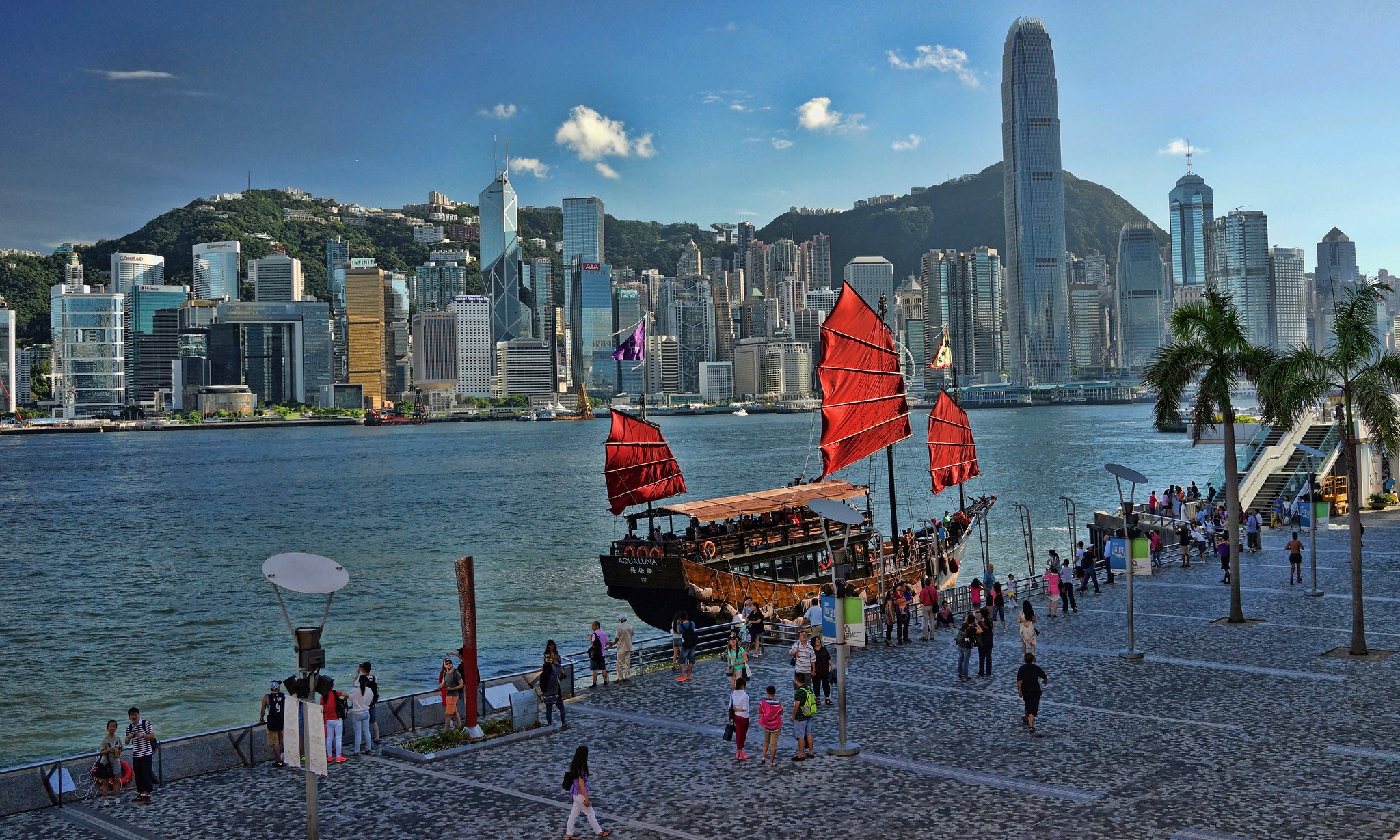
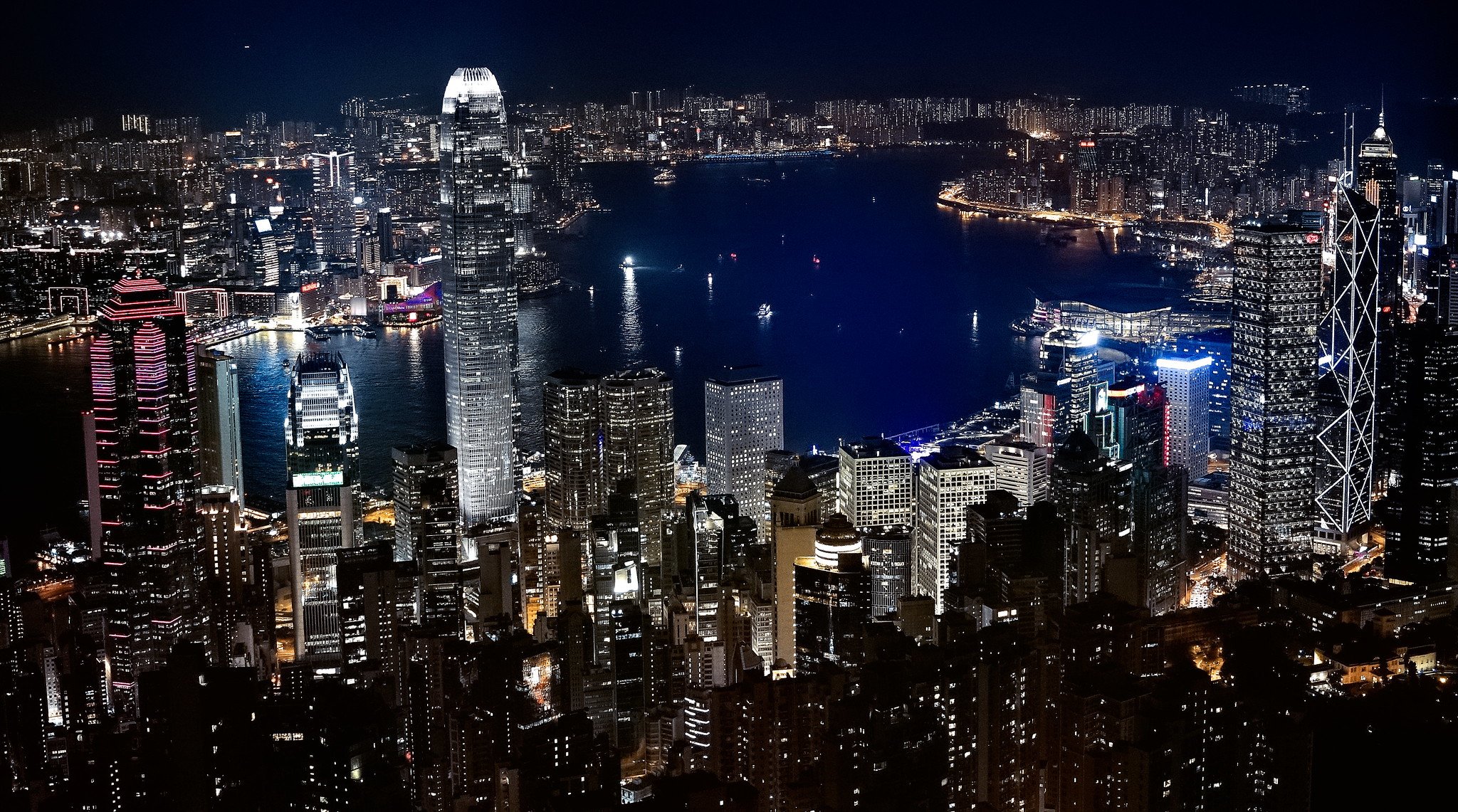
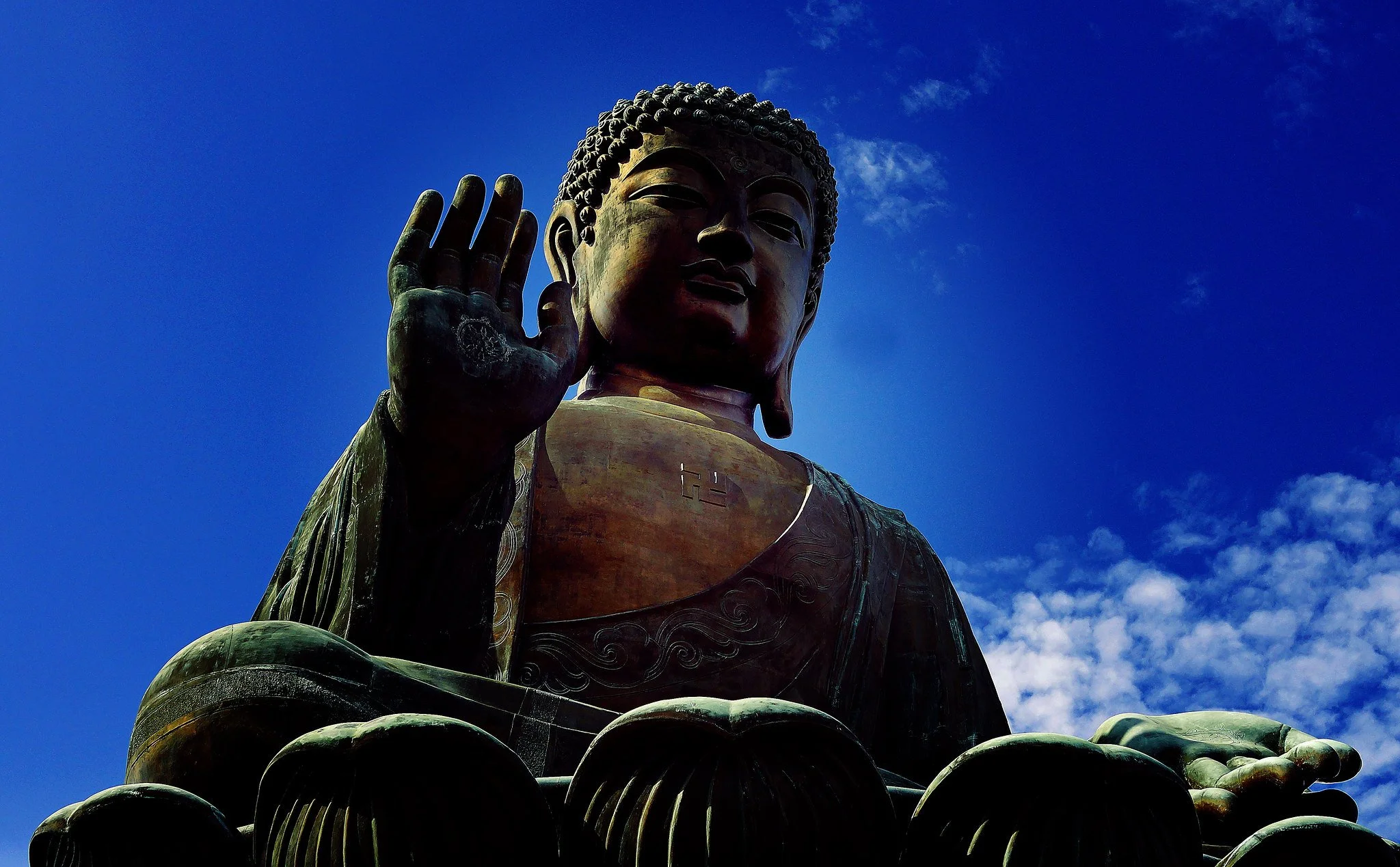

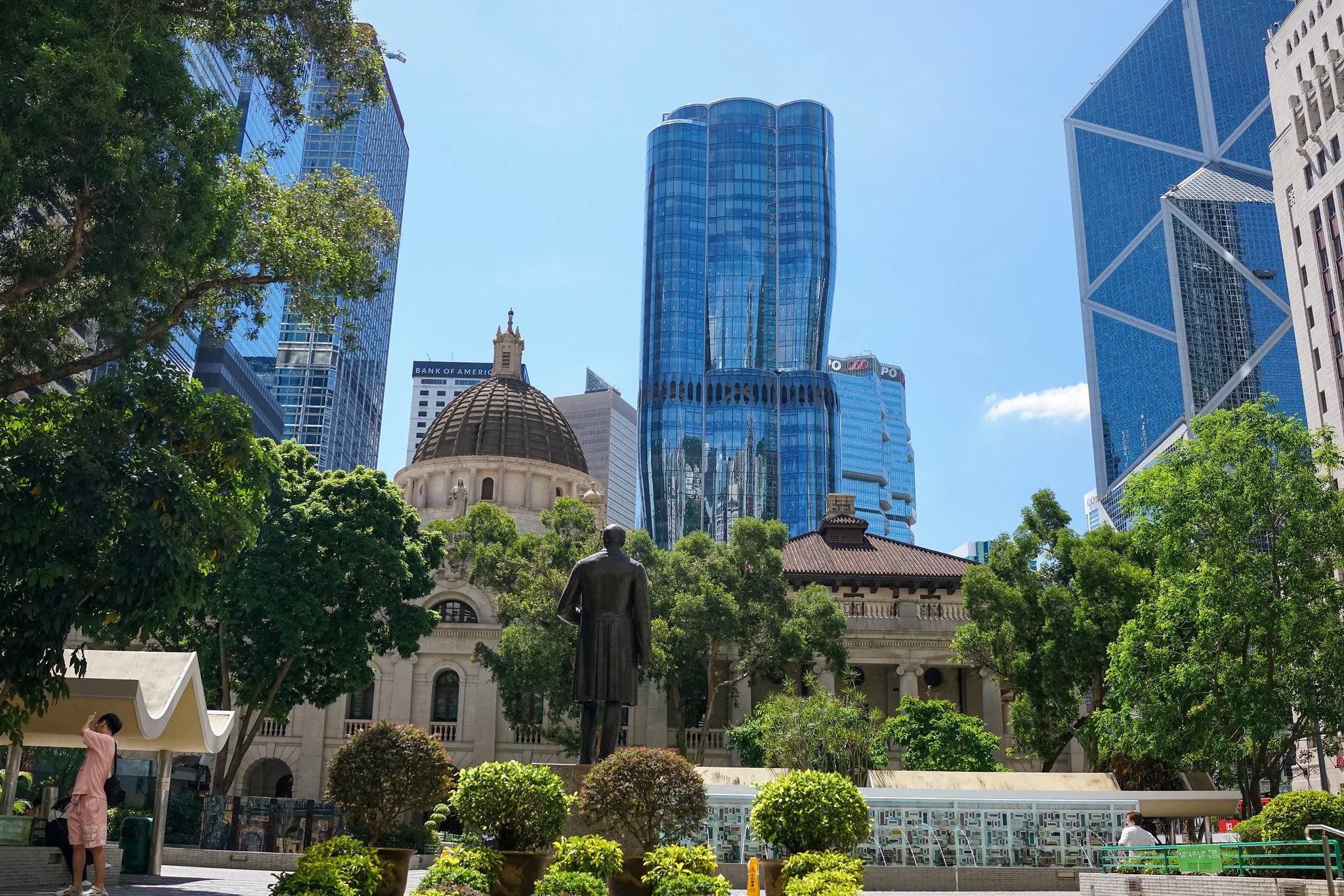
click on any image to enlarge
© Copyright Acknowledged | All rights reserved | all images taken b Jamie
Jamie’s Hong Kong | Some of my favourite images | Hong Kong 101
I do not do food tours in Hong Kong but I know people that do!
I am pleased to say a lot of Food Tour Companies will have egg tarts on their tasting menu
I have very specific reasons and part of it is that I do not speak Cantonese or write Chinese, I am from Yorkshire in England and I lack the language gene and it is not through lack of trying and yes a lot of restaurants do not have English menu’s or staff who speak conversational English.
.. and yet I have eaten at close to 1,400 restaurants in Hong Kong since January 2nd 1972, my wife was born in Hong Kong and we have been together over 40 years and her first language is Cantonese and a lot of her family are Chinese or half Chinese so I have never had much of an issue!
This does not translate to doing food tours though, yes, I could do them, no problem there but they would never ever be as good as the food tours done by my friends (see the 3 links above) most of their awesome guides are locally born Hong Kong Chinese and obviously food culture is part of their DNA, it is impossible for me to compete with that!
So please feel free to contact them for food tours
© Jamie Lloyd | J3 Consultants Hong Kong | J3 Private Tours Hong Kong |
| 2010 - 2026 All rights reserved. |
Click on any image to enlarge to full screen
Current images from my Instagram feed