Hong Kong - Iconic skyline, world class dining and sites
and a unique East-meets-West culture visit Hong Kong in 2026
The J3 Group - Premium Quality Private Tours | Experiences and Insider Chats since 2010
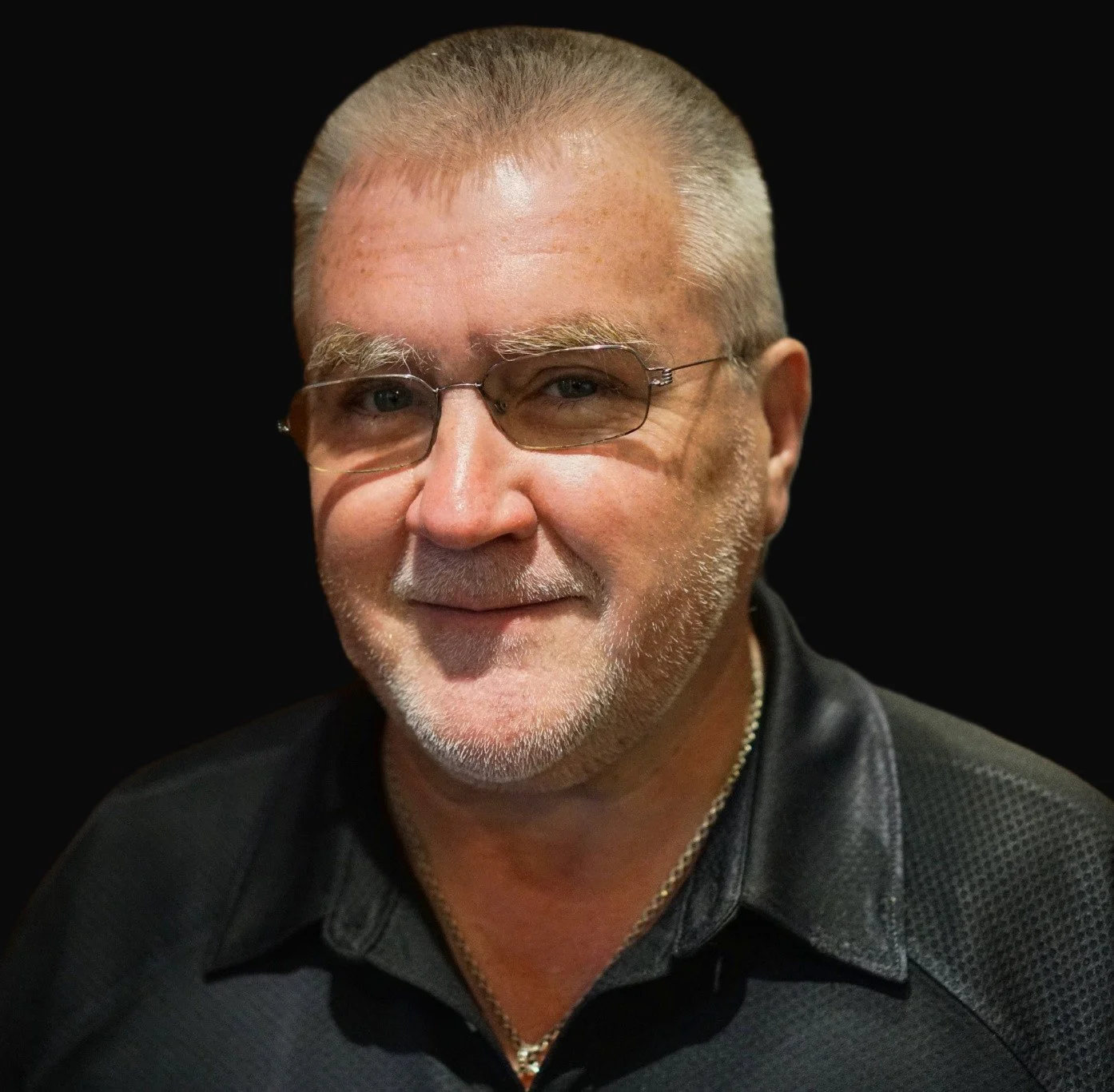
Me Jamie, your host, I am English and I have lived in Hong Kong since January 2nd 1972 - I know the place.
A meaningful blog post with a difference - tips on Travel, Tourism, Tours, Daily Life and my personal thoughts on Hong Kong.
Please do visit Amazing Hong Kong
Hong Kong | Pearl of the Orient
Customised Private Tours + Experiences in Amazing Hong Kong
Jamie has lived in Hong Kong - Pearl of the Orient for 50+ years
Carefully Crafted Personalised and Customised Itineraries by Jamie | Hong Kong’s Most Experienced Private Tour Guide for : Solo Travellers Friends Families Seniors Couples Business People MICE Delegates.
Private Tours Cultural Tours Walking Tours Sightseeing Tours City Tours Night Tours Layover Tours Transit Tours Private Shore Excursions Bespoke Tours Personalised Tours Jewish Heritage Tours Luxury Private Tours Day Tours Luxury Boat Tours Themed Tours Private Family Tours Private Day Tours Corporate Tours
Just you, your family or friends and Jamie your personal English private tour guide - over 2,400+ tours completed since 2011 - Jamie offers quality Private Tours of Hong Kong
Tour Group Size 1 - 6 people only
J3 Group Hong Kong | J3 Consultants Hong Kong | J3 Private Tours Hong Kong
Creating Memories That Will Last A Lifetime
Go here for the Hong Kong Michelin Restaurant Guide which includes the Bib Gourmand Category

Guided by Stories, Private Tours of Hong Kong with Jamie
A Resident since 1972 - Quality Private Tours of Hong Kong
click on the image to enlarge
© Copyright Acknowledged | All rights reserved
Peninsula Hotel Lobby | Luxury Tourism | Hong Kong
Hong Kong already possesses an enviable foundation - iconic skyline, world-class dining, seamless connectivity and a unique East-meets-West cultural depth
Jamie a Hong Kong resident of well over 50 years and 2,360+ private tours completed since 2011
This is my take with input as usual from AI
An idea that has been percolating in my brain since 2010 (and it percolates with all great private tour guides in Hong Kong} is to come up with a list of 10 potential ideas to change Hong Kong Tourism and this all came about because of a newspaper article in the South China Post in Hong Kong and the policy of chasing numbers of tourists and paying influencers to spread the word) rather than high quality big spenders, in Hong Kong we need both to work hand in hand.
I should point out that some of suggestions have been on the radar for the Tourism Boffins for a while and some I do not agree with but these are for the overall Hong Kong Experience so I have to set personal feelings aside for the greater good!
Hong Kong already possesses an enviable foundation - iconic skyline, world-class dining, seamless connectivity, and a unique East-meets-West cultural depth - that positions it perfectly to pivot toward high-value, high-spending international visitors from long-haul markets in Europe, North America, Australia, the Middle East, and Southeast Asia. The shift away from volume-driven tactics (like the influencer volume play) toward premium, experience-led strategies is exactly what regional peers have used to lift per-visitor spend dramatically. Singapore’s Tourism 2040 roadmap, for instance, explicitly targets MICE travellers who spend nearly twice as much as leisure visitors, while Thailand and Japan have doubled down on wellness, luxury immersion, and longer stays to drive revenue without chasing raw numbers.
So here are 10 bold, actionable overhauls the Hong Kong Tourism Board could implement. Each draws inspiration from proven successes elsewhere but is tailored to Hong Kong’s urban sophistication, harbor drama, and efficiency. They emphasize longer stays (7 - 14+ days), higher daily spend (targeting US$500 - 1,000+ per person), repeat visits, and genuine advocacy from discerning travellers.
So this list is aimed at the Hong Kong Tourism Board as nothing will get done unless they are onboard, so even though I am addressing them any casual reader will understand the ideas and concepts.
Ultra-Premium Tastemaker Residencies for Food and Travel Media Expand your food-writer and travel-writer trip idea into a structured 5 - 7 day residency program. Invite 50 - 75 top-tier global editors, Netflix-style food documentarians, and Michelin-guide contributors annually, housing them in 5-star hotels like the Peninsula or Rosewood with private drivers and curated itineraries. Pair them with local Michelin-starred chefs for hands-on kitchen sessions, private market tours at dawn, and behind-the-scenes access to dim sum masters or sake importers. The goal: secure full episodes of international food/travel shows (think “Somebody Feed Phil” style or Anthony Bourdain-level depth) filmed entirely in Hong Kong. Measure success via earned media value and direct booking spikes on partner OTAs. This creates authentic, high-credibility content that reaches affluent audiences who book premium trips, not budget selfies and yes some of my friends did food tours with Anthony Bourdain
“Hong Kong Icons in Residence” Celebrity Ambassador Program Turn my movie-star suggestion into a formal program: invite A-list actors, directors, musicians, and sports figures (George Clooney on the Star Ferry, a K-pop or Hollywood act performing a private harbor set, or a Formula 1 champion doing a cable-car-to-Buddha experience) for 3–5 day “residence” visits. Offer them full creative freedom to document unscripted moments, then amplify via co-branded campaigns. Partner with luxury brands (Rolex, Louis Vuitton) to underwrite costs. Singapore and Thailand use similar high-profile tie-ins with live events to multiply reach; Hong Kong could host one signature celebrity-driven activation per quarter, creating instant global buzz that high-net-worth travellers chase for the “I was there” factor. For the record I have been called “fat George Clooney” by family and friends.
Reimagined Premium Night Markets at the Ladies Market and Stanley Market - Completely overhaul these two iconic spots into upscale experiential bazaars. By day, keep the energy; by night, transform them with curated lighting, live artisan demonstrations, pop-up Michelin Bib Gourmand stalls, and limited-edition collaborations with local designers and international luxury labels. Introduce VIP evening passes with sommelier-led tastings, private shopping concierge, and storytelling sessions. Bali and Singapore have successfully elevated street markets into premium lifestyle destinations; this would extend visitor dwell time into evenings, boost per-person spend on high-margin goods, and reposition Hong Kong as a sophisticated shopping-and-culture hub rather than a bargain-hunter stop.
“Eternal Harbour” - A Daily, Evolving Immersive Night Spectacle Replace the Symphony of Lights with a rotating, tech-forward nightly experience across multiple harbor vantage points (Tsim Sha Tsui, Central, and The Peak). Use drone light shows, projection mapping on skyscrapers, synchronized traditional junk boat performances with LED sails, and live cultural elements (Cantonese opera fusion or contemporary dance). Change the theme weekly - wellness under the stars one night, gastronomy with floating pop-up bars the next - so repeat visitors always have a new reason to return. Noctourism trends worldwide show travelers now plan trips around after-dark experiences; a daily, free-yet-premium-ticketed version (with VIP boat viewing packages) would become Hong Kong’s signature evening draw, keeping visitors out later and spending more on dining and transport.
Dedicated High-Yield MICE and Incentive Travel Hub Position Hong Kong as Asia’s premier meetings-and-incentives destination by building a new downtown MICE precinct (inspired by Singapore’s plans) with state-of-the-art venues, luxury hotels, and bespoke team-building experiences (private junk charters, Michelin-starred corporate dinners, or green-space mindfulness sessions). Offer generous grants and co-funding for global event organizers, targeting sectors like finance, tech, and luxury goods. MICE visitors stay longer, spend heavily on side activities, and bring repeat corporate groups - exactly the high-value segment Singapore credits for doubling receipts in this category.
Luxury Wellness Sanctuaries and Long-Stay “Recharge” Packages Leverage Hong Kong’s green hinterland (Tai Mo Shan, Lantau, Sai Kung) and hotel rooftops/spas to create multi-day wellness immersions - think Thai-style holistic retreats but with urban convenience: sunrise tai chi on the Peak, private forest bathing tours, longevity-focused cuisine from local farms, and digital-detox suites in 5-star properties. Market 10 - 14 night packages to European and Middle Eastern high-spenders who already seek Bali-style wellness but want city energy too. Thailand’s shift to wellness as a core pillar has lifted average spend; Hong Kong can differentiate by blending it with effortless access to world-class hospitals for medical-check add-ons. To be fair I have come across wellness tour companies in Hong Kong but whatever they are doing is not working as I never seen any comments about this sector in Hong Kong.
“Hidden Hong Kong” Private Luxury Discovery Journeys Japan’s success in dispersing luxury travellers to lesser-known prefectures can be adapted here: design exclusive, small-group (max 8 people) itineraries that reveal the city’s hidden layers - private access to heritage buildings, late-night ferry rides with historians, or chef-led foraging in country parks—while staying in top hotels. Price at premium levels with private guides and chauffeurs. This turns one-time visitors into multi-visit loyalists who explore deeper and spend on high-end experiences rather than quick photo ops. I can just imagine a dry academic | historian doing a boat tour at night, that ain’t going to work - in this business storytellers are needed not dry academics who think they are smarter than everyone else!
Year-Round Calendar of World-Class Signature Events Create a permanent roster of elevated events: an annual luxury fashion and design week, a high-stakes e-sports/luxury watch auction hybrid, expanded Hong Kong Sevens with VIP pavilions, and mega-concerts tied to harbor backdrops. Tie every event to influencer and media residencies so content flows continuously. Singapore’s Formula 1 and Thailand’s sports tourism push prove that anchored calendar events drive predictable high-spend inflows from affluent fans who book flights and hotels months ahead. I should point out that we once hosted a Formula EV event which was a bit of a flop, fants of Formula racing want the NOISE not a silent car!
Ultra-Luxury Private Aviation and Yacht Gateway Develop dedicated private-jet terminals and superyacht marina facilities at Kai Tak and Aberdeen, with seamless concierge linking to helicopter transfers, custom itineraries, and VIP clearances. Package 5–7 day “arrive-in-style” journeys for Middle Eastern and European UHNWIs, including private island picnics in the South China Sea. This taps directly into the growing private-aviation tourism segment that Japan and Singapore court aggressively, delivering outsized per-visitor revenue with minimal infrastructure strain, and yes the Hong Kong Government is actively working on this idea and has plans for a couple of new mega marina’s
Sustainability-Led “Legacy Hong Kong” Experiences Launch carbon-neutral, high-end packages that let visitors “give back” meaningfully - private tree-planting in country parks, funding marine conservation while on luxury junk charters, or artisan workshops preserving intangible heritage. Market these as exclusive “legacy trips” to conscious high-spenders from Europe and Australia who now demand purpose with luxury. Japan’s eco-luxury push and Thailand’s green-destination focus show this segment books longer, spends more on authentic experiences, and becomes vocal brand ambassador, I am not exactly a fan of eco tourism and to be honest, the one thing that Hong Kong has in abundance is tree, millions and millions of them because surprisingly Hong Kong is very green and takes its country parks and such very seriously
Not a bad list at all but I am not holding my breath on any of it, as I have mentioned many times, the Hong Kong Tourism Board does a great job and has a mega budget so money is not the issue, the issue is red tape, Government Departments do things very slowly and with an abundance of caution and that red tape has seen many projects die because of the paperwork and costs and such.
In my dreams I forsee all of these coming off over the next 5 years but I am not optimistic that any of these ideas will ever be implemented
oh, did I not mention a new ferris wheel?, in a nutshell ours is pathetic and in the wrong location, take the idea to Kowloon side so you are looking across Victoria Harbour to Hong Kong Island and make the new one 3 times the size, size matters with Ferris wheels
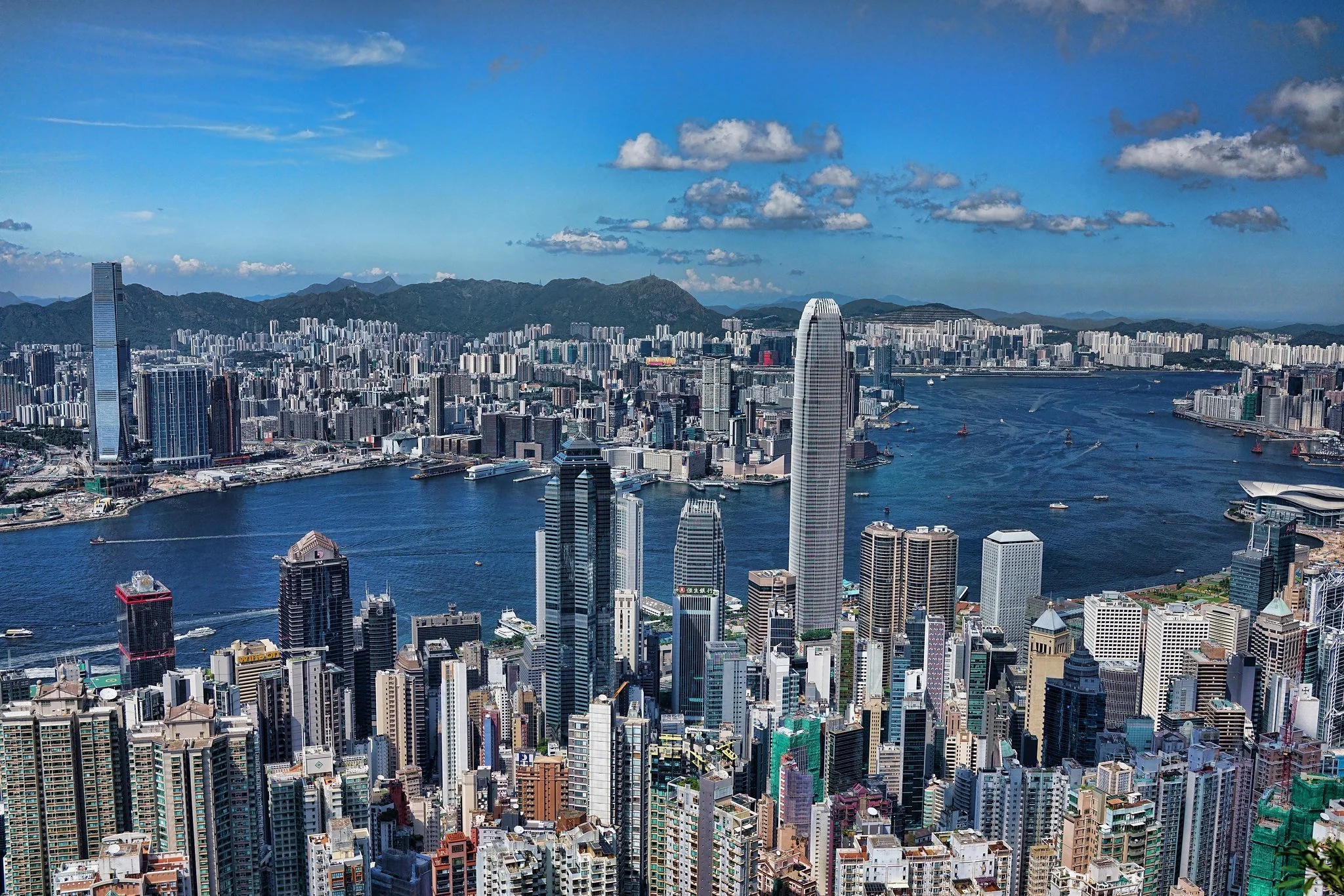
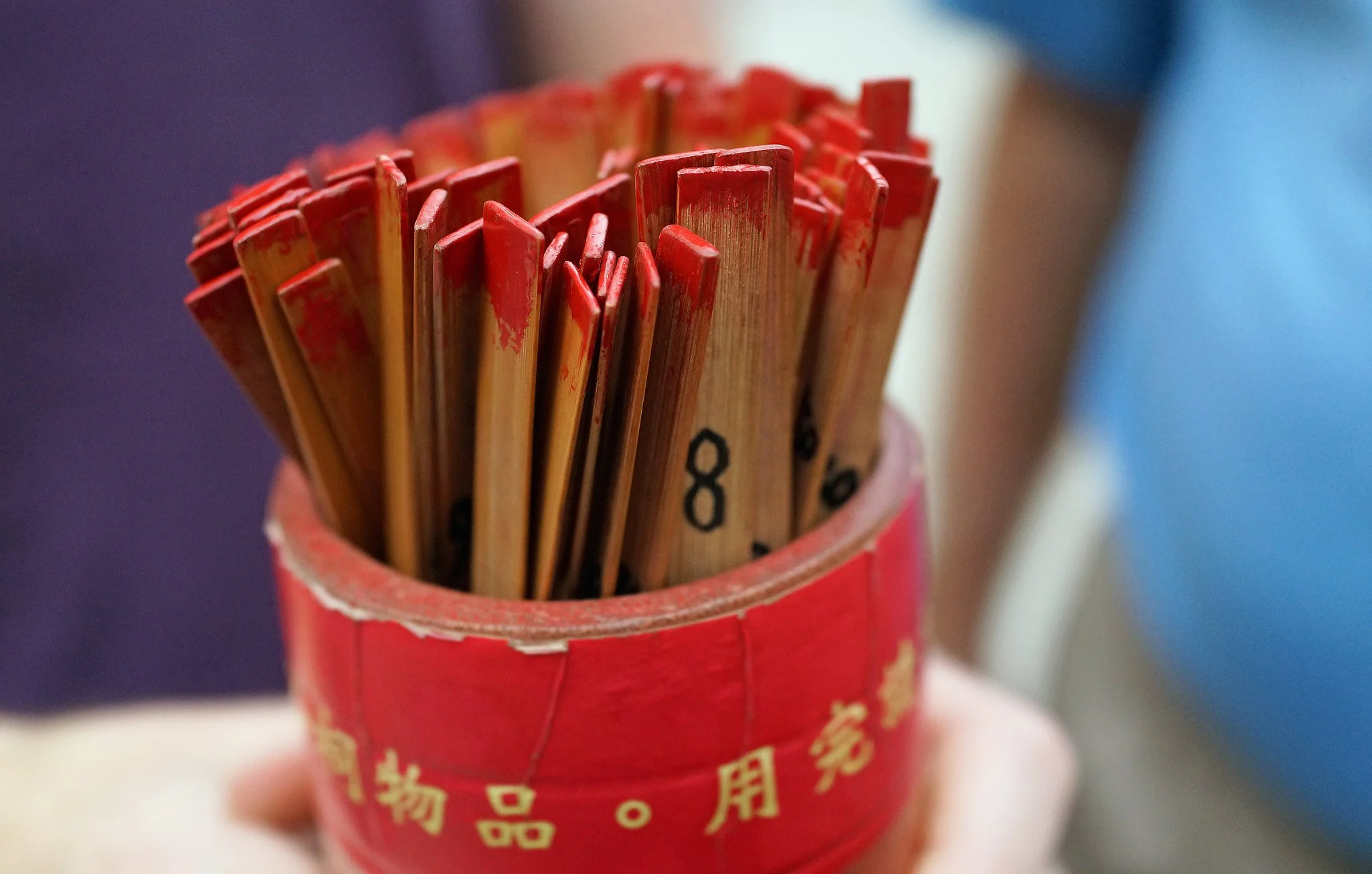
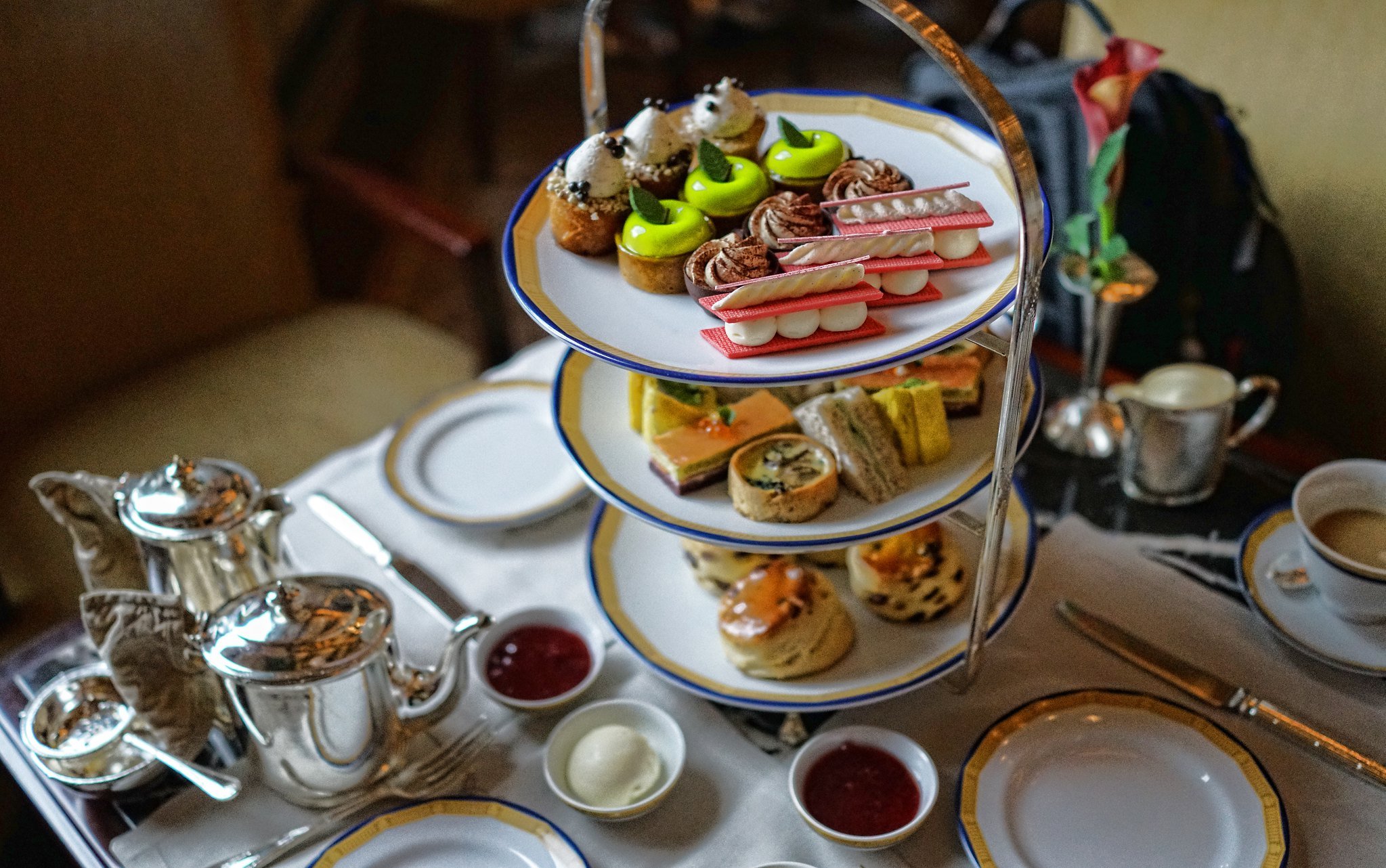
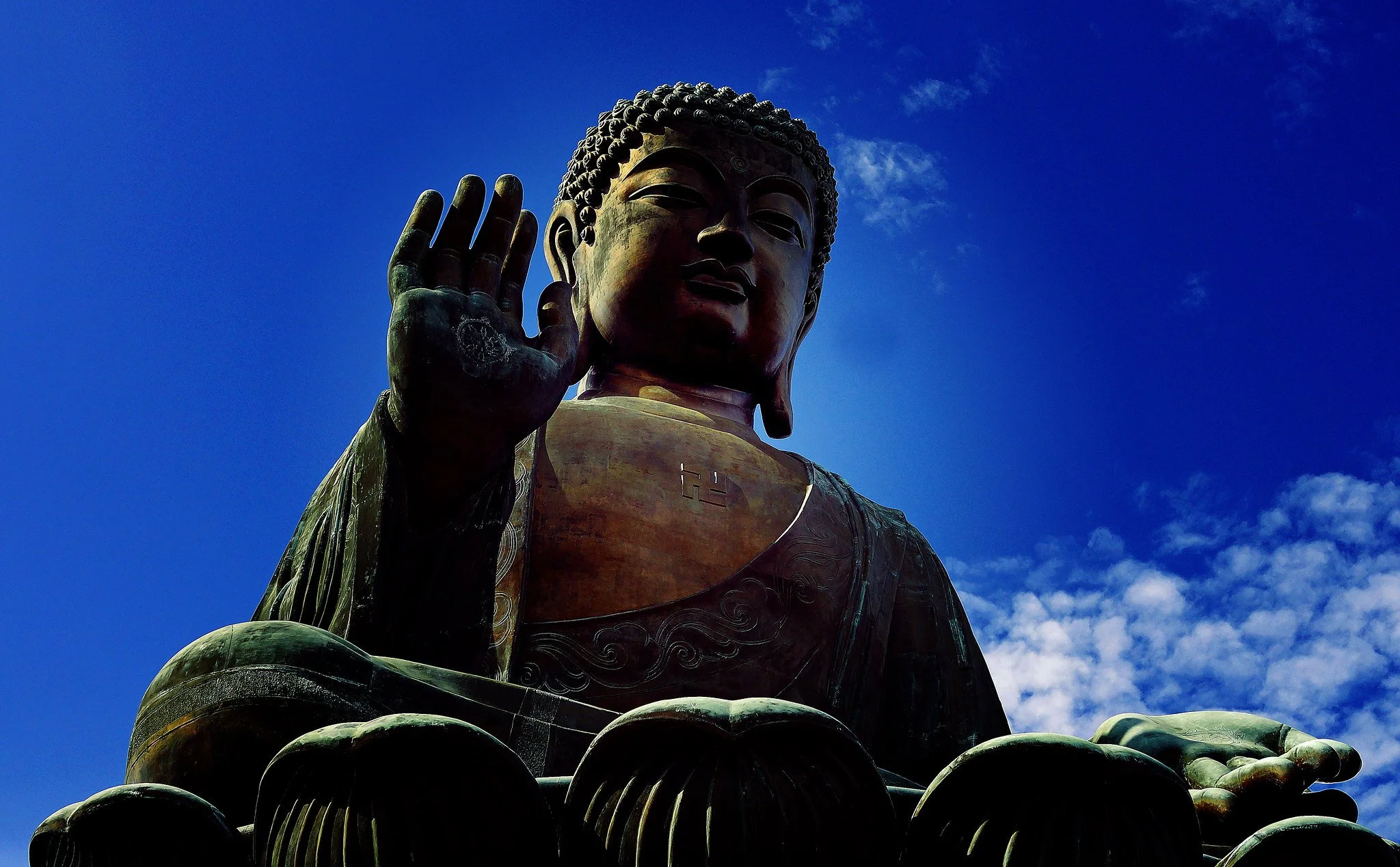
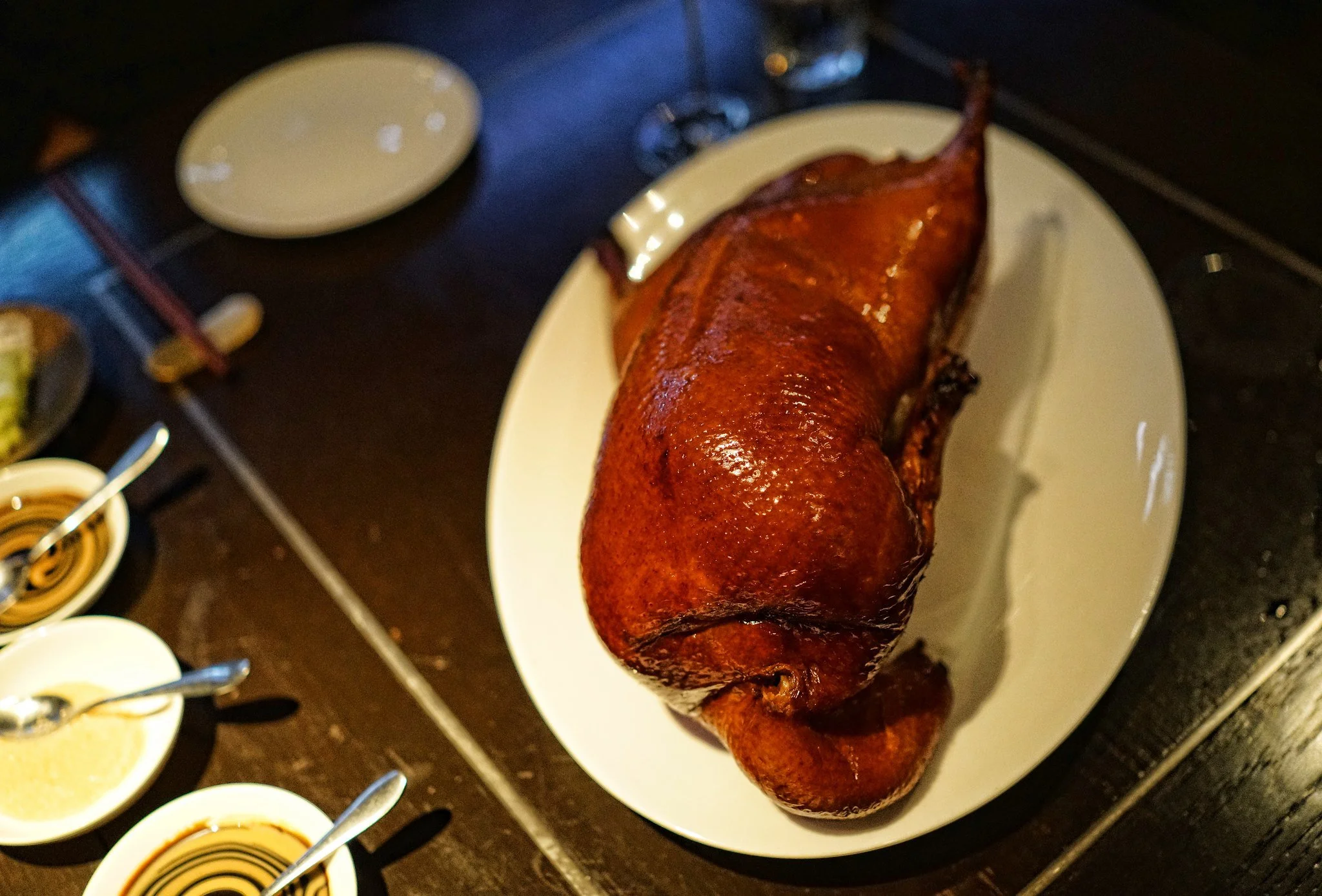
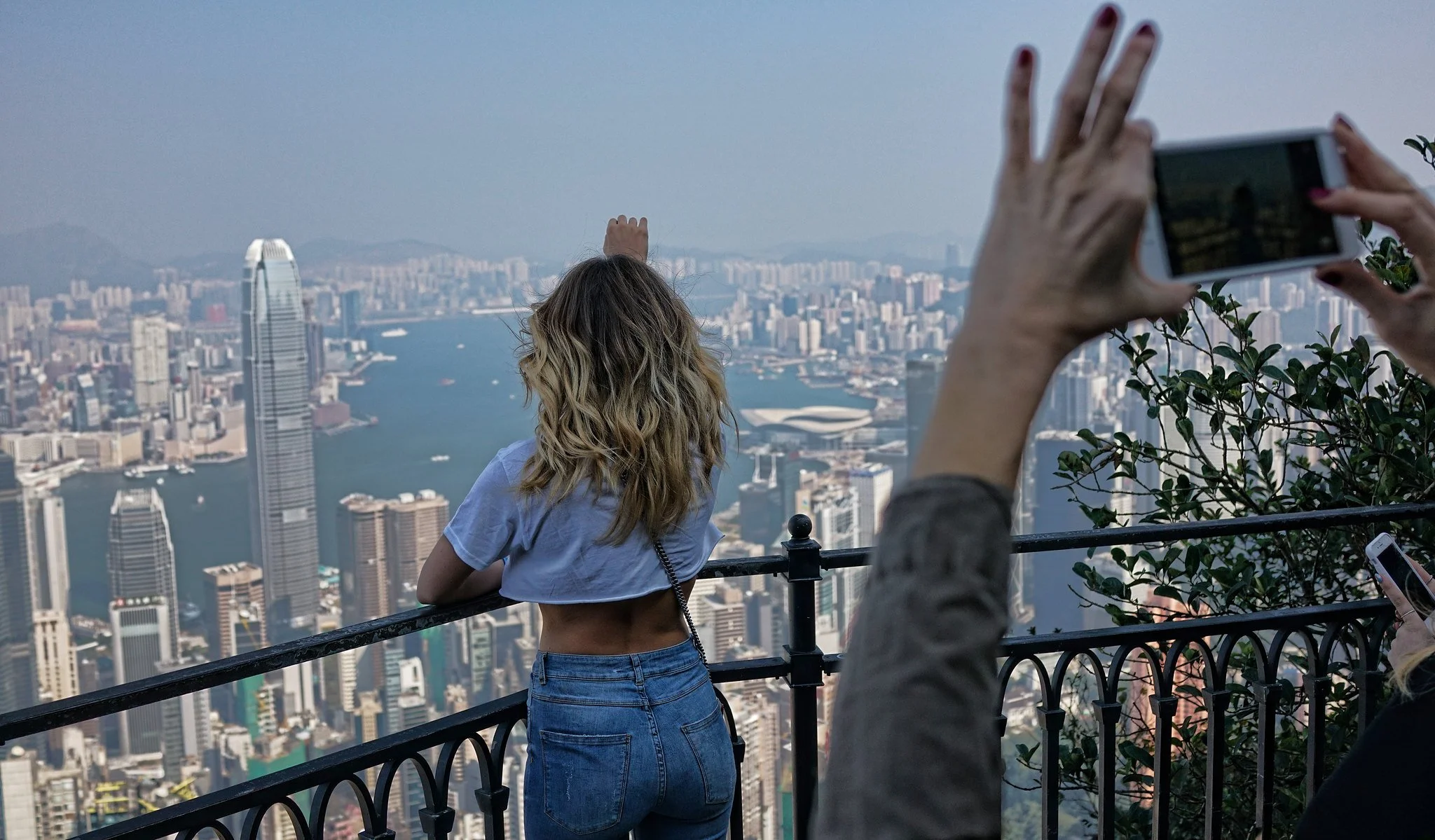
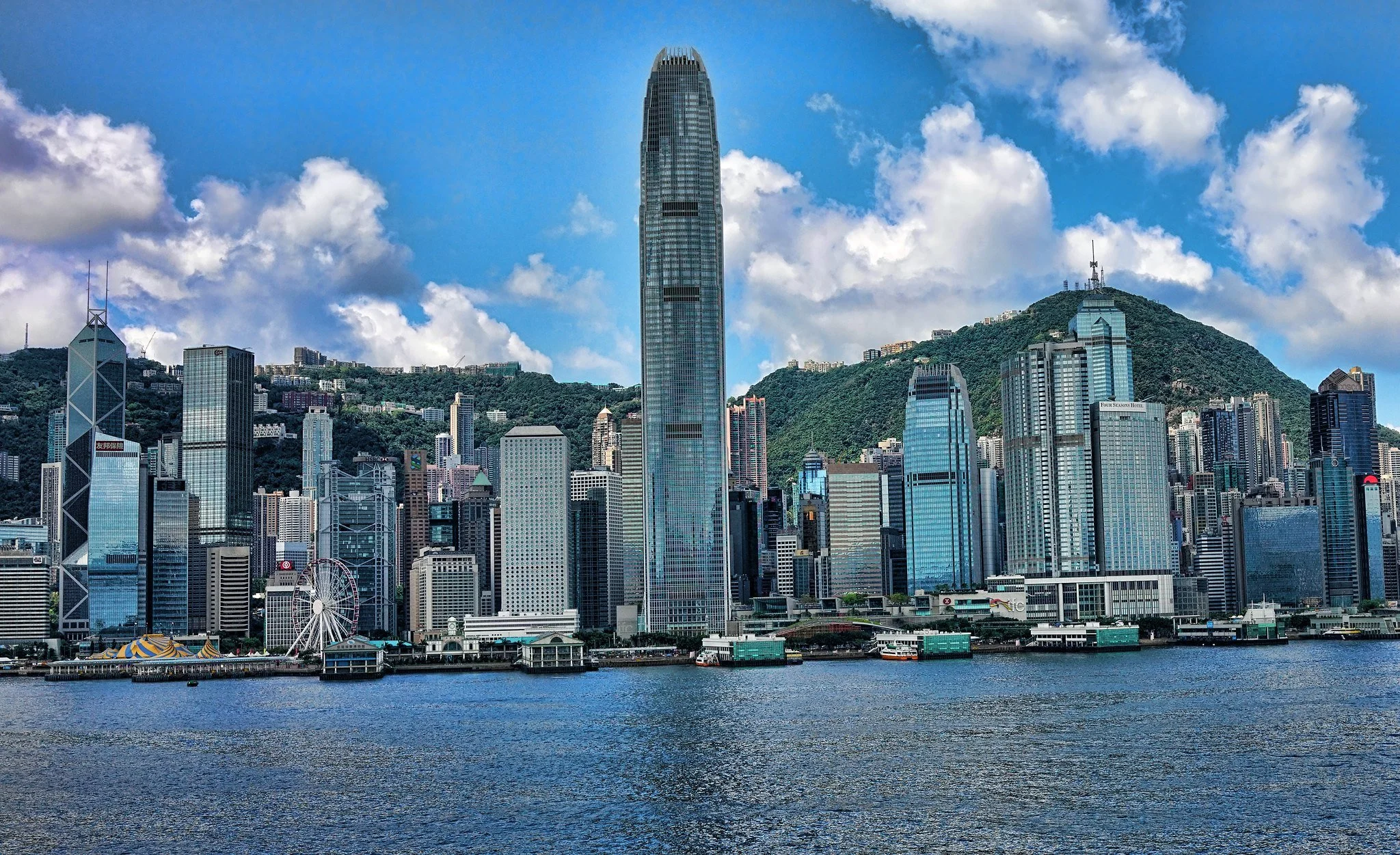
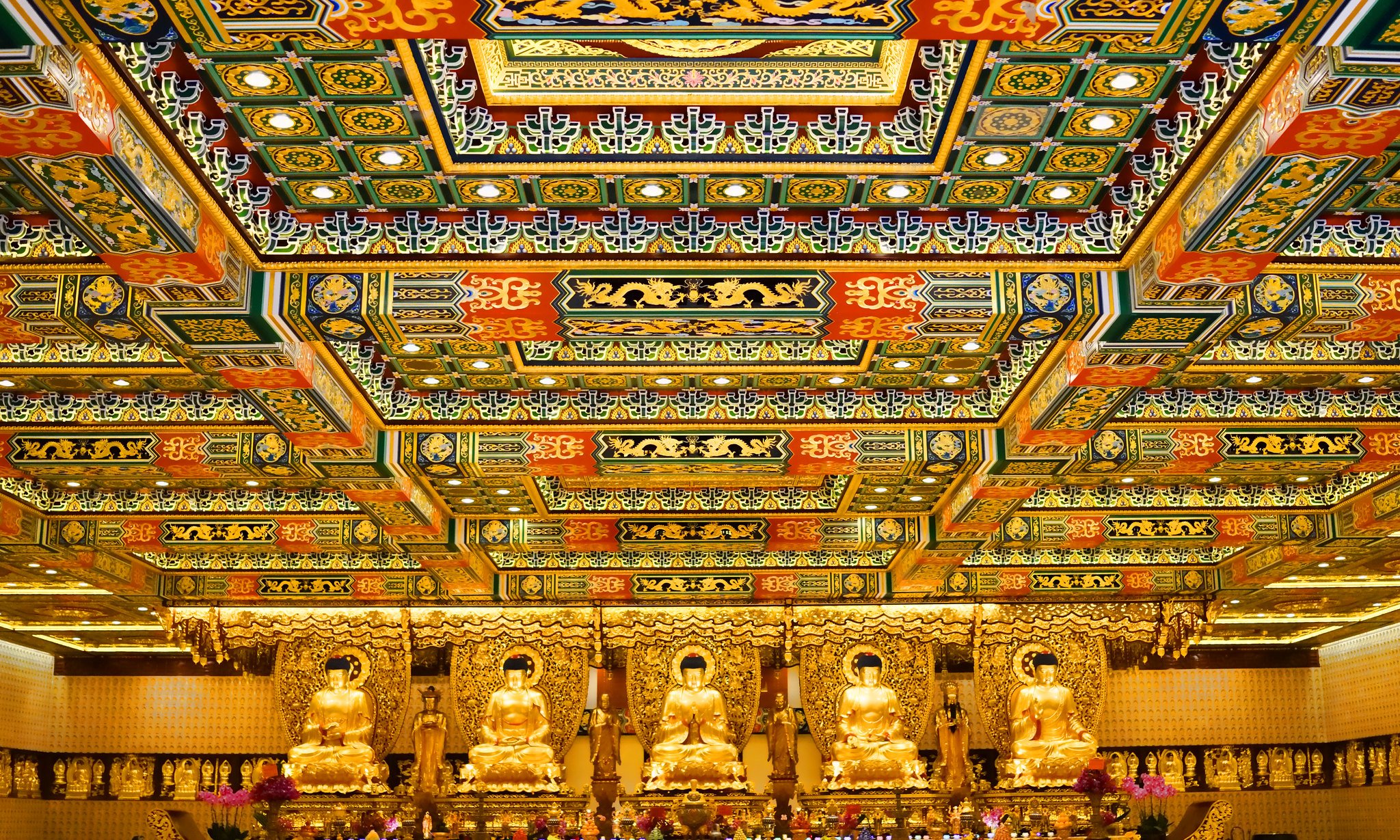
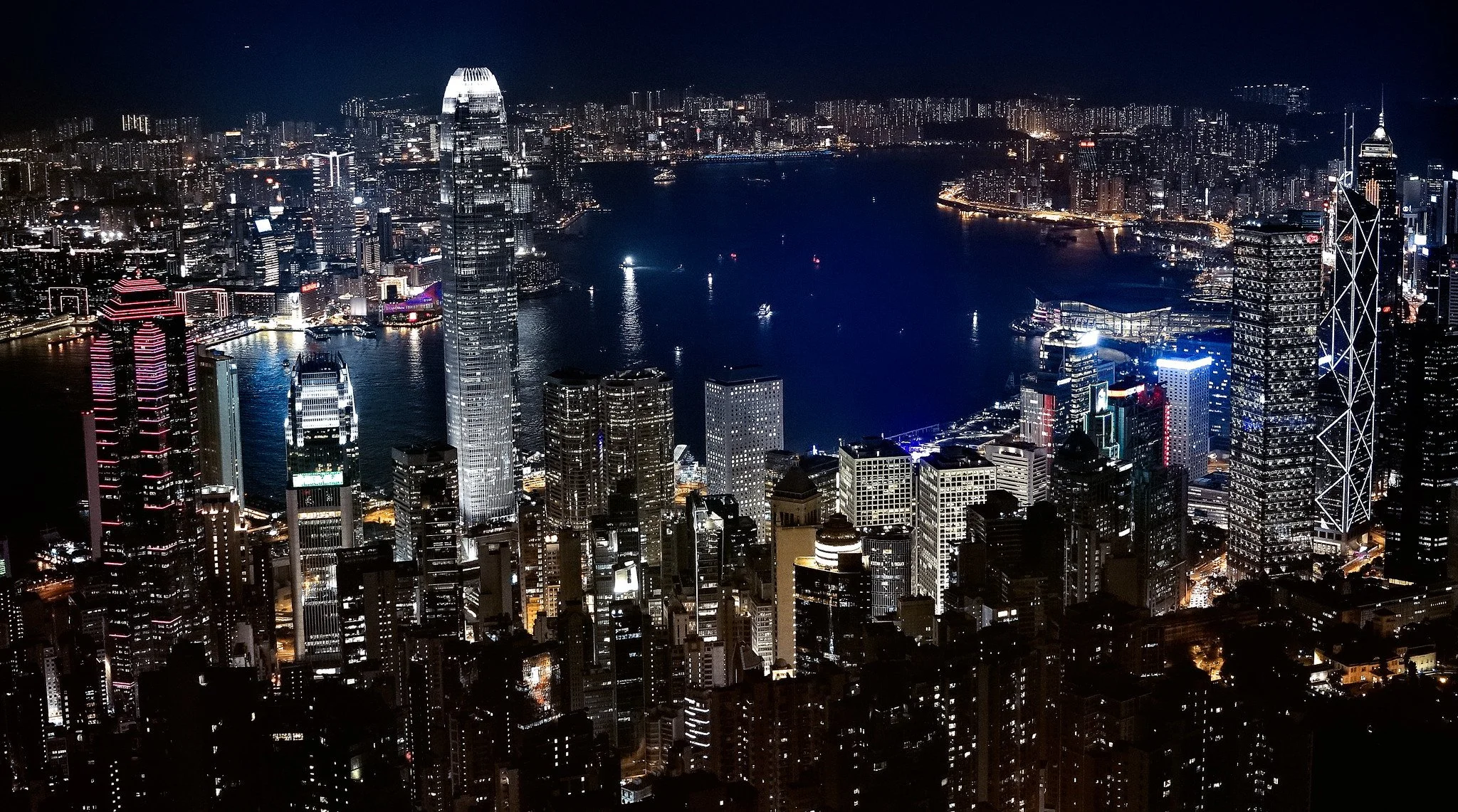
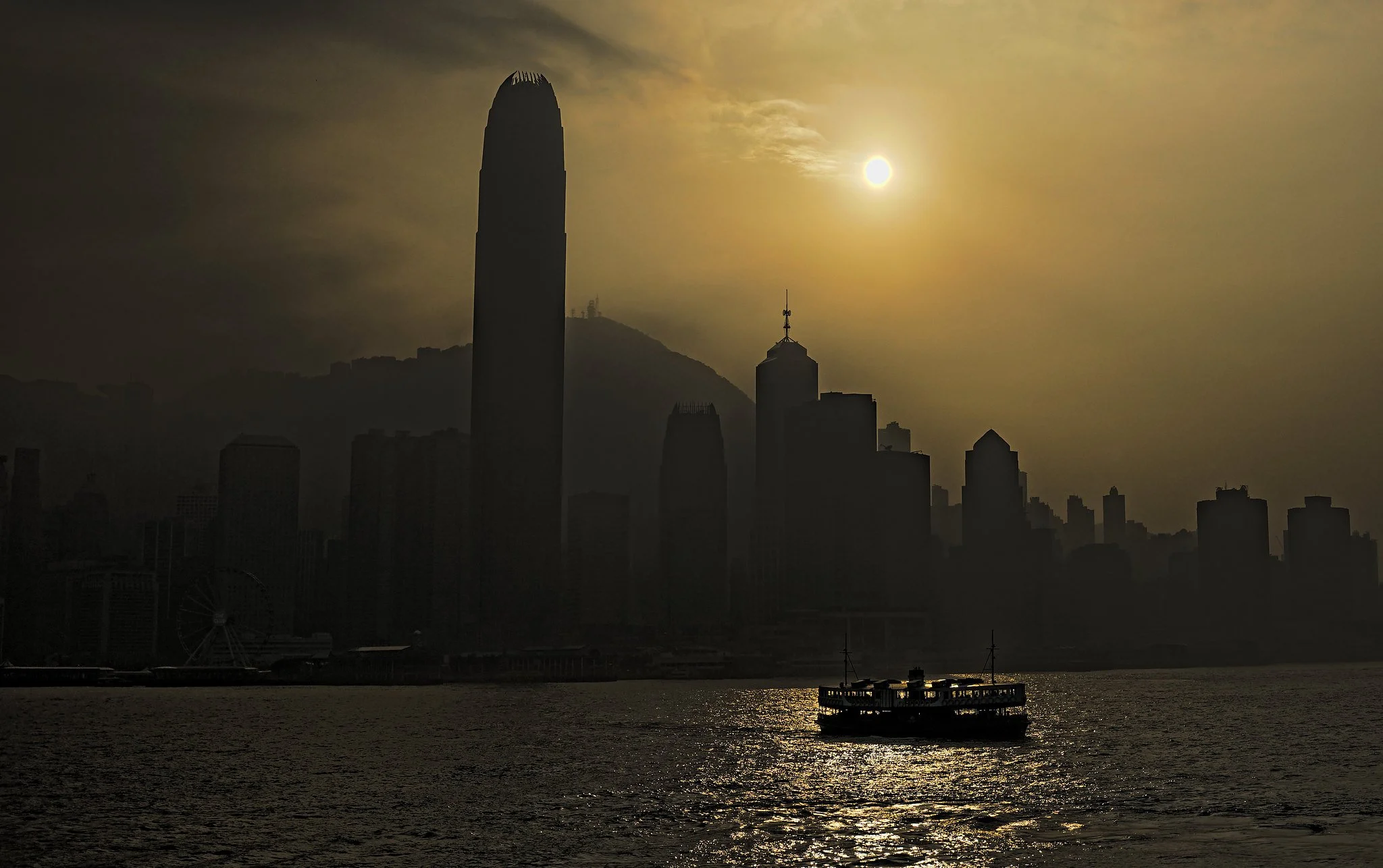
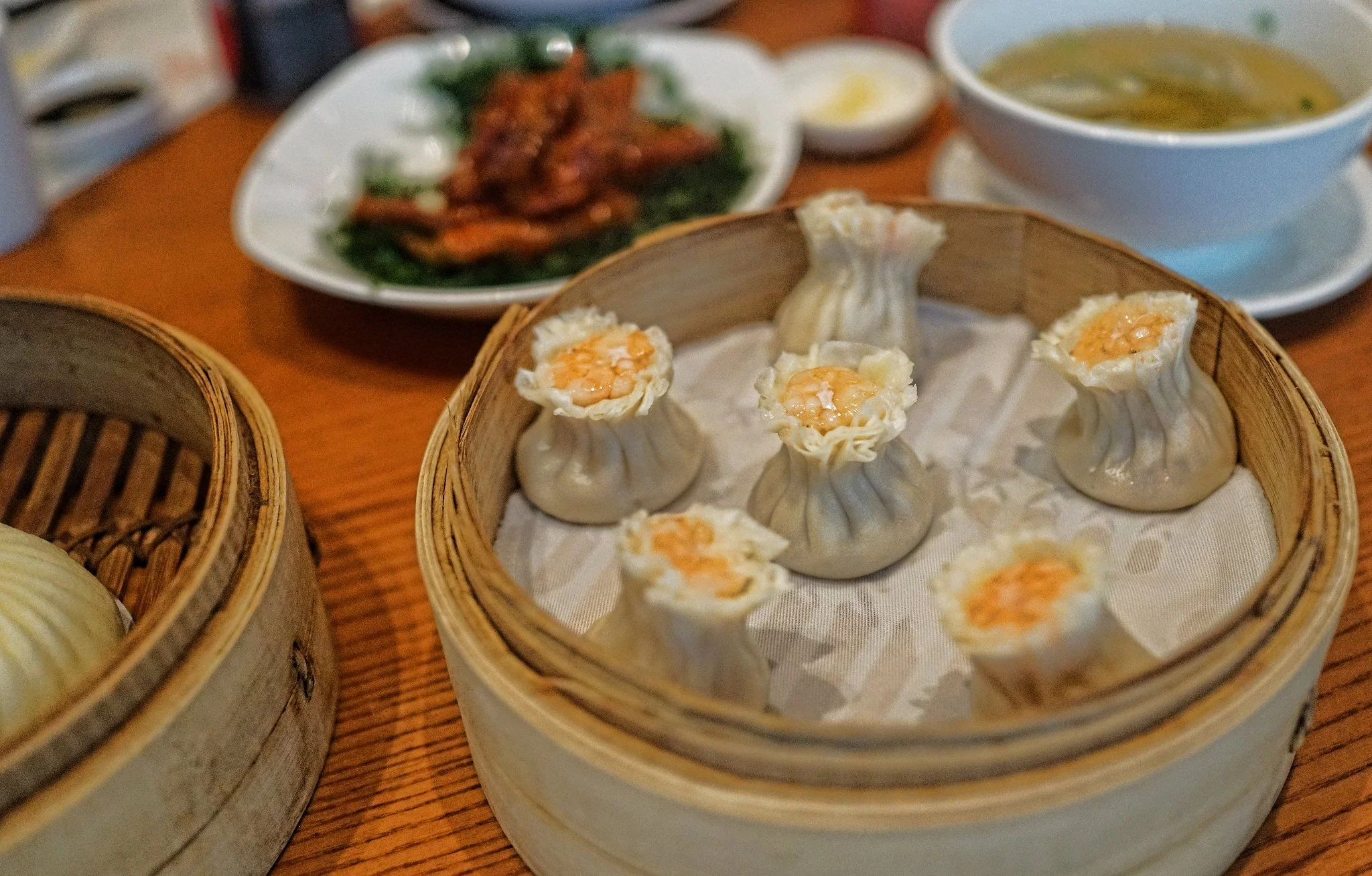
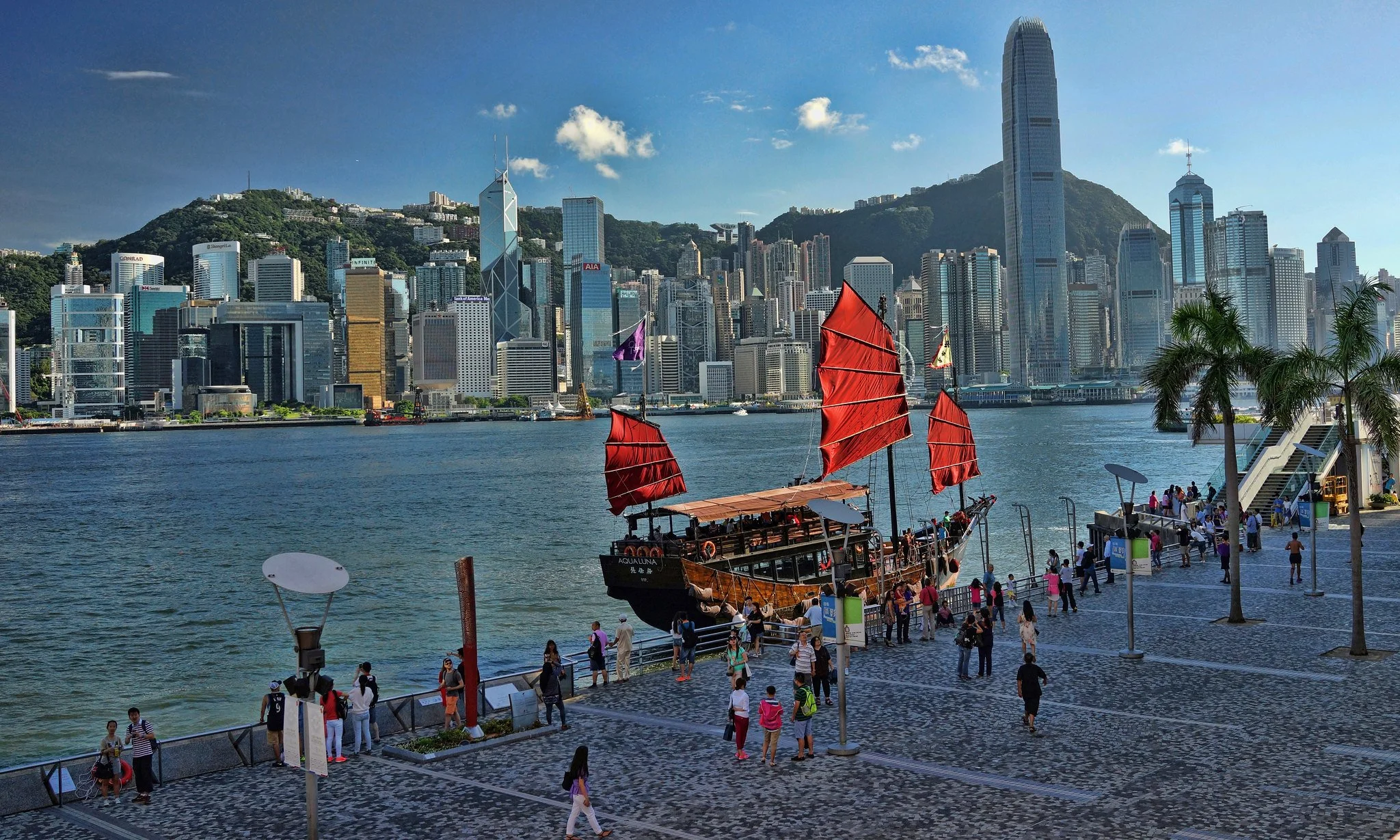
click on any image to enlarge
© Copyright Acknowledged | All rights reserved | images taken by Jamie
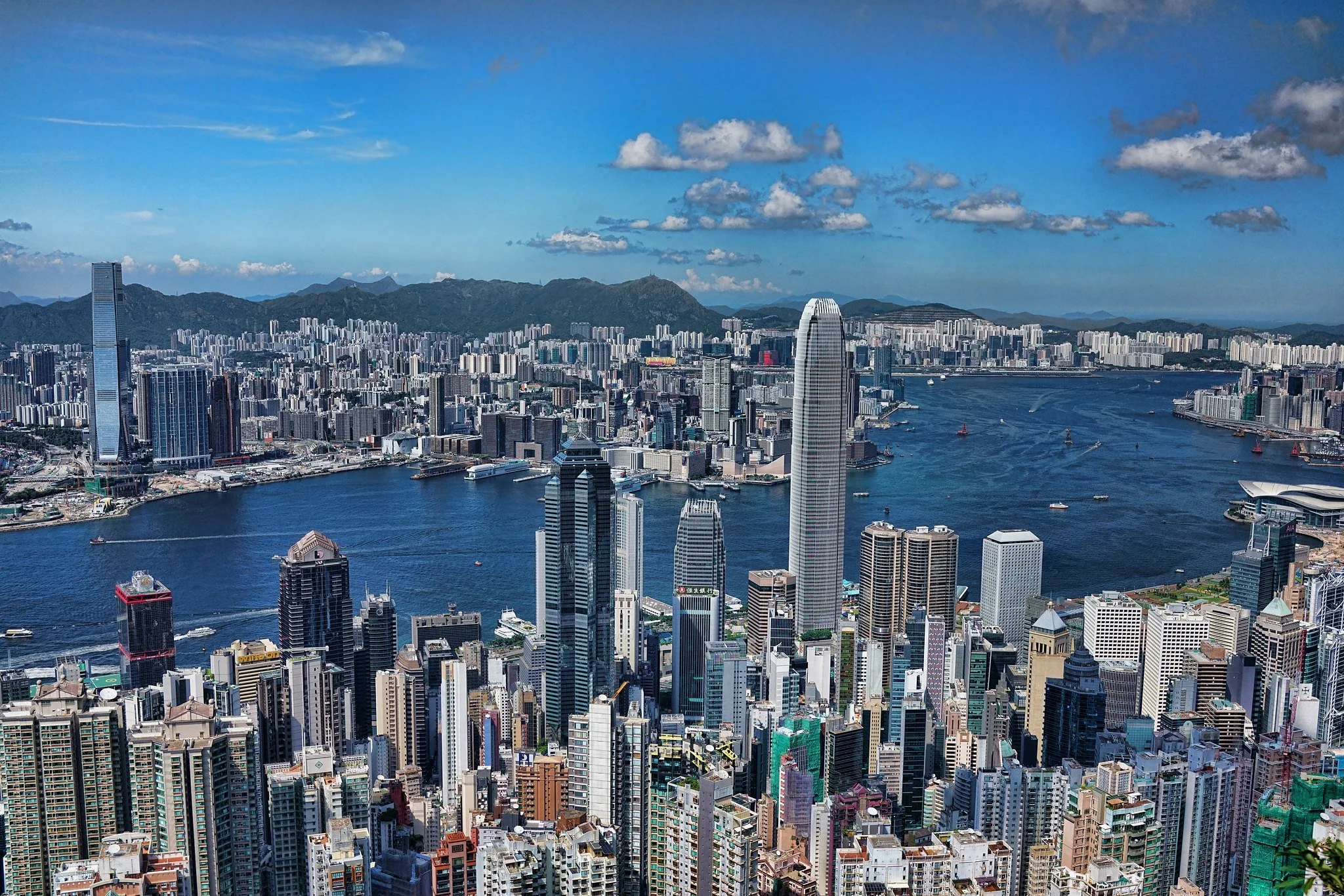
Magical Photo’s | Promoting Luxury Tourism | Hong Kong
Never underestimate the power of images to promote Hong Kong Luxury Tourism
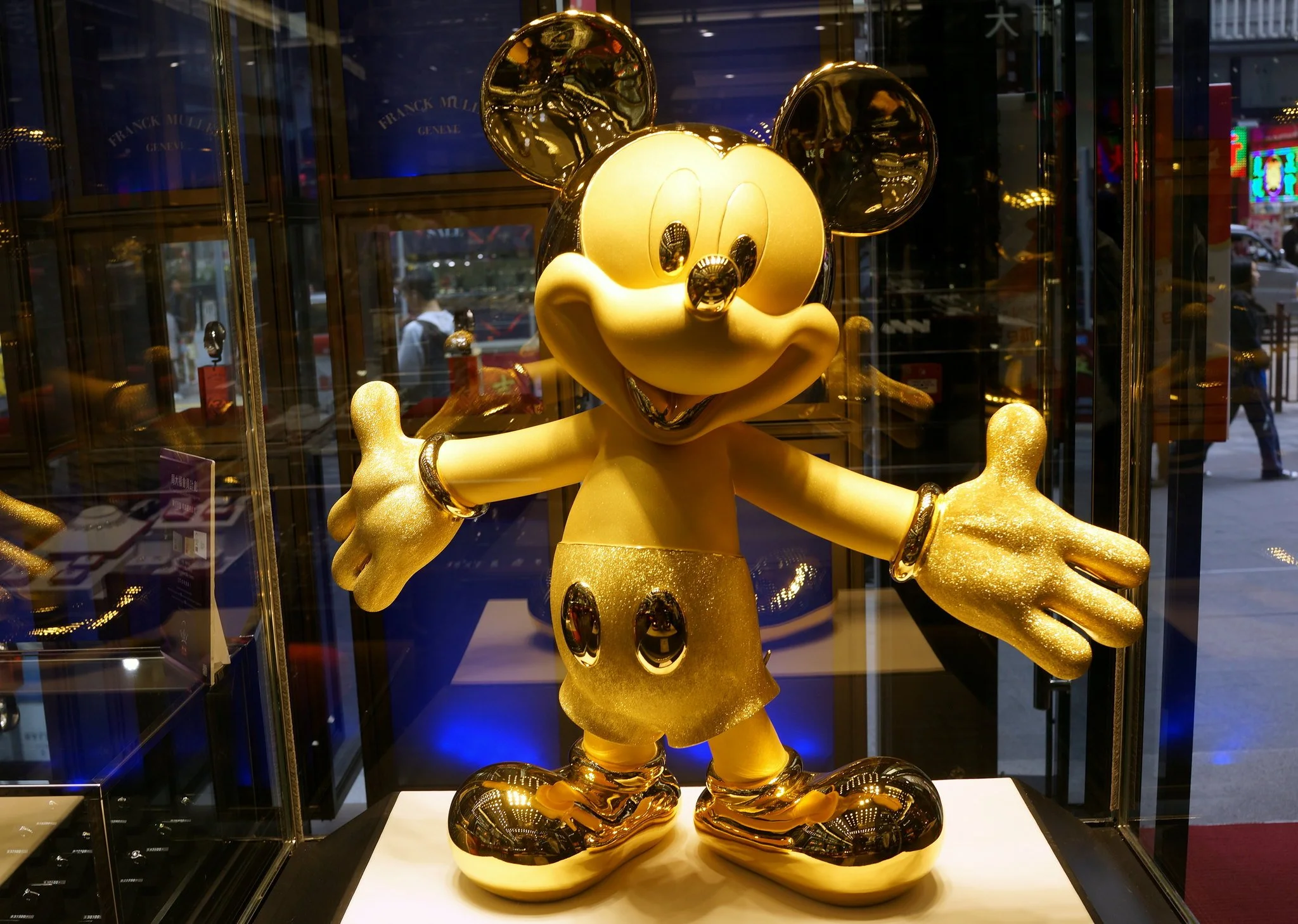
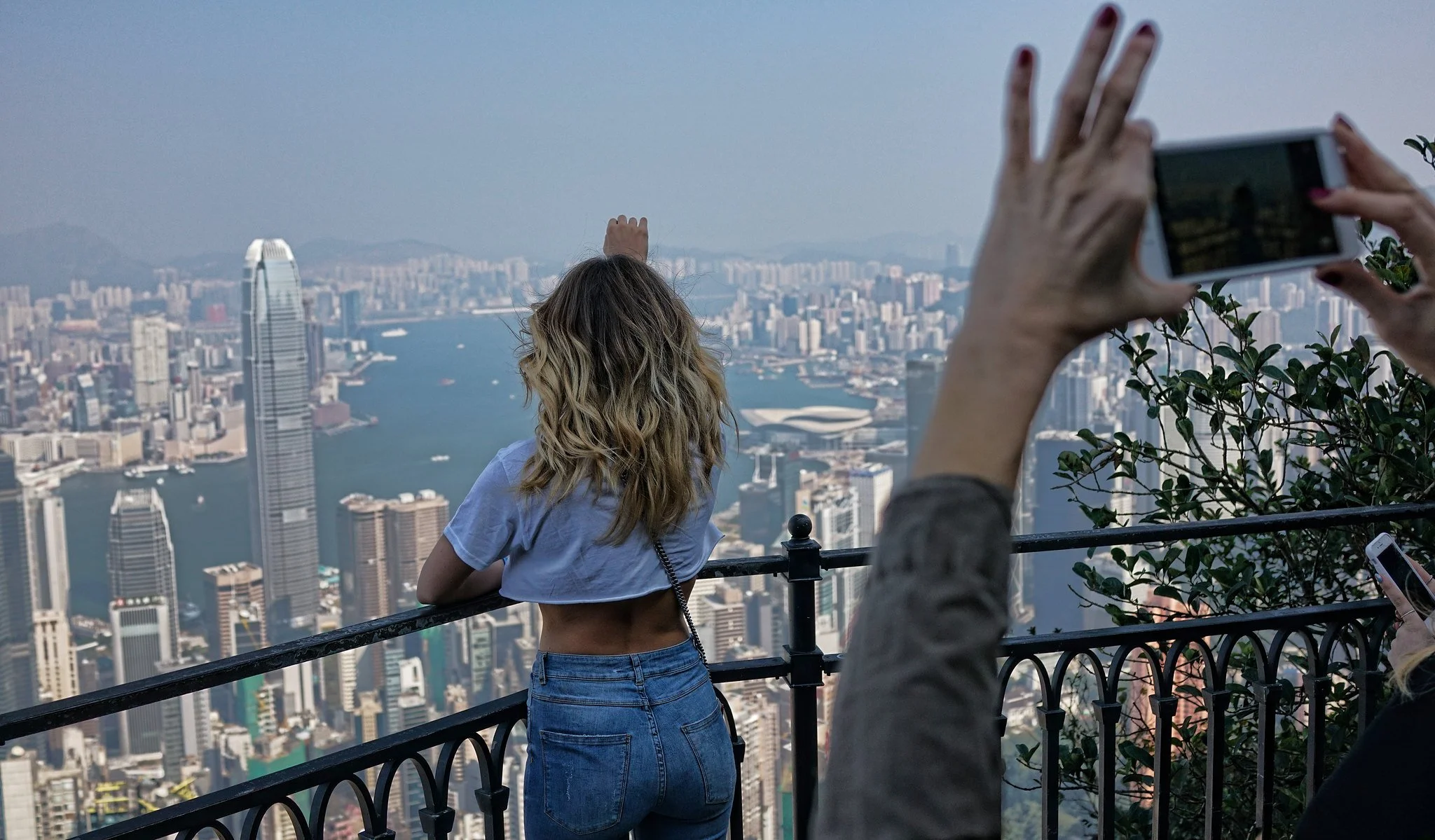
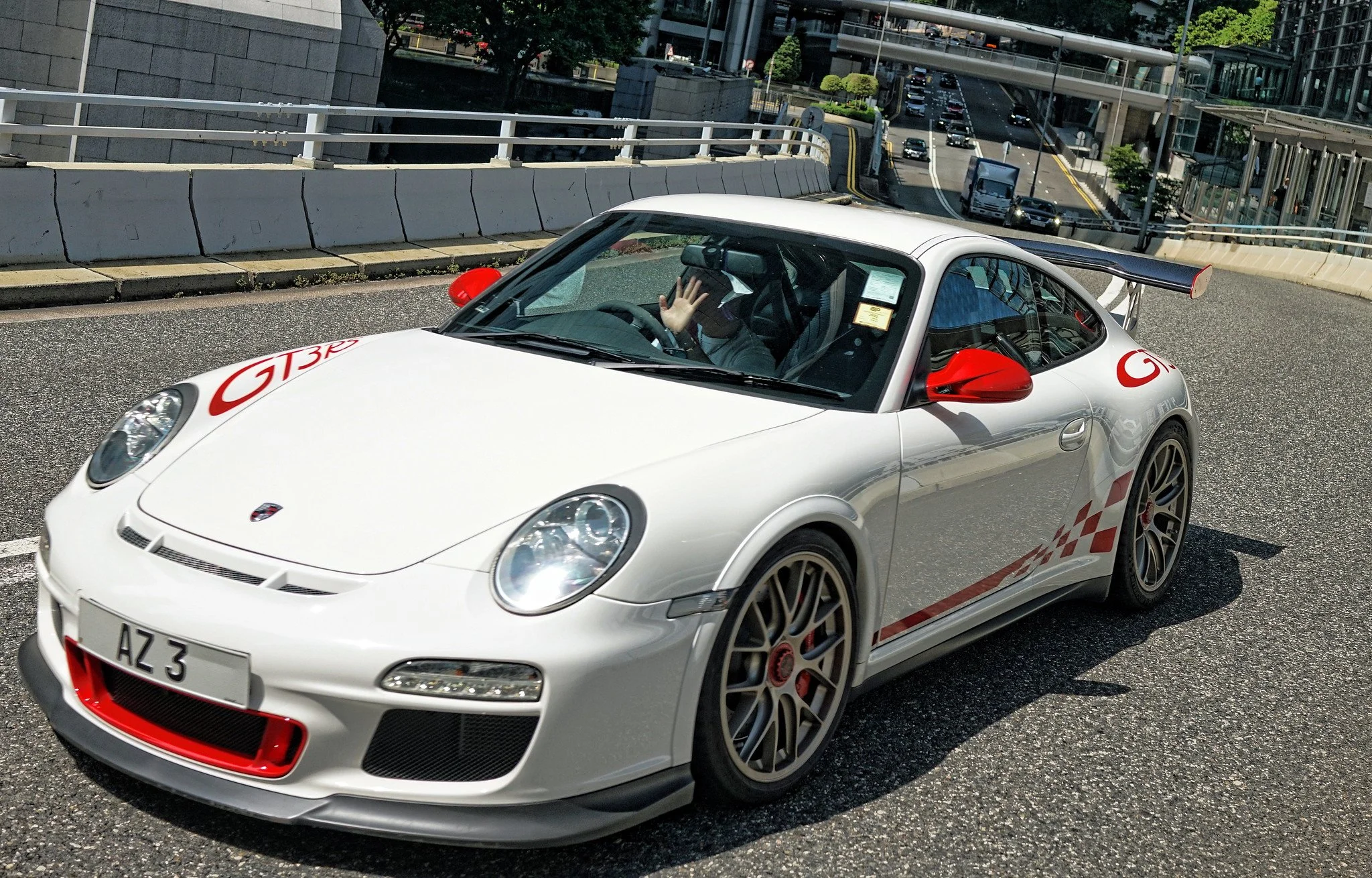
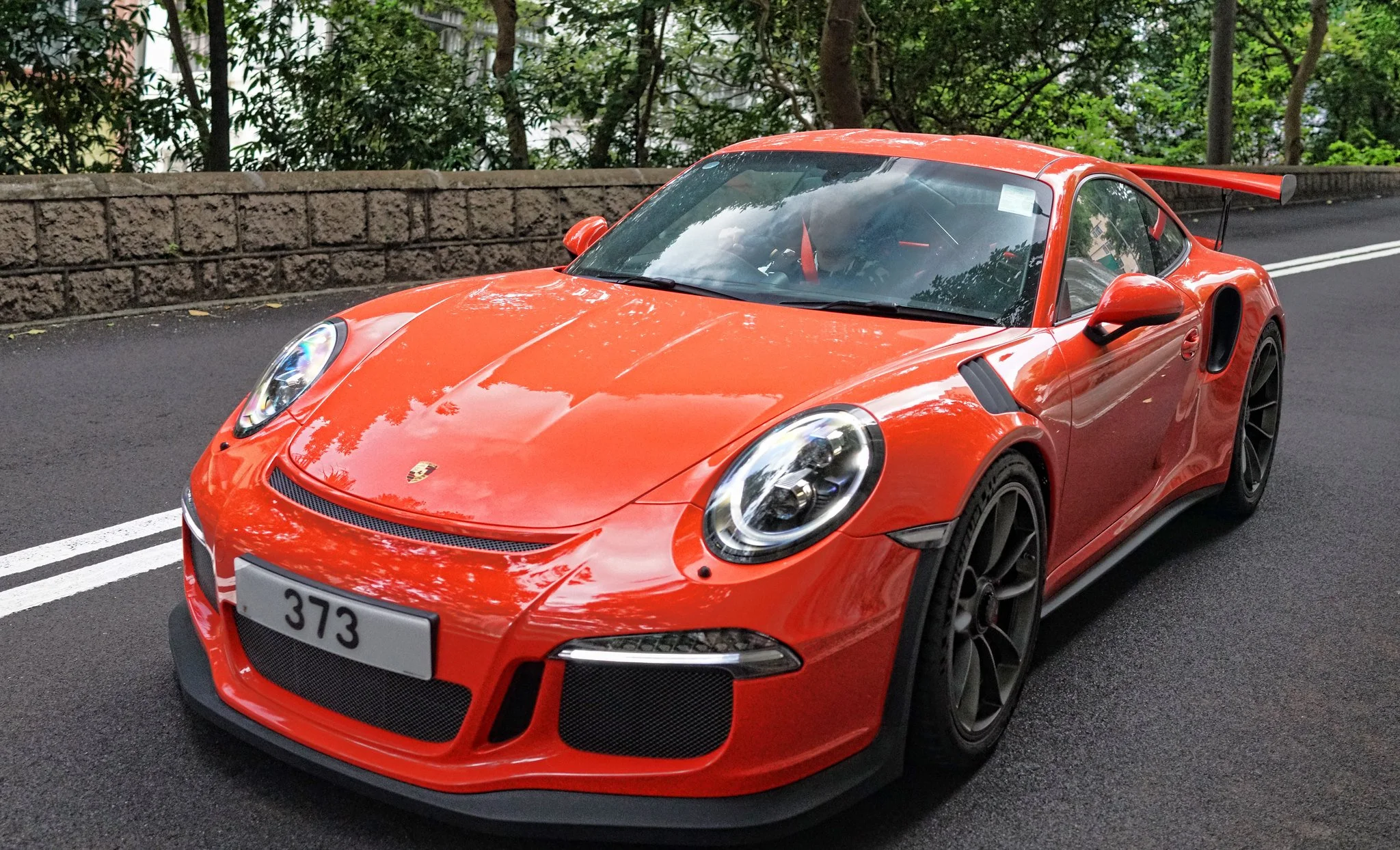
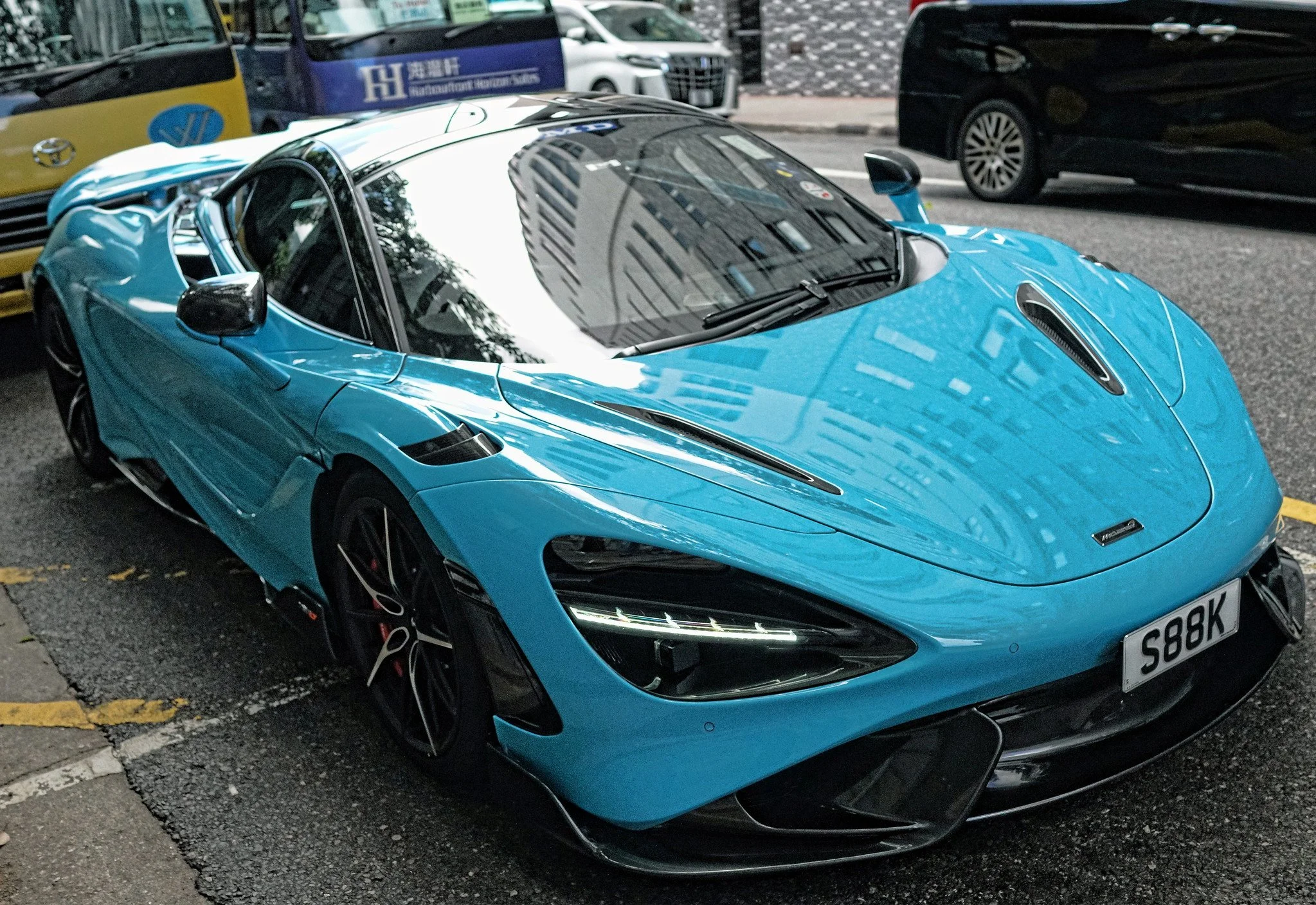
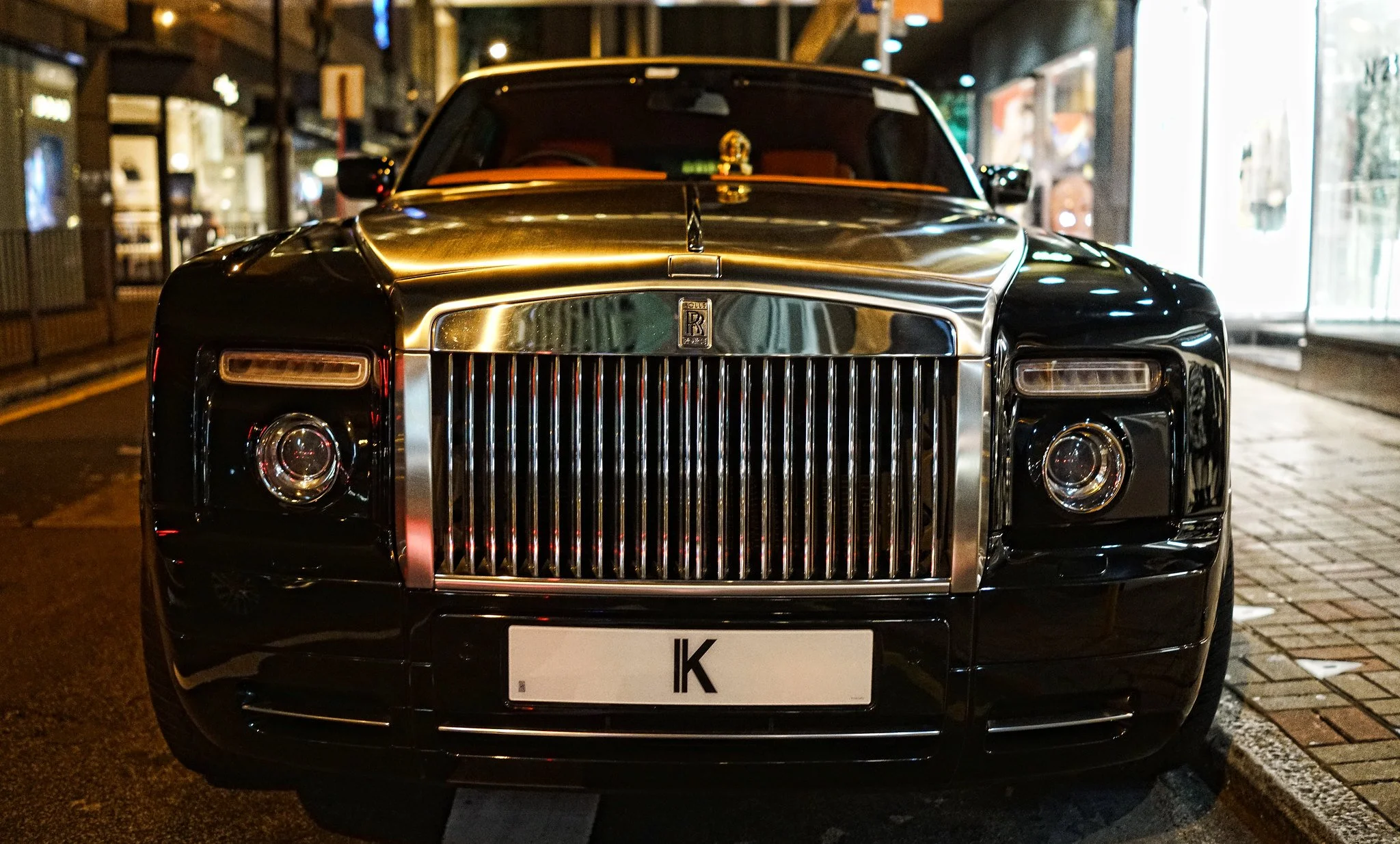
I have 179,000 + images on my FLICKR image site, above just 12 of them, maybe the Hong Kong Tourism Board should hire a professional photographer to get more iconic photographs they could use them in their ad campaigns, Hong Kong is so photogenic no matter where you travel in the city
click on the image to enlarge
© Copyright Acknowledged | All rights reserved
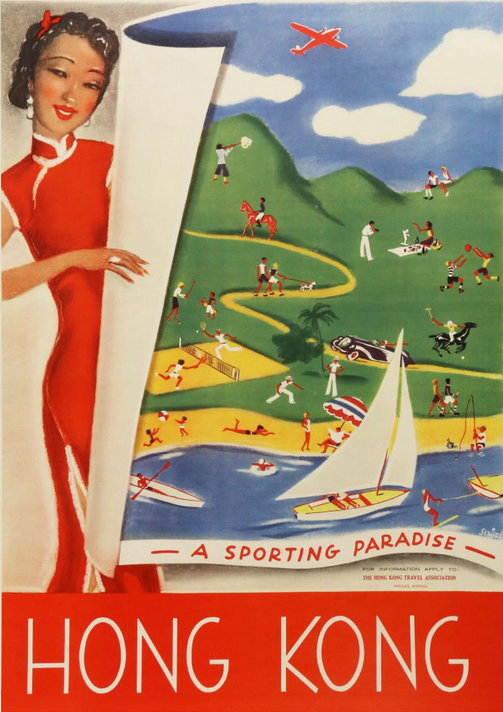
Retro Marketing | Promoting Luxury Tourism | Hong Kong
Retro ad campaigns to promote luxury tourism? why not?
I quite like these old retro posters promoting Hong Kong Tourism, yes it is a bygone era but 50 - 60 years ago, travelling to Hong Kong was expensive and time consuming
We arrived in Hong Kong on January 1972, I am from Yorkshire in the UK more importantly it was an industrial area and yes, our home had an outdoor toilet, we where not in any shape or form wealthy but my Dad was determined to give our family the best possible life, so off to Hong Kong!
Talk about a culture shock!
On the afternoon of our arrival and having checked into the Hotel Merlin I wandered literally across the road to the Peninsula Hotel (I was 11 years old) and said to myself, boy I could get used to this, it was like I was living on another planet in an alternate reality but that memory lives on and the very next day we had lunch (on a tour) at the Repulse Bay Hotel (owned by the Peninsula Hotel Group) talk about living it large!
Yes, Hong Kong was widely regarded as a luxury and high-end destination in the 1960s and 1970s, particularly for Western travellers from Europe, North America, and Australia. It positioned itself as an exotic yet sophisticated stopover or final destination in Asia - a glamorous blend of British colonial elegance, vibrant Chinese culture, and modern urban energy that few other Asian cities could match at the time, I always think that the bunch of retro posters below used to promote Hong Kong fit the luxury era of that time period - I should point out that the sedan chair going up to Victoria Peak, well a lot of them vanished in the early to mid 1960’s but I recall seeing one or two when I was a kid along with the iconic rickshaws
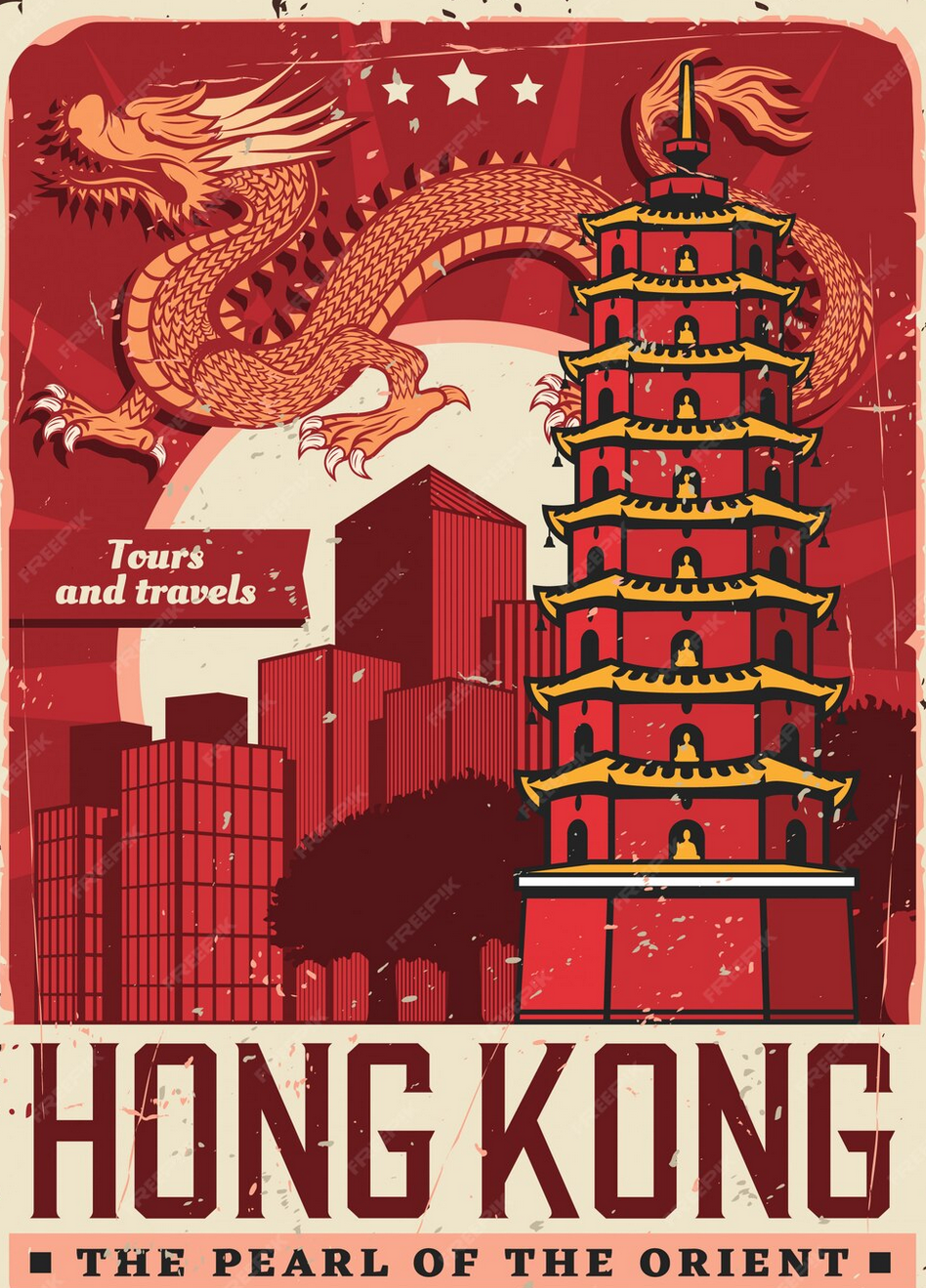
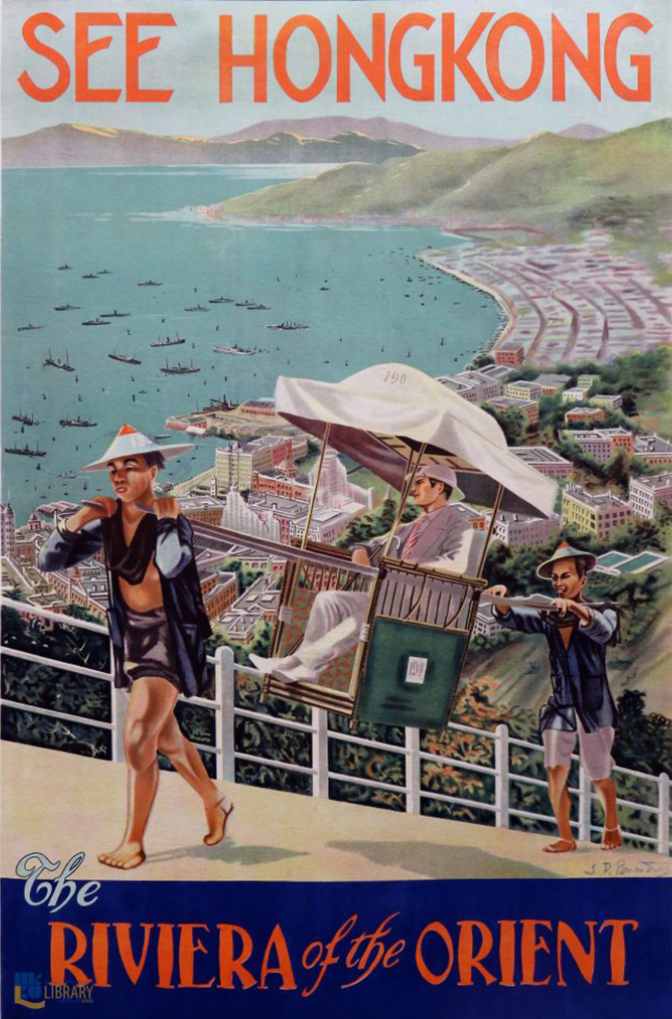
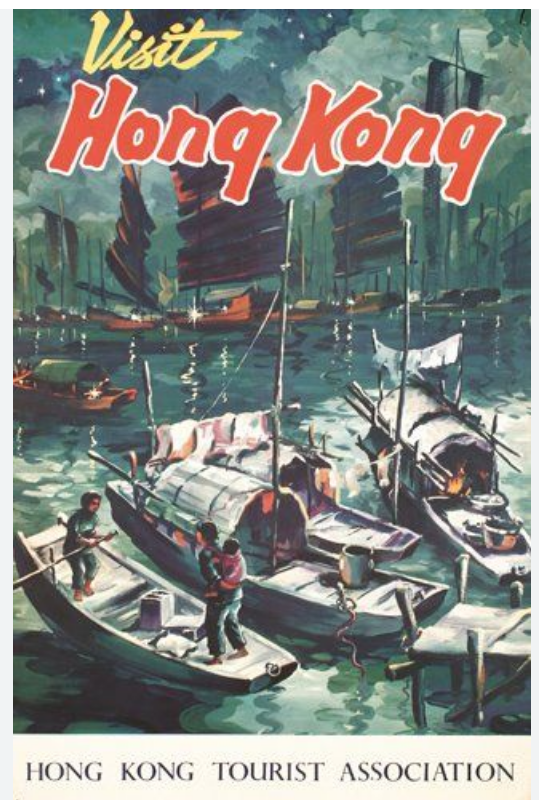
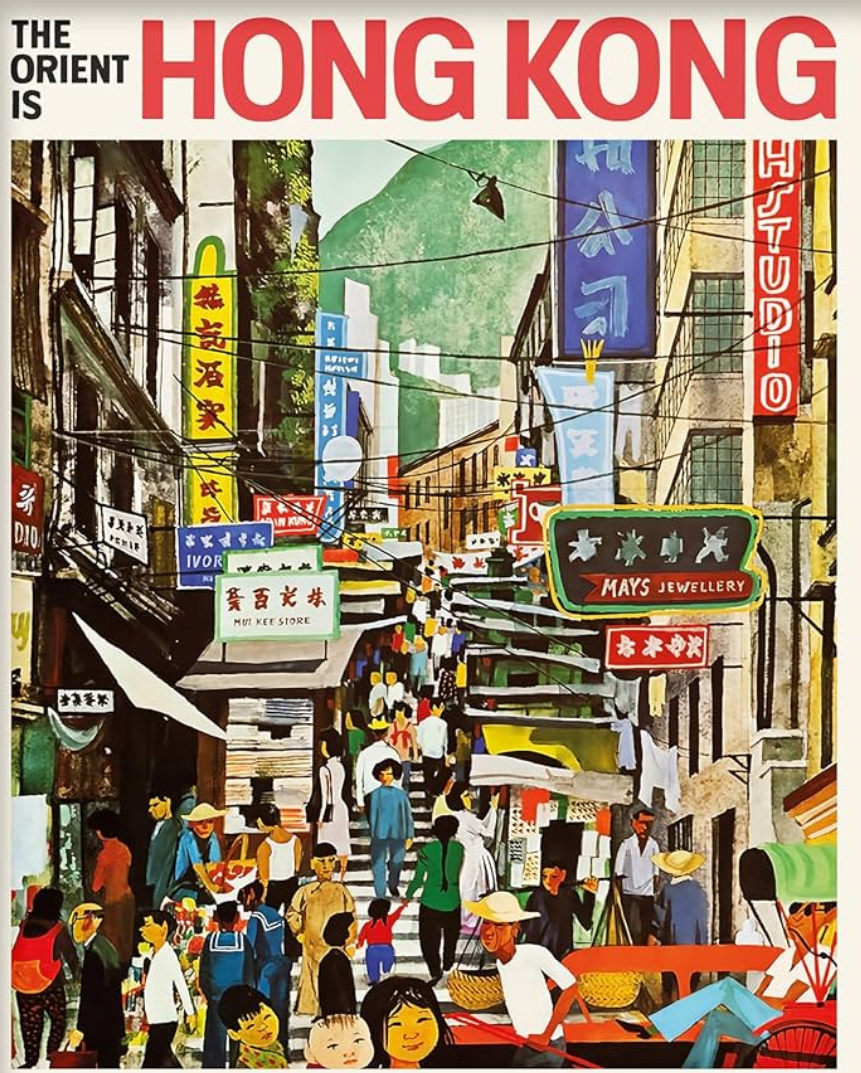
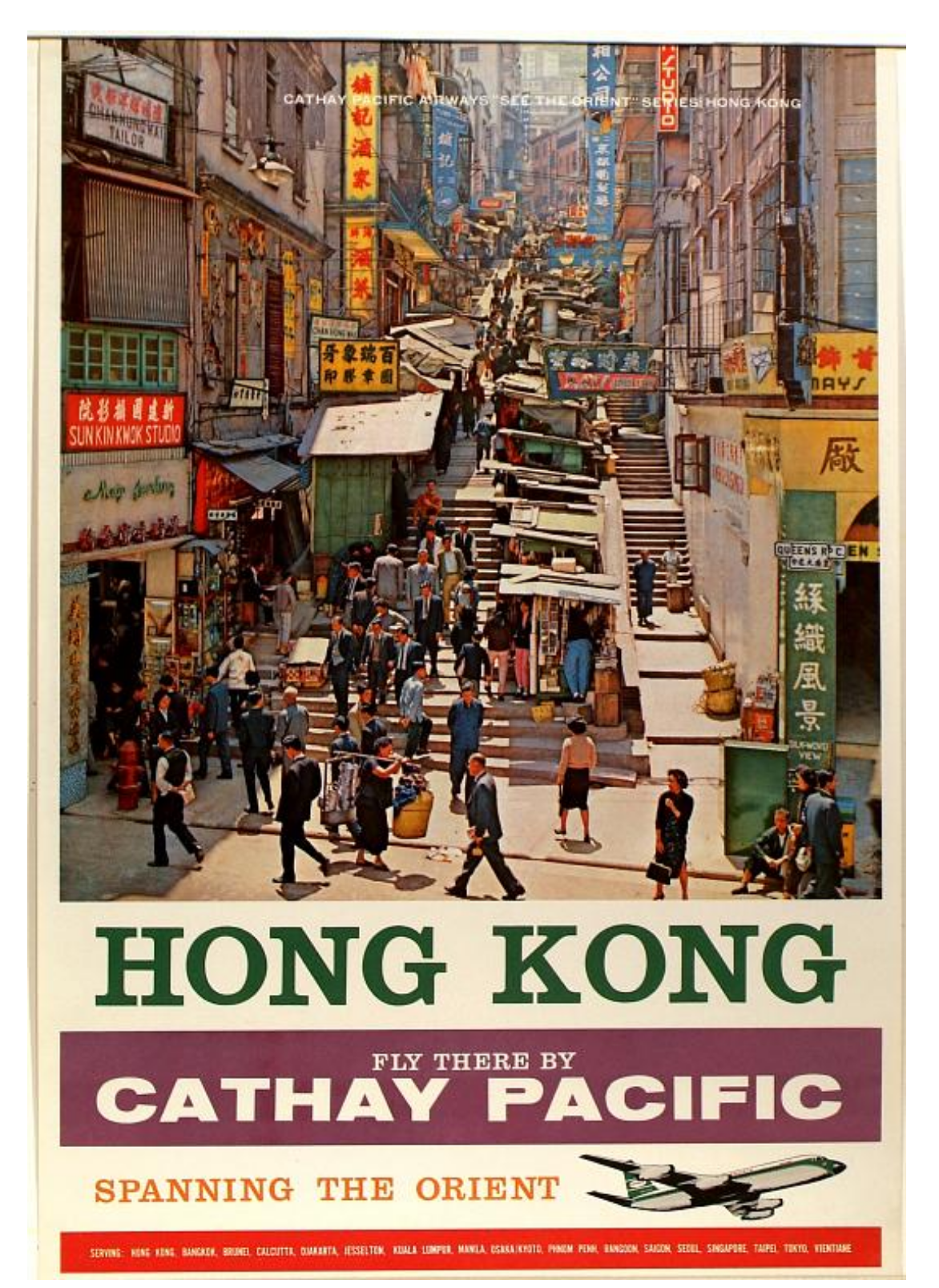
click on any image to enlarge
© Copyright Acknowledged | All rights reserved
Retro Marketing Posters | Luxury Tourism | Hong Kong
So with the help of AI for research here are some thoughts and opinions
Marketing and Perception as a Premium Spot, Hong Kong
Tourism promotions from that era, including films and posters produced by the Hong Kong Tourist Association, heavily emphasized its appeal to affluent visitors. Descriptions portrayed it as a "tourist paradise" with emerald hills, sky-blue bays, and striking modern architecture. Promotional materials highlighted luxury hotels (such as the iconic Peninsula, the newly opened Mandarin Oriental in 1963, and the Hong Kong Hilton), glamorous shopping districts like Nathan Road (often compared to Fifth Avenue or Piccadilly Circus), and high-end experiences including beaches at Repulse Bay with luxury facilities, fine dining, and nightlife.
By golly the 3 hotels mentioned, the Peninsula Hotel, the Mandarin Oriental and the amazing Hilton Hotel where all Hotels I visited many times when starting after 1972 and all 3 hotels appeared in the the classic Hong Kong novel Noble House by James Clavell, he based the hotels in the book on these three! (and I strongly recommend every one buys and reads this epic book - Hong Kong 101!
The city was marketed as a shopper’s and sybarite’s dream - duty-free goods, custom tailoring, jewellry, and antiques drew high-spending visitors. It was seen as safe, efficient, and exciting, with a unique East-meets-West charm that felt both familiar (British influence) and thrillingly foreign. Guidebooks and travelogues of the period often likened parts of it to Monte Carlo in its sophistication, while celebrating its bustling yet orderly vibe (and yes, back in the day Repulse Bay on Hong Kong Island could be likened to Monte Carlo
Was It Expensive? Yes - Especially for Long-Haul Travellers
My memory and intuition is spot-on: coming to Hong Kong in those decades was indeed a significant financial commitment and largely out of reach for average middle-class families. International air travel remained a luxury until the late 1970s and 1980s, when deregulation and wider competition began lowering fares.
Flights from Europe or the US were costly (often equivalent to several months' salary for many people), involving long journeys with multiple stops or layovers on propeller or early jet aircraft.
Accommodation in the top-tier hotels (Peninsula, Mandarin, Hilton, Excelsior) catered to wealthy business travelers, celebrities, and well-heeled tourists. These properties offered high service standards, with the Peninsula already legendary for its fleet of Rolls-Royces and colonial grandeur. It is a shame that the Hilton Hotel and the Excelsior are no longer with us, replaced by office towers
Daily costs for a luxury visitor could run high: one 1963 projection for the new Hilton estimated it would attract tourists spending US$40 - 50 per day (a substantial sum then, when average US wages were far lower).
Shopping and entertainment added to the premium feel - while street markets offered bargains, the overall experience (fine dining, tailored suits, harbour cruises, and nightlife) targeted those with disposable income and in those days jewellery shops where pretty popular as well as silk shops and tailored suit places where the talk of the town, my best friend at school well his Dad owned a chain of high end tailors shops including one on the Hilton Hotel… his family are multi, multi millionares with extensive property holdings.
My parents in 1972 had one major concern, could we afford to live there as we had heard stories about how expensive it was, well my Dad’s employer, the Hong Kong Telephone Company paid for everything, accommodation, private schools for us kids, food allowance, car allowance, Chinese house maid and my old man was on a hefty salary, not to shabby for a family from Middlesbrough living in in a terrace house!
In contrast to today’s mass tourism, visitor numbers were much smaller. In the mid-to-late 1960s, annual arrivals hovered in the low hundreds of thousands (far below today’s millions), dominated by longer-stay, higher-spending tourists rather than short-haul day-trippers. This kept the atmosphere more exclusive.
Contrast with Other Asian Destinations
Compared to neighbors, Hong Kong stood out as more upscale and accessible for Westerners:
Japan was still recovering and rebuilding its luxury image post-war.
Thailand and Singapore were emerging but lacked Hong Kong’s density of international-standard hotels and shopping infrastructure.
Bali or other Southeast Asian spots were more backpacker- or adventure-oriented at the time.
Hong Kong’s free-port status (no import duties on many goods), efficient port and airport, and English-speaking environment made it a comfortable gateway to Asia for affluent travelers. It also served as a popular stopover on round-the-world or transpacific routes for those who could afford it.
A Note on the Broader Reality of visiting Hong Kong
Of course, not every corner was luxurious - the city had stark contrasts, with squatter settlements and rapid urbanization happening alongside the glitz.
As a young lad here I actually went to Kowloon Walled City multiple times (look it up) and was always made to feel welcome and I got to see the poor and gritty side of Hong Kong up close and personal, we have lived out in the boonies at the same place for 17 years, it is notable because our small town has one of the few remaining squatter villages left in Hong Kong
But for international tourists, the curated experience focused squarely on the high-end side: the harbour views, Star Ferry rides, Peak tram, and neon-lit streets created a memorable, aspirational trip and I regret to say the amazing neon streets have almost vanished (safety reasons) but Nathan Road in the 1970’s - neon heaven!
This luxury positioning helped establish Hong Kong’s reputation as one of Asia’s premier destinations well before the explosion of mass tourism in later decades. Many older travellers who visited then still speak nostalgically of it as a more elegant and exclusive experience than the high-volume city it became and these days a haven for Mainland Chinese Tourists
To sum up, yes - Hong Kong in the 1960s and 1970s was very much a high-end, expensive choice that appealed to discerning, well-heeled visitors seeking a sophisticated Asian adventure. The barriers of cost and distance naturally filtered the audience toward those who could truly appreciate (and afford) its unique offerings.
Those where the days!
I do not do Food Tours in Hong Kong but I know people that do!
I do not do food tours as mentioned above, I have very specific reasons and part of it is that I do not speak Cantonese or write Chinese, I am from Yorkshire in England and I lack the language gene and it is not through lack of trying and yes a lot of restaurants do not have English menu’s or staff who speak conversational English.
.. and yet I have eaten at close to 1,400 restaurants in Hong Kong since January 2nd 1972, my wife was born in Hong Kong and we have been together over 40 years and her first language is Cantonese and a lot of her family are Chinese or half Chinese so I have never had much of an issue!
This does not translate to doing food tours though, yes, I could do them, no problem there but they would never ever be as good as the food tours done by my friends (see the 3 links above) most of their awesome guides are locally born Hong Kong Chinese and obviously food culture is part of their DNA, it is impossible for me to compete with that!
So please feel free to contact them for food tours
I do not do Hiking Tours in Hong Kong but I know someone that does!
I do not do Hiking Tours, never have and never will even though I used to go Hiking a lot when I was a lot younger, The Hong Kong Government is promoting hiking tours so I urge you to contact my friend Sabrina at Hong Kong Trails and Tours, she is a long time Hong Kong resident and and a very experienced hiker with close to 700 Hikes in 15+ years under her belt, please click on the link below
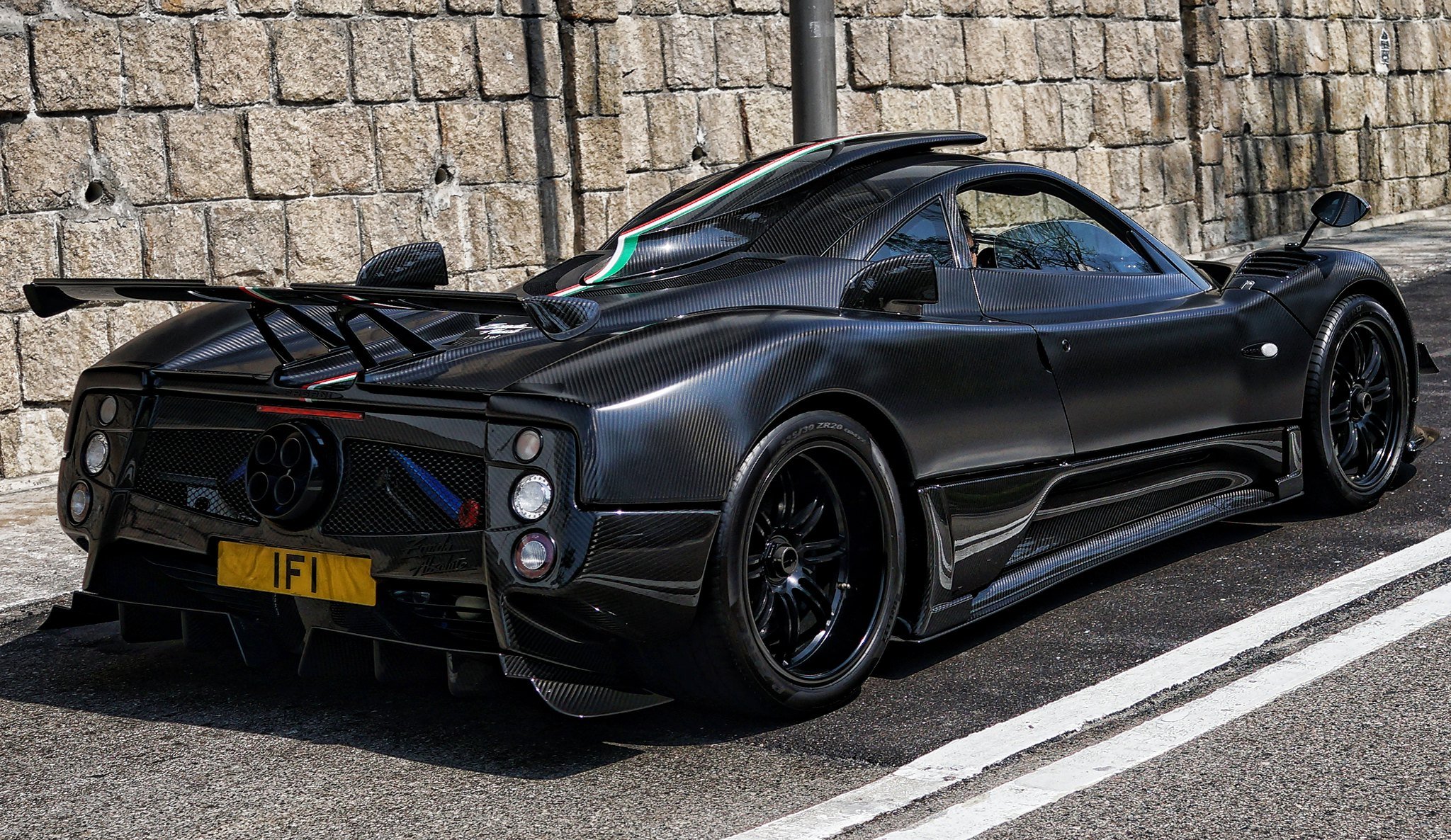
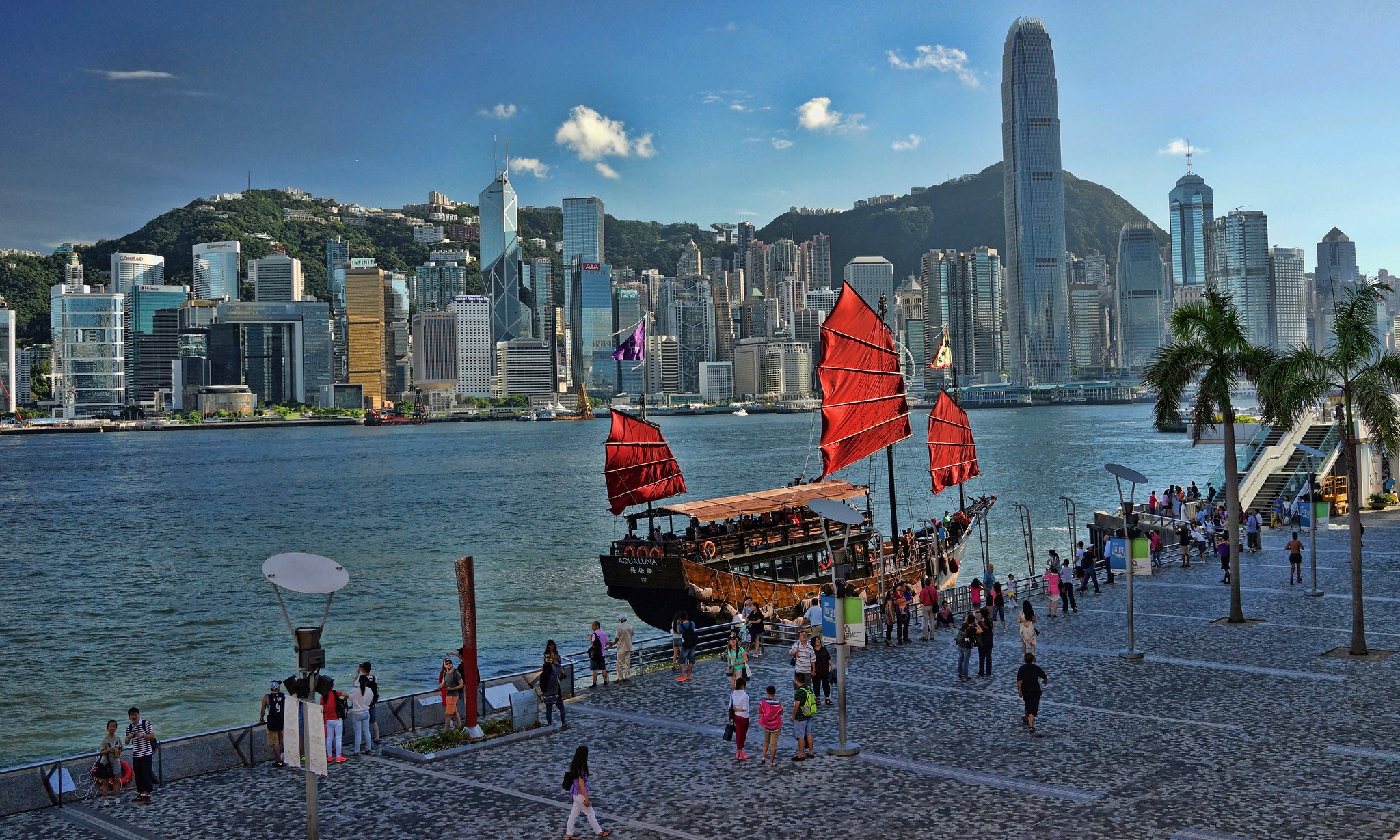
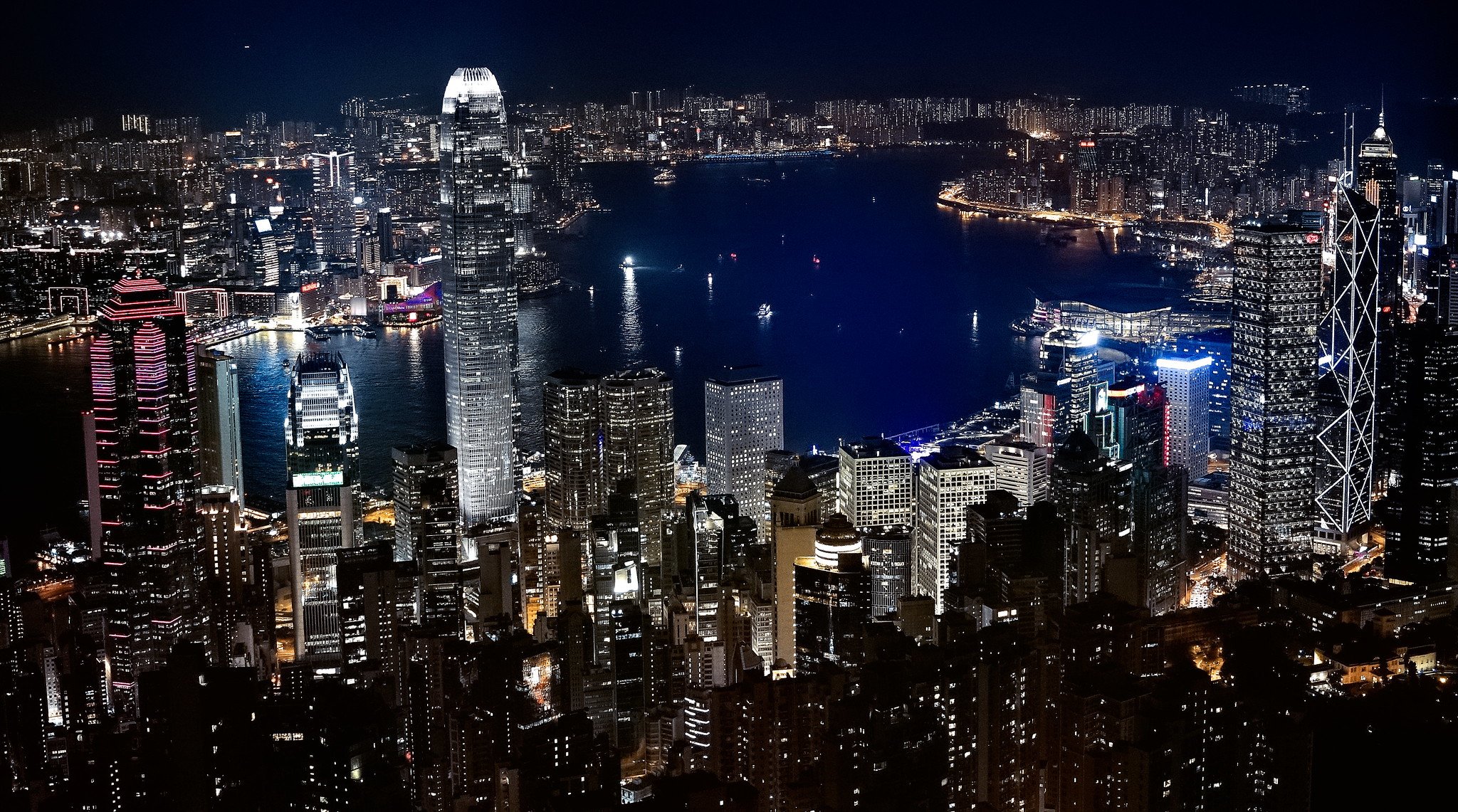
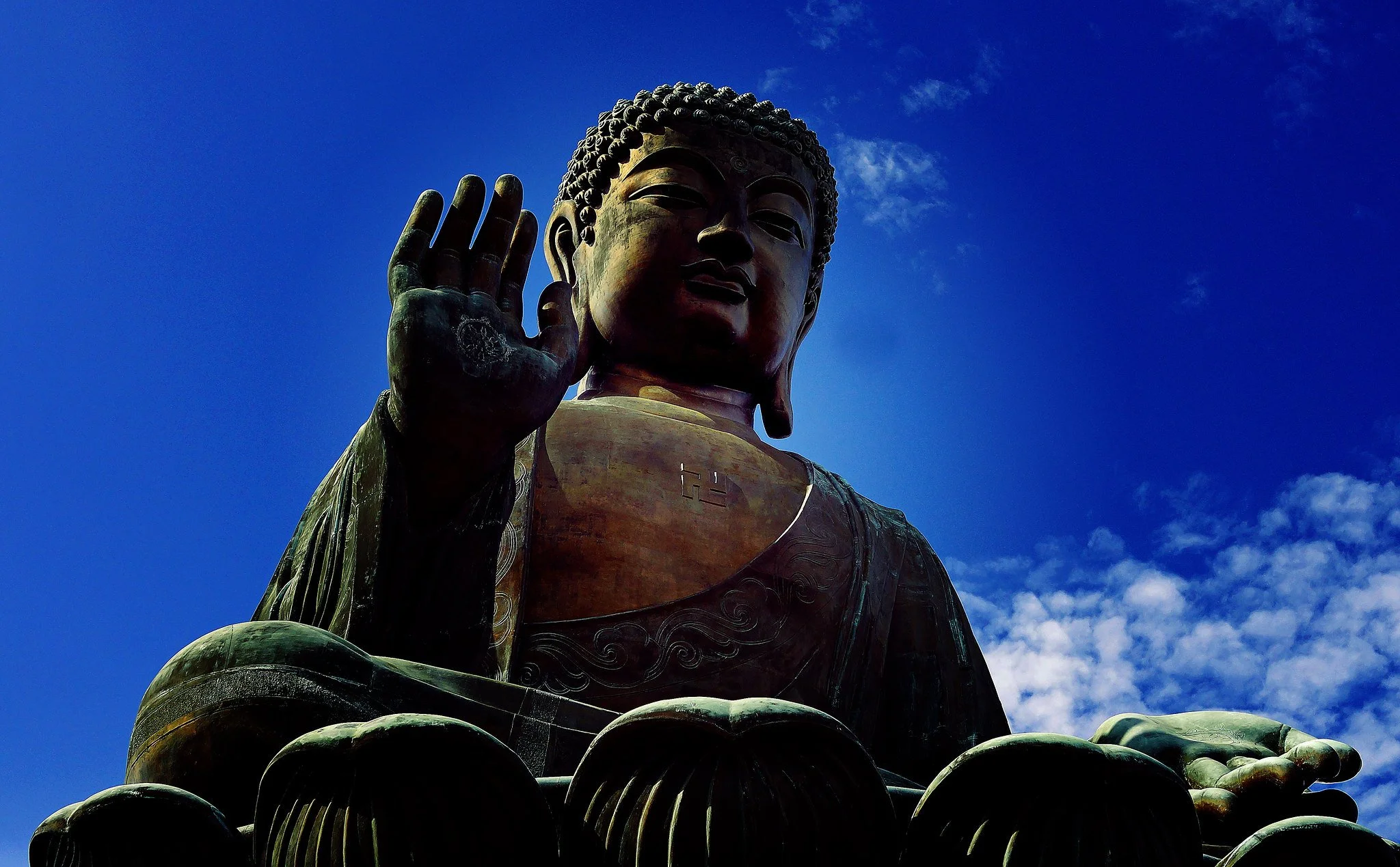
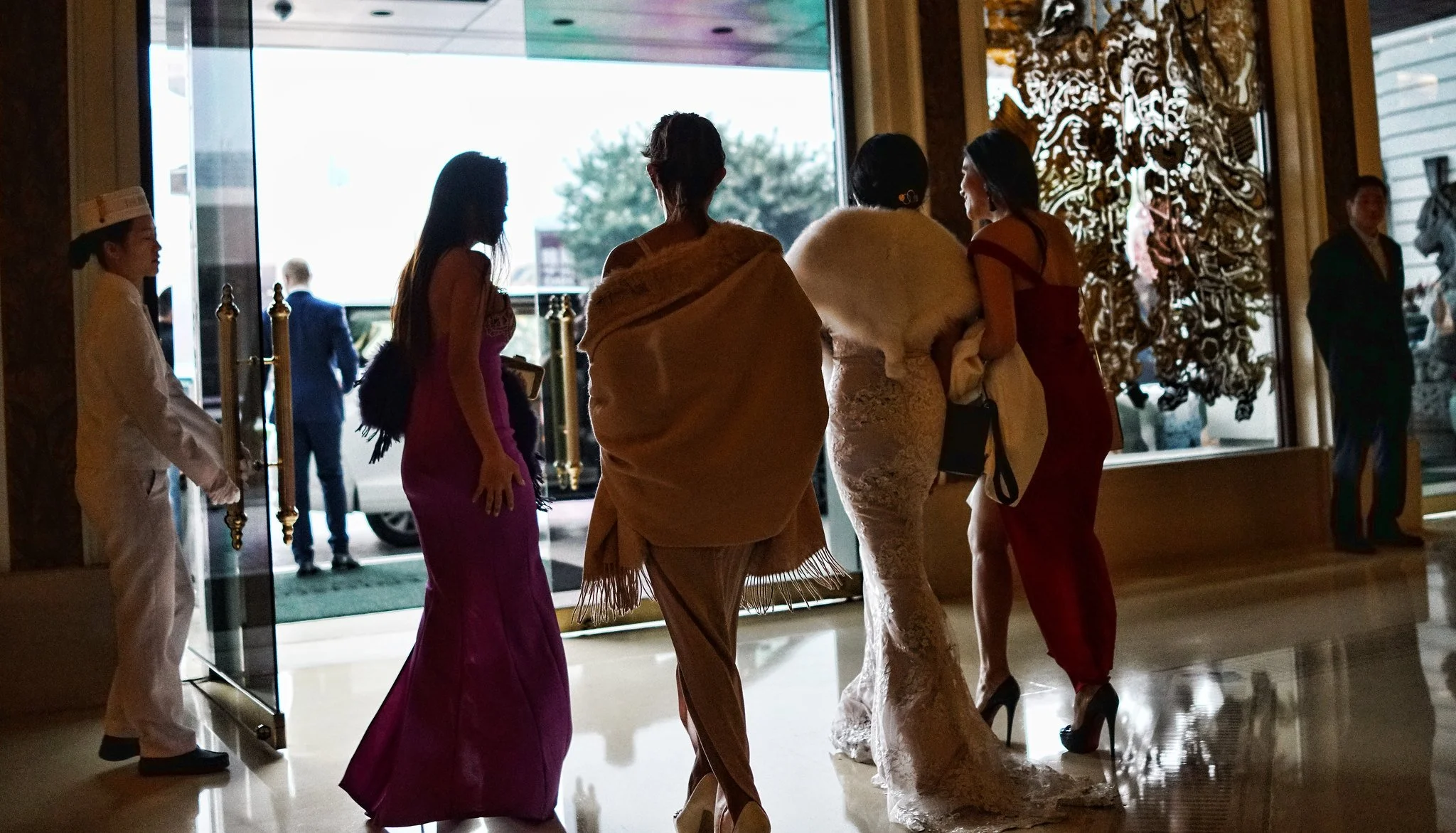
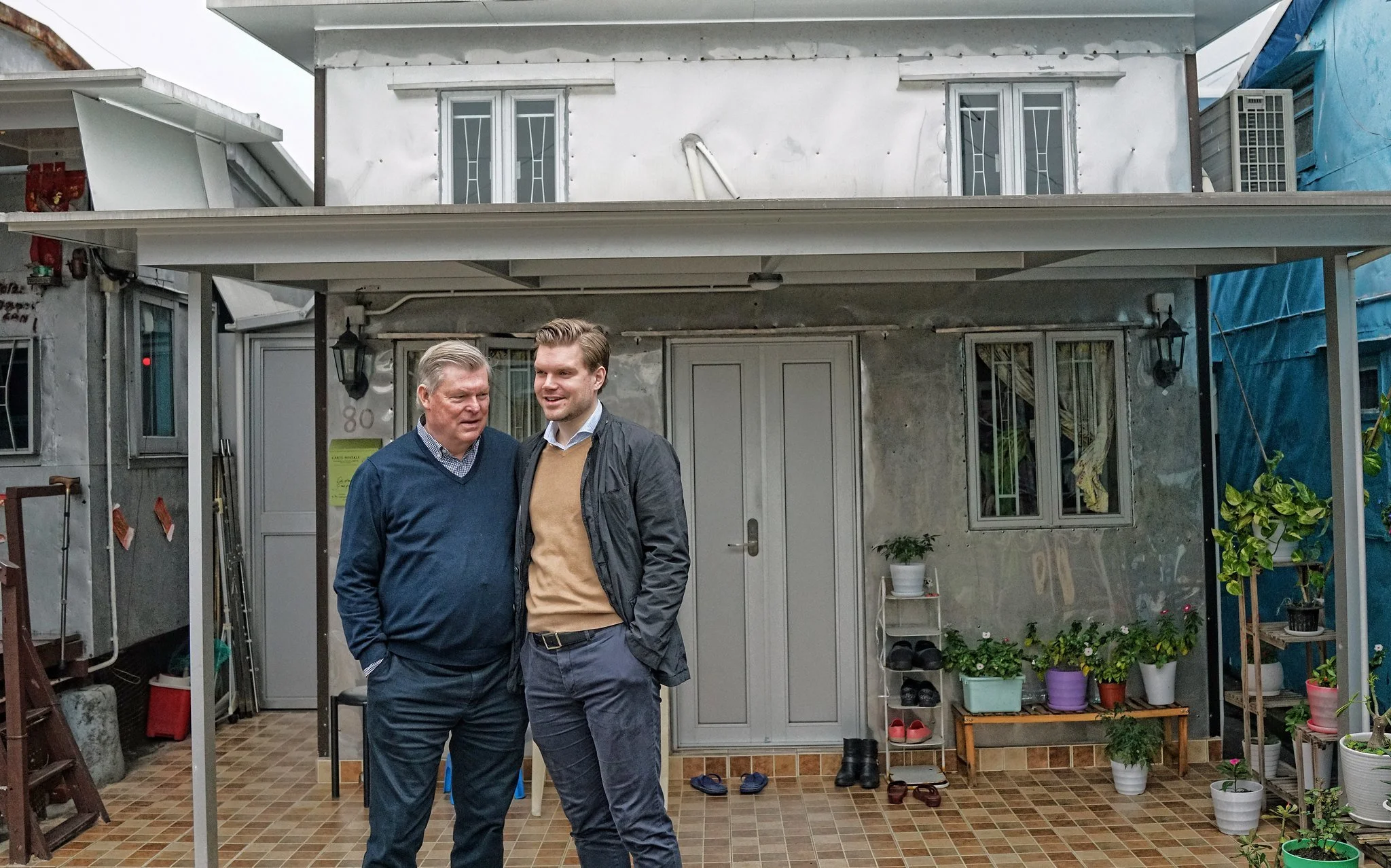
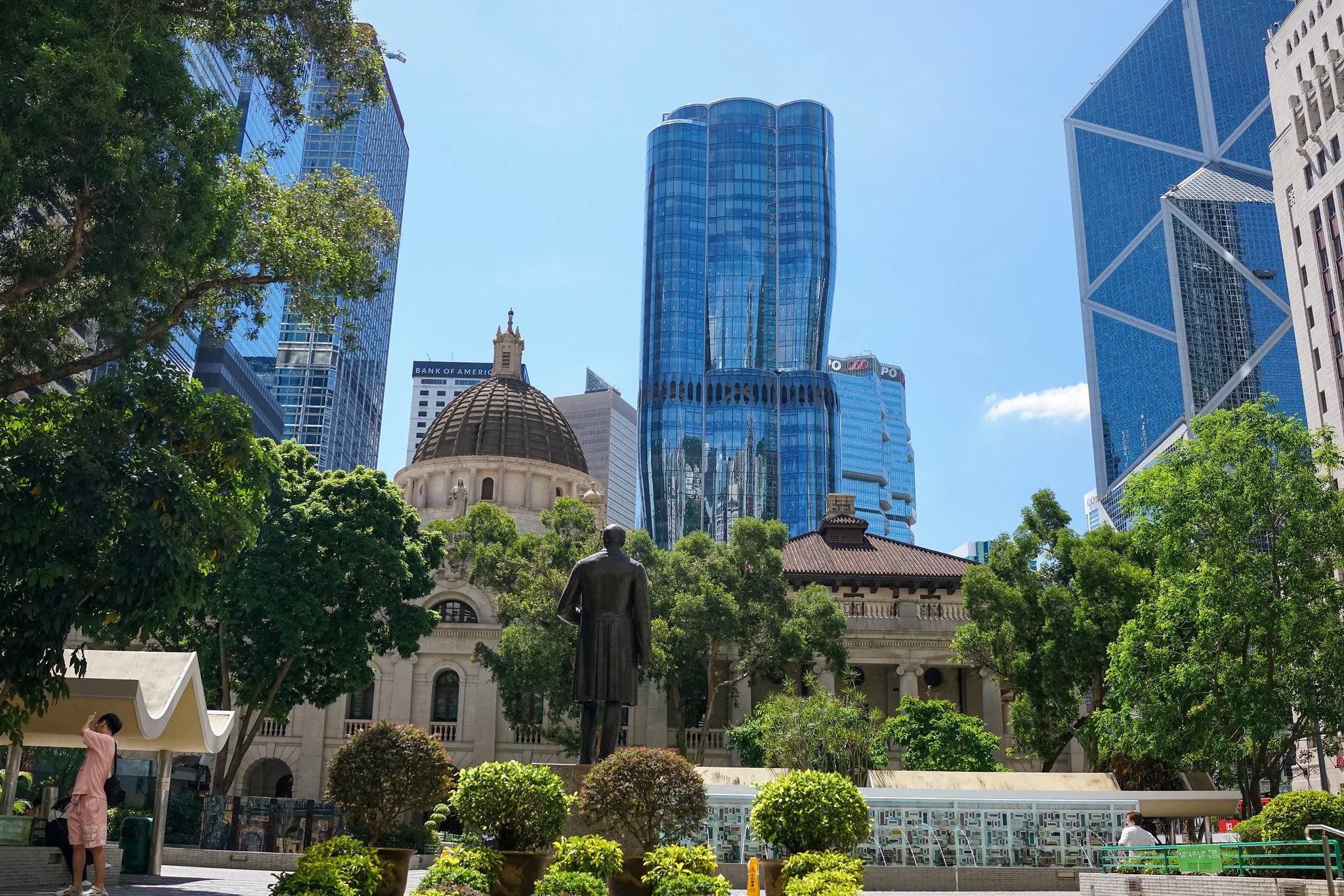
click on any image to enlarge
© Copyright Acknowledged | All rights reserved | all images taken b Jamie
Jamie’s Hong Kong | Some of my favourite images | Hong Kong 101
© Jamie Lloyd | J3 Consultants Hong Kong | J3 Private Tours Hong Kong |
| 2010 - 2026 All rights reserved. |
Click on any image to enlarge to full screen
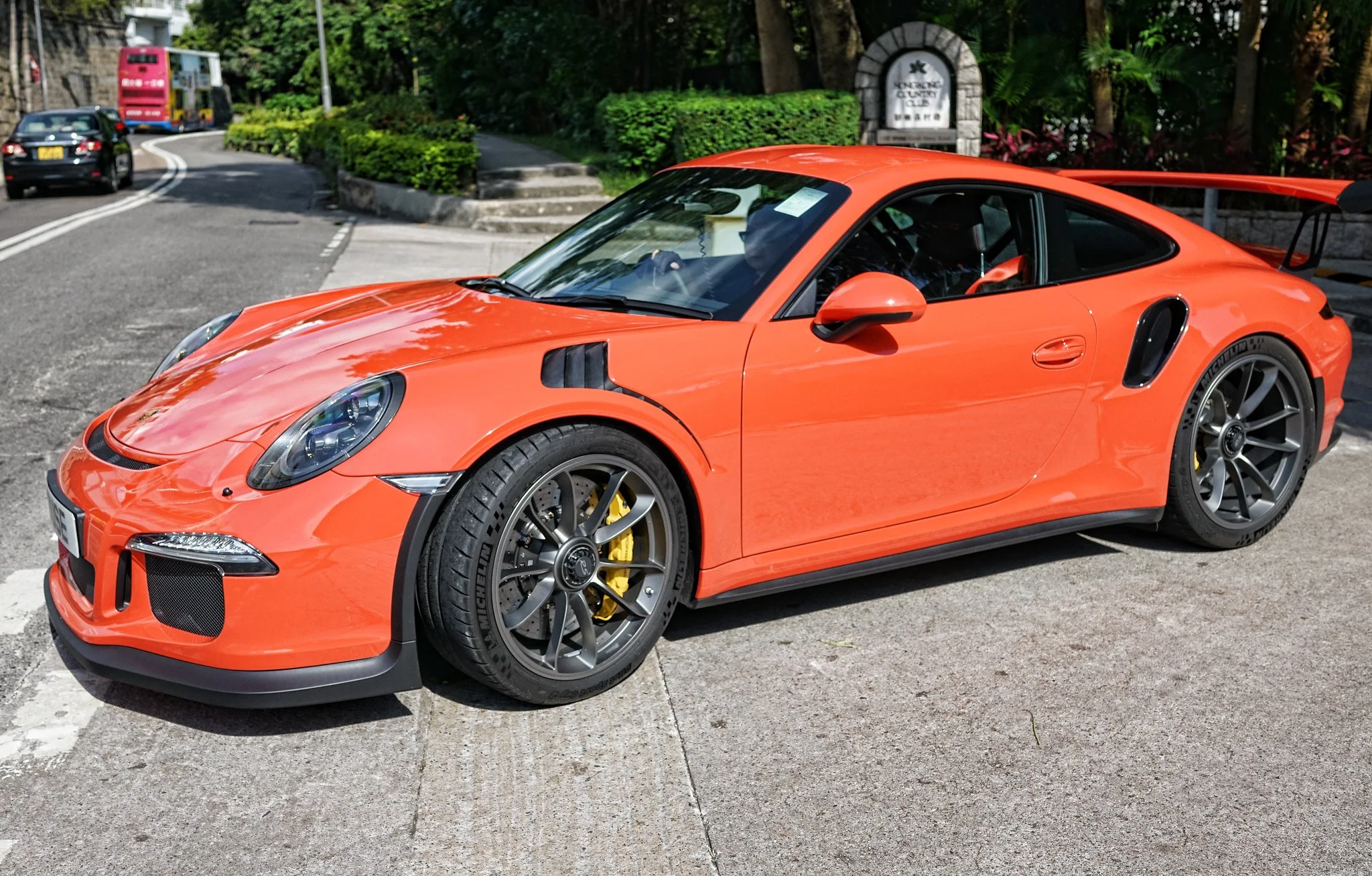
Current images from my Instagram feed