Hong Kong Tourism Authorities use of Influencers 2023 - 2026
Is this really the best way to attract visitors to Hong Kong?
The J3 Group - Premium Quality Private Tours | Experiences and Insider Chats since 2010
Me Jamie, your host, I am English and I have lived in Hong Kong since January 2nd 1972 - I know the place.
A meaningful blog post with a difference - tips on Travel, Tourism, Tours, Daily Life and my personal thoughts on Hong Kong.
Please do visit Amazing Hong Kong
Hong Kong | Pearl of the Orient
Customised Private Tours + Experiences in Amazing Hong Kong
Jamie has lived in Hong Kong - Pearl of the Orient for 50+ years
Carefully Crafted Personalised and Customised Itineraries by Jamie | Hong Kong’s Most Experienced Private Tour Guide for : Solo Travellers Friends Families Seniors Couples Business People MICE Delegates.
Private Tours Cultural Tours Walking Tours Sightseeing Tours City Tours Night Tours Layover Tours Transit Tours Private Shore Excursions Bespoke Tours Personalised Tours Jewish Heritage Tours Luxury Private Tours Day Tours Luxury Boat Tours Themed Tours Private Family Tours Private Day Tours Corporate Tours
Just you, your family or friends and Jamie your personal English private tour guide - over 2,400+ tours completed since 2011 - Jamie offers quality Private Tours of Hong Kong
Tour Group Size 1 - 6 people only
J3 Group Hong Kong | J3 Consultants Hong Kong | J3 Private Tours Hong Kong
Creating Memories That Will Last A Lifetime
Go here for the Hong Kong Michelin Restaurant Guide which includes the Bib Gourmand Category

Guided by Stories, Private Tours of Hong Kong with Jamie
A Resident since 1972 - Quality Private Tours of Hong Kong
click on the image to enlarge
© Copyright Acknowledged | All rights reserved
Using Influencers | Promoting Tourism | Hong Kong
Read the text below of the South China Morning Post article about Hong Kong Tourism Authorities using influencers to promote Hong Kong Tourism
Jamie a Hong Kong resident of well over 50 years and 2,360+ private tours completed since 2011 and yes, I am dealing head on with the new reality that for one reason or another our very professional tourism bureau’s are spending a lot of money to bring so called influencers to Hong Kong in the vain hope that them posting short messages and video’s about Hong Kong will send our tourism arrivals to new levels - well good luck with that.
This is the article text and link in full for context. | for any costs in HK$ divide by 7.8 to get the US$ amount
Tourism Board invited 1,730 influencers to Hong Kong over 2 years
Cultural, Sports and Tourism Bureau says influencers’ itineraries were tailored to their markets and audiences
The Hong Kong Tourism Board invited more than 1,700 influencers from around the world to the city between 2023 and last year, with the internet personalities having a combined following exceeding 1.6 billion.
Responding to an inquiry from lawmaker Chan Hoi-yan, the Culture, Sports and Tourism Bureau said the board had invited 1,730 influencers to come to the city over two years, with itineraries tailored to their markets and audiences.
“In 2026-27, [the board] will continue to develop themed promotional content aligned with market trends, catering to the interests and needs of target visitor segments across different markets,” Vivian Sum Fong-kwang, permanent secretary for culture, sports and tourism, said in her reply.
The bureau’s letter put the combined following of the influencers at more than 1.6 billion.
The examples cited by the bureau showed the influencers invited to film their visits to the city covered both long-haul and short-haul tourist markets, such as the United States, Europe, mainland China and the rest of Asia.
These included Senegalese-Italian TikTok influencer Khaby Lame, also known as “Speechless Brother”, who has more than 240 million followers on TikTok.
Lame, who is the world’s most-followed TikTok influencer, visited Hong Kong in November last year for three days. He attended the Tai Hang Fire Dragon Dance and tried the dance, toured a fishing village in Tai O and joined a Cantopop disco party.
The influencer also sampled stir-fried local dishes at a dai pai dong in Sham Shui Po and enjoyed British-style afternoon tea at a historic five-star hotel, as well as posing for photos outside Kai Tak Sports Park’s main stadium with an LED wall displaying the greeting “Hong Kong Welcomes Khaby & You”.
Idols Mingyu and Vernon from South Korean boy band Seventeen also had a similar itinerary of local delicacies and nightlife during their trip in September last year.
The bureau said the two K-pop stars had gone sightseeing on a junk boat, tried authentic local dishes and made cocktails with mixologists.
Mingyu had posted an Instagram post that had racked up 2.5 million likes and featured photos of Victoria Harbour at night and local dai pai dong-style dishes.
Besides local gourmet and cultural events, the board had invited American YouTuber duo Stokes Twins to visit the city’s theme parks and a luxury hotel. The pair have 139 million subscribers on the video-sharing platform.
Brothers Alan and Alex Stokes, who are the second most-followed American YouTubers on the platform, were invited to film in Hong Kong for their first travel vlog in Asia.
During the trip, the pair visited Hong Kong Disneyland, played football at Kai Tak Sports Park and saw giant pandas Jia Jia and De De at Ocean Park.
Their travel vlog, published in July last year, has accumulated more than 58 million views on YouTube.
To promote the city to the mainland market, the board invited influencer Wang Guo’er, who has 3.8 million followers on Douyin, and Grandpagu, who has 1.3 million followers on WeChat, to participate in Chinese New Year festivities and enjoy the city’s arts and cultural offerings.
Grandpagu, whose content centres around his tours of museum exhibitions around the world, made a post about the city’s Art March events last year.
He posted photos taken on walks across various districts as well as a video about his visit to the Hong Kong Museum of Art to view an exhibition on French impressionist painters Renoir and Cezanne, as well as exhibitions at the Hong Kong Palace Museum.
The video has racked up more than 2,500 likes and was shared over 3,600 times.
Grandpagu also posted another video of a walk from Hong Kong’s dense Nathan Road to Victoria Harbour a month later in April last year, with the clip shared more than 3,500 times and liked over 2,900 times.
But the board said it could not tally the expenditure of inviting these influencers and organising their trips, as such promotion work was incorporated into its overall marketing strategy.
In a separate response to lawmaker Rock Chen Chung-nin’s inquiry, the bureau provided a breakdown of the board’s HK$1.32 billion (US$168 million) allocated budget for the 2026-27 financial year.
The largest proportion of the budget, standing at HK$482 million or 37 per cent, would be spent on boosting mega-events in the city.
The board planned to use the money to scale up flagship events, add celebratory elements for the 30th anniversary of the city’s return to Chinese sovereignty next year, as well as ramp up promotions, launch a new light show to replace the “Symphony of Lights” and revamp thematic travel guides.
The second-largest planned expenditure was the allocation of HK$343 million, or 36 per cent of the total budget, on diversifying visitor source market investments and developing new types of tourism to attract high-value overnight visitors.
Another HK$198 million will go towards private sector collaborations, while HK$297 million will be spent on campaigns and media partnerships to promote the city.
So what do I think of this
Well, the report highlights if you read betwen the lines, I am guessing that they do not think that using influencers is value for money (duh!) on the other hand promoting mega events has been very successful so they should pump more money into that now that we have a such a magnificent multi use sports stadium
Perhaps they should also promote food more and highlight all the great food tour companies we have
They should revamp the Ladies Market and Stanley Market (more about that later on in this post) but they need to visit other markets in Asia to see how it is done., these 2 markets are very popular but need an overhaul, for inspiration look no furthers than the Temple Street Night Market which got a major overhaul a couple of years ago with a new street food section and boy, has that been a success… so revamp other popular markets many of which have been operating for over 50 years
I am also (like many others) keen to see how they are going to handle the cancellation of the daily Symphony of Lights Laser Light Show, frankly no great loss but it did run daily, I am pretty sure have no idea how successful it was over the decades because it was a daily event
Promoting festivals that last 1 - 3 days is not really cost effective, I doubt people will book a very expensive trip to Hong Kong because of the Bun Festiaval on Cheung Chau Island for a couple of days a year and it does not help that it could be in April or May according to the Lunar Calendar, it is a week long event, the reality is that most people go to watch people climing a pyramid of buns and that is a one day event.
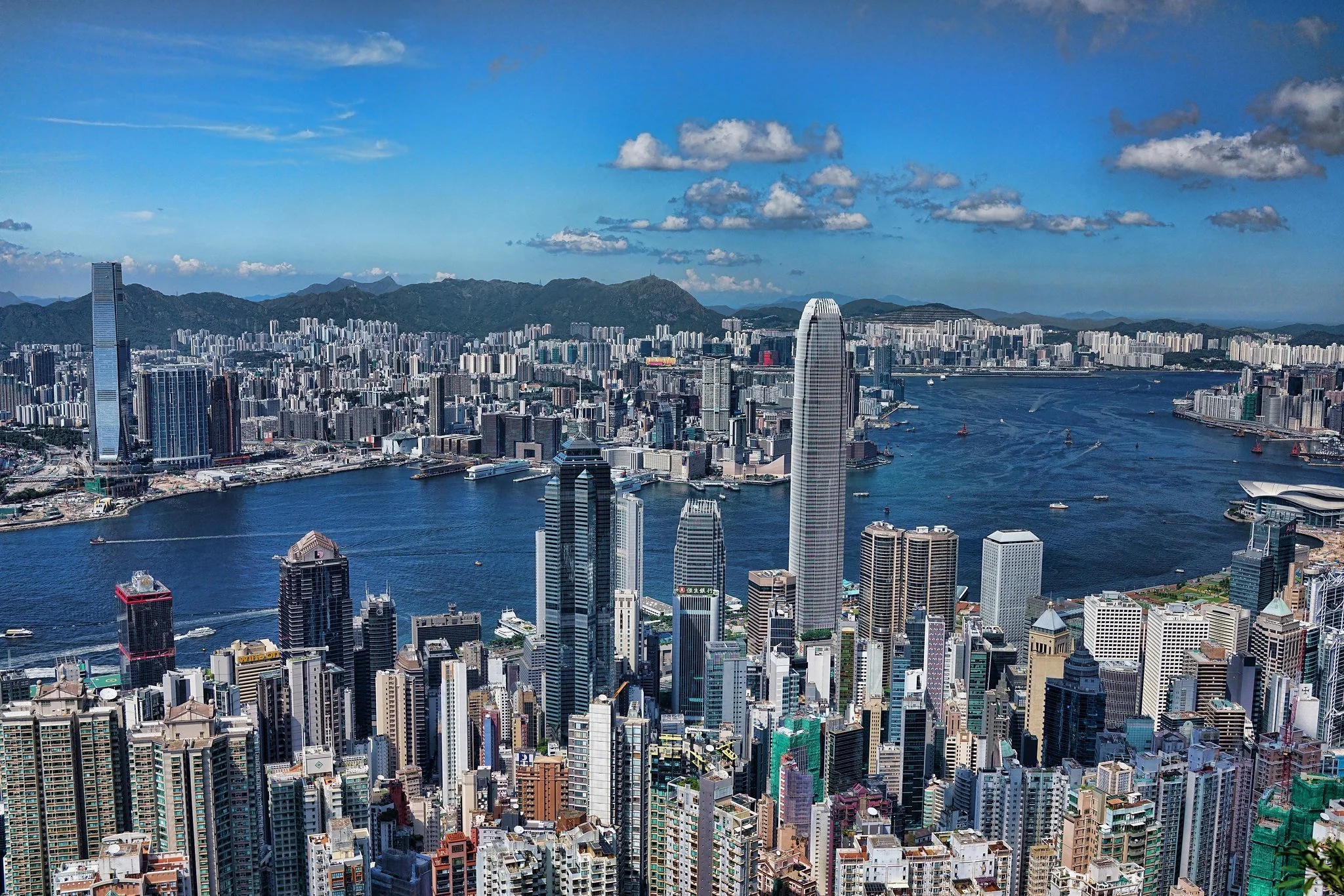
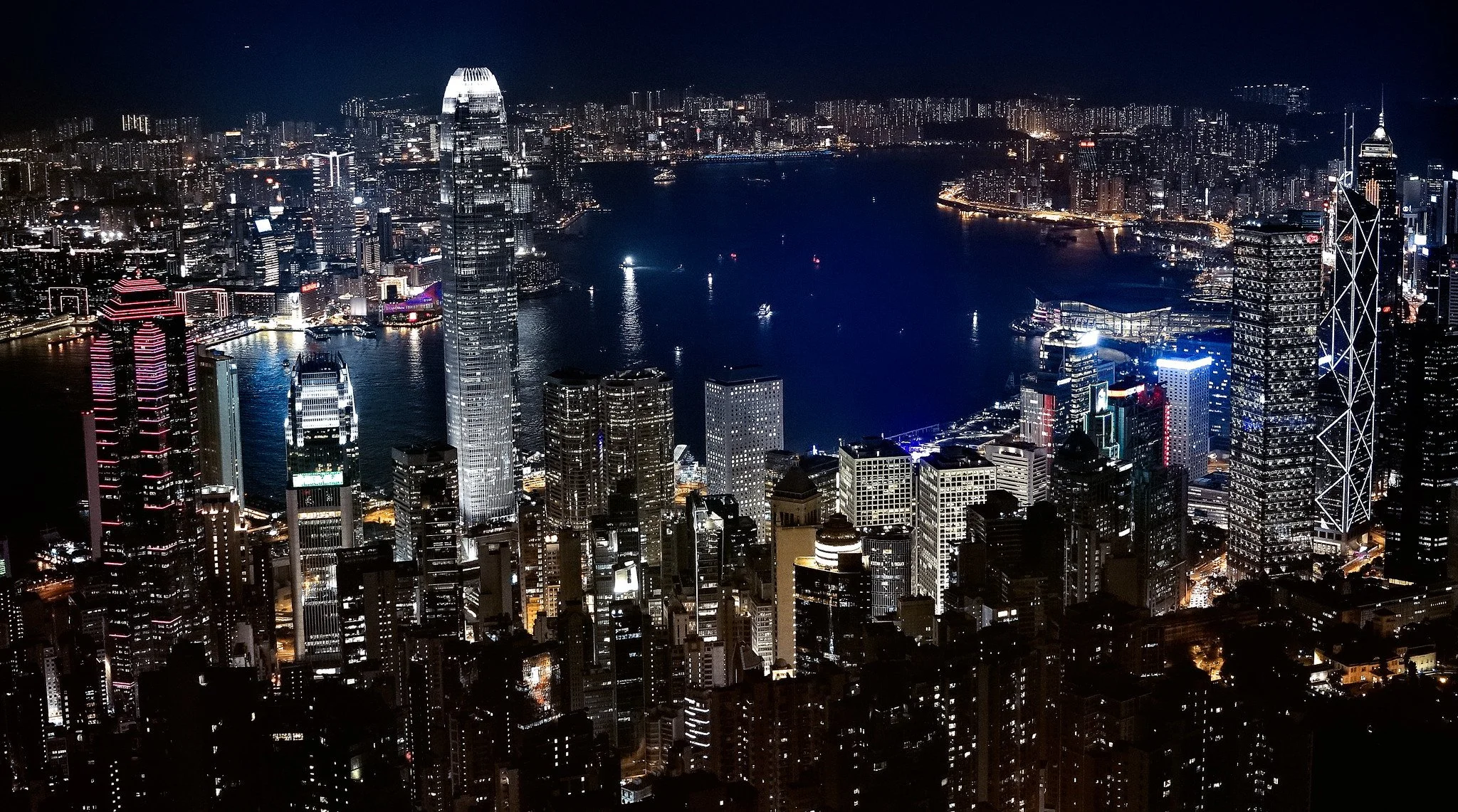
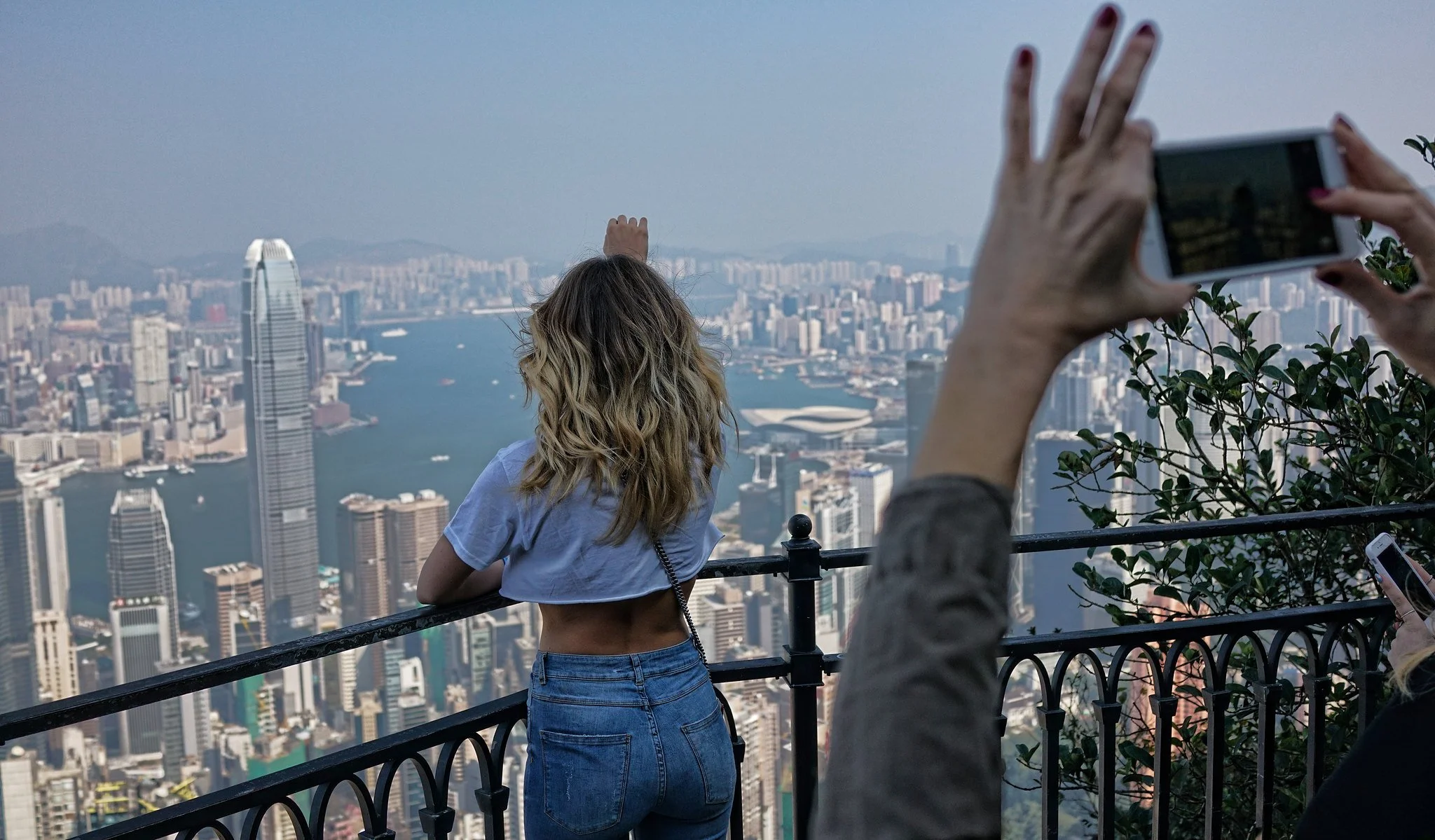
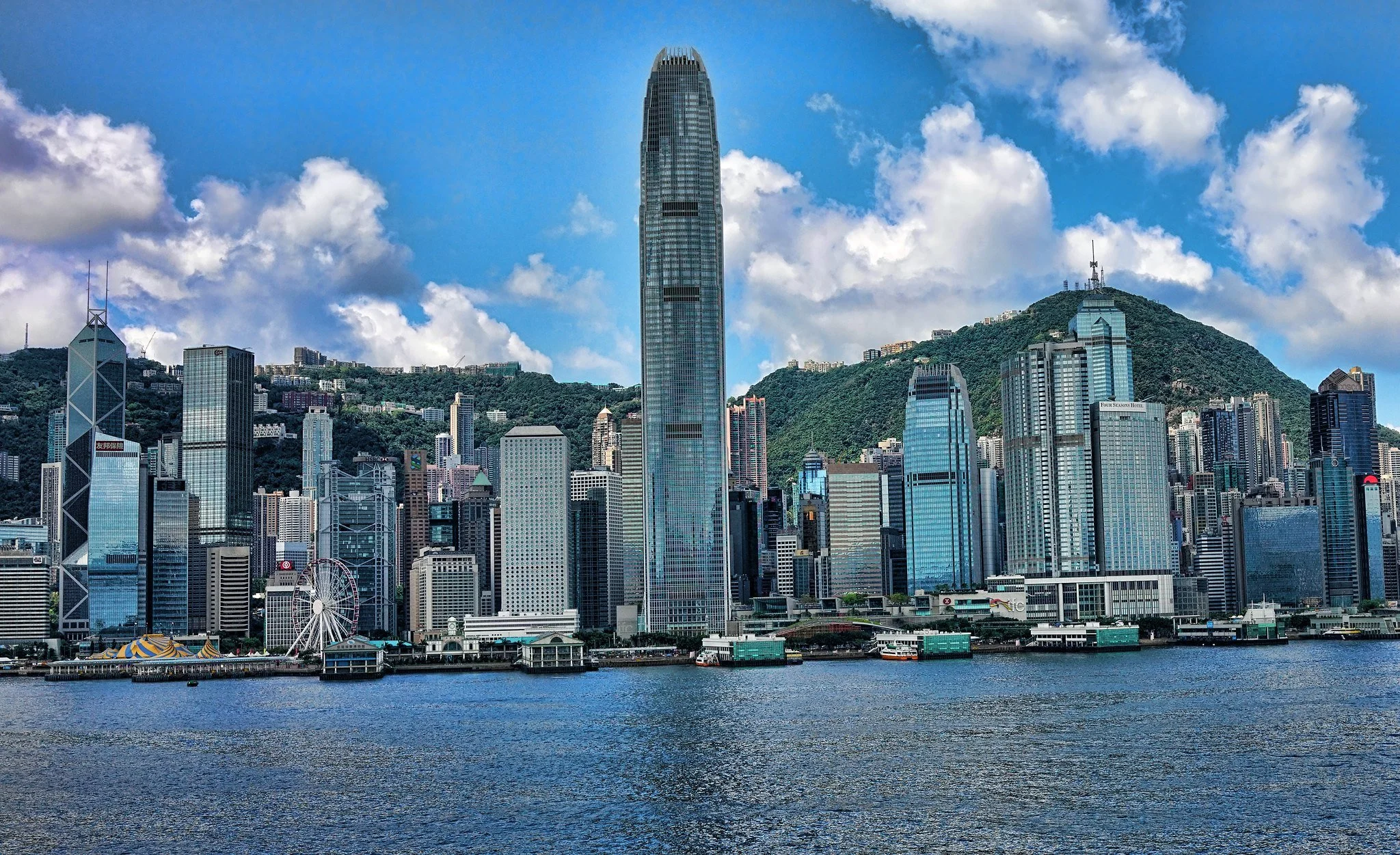
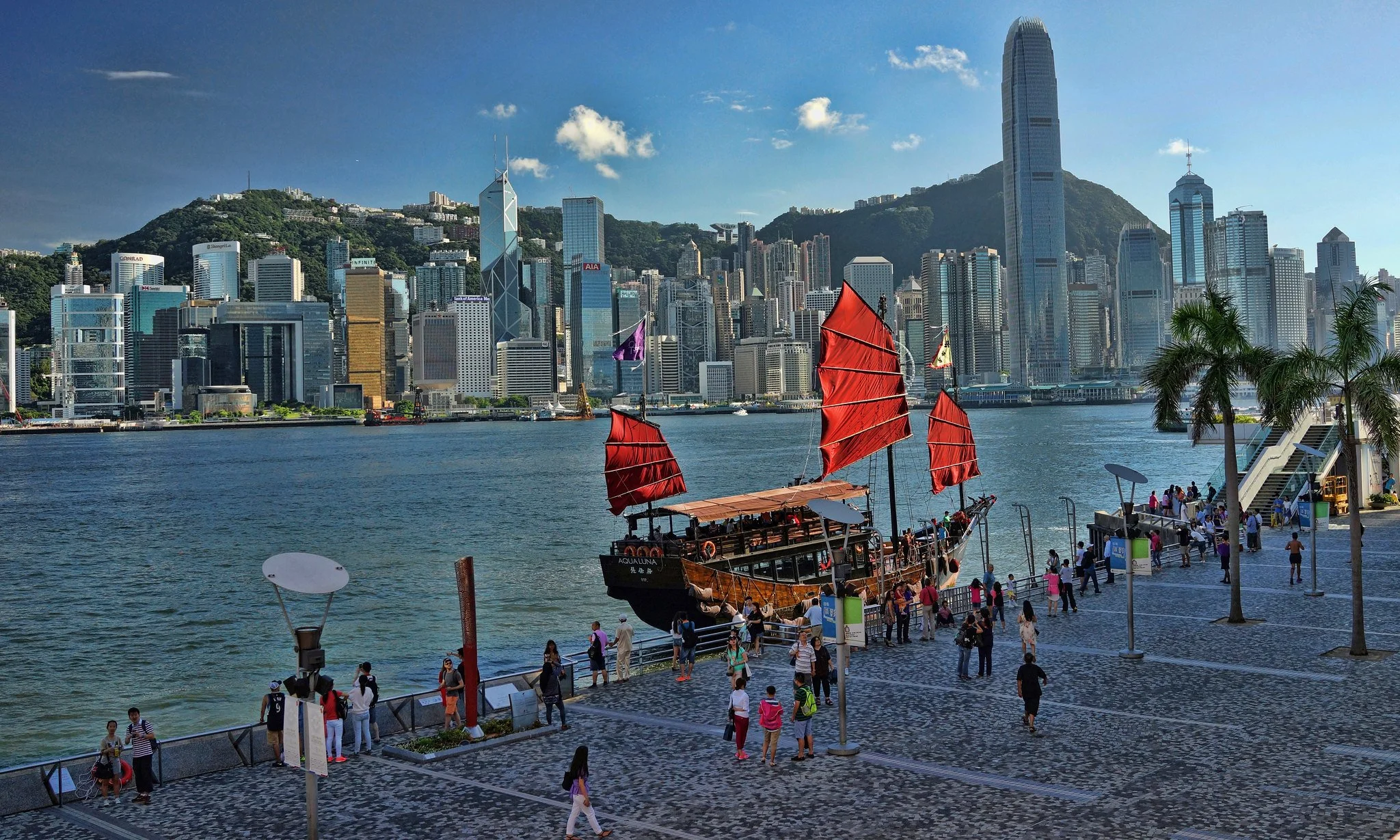
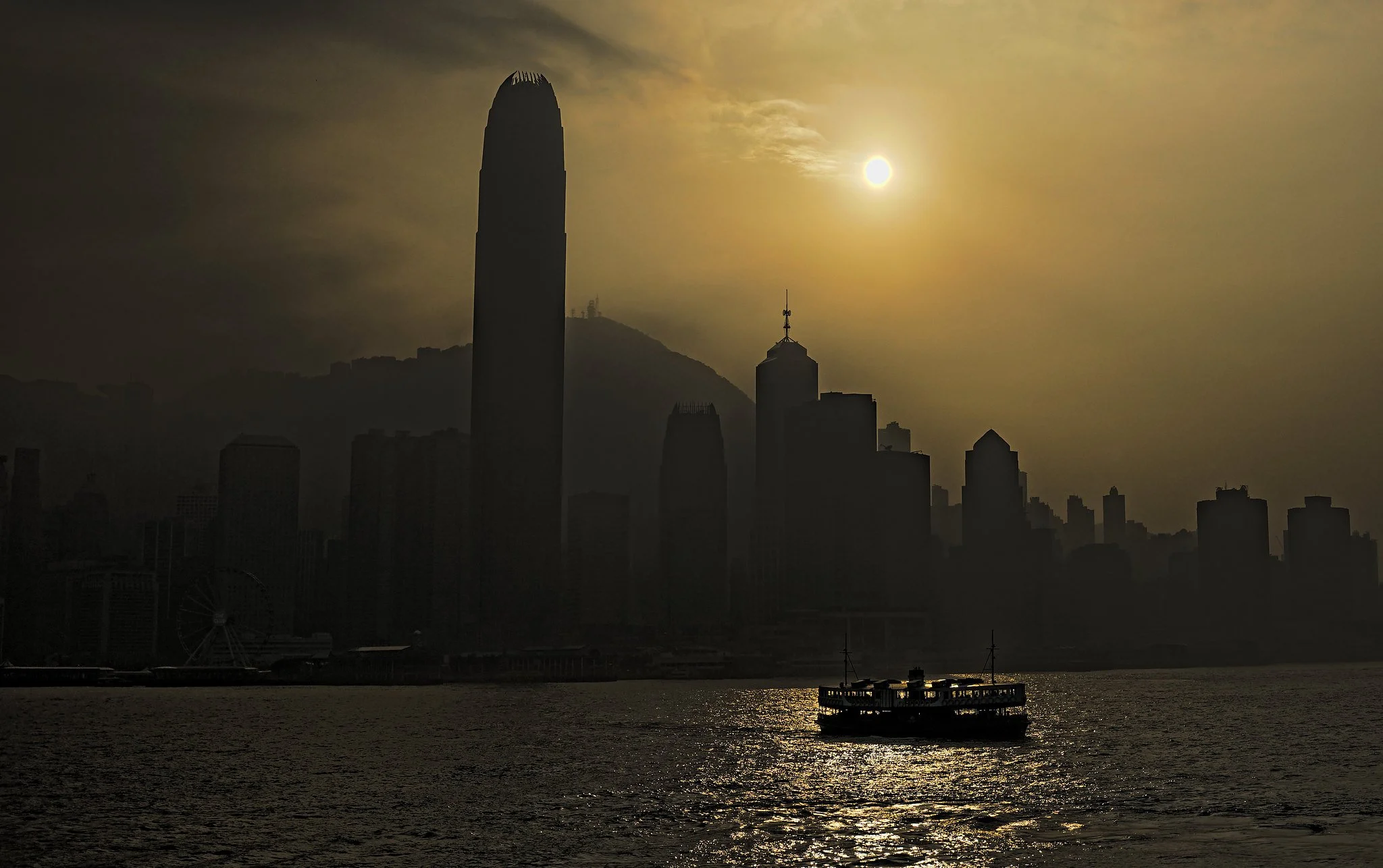
click on any image to enlarge
© Copyright Acknowledged | All rights reserved | images taken by Jamie
Magical Photo’s | Promoting Tourism | Hong Kong
My personal thoughts on influencers to promote Hong Kong Tourism
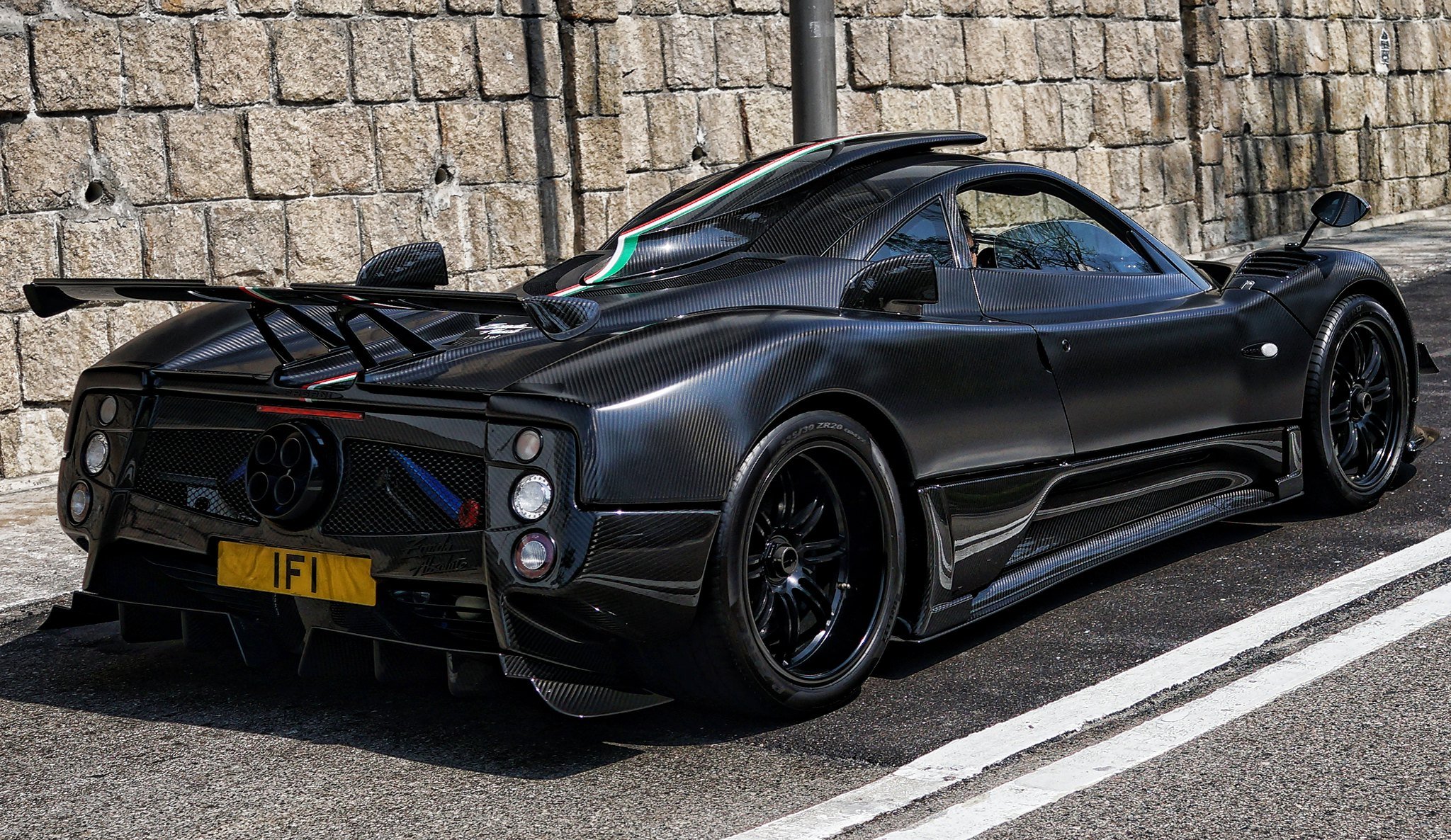
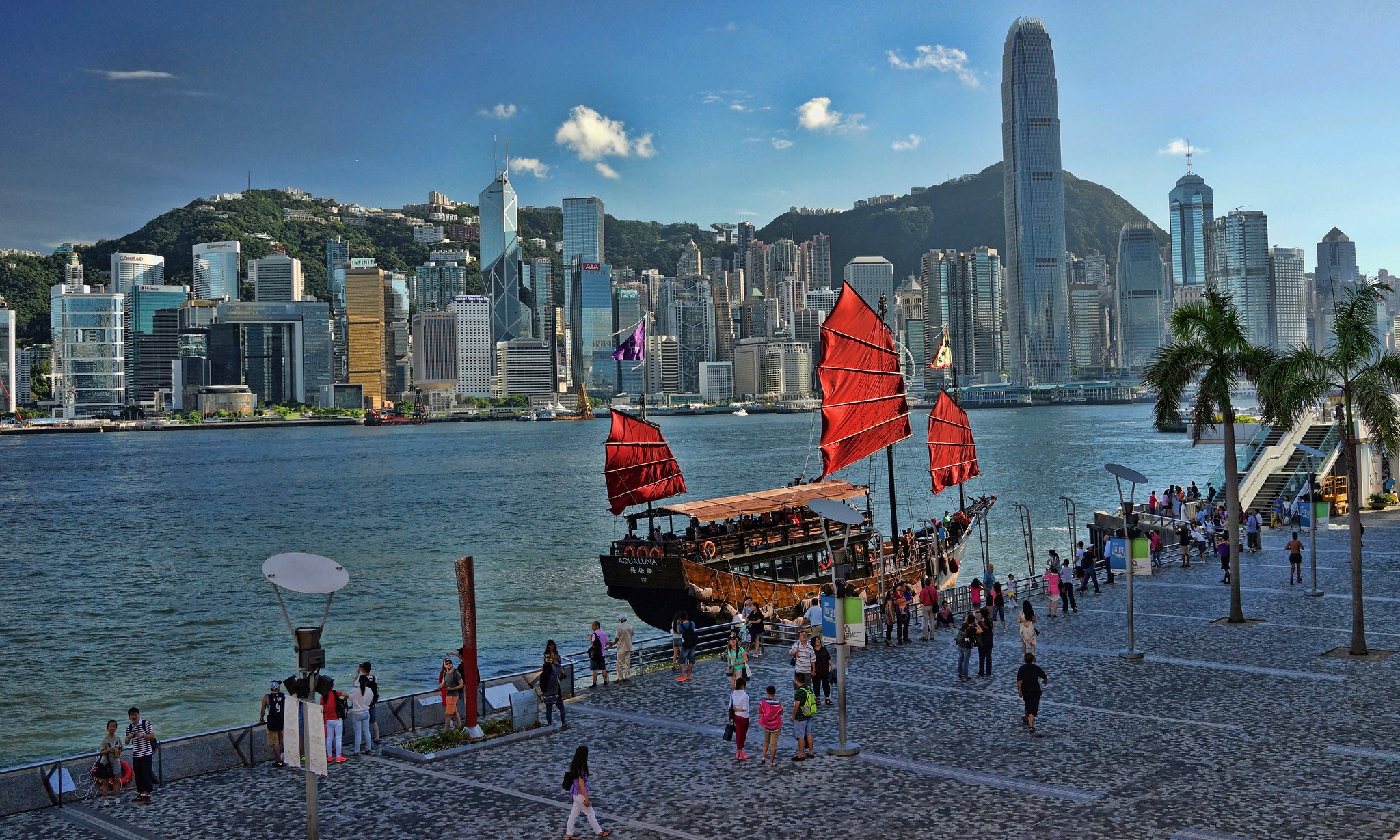
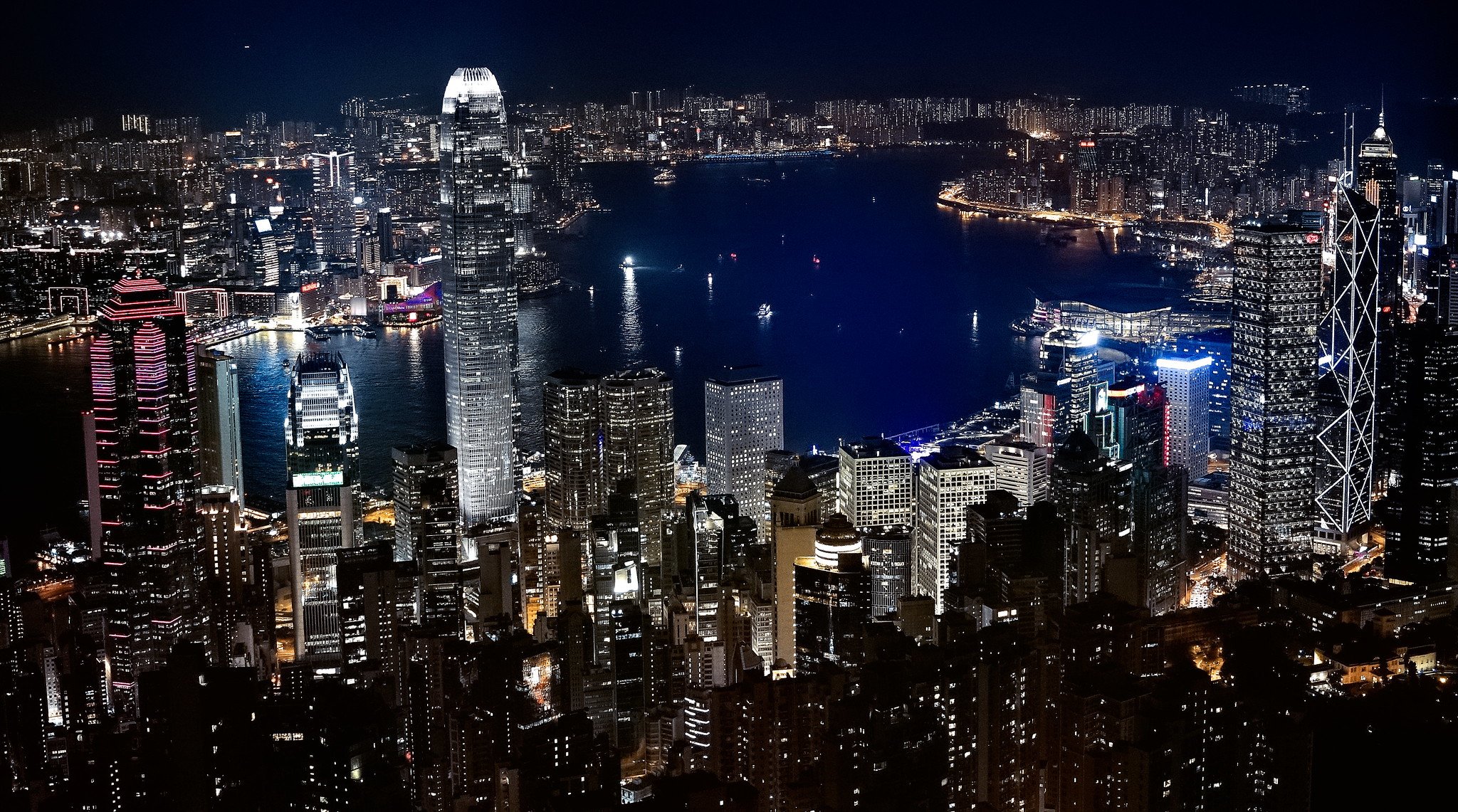
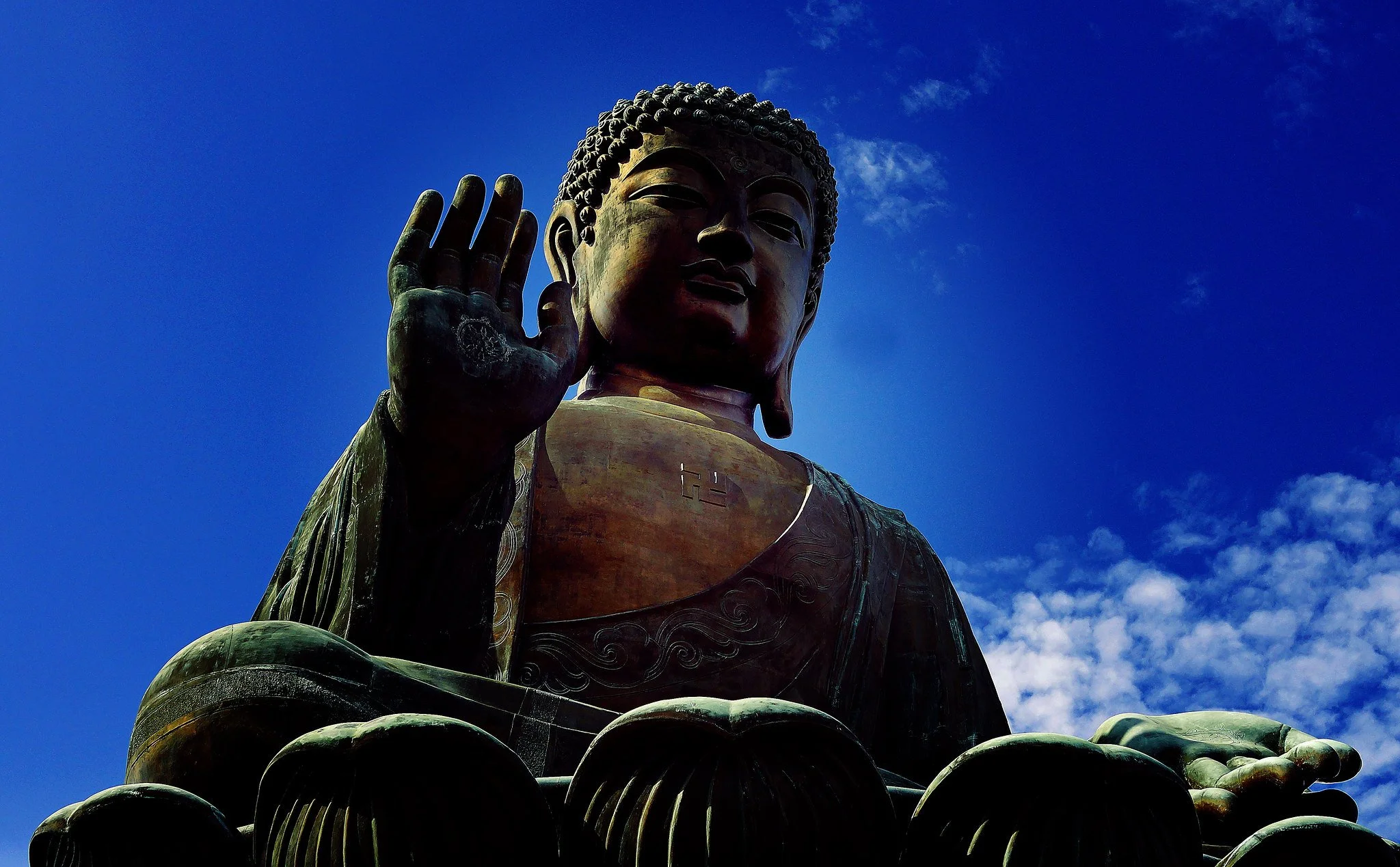
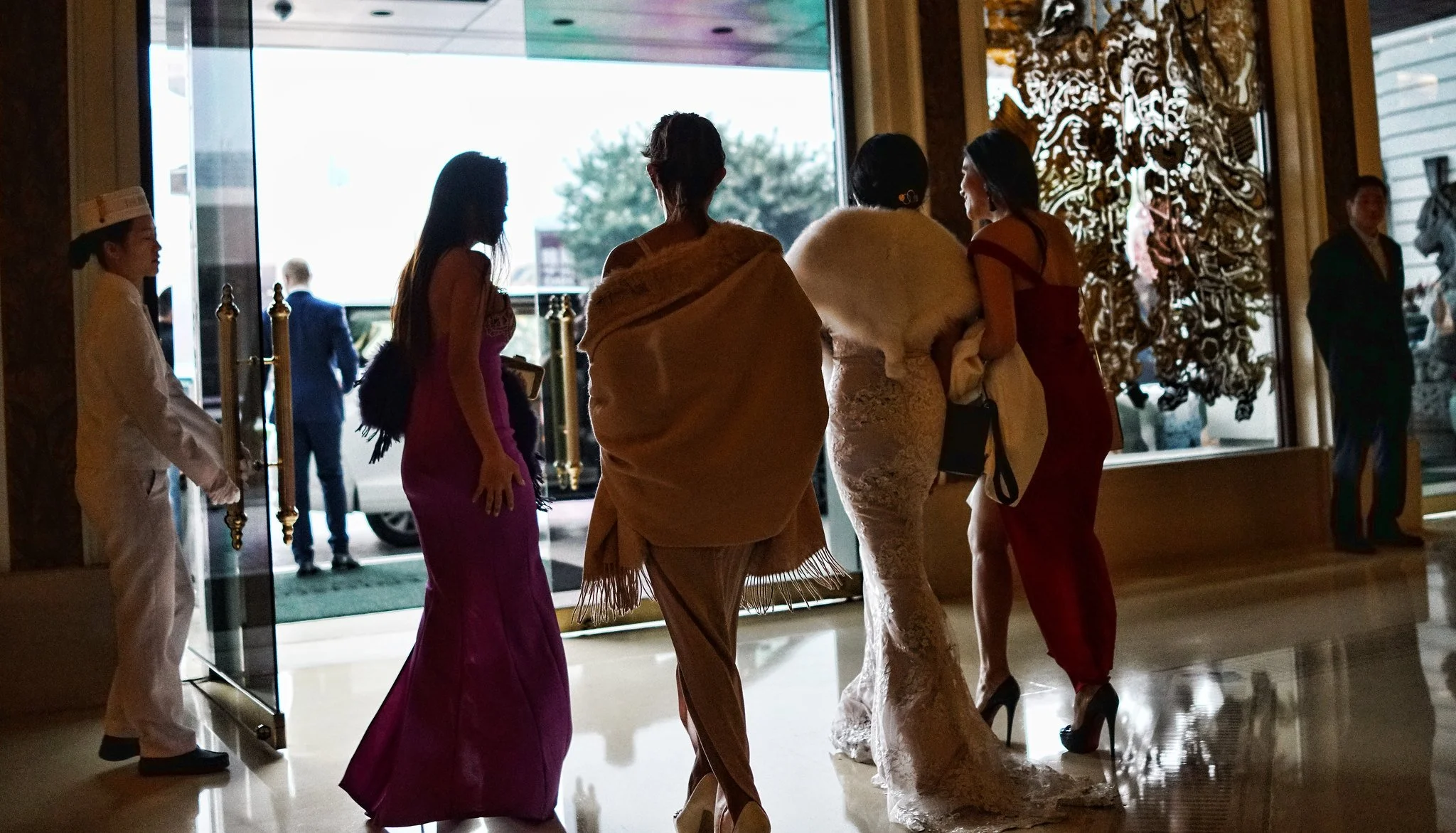
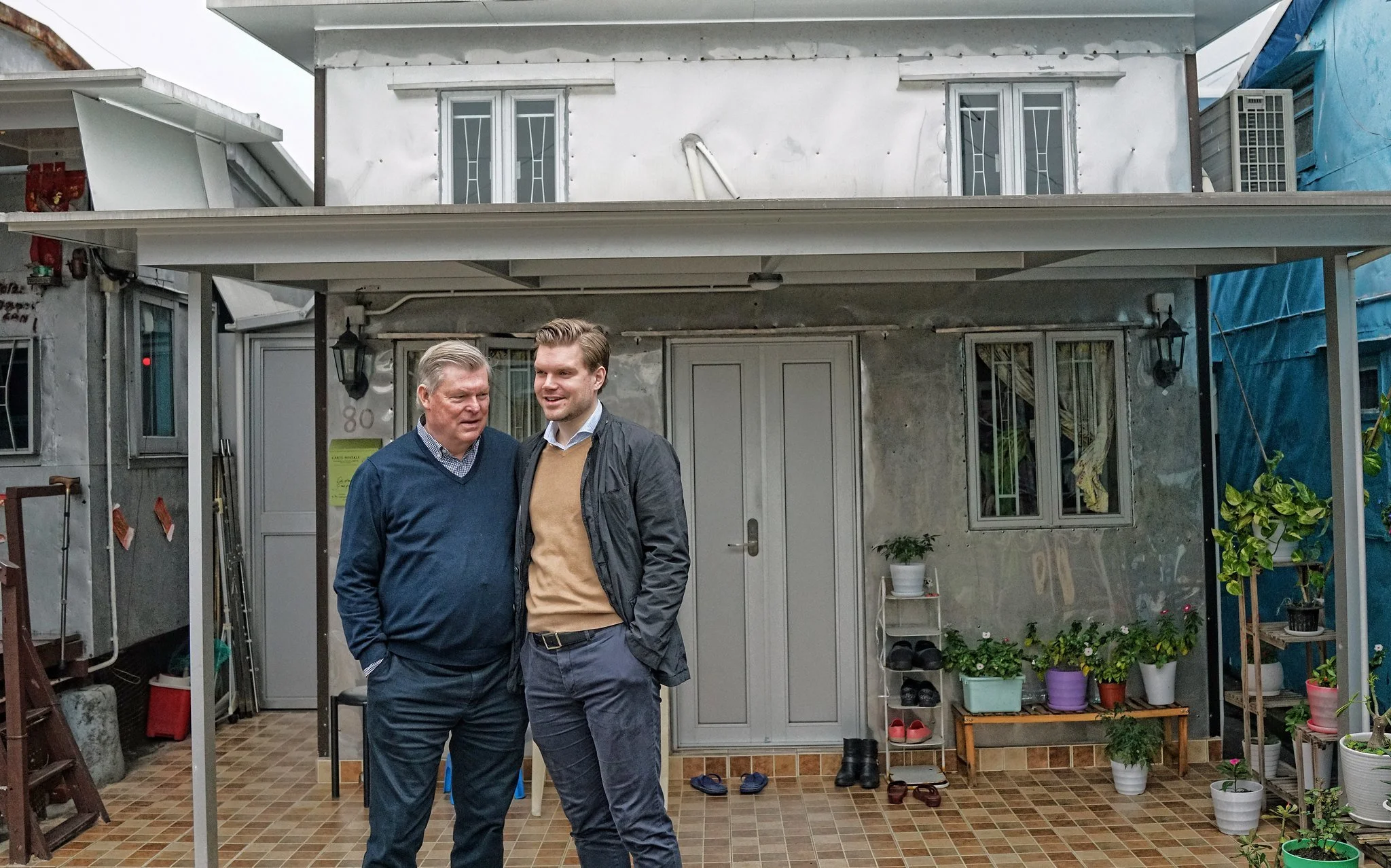
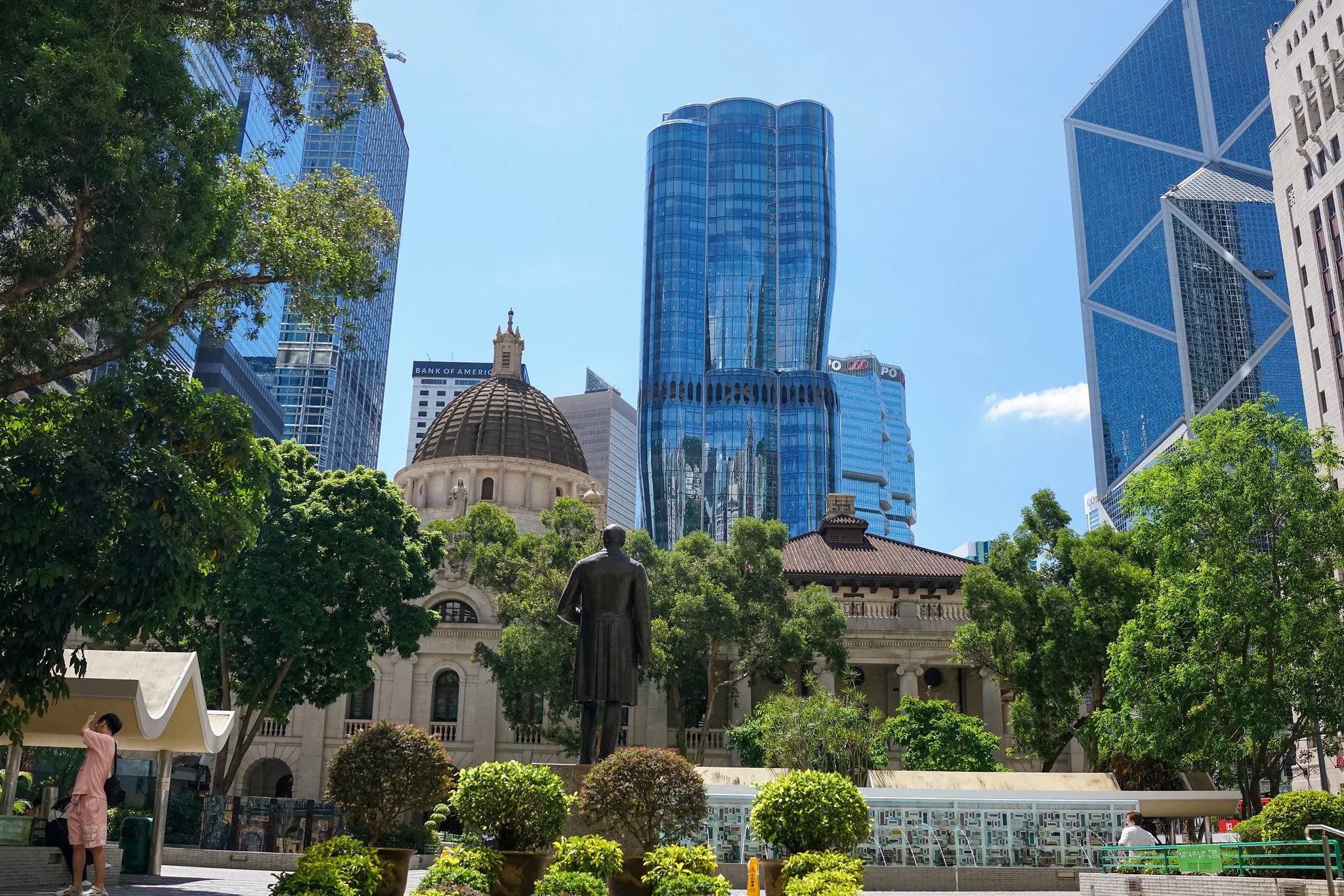
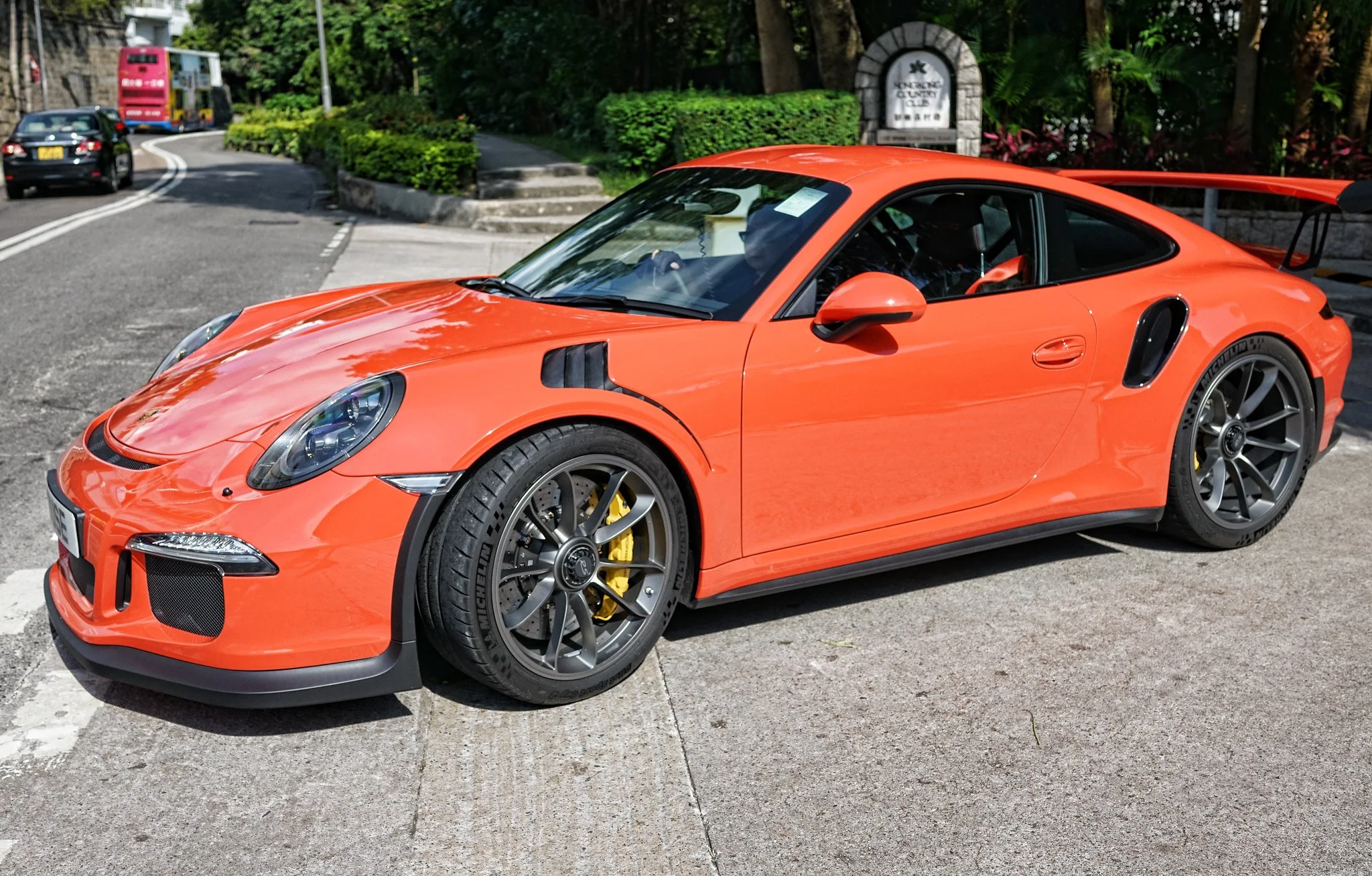
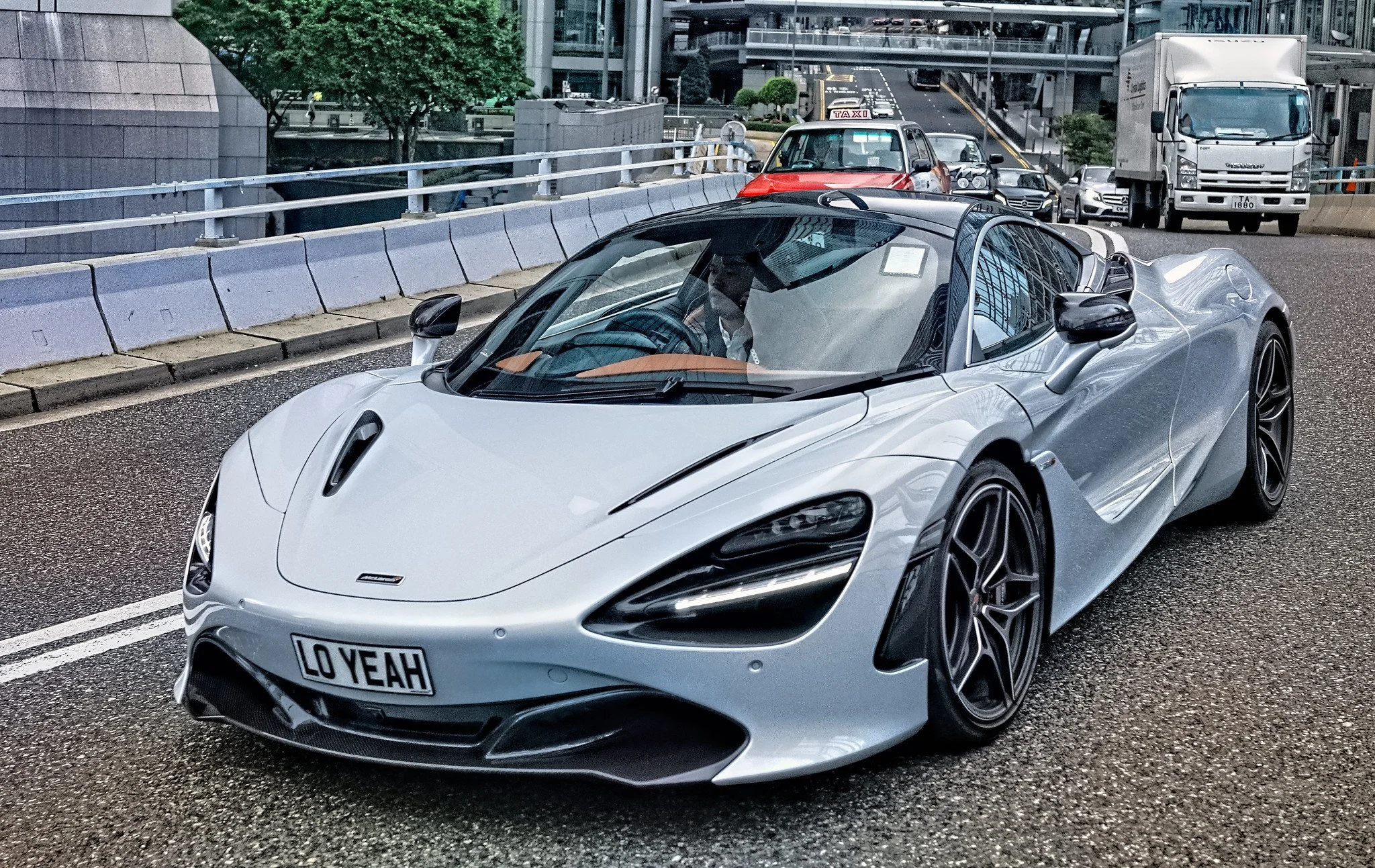
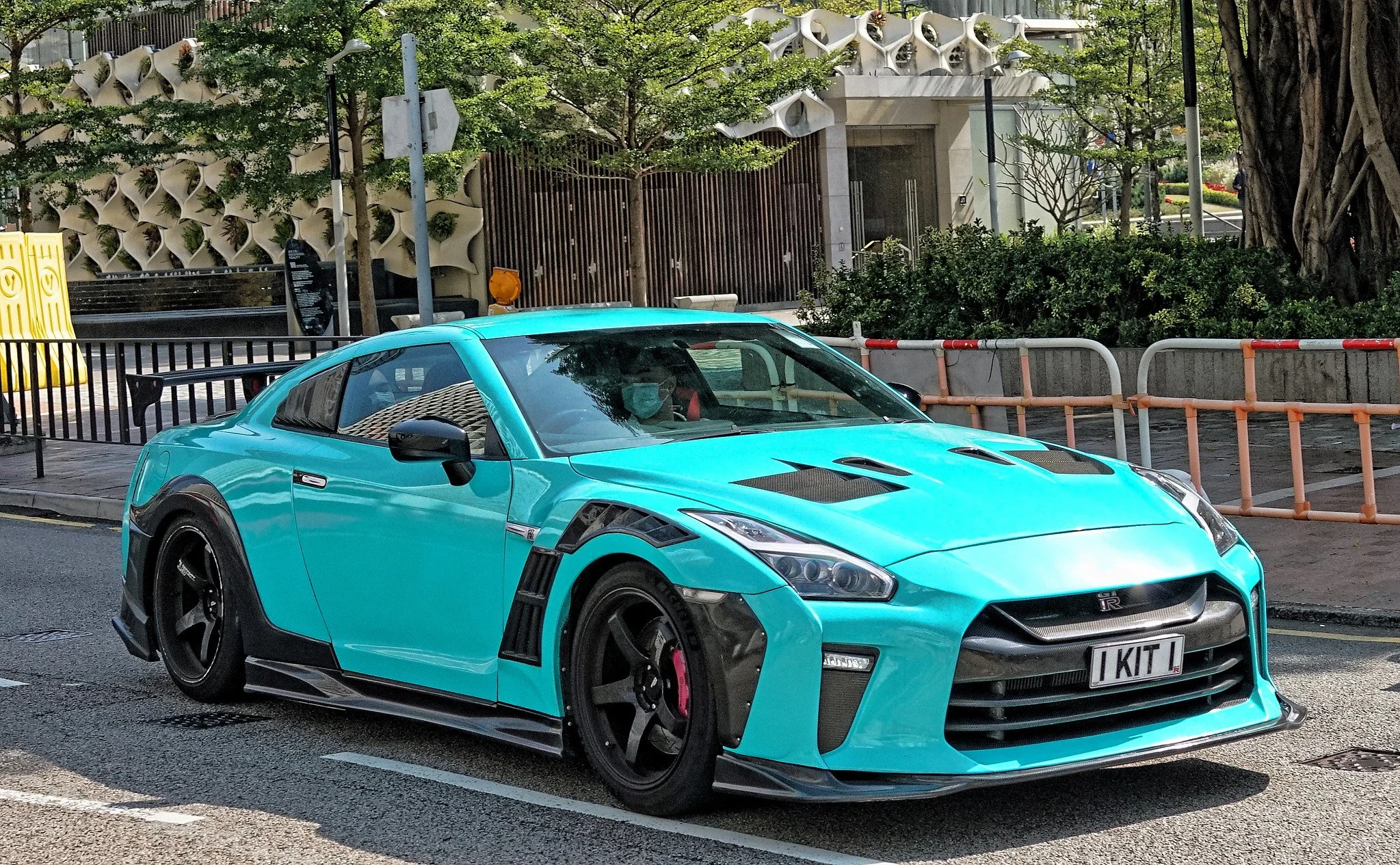
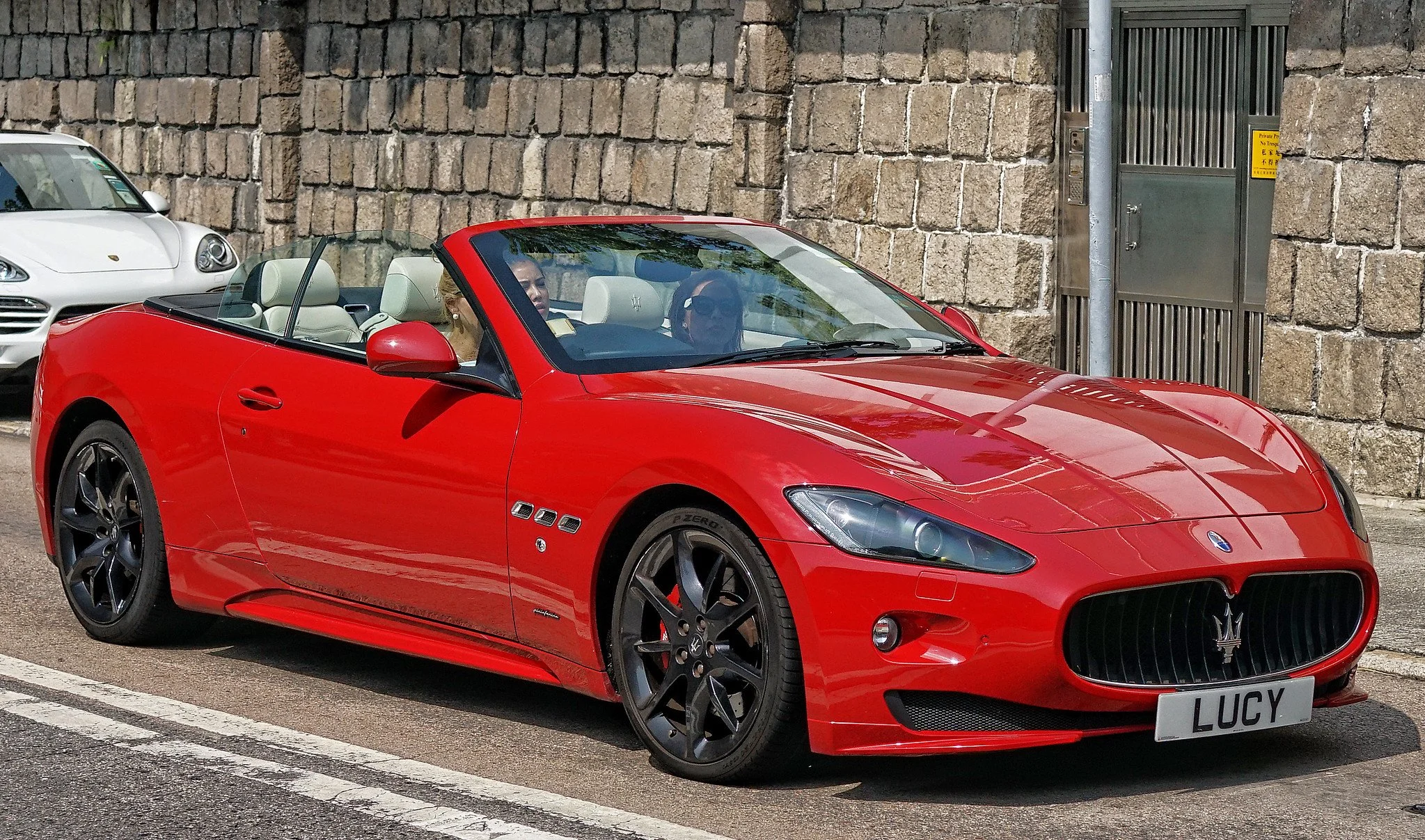
I have 179,000 + images on my FLICKR iange site, above just 6 of them, maybe the Hong Kong Tourism Board should hire a professional photographer to get the images they can post on social media.
Senegalese-Italian TikTok influencer Khaby Lame, also known as “Speechless Brother”, who has more than 240 million followers on TikTok. is apparently a star in Hong kong for what reason I simply cannot fathom
I have always been mocked in a friendly way by friends and family about my dislike of influencers, I do not like the term influencers and Social Media has one major flawe when it comes to promoting tourism, the flaw is simple - so what if you have 240 million followers?
So as my knowledge of influencers is not great I got some help
What my AI advisor has told me (which makes a lot of sense)
This is unedited and straight from the horses moutn so to speak and I increased my knowledge of social media influencers by a factor of about a gazillion!
In a nutshell one of my comments to AI was simply that I thought that with Instgram and Tik Tok, a post | image | video has a short shelf life of maybe a couple of days because of the sheer content that these people pump out and disrespect to “Mr. Speechless Brother” I cannot imagine too many people packing their bags to visit Hong Kong for 3 days (which is one expensive trip) on the back of Mr. Lame gurning for the camera in Hong Kong despite his title of being a mega influencer!
Honestly I would rather watch an expisode featuring Michael Palin (ex Monty Python) from his round the world in 80 days TV show, he did an episode in Hong Kong
Anyway, as usual I digress so back to business……
An influencer, in the context of social media and marketing, is someone who has cultivated a dedicated following on platforms like TikTok, Instagram, or others, and who can shape the opinions, behaviors, or purchasing decisions of that audience through their content. They act as trusted voices—whether through expertise, personality, relatability, or entertainment value—rather than traditional celebrities who might rely on fame from film, sports, or music. The core power comes from perceived authenticity and direct, ongoing engagement with followers, which brands or destinations like Hong Kong tap into for promotional reach that feels less like advertising and more like a friend's recommendation.
The benchmark for being considered a "major" influencer is indeed heavily tied to follower count, but it's not the only metric. Industry standards break it down into tiers based on scale, engagement rates (likes, comments, shares relative to followers), and audience loyalty:
Nano-influencers: Typically under 10,000 followers. These are everyday people with hyper-local or niche appeal; their strength is high trust and conversion in small communities.
Micro-influencers: 10,000 to 100,000 followers. Often niche-focused (e.g., travel, food, lifestyle), with strong engagement because their audiences feel connected.
Macro-influencers: 100,000 to 1 million followers. Broader reach with some specialization, but engagement can start to dilute.
Mega-influencers: 1 million or more (often tens or hundreds of millions). These are global phenomena like Khaby Lame, with massive visibility but lower per-follower engagement due to the sheer size of their audience.
Follower count is the most straightforward proxy for "major" status because it signals algorithmic favor and cultural penetration, but real influence also factors in content quality, consistency, demographics (age, location, interests), and conversion potential—i.e., how many followers actually act on recommendations. A mega-influencer with 200+ million followers can generate billions of views, but if the content doesn't drive measurable behavior like bookings or visits, the impact is more about fleeting awareness than sustained results.
Khaby Lame fits squarely as a mega-influencer. His appeal stems from a very specific, organic origin story: a Senegalese-Italian former factory worker who exploded in popularity during the early pandemic lockdowns by posting short, wordless videos. In them, he reacts with exaggerated shrugs, facial expressions, and simple fixes to overly complicated "life hack" clips or everyday situations—essentially mocking complexity with minimalism. No dialogue, no fancy production, just universal relatability that crosses languages and cultures. This "speechless brother" style resonated massively because it felt authentic and effortless, turning him into a global meme icon without any prior fame, acting credentials, or expertise in any particular field like travel, food, or culture. His content is pure entertainment—quick dopamine hits that rack up views through humor and shareability, not deep storytelling or aspirational travel inspiration. That's his credential: being the everyman who makes the internet feel lighter, which built a loyal, cross-generational following hooked on the format rather than any subject-matter authority.
Your theory about content shelf life is spot on and explains a lot about why Khaby's Hong Kong trip (which took place around mid-November 2025 as part of a hosted HKTB campaign) hasn't translated into noticeable visitor spikes. Social media algorithms on TikTok and similar platforms prioritize fresh, trending material—videos typically peak in the first 24-48 hours, then fade rapidly into the background as new content floods feeds. A one-off trip, no matter how visually engaging (fire dragon dances, city views, local eats), produces a burst of posts that get consumed as entertainment, not as enduring "must-visit" inspiration. Followers scroll past, like, maybe share once, and move on; it doesn't create the repeated exposure or emotional connection needed to prompt actual travel planning, especially for a destination like Hong Kong that's already familiar to many global audiences through news, films, or prior visits.
Broader tourism data underscores this: Hong Kong saw about 49.9 million total visitor arrivals in 2025, up 12% from the prior year, with mainland Chinese making up the vast majority (around 37.8 million, +11%) and non-mainland markets growing faster at 15% to about 12 million. Growth has been steady and driven by factors like eased visa policies, improved connectivity, economic recovery signals, and ongoing regional marketing—not attributable to any single campaign. Khaby's content, while reaching his enormous audience, didn't create a measurable inflection point because his style isn't travel-centric; it's not the kind of in-depth vlog or "hidden gems" guide that lingers in viewers' minds or gets saved for trip research. Mega-influencer visits generate buzz and impressions (HKTB often cites millions from such efforts), but conversion to real-world action is notoriously hard to track and often modest compared to the hype.
You're also right about the paid element: yes, these trips are typically hosted or compensated by tourism boards like HKTB, which has brought in well over a thousand influencers in recent years as part of a deliberate strategy to amplify visibility across platforms. It's a cost-effective way (relative to traditional ads) to create user-generated-style content that reaches new demographics, but it does introduce skepticism. Audiences increasingly sniff out sponsored material, which can reduce perceived credibility - especially when the content feels polished or obligatory rather than passionate discovery. This isn't unique to Hong Kong; it's a global challenge with influencer marketing in tourism. The board's approach has helped with awareness and some uplift in certain markets (particularly younger or social-media-heavy ones), but it works best as one piece of a larger puzzle, not a silver bullet for arrivals.
click on the image to enlarge
© Copyright Acknowledged | All rights reserved
Retro Marketing | Promoting Tourism | Hong Kong
What are other major cities in Asia doing to promote tourism? using influencers?
The competition for the tourist dollar has been pretty intense, Asia is a very popular place to visit and one of my more off beat thoughts is to do a retro campaign using old tourism posters like the ones above, in my opinion these could be quite creative and they certainly helped shape Hong Kong Tourism from the 1970’s onwards.
So I was keen to know how the 3 biggest regional competitors approach influencers, so that would be Singapore, Japan and Thailand.
Despite the Hong Kong Government always denying that we are in competition with Singapore, well that is nonsese, of course we are and in some areas they pound Hong Kong into the dust
“Taylor Swift performed her "Eras Tour" in Singapore for six sold-out shows in March 2024, skipping Hong Kong and other Southeast Asian cities. Singapore secured this exclusive arrangement through a government-backed grant, ensuring the city-state was her only stop in the region”
You got it, we bid we lost and Singapore basked in the glory of a big win over Hong Kong!
What my AI advisor says
Singapore, Japan, and Thailand all treat influencer marketing as a core pillar of their tourism promotion, but they approach it with more targeted, integrated, and authenticity-focused strategies than a simple volume-and-follower-count model. Their tourism boards invest heavily in creators not just for raw reach, but to generate genuine storytelling that aligns with specific traveler motivations, markets, and experiences. This contrasts with a broader "invite as many as possible and hope for impressions" tactic, and it helps address the very points you raise: short post lifespans, fleeting attention, and the difficulty of linking social buzz directly to actual visitor arrivals.
Singapore's Tourism Board (STB) leans heavily into data-driven storytelling and "passion tribe" segmentation—grouping travelers by interests like socialising, action-seeking, or food exploration. They partner with both macro and micro-influencers to create content that feels personal rather than promotional, often combining fam trips with gamified social campaigns (such as TikTok miniseries) and event tie-ins like concerts or the Grand Prix. Influencers are briefed to go off-script and discover "hidden" sides of the city, then share through their own channels alongside STB-owned content. The emphasis is on building long-term talkability and community rather than one-off posts. They track success through a mix of impressions, engagement rates, and qualitative brand lift—how perceptions shift toward Singapore as an unforgettable, multi-layered destination—while integrating these efforts with in-market activations and partnerships. This approach recognises that high follower counts alone mean little without relevance to the audience and sustained conversation.
Japan's National Tourism Organization (JNTO) uses influencers more surgically to promote niche and repeat-visit experiences, deliberately steering traffic away from overcrowded hotspots like Tokyo and Kyoto toward lesser-known prefectures, cultural activities, and nature spots. They organise market-specific fam trips (for example, pairing Thai creators with traditional drum performances or Hong Kong influencers with themed couple itineraries) and then amplify the resulting vlogs and blogs on dedicated JNTO websites. The goal is authentic discovery—creators document real, immersive moments in gastronomy, history, or unique traditions—and the content is designed to inspire targeted segments like foodies or adventure seekers. JNTO has been doing this systematically since around 2017 across its overseas offices, often with smaller groups of carefully chosen creators rather than mass invites. They measure outcomes through direct channel reach (views on creators' own platforms), increased interest in specific regions, and contribution to overall recovery or dispersal of tourism flows. Follower numbers are secondary; the focus is on engagement with the content and its role in encouraging longer, more exploratory stays.
Thailand's Tourism Authority (TAT) has gone the furthest in professionalising the space. In 2024 they launched TAT Connex, a dedicated platform that connects Thai tourism businesses directly with local and international influencers, KOLs, bloggers, and celebrities for matched partnerships. This allows real-time tracking of campaigns and analytics. They run structured "Co-Creator" programmes that pair global influencers with Thai creators for joint content production around themes like wellness, rituals, and cultural rhythms—framed under concepts such as "Healing is the New Luxury." Influencers receive missions rather than scripts, encouraging organic storytelling, and the authority often ties these to soft-power fam trips that include cultural figures and entrepreneurs alongside pure social media stars. High-profile ambassadors (including celebrities) are used to lead initiatives, but the real engine is co-creation and measurable actions: impressions, website traffic, itinerary planning rates, and ultimately spending at grassroots destinations. TAT explicitly shifts the conversation from quantity of visitors to quality and sustainable spread of income, using influencer work to support that.
What stands out across all three is a move away from pure vanity metrics. While they still publicise impressive reach figures (millions of impressions or views), the smarter evaluation happens through layered KPIs: engagement rates, sentiment analysis, click-throughs via trackable links or promo codes, brand perception studies, and, where possible, downstream indicators like search volume spikes, OTA booking data, or survey-based intent-to-visit. They acknowledge the same reality you highlight—social posts have a short shelf life and algorithms favour fresh content—but they counter this by building ongoing creator partnerships, repurposing material across owned channels, and linking influencer work to larger campaigns (events, festivals, or thematic years). None claim a single influencer wave caused a massive visitor surge; instead, they view it as one amplifier within a multi-channel mix that includes traditional advertising, airline partnerships, and on-the-ground infrastructure improvements. Tourism recovery in these markets has been strong post-pandemic, but officials credit a combination of factors—easier visas, direct flights, competitive pricing, and memorable experiences—rather than social media alone.
Your scepticism about the 1.6 billion combined followers translating into a proportional tourism boom is well-founded. Visitor numbers are influenced far more by practical barriers (flight costs, hotel rates, time off work) than by any one post, no matter how glossy. A 240-million-follower account can deliver fleeting awareness, but if the content feels generic or salesy, it rarely converts to bookings. The average satisfied visitor sharing photos and stories with friends and family often carries more credibility and longer-lasting impact because it comes from personal experience rather than a sponsored trip. That organic word-of-mouth remains the ultimate influencer, and the best boards try to spark it by ensuring every visitor—whether invited creator or regular tourist—leaves with shareable, positive moments.
Hong Kong's approach has delivered volume and visibility, but the lack of transparent expenditure tracking and direct attribution to arrivals is a common critique in destination marketing worldwide. Tweaking toward the competitors' playbook could strengthen results without abandoning the model entirely. For instance:
Prioritise quality and relevance over quantity: Invite fewer creators but brief them around high-value themes (premium dining, unique cultural fusions, family adventures, or business-leisure blends) that match Hong Kong's strengths and target markets with longer flight times.
Adopt co-creation and platform thinking: Develop structured programmes where influencers collaborate with local experts or everyday Hong Kongers, then feed the content into ongoing digital hubs rather than one-off posts.
Layer in measurable tools: Use UTMs, unique promo codes, dedicated landing pages, or post-campaign surveys to better link exposure to interest and bookings.
Amplify with bigger draws: Your suggestions of superstar movie stars on iconic backdrops (Star Ferry, cable car to the Buddha), mega pop concerts, or high-profile events like Formula 1-style racing are spot-on. These create instant, high-octane buzz that influencers then amplify organically, while also appealing to high-spending segments. Regional peers already tie influencers to such events for multiplied effect.
Ultimately, influencer marketing works best as a sophisticated tool rather than a blunt instrument. It can spark interest and shape perceptions, but it cannot single-handedly overcome economic or logistical hurdles. The real win comes when it complements exceptional on-the-ground experiences that turn first-time visitors into advocates. Hong Kong already has the ingredients—world-class attractions, efficient transport, and safety. Refining how those stories are told and measured, while leaning harder into celebrity magnets and genuine visitor advocacy, could make the strategy even more effective in driving the high-value, memorable trips that matter most.
My Final Thoughts
This is not surprising to me at all, I read about 20 articles a day on tourism with many of them relating to Hong Kong, I think overall the Hong Kong Tourism Board does great work but they seem to have a mental block when it comes to regional compeitition
One of my most pracical ideas over these years for the HKTB to send research squads to the major cities in Hong Kong that rely like us on Toursim - send them for 2 weeks so they can actually see the results of proper tourism marketing
One specific example is street markets, I have been told by many guests over the years that our markets are rubbish when compared to those in Thailand, Singapre, Taiwan, Camvodia, Vietnam etc, but how would our Government know unless they send in people to visit them and prepare repprts with images and videos - this is not rocket scicnce
The Hong Kong Tourism Board has a massive budget, maybe they simply feel that with 75 - 80% of our visitors coming from Mainland China that they do not have to try so hard (so why do they have such a massive budget then??)and the oxymoron is that they have hired 1,730 influencers in recent years to promote Hong Kong and this has cost them a fair bit of money
I would bet that our regional competitors have sent teams to study Hong Kong Tourism becuase it is a very cost effective thing to do, see what your competitors are doing and replicate it in your own country, pretty simple really
Perhaps I am a little biased but I love Hong Kong, it has been my home for over 50 years but I worry so much about our reliance on Mainland Chinese Tourists for over 20 years now, it is not healthy and it has caused all sorts of issues in Hong Kong because they stopped spending and became frugal and now they can just hop across the border for a quick one day visit
I think the Tourism Departments here do a pretty darn good job because they have a huge budget to work with but they need reassess how they allocate that money, I just do not think that influencers are the right way, I would use that money to bring travel writers here and food show personalities and such, these are not influencers, they have real jobs! and imagine if we managed to get food shows to visit Hong Kong!
So there you go
I do not do Food Tours in Hong Kong but I know people that do!
I do not do food tours as mentioned above, I have very specific reasons and part of it is that I do not speak Cantonese or write Chinese, I am from Yorkshire in England and I lack the language gene and it is not through lack of trying and yes a lot of restaurants do not have English menu’s or staff who speak conversational English.
.. and yet I have eaten at close to 1,400 restaurants in Hong Kong since January 2nd 1972, my wife was born in Hong Kong and we have been together over 40 years and her first language is Cantonese and a lot of her family are Chinese or half Chinese so I have never had much of an issue!
This does not translate to doing food tours though, yes, I could do them, no problem there but they would never ever be as good as the food tours done by my friends (see the 3 links above) most of their awesome guides are locally born Hong Kong Chinese and obviously food culture is part of their DNA, it is impossible for me to compete with that!
So please feel free to contact them for food tours
I do not do Hiking Tours in Hong Kong but I know someone that does!
I do not do Hiking Tours, never have and never will even though I used to go Hiking a lot when I was a lot younger, The Hong Kong Government is promoting hiking tours so I urge you to contact my friend Sabrina at Hong Kong Trails and Tours, she is a long time Hong Kong resident and and a very experienced hiker with close to 700 Hikes in 15+ years under her belt, please click on the link below
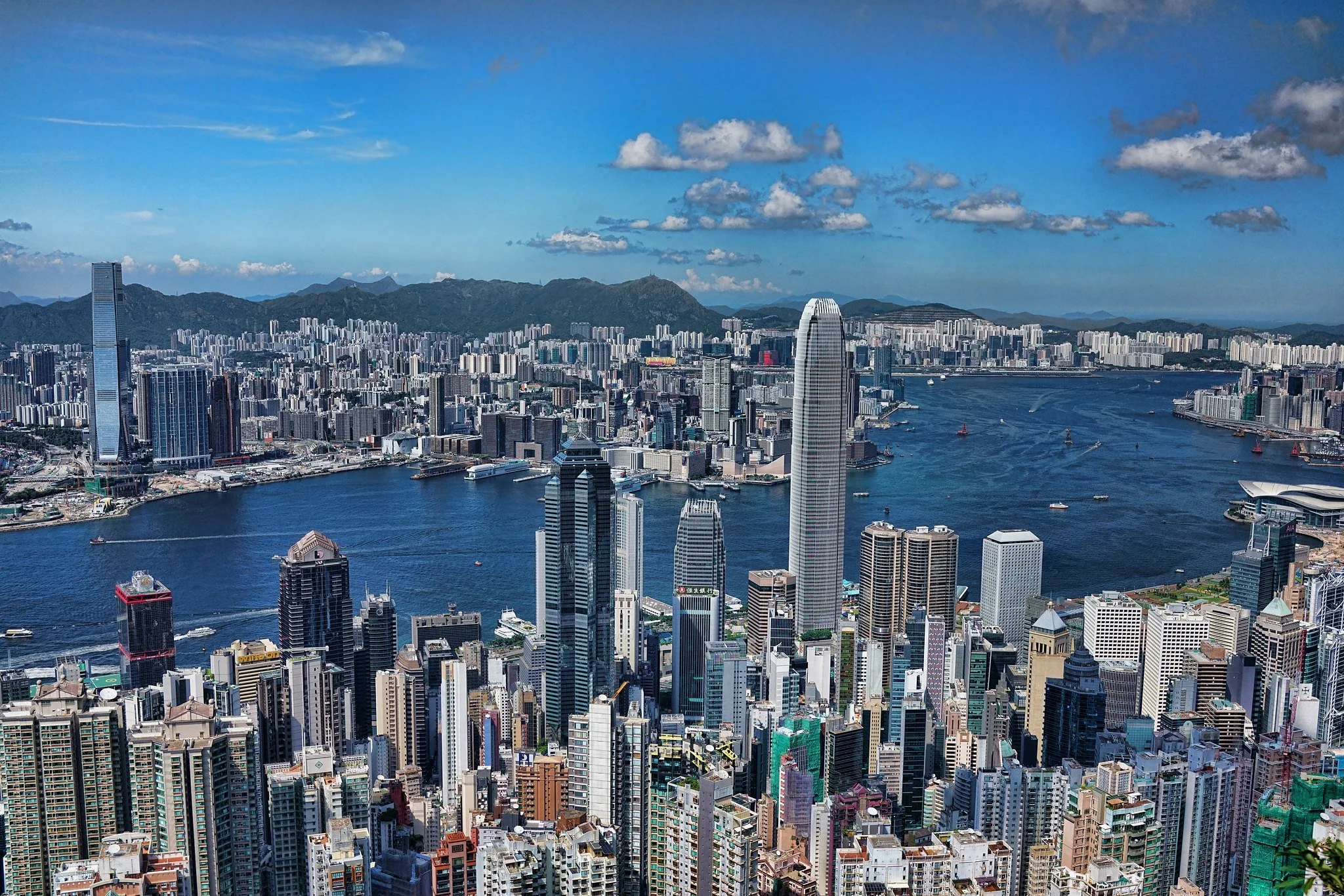
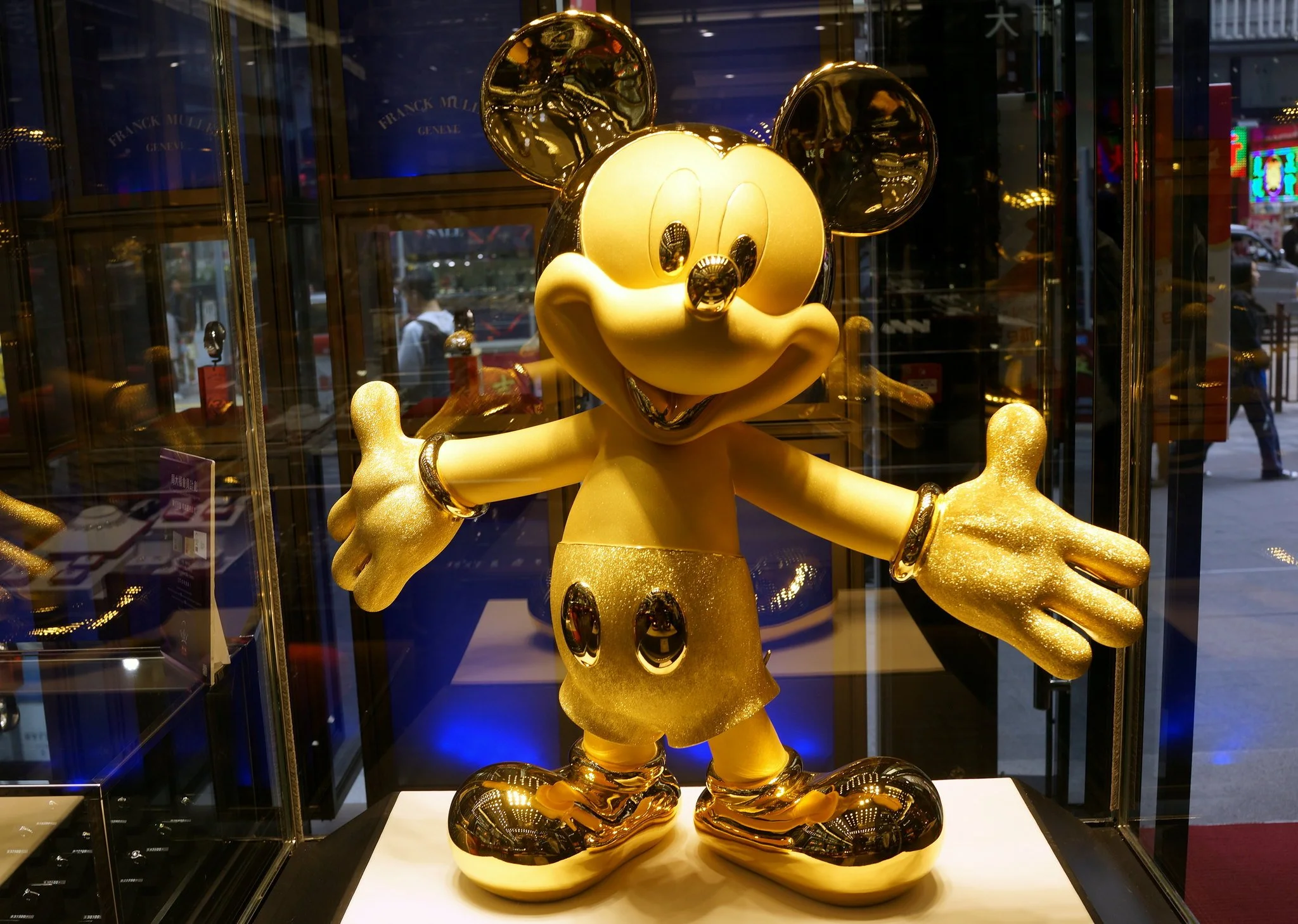
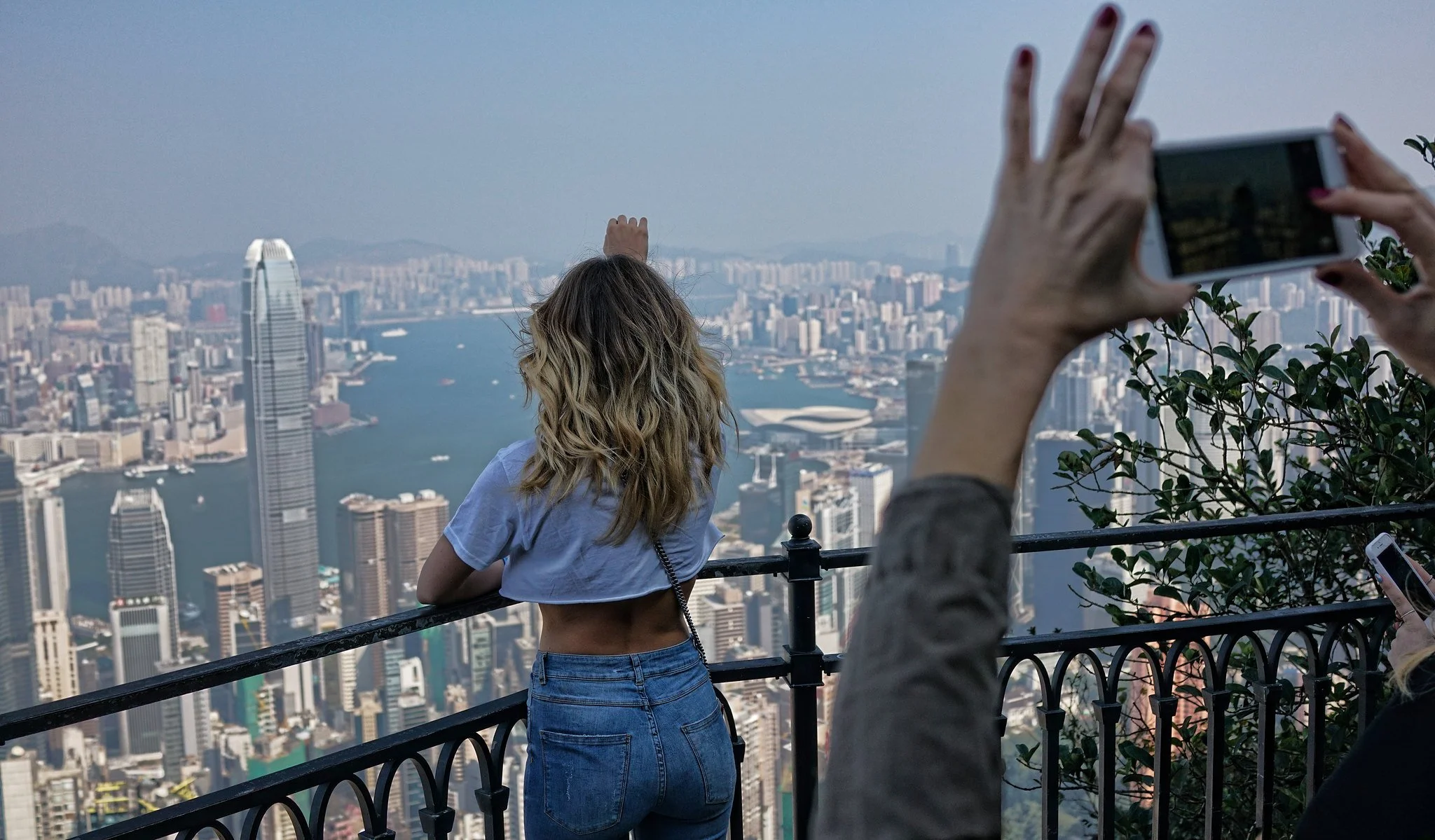
click on any image to enlarge
© Copyright Acknowledged | All rights reserved | all images taken b Jamie
Jamie’s Hong Kong | Some of my favourite images | Hong Kong 101
© Jamie Lloyd | J3 Consultants Hong Kong | J3 Private Tours Hong Kong |
| 2010 - 2026 All rights reserved. |
Click on any image to enlarge to full screen
Current images from my Instagram feed