Discovering Cheung Kong Park - A quiet place in Hong Kong
Waterfalls, Rocks, History and a Tycoon’s Feng Shui Touch
The J3 Group - Premium Quality Private Tours | Experiences and Insider Chats since 2010
Me Jamie, your host, I am English and I have lived in Hong Kong since January 2nd 1972 - I know the place.
A meaningful blog post with a difference - tips on Travel, Tourism, Tours, Daily Life and my personal thoughts on Hong Kong.
Please do visit Amazing Hong Kong
Hong Kong | Pearl of the Orient
Customised Private Tours + Experiences in Amazing Hong Kong
Jamie has lived in Hong Kong - Pearl of the Orient for 50+ years
Carefully Crafted Personalised and Customised Itineraries by Jamie | Hong Kong’s Most Experienced Private Tour Guide for : Solo Travellers Friends Families Seniors Couples Business People MICE Delegates.
Private Tours Cultural Tours Walking Tours Sightseeing Tours City Tours Night Tours Layover Tours Transit Tours Private Shore Excursions Bespoke Tours Personalised Tours Jewish Heritage Tours Luxury Private Tours Day Tours Luxury Boat Tours Themed Tours Private Family Tours Private Day Tours Corporate Tours
Just you, your family or friends and Jamie your personal English private tour guide - over 2,400+ tours completed since 2011 - Jamie offers quality Private Tours of Hong Kong
Tour Group Size 1 - 6 people only
J3 Group Hong Kong | J3 Consultants Hong Kong | J3 Private Tours Hong Kong
Creating Memories That Will Last A Lifetime
Go here for the Hong Kong Michelin Restaurant Guide which includes the Bib Gourmand Category

A Resident since 1972 - Private Tours of Hong Kong with Jamie
The Best Things to do in Hong Kong
click on the image to enlarge
© Copyright Acknowledged | All rights reserved | image taken by Jamie
Cheung Kong Park | A Quiet Place | Hong Kong
Foreword
Cheung Kong Park: Central’s Hidden Feng Shui Oasis and Living Piece of Hong Kong History
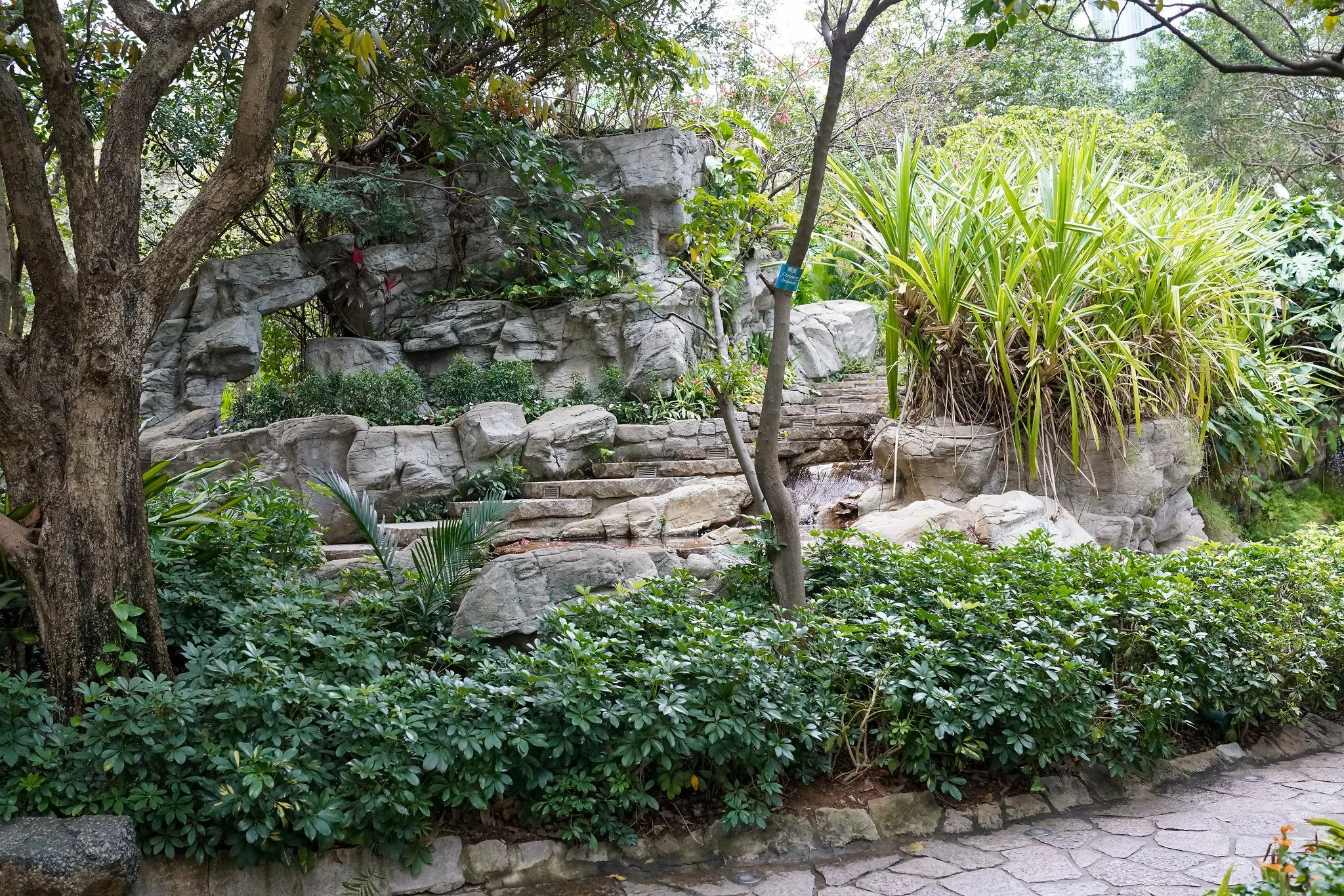
Tucked quietly between the towering skyscrapers of Central, just steps from St. John’s Cathedral and the Former French Mission Building (now serving as office space for the Court of Final Appeal nearby), Cheung Kong Park is one of those delightful surprises that makes exploring Hong Kong so rewarding. Spanning a relatively modest area, this compact, thoughtfully designed urban oasis features an artificial waterfall cascading over rock formations, serene ponds and cascades, faux grottoes, shaded stone paths, benches for quiet reflection, and lush greenery that contrasts sharply with the surrounding high-rises. It serves as a popular lunchtime retreat for nearby office workers and a peaceful connector between Queen’s Road Central and higher-level pathways like Battery Path and Cotton Tree Drive. Yet behind its peaceful appearance lies a fascinating story of redevelopment, public benefit, traditional beliefs, and the careful preservation of auspicious elements that continue to shape the city.
The Site Before the Park: Layers of Colonial and Post-War History
The land that now forms Cheung Kong Park has deep roots in Hong Kong’s colonial and early post-war development, evolving from military use to commercial and governmental functions before its transformation in the 1990s.
In the 19th century (pre-1880s), the broader area around Queen’s Road Central was part of early colonial Central, with slopes rising toward the hills. Part of the site sat on or adjacent to the former Murray Barracks parade ground, established in the 1840s as a military facility tied to British forces. The ground served as an open space for parades and drills, reflecting Central’s role as the administrative and military hub of the colony.
During the late 19th century - Beaconsfield Arcade era (1878 -1963), a prominent commercial building known as Beaconsfield Arcade - Hong Kong’s first multi-storey shopping arcade - was constructed on part of the site. It was acquired in 1879 by the influential Jewish businessman Emanuel Belilios, who renamed it Beaconsfield House after the British Prime Minister Benjamin Disraeli (Earl of Beaconsfield). The arcade featured classical architecture and housed shops and businesses along Queen’s Road Central. It was a lively commercial spot until the early 20th century, when it passed into government hands around 1898. During the Japanese occupation in World War II, the building was requisitioned by the Japanese military. Post-war, the government used it as a temporary headquarters, later housing departments such as Education and Information Services.
By the mid-20th century redevelopment (1960s), the old arcade was demolished to make way for a new, utilitarian-style Beaconsfield House completed around 1960 - 1963. This functional government building served as a clubhouse and office for the Hong Kong Volunteer Defence Corps and, most notably, as the headquarters for the Government Information Services (later the Information Services Department). It was a plain, practical structure typical of the rapid post-war expansion era, prioritizing administrative efficiency over ornate design. Adjacent to it stood the iconic Hong Kong Hilton Hotel, which opened in 1963 on the former Murray Parade Ground site. A 26-storey landmark, the Hilton became a symbol of modern Hong Kong glamour, with its podium and tower hosting tourists, dignitaries, and social events. The Hilton was developed and owned by Hutchison Whampoa (which Cheung Kong Holdings acquired in 1979), cementing the area’s shift toward high-end commercial and hospitality use.
In summary, prior to the park, the site embodied Central’s layered history: military parade grounds giving way to Victorian-era commerce, wartime occupation, and then 1960s governmental and hotel functions amid Hong Kong’s economic boom. The location’s proximity to key colonial landmarks like St. John’s Cathedral (consecrated in 1849) and the Former French Mission Building underscored its significance in the district’s heritage fabric.
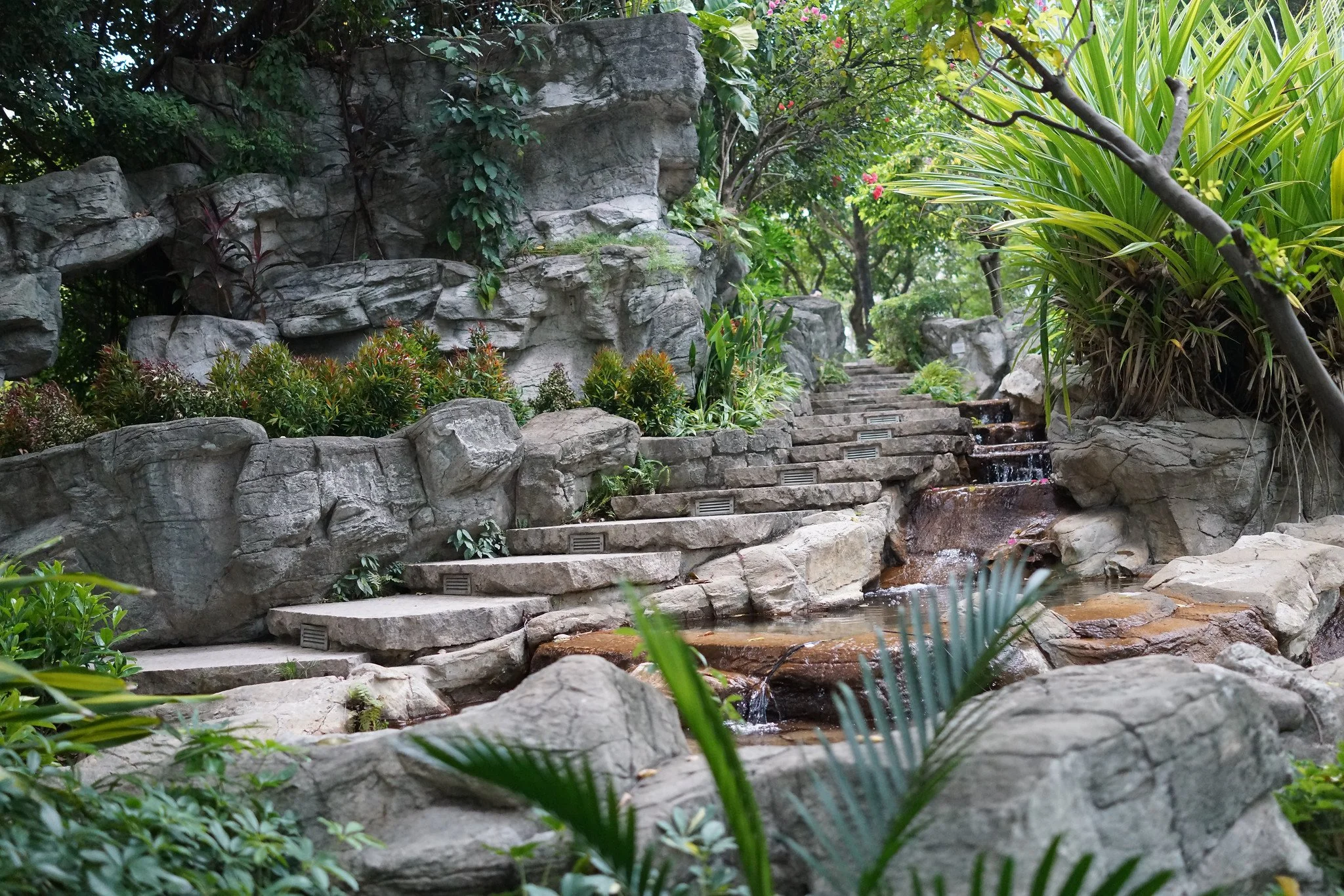
click on any image to enlarge
© Copyright Acknowledged | All rights reserved | images taken by Jamie
Cheung Kong Park | A Quiet Place | Hong Kong
The Creation of Cheung Kong Park: Public - Private Collaboration and Lasting Benefit
The creation of Cheung Kong Park is a prime example of public - private collaboration during Hong Kong’s pre-handover development surge, where corporate redevelopment yielded lasting public benefits.
During the 1990s redevelopment negotiations (1993 - 1996), Cheung Kong Holdings, under Li Ka-shing, sought to consolidate the prime Central site encompassing the aging Hong Kong Hilton, the adjacent Beaconsfield House, and the nearby Garden Road Multi-Storey Car Park. Private discussions with the government began in 1993 to acquire the additional plots. In August 1995, terms were finalized, with Cheung Kong paying a substantial land premium (reportedly around HK$3.02 billion) for redevelopment rights.
Town Planning Board approvals emphasized urban integration, including provisions for public amenities to enhance pedestrian flow and green space in the dense Central area. Notably, plans initially explored a larger-scale development (with reports of discussions around multiple towers to maximize the combined footprint), but these were revised to focus on a single 70-storey tower weighted primarily on the Hilton site. In exchange and as a planning condition, a significant portion of the Beaconsfield House and car park areas was set aside for public open space rather than full commercial build-out. This effectively “donated” or allocated the land for the park as a public amenity, aligning with government goals for balanced urban renewal ahead of the 1997 handover.
Demolition and construction followed (1995 - 1999). The Hong Kong Hilton closed on 1 May 1995 and was demolished shortly after, along with Beaconsfield House. Construction of Cheung Kong Center (designed by architect Cesar Pelli) began in 1996 and was completed in 1999, at which point it became one of Hong Kong’s tallest buildings. The park was established concurrently as an integral part of the project, transforming the reserved land into a landscaped garden. It opened to the public around 1999 (coinciding with the tower’s completion), named “Cheung Kong Park” (長江公園) in honor of the developer’s flagship company.
Since opening, the park has been privately owned and meticulously maintained by Cheung Kong Holdings (now part of CK Hutchison Holdings), yet it remains freely accessible to the public at all times. This arrangement ensures high standards of upkeep while fulfilling the original public-benefit commitment. Over the decades, it has become an enduring green pocket amid Central’s evolving skyline, with minor enhancements to its water features and plantings but no major alterations to its core design. The donation element was direct: the park resulted from Cheung Kong’s negotiations and concessions during site consolidation, providing a tangible public return on the redevelopment.
click on the image to enlarge
© Copyright Acknowledged | All rights reserved | image taken by Jamie
Cheung Kong Park | A Lucky Rock | Hong Kong
Design Highlights, Plaques and the Lucky Rock
Beyond the waterfall and grottoes, the park incorporates feng shui elements, including features believed to harmonize energy in the high-density business district. The rockery and ponds create a soothing auditory and visual escape, with carefully selected local plants providing year-round greenery.
click on the image to enlarge
© Copyright Acknowledged | All rights reserved | image taken by Jamie
Cheung Kong Park | Brass Plaques | Hong Kong
Brass informational plaques placed around the park, similar in style to the official signs at the nearby Former French Mission Building, explain the history. They detail the site’s transformation, the park’s creation as part of the redevelopment, its design features, and its role as a public amenity.
One of the most intriguing elements is a prominent, naturally weathered large rock near the exit path leading toward St. John’s Cathedral and the Former French Mission Building. According to accounts from people who worked on Li Ka-shing’s property projects during the redevelopment, this boulder was deliberately preserved because of its auspicious feng shui qualities. In traditional Chinese geomancy, large stable rocks symbolise grounded prosperity, endurance, and positive earth energy. Its prominent placement, framed by planting and paths, shows it was intentionally retained during the major excavation and landscaping. The Cheung Kong Center itself was designed with careful feng shui input - its square form with beveled edges and reflective glass chosen to harmonise with and neutralise the sharp energy of the Bank of China Tower while balancing the HSBC Building. Water features like the park’s cascading waterfall activate positive qi flow. The rock fits perfectly into this thoughtful approach.
For the record, my sister married into Hong Kong Property Royalty and I actually heard the real story behind the lucky rock from an impeccable source decades ago in the 1980’s before the Hong Kong Hilton Hotel was demolished and Cheung Kong Centre sprung up on the site.
Many visitors pause at the boulder, and a quiet tradition has emerged of touching or rubbing it - a small gesture aligned with Hong Kong’s practical approach to auspicious elements, much like stroking the paws of the HSBC lions (Stephen and Stitt) nearby for protection and prosperity.
Proximity, Cultural Role and Why the Park Endures
Its location makes Cheung Kong Park an ideal pause point when exploring nearby heritage sites. The Former French Mission Building (a neo-classical gem from the 1860s) is literally minutes away via Battery Path, and St. John’s Cathedral offers a serene contrast with its Gothic Revival architecture and peaceful grounds.
In a city famous for its vertical density, Cheung Kong Park exemplifies how private enterprise can contribute to livability. It is frequently praised by locals and visitors alike as a hidden gem for reflection amid the financial hub’s energy. Walking the area - for example, descending from the Peak Tram Terminal via Garden Road, diverting through St. John’s Cathedral and past the Former French Mission Building, pausing at the rock, then continuing toward Chater Garden - reveals how beautifully the park stitches together Central’s layers: colonial landmarks alongside modern development shaped by traditional wisdom.
How to get to guide for Cheung Kong Park
Walking directions from Statue Square (a pleasant 10 minute stroll): Begin at Statue Square, the open plaza in front of the HSBC Building and near the former Legislative Council. Head south along the pedestrian-friendly pathways toward Queen’s Road Central, keeping the tall buildings on your left and the green slopes rising on your right. Continue west along Queen’s Road Central for a short distance, passing the bustling commercial frontages. You will soon see the distinctive entrance to Cheung Kong Center and the adjacent stone steps or escalator access points leading upward. The park sits nestled just beside St. John’s Cathedral, accessible via these stairs or the Battery Path linkage - look for the cascading water feature and shaded seating areas as your landmark. This route takes you through the historic core of Central, offering glimpses of colonial-era structures en route, and positions the park as a natural midpoint between Statue Square and higher-level connections like the Peak Tram lower terminus or Hong Kong Park.
Other interesting and relevant information
Design highlights: Beyond the waterfall and grottoes, the park incorporates feng shui elements, including a prominent crystal feature believed to harmonize energy in the high-density business district. The rockery and ponds create a soothing auditory and visual escape, with carefully selected local plants providing year-round greenery.
Proximity and context: Its location makes it an ideal pause point when exploring nearby heritage sites - the Former French Mission Building (a neo-classical gem from the 1860s) is literally minutes away via Battery Path, and St. John’s Cathedral offers a serene contrast with its Gothic Revival architecture and peaceful grounds.
Cultural role: In a city famous for its vertical density, Cheung Kong Park exemplifies how private enterprise can contribute to livability. It is frequently praised by locals and visitors alike as a place for reflection amid the financial hub’s energy.
A Quiet Testament to Balance and Preservation
Cheung Kong Park stands as a quiet testament to Hong Kong’s pragmatic spirit of progress balanced with preservation. Its creation during the transformative 1990s - when colonial landmarks yielded to gleaming towers - highlights a forward-looking choice to carve out public green space rather than maximize every square foot for commerce. In an era of relentless urban intensification, this small park reminds us of the value of such “gifts” to the city: they foster moments of calm that enhance well-being for thousands daily, bridging the old (military and governmental past) with the new (corporate modernity). While it may not rival larger green spaces in scale, its intimate charm, strategic placement, informative plaques, and the story of the preserved lucky rock make it disproportionately impactful.
Most Hong Kong residents pass through Cheung Kong Park without realising its significance - often treating it as little more than a convenient shortcut between Queen’s Road Central and the upper levels. In just five minutes you can walk its paths, yet it holds layers of history that few pause to appreciate: the former site of the legendary Hong Kong Hilton (immortalised in James Clavell’s Noble House), the transformation from military parade ground and government buildings to a public green space, and the quiet feng shui considerations that shaped its creation. While many tour guides in Hong Kong remain unaware of its story, those who take the time to read the plaques, listen to the waterfall, and touch the lucky rock will discover one of Central’s most rewarding hidden gems - a place where heritage, thoughtful redevelopment, and traditional beliefs quietly coexist
click on the image to enlarge
© Copyright Acknowledged | All rights reserved
The Hong Kong Hilton 1970’s | I loved this Hotel | Hong Kong
So there you go
Jamie’s Hong Kong Insider Chat
Ready to turn your plans into a far more enjoyable reality? Click the yellow button below to learn more about Jamie’s Hong Kong Insider Chat, check pricing and book a convenient time
I do not do Food Tours in Hong Kong but I know people that do!
click on any image to enlarge
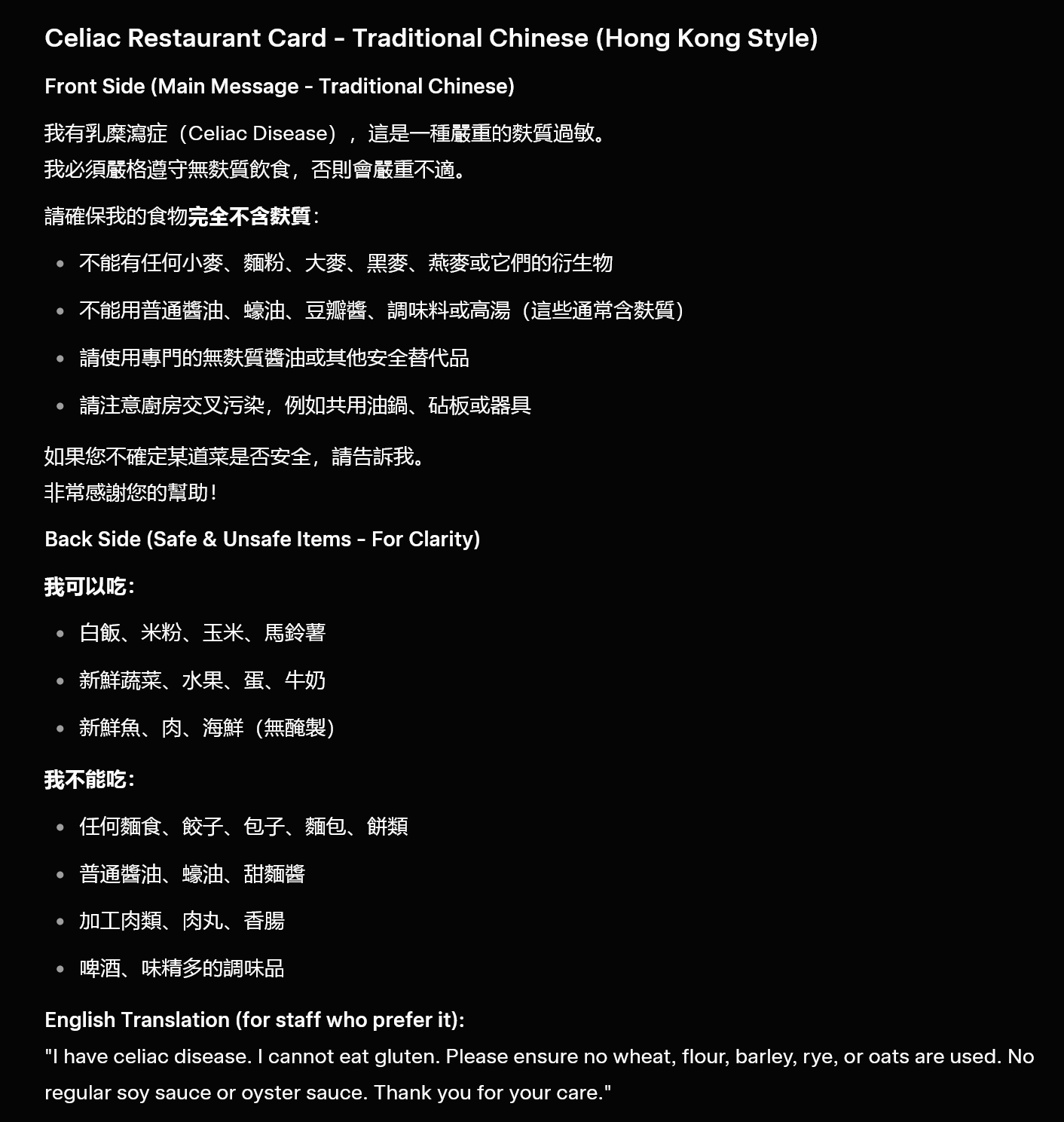
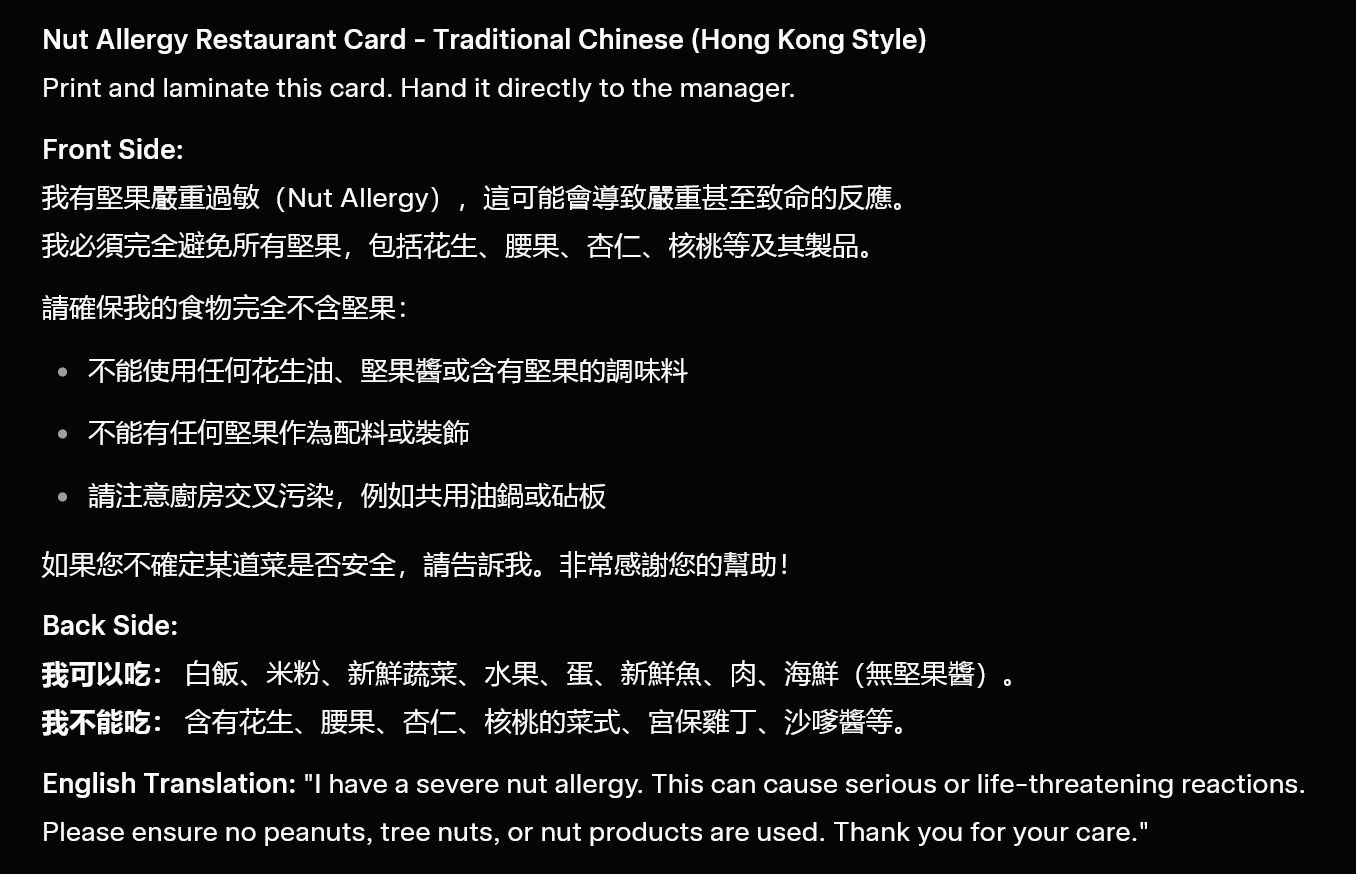
The information above can be shown to restaurant managers in Hong Kong if you are intolerant to gluten and nuts,
I do not do food tours as mentioned above, I have very specific reasons and part of it is that I do not speak Cantonese or write Chinese, I am from Yorkshire in England and I lack the language gene and it is not through lack of trying and yes a lot of restaurants do not have English menu’s or staff who speak conversational English.
.. and yet I have eaten at close to 1,400 restaurants in Hong Kong since January 2nd 1972, my wife was born in Hong Kong and we have been together over 40 years and her first language is Cantonese and a lot of her family are Chinese or half Chinese so I have never had much of an issue!
This does not translate to doing food tours though, yes, I could do them, no problem there but they would never ever be as good as the food tours done by my friends (see the 3 links above) most of their awesome guides are locally born Hong Kong Chinese and obviously food culture is part of their DNA, it is impossible for me to compete with that!
So please feel free to contact them for food tours
I do not do Hiking Tours in Hong Kong but I know someone that does!
I do not do Hiking Tours, never have and never will even though I used to go Hiking a lot when I was a lot younger, The Hong Kong Government is promoting hiking tours so I urge you to contact my friend Sabrina at Hong Kong Trails and Tours, she is a long time Hong Kong resident and and a very experienced hiker with close to 700 Hikes in 15+ years under her belt, please click on the link below
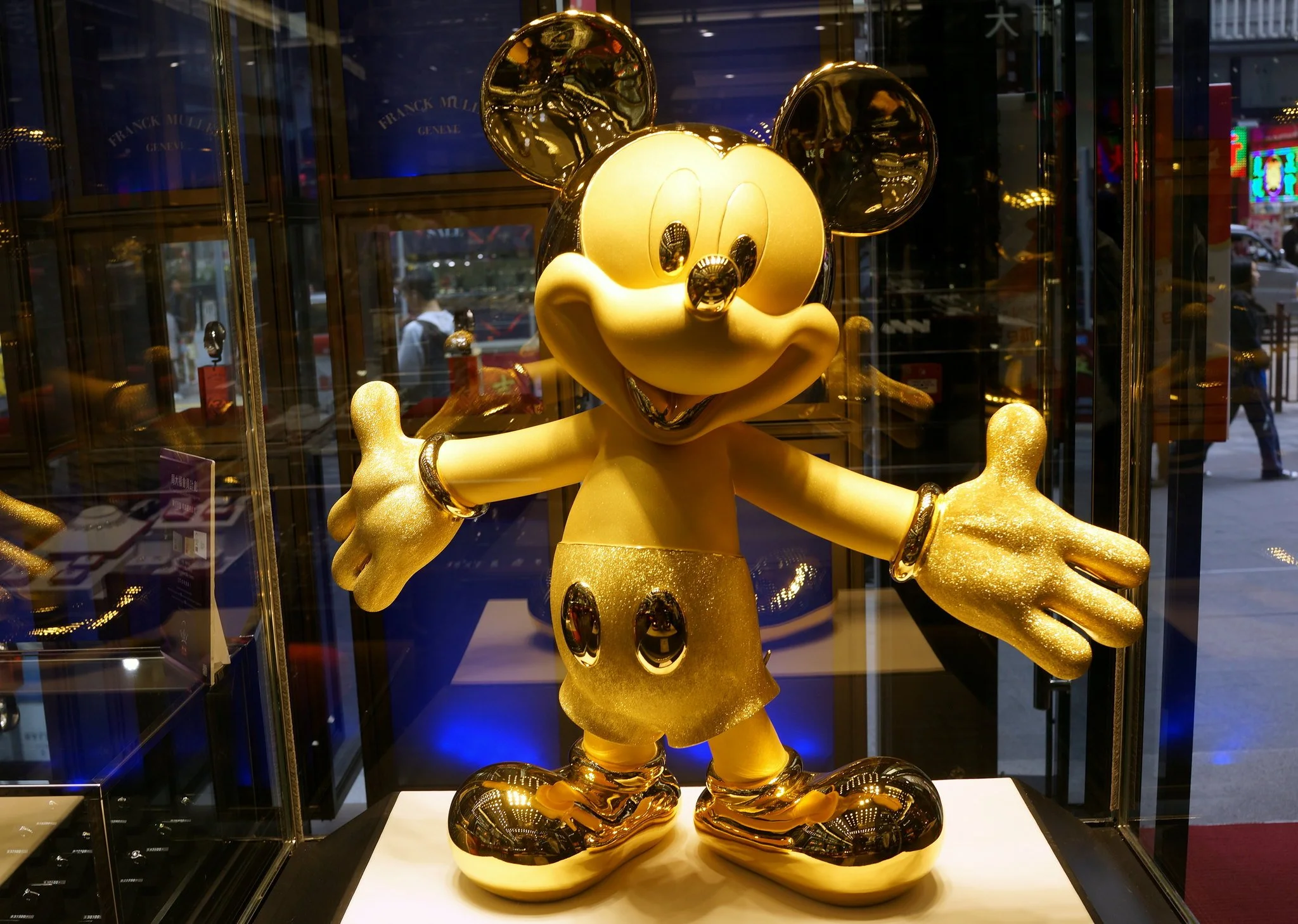
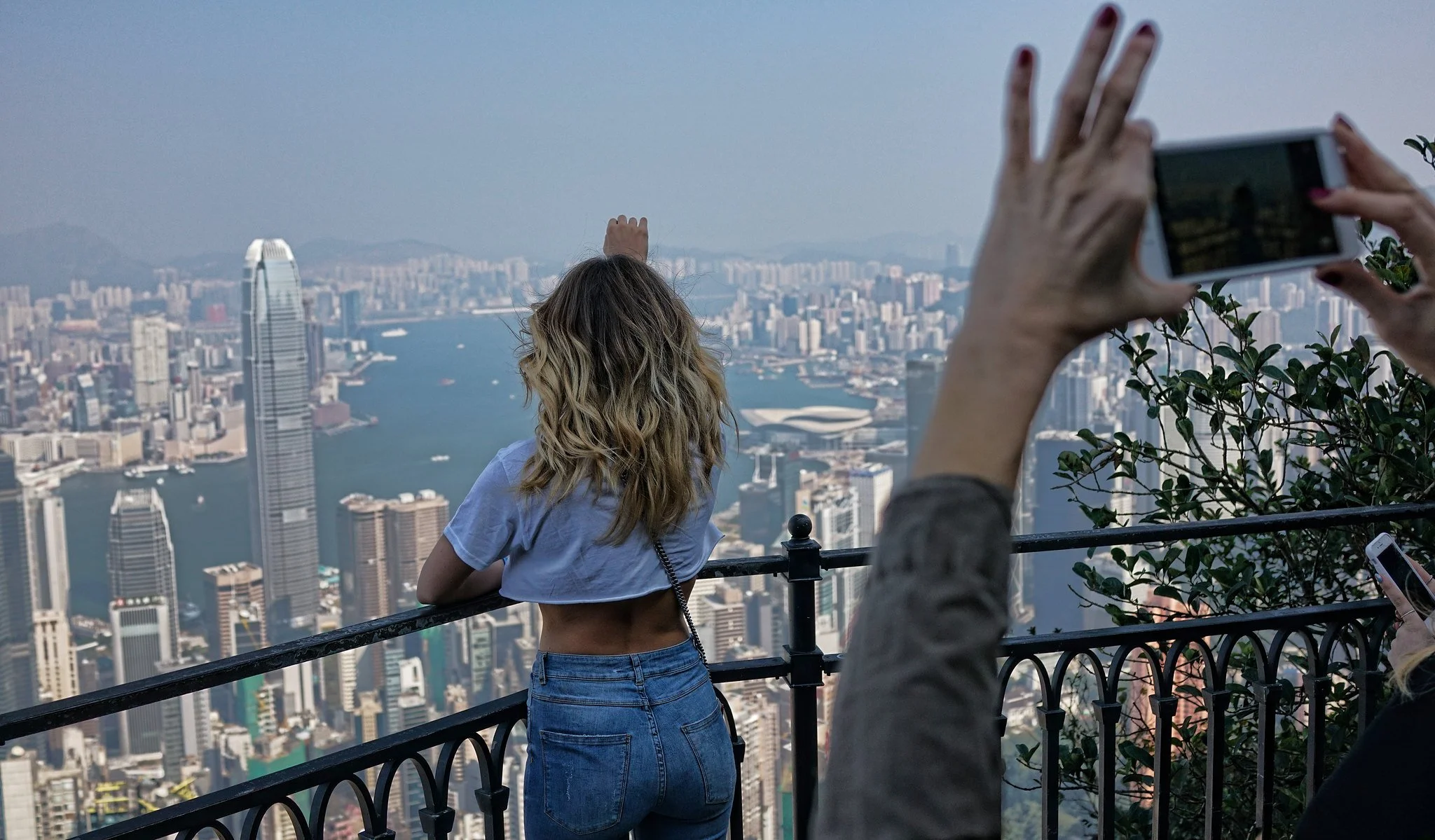
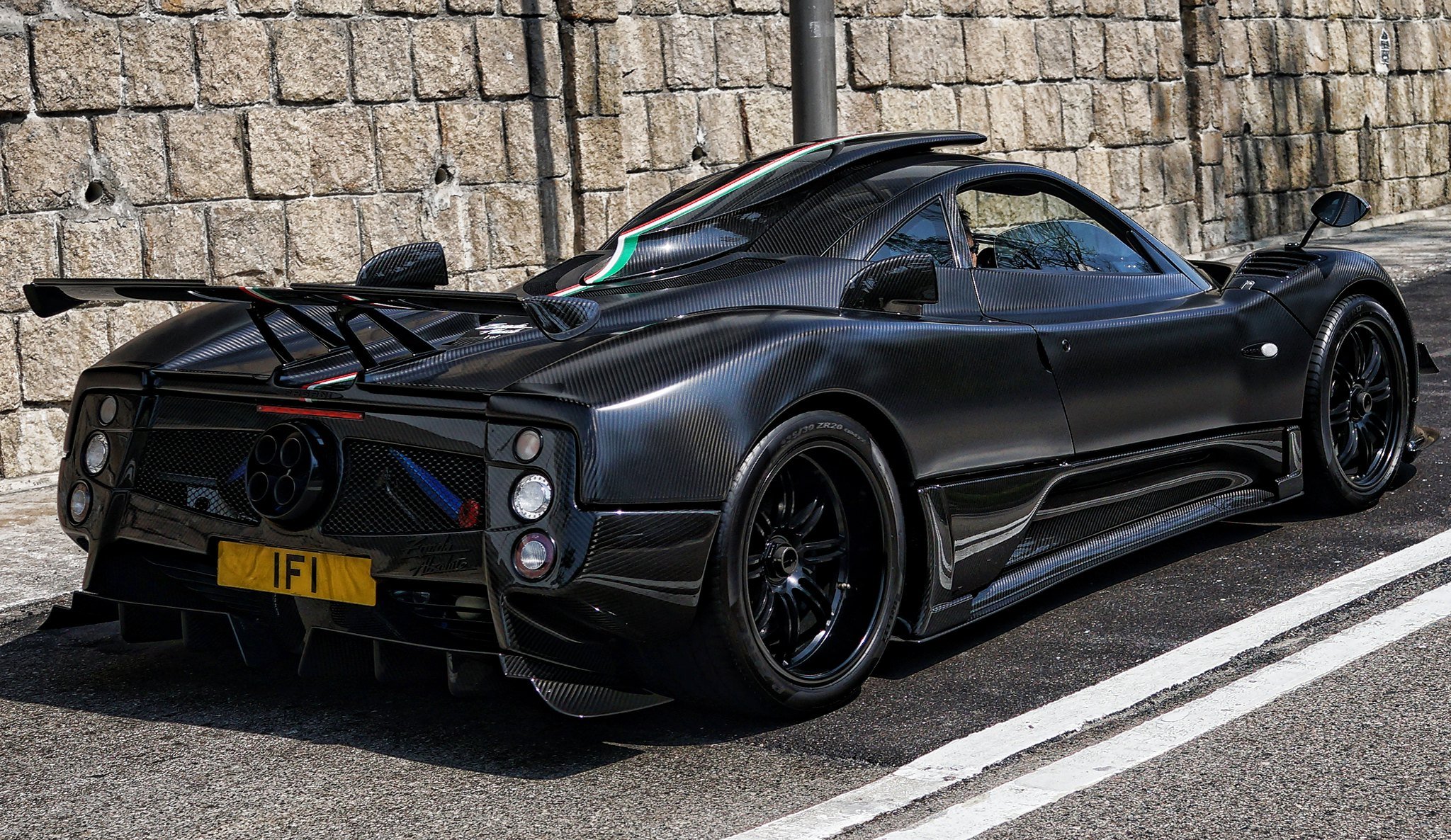
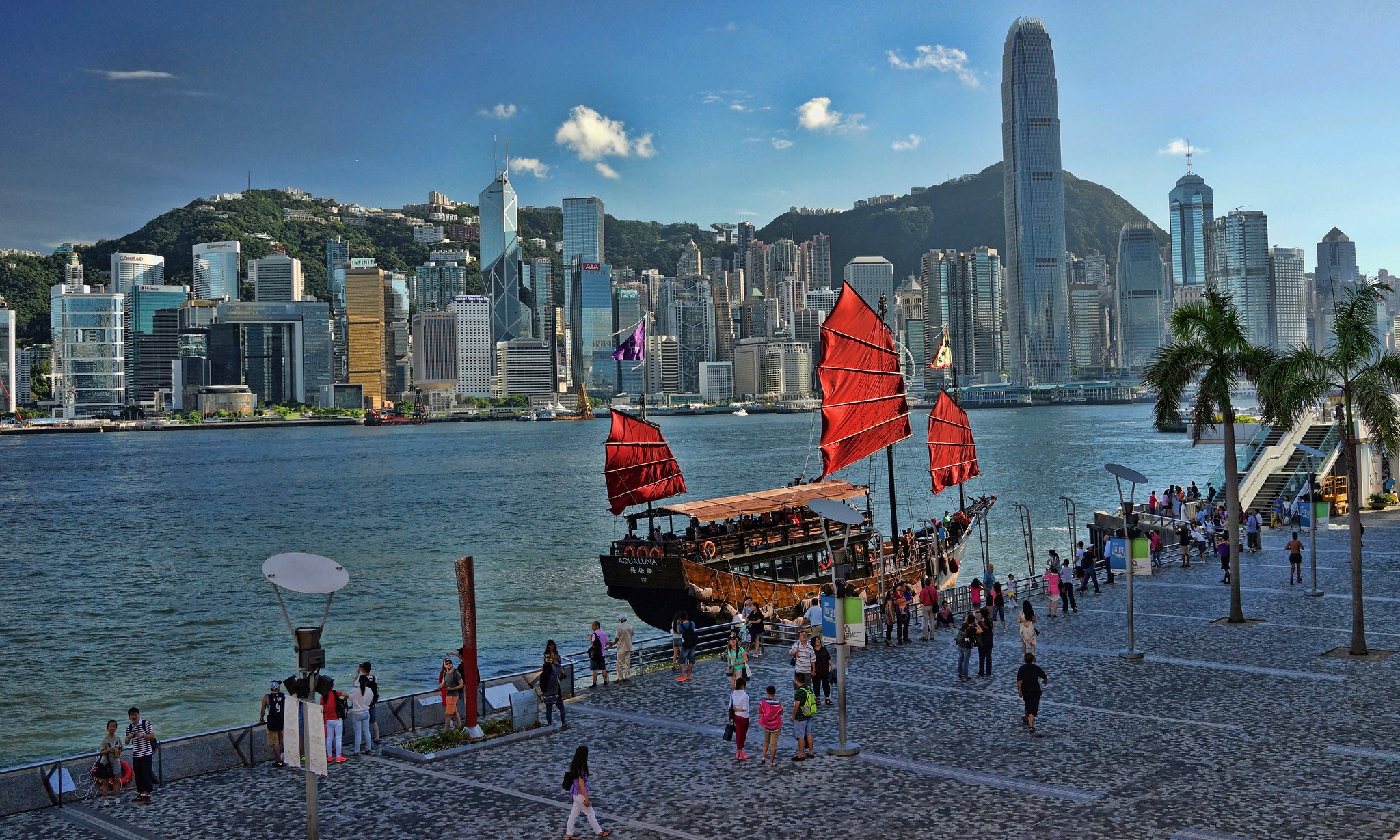
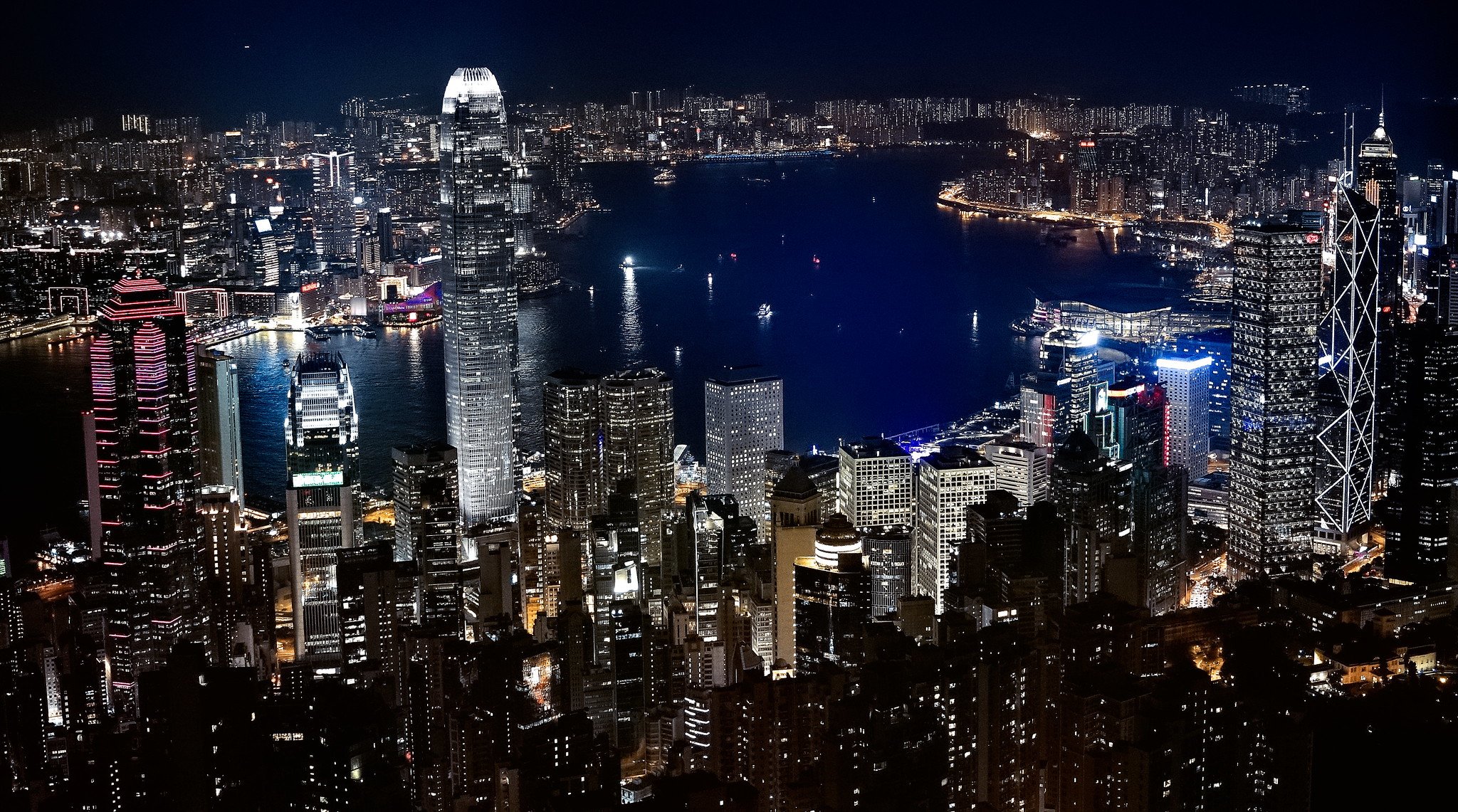
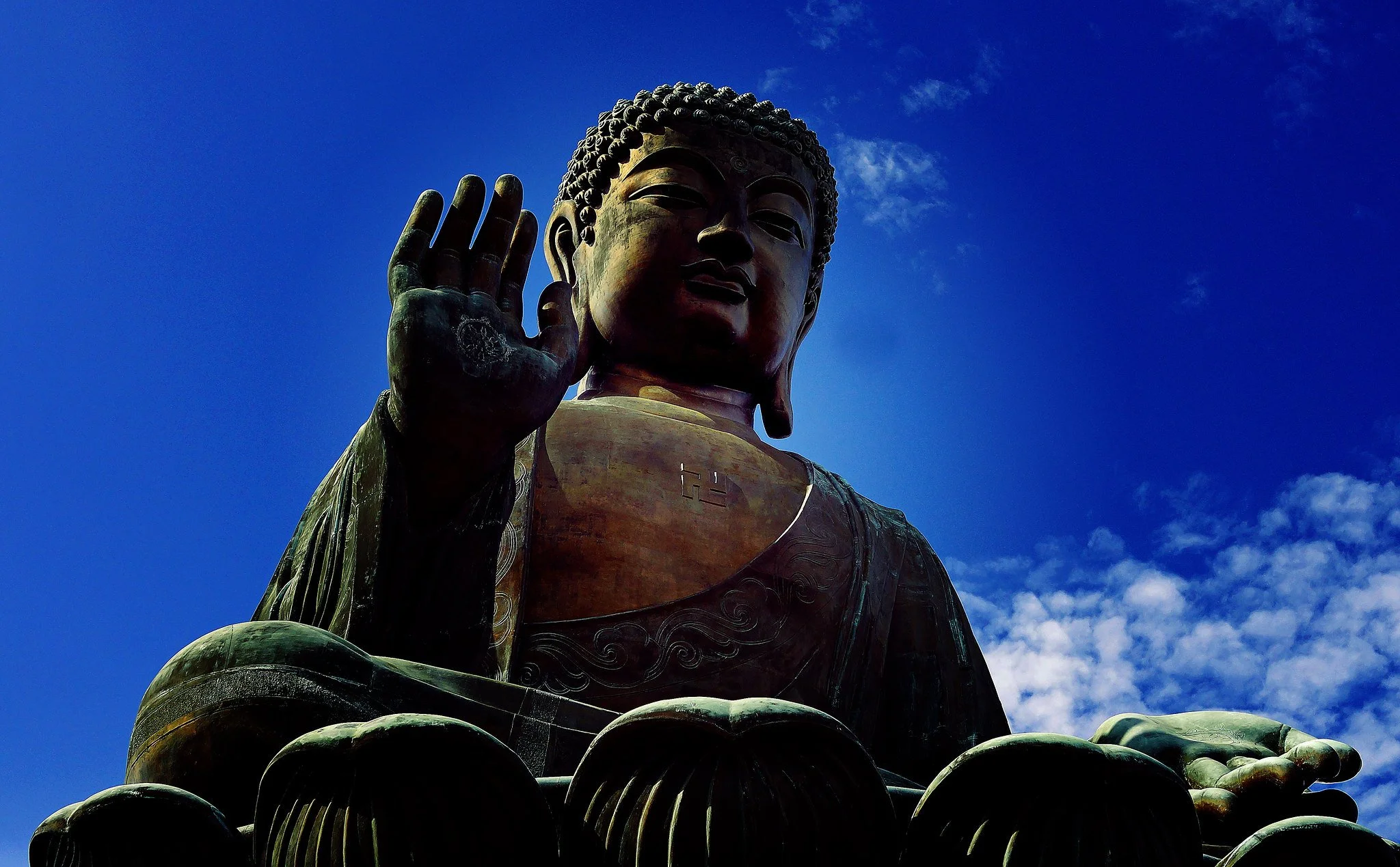
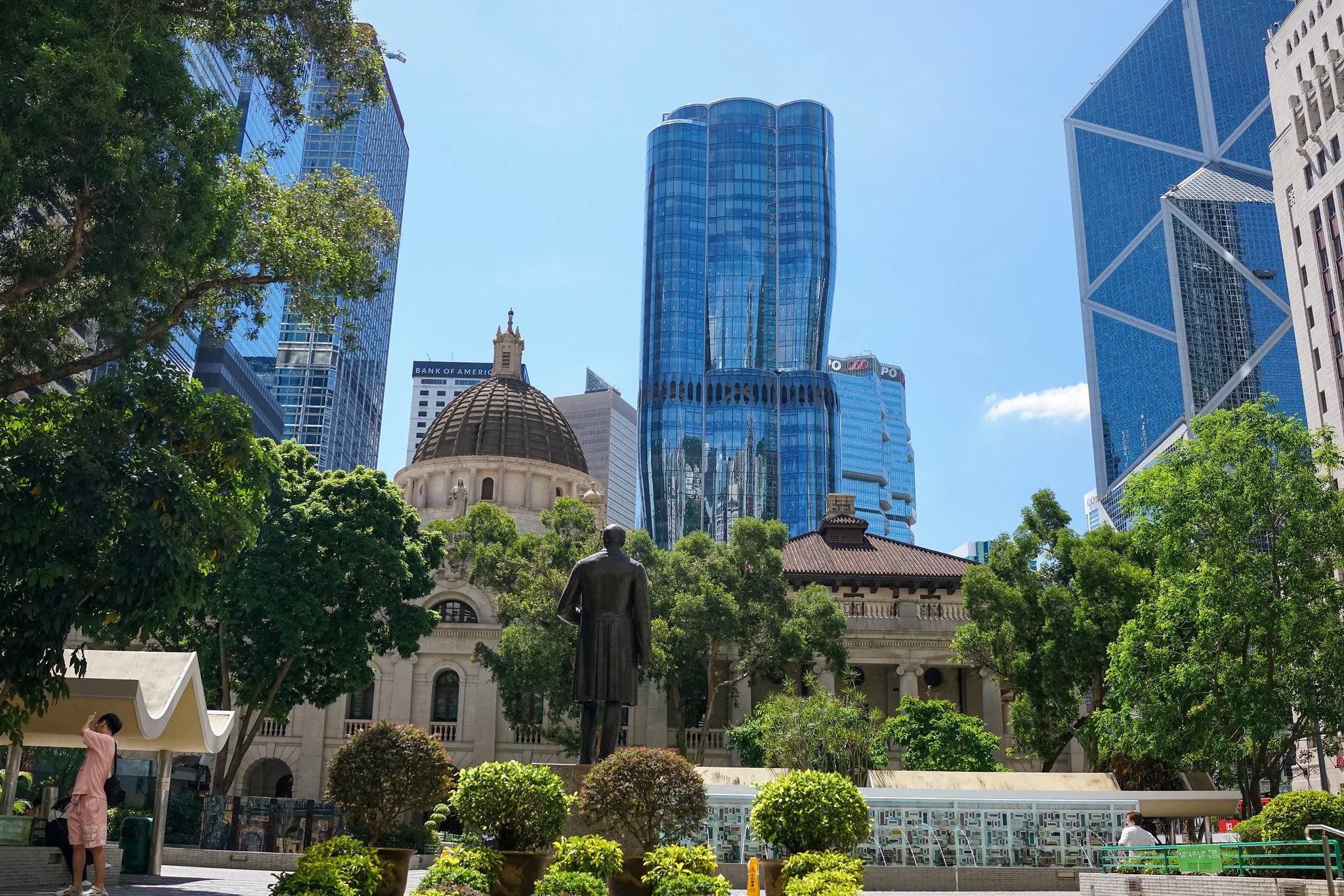
click on any image to enlarge
© Copyright Acknowledged | All rights reserved | all images taken b Jamie
Jamie’s Hong Kong | Some of my favourite images | Hong Kong 101
© Jamie Lloyd | J3 Consultants Hong Kong | J3 Private Tours Hong Kong |
| 2010 - 2026 All rights reserved. |
Click on any image to enlarge to full screen
Current images from my Instagram feed