The iconic Mei Foo Sun Chuen Housing Estate in Hong Kong
And the rather odd connection to Statue Square in Hong Kong
The J3 Group - Premium Quality Private Tours | Experiences and Insider Chats since 2010
Me Jamie, your host, I am English and I have lived in Hong Kong since January 2nd 1972 - I know the place.
A meaningful blog post with a difference - tips on Travel, Tourism, Tours, Daily Life and my personal thoughts on Hong Kong.
Please do visit Amazing Hong Kong
Hong Kong | Pearl of the Orient
Customised Private Tours + Experiences in Amazing Hong Kong
Jamie has lived in Hong Kong - Pearl of the Orient for 50+ years
Carefully Crafted Personalised and Customised Itineraries by Jamie | Hong Kong’s Most Experienced Private Tour Guide for : Solo Travellers Friends Families Seniors Couples Business People MICE Delegates.
Private Tours Cultural Tours Walking Tours Sightseeing Tours City Tours Night Tours Layover Tours Transit Tours Private Shore Excursions Bespoke Tours Personalised Tours Jewish Heritage Tours Luxury Private Tours Day Tours Luxury Boat Tours Themed Tours Private Family Tours Private Day Tours Corporate Tours
Just you, your family or friends and Jamie your personal English private tour guide - over 2,400+ tours completed since 2011 - Jamie offers quality Private Tours of Hong Kong
Tour Group Size 1 - 6 people only
J3 Group Hong Kong | J3 Consultants Hong Kong | J3 Private Tours Hong Kong
Creating Memories That Will Last A Lifetime
Go here for the Hong Kong Michelin Restaurant Guide which includes the Bib Gourmand Category

Guided by Stories, Private Tours of Hong Kong with Jamie
A Resident since 1972 - Quality Private Tours of Hong Kong
click on the image to enlarge
© Copyright Acknowledged | All rights reserved
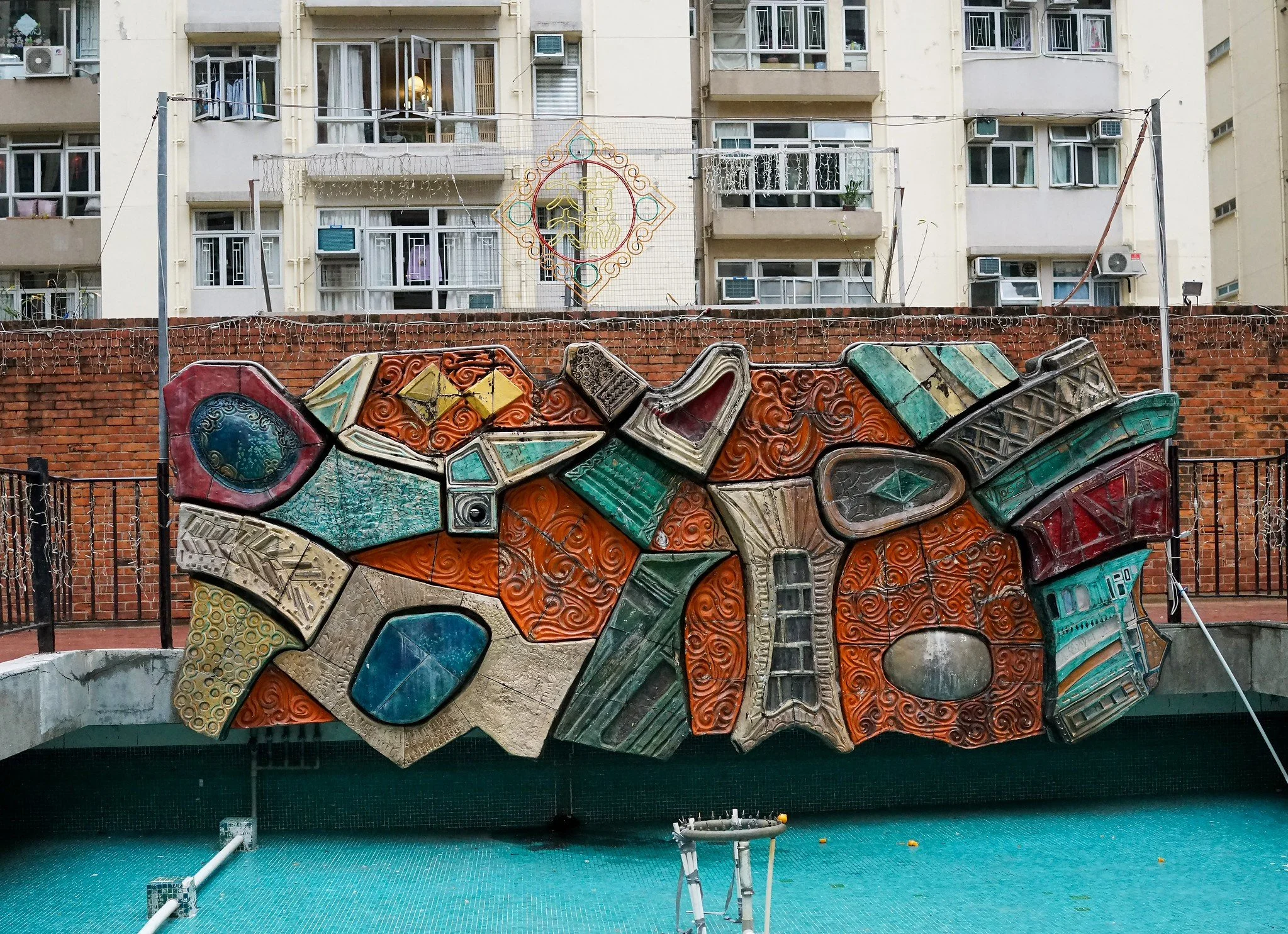
Antonio Casadei Artwork | Mei Foo Sun Chuen | Hong Kong
This obscure Italian Artist has left a lasting legacy of his art with major works still on display in Statue Square in Central and a major private Housing Estate in Hong Kong
Jamie a Hong Kong resident of well over 50 years and 2,360+ private tours completed since 2011
This is my take with input as usual from AI
I spend a lot of time in Statue Square in the Central Business District in Hong Kong and since I was a kid I was always fascinated by the two water features that dominate the square, 50+ years later and I am still enthralled by them and I often feel a little sad the the artist has never been given due recognition for his inspiring work
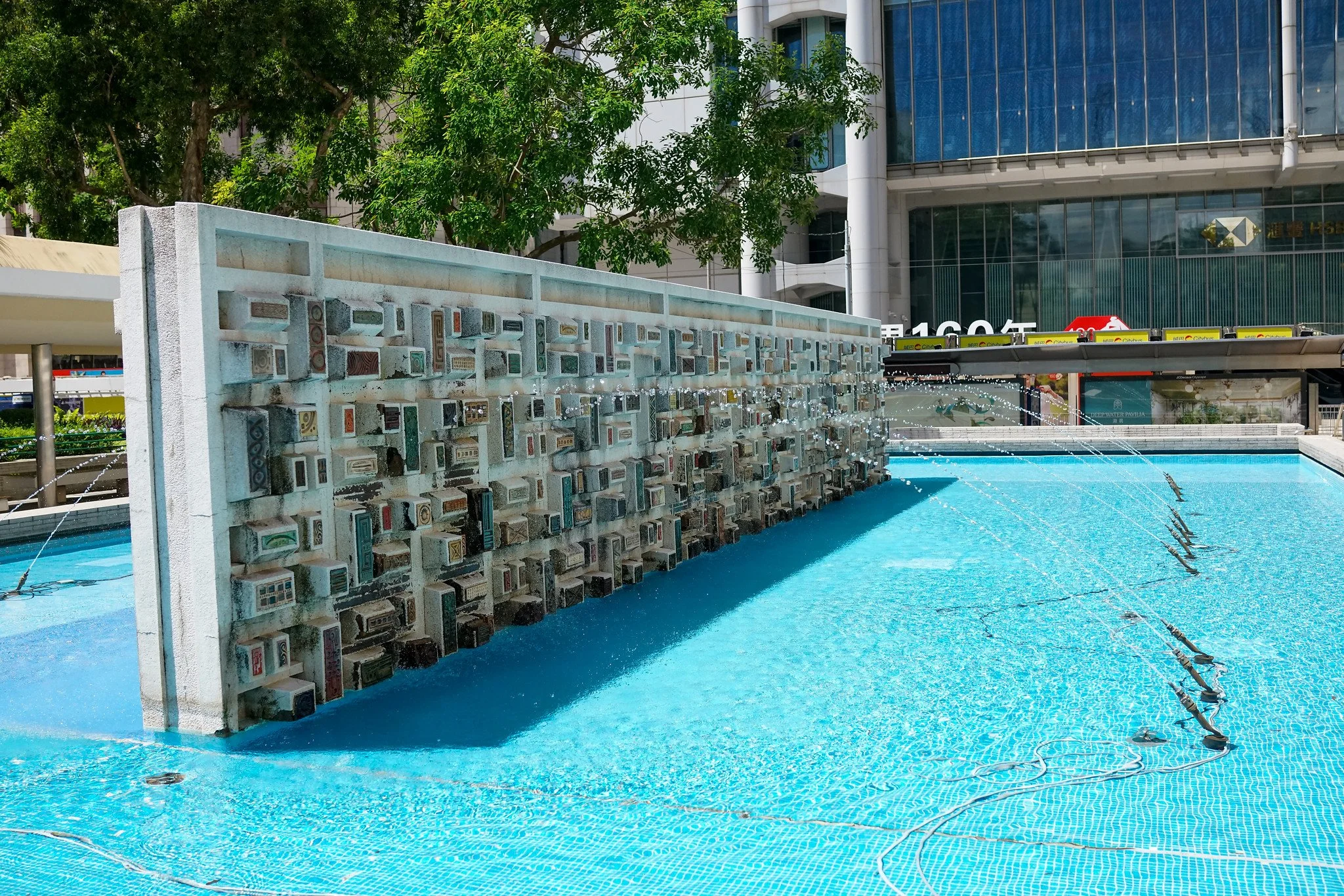
I have also known he had is art on display at Mei Foo (as we call it) so I recently went there to meet a friend and to take an image on the water feature as shown in the image above. I am well aware that he has on display there other works but timing prevented me from locating them as Mei Foo has 99 blocks of private housing, each 20 floors in height.
I was preparing to do this post so my only concern was getting this image and this is the link to Statue Squere
First up……
Antonio Casadei Artwork and Mei Foo Sun Chuen History
Yes, the ceramic fountain artwork in the photograph from Mei Foo Sun Chuen is indeed by the Italian artist Antonio Casadei, created around the mid-1960s to early 1970s. Casadei, who lived and worked in Hong Kong from 1962 to about 1982, was known for his vibrant, abstract ceramic panels and sculptures during the city's post-war building boom. This piece shares stylistic similarities with his two iconic relief-panel fountains in Statue Square, completed in 1965, featuring bold colors, swirling patterns, and geometric forms in ceramic and metal. In Mei Foo, he was commissioned for multiple works, including murals, fish sculptures, and a prominent Pegasus statue, often incorporating local influences with his Italian modernist style.
You will see all 3 water features below towards the end of this post in the Statue Square section
Detailed Overview of Mei Foo Sun Chuen
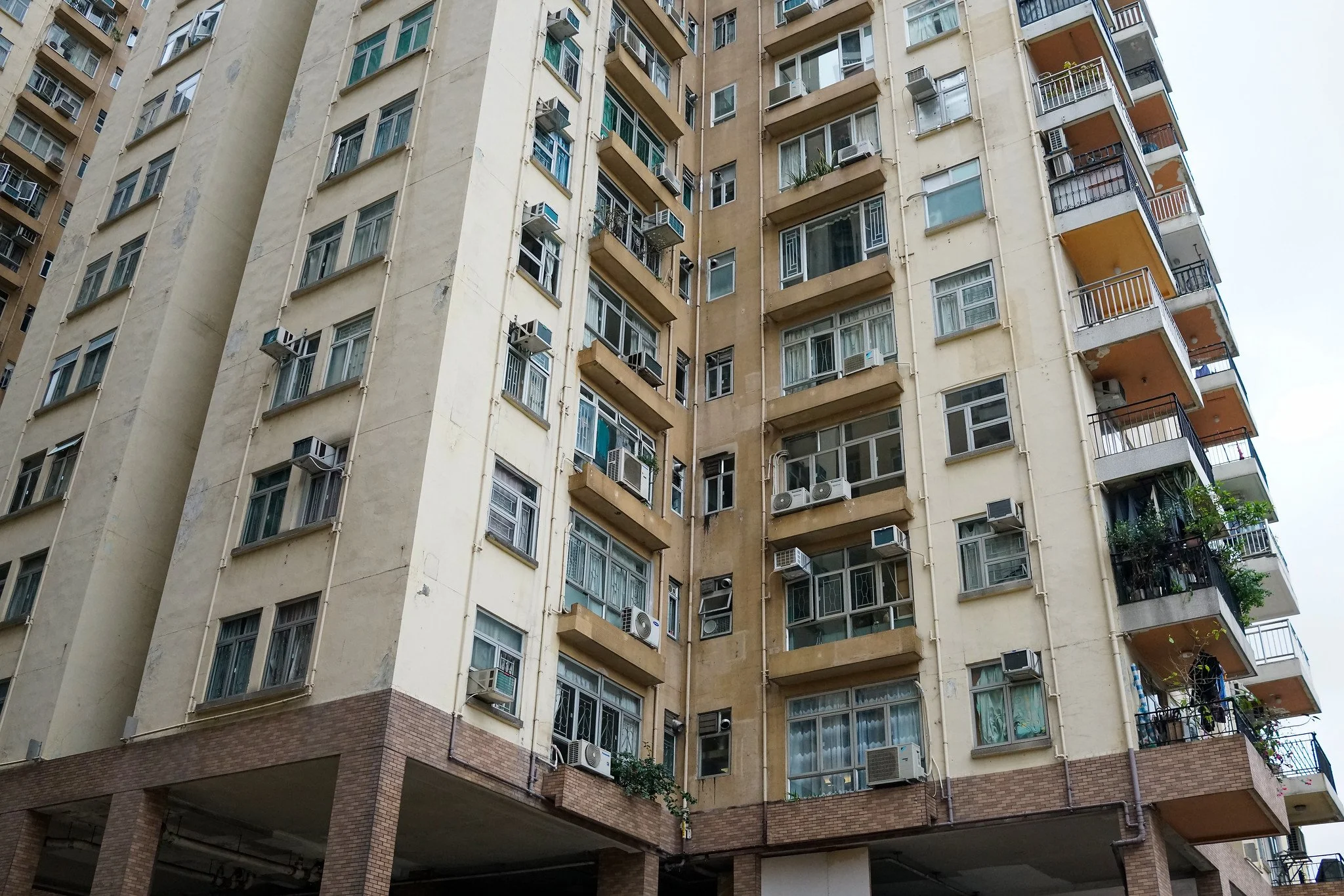
Mei Foo Sun Chuen, located in the Lai Chi Kok area of Sham Shui Po District, (a bit of a mouthful which is why we stick to Mei Foo) Kowloon, is a landmark residential complex widely recognized as Hong Kong's first large-scale private housing estate. It marked a significant shift in urban living during the city's rapid post-war development, transitioning from overcrowded tenements and shantytowns to modern, self-contained communities. The estate was built on a 40-acre site of reclaimed land that originally housed an oil depot established by the American company Mobil in the 1920s. Mobil, through its subsidiary Mei Foo Investments Limited, led the redevelopment as a joint venture, with real estate consultants like Galbreath-Ruffin Corporation involved in planning. Construction began in 1968 and was completed in 1978 across eight interconnected phases, making it one of the world's largest privately financed residential projects at the time.
I have to say that the buildings have aged well and many of the blocks have been given a recent lick of paint. the place has excellent transport links and by Hong Kong standards the apartment are quite reasonably priced and affordable but with 99 blocks which pretty much all look the same I can imagine even residents can get lost particulatly at night time
To put it into context, we live in an apartment complex and we have 2 blocks! not 99
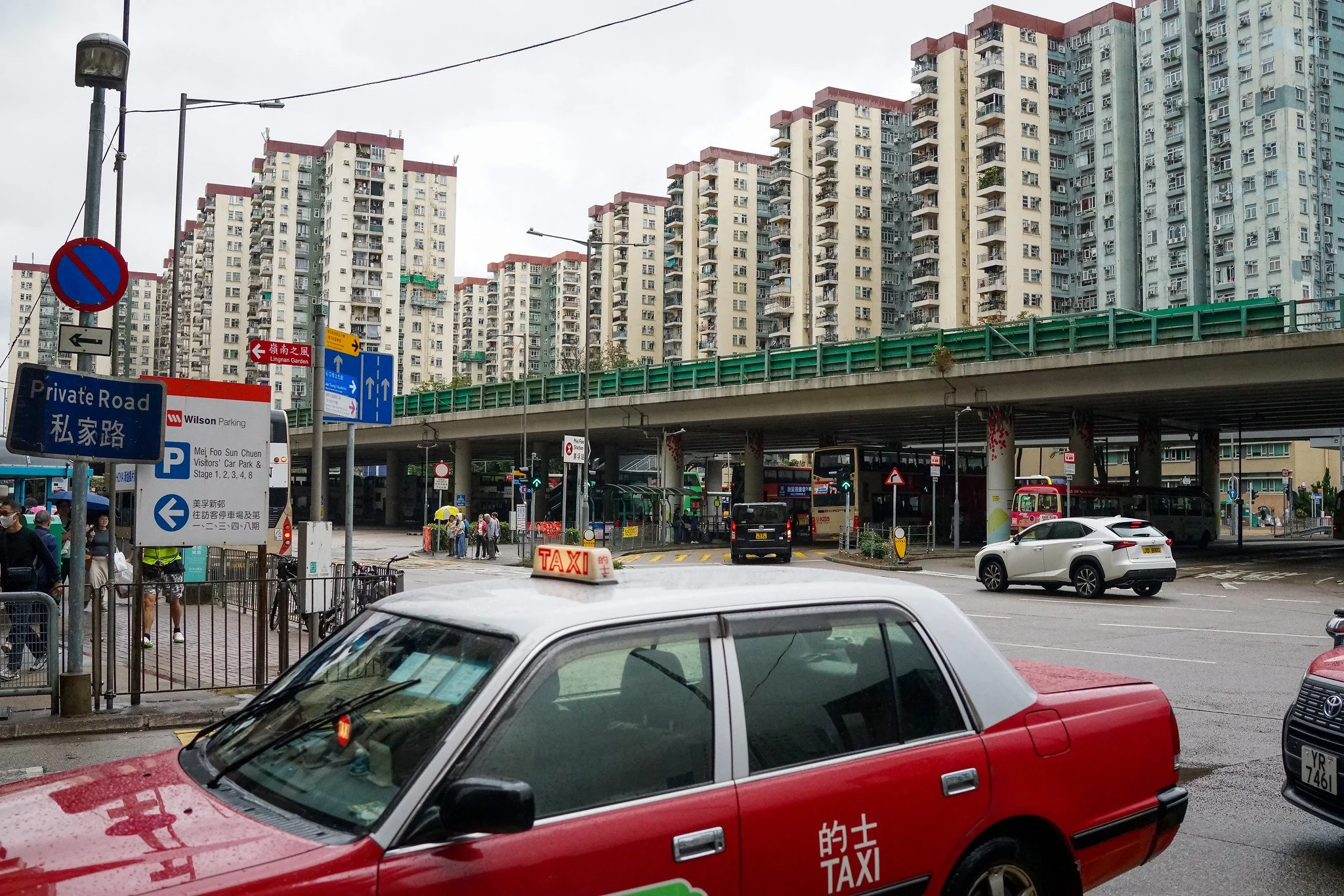
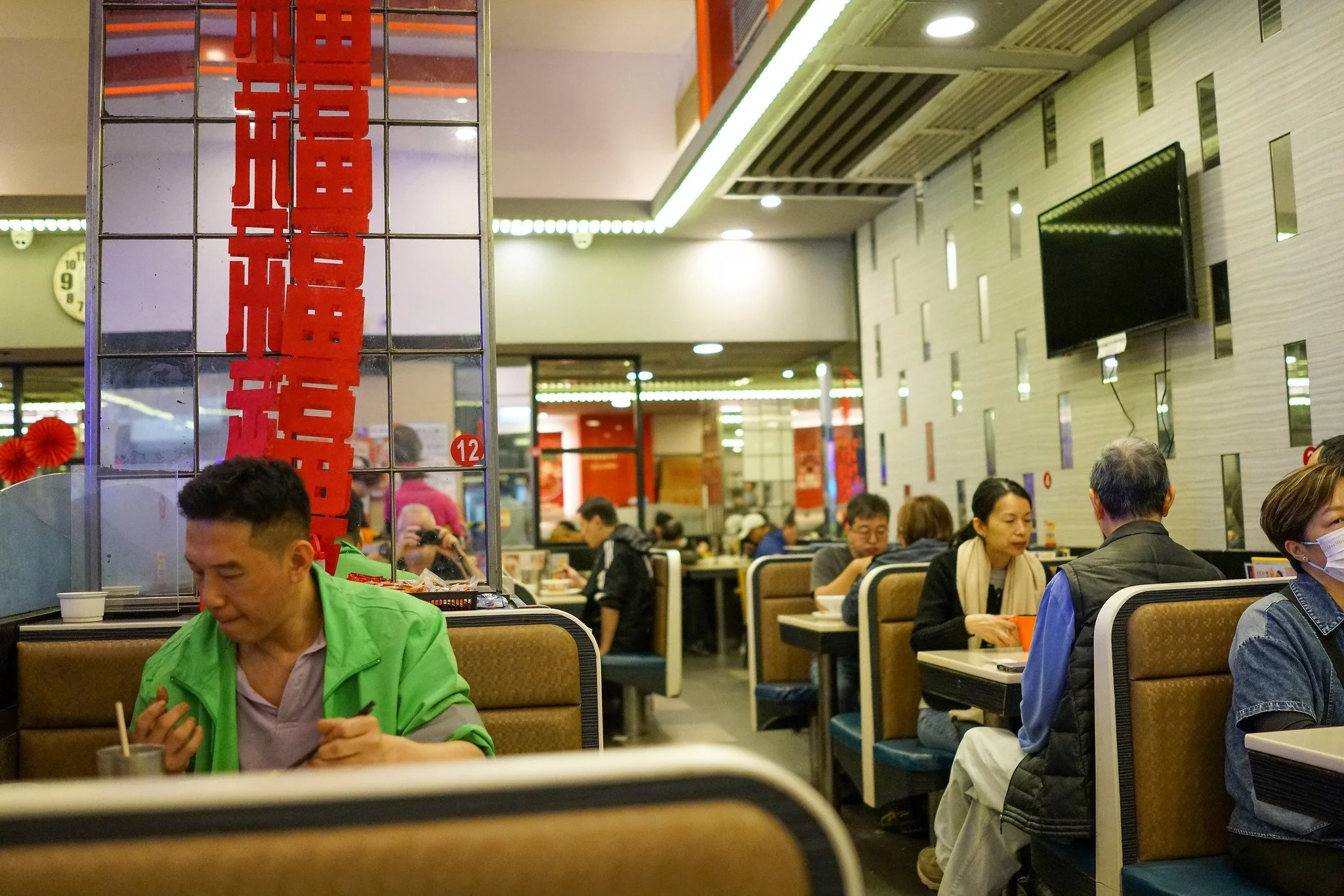
click on any image to enlarge
© Copyright Acknowledged | All rights reserved | images taken by Jamie
Antonio Casadei Artwork | Mei Foo Sun Chuen | Hong Kong
Key Historical and Development Details of the Mei Foo Housing Estate
Construction Timeline: The estate was developed in phases starting from October 1968 (Phase 1) and ending in May 1978 (Phase 8). Each phase added blocks progressively, with occupancy permits issued accordingly. For example:
Phase 1 (1968 - 1970): Initial blocks along Broadway.
Phase 2 (1971) - Focused on Glee Path area.
Phase 3 (1972) - Nassau Street expansions.
Phase 4 (1973 - 1974): Further residential additions.
Phase 5 (1972 - 1973): Larger block clusters.
Phase 6 (1974 - 1975): Mid-estate developments.
Phase 7 (1976 - 1977): Southern sections.
Phase 8 (1977 - 1978): Final completions, including recreational amenities.
As a family in 1974, we almost moved here, great for my Dad whose office was literally a 5 minute walk away but we were all in school on Hong Kong Island (an International School) and we could not get into the Kowloon side school because of a long waiting list, so that was that.
Please note the interesting morsel of information and we did later on live for 2 years in Laguna City in the mid 1990’s and we hated it!
Top Private Housing Estates by Block Count in Hong Kong
Mei Foo Sun Chuen (Lai Chi Kok): 99 blocks
Ta the Shing (Taikoo Shing): 61 blocks (notably high-density, often included in top lists)
Developer and Purpose: Initiated by Mobil Oil Corporation to repurpose its underused industrial site amid Hong Kong's economic boom and growing middle class. It was designed as a "vertical city" inspired by modernist architects like Le Corbusier, emphasizing high-density living with integrated amenities to foster community and convenience. This model influenced subsequent private estates in Hong Kong.
Scale and Population: The complex comprises 99 identical 20-story blocks, housing approximately 13,115 residential units. At its peak, it accommodated 70,000 to 80,000 residents, roughly the population of a small town. Today, it remains densely populated, with a mix of owner-occupiers and tenants.
Flat Sizes and Layouts: Units vary in size to cater to different family needs, with saleable areas ranging from 393 square feet (small studios or one-bedroom flats) to 2,785 square feet (larger multi-room apartments, often in penthouse or combined configurations). Typical flat sizes fall between 600 and 1,000 square feet, featuring 2 - 3 bedrooms, a living/dining area, kitchen, and bathroom. Early phases had simpler layouts with basic finishes, while later ones incorporated better ventilation and balconies. Larger units (over 1,500 square feet) are rarer and often customized.
Amenities and Facilities: As a self-contained enclave, Mei Foo includes over 37,200 square meters of commercial space (shops, restaurants, and markets like Mount Sterling Mall and Mei Foo Plaza), 15,400 square meters of educational facilities (schools and kindergartens), recreational areas (swimming pools, sports courts, parks, and playgrounds), and more than 4,500 parking spaces. It also features health clubs, beauty salons, and entertainment options. The estate's design prioritizes green spaces, with courtyards, fountains (including artistic ones like Casadei's), and pedestrian pathways separating residential from commercial zones | (and it has 2 McDonalds in close proximity)
Location and Accessibility: Situated near the waterfront (though land reclamation has pushed it inland), it's just a 1- 2 minute walk from Mei Foo MTR Station on the Tsuen Wan and Tung Chung lines. The area falls under Primary School Net 40 and Secondary School Places Allocation in Sham Shui Po District. Its proximity to major roads like Cheung Sha Wan Road and the West Kowloon Corridor makes it convenient for commuting to Central or other parts of Kowloon on buses
Significance and Evolution: Mei Foo symbolized the rise of Hong Kong's middle class in the 1960s - 1970s, offering affordable, quality private housing amid a housing crisis. Units were initially sold at accessible prices, attracting professionals and families. Over time, it has undergone maintenance and upgrades, including lift modernizations and facade renovations, while retaining its original character. The estate's management is handled by owners' corporations, and it has influenced urban planning in Hong Kong by promoting mixed-use, high-rise communities. Today, it remains a vibrant, family-oriented neighborhood with a strong sense of community, though property values have risen significantly due to its good location and historical appeal.
I am a big fan of Zolima Magazine, they did a great article about him, click link above
I would suggest reading his story and bio in the Zolima Article as it also pretty much shows his artwork in Hong Kong, the famous pieces are in Statue Square in Central District and I look at them most days, the other ones, well a lot of them are scattered around Mei Foo Housing Estate in Kowloon (see above)
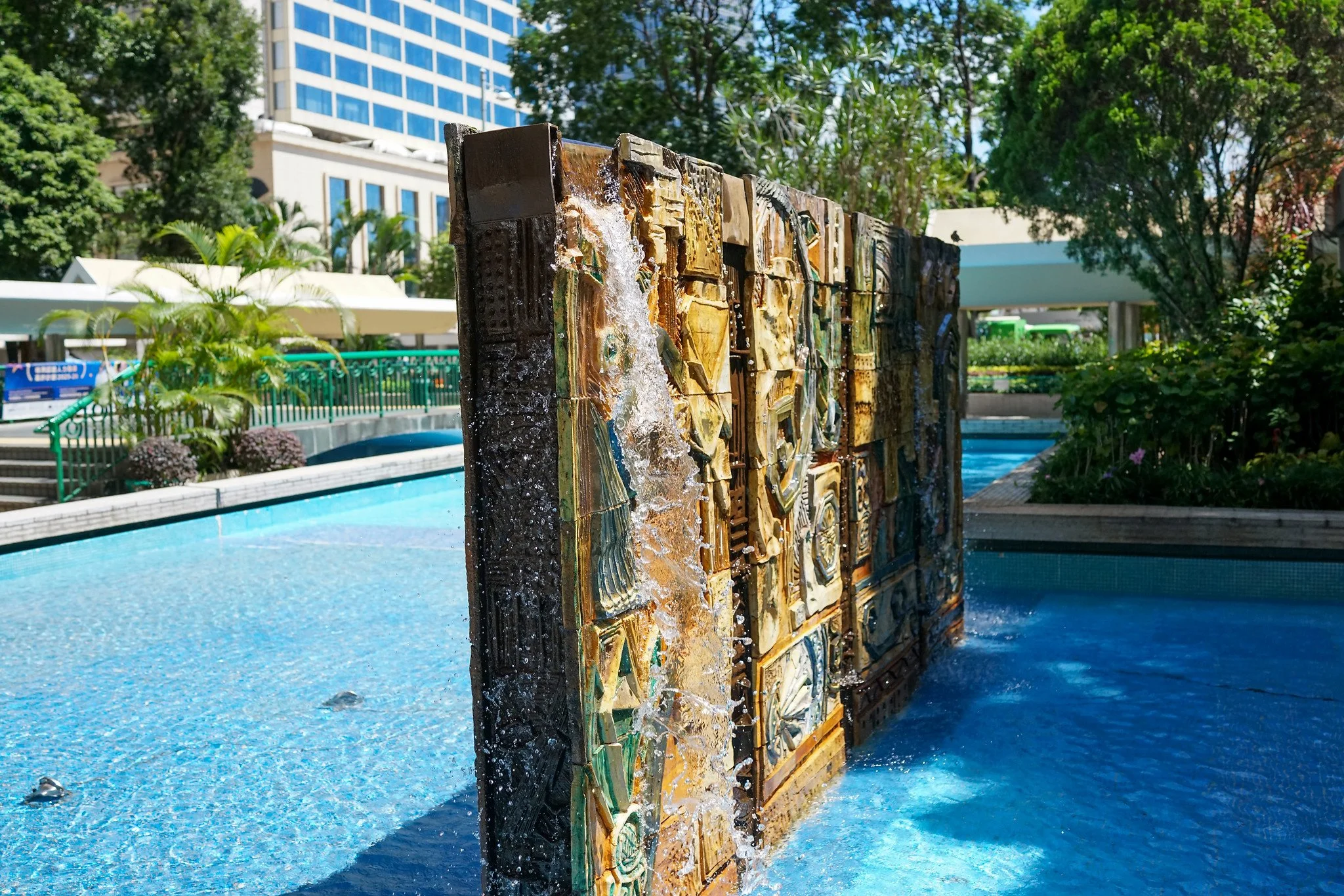
Please note the 3 images below, in the 1966 image you can see the water features, the other 2 images are recent and show them off very nicely, I personally much prefer the smaller “brownish” ceramic which the left hand side image
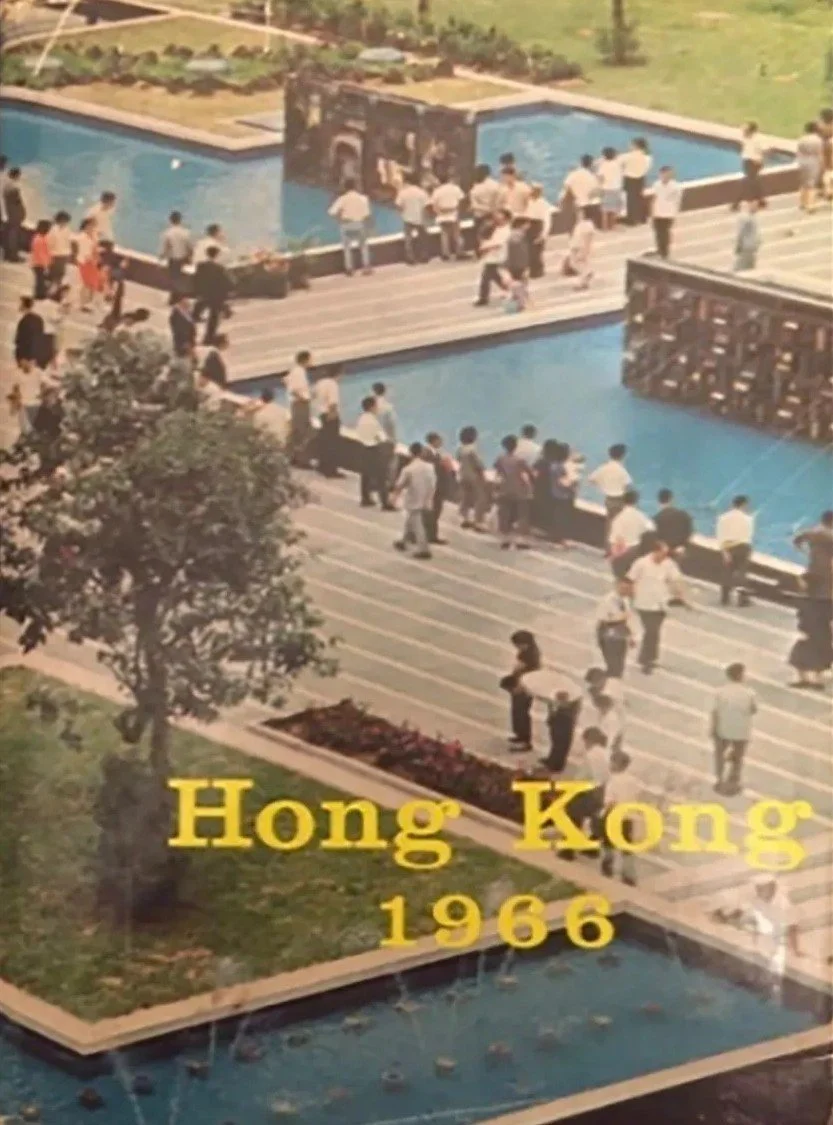
click on the image to enlarge
© Copyright Acknowledged | All rights reserved | 2 images taken by Jamie
Antonio Casadei Ceramics | Statue Square | Hong Kong
Antonio Casadei was born in 1923 in the northern Italian village of Forlì. His father, Maceo Casadei, was a painter and photographer who worked for the Istituto Luce, producing visual material tied to Italy’s Fascist regime. In 1933, when Antonio was 11, the family moved to Rome after his father received a photography commission there. Casadei showed early artistic talent, inheriting his father’s skills as both a painter and an award-winning photographer—he won a national photographic prize in 1943 at age 20. As a young man, he served as a conscript in the Royal Italian Army during World War II and witnessed the horrors of conflict firsthand, including the 1941 bombing of an orphanage, an experience that left a deep mark on him.
After the war, in the late 1940s, he worked as a cameraman at Rome’s Cinecittà film studios and even directed short films, including a black-and-white piece on Florence titled A Portrait Signed by God. His true passion, however, lay in ceramics. He studied the medium intensively from 1948 onward in Faenza under masters like Melandri, Matteucci, and Gatti, developing advanced techniques and even creating his own signature glazes, such as a distinctive peacock green known as “Melandri green.” He built a strong reputation in Italy during the 1950s for large-scale ceramic and sculptural installations in villas, corporate buildings, ships, and hotels, while also teaching art in Rome and later holding a professorship at the Accademia di Belle Arti in Florence. He was a master of ceramics, glass, metalwork, and related media, blending Italian artistic flair with influences from Eastern traditions.
While teaching in Rome, Casadei met Frances Wong Bick-yue, a Hong Kong artist and former student of St Mary’s Canossian School who was studying there. The encounter led him to visit Hong Kong in 1962, initially to study Chinese porcelain techniques. He arrived as a “visiting artist” and quickly decided to stay, drawn by the city’s post-war building boom and opportunities. That same year, in September, he held his first Hong Kong exhibition at the newly opened City Hall, ( I still visit Maxims Palace Restaurant in City Hall) showcasing oil paintings, decorated glass, metal sculptures, and especially his ceramic works. The show received strong praise in local media for its prolific and versatile quality, and he began selling paintings door-to-door in Central while establishing a studio first in Kowloon Tong and later in a more remote house in Sai Kung overlooking Hebe Haven, complete with a kiln for glaze experiments. He even built his own fibreglass speedboat for fishing and diving.
Casadei’s timing was perfect: Hong Kong was modernizing rapidly, and his large-scale, modernist works appealed to architects and developers. He married Frances Wong and they had two children, Mara and Remo, though he maintained a notably low social profile - described by those who knew him as cheerful yet burly and not particularly talkative, often communicating through interpreters when his limited English was an issue. He spoke little about his personal life, and his family has remained private on the subject. In 1968, while still based in Kowloon Tong, he even filed a U.S. patent for an inflatable sled (granted in 1970). After more than two decades in Hong Kong, Casadei left in 1983 at age 60 and resettled in Alicante on Spain’s Costa Blanca. He continued creating art there, often producing fish-themed pieces in his later years, until his death on 9 March 2014 at the age of 90. He worked right up to the end, much like his father.
Despite his low profile he must have been well connectioed given where is art ended up, for example the Mandarin Oriental Hotel and Princes Building are both owned by Jardine Matheson and Jardines owns Princes Building through its subsidary Hong Kong Land
Listing of Antonio Casadei’s Art and Sculptures in Hong Kong (His Legacy)
Casadei’s most enduring contribution to Hong Kong is his body of public and semi-public art created during the 1960s and 1970s. His modernist style - bold, colourful, often abstract or figurative with geometric patterns, mythical motifs, and a strong affinity for water and ceramics - became a signature of the era’s optimistic development. Many of his hotel and commercial commissions have since been removed or lost to renovations and demolitions, but several key public works remain, serving as quiet reminders of mid-century Hong Kong’s cultural fusion of Italian craftsmanship and local energy. Here is a comprehensive list based on documented commissions: (and I often say that his work in Statue Square would not look out of place in an Austin Powers movie, very retro)
Statue Square Fountains and Ceramic Murals (Central, 1965): Two prominent relief-panel fountains featuring colourful ceramic panels with abstract geometrical designs - irregular squares, rectangles, and architectural motifs incised into the surface. One fountain uses a paler palette (white background with relief tiles in deep red, ochre, blue, orange, turquoise, and black); the other employs a darker, richer style with brown-red and ochre glazes evoking arcades or doorways. His signature appears in a Roman-style font, often partially submerged by water. These were among the first major public art commissions of the period and remain fully intact and enjoyed by the public today in Statue Square. - these two ceramic works where part of the major revamp and overhaul of Statue Square in the mid 60’s, prior to the overhaul Statue Square was basically an open air car park (road) and this was both sections of the Square
Mei Foo Sun Chuen Sculptures (Mei Foo Sun Chuen Housing Estate, Kowloon, 1968 - 1978): A series of stainless steel and ceramic works commissioned for this pioneering large-scale private housing estate (built on the site of former Mobil Oil storage facilities). Key pieces include an eight-metre-tall stainless steel winged horse sculpture titled Pegasus, dramatically rearing upward in a now-dry fountain; an “aquarium” of distinctive fish sculptures with expressive, almost cartoonish faces suspended over another dry fountain; and a vibrant ceramic panel (similar in style to those in Statue Square) set into yet another courtyard fountain. These massive, shiny, mythical 1960s-style works are still in place, though some fountains no longer function with water (and I can confirm that)
Tai Ping Koon Restaurant Bas-Relief (Causeway Bay, 1970): A large sculptural ceramic panel (sometimes described as swirling copper on fibreglass or a glowing green-and-gold ceramic mural) that dominates one wall of the Causeway Bay branch of this iconic soy-sauce Western restaurant. Commissioned when the restaurant expanded, it remains fully visible and appreciated by diners today.
Other notable but no longer extant or significantly altered works include:
Mandarin Oriental Hotel (Central, 1963): Bas-reliefs for the Lookout Lounge (including giant beaming sunflowers on the ceiling), decorative golden twirls for the Clipper Lounge tables, and Chinese shadow-puppet designs for the hotel café. These were among his earliest major hotel commissions but were later removed.
Prince’s Building (Central, opened 1965): Extensive royalty-themed panels (knights, kings, horses, shields, galleons, and rampant lions) covering 140 square metres, coated in polyester resin to resemble ancient bronze, plus the world’s largest polyester resin chandelier at the time (seven metres long, two metres wide, weighing five tons, made of 528 glowing cylinders in amber, red, white, and yellow). All removed during later redevelopments.
Marco Polo Hongkong Hotel (now part of the Marco Polo group, 1969): Nine sculpted murals inspired by underwater themes for the rooftop swimming pool area. These too were later removed.
Casadei also produced work for other hotels, shopping malls, and housing estates, as well as pieces seen in Singapore and Manila, but his Hong Kong output forms the core of his documented legacy here.
Brief Note on the Sculpture (s) in Mei Foo Sun Chuen in Hong Kong
The sculptures in Mei Foo Sun Chuen - including the prominent Pegasus and fish pieces - were not placed there by chance or relocation but as deliberate public art commissions integrated into the estate’s original 1968 - 1978 development plan. As Hong Kong’s first major private housing estate of its scale, the project emphasized enhanced communal spaces, and Casadei’s growing reputation from high-profile works like the Statue Square fountains and hotel commissions made him a natural choice for these eye-catching, modernist installations designed to add visual interest and a touch of glamour to the residential courtyards.
Considered and Thoughtful Opinion on His Legacy from a long time resident
Antonio Casadei’s story is one of quiet but substantial impact: an Italian artist who arrived at exactly the right moment to help shape Hong Kong’s visual identity during its explosive post-war transformation. His works embody the era’s forward-looking spirit—bold, durable, and unapologetically decorative - fusing European modernist techniques with an adaptability suited to local contexts (such as his interest in Chinese porcelain and water features that suited Hong Kong’s humid, fountain-friendly climate). The fact that so many pieces were commissioned for public and semi-public spaces rather than private collections speaks to his role in democratizing art; everyday people walked past or sat near his fountains and murals without necessarily knowing the name behind them. That anonymity is both his legacy’s strength and its sadness—his art has outlasted his fame, becoming part of the city’s everyday fabric even as redevelopment erased much of it. Survivors like the Statue Square fountains and Mei Foo pieces feel “at home”: technically accomplished, timeless in their 1960s optimism, and a subtle reminder of Hong Kong’s history as a cosmopolitan crossroads where immigrant talent could flourish.
Personally, Casadei deserves greater recognition as one of the pioneers of public art in modern Hong Kong. His low profile in life may have contributed to his relative obscurity today, but it also preserved a certain purity - his work stands on its own merits without the weight of celebrity and to be honest prior to becoming a Private Tour Guide in 2010 I had no real clue as to his identity, I only knew that he was European
The 2020s have seen a small revival of interest through exhibitions and articles, which is heartening; it shows that when people pause to look closely (noticing a chiselled signature or an unusual fish motif), they reconnect with a richer cultural layer beneath the surface of the city.
… and please click on the Zolima Magazine link above, lots of images and such
I should also point out as a final note, he left Hong Kong in 1983 the year we had Typhoon Ellen which absolutely destroyed much of Statue Square uprooting most of the tress, the two ceramic works of art where untouced, - divine intervention perhaps!
I will finally to confess to being caught out by a guest in 2011 (I made a note of it!) I was asked by a guest if I knew the name of the artist of the 2 ceramic water features, I had a brain freeze and said no and it was pointed out that his name was carved into the ceramic art! whoops! in my defence quite often the name is not visible as it is below water, I guess visibility depends on who is refilling the pond so to speak!
So there you go
I do not do Food Tours in Hong Kong but I know people that do!
I do not do food tours as mentioned above, I have very specific reasons and part of it is that I do not speak Cantonese or write Chinese, I am from Yorkshire in England and I lack the language gene and it is not through lack of trying and yes a lot of restaurants do not have English menu’s or staff who speak conversational English.
.. and yet I have eaten at close to 1,400 restaurants in Hong Kong since January 2nd 1972, my wife was born in Hong Kong and we have been together over 40 years and her first language is Cantonese and a lot of her family are Chinese or half Chinese so I have never had much of an issue!
This does not translate to doing food tours though, yes, I could do them, no problem there but they would never ever be as good as the food tours done by my friends (see the 3 links above) most of their awesome guides are locally born Hong Kong Chinese and obviously food culture is part of their DNA, it is impossible for me to compete with that!
So please feel free to contact them for food tours
I do not do Hiking Tours in Hong Kong but I know someone that does!
I do not do Hiking Tours, never have and never will even though I used to go Hiking a lot when I was a lot younger, The Hong Kong Government is promoting hiking tours so I urge you to contact my friend Sabrina at Hong Kong Trails and Tours, she is a long time Hong Kong resident and and a very experienced hiker with close to 700 Hikes in 15+ years under her belt, please click on the link below
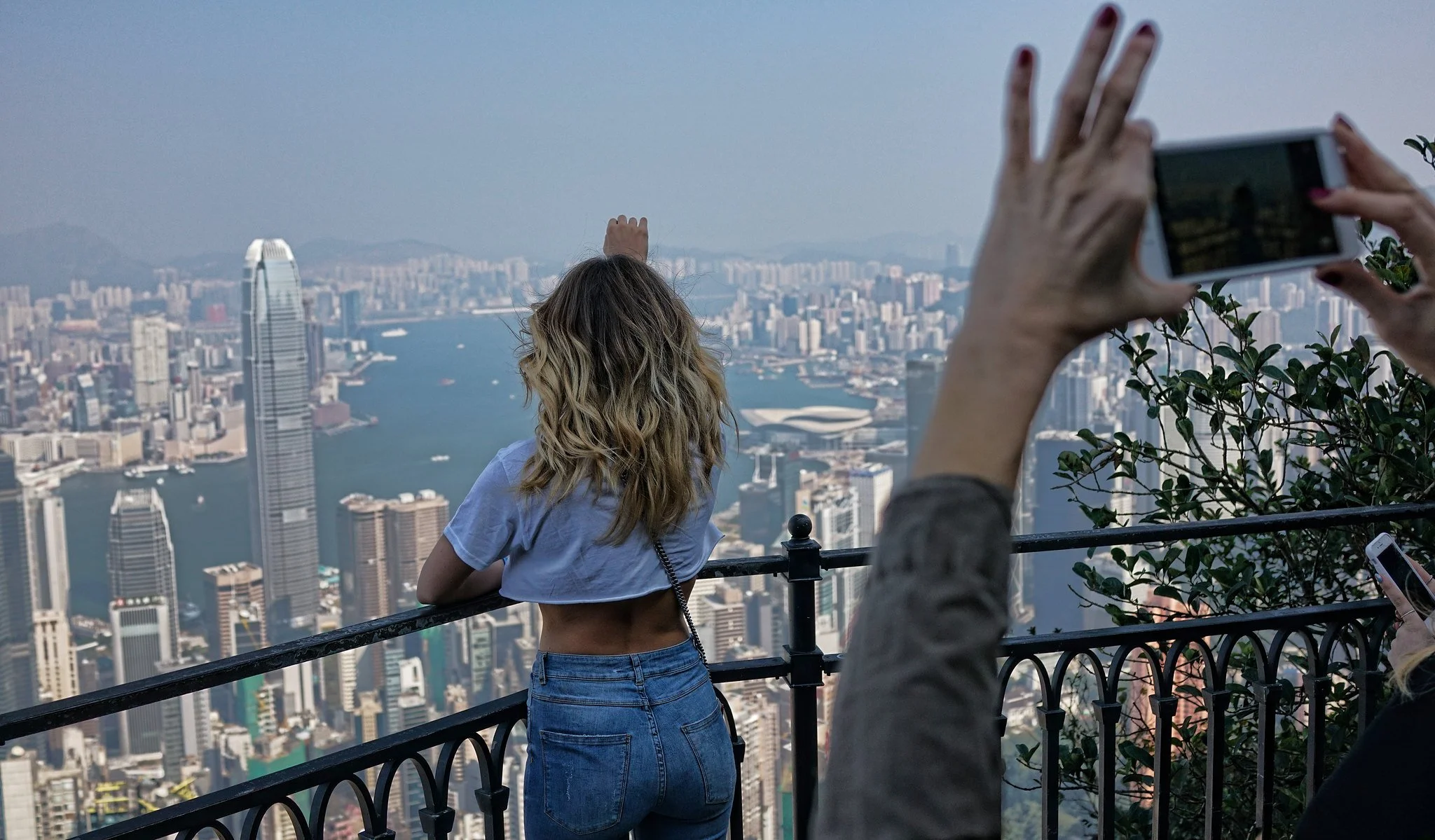
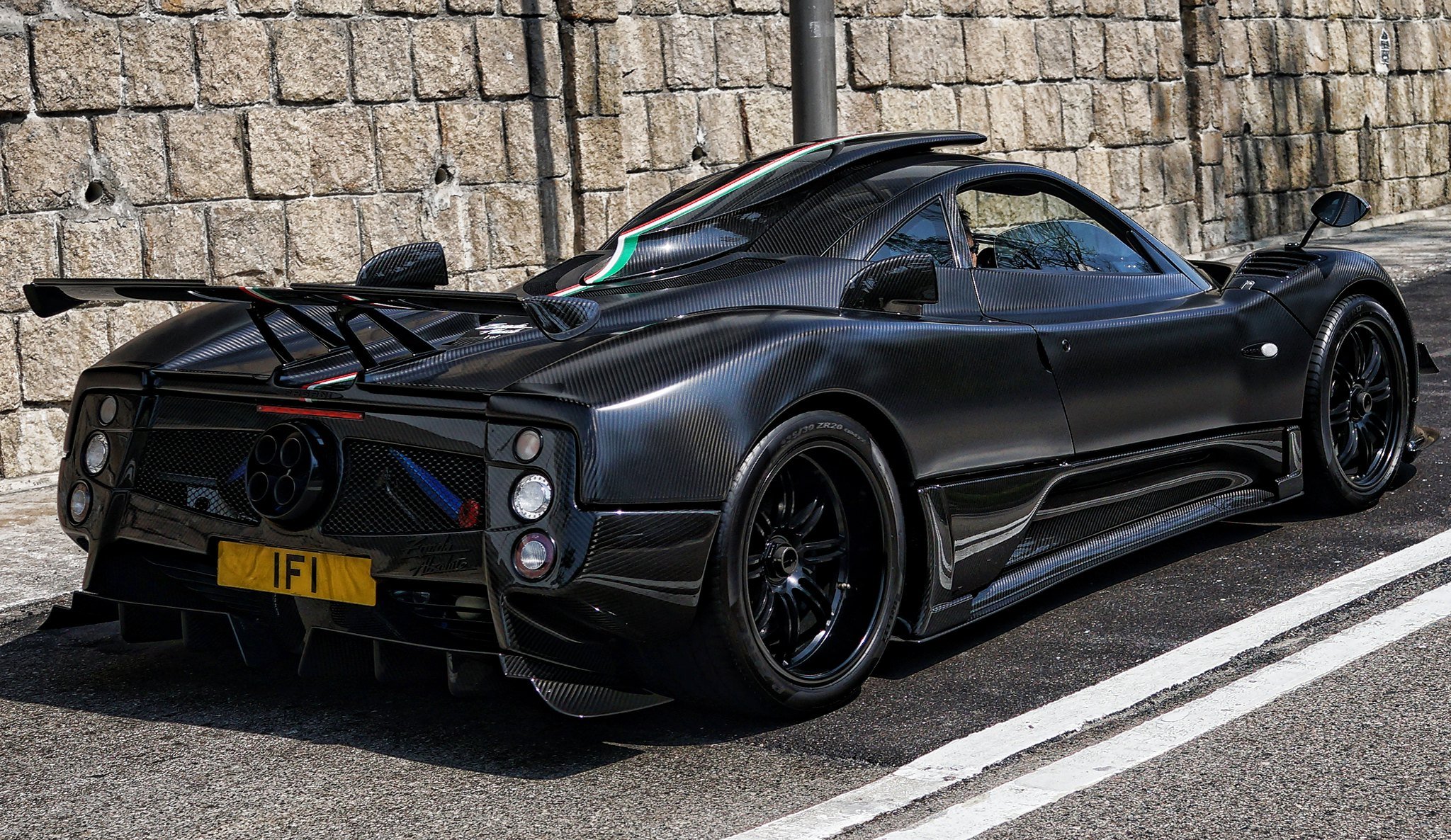
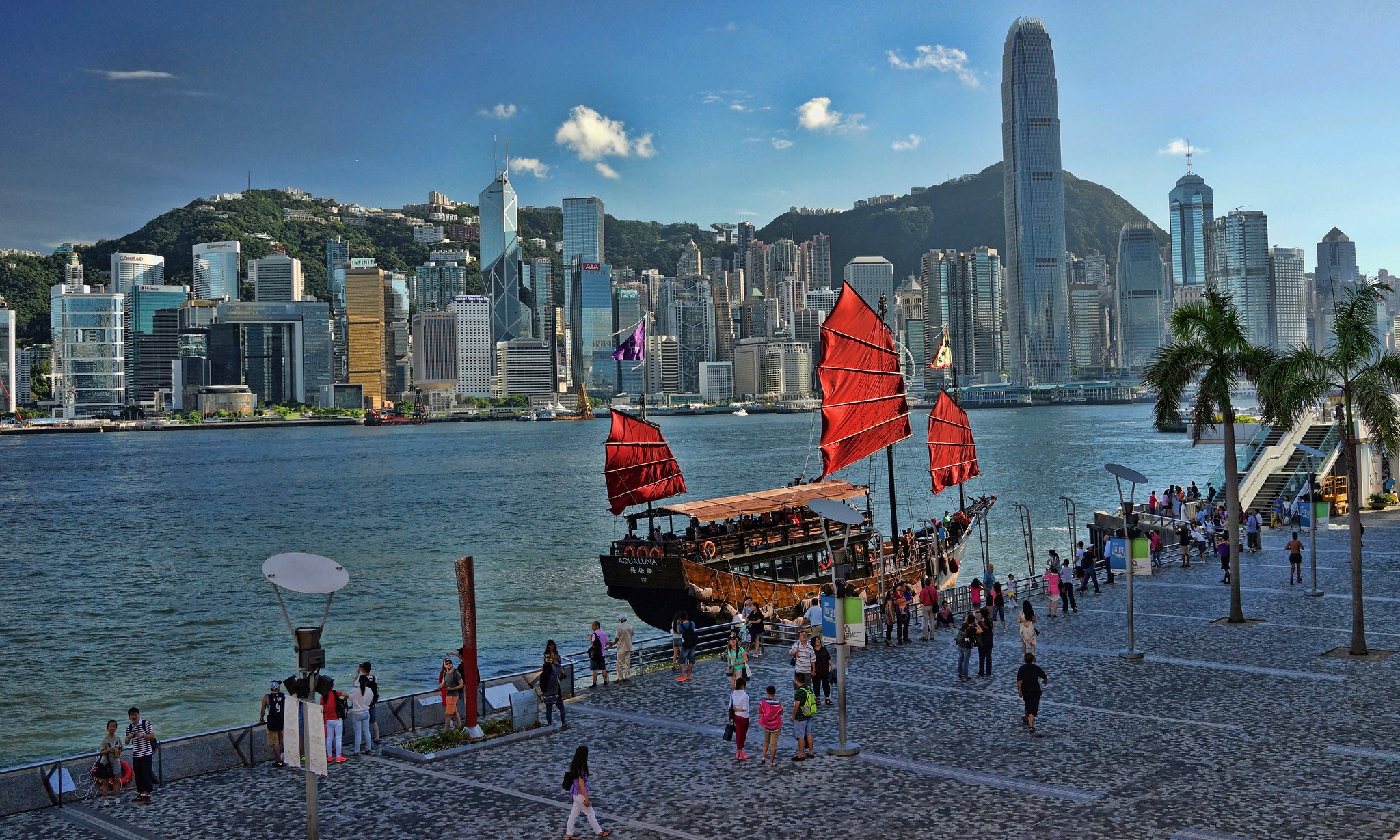
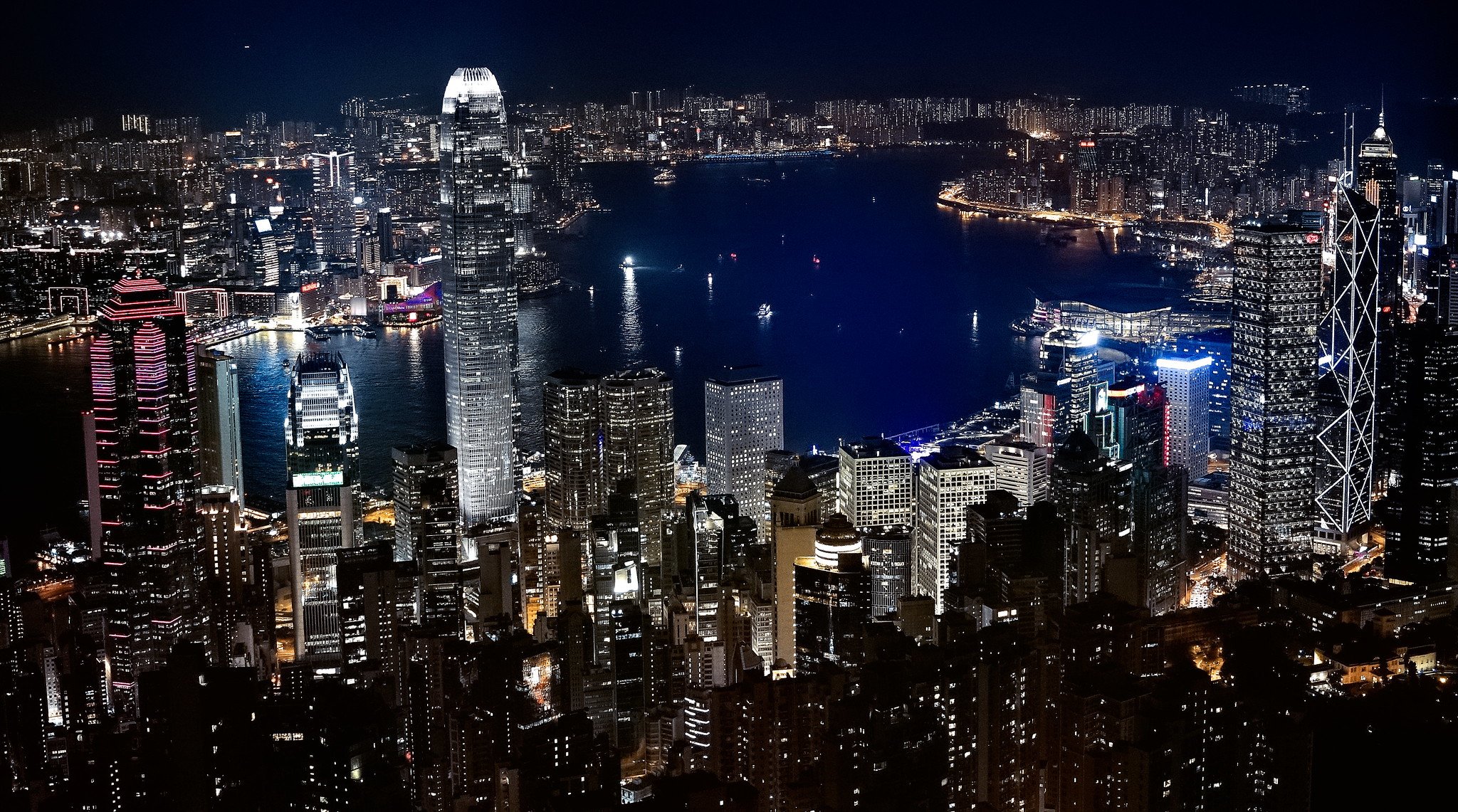
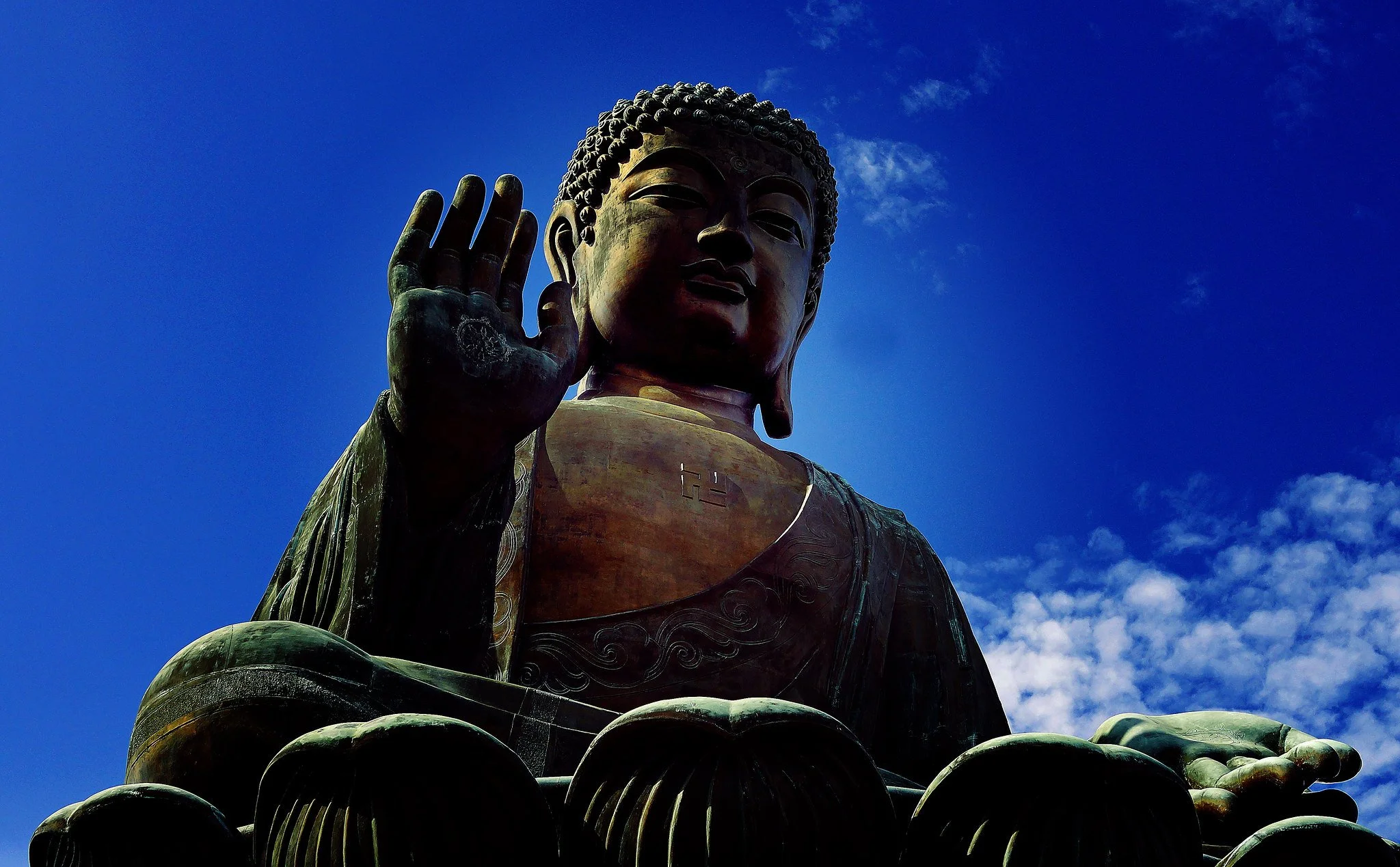
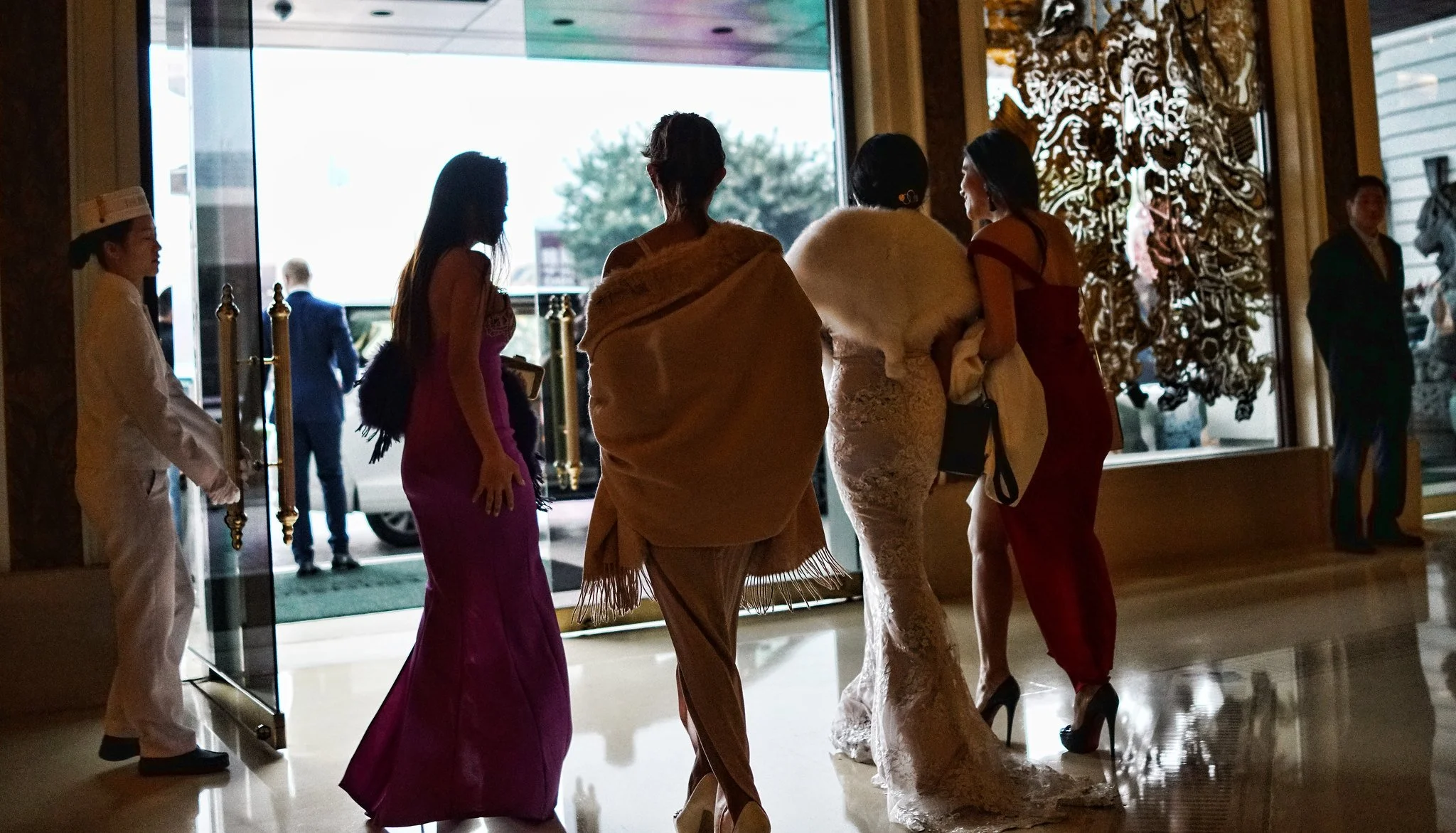
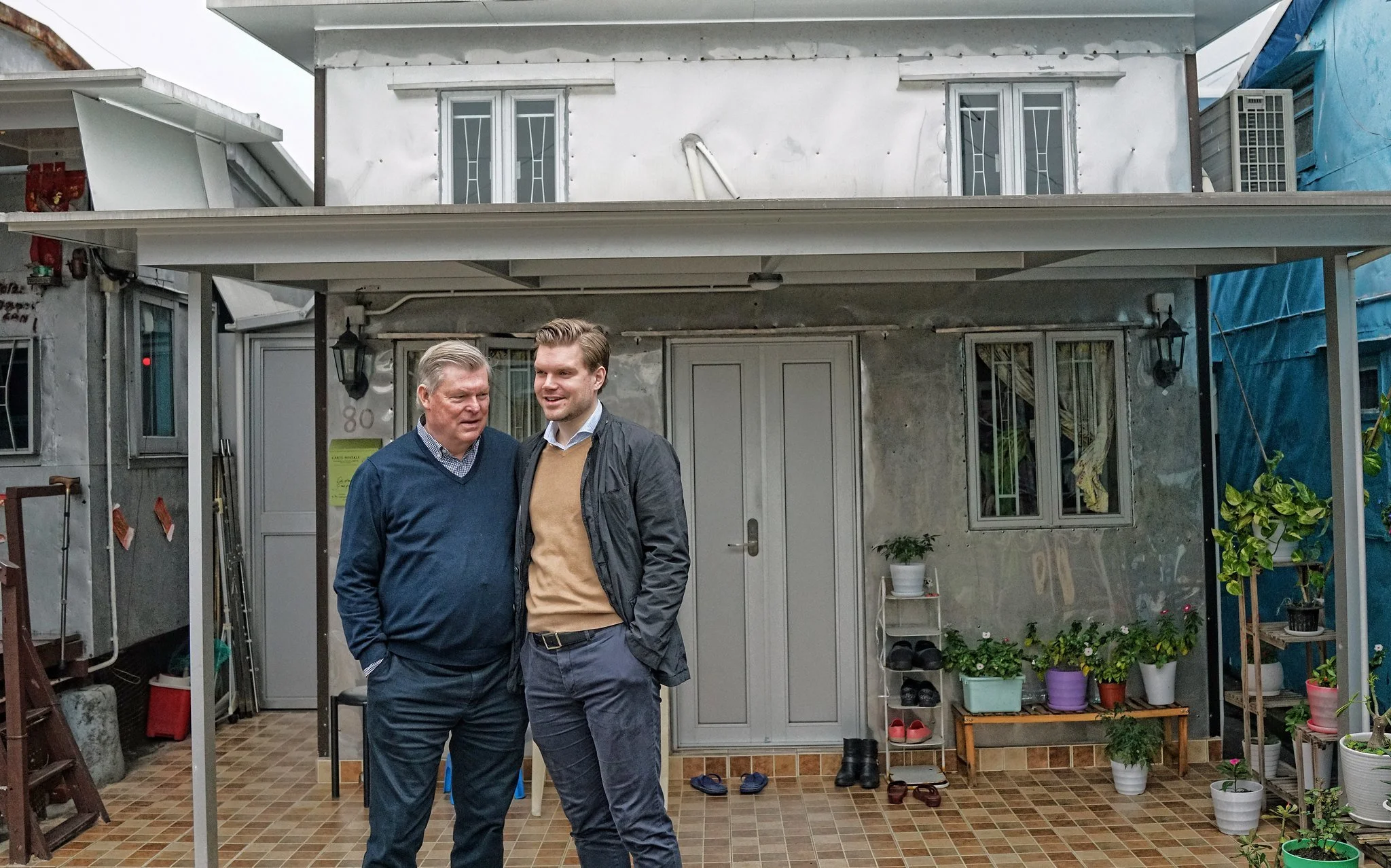
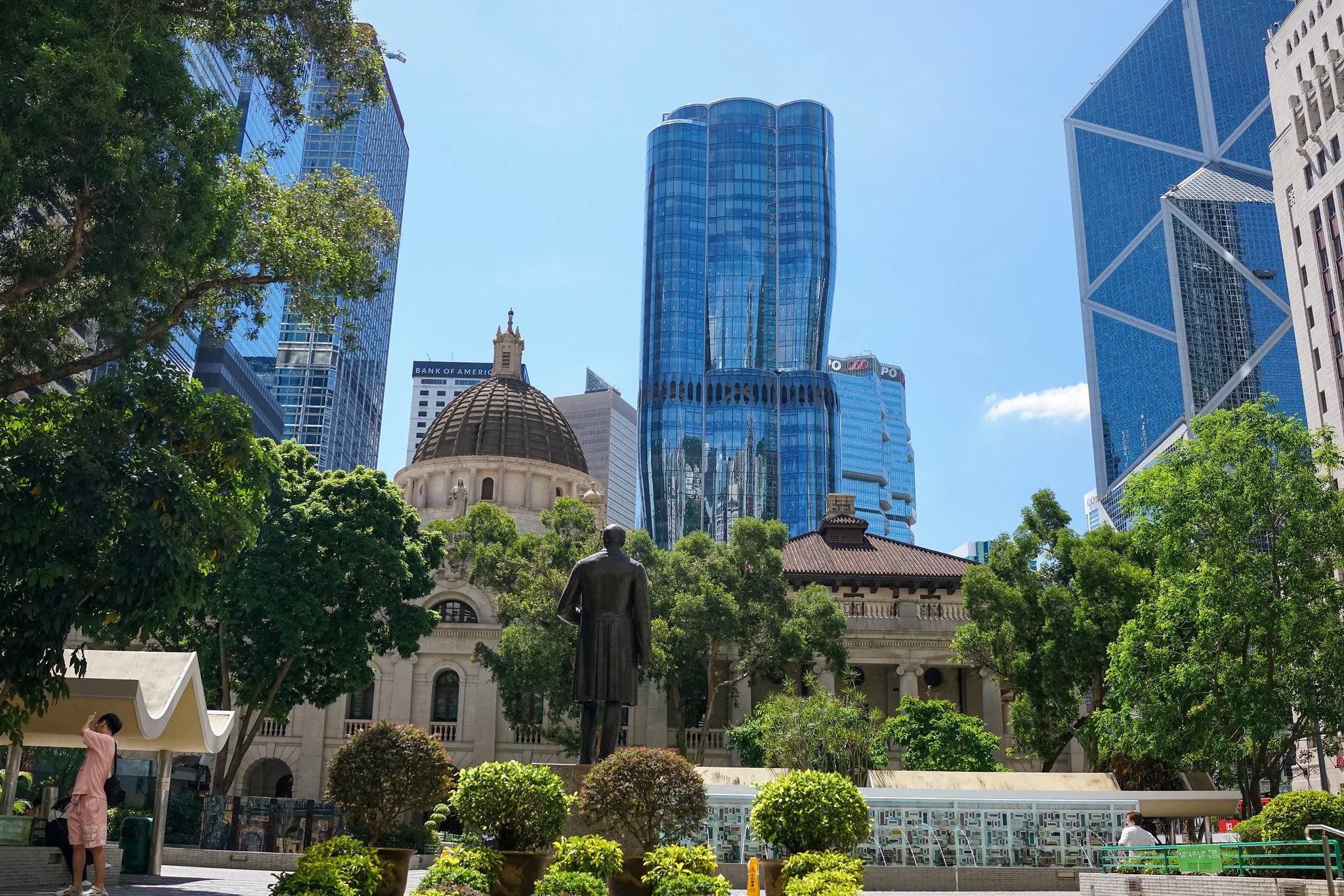
click on any image to enlarge
© Copyright Acknowledged | All rights reserved | all images taken b Jamie
Jamie’s Hong Kong | Some of my favourite images | Hong Kong 101
© Jamie Lloyd | J3 Consultants Hong Kong | J3 Private Tours Hong Kong |
| 2010 - 2026 All rights reserved. |
Click on any image to enlarge to full screen
Current images from my Instagram feed