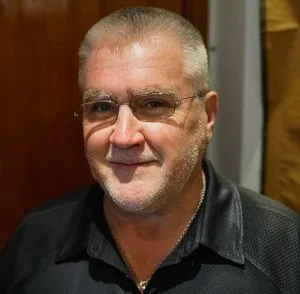
The Last Rickshaw Puller, Hong Kong - Mr. Hung Chiu-ping
The Rise, Fall & Human Story Behind the Final Rickshaw Puller in Hong Kong

The J3 Group - Premium Quality Private Tours | Experiences and Insider Chats since 2010
Me Jamie, your host, I am English and I have lived in Hong Kong since January 2nd 1972 - I know the place.
A meaningful blog post with a difference - tips on Travel, Tourism, Tours, Daily Life and my personal thoughts on Hong Kong.
Please do visit Amazing Hong Kong
Hong Kong | Pearl of the Orient
Customised Private Tours + Experiences in Amazing Hong Kong
Jamie has lived in Hong Kong - Pearl of the Orient for 50+ years
Carefully Crafted Personalised and Customised Itineraries by Jamie | Hong Kong’s Most Experienced Private Tour Guide for : Solo Travellers Friends Families Seniors Couples Business People MICE Delegates.
Private Tours Cultural Tours Walking Tours Sightseeing Tours City Tours Night Tours Layover Tours Transit Tours Private Shore Excursions Bespoke Tours Personalised Tours Jewish Heritage Tours Luxury Private Tours Day Tours Luxury Boat Tours Themed Tours Private Family Tours Private Day Tours Corporate Tours
Just you, your family or friends and Jamie your personal English private tour guide - over 2,400+ tours completed since 2011 - Jamie offers quality Private Tours of Hong Kong
Tour Group Size 1 - 6 people only
J3 Group Hong Kong | J3 Consultants Hong Kong | J3 Private Tours Hong Kong
Creating Memories That Will Last A Lifetime
Go here for the Hong Kong Michelin Restaurant Guide which includes the Bib Gourmand Category

Guided by Stories, Private Tours of Hong Kong with Jamie
A Resident since 1972 - Quality Private Tours of Hong Kong
click on the image to enlarge
© Copyright Acknowledged | All rights reserved | image taken by Jamie
Last Rickshaw Puller | Mr. Hung Chiu-ping | Hong Kong
Foreword
In my 50+ years of calling Hong Kong home and sharing its stories with visitors from around the world, I have always believed that the most powerful tales are the ones that connect us directly to the people who lived through the city’s transformations. Recently, while talking with a group of newly minted tour guides, the conversation drifted to one of those quiet icons of our past: the last rickshaw puller.
It brought back vivid memories of the day in 2017 when I photographed him at The Peak, a moment that felt like capturing the final page of a chapter that had spanned more than 140 years. His story, and the broader history of rickshaws in Hong Kong, deserves far more than a passing mention. What follows is the detailed account I have pieced together - the rise, the golden years, the long decline, and the quiet farewell of the very last man who kept the tradition alive. It is also a small tribute to all the unsung heroes who pulled those wooden shafts day after day, often unnoticed.
Mr. Hung Chiu-ping - You were a Legend.
The Arrival of the Rickshaw: A Japanese Import That Took Root in Hong Kong
Rickshaws first rolled into Hong Kong in January 1874 when a shipbroker named Mr. S. L. Heinemann imported one from Japan for his personal use. The vehicle - a two-wheeled carriage pulled by a single man - was something entirely new on our streets. Public service began on 22 April 1880, and within just two years the numbers exploded. What started as around 30 public rickshaws in 1880 had grown to several hundred by 1882. The appeal was obvious: they offered a cheap, convenient way to navigate the city, almost as handy as a modern taxi for short distances. Early models could even seat two adults side by side, and they quickly became part of daily life for both locals and visitors. On Hong Kong Island’s steeper slopes sedan chairs still held sway, but in the flatter districts - especially across the harbour in Kowloon - rickshaws found their natural home.
The Rickshaw Golden Era: Peak Popularity in the Early 20th Century
By the 1920s rickshaws were everywhere. The industry reached its zenith around 1924 with nearly 3,500 licensed vehicles operating across the territory. Private “long rank” rickshaws, often sleek and black with owner plates, were a status symbol for the wealthy, while public “yellow” rickshaws served the masses. In 1950, even after some decline had begun, records still showed over 800 public rickshaws and 91 private ones in Hong Kong and Kowloon combined. Pullers operated from designated ranks, and enterprising shops in places like Tsim Sha Tsui and Yau Ma Tei even took telephone orders. During the Japanese occupation from 1941 to 1945, when motor vehicles were scarce, rickshaws experienced a brief revival - over 500 on Hong Kong Island and more than 300 in Kowloon at one point - proving just how adaptable and essential they could be in times of need.
• 1880: approximately 30 public rickshaws • 1882: several hundred public rickshaws • 1924: nearly 3,500 licensed rickshaws at peak • 1950: over 800 public + 91 private long-rank rickshaws • 1960 onwards: annual decline, roadside stations disappearing
These vehicles were more than transport; they were woven into the fabric of everyday Hong Kong life, carrying everything from office workers to opera performers and even brides on their wedding day.
Regulations, Hardships, and the Human Stories Behind the Wheels
Of course, the golden era came with its share of challenges. Narrow wooden wheels chewed up the roads, leading to government rules requiring wider tyres and smaller bodies that carried only one adult passenger for safety and comfort. Pullers - often poor migrants from the mainland - faced gruelling physical demands, long hours, low pay, and exposure to all weather. There were strikes, most notably in 1908 when thousands protested rising rents for new rubber-tyred models. Over time designs improved: pneumatic tyres became standard by the late 1930s, and a standardised rickshaw was officially selected in 1919 after public display at Central Police Station. Yet the work remained tough, and the pullers themselves were the unsung heroes of a city on the move.
Above is a blog post link to my very detailed blog about rickshaws and sedan chairs, it also outlines my own experiences with the grumpy old rickshaw pullers, for a lot of tourists it was as I delicately put it, an interesting experience in the early 1970’s
The Long Decline: Modern Transport Brings the End of an Era
The writing was on the wall as early as the 1930s. The arrival of buses, trams, and later motor taxis slowly eroded the rickshaw’s dominance. Economic downturns meant many wealthy owners rented out their private vehicles, but demand kept falling. Roadside ranks vanished one by one. The decisive blow came in 1975 when the government stopped issuing any new rickshaw licences altogether. Existing licences became non-transferable and could only be renewed for as long as the holder wished to continue. By the 1990s only a handful of elderly pullers remained, and their work had shifted almost entirely to nostalgic tourist rides and photo opportunities near the Star Ferry terminal and other scenic spots.
The Final Chapter: Mr. Hung Chiu-ping, Hong Kong’s Last Licensed Rickshaw Puller
By the early 2010s, Mr. Hung Chiu-ping (洪超平) had become the undisputed last man standing. In 2012, at the age of 63 and after more than 30 years in the job, he was already calling himself the only active licensed puller left in the city. He worked six days a week at his usual spot near the Lion Pavilion lookout on The Peak, maintaining his own hand-made red rickshaw with its distinctive green seat and purple umbrella for shade. Tourists could pose for a quick photo or take a short ride - simple pleasures that kept a tiny flame of tradition alive.
I still remember the afternoon in 2017 when I was guiding a small group of guests at Victoria Peak. After sharing some of the history with them, we all chipped in and gave Mr. Hung HK$250. It was a modest gesture for the decades of hard work he had put in, but he was genuinely touched and very grateful. That small moment of connection has stayed with me ever since - a reminder of the human warmth that still existed in this fading tradition. I took the photograph that day, and looking at it now almost 10 years on it still brings back that exact feeling.
He continued until around 2020, when advancing age and the impact of the pandemic finally led him to retire. By late 2020 or early 2021 operations had stopped completely, and his Facebook page confirmed the business was no longer running. As of the end of 2022, the Transport Department recorded zero licensed rickshaws left in Hong Kong.
However (there is always a however) I do recall a company a few years back set up rickshaw pulling services at Central Piers next to the Star Ferry, the pullers where young, fit and wore very little, it was like something out of Baywatch, it did not last very long, no doubt shut down by the Government for not having a Rickshaw licence!
My Reflections on a Vanishing Tradition
I still have very strong memories of Rickshaw pullers in Hong Kong in the early 1970’s when there where still plenty to be seen albeit in areas frequented by tourists, they where not the friendliest bunch of characters particularly if you tried to take their photograph without paying them, all part of the legend I guess.
Looking back, the story of the rickshaw in Hong Kong is more than just transport history - it is a mirror of the city’s own relentless forward momentum. We gained speed, convenience, and modernity, but we also lost something intangible: the sight of a lone puller navigating the streets, the rhythmic creak of wooden wheels, and the human connection that came with every ride. Mr. Hung’s long career, and the lives of all those who came before him, embodied the resilience of generations of working men who kept the city moving when other options simply did not exist.
In my view, preserving these stories matters deeply. They remind us that progress always has a human cost, and that the most authentic parts of Hong Kong’s character often lie in the small, personal details rather than the skyscrapers. As someone who has spent a lifetime showing visitors the real Hong Kong, I believe sharing Mr. Hung’s tale helps keep that spirit alive - even if the rickshaws themselves have finally rolled into the history books.
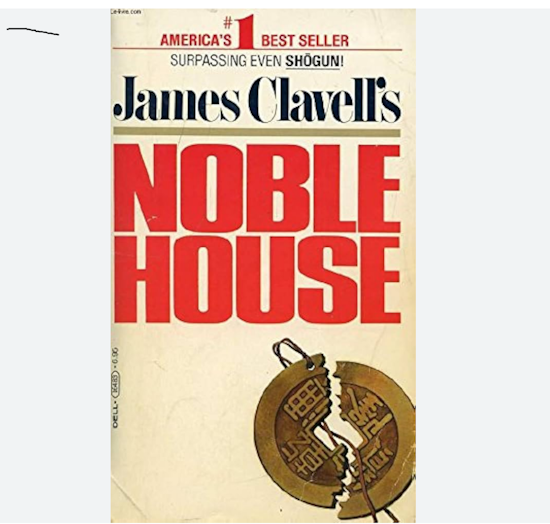
Noble House by James Clavell
To me the greatest Hong Kong novel ever written and I urge you to read it, it is a hefty read at well over 1,000 pages, but it is absolutely riveting and factually correct, I have so far worn out 3 copies of the paperback version, I relate to the time period very much - an essential read
Jamie’s Hong Kong Insider Chat
AI Itinerary Rescue Service - Bring your AI-generated plan (or any self-designed itinerary) and I will spend the full two hours reviewing it with you. I’ll fix the impossible timings, suggest smarter routing, add interesting places that AI never finds, adjust for your group’s energy levels, and create a realistic, enjoyable day-by-day flow that actually works in real Hong Kong. Most guests leave saying “This is exactly what we needed”
I do not do Food Tours in Hong Kong but I know people that do!
I do not do food tours as mentioned above, I have very specific reasons and part of it is that I do not speak Cantonese or write Chinese, I am from Yorkshire in England and I lack the language gene and it is not through lack of trying and yes a lot of restaurants do not have English menu’s or staff who speak conversational English.
.. and yet I have eaten at close to 1,400 restaurants in Hong Kong since January 2nd 1972, my wife was born in Hong Kong and we have been together over 40 years and her first language is Cantonese and a lot of her family are Chinese or half Chinese so I have never had much of an issue!
This does not translate to doing food tours though, yes, I could do them, no problem there but they would never ever be as good as the food tours done by my friends (see the 3 links above) most of their awesome guides are locally born Hong Kong Chinese and obviously food culture is part of their DNA, it is impossible for me to compete with that!
So please feel free to contact them for food tours
I do not do Hiking Tours in Hong Kong but I know someone that does!
I do not do Hiking Tours, never have and never will even though I used to go Hiking a lot when I was a lot younger, The Hong Kong Government is promoting hiking tours so I urge you to contact my friend Sabrina at Hong Kong Trails and Tours, she is a long time Hong Kong resident and and a very experienced hiker with close to 700 Hikes in 15+ years under her belt, please click on the link below
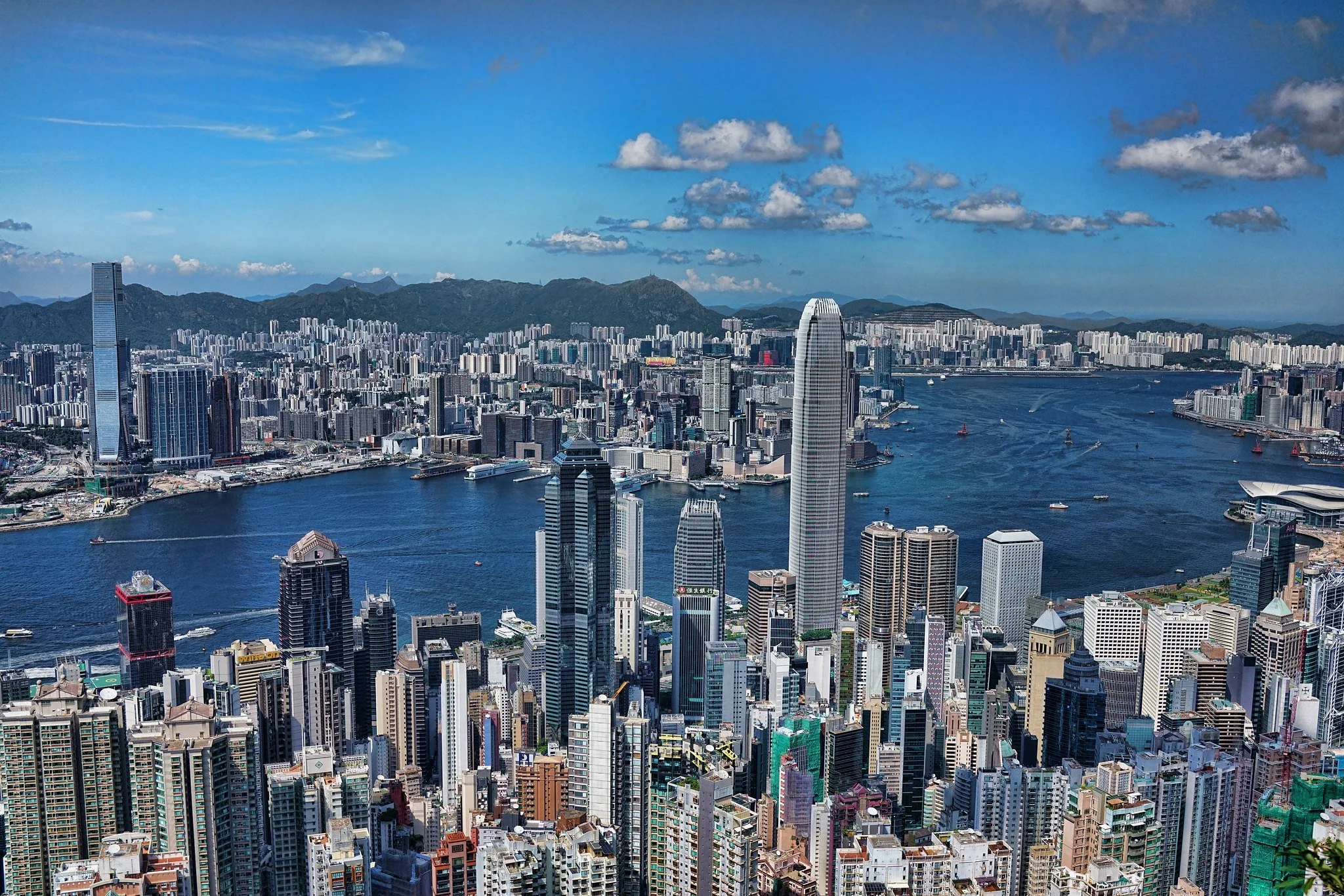
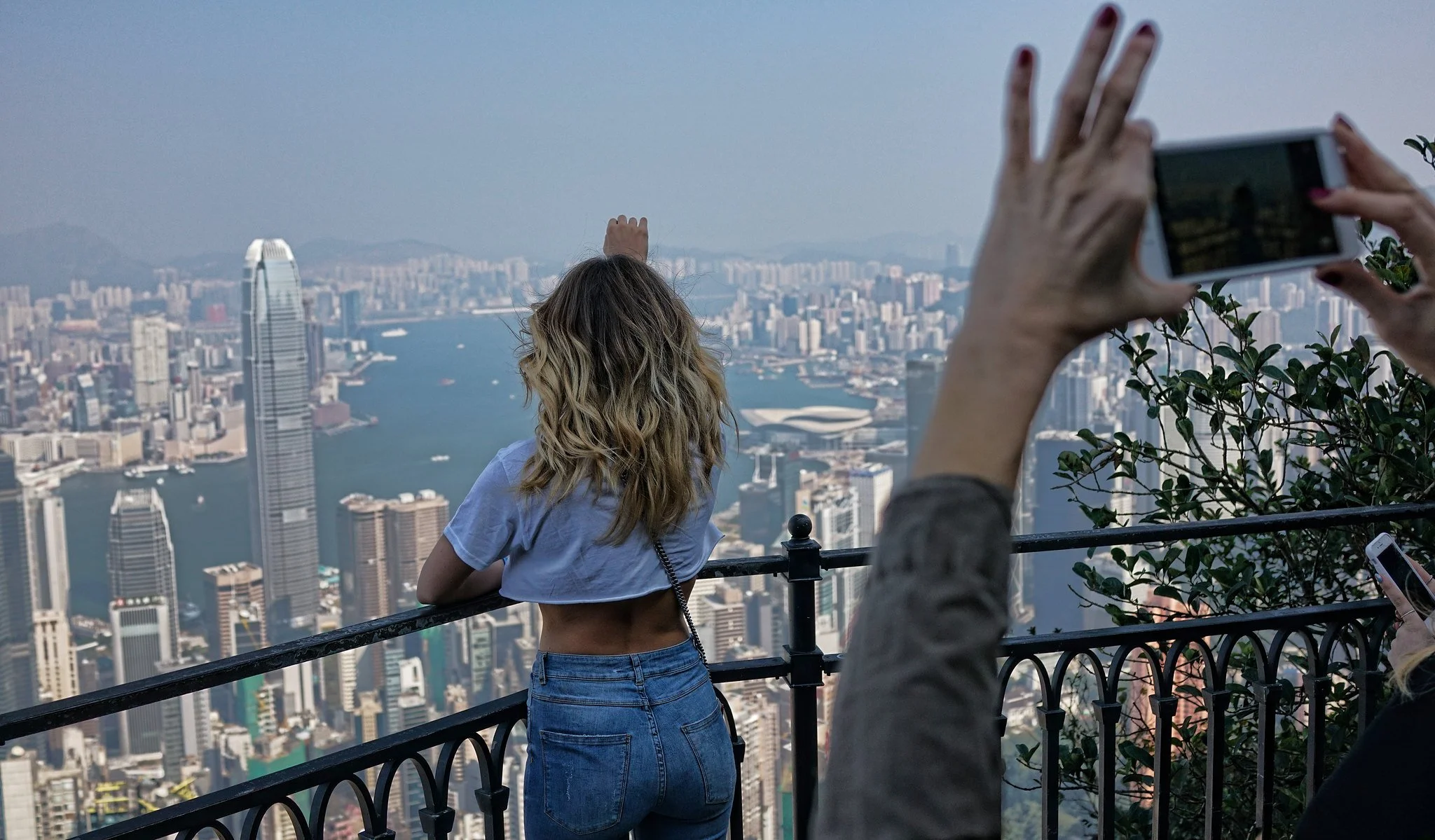
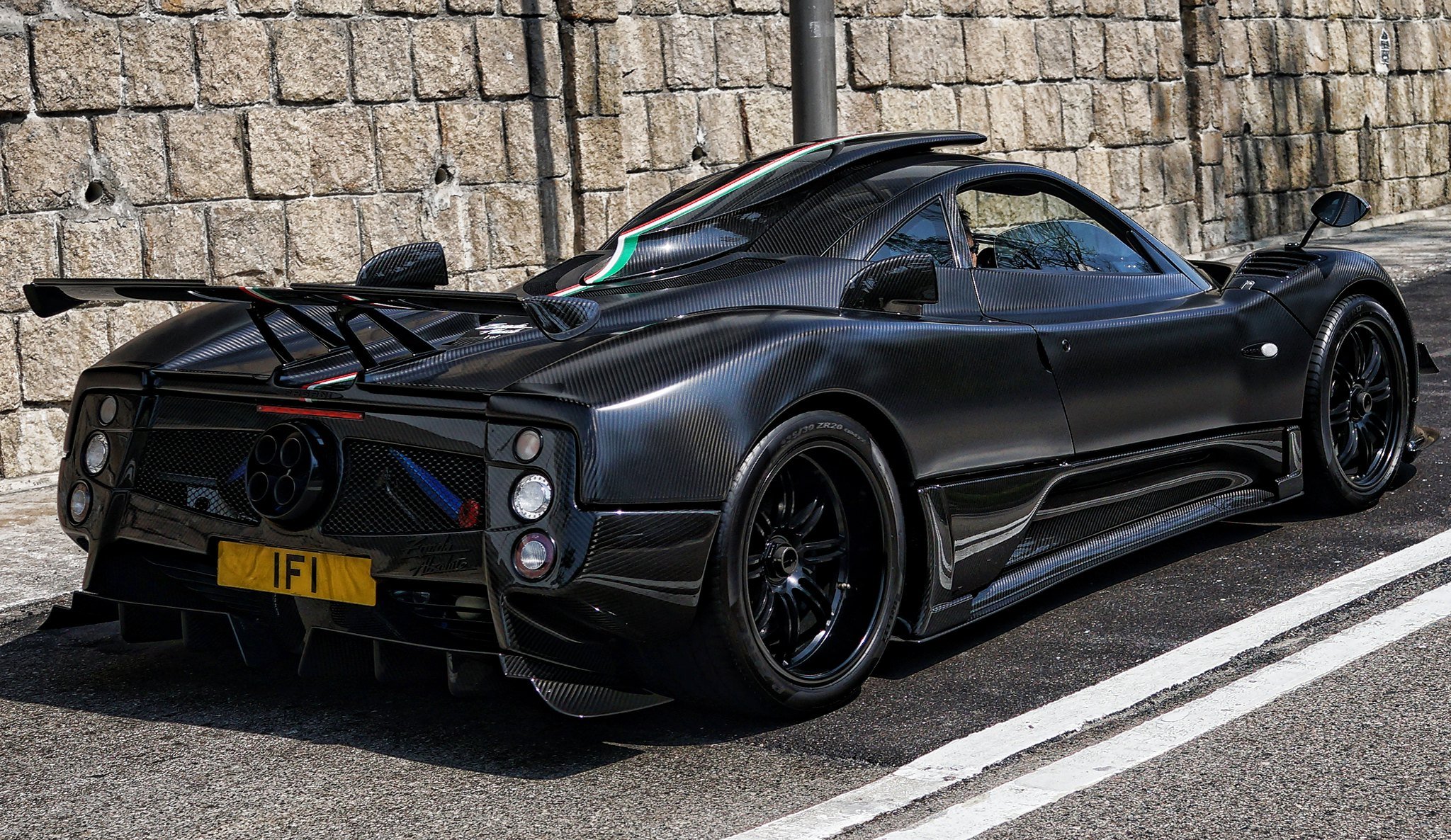
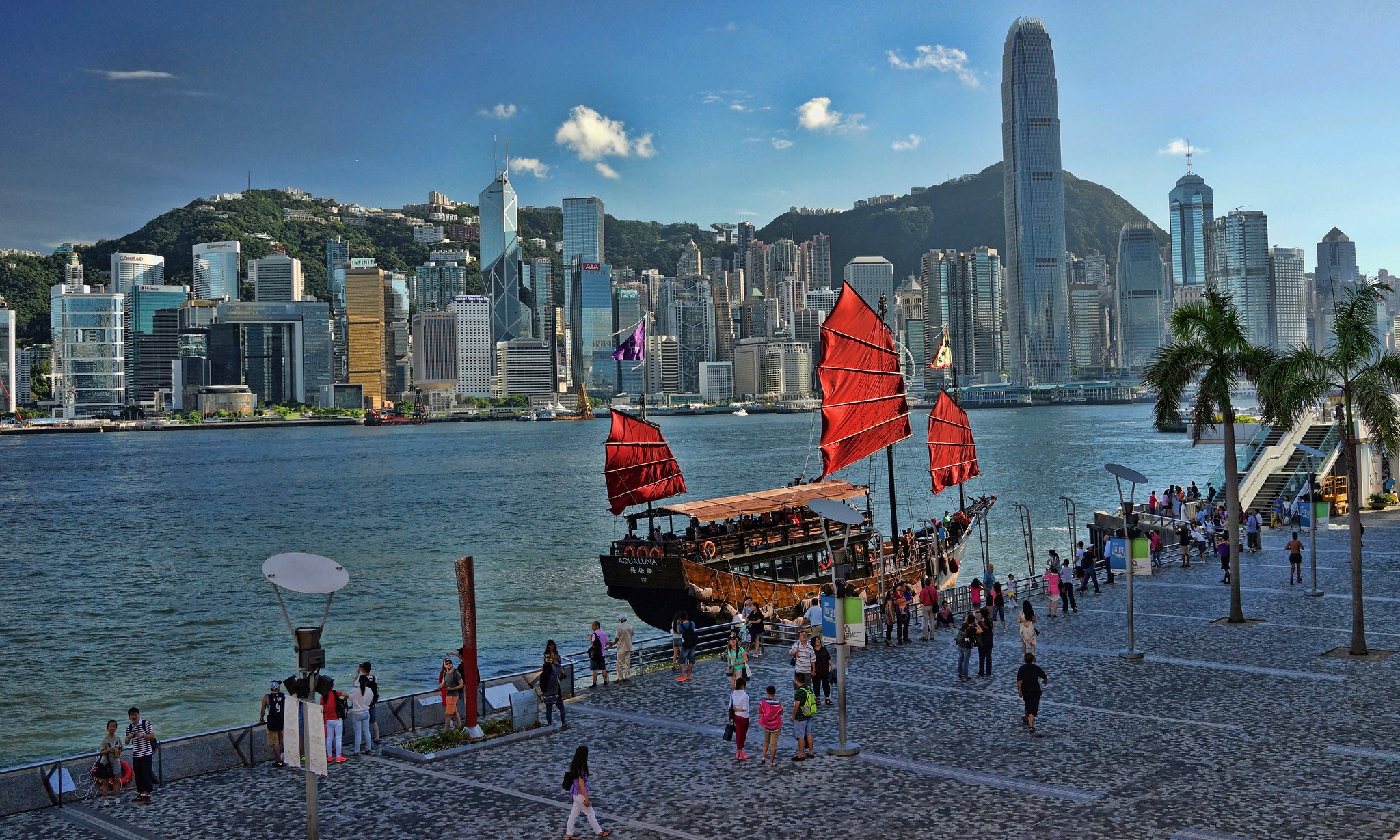
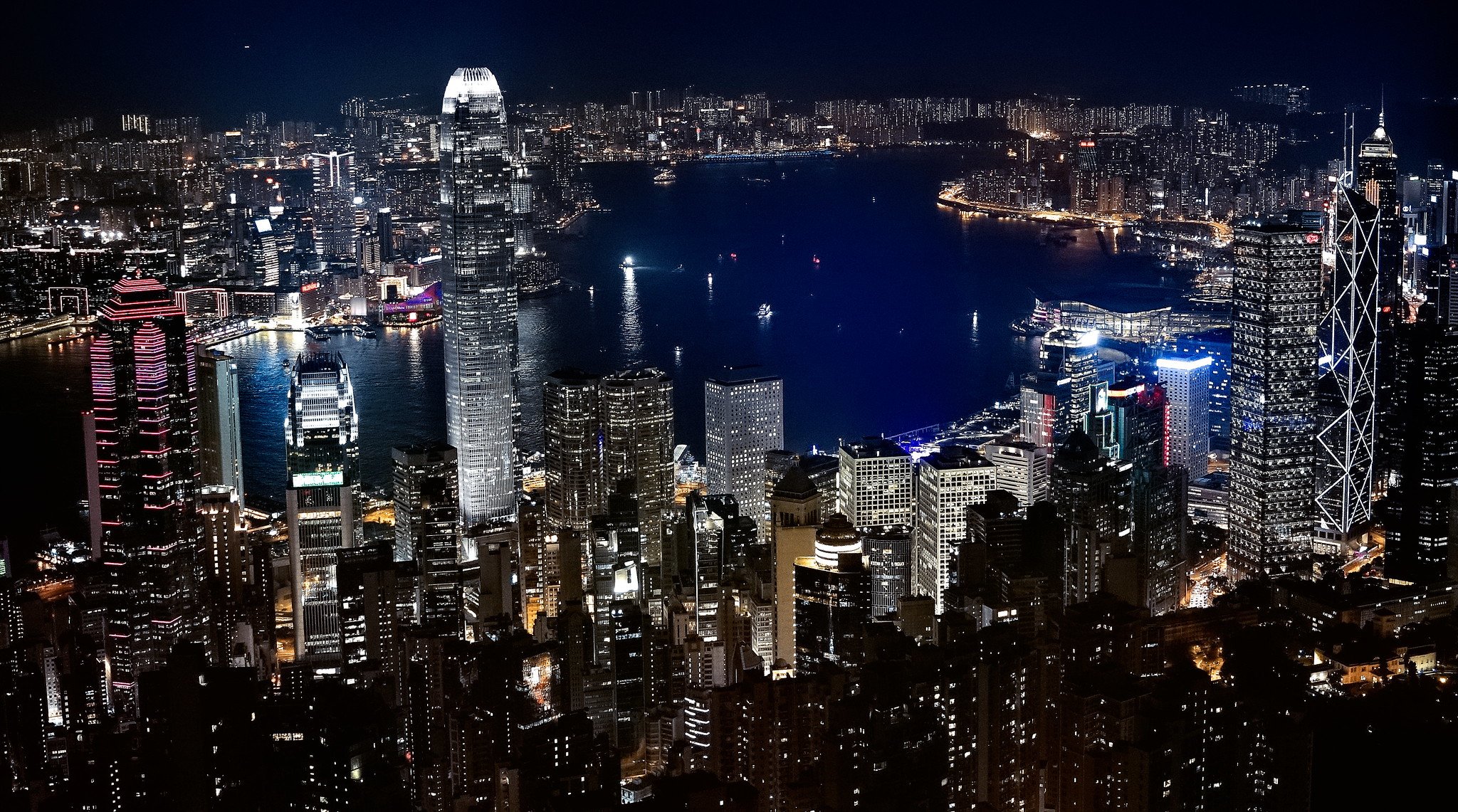
click on any image to enlarge
© Copyright Acknowledged | All rights reserved | all images taken b Jamie
Jamie’s Hong Kong | Some of my favourite images | Hong Kong 101
© Jamie Lloyd | J3 Consultants Hong Kong | J3 Private Tours Hong Kong |
| 2010 - 2026 All rights reserved. |
Click on any image to enlarge to full screen
Current images from my Instagram feed