Insider tips for a day out on Lantau Island in Hong Kong
Tai O Fishing Village, NP 360 Cable Car and The Big Buddha
The J3 Group - Premium Quality Private Tours | Experiences and Insider Chats since 2010
Me Jamie, your host, I am English and I have lived in Hong Kong since January 2nd 1972 - I know the place.
A meaningful blog post with a difference - tips on Travel, Tourism, Tours, Daily Life and my personal thoughts on Hong Kong.
Please do visit Amazing Hong Kong
Hong Kong | Pearl of the Orient
Customised Private Tours + Experiences in Amazing Hong Kong
Jamie has lived in Hong Kong - Pearl of the Orient for 50+ years
Carefully Crafted Personalised and Customised Itineraries by Jamie | Hong Kong’s Most Experienced Private Tour Guide for : Solo Travellers Friends Families Seniors Couples Business People MICE Delegates.
Private Tours Cultural Tours Walking Tours Sightseeing Tours City Tours Night Tours Layover Tours Transit Tours Private Shore Excursions Bespoke Tours Personalised Tours Jewish Heritage Tours Luxury Private Tours Day Tours Luxury Boat Tours Themed Tours Private Family Tours Private Day Tours Corporate Tours
Just you, your family or friends and Jamie your personal English private tour guide - over 2,400+ tours completed since 2011 - Jamie offers quality Private Tours of Hong Kong
Tour Group Size 1 - 6 people only
J3 Group Hong Kong | J3 Consultants Hong Kong | J3 Private Tours Hong Kong
Creating Memories That Will Last A Lifetime
Go here for the Hong Kong Michelin Restaurant Guide which includes the Bib Gourmand Category

Hong Kong Through the Eyes of Someone Who's Seen It All Unfold
Not Just a Tour - A Conversation with Hong Kong's Past & Present
click on the image to enlarge
© Copyright Acknowledged | All rights reserved | image take by Jamie
Hong Kong Culture | The Awesome Lantau Island Tour | Hong Kong
Probably the most popular Private or Group Tour you can do in Hong Kong and also as a tourist NOT doing any sort of Tour
Lantau Island Tour Tips: Maximizing Your Experience with Real-World Advice
Lantau offers stunning contrasts—serene Big Buddha, peaceful Po Lin Monastery, scenic Ngong Ping 360 cable car, and authentic Tai O fishing village. But to make it first-class, focus on efficiency, honesty about logistics, and avoiding common traps.
Watch out for misleading Lantau Island tour itineraries which are rampant - I urge you to check the small print!
click on any image to enlarge
© Copyright Acknowledged | All rights reserved | all images taken b Jamie
Hong Kong Lantau Island a Day Out To Remember
The Big Buddha | Po Lin Monastery
The NP 360 Cable Car | The Tai O Fishing Village
1. Plan Your Route and Timing (Prioritize Efficiency)
Classic highlights: Go to Tai O first (stilt houses, boat rides, local vibes), then Ngong Ping (Big Buddha + Po Lin Monastery).
Start early - Reach Tung Chung by 9 am. Weekdays beat weekends/holidays for fewer crowds
Realistic full day: 8 - 10 hours total (including travel). Factor in real buffers - many operators understate this.
Key honesty check: A lot of companies list "6–7 hours" but omit 1-hour travel each way from downtown + slowdowns from groups. Result? Less meaningful time at Tai O (exploring paths, boat ride) and Big Buddha (steps, monastery peace). Be upfront: True immersion needs time, not rushing.
Lunch tip: Skip formal sit-down meals (often 30 - 40 minutes + pricey). Quick snacks (e.g., street food in Tai O or or a 7 - 11 stop) save time and money - better for enjoying attractions than waiting at tables.
2. Getting There (Insider Logistics)
MTR Tung Chung Line from central HK (TST/Central/Hong Kong Station) - Tung Chung (~1 hour realistic, including waits/changes).
Pro tip: Board at Hong Kong Station (terminus) for guaranteed seats on the orange line to Tung Chung. (this is the first stop) From TST, more stops + Lai King change (often 8 - min wait) = extra hassle.
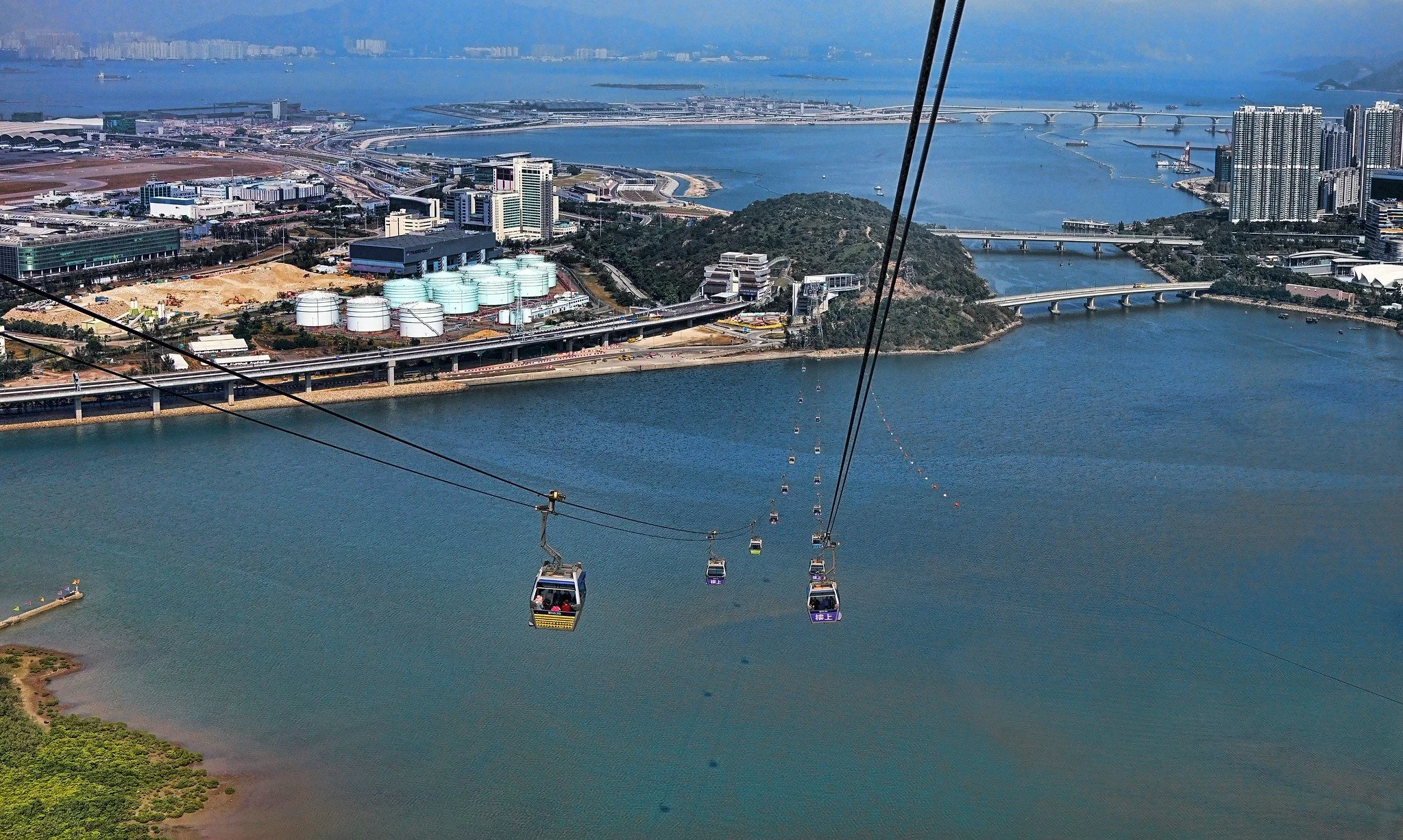
Ngong Ping 360 cable car (25-min ride, stunning views both ways and yes the view is the same no matter which you go - mountains, sea, airport): - it is important to note that the Big Buddha does not open until 10am and is very crowded up until Mid Afternoon and I do mean very crowded
Best strategy: Reverse order - Tai O first (Bus 11 from Tung Chung - 45 min), explore, then Bus 21 or blue taxi to Ngong Ping and the Big Buddha, cable car down to Tung Chung late afternoon (aim 4:30 - 5 PM descent).not many people waiting in line
Why? Uphill queues are crazy 7 days a week from 9am onwards (especially mornings). Descending avoids them entirely. Views are comparable either direction - no loss.
Current hours (as of Feb 2026): Weekdays 10 AM - 6 PM; weekends/public holidays 9 AM - 6:30 PM. Check np360.com.hk for festive variations or maintenance (e.g., scheduled closures like early March 2026).
Book tickets online ahead (standard/crystal cabins); one-way descending works well in reverse routing.
Bus options: Cheap/reliable (Octopus card essential). Avoid relying on limited blue taxis there are only 75 of them however if you call for one from an app, telling them that you will pay an extra HK$100 on top of the fare in cash may work a miracle as you can easily wait for an hour to get a blue cab and only blue taxis can go to Tai O or the Big Buddha
3. Key Attractions: Focus on Quality Time
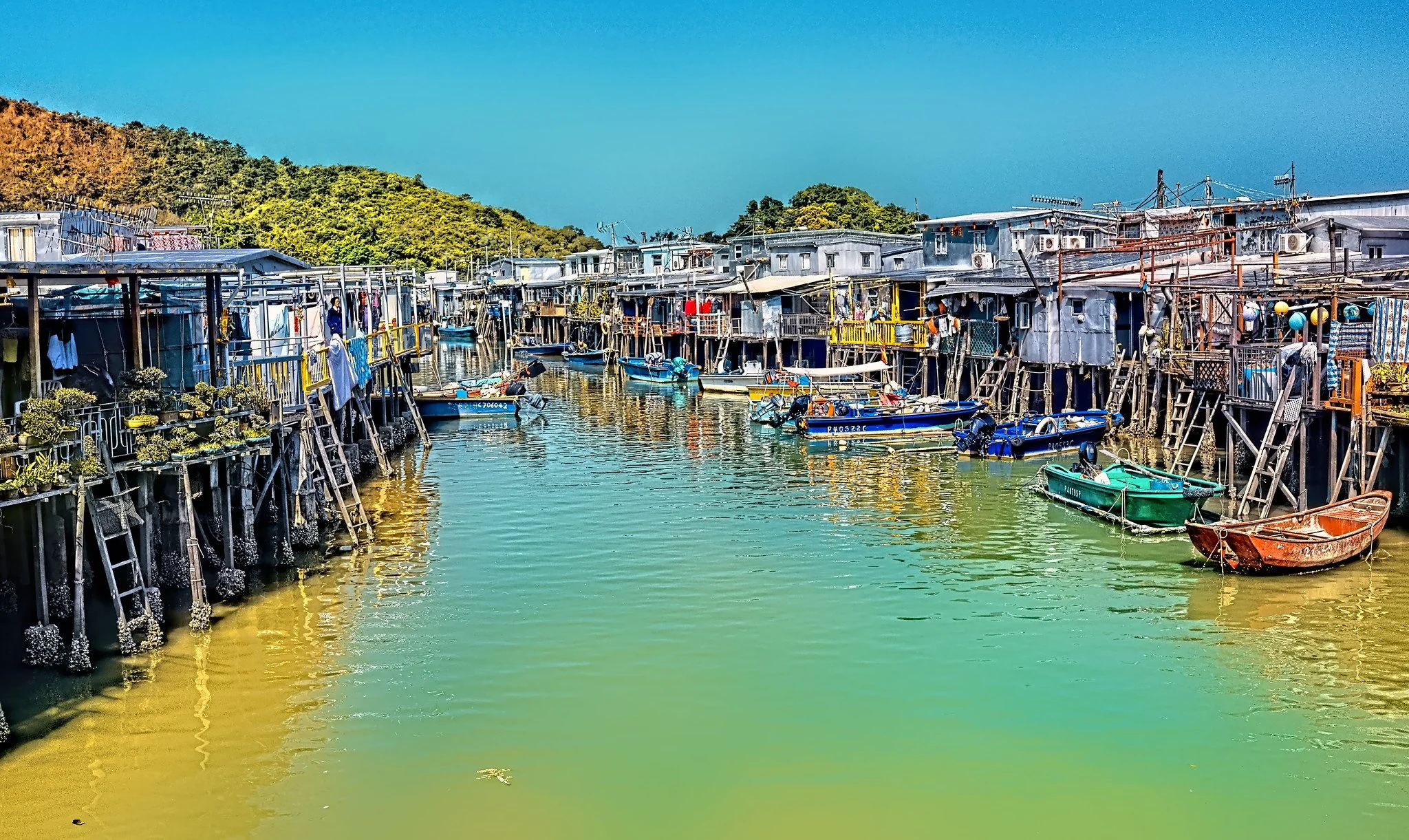
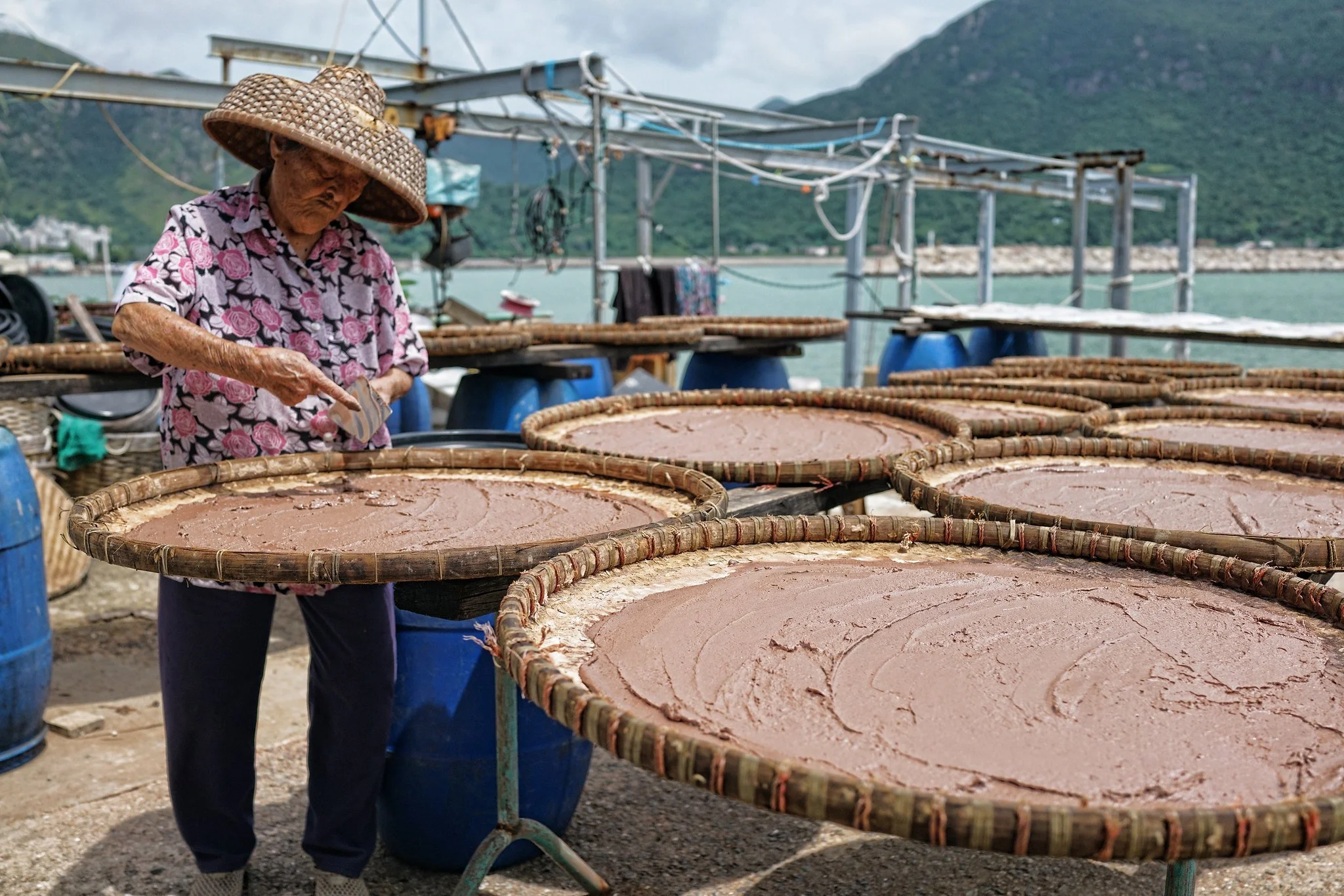
Tai O Fishing Village: Authentic working village - stilt houses, dried seafood, shrimp paste, short boat rides (~HK$30 - 50 per person for dolphin spotting/village views). Arrive early (or first) for peaceful narrow paths and local snacks.
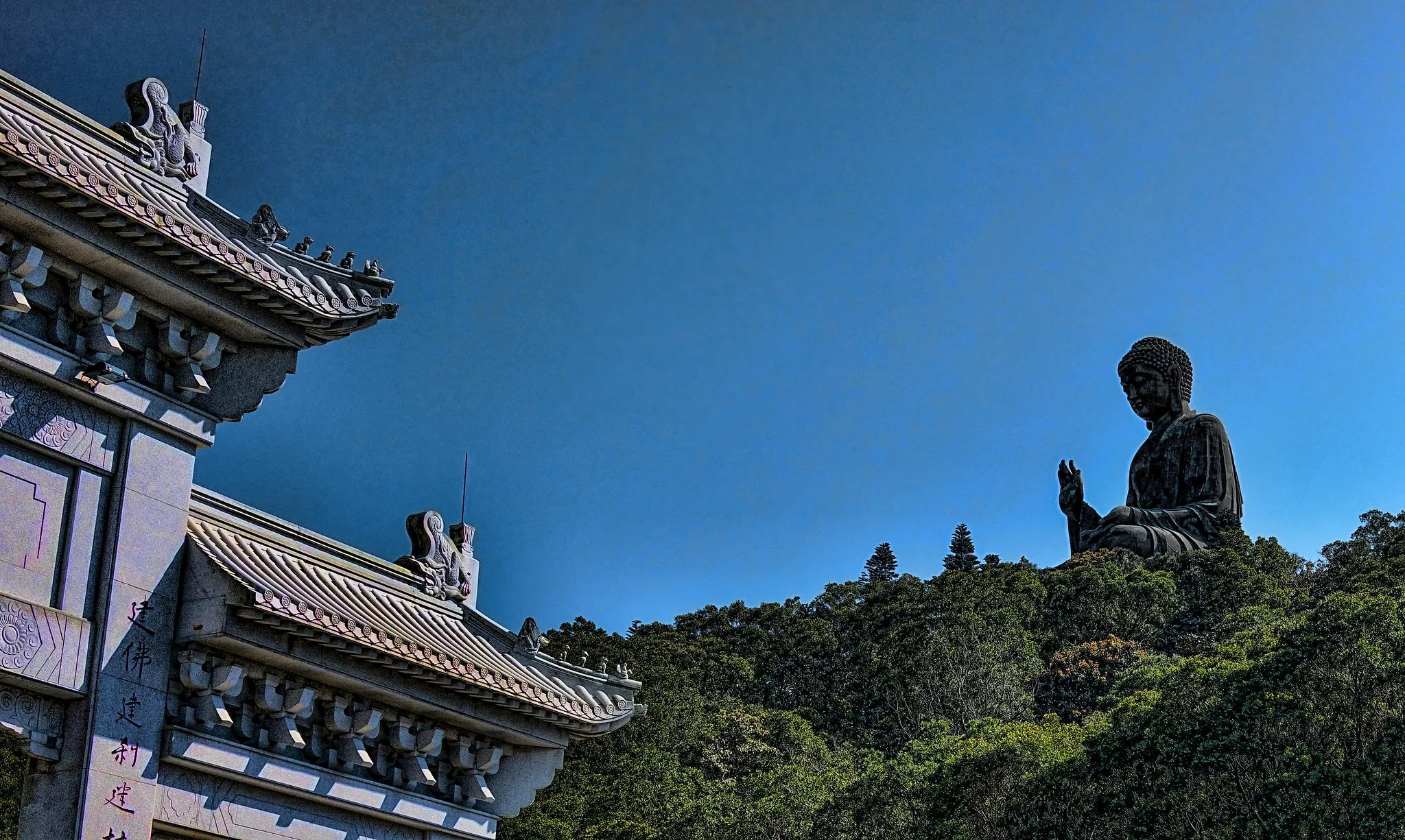
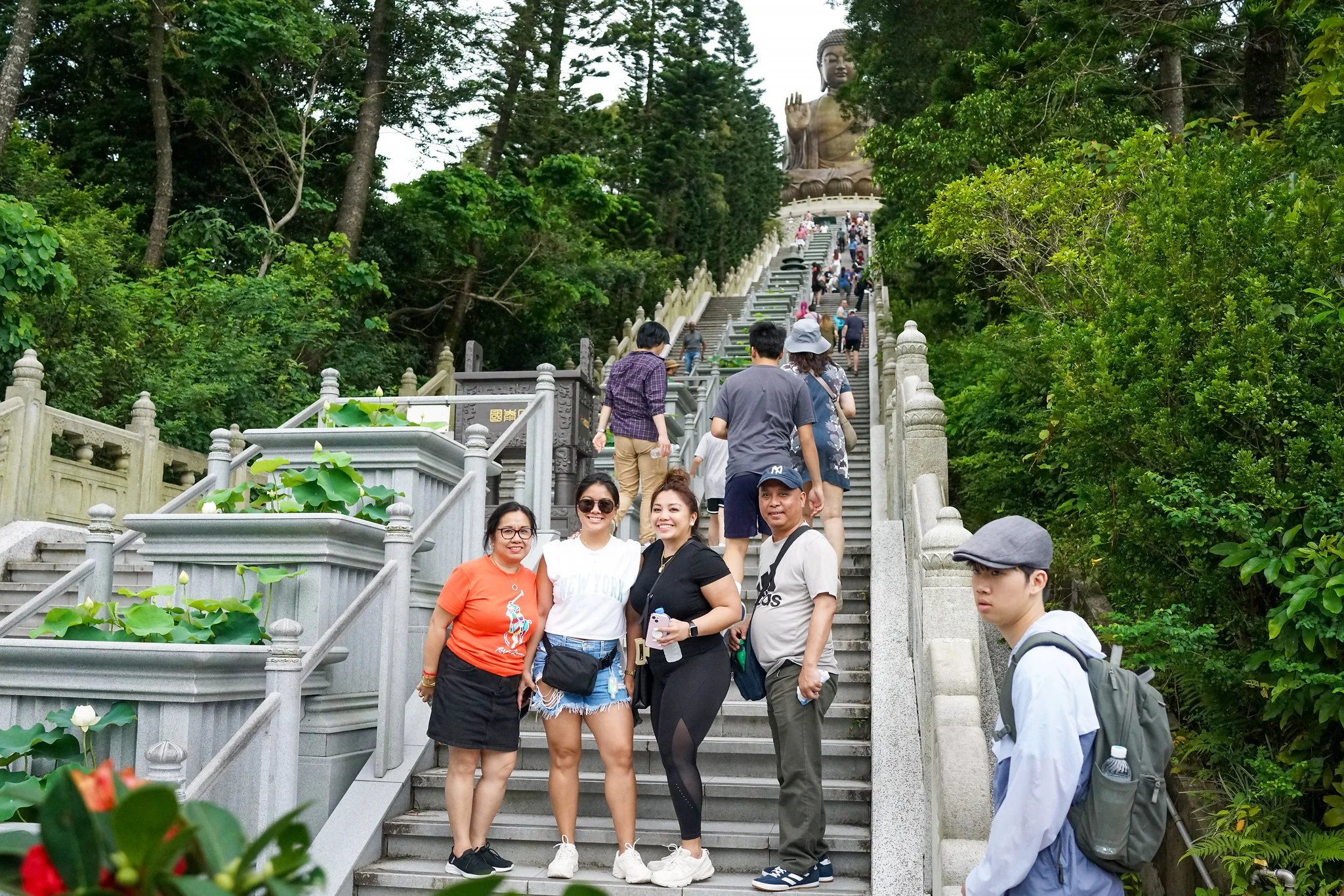
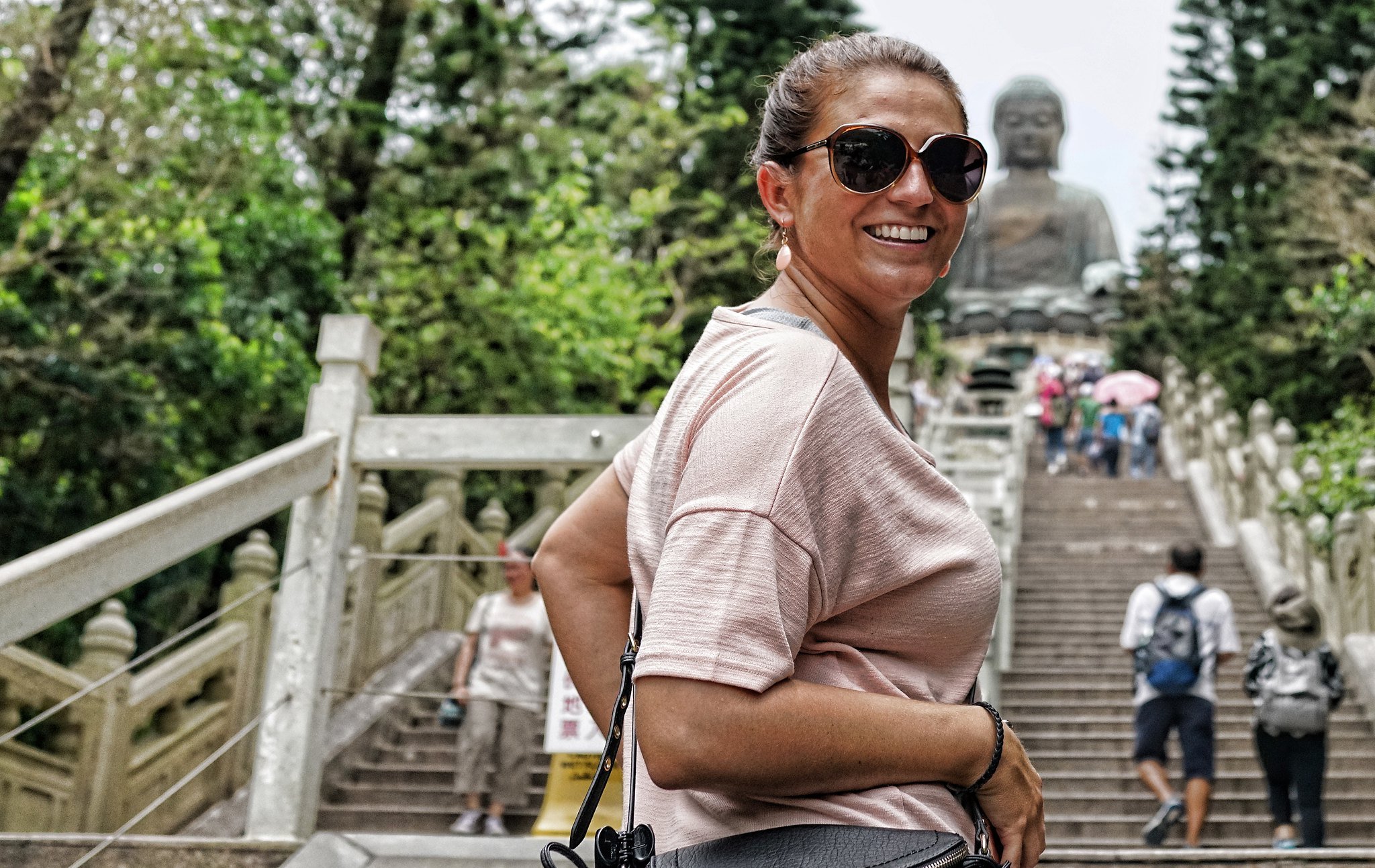
Big Buddha/Po Lin: 268 steps for views (worth it on any day clear or cloudy), vegetarian meals at monastery if hungry. You cannot avoid Ngong Ping Village's overpriced shops selling food, snacks and souvenirs, the village is the only way to and from the Cable Car terminal to the Big Buddha and Po Lin Monastery
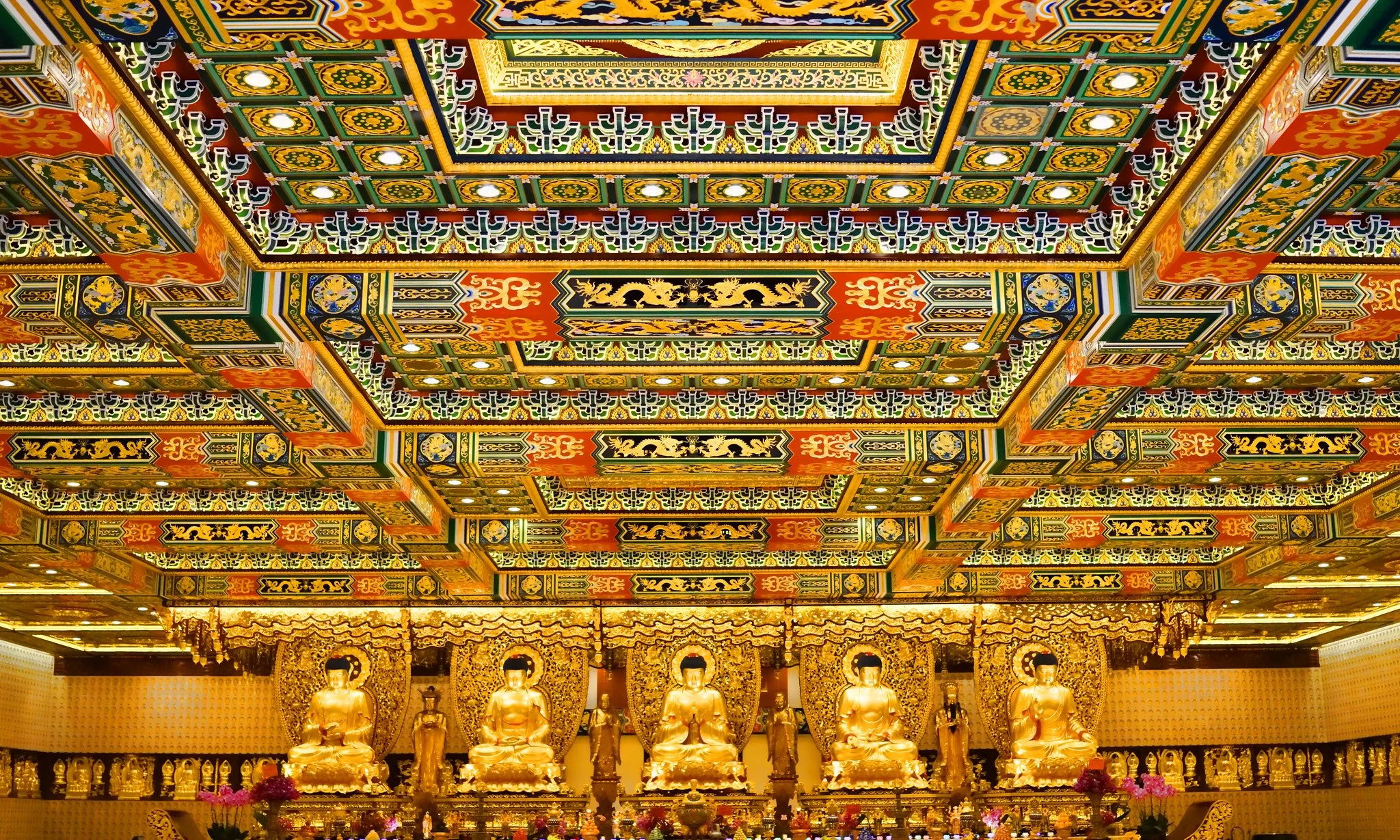
The Po Lin Monastery is next to the Big Buddha and there are two of them, the amazing one is behind the original and not many people know that unless they are with a guide, you have to walk up some additional steps to get to the new (2014) monastery
Pro: Small groups/private allow real conversations, flexibility (e.g., extra time at favorite spots), and no rushing.
4. Why Avoid Large Groups (15 - 40 People)? The Real Downsides
Everything slows: Strangers with different paces/interests - constant waiting, bottlenecks at steps/boats/buses.
Canned experience: Guide uses microphone/scripts (memorized facts, jokes) - no personal one-on-one chats or tailored adjustments.
Overwhelmed guide: Can't handle individual needs; rushed pace means superficial visits and quite often at the Big Buddha they leave you to explore the Buddha and the Monasteries on your own
From experience (and many reviews): Groups of even one family can drag if > 7 or 8; 15+ turns it into herd movement. You'd often have a much better, more enjoyable day DIY (MTR + buses) or with a small private tour (max 6) than stuck with 15- 40 strangers and a totally overwhelmed guide
Many operators downplay this - promising "air-conditioned coach" but delivering public buses, hidden extras, or pressure for tips/reviews. Private/small keeps it first-class: upfront about everything, more immersion, no compromises.
For the record the public buses on Lantau Island are excellent, clean, aircons and not as crowded as you think
oh and cars and private buses have heavy restrictions on Lantau Island and only a tiny number of them can go to Tai O and the Big Buddha, which is why you take a cable car, a public bus or a blue taxi
5. Practical Advice for a Smooth, Honest Day
Purchase the Octopus card: Covers all MTR/bus/ferry seamlessly.
Gear: Comfortable shoes (lots of steps/walking), water, sun protection, modest clothing (for the monastery).
Weather: Cable car closes in strong winds/typhoons - check ahead on the NP 360 website (link above)
Booking a tour? Prioritize providers transparent about group size (ideally a maximum of 6 - 8 people), real timings (including travel), inclusions (cable car? boat?), and routing (Tai O first if possible). Read detailed reviews for recurring issues like rushing or misleading logistics.
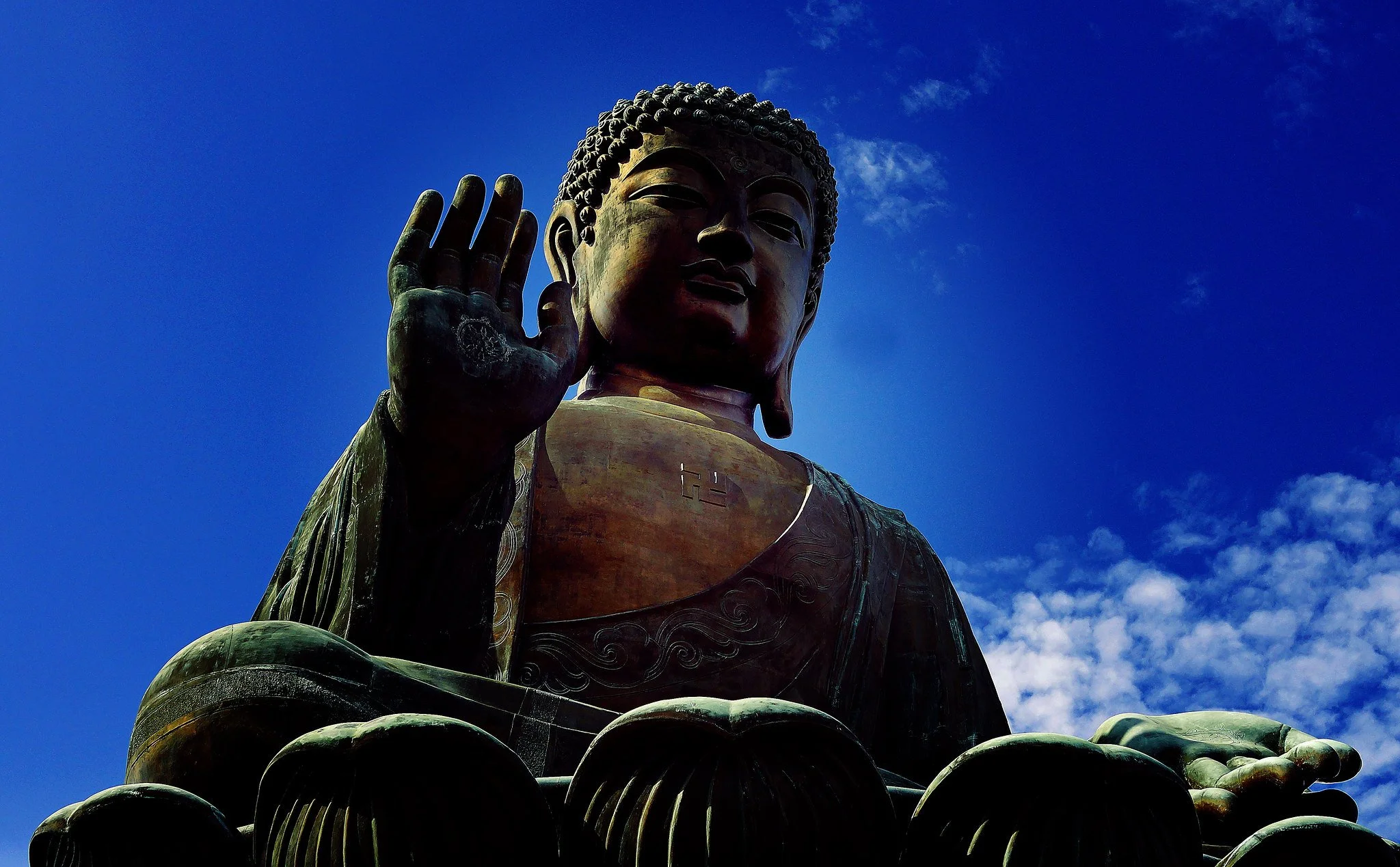
The Tian Tan Buddha (Big Buddha)
Origin and Development
The Tian Tan Buddha, also known as the Big Buddha, is a monumental bronze statue located at Ngong Ping on Lantau Island, Hong Kong. The idea for its construction was conceived in 1969 by the monks of Po Lin Monastery, who sought to create a significant Buddhist landmark to symbolize peace, prosperity, and harmony. The project gained formal momentum when the Committee for the Construction of the Tian Tan Buddha Statue was established by Po Lin Monastery on December 26, 1981, to oversee its design and construction. Construction actually began in 1983 and was essentially completed in 1989 but only opened to the public in December 1993, in a nutshell the initiative was driven by the desire to promote Buddhist teachings and create a cultural icon for Hong Kong, reflecting the spiritual connection between humanity, nature, and faith
The Tian Tan Buddha (Big Buddha) in Hong Kong stands 34 meters (approx. 112 feet) tall in total, including its lotus pedestal and three-layer base. The bronze statue itself is 26.4 meters high, weighs 250 tonnes,
Please note that you have to walk up 268 steps to get this close to the Big Buddha, it is worth the effort and please note I personally think that visiting the Buddha when it is foggy is really amazing particularly when it peeks out throgh the fog
… and in Hong Kong we just refer to it as the Big Buddha
The Po Lin Monastery at Ngong Ping
Origin and Development
Po Lin Monastery, located at Ngong Ping on Lantau Island, was founded in 1906 by three monks from Jiangsu Province: Venerables Da Yue, Dun Xiu, and Yue Ming. Initially called the “Big Thatched Hut,” it was a modest retreat for meditation, far from Hong Kong’s bustling urban center. In 1924, it was officially renamed Po Lin Monastery, meaning “Precious Lotus,” symbolizing purity and enlightenment. The monastery grew over time, becoming a significant center for Buddhist practice and Chinese cultural heritage and yes, the Monastery is famous for lotus flower displays
The NEW Po Lin Monastery which opened in 2014 is shown in the image above the original monastery is directly in front of it
The Ngong Ping 360 Cable Car (NP 360) and Village
Origin and Development
Ngong Ping 360 is a 5.7-kilometer bi - cable gondola lift system connecting Tung Chung to Ngong Ping, designed to enhance tourism to the Tian Tan Buddha and Po Lin Monastery. Initially called the Tung Chung Cable Car Project, it was rebranded as Ngong Ping 360 in April 2005 to reflect its panoramic 360-degree views. The cable car opened to the public on September 18, 2006, after a trial run and safety improvements following Typhoon Prapiroon’s damage in August 2006. The adjacent Ngong Ping Village, a 15,000-square-meter retail and entertainment center, was built to complement the cable car, offering shops, restaurants, and some cultural attractions
The views from the Cable Car are simply amazing and please review the NP 360 Cable Car website for options and details
The NP 360 Village connects the cable car terminal to the Big Buddha, it is a solid 15 minute walk for normal people, lots of restaurants, bathrooms and souvenir places and convenience stores, it absolutely serves a purpose
The Tai O Fishing Village
Origin and Development
Tai O Fishing Village, located on the western coast of Lantau Island, Hong Kong, traces its origins back to the Ming Dynasty when fishermen began settling in the area, drawn by its strategic location at the confluence of the Tai O River and Creek. Named "large inlet" for its waterways, the village became a significant fishing and trading port, with its iconic stilt houses (pang uk) emerging in the 19th century to adapt to the tidal environment, primarily built by the Tanka people. Archaeological evidence suggests human activity in the region dates to the Stone Age, but permanent settlement is documented from about three centuries ago, with the village peaking at a population of 30,000 due to thriving industries like salt and fish production.
Over time, Tai O faced challenges, including a decline in traditional industries, leading to a population drop to around 2,000 today with some estimates at 3,000 - The village endured natural disasters, such as a major fire in 2000 that destroyed many stilt houses, and modernization pressures, yet it retains its cultural heritage through traditions like the Dragon Boat Water Parade, recognized as Intangible Cultural Heritage in 2011. Efforts to preserve its character include the transformation of the 1902 marine police station into the Tai O Heritage Hotel and a 2013 government revitalization project, though concerns persist about the fading fishing lifestyle as younger generations move away and tourism grows.
For some reason and I simply do not understand why but people still refer to the Tai O as the “Venice of the East” which is ludicrous, I have been to Venice and there is simply NO comparison, Tai O is unique in Hong Kong and just enjoy the place and ignore silly labels
Finally, 2025 saw Tai O being swamped by record numbers of visitors and it seems to be getting worse in 2026 and that is because of the huge numbers of tour groups flooding the place, this is why it is better to visit the Tai O Fishing Village in the morning and not in the afternoon
Hong Kong Lantau Island Tour - Options
My introduction to Lantau Island was a not so memorable one, it was in early 1972 and a spring break “camp” so to speak and the chosen place was the Po Lin Monastery on Lantau Island and back then there was no Big Buddha, there was no NP 360 Cable Car, it was out in the boonies 101 and I hated our time up there in the mountains slumming it in a 1 star hostel
We stayed in the Hostel at the Monastery and the purpose I guess was to show us young kids from well off families that there is a different side of life to the one we lived. Lesson learned and lets move on.
… and yes, I have been going back ever since but mainly to the Tai O Fishing Village which has not changed much since I was kid
Everything changed on Lantau Island in 2006 when the NP 360 Cable Car opened, the Big Buddha had already opened in 1993, the Government spent a lot of money building road access between Tung Chung and the Big Buddha and then onto Tai O but for some reason (and even today) there is only one company allowed to operate a bus service to these locations and the bus frequency is still a major issue because of the massive influx of tourists and yes, because of strict laws (to protect the Island) regarding transportation you basically cannot access these places in a Private Car which require a special permit and those are very scarce indeed. so it is basically public transport (bus, taxi and the cable car)
The Cable Car was the game changer and I did my first Lantau Tour as described above in April 2011 and I have been doing them on a very regular basis ever since and now there are probably 50 - 60 Tour companies offering the tour
A word ofcaution, an inevitable development in Hong Kong has been the explosion of cheap group tour companies who list on Viator, Tripadvisor, Get Your Guide, Klook etc
These are not companies that have all the values that Private Tour Companies have, they offer group tours and I mean large group tours, typically between 20 - 50 in the group led by bored, robotic local guides who have to work to a memorised script and speak through a microphone, having been on them, well quite simply, they have one aim and that is NOT to lose a guest, they spend a lot of time doing head counts and herding you like cattle whilst yelling redundant facts and figures and they have no particular interest in one on one conversations if you have questions.
But that is not the worst of it (you get what you pay for) they use fake images on their listings and one company (who i have wrote about frequently and are now out of business) who offer 3 variations of exactly the same Lantau Island tour at 3 price points and try working out the difference? and in their case it is what they do not say that is the problem, it feels very much like bait and switch and remarkably Viator and others find this acceptable, but what do they care!
For most people the NP 360 Cable Car ride is what they really want to do and this companies case this is an optional extra, in other words you book the tour because of their amazing fake images on the listing and the super low price and at the end of the tour you are given the option of paying EXTRA for the Cable Car ride (which is very, very expensive) or taking on your own a public bus (and remember you are up in the mountains) and I am always speechless that more people do not complain about this, their listings have false information, false images and they really, really push you to write a 5 star tripadvisor review.
So what I am saying is that you really do get what you pay for and the cheap prices are just a lure, you must read the small print, oh and in most cases you barely get a competent tour guide and I do feel for them because it is the company that is unscrupulous not the poor guide.
On a much more positive note, my friends and I work to a different playbook.
I in general will only work with a maximum of 6 guest and these are not group tours where it is 6 strangers, my small groups are families or friends and most of the time it is just 2 people and you have my undivided attention for 8 hours and i actually know stuff and I am a bit of a storyteller.
Lets face it, you have booked me because I am English and have lived here since January 2nd 1972 and you actually want to learn something about Hong Kong because you are rather curious about this amazing city state with a long, long history, you will learn NOTHING of note on a cheap group tour or coach tour where you are with 20 - 50 other people, with me, it is just you and me and you can ask me anything you want, I have a reputation for speaking my mind, I am a one of a kind.
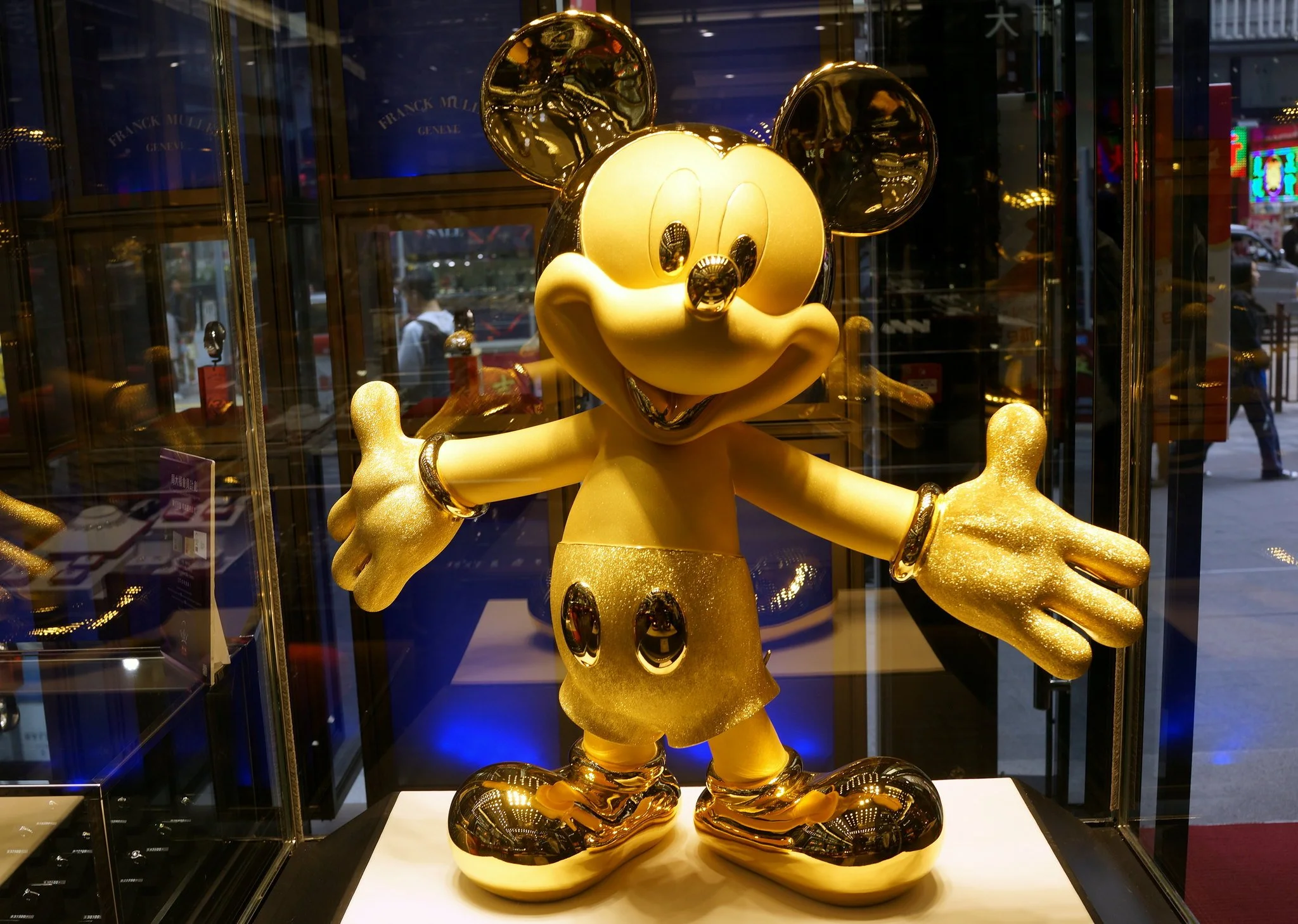
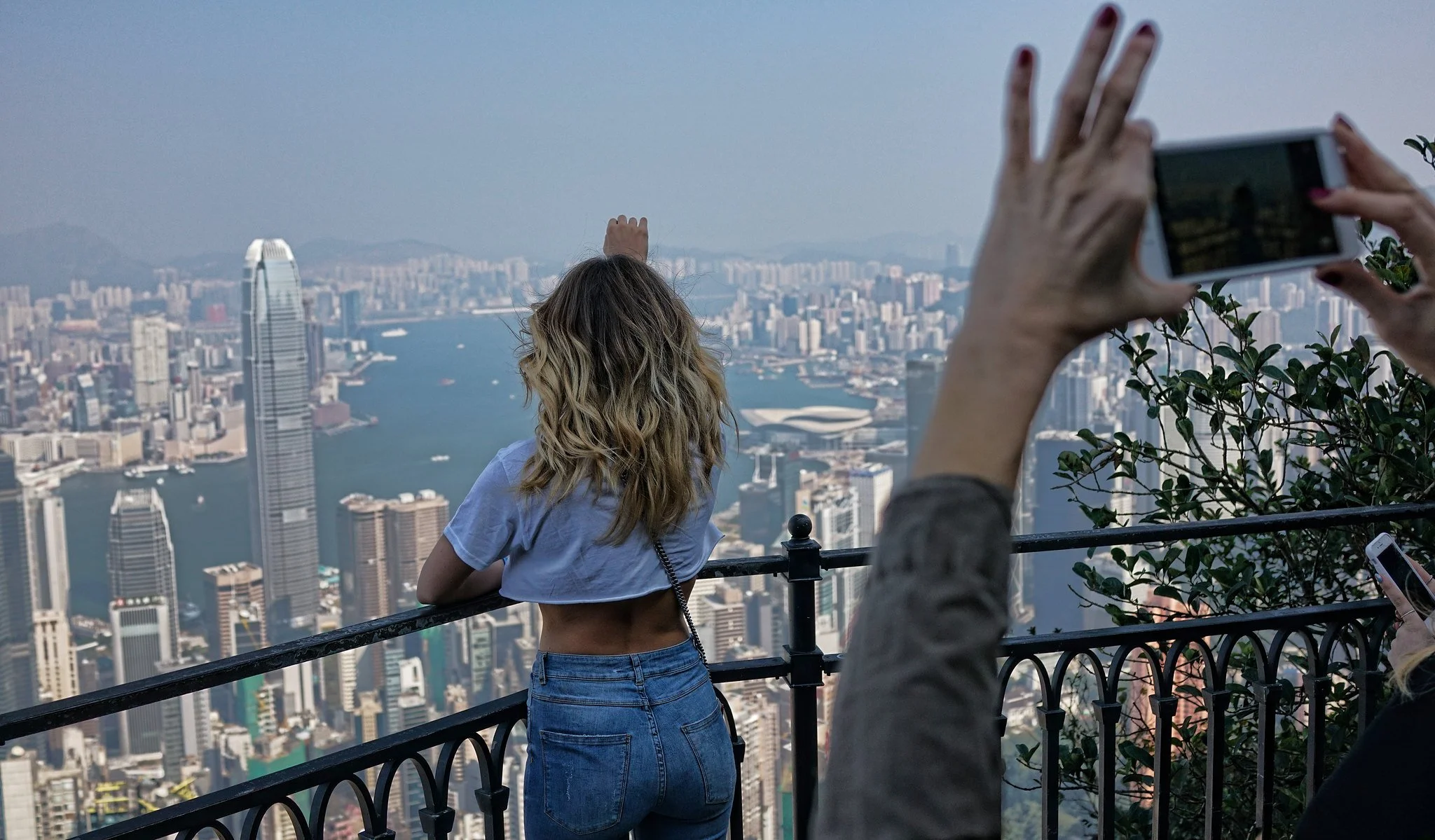
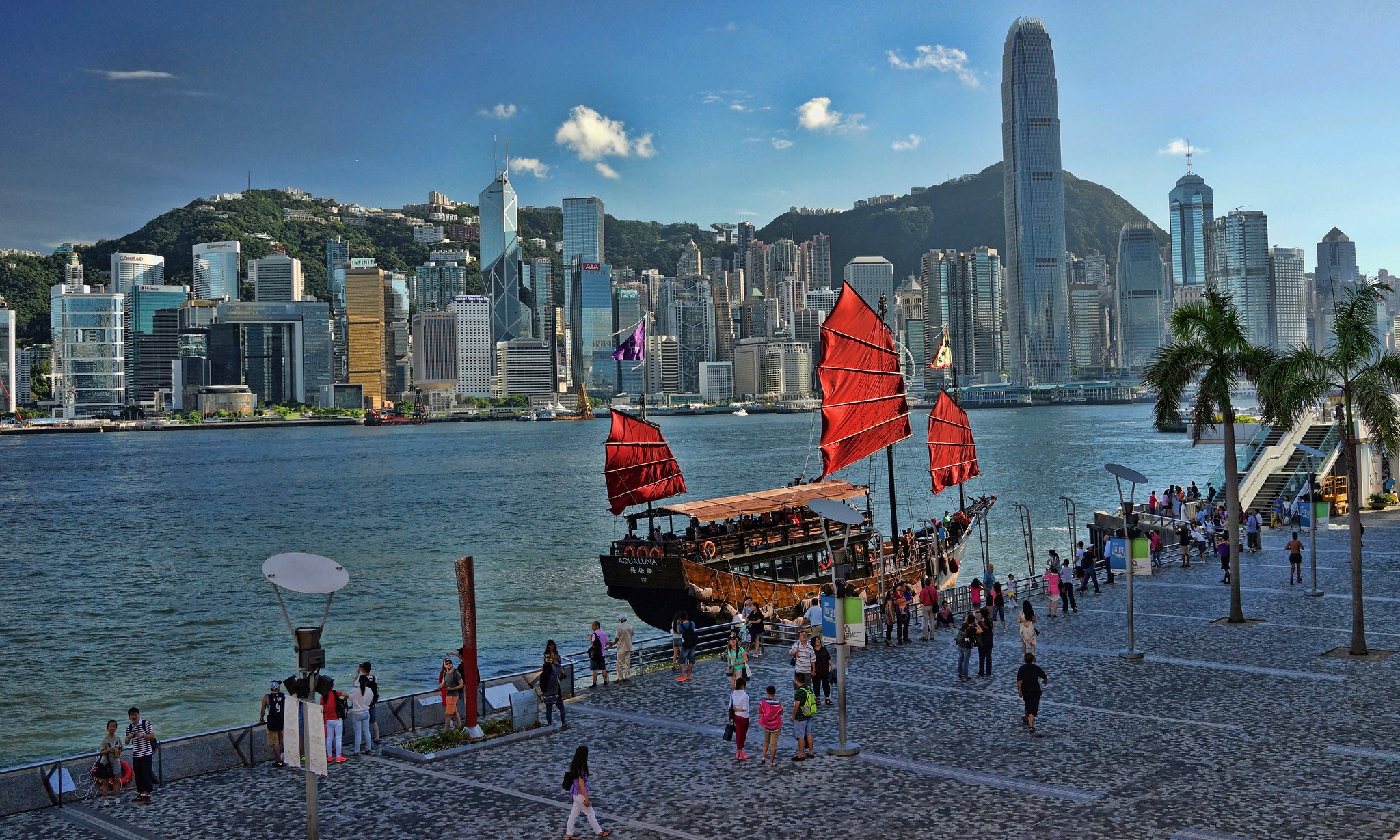
click on any image to enlarge
© Copyright Acknowledged | All rights reserved | all images taken b Jamie
Jamie’s Hong Kong | Some of my favourite images | Hong Kong 101
I do not do food tours in Hong Kong but I know people that do!
I am pleased to say a lot of Food Tour Companies will have egg tarts on their tasting menu
I have very specific reasons and part of it is that I do not speak Cantonese or write Chinese, I am from Yorkshire in England and I lack the language gene and it is not through lack of trying and yes a lot of restaurants do not have English menu’s or staff who speak conversational English.
.. and yet I have eaten at close to 1,400 restaurants in Hong Kong since January 2nd 1972, my wife was born in Hong Kong and we have been together over 40 years and her first language is Cantonese and a lot of her family are Chinese or half Chinese so I have never had much of an issue!
This does not translate to doing food tours though, yes, I could do them, no problem there but they would never ever be as good as the food tours done by my friends (see the 3 links above) most of their awesome guides are locally born Hong Kong Chinese and obviously food culture is part of their DNA, it is impossible for me to compete with that!
So please feel free to contact them for food tours
© Jamie Lloyd | J3 Consultants Hong Kong | J3 Private Tours Hong Kong |
| 2010 - 2026 All rights reserved. |
Click on any image to enlarge to full screen
Current images from my Instagram feed