Hong Kong Religion - Tsz Shan Monastery, Beauty in Tai Po Hong Kong
Planning a Trip to Hong Kong's Majestic Tsz Shan Monastery
The J3 Group - Premium Quality Private Tours | Experiences and Insider Chats since 2010
Me Jamie, your host, I am English and I have lived in Hong Kong since January 2nd 1972 - I know the place.
A meaningful blog post with a difference - tips on Travel, Tourism, Tours, Daily Life and my personal thoughts on Hong Kong.
Please do visit Amazing Hong Kong
Hong Kong | Pearl of the Orient
Customised Private Tours + Experiences in Amazing Hong Kong
Jamie has lived in Hong Kong - Pearl of the Orient for 50+ years
Carefully Crafted Personalised and Customised Itineraries by Jamie | Hong Kong’s Most Experienced Private Tour Guide for : Solo Travellers Friends Families Seniors Couples Business People MICE Delegates.
Private Tours Cultural Tours Walking Tours Sightseeing Tours City Tours Night Tours Layover Tours Transit Tours Private Shore Excursions Bespoke Tours Personalised Tours Jewish Heritage Tours Luxury Private Tours Day Tours Luxury Boat Tours Themed Tours Private Family Tours Private Day Tours Corporate Tours
Just you, your family or friends and Jamie your personal English private tour guide - over 2,400+ tours completed since 2011 - Jamie offers quality Private Tours of Hong Kong
Tour Group Size 1 - 6 people only
J3 Group Hong Kong | J3 Consultants Hong Kong | J3 Private Tours Hong Kong
Creating Memories That Will Last A Lifetime
Go here for the Hong Kong Michelin Restaurant Guide which includes the Bib Gourmand Category

A Resident since 1972 - Private Tours of Hong Kong with Jamie
The Best Things to do in Hong Kong
click on the image to enlarge
© Copyright Acknowledged | All rights reserved } image taken by Jamie
Tsz Shan Monastery in Tai Po | Majestic | Hong Kong
Foreword
As a Hong Kong resident for over five decades and someone who has guided almost 7.000 guests around Hong Kong since 2010, I always find places like Tsz Shan Monastery particularly special. even if I cannot visit them on a regular basis. Nestled in the hills of Tai Po and fairly close to the Mainland Chinese Border, this serene Buddhist sanctuary offers a profound contrast to the bustling urban life most of us know so well. It is not merely a tourist attraction but a living centre for spiritual practice and cultural preservation. In this expanded account, I delve much deeper into the buildings, facilities, and especially the iconic statue and museum to give the full richness this remarkable place deserves. I share everything I have gathered about its rich background, practical visit information, and my own thoughtful reflections to help fellow explorers plan their Hong Kong visit with confidence.
As of last count I have been just 3 times as a private tour guide which is about right given that it is not on anyone’s top 10 wish list to visit and it’s remote location does not help at all and a lot of people object to having to book a time slot in advance online.
Detailed History and Timeline of Tsz Shan Monastery in Hong Kong
Tsz Shan Monastery, located in Tung Tsz in Tai Po District, stands as a significant Chinese Buddhist monastery dedicated to preserving the teachings of Sakyamuni Buddha. The vision for this site came from Mr Li Ka-shing, founder of the Li Ka Shing Foundation, who has long held a deep affinity with Buddhism. The Foundation has invested more than HK$3.3 billion (approximately US$423 million) to cover land acquisition, construction, and ongoing operations, making it one of the most generously supported religious and cultural projects in Hong Kong and more on that a later on in this post.
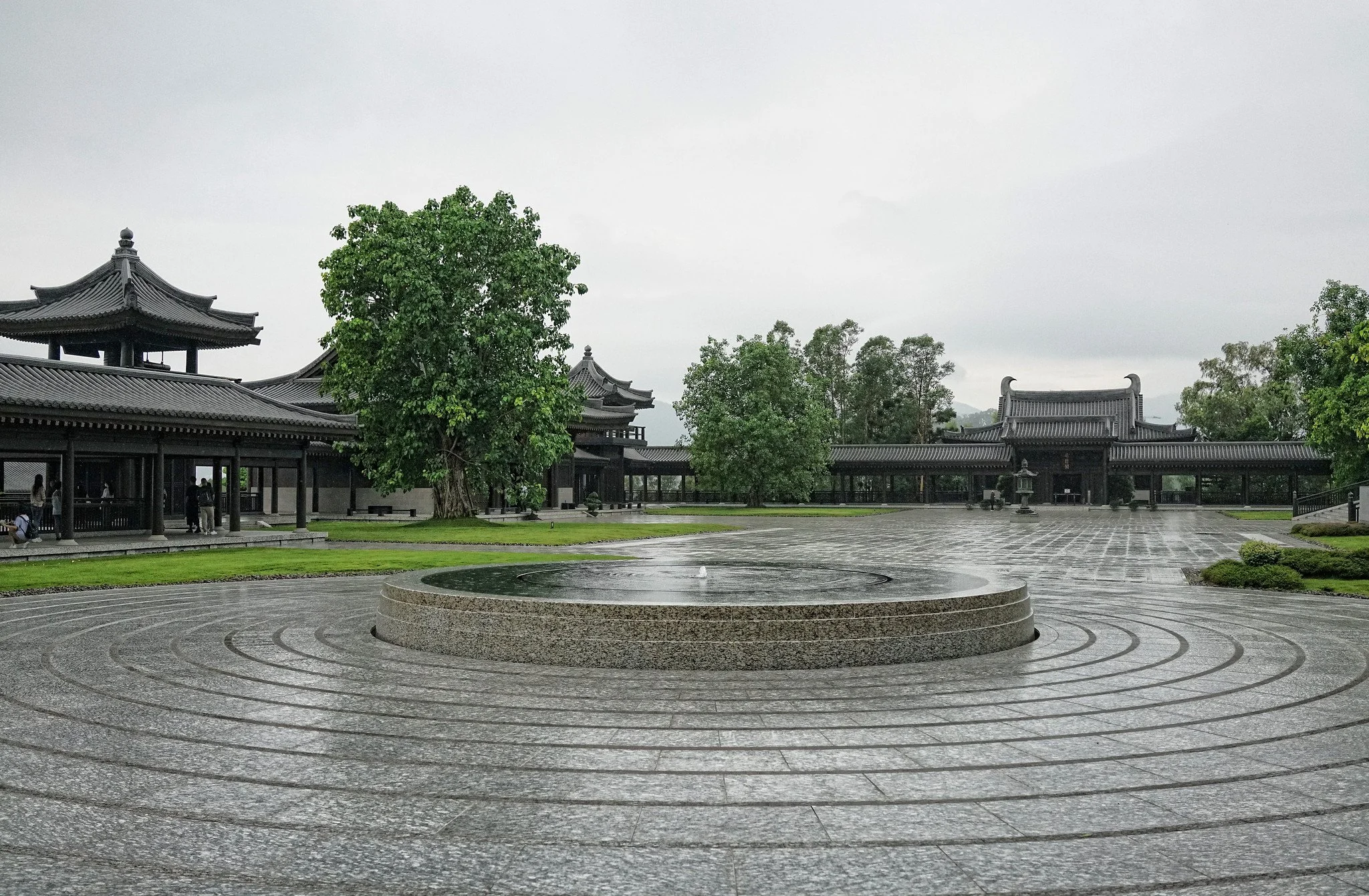
On 2 out of the 3 times I have been it has been raining and honestly that just adds to the moody atmosphere!
click on any image to enlarge
© Copyright Acknowledged | All rights reserved } images taken by Jamie
Tsz Shan Monastery in Tai Po | The Grounds | Hong Kong
Key Timeline:
1980s-2000s: The conceptual seeds are planted through Mr Li Ka-shing's philanthropic work and personal interest in Buddhist culture and giving.
2003: Planning and construction officially begin on the hillside site, chosen for its natural beauty and panoramic views and why do the best spots have to be at the top of a hill!
2014: Major construction completes after more than a decade of careful work.
April 2015: The monastery opens to the public, welcoming visitors to experience its tranquil environment and architectural beauty inspired by the Tang, Northern Song, Liao, and Jin dynasties (spanning roughly the 7th to 13th centuries).
March 2019: The Tsz Shan Monastery Buddhist Art Museum opens beneath the iconic Guan Yin statue. This marks Hong Kong's first museum dedicated exclusively to Buddhist art and relics, featuring artefacts from around the world in materials such as stone, wood, bronze, and more and I just love this Museum
2025: The monastery celebrates its 10th anniversary with publications like the book Eternity in Light, reflecting on its philosophy and impact. By May 2025, it has welcomed over 2.4 million visitors which is quite astonishing given it’s remote location
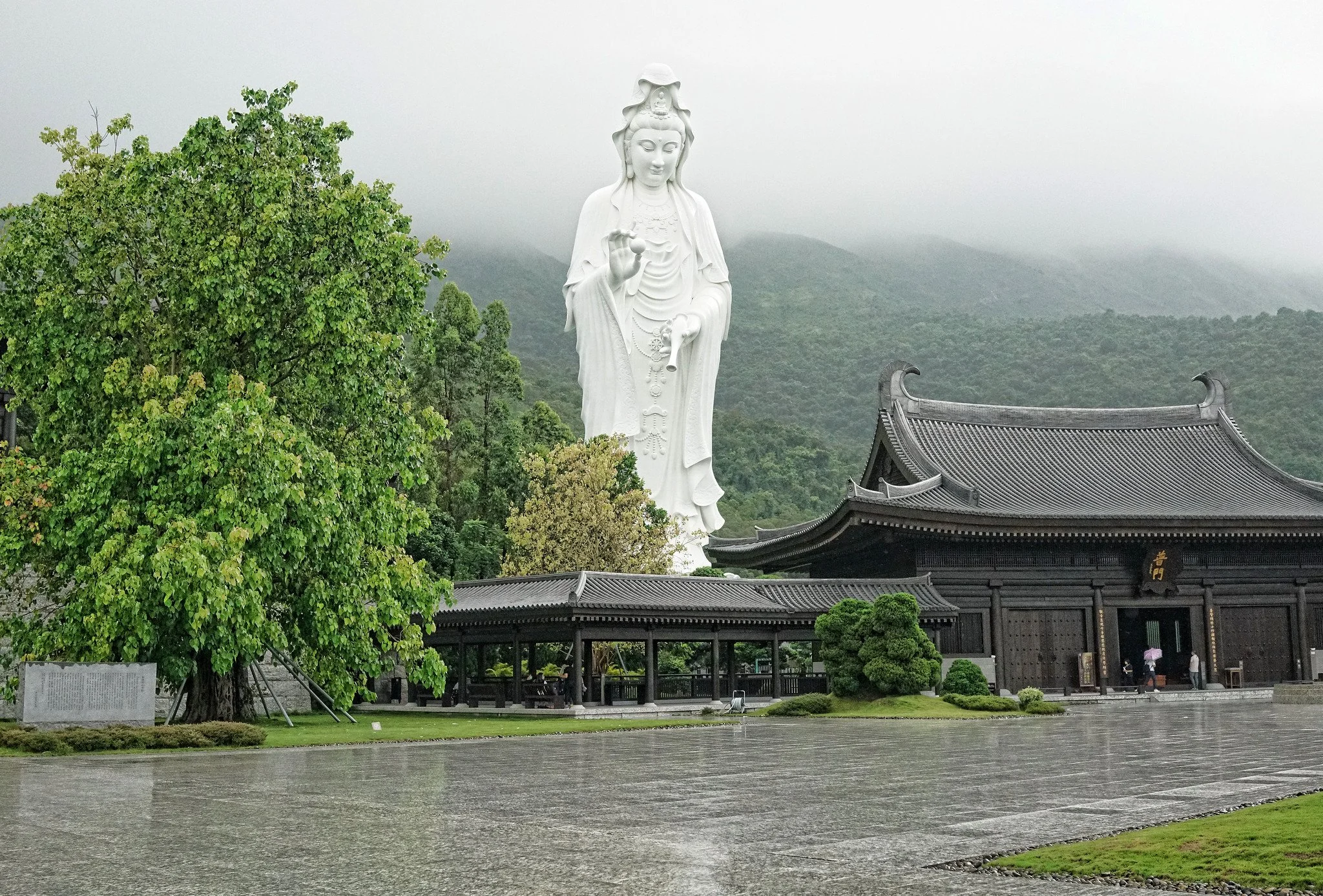
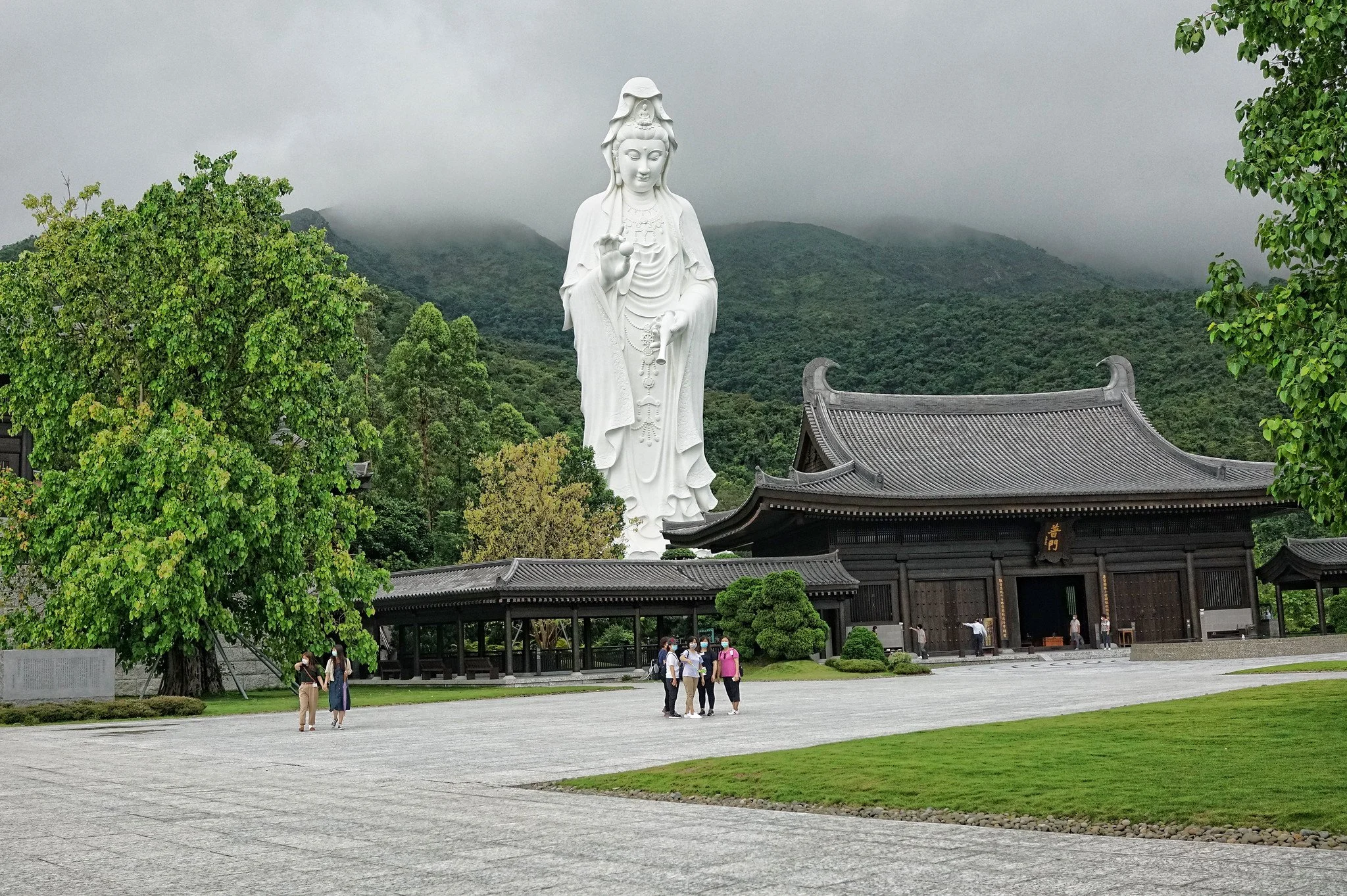
The monastery covers around 500,000 square feet and integrates harmoniously with the surrounding landscape. Its centrepiece is the majestic 76-metre tall white Guan Yin statue, the second tallest of its kind globally, cast in bronze alloy with elegant Song dynasty-inspired features. The design emphasises solemnity, elegance, and spiritual nourishment, with elements like the Compassion Road lined by ancient-style trees leading to the statue.
click on the image to enlarge
© Copyright Acknowledged | All rights reserved } image taken by Jamie
Tsz Shan Monastery in Tai Po | Majestic | Hong Kong
Buildings, Facilities and Architectural Highlights
One of the most rewarding aspects of visiting Tsz Shan Monastery is exploring its thoughtfully laid-out buildings and facilities, which blend ancient Chinese architectural traditions with modern engineering. The overall design follows two main axes that guide visitors through a journey of increasing spiritual depth. The central axis features three primary structures rising gently up the hillside on stepped platforms, each surrounded by open corridors that allow you to stroll and absorb the serene atmosphere.
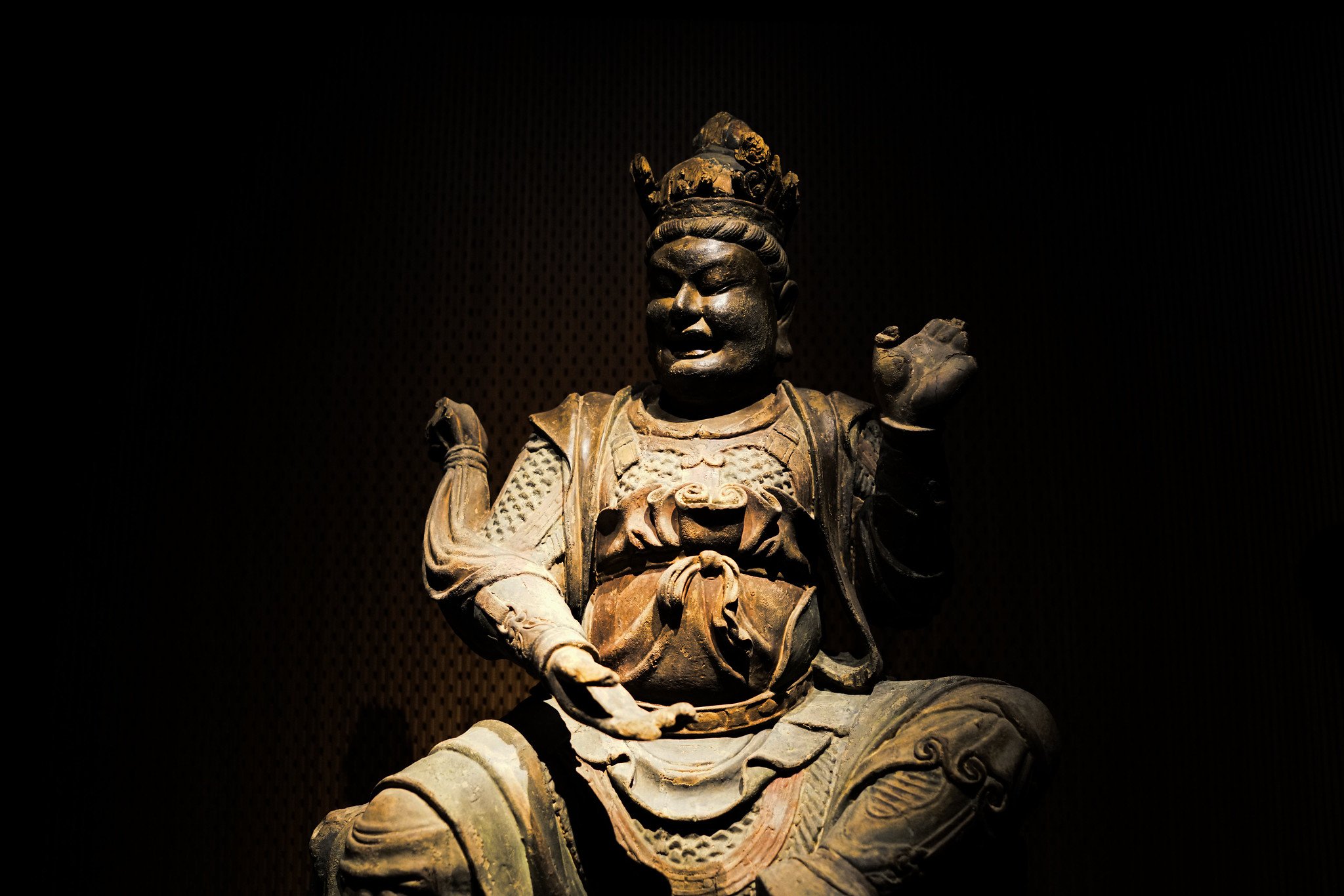
Starting from the entrance, you pass through the Main Gate, a grand yet understated portal that sets the tone for the entire complex. Beyond this lies the Maitreya Hall, dedicated to the future Buddha, with a beautifully carved camphor wood statue of Maitreya flanked by the Four Heavenly Kings. The hall feels intimate yet uplifting, inviting quiet reflection on hope and benevolence.
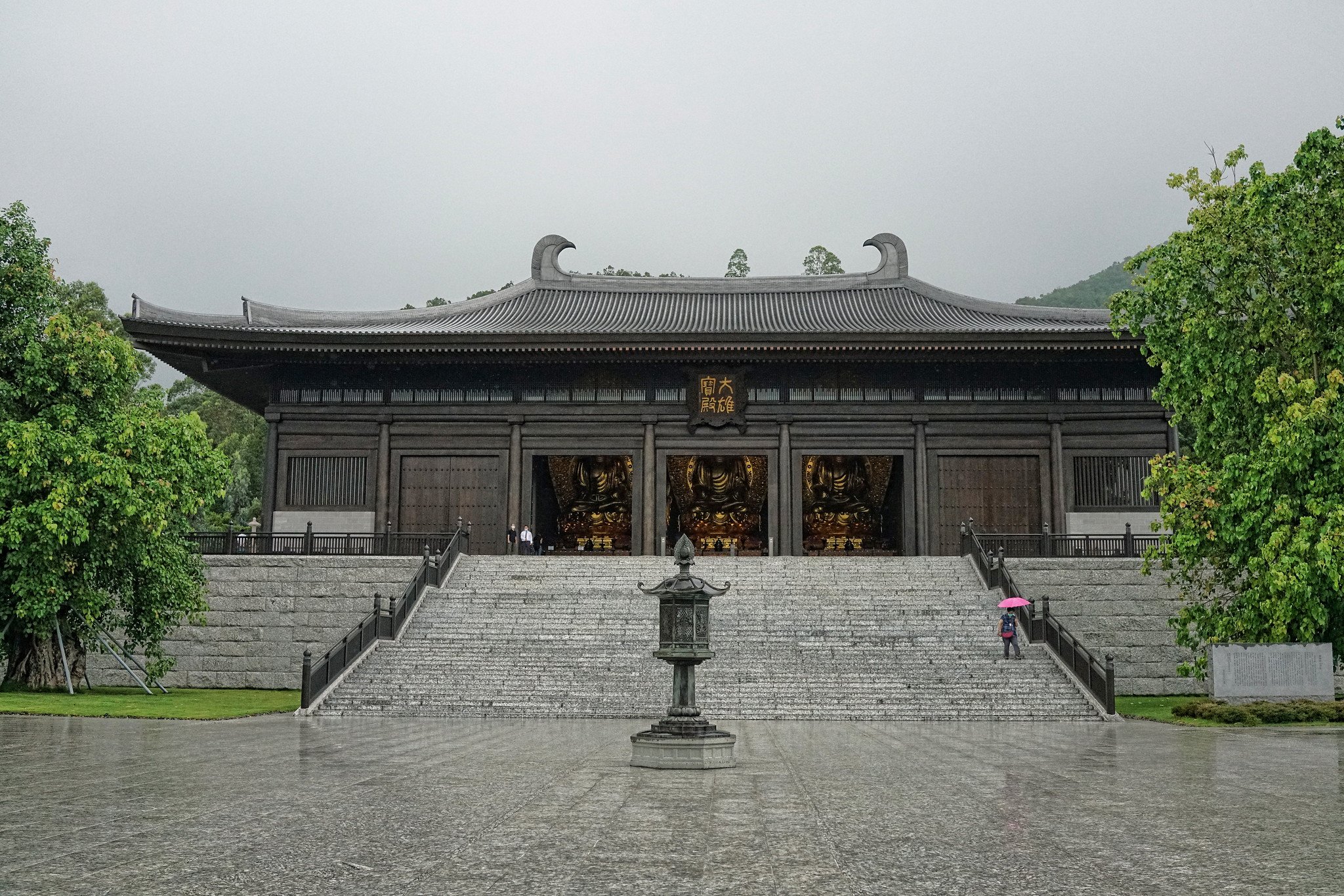
Further along the axis stands the impressive Grand Buddha Hall, the largest building in the complex at approximately 1,027 square metres with a height reaching 18 metres. Inside, three golden statues represent key figures: the Great Medicine Master Buddha of the East, Amitabha Buddha of the West, and Sakyamuni Buddha at the centre. The lotus-shaped canopies above them are plated in 24K gold, creating a luminous focal point. At the back of this hall are exquisite replicas of Dunhuang grotto murals, including scenes from the Yulin and Mogao caves depicting bodhisattvas like Samantabhadra and Manjushri. These replicas bring ancient cave art to life in remarkable detail.
Flanking the main axis are the Bell Tower and Drum Tower, which serve both ceremonial and symbolic purposes. There is also a Ksitigarbha Bodhisattva Hall dedicated to the guardian of beings in hell realms, offering another layer of compassionate teaching. A Library of Buddhist Texts (Tripitaka Library) houses sacred scriptures for study, while a Zen Hall and Lecture Hall support meditation sessions and educational programmes. The Great Vow Hall sits beneath one of the towers, adding to the interconnected layout.
Other practical facilities include a vegetarian dining hall (Cafe Sujata) that can seat up to 120 people, (I have not yet eaten in the veggie restaurant) water dispensers throughout the grounds, and carefully maintained gardens with ponds like the Brilliance Pond. The entire complex uses high-quality materials such as dark African padauk wood, wavy white-grey granite, marble, and bronze, creating a harmonious blend of natural textures. Modern steel framing lies hidden beneath the traditional exteriors, ensuring longevity while preserving the ancient aesthetic.
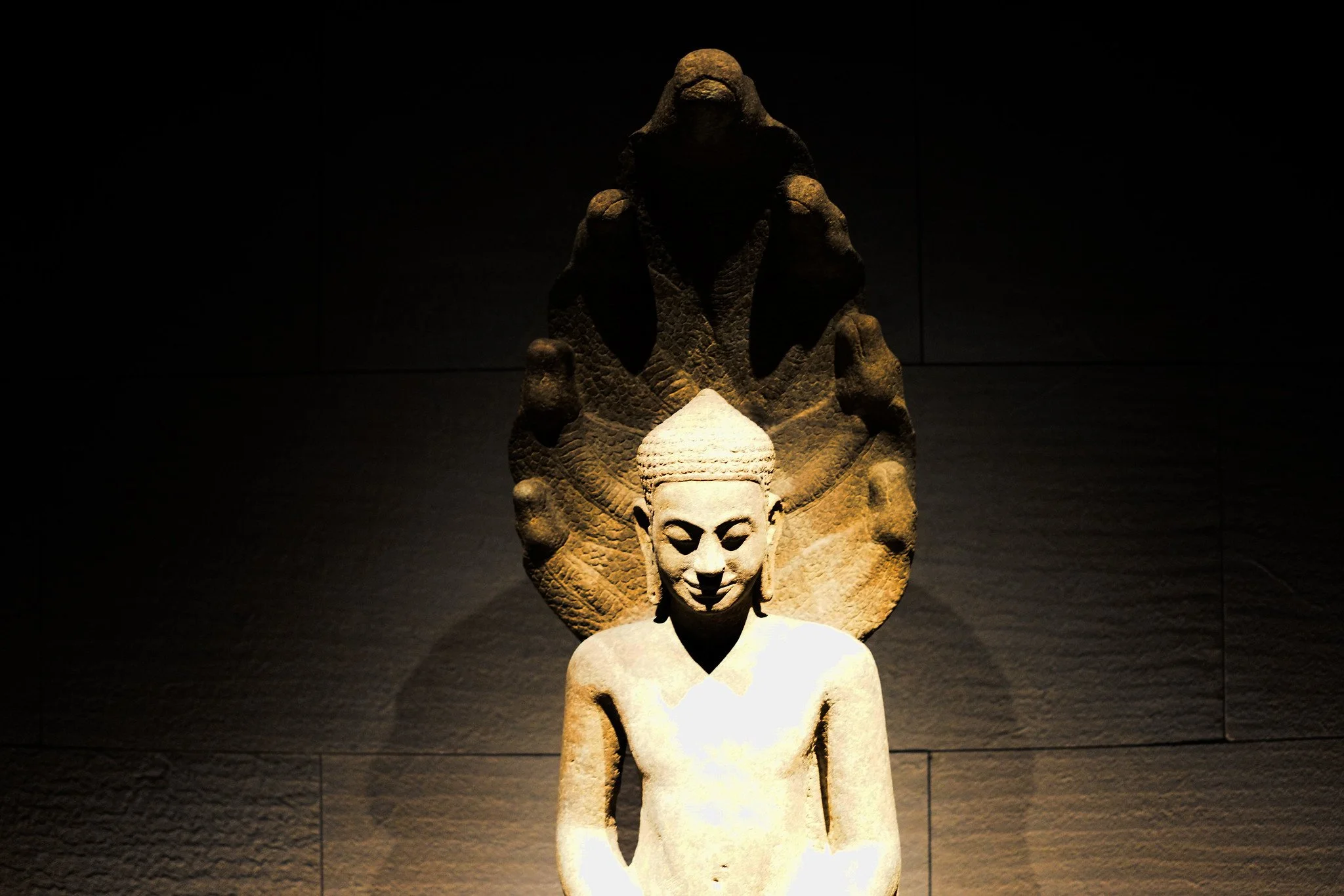
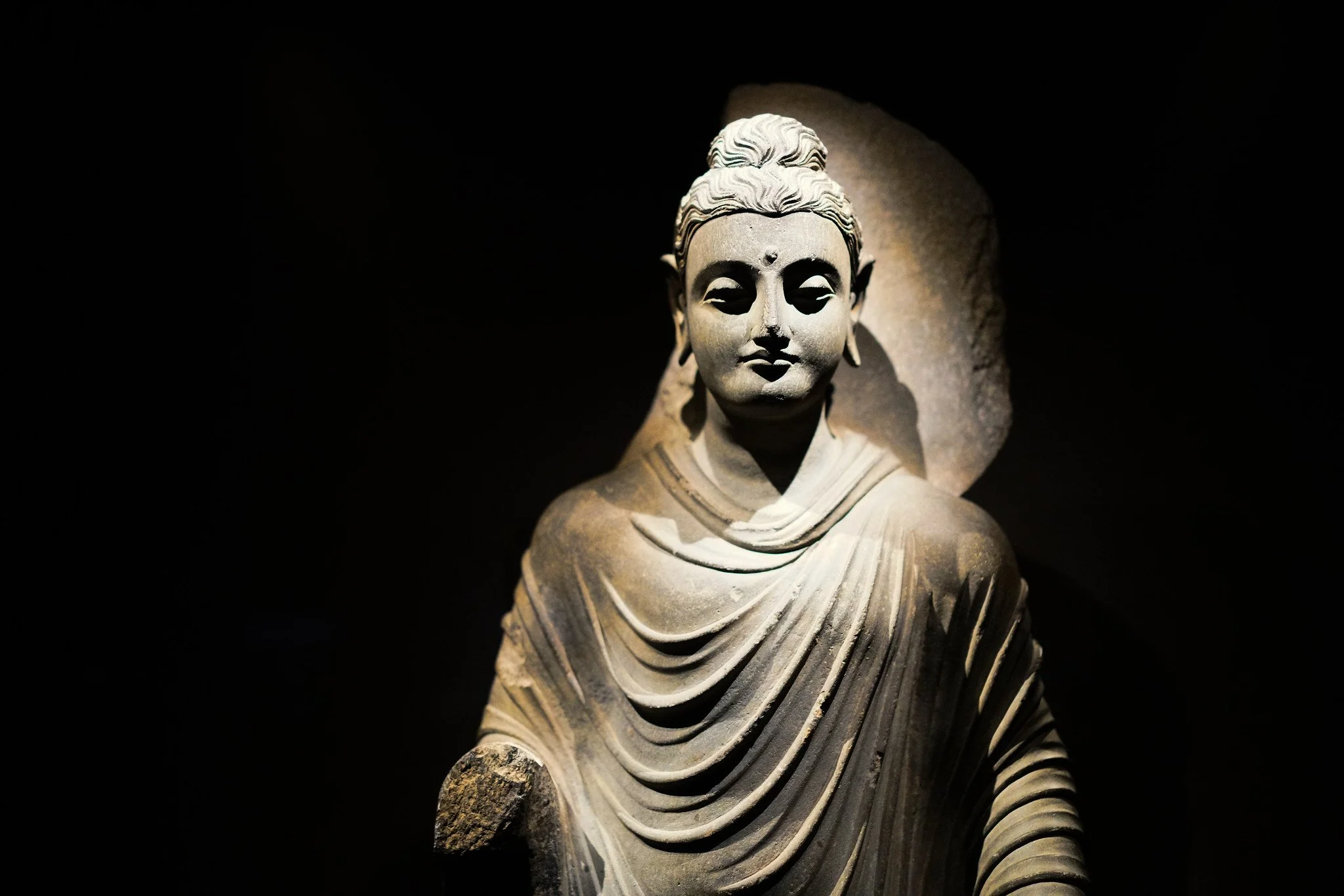
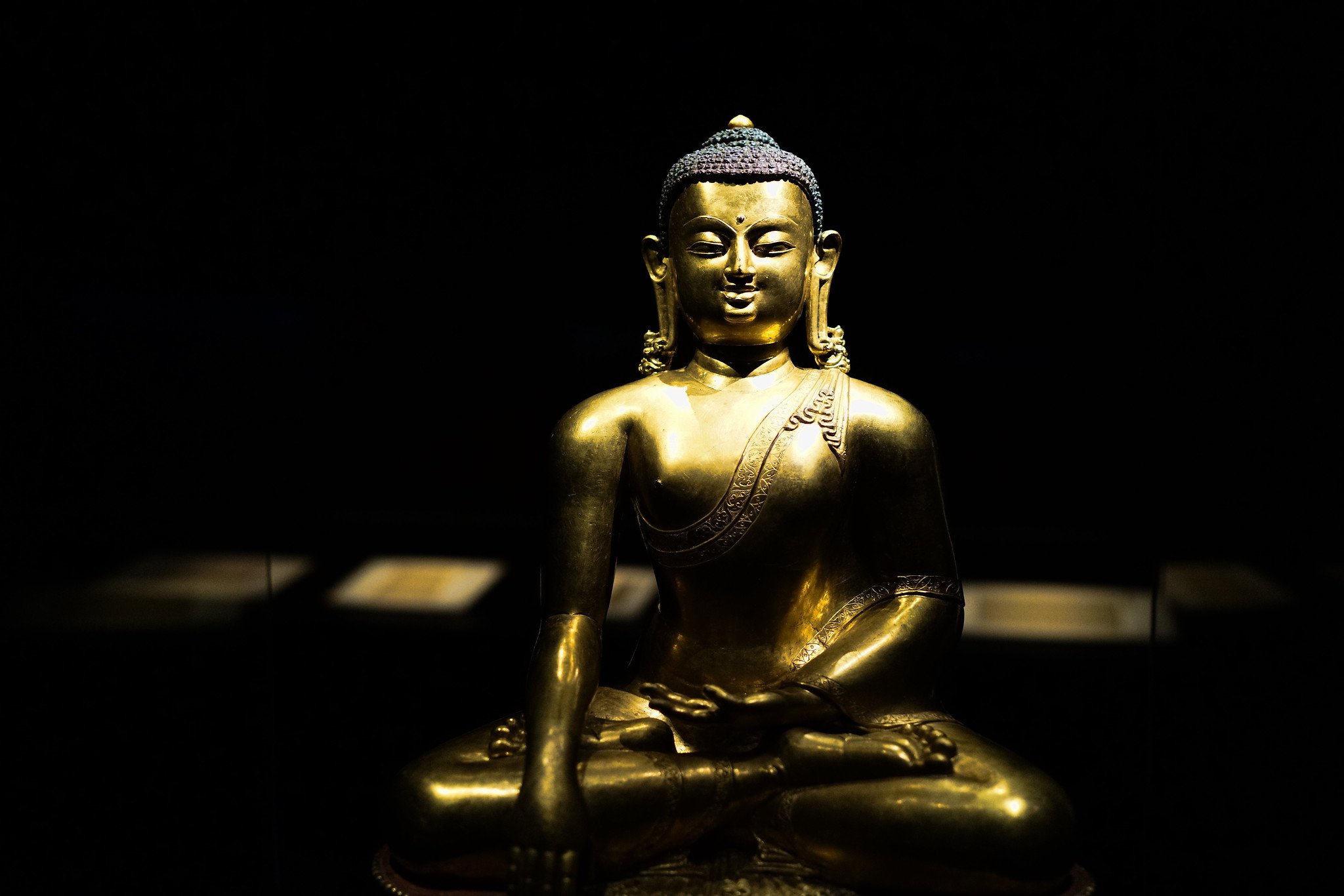
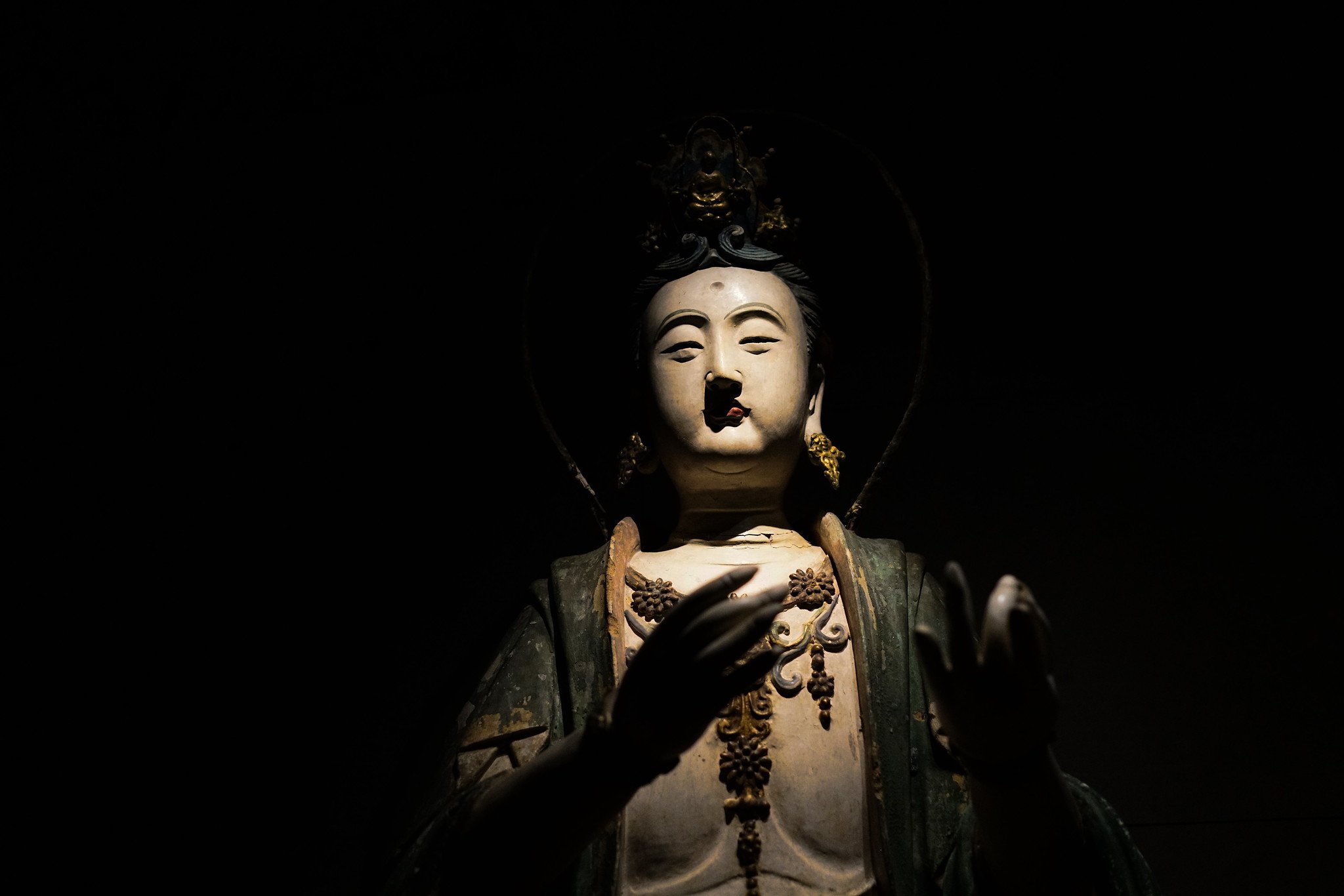
click on any image to enlarge
© Copyright Acknowledged | All rights reserved } images taken by Jamie
Tsz Shan Monastery Buddhist Art Museum | Majestic | Hong Kong
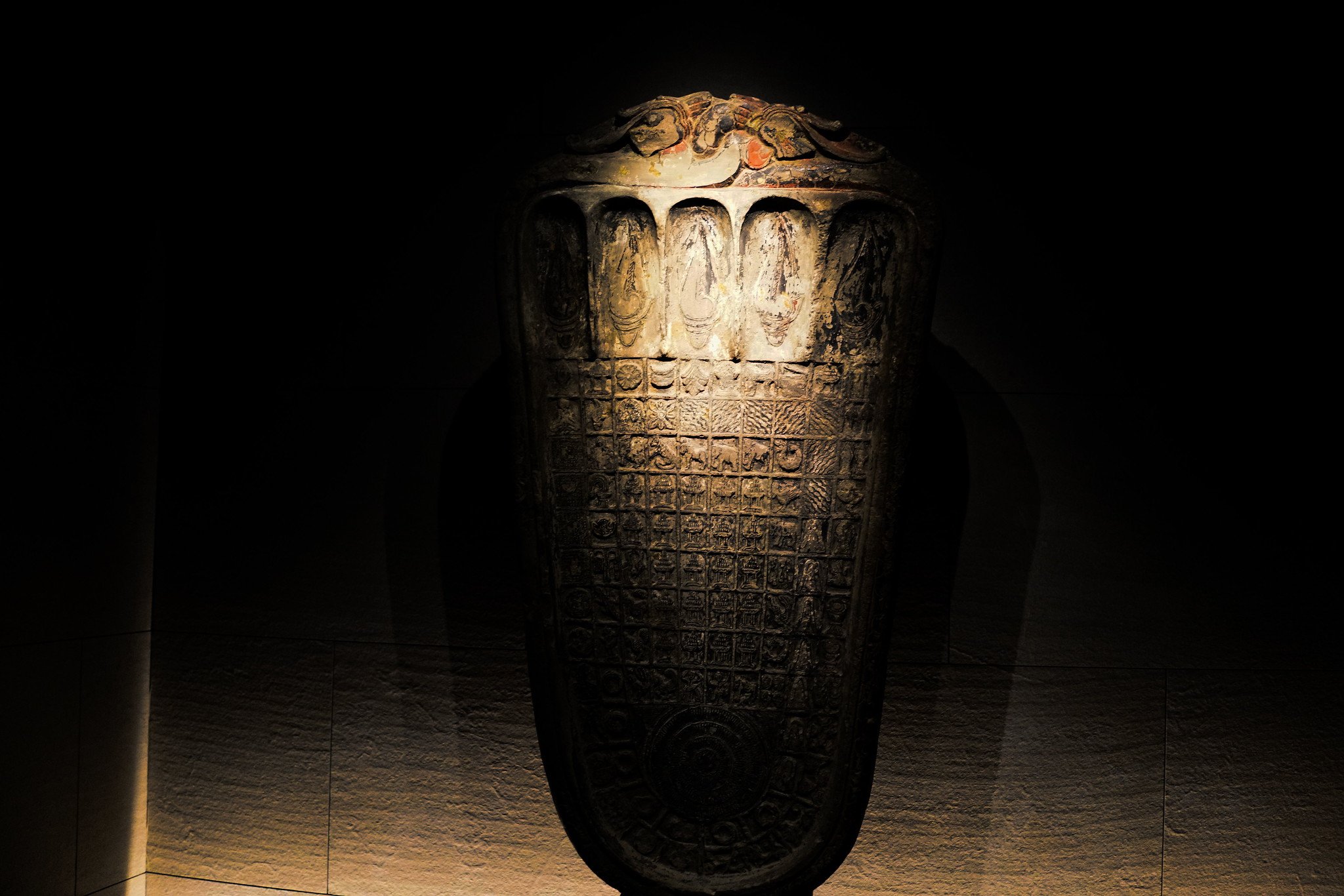
My personal favourite is undoubtedly the Tsz Shan Monastery Buddhist Art Museum, tucked beneath the Guan Yin statue. That is odd as generally I am not really a museum sort of person. Opened in March 2019, this 2,230-square-metre space is Hong Kong's first dedicated Buddhist art museum. It features over 100 Buddha statues and artefacts spanning centuries and continents, from stone carvings and wooden figures to bronze pieces and hand-copied sutras. The collection showcases the evolution of Buddhist art across different cultures and eras, with thoughtful lighting and displays that allow deep appreciation. I could easily spend an hour or more here, moving slowly between pieces and reflecting on the shared spiritual heritage they represent. The museum also includes interactive elements like video introductions to core Buddhist teachings, making it accessible yet profoundly moving. The underground location adds a sense of discovery, as if descending into a treasury of wisdom protected from the elements.
The Iconic Guan Yin Statue in Depth
No description of Tsz Shan Monastery is complete without diving deeply into its most striking feature: the 76-metre tall white Guan Yin statue. This colossal figure stands on a 6-metre granite base, with the bronze-cast body itself reaching 70 metres including its three-tier lotus platform. It is the second tallest Guan Yin statue in the world and was constructed in 11 phases using over 1,200 individual bronze panels.
Weight of the Statue: The bronze statue itself weighs approximately 580 tonnes. Some sources mention over 600 tonnes of tin bronze alloy used in its casting. To put this into perspective, that is roughly the weight of 80 to 90 double-decker buses. The engineering feat required to cast, transport, and assemble such a massive structure in sections on the hillside is truly impressive.
The statue draws inspiration from Song dynasty sculptures, giving it an elegant, serene poise rather than a more ornate style. Guan Yin holds a wisdom mani pearl in her right hand, symbolising insight, while her left hand grasps a vase from which she symbolically pours pure water to cleanse the world of suffering. A small image of Amitabha Buddha adorns her topknot, representing blessings and protection. She gazes compassionately over the surrounding hills and Plover Cove Reservoir, creating a powerful sense of presence that many visitors describe as almost watchful and protective.
Why is the statue white? Naturally it is in my nature to ask the dumb questions - It is not painted in the conventional sense but coated with a special white fluorocarbon self-cleaning paint applied over the bronze surface. This high-tech coating protects the metal from Hong Kong's humid, subtropical climate, resisting corrosion, pollution, and heavy rainfall while maintaining a brilliant, pure white appearance that symbolises purity and compassion. The finish requires minimal maintenance yet gleams beautifully against the green hills, especially at different times of day when the light shifts across its form - soft and ethereal in the morning mist, or glowing warmly at sunset., so now you know!
The approach to the statue is equally memorable via the Compassion Path (also called Compassion Road), a wide straight walkway lined with 18 ancient-style Buddhist pine trees on each side. At the end, a large bronze water pot called the "Thousand Places of Response" allows visitors to make water offerings - an eco-friendly alternative to incense. Walking this path slowly, with the statue growing ever larger ahead, is one of the most meditative experiences the monastery offers., in plain English, it has that wow factor.
Monastic Community and Daily Life
Getting official numbers of nuns and monks at our monasteries and such is like pulling teeth, no one seems to know so it becomes an educated guess! and I have never understood the privacy comment, there is none in place like Hong Kong and I am pretty sure the Government has a precise figure. one of lifes mysteries
Tsz Shan Monastery is an active religious community rather than purely a visitor site. A modest number of monks and nuns reside here permanently, focusing on study, meditation, and the preservation of Buddhist teachings. While exact public figures are not widely disclosed to respect their privacy, the presence of monastic quarters, a Dharma Spiritual Counseling Centre, and regular programmes suggest a dedicated core community of perhaps a few dozen residents, supported by volunteers. Their quiet daily practices contribute immensely to the peaceful atmosphere that visitors feel upon arrival.
Jamie’s Out-of-Left-Field Nuggets
The monastery incorporates bullet-proof elements in some residential areas, a subtle reminder of the high-security approach taken during planning for such a significant philanthropic project. I believe and in plain English, this is because of Li Ka Shing who funded the project, I am sure he likes to visit and with his masssive wealth then he has to have protection!
Despite its grand scale, the design deliberately avoids turning the site into a commercial "Buddhaland" - there are no souvenir shops inside, and photography is strictly prohibited within the halls to maintain sanctity, this is in stark contrast to the Big Buddha on Lantau Island.
The statue is visible from certain university dormitories and hiking trails around Pat Sin Leng, making it a surprising landmark for locals long before they ever visit.
Water offerings involve filling a bowl, pouring it at the statue's base, and circumambulating clockwise three times - a simple yet deeply symbolic ritual that replaces traditional incense burning for environmental reasons and yes this is also in stark contrast to the Big Buddha where you can literally choke on the incense fumes.
The African padauk wood used extensively in construction is chosen not only for durability but for its rich, dark tones that contrast beautifully with the white statue and granite elements.
During certain seasons, the hillside location creates natural microclimates with cooler breezes and occasional mist that enhance the mystical feel of the grounds and yes, I have actually seen that.
On Mr Li Ka-shing and the Uniqueness of Tsz Shan Monastery
For the record, Mr Li Ka-shing remains Hong Kong's richest person. As of the latest 2026 figures, his net worth stands at approximately US$45.1 billion (around HK$352 billion), though some real-time estimates place it closer to US$47-50 billion depending on market fluctuations in his diverse holdings across ports, retail, infrastructure, and more.
I seriously cannot think of any other religious facility in Hong Kong that comes close to the HK$3.3 billion investment poured into Tsz Shan Monastery. Traditional sites like Po Lin Monastery on Lantau or Ten Thousand Buddhas in Sha Tin have grown over many decades or centuries through gradual donations and community efforts, often on a far more modest financial scale. This place truly stands in a league of its own - a modern philanthropic masterpiece that combines unprecedented resources with deep respect for Buddhist traditions. It sets a new benchmark for what thoughtful, large-scale spiritual development can look like in our city.
Brief Comparison: Tsz Shan Monastery, Po Lin Monastery | Big Buddha, and Chi Lin Nunnery | Nan Lian Garden in Hong Kong
Here is a short, practical comparison of these three major Buddhist sites in Hong Kong, focusing on scale, visitor numbers, and accessibility.
Visitor Numbers (Approximate):
Tsz Shan Monastery: Over 2.4 million total visitors from opening in 2015 to May 2025 (roughly 240,000 per year on average). Strict daily limit of around 400-500 visitors to preserve tranquillity.
Po Lin Monastery and Big Buddha (Lantau): One of Hong Kong’s most popular attractions, well over a million visitors annually, especially boosted by the Ngong Ping 360 cable car and tourism packages. It handles large crowds daily.
Chi Lin Nunnery and Nan Lian Garden (Diamond Hill): Steady but lower numbers than the big tourist icons – likely in the low hundreds of thousands per year. It attracts a mix of locals, photographers, and mindful visitors rather than mass tourism.
Location and Convenience:
Tsz Shan Monastery: Remote hillside in Tai Po, New Territories. Requires planning with MTR plus taxi or minibus - not convenient but rewarding for those seeking peace.
Po Lin Monastery | Big Buddha: Also remote on Lantau Island. Best reached by cable car or bus from Tung Chung - a full-day commitment with scenic travel but still quite a journey.
Chi Lin Nunnery | Nan Lian Garden: By far the most convenient, located right in urban Kowloon (Diamond Hill MTR station). Easy access makes it ideal for a quick, peaceful escape without long travel.
I have often thought that the Chi Lin Nunnery shares a similar serene and elegant spirit with Tsz Shan Monastery - both emphasise Tang dynasty aesthetics, tranquillity, and high-quality craftsmanship without commercial clutter. However, Tsz Shan is significantly larger in scale, investment, and ambition, with its towering Guan Yin statue and dedicated art museum setting it apart as a more monumental experience.
Transport Options to Tsz Shan Monastery - From Central Hong Kong and TST in Kowloon to Tai Po via MTR (Subway)
Given its relatively remote location in the New Territories, reaching Tsz Shan Monastery requires some planning, but public transport options via the MTR (Subway) are straightforward and reliable. Here are the updated details for journeys starting from Central on Hong Kong Island and Tsim Sha Tsui in Kowloon.
From Central (Hong Kong Island) via MTR (Subway):
Begin at Central MTR Station.
Take the Tsuen Wan Line (red) or Island Line (blue) to Admiralty Station (1-2 minutes).
At Admiralty, transfer to the East Rail Line (light blue) towards Lo Wu or Lok Ma Chau.
Ride the East Rail Line directly to Tai Po Market Station (approximately 35-45 minutes from Admiralty).
Total MTR journey time: around 40-50 minutes, plus any waiting time for connections.
Octopus card fare: roughly HK$25-35 (US$3.20-4.50) one way depending on exact routing.
From Tsim Sha Tsui (TST) in Kowloon via MTR:
Start at Tsim Sha Tsui MTR Station on the Tsuen Wan Line (near Nathan Road).
Use the large underground passage to walk directly to East Tsim Sha Tsui Station on the East Rail Line (a convenient covered connection, no need for a long outdoor walk).
Board the East Rail Line directly towards Tai Po Market Station (journey time around 30-40 minutes).
This route is far more efficient than walking all the way to Hung Hom Station from Nathan Road, which is indeed a long distance and not practical in Hong Kong's heat, humidity and wet weather
Total journey time from TST: 45-55 minutes including the short transfer passage.
Octopus card fare: approximately HK$20-30 (US$2.60-3.85).
From Tai Po Market Station to the Monastery:
Green minibus 20B (fare around HK$7.80 or US$1): Alight at the intersection of Tung Tsz Road and Universal Gate Road, followed by a 10-minute uphill walk. This final stretch can be steep and tiring in Hong Kong's heat, humidity and wet weather.
Special minibus 20T (weekdays only, limited schedules such as 9:15, 9:45, 13:15, 13:45 departures): Drops much closer, right at or near the entrance gate - the most convenient public option when running.
Green taxi (New Territories taxi) directly to the monastery entrance (fare typically HK$70-100 or US$9-13, journey around 10-15 minutes). this is the best option
My expert tip remains excellent advice: opting for a taxi from Tai Po Market Station avoids the potentially nasty uphill walk in humid conditions, saving energy for the visit itself.
Handy Note for Taxi Drivers: In more remote areas like Tai Po, English may not always be fluent, so showing the address in Traditional Chinese can help greatly. The full recommended text to show is: 慈山寺 香港新界大埔普門路88號 (This includes the monastery name 慈山寺 followed by the full address.)
By Private Car or Taxi:
Driving distance from Central or TST is approximately 28-32 km.
Typical journey time: 35-55 minutes without heavy traffic, potentially longer during rush hours.
Taxi fare estimate: HK$250-450 (US$32-58) one way, including any tunnel tolls.
The monastery strongly encourages public transport to reduce environmental impact, but comfort matters on arrival.
Booking Process, Visit Rules, and Parking
Visits are not possible on a walk-in basis due to capacity limits and the desire to maintain a peaceful atmosphere. An online registration system manages visitor numbers effectively.
Booking Details:
Registrations open at the start of each month for dates up to 30 days in advance, on a first-come, first-served basis.
Book for up to 6 people at a time (all visitors must be 18 or older).
Provide details and receive a confirmation email with reference number, which must be presented on arrival along with identification (e.g., passport or HKID).
Book as early as possible, especially for weekends and holidays, when slots fill quickly - sometimes requiring a month's notice.
Changes or cancellations are possible via the system.
Visit Duration and Rules:
Opening hours are generally 9:30am to 5:00pm (closed Mondays except public holidays).
Time slots are assigned; visits typically last 1-3 hours depending on pace.
Dress code is strict: sleeved tops, trousers or skirts | pants below the knee. No shorts, sleeveless tops, or revealing clothing.
No incense burning - water offering is used instead for environmental reasons.
Maintain quiet and respect the sacred space. No food or drinks inside except water.
Parking:
Limited spaces are available but require advance booking for private cars, ideally with the registration or at least one day prior by providing vehicle details.
Unauthorised vehicles may be clamped or denied entry. Public transport is preferred.
Potential Closures - always double check their website
As of current information, Tsz Shan Monastery operates year-round however it is prudent to check the official registration system closer to the date for any updates on public holidays or maintenance.
My Considered Thoughts and Suggestions
In my view, Tsz Shan Monastery represents one of Hong Kong's finest examples of blending modern philanthropy with traditional Buddhist values. The investment by the Li Ka Shing Foundation has created not just a beautiful site but a genuine place for reflection amid our fast-paced city. The Guan Yin statue, in particular, offers a sense of calm that lingers long after your visit. While the booking requirement adds a step, it ensures the experience remains special and uncrowded. The museum elevates it further for those who appreciate art and history.
oh and did I mention that the huge white statue makes for a great selfie!
Out-of-the-ordinary observations:
The environmental focus, such as water offerings instead of incense, sets a progressive tone for traditional sites.
The Buddhist Art Museum adds intellectual depth, making it suitable for those interested in history and artefacts beyond pure spirituality.
Its hillside location means cooler breezes and stunning views, especially rewarding after the journey.
Whether you seek spiritual renewal or architectural appreciation, or you just want to visit a serene place of beauty, Tsz Shan Monastery rewards those who make the time and effort to visit
So there you go
Jamie’s Hong Kong Insider Chat
Ready to turn your Hong Kong plans into a far more enjoyable reality? Click the yellow button below to learn more about Jamie’s Hong Kong Insider Chat, check pricing and book a convenient time
I do not do Food Tours in Hong Kong but I know people that do!
I do not do food tours as mentioned above, I have very specific reasons and part of it is that I do not speak Cantonese or write Chinese, I am from Yorkshire in England and I lack the language gene and it is not through lack of trying and yes a lot of restaurants do not have English menu’s or staff who speak conversational English.
.. and yet I have eaten at close to 1,400 restaurants in Hong Kong since January 2nd 1972, my wife was born in Hong Kong and we have been together over 40 years and her first language is Cantonese and a lot of her family are Chinese or half Chinese so I have never had much of an issue!
This does not translate to doing food tours though, yes, I could do them, no problem there but they would never ever be as good as the food tours done by my friends (see the 3 links above) most of their awesome guides are locally born Hong Kong Chinese and obviously food culture is part of their DNA, it is impossible for me to compete with that!
So please feel free to contact them for food tours
I do not do Hiking Tours in Hong Kong but I know someone that does!
I do not do Hiking Tours, never have and never will even though I used to go Hiking a lot when I was a lot younger, The Hong Kong Government is promoting hiking tours so I urge you to contact my friend Sabrina at Hong Kong Trails and Tours, she is a long time Hong Kong resident and and a very experienced hiker with close to 700 Hikes in 15+ years under her belt, please click on the link below
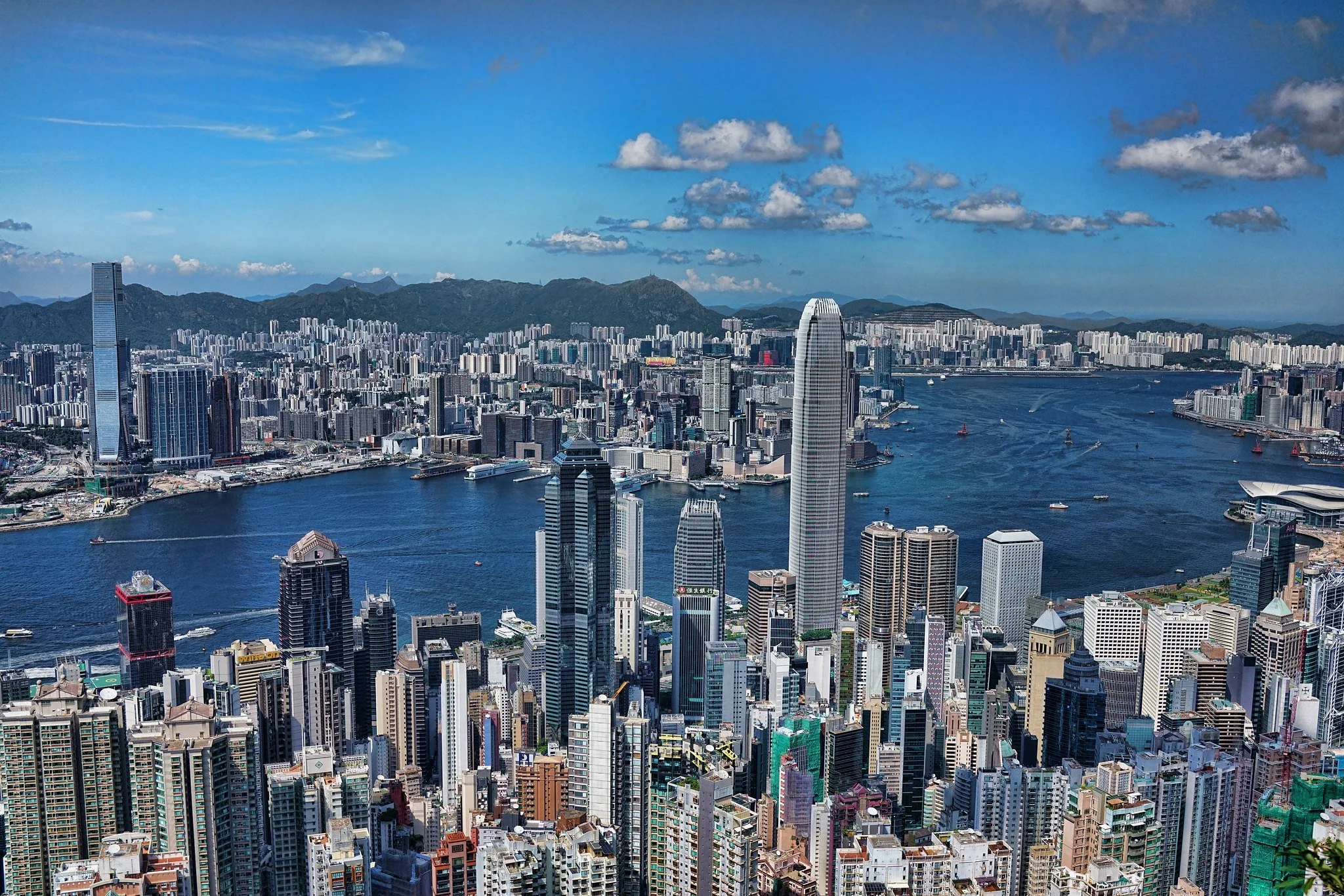
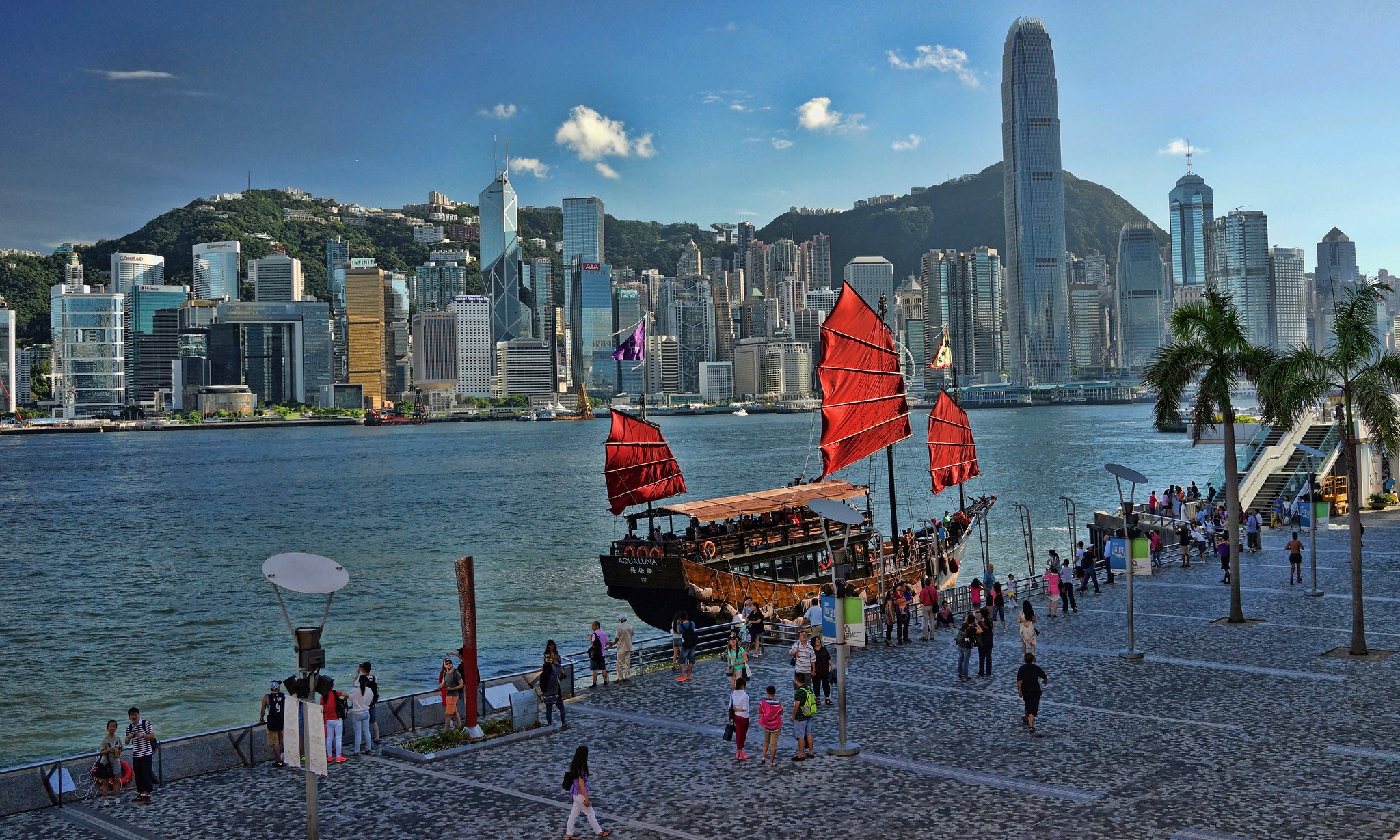
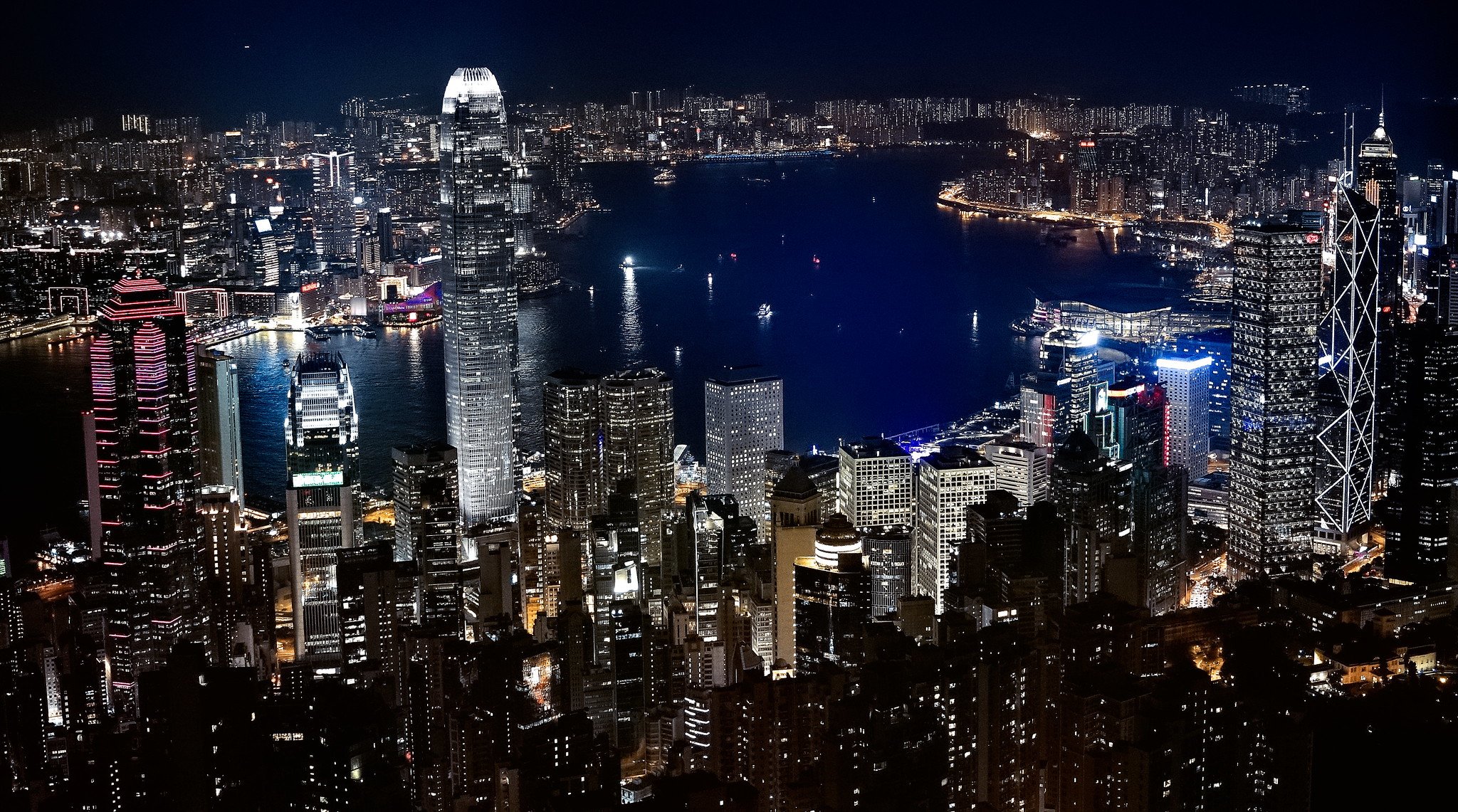
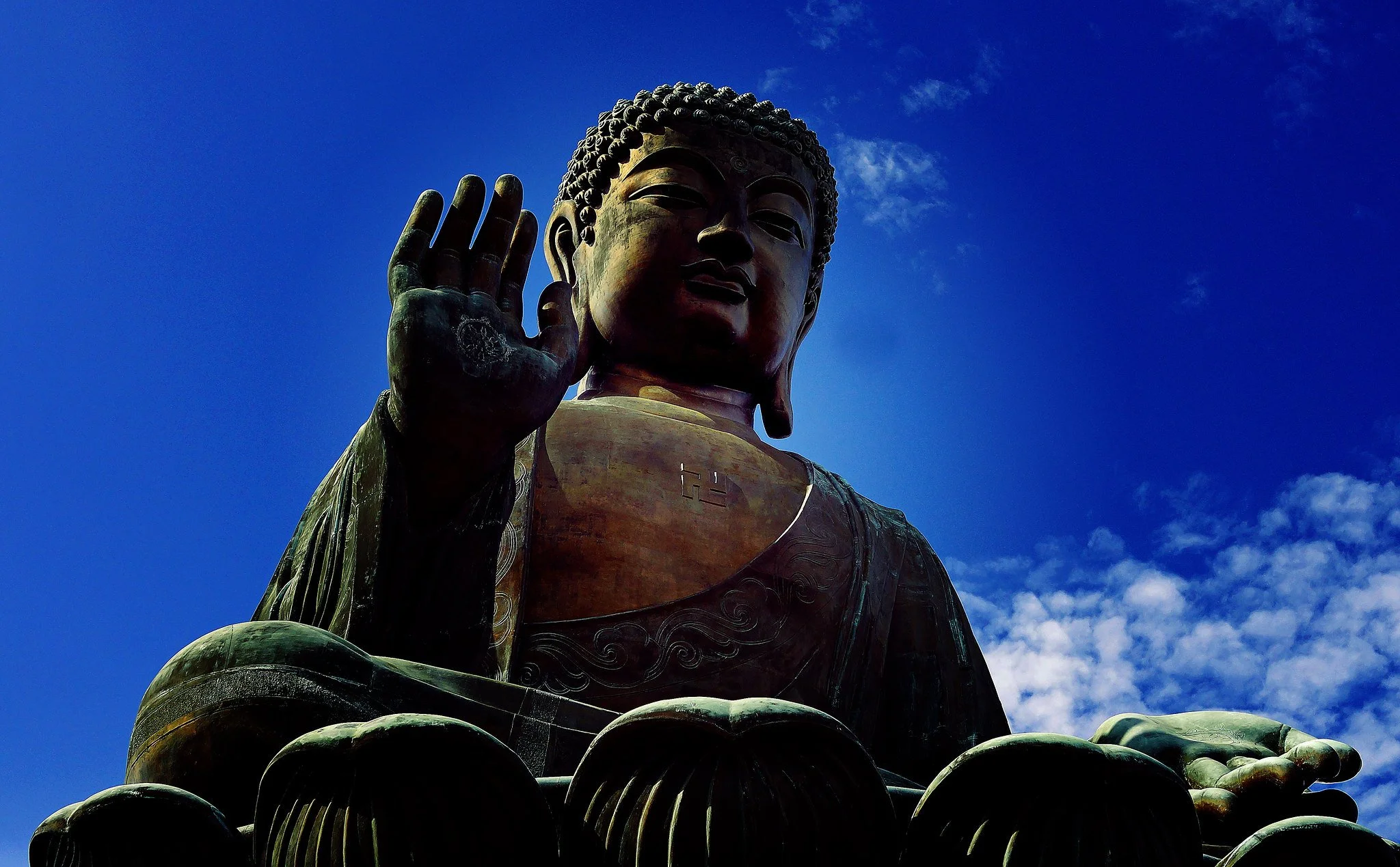
click on any image to enlarge
© Copyright Acknowledged | All rights reserved | all images taken b Jamie
Jamie’s Hong Kong | Some of my favourite images | Hong Kong 101
© Jamie Lloyd | J3 Consultants Hong Kong | J3 Private Tours Hong Kong |
| 2010 - 2026 All rights reserved. |
Click on any image to enlarge to full screen
Current images from my Instagram feed