Hong Kong 1841 - Compelling origin story of a rocky island
Hong Kong - From Quiet Fishing Village to the Birth of a Trading Powerhouse

The J3 Group - Premium Quality Private Tours | Experiences and Insider Chats since 2010
Me Jamie, your host, I am English and I have lived in Hong Kong since January 2nd 1972 - I know the place.
A meaningful blog post with a difference - tips on Travel, Tourism, Tours, Daily Life and my personal thoughts on Hong Kong.
Please do visit Amazing Hong Kong
Hong Kong | Pearl of the Orient
Customised Private Tours + Experiences in Amazing Hong Kong
Jamie has lived in Hong Kong - Pearl of the Orient for 50+ years
Carefully Crafted Personalised and Customised Itineraries by Jamie | Hong Kong’s Most Experienced Private Tour Guide for : Solo Travellers Friends Families Seniors Couples Business People MICE Delegates.
Private Tours Cultural Tours Walking Tours Sightseeing Tours City Tours Night Tours Layover Tours Transit Tours Private Shore Excursions Bespoke Tours Personalised Tours Jewish Heritage Tours Luxury Private Tours Day Tours Luxury Boat Tours Themed Tours Private Family Tours Private Day Tours Corporate Tours
Just you, your family or friends and Jamie your personal English private tour guide - over 2,400+ tours completed since 2011 - Jamie offers quality Private Tours of Hong Kong
Tour Group Size 1 - 6 people only
J3 Group Hong Kong | J3 Consultants Hong Kong | J3 Private Tours Hong Kong
Creating Memories That Will Last A Lifetime
Go here for the Hong Kong Michelin Restaurant Guide which includes the Bib Gourmand Category

Your Private Personal Tour of Hong Kong Begins Here
A Resident since 1972 - Sharing Hong Kong as Only a Local Can
click on the image to enlarge
© Copyright Acknowledged | All rights reserved
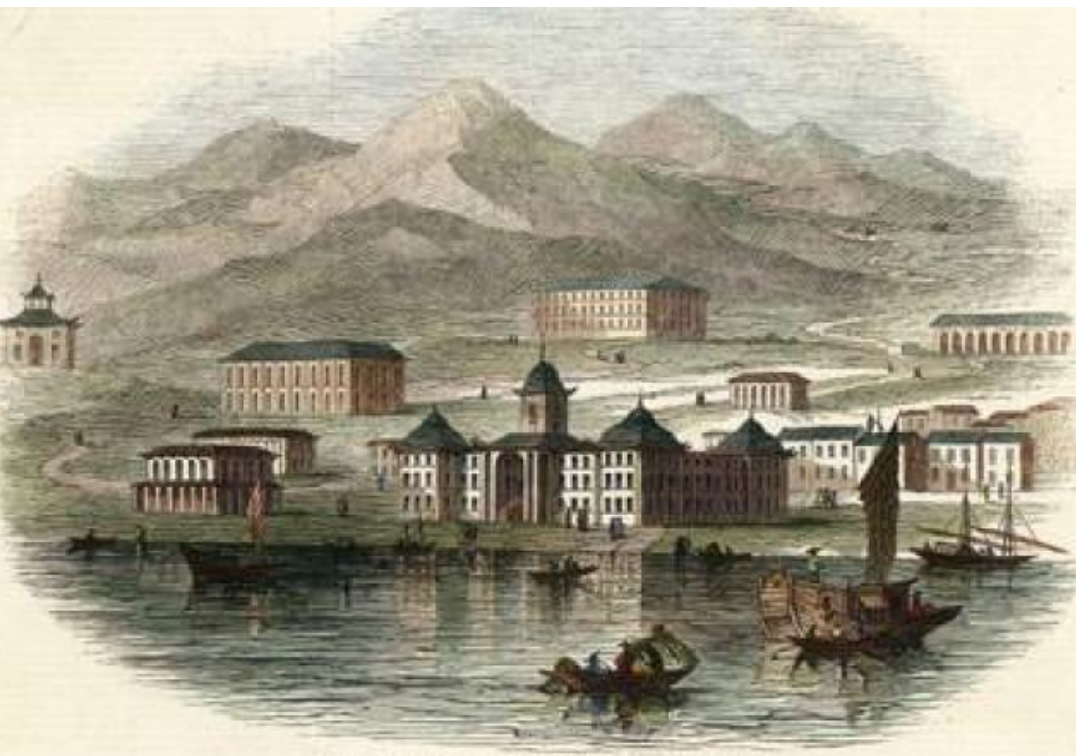
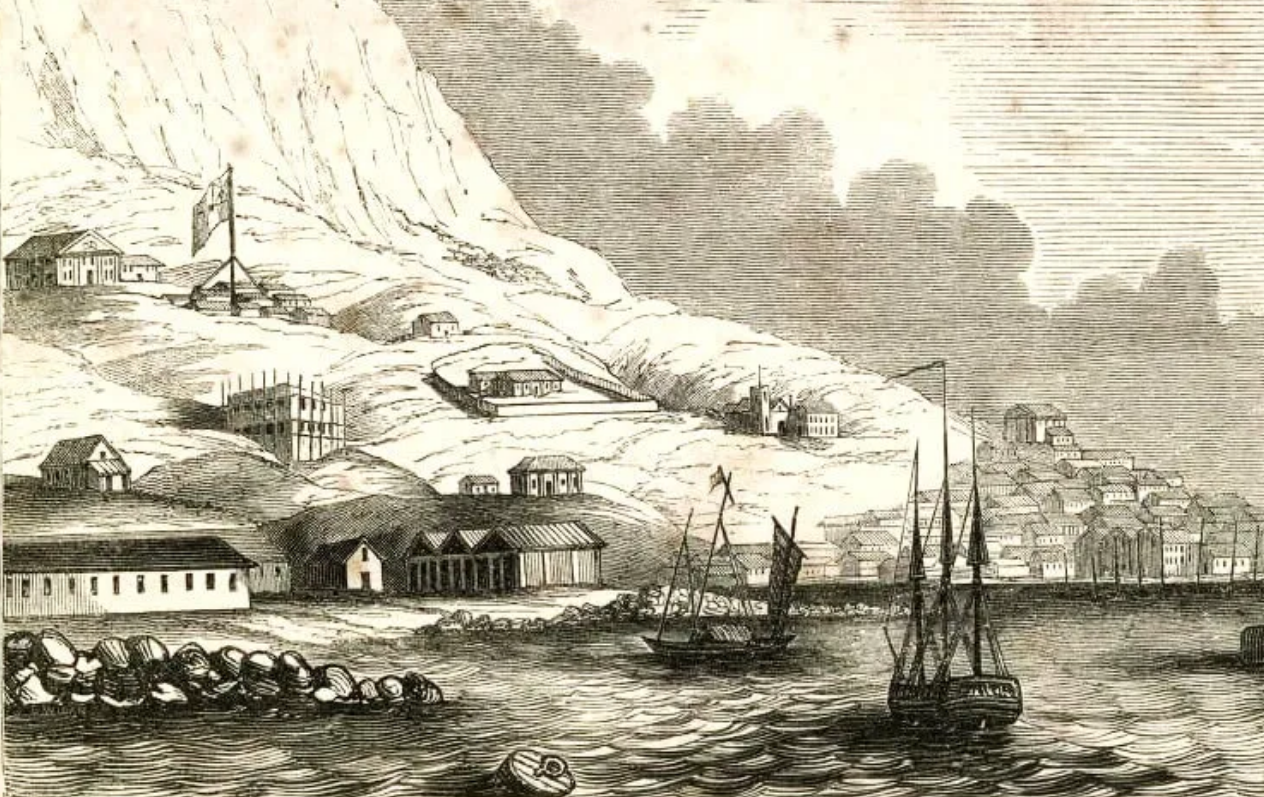
Hong Kong Island | 1842 give or take | Hong Kong
Hong Kong in 1841: From Quiet Fishing Villages to the Birth of a Trading Powerhouse
Oh to be a time traveller, I would love to go back in time to see how Hong Kong looked prior to January 1841 and also a quick visit to Macau for the contrast
When guests ask me about the famous flag-raising at Possession Point (today’s Sheung Wan, near the Man Mo Temple), many imagine Hong Kong Island was already a bustling port waiting for the British. The reality is far more fascinating - and much quieter.
Before that historic day, Hong Kong wasn’t a city at all. It was a sparsely populated corner of Xin’an County under Qing Dynasty rule - a rugged, rocky island used mainly for fishing, salt-making, farming, and some stone-quarrying. No grand warehouses, no offices, no international banks. Just scattered coastal villages and boat communities living simple lives by the sea
In other words, people living the quiet life!.
The Flag-Raising: Clearing Up the Date Confusion (20 January vs 26 January 1841)
One detail that often puzzles people and has puzzled me for quite some time - is the exact date. You’ll sometimes see 20 January 1841 mentioned as the start of British Hong Kong. That date refers to the Convention of Chuenpi (also called Chuanbi), a preliminary agreement signed between British Plenipotentiary Charles Elliot and the Qing official Qishan.
Under this convention, China agreed in principle to cede Hong Kong Island only to Britain (along with resuming opium trade and paying compensation). However, it was never a final treaty. Both the Chinese and British governments later rejected or disavowed it. No flag was raised, no troops landed, and no actual possession took place on the 20th. It was simply a diplomatic deal on paper.
The real founding moment came six days later. On 26 January 1841, Commodore Sir Gordon Bremer arrived with the British squadron. A small naval party (led earlier by Captain Edward Belcher of HMS Sulphur) had scouted the site the day before. On the 26th, marines landed at what became known as Possession Point in Sheung Wan. The Union Jack was formally hoisted, a salute was fired, toasts were drunk to Queen Victoria, and Bremer took official possession of Hong Kong Island in the name of the British Crown.
For context, Possession Point in Sheung Wan is just off Hollywood Road quite close to the Man Mo Temple in modern day Hong Kong
This 26 January event is the one recognised as Hong Kong Foundation Day (香港開埠日). It marks the actual boots-on-the-ground occupation (to use a modern phrase) and the beginning of British rule - the day everything started to change on the island.
When telling the story to my guests, I keep it simple: “On 26 January 1841, right here in what we now call Sheung Wan, Commodore Bremer raised the British flag at Possession Point and formally took possession of Hong Kong Island. Just a few days earlier there had been a preliminary agreement, but this was the day it became real.”
For the record I do not go to Possession Point as timing does not work and basically I am not a fan of the Man Mo Temple given its popularity with large groups of tourists arriving by bus. I know the Hong Kong Tourism Board (had, has? a sign on the street pointing to the spot) - I do have one of our sons living very close to the historic spot and also one of our nieces.
click on any image to enlarge
© Copyright Acknowledged | All rights reserved
Hong Kong Island | 1842 give or take | Hong Kong
What Hong Kong Island Looked Like Before 26 January 1841
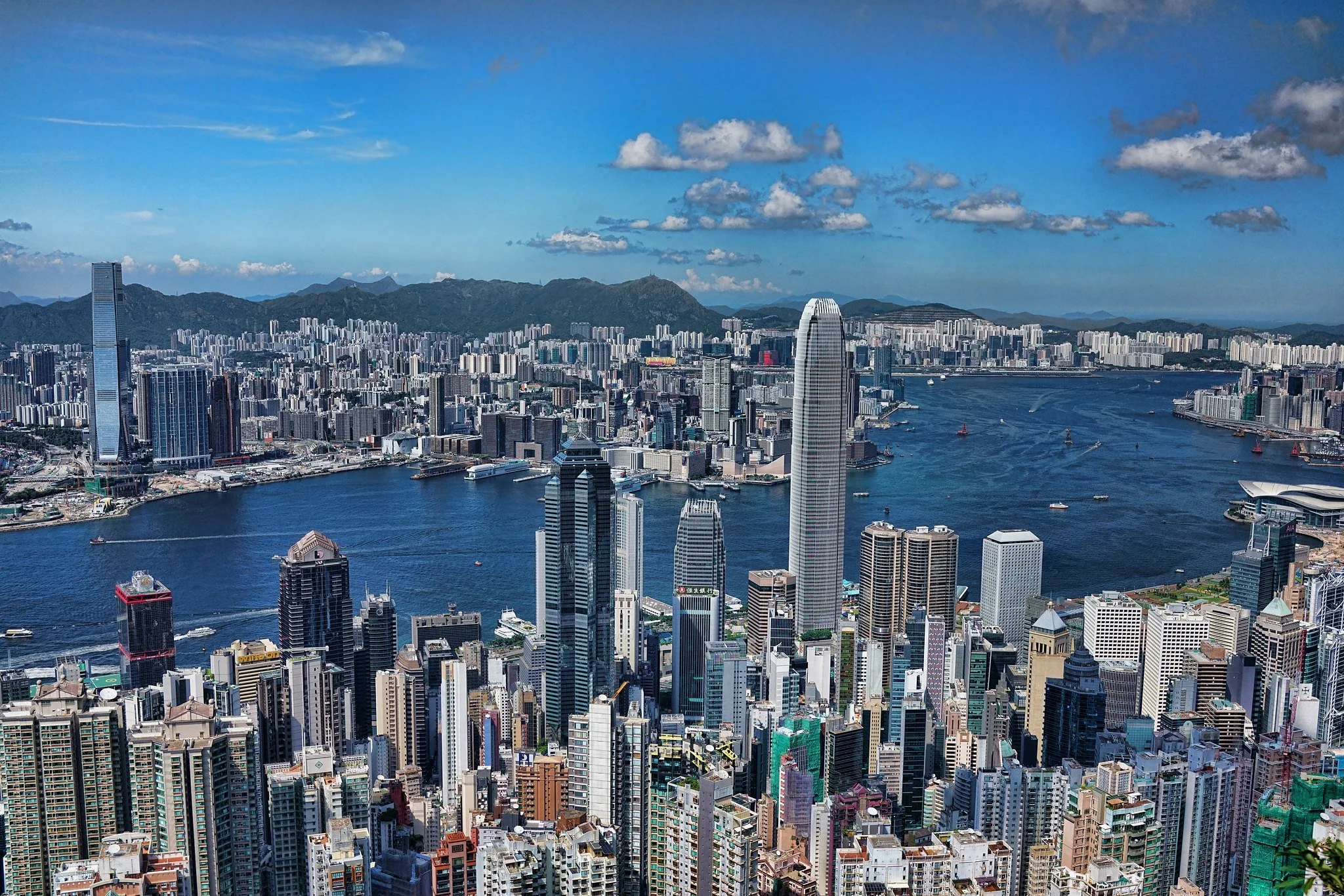
At the time of the flag-raising, the island was home to roughly 7,450 people according to the first British census a few months later in May 1841., imagine today that the population of Hong Kong is 7.54 million people!
This included:
About 4,000 -5,000 land residents (mostly Cantonese and Hakka villagers).
Around 2,000 Tanka boat people living on junks and sampans in the harbours.
A small number of shopkeepers and transient workers.
It was in no shape or form a thriving metropolis - there were no towns or cities - only small coastal villages and hamlets. The island felt barren in places, with hills, some forests, and cultivable valleys, but life centred on the sea.(hence the historic term, Hong Kong, the barren rock) and I have seen some reports that just state, Hong Kong was essentially a fishing village
Key villages included:
Chek Chu (later renamed Stanley): The largest and most active settlement, with around 2,000 people, over 100 shops, and a fleet of about 100 boats. It had a small market and served as a local trading hub.
Shaukeiwan (Shau Kei Wan): Home to about 1,200 people, focused on fishing and boat-building.
Wong Nai Chung: Around 400 residents, with some farming.
Heung Kong (later Aberdeen or Shek Pai Wan): About 200 - 300 people in 60 families, a fishing village with a good water supply.
Smaller spots like Tai Tam (70 -100 people) and Hung Heung Soo (100–120 people), plus granite quarries worked by masons.
To be clear, these places all exist today on Hong Kong Island
Stanley (originally called Chek Chu or Chek Chue) was clearly the largest and most important settlement on Hong Kong Island in January 1841, both in terms of land-based population and commercial activity. Aberdeen (then known as Heung Kong or Shek Pai Wan) was much smaller - a modest fishing village with only around 200 - 300 people.
Which was historically more famous - Stanley or Aberdeen?
t occurred to me that historically "history" seems to be stuck on using Aberdeen as being the main place, population wise back in January 1841 or was Stanley the main settlement?
Why the Mix-Up Happens
Aberdeen gets more “historical fame” today because its old Chinese name Heung Kong (香港) is the origin of the entire territory’s name (“Fragrant Harbour”). Many popular stories and even some older writings highlight Aberdeen as the place that “gave Hong Kong its name,” so it sticks in people’s minds as symbolically important.
Aberdeen also had a good natural harbour and later became a major fishing and boat-building area, which adds to its visibility in modern tours and books.
However, when the British arrived in early 1841, Stanley stood out as the biggest and most developed village on the island. Contemporary British surveys and the first census (published May 1841 in the Hong Kong Gazette) described it as “the Capital, a large town” with a population of about 2,000 people, over 100 shops, a good bazaar, an extensive rope-walk (for making ropes for boats), and a fleet of around 100 fishing boats in the harbour.
In contrast, Heung Kong / Aberdeen was listed with roughly 60 families - about 200- 300 residents - focused mainly on fishing, with a decent water supply but far less commercial infrastructure.
Therefore some people today assume Aberdeen must have been the biggest place back then because it gave Hong Kong its name (‘Heung Kong’). But the records tell a different story. In January 1841, Chek Chu - today’s Stanley - was the island’s largest settlement with around 2,000 residents, over 100 shops, and a busy fleet of fishing boats. It even served briefly as the colony’s first ‘capital.’ Aberdeen (Heung Kong) was a much quieter fishing village of only 200 - 300 people. The British quickly realised the north shore had the best deep harbour for international trade, so the main development shifted there - but Stanley’s early importance is a great reminder that Hong Kong didn’t start empty; it grew from real, working fishing communities.
….. and yes, I still love going to Stanley on the bus with my guests, stunning views over the South China sea
Kowloon (still fully under Qing control until 1860) had a modest walled administrative centre at Kowloon City, plus surrounding fishing and farming villages. The outlying islands (Lantau, Cheung Chau, Lamma, and others) hosted small fishing communities and salt-panners - similar quiet lifestyles with just a few hundred people on the larger islands.
Piracy was part of life in these waters, and villages relied heavily on the sea. In short, pre-1841 Hong Kong was a peripheral, rural fishing region - peaceful but with little infrastructure or central settlement and yes, piracy is a whole new story!
The Role of Macau and the Pearl River Trade Network
For centuries, real international trade didn’t happen on Hong Kong Island. European merchants (especially the British) operated under the strict Canton System. They lived and worked in Canton (Guangzhou) during the trading season, then retreated to Macau for the rest of the year.
Macau, a Portuguese enclave since the 1550s, was the safe base for Westerners. British firms had residences, offices, and social lives there. It served as a logistical hub while business happened up the Pearl River. Many big trading houses — the famous “hongs” — used Hong Kong waters occasionally as an anchorage for receiving ships (especially during opium-smuggling tensions in the late 1830s), but they had no permanent land operations on the island itself.
This all changed with the First Opium War and the British occupation.
For the record I have never been to Macau which is about 40 miles away from Hong Kong
Companies Operating Around 1841: What Really Happened?
No foreign companies had formal, land-based trading posts or godowns (warehouses) in Hong Kong before 26 January 1841. The territory wasn’t open for foreign settlement yet.
Everything accelerated right after the flag was raised. Hong Kong was declared a free port, land auctions began in June 1841, and merchants rushed in from Macau and Canton to build on the northern shoreline.
Here are the key early players:
A.S. Watson (Hong Kong Dispensary): This one truly started in Hong Kong in 1841 - the same year as the British arrival. It began as the colony’s first Western pharmacy at Possession Point in Sheung Wan. The original setup was humble - a simple thatched hut offering Western medicines. (It had earlier roots as a dispensary in Guangzhou around 1828, but the Hong Kong operation dates directly to 1841.) Over time it grew into soft drinks, retail, and the giant health & beauty group we know today. Their claim of “in Hong Kong since 1841” is spot on.
Jardine, Matheson & Co.: Founded formally in 1832 in Guangzhou (with roots back to 1818), this was one of the biggest opium and general trading firms, handling about one-third of foreign trade with China in the 1830s. They used Hong Kong waters pre-1841 for anchorage but had no land base. In the first land auction of June 1841, they bought key lots at East Point and quickly set up godowns. Their first substantial building followed in 1842. Jardines became a driving force in shipping, property, and early colonial development - and they’re still a major Hong Kong name today, a giant property company is just area, they are also responsible for the noon day gun and that is another story!
Other notable early hongs that moved in rapidly (many securing land in 1841 and operating by 1843):
Dent & Co.: Long-time rivals to Jardines, with roots in Canton and Macau; major players in opium and general trade.
Gibb, Livingston & Co.: Founded in Canton in 1836; established in Hong Kong in 1841, focusing on cotton/woollen imports and tea/silk exports.
Others included Lindsay & Co., Holliday Wise & Co., and various Parsee/Indian firms, plus early American houses like Russell & Co.
By the end of 1843, around 12 large British firms, 10 smaller British merchants, and about six Indian/Parsee companies had set up shop, alongside roughly 100 foreign firms in total. These were mostly partnerships at first - Hong Kong’s first Companies Ordinance didn’t come until 1865.
They built godowns, offices, and wharves along the harbour. Hong Kong’s deep, sheltered waters and free-port status made it the perfect new base, pulling business away from Macau and Canton.
How the Population and Landscape Changed Almost Overnight
The transformation was dramatic. Land sales kicked off in June 1841. By 1845 the population had jumped to over 24,000 as labourers, merchants, and immigrants poured in. Early challenges included malaria, typhoons, and fires, but the building never stopped.
What started as mat sheds and huts and wooden structures soon included brick and stone buildings. The northern shoreline of Hong Kong Island became the commercial heart we now call Central District and beyond.
Why This Story Matters for Tours Today
When I’m guiding guests for up to 8 hours with I don’t turn it into a long lecture. Instead, I share a short, vivid “story bite” and to be honest I am more likely to be in Stanley rather than Sheung Wan!
“Imagine this island in early 1841 - just fishing villages like Stanley with its 100 shops and boats, or Aberdeen’s quiet harbour. No skyscrapers, no MTR. Then the flag goes up at Possession Point on 26 January, land is sold, and companies like Jardines and A.S. Watson rush in. In just a few years, a barren rock becomes one of Asia’s great trading ports.”
It brings history alive without slowing the tour and I simply do not want to come across as a dry academic!
Whether you’re walking through Sheung Wan, driving past East Point (where the noon day gun is fired daily), or visiting Stanley Market, these details add depth. Hong Kong wasn’t “born busy” - it was built fast from humble fishing roots, thanks to vision, trade networks from Macau and Canton, and the energy of those early merchants and a willing population willing to buy into the dream
If you book one of my private tours, we can stop at key spots and picture how it all began. Over 2,360 tours later, I still love sharing these stories - because every corner of Hong Kong has layers worth discovering.
So there you go.
I do not do Food Tours in Hong Kong but I know people that do!
I do not do food tours as mentioned above, I have very specific reasons and part of it is that I do not speak Cantonese or write Chinese, I am from Yorkshire in England and I lack the language gene and it is not through lack of trying and yes a lot of restaurants do not have English menu’s or staff who speak conversational English.
.. and yet I have eaten at close to 1,400 restaurants in Hong Kong since January 2nd 1972, my wife was born in Hong Kong and we have been together over 40 years and her first language is Cantonese and a lot of her family are Chinese or half Chinese so I have never had much of an issue!
This does not translate to doing food tours though, yes, I could do them, no problem there but they would never ever be as good as the food tours done by my friends (see the 3 links above) most of their awesome guides are locally born Hong Kong Chinese and obviously food culture is part of their DNA, it is impossible for me to compete with that!
So please feel free to contact them for food tours
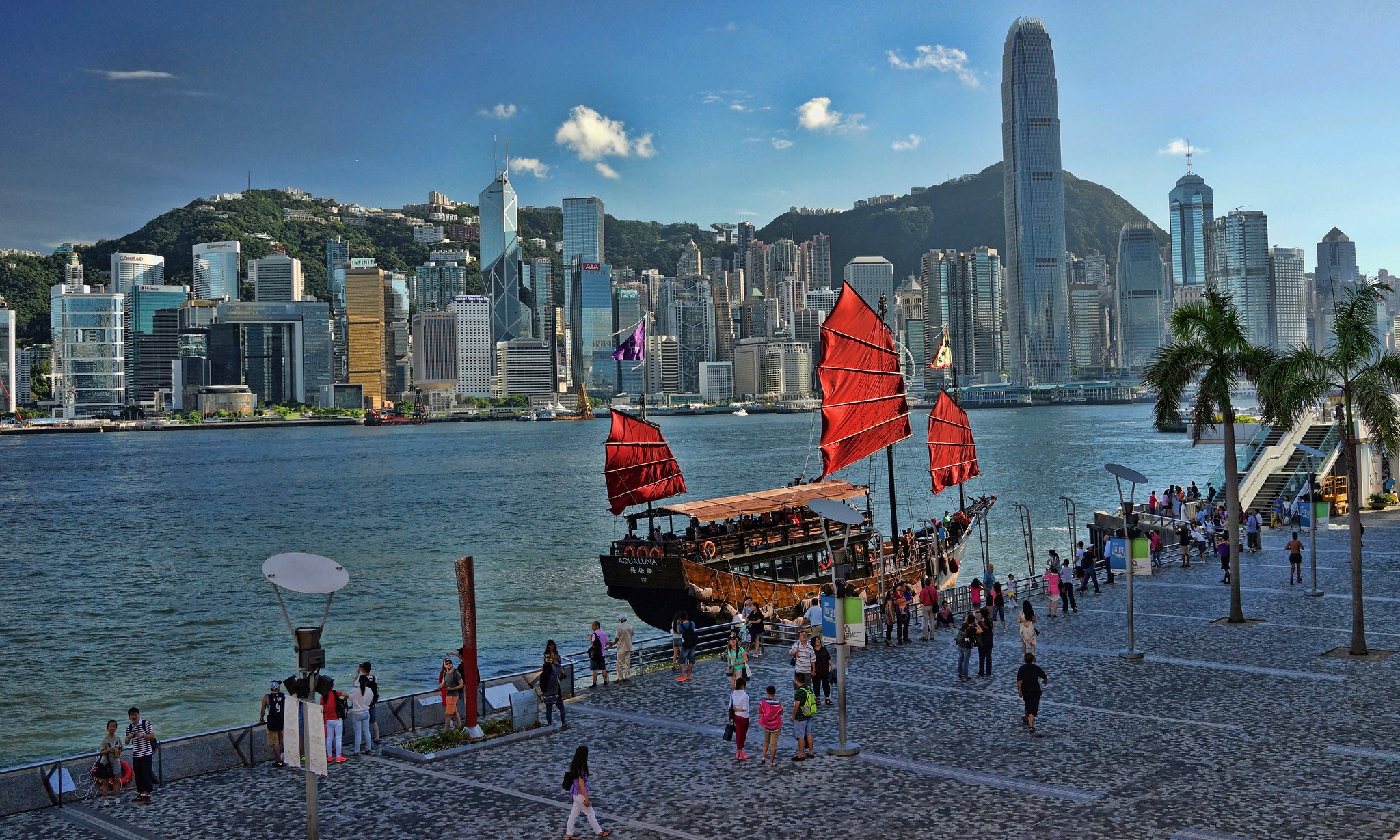
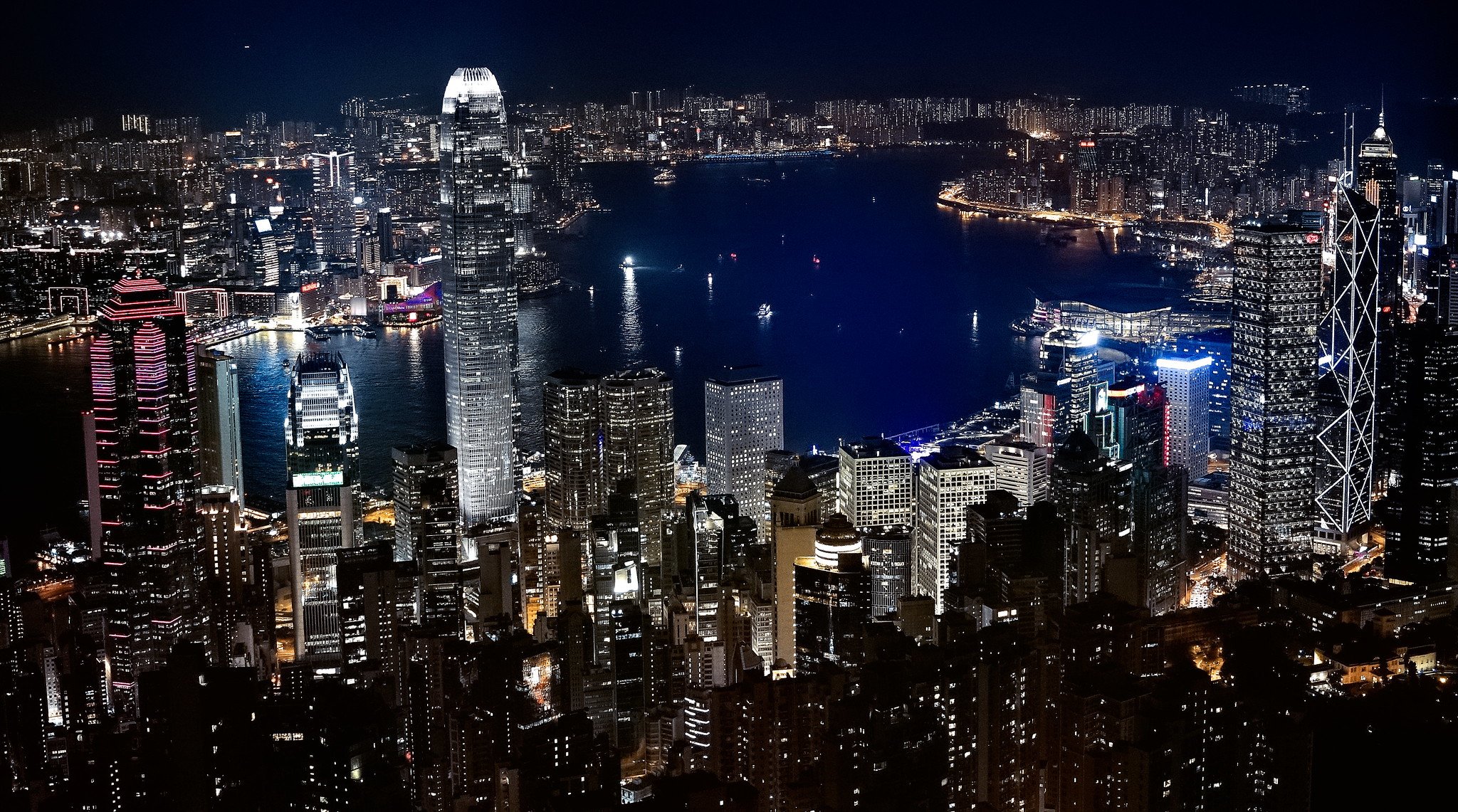
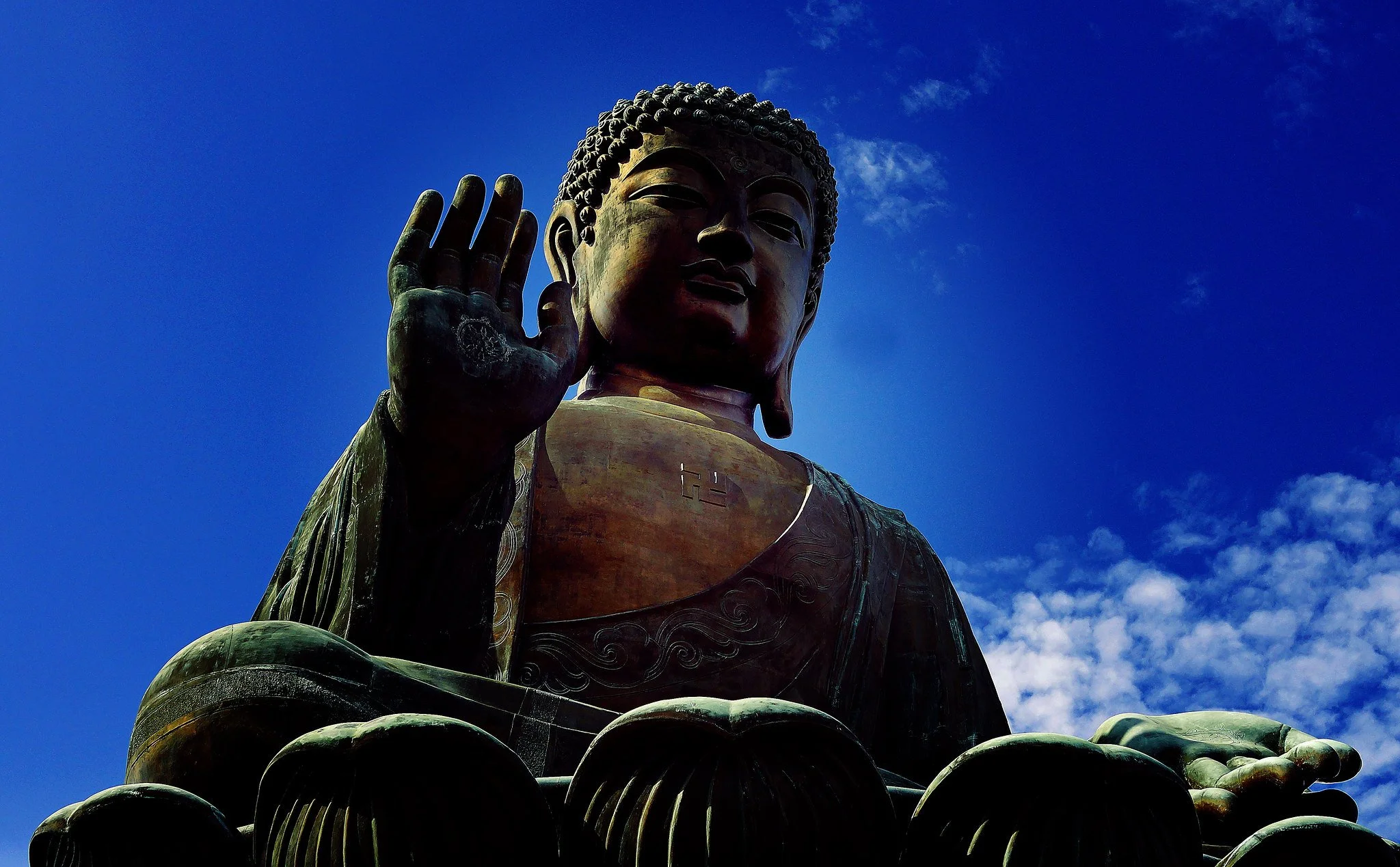
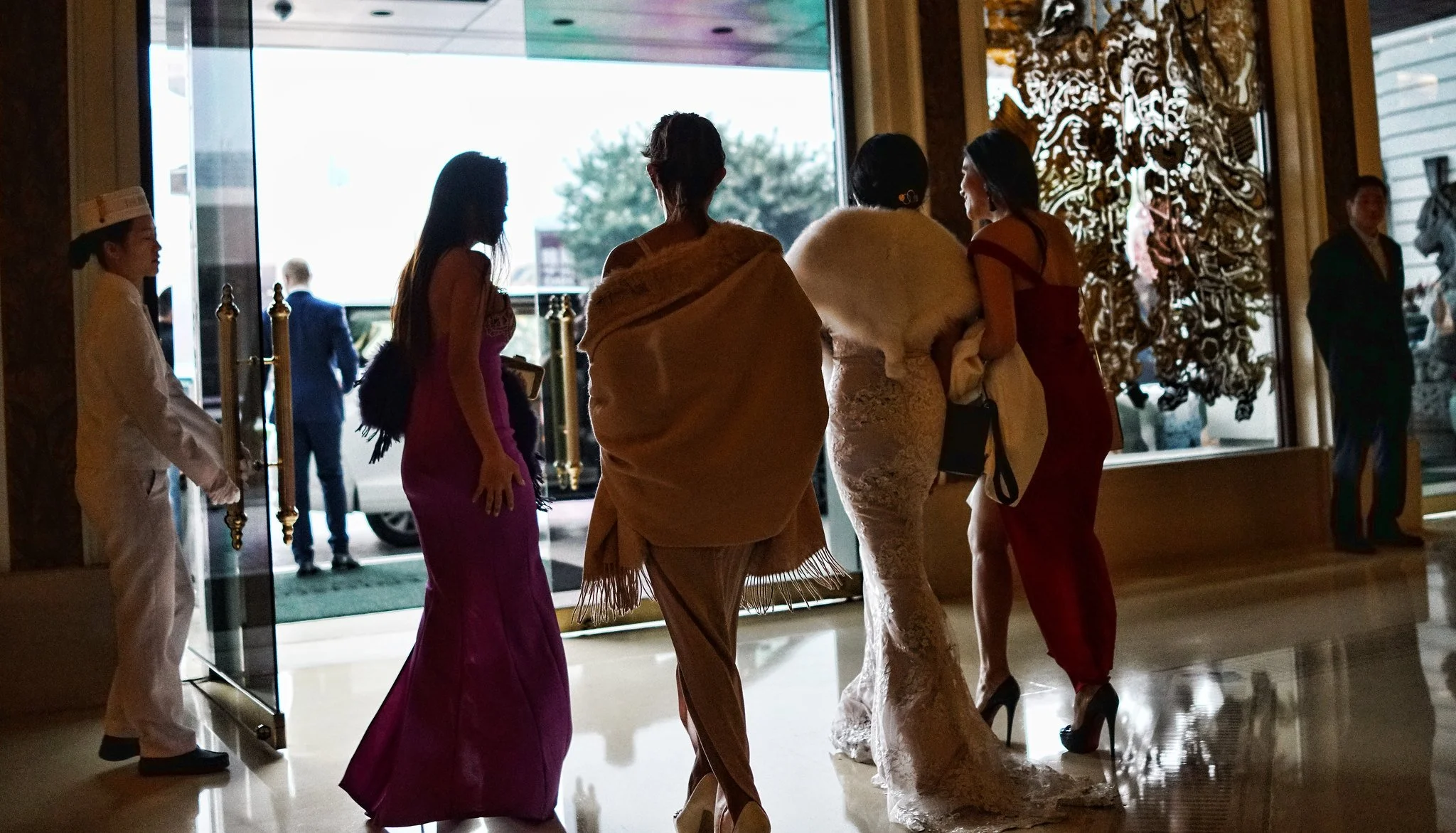
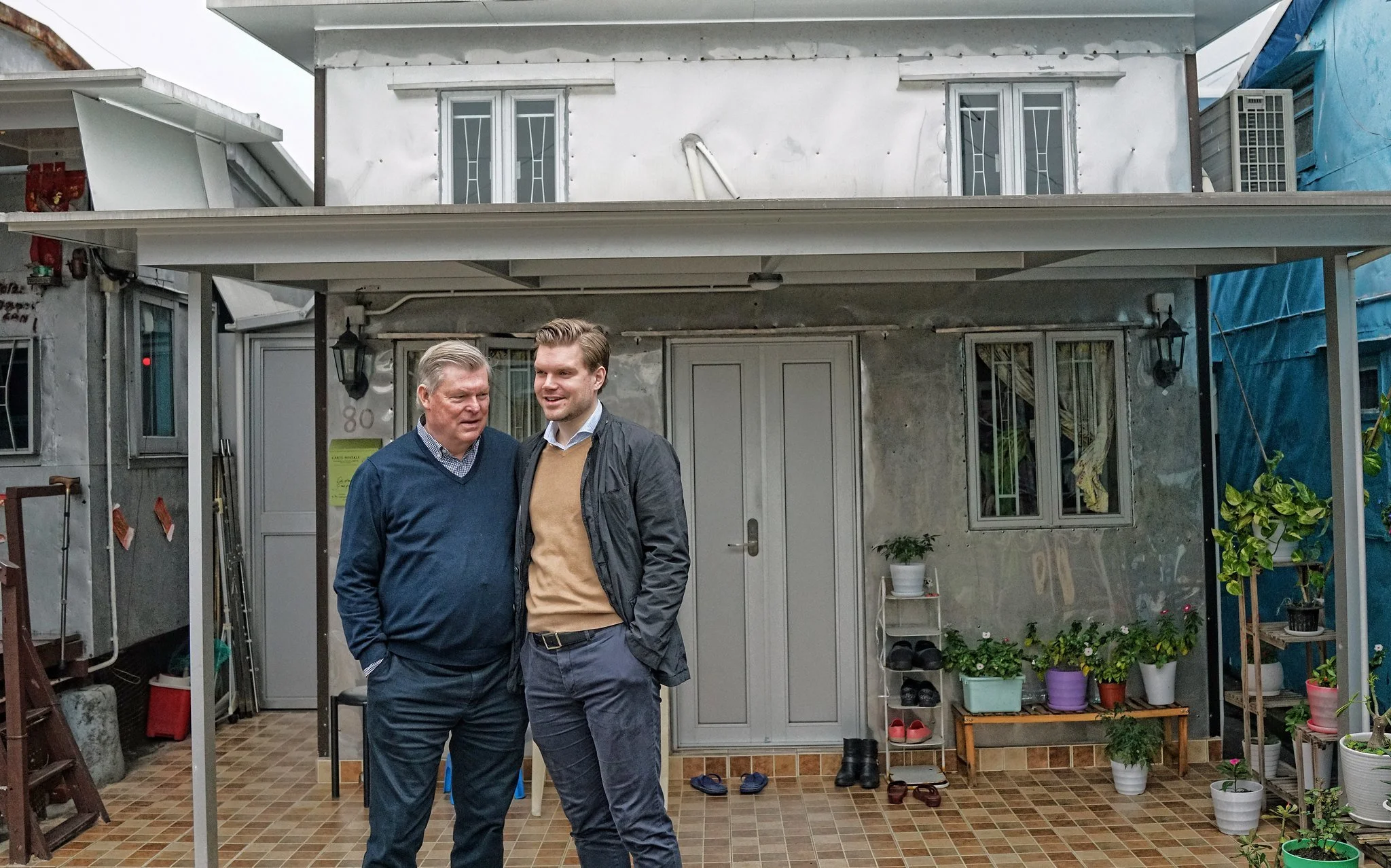
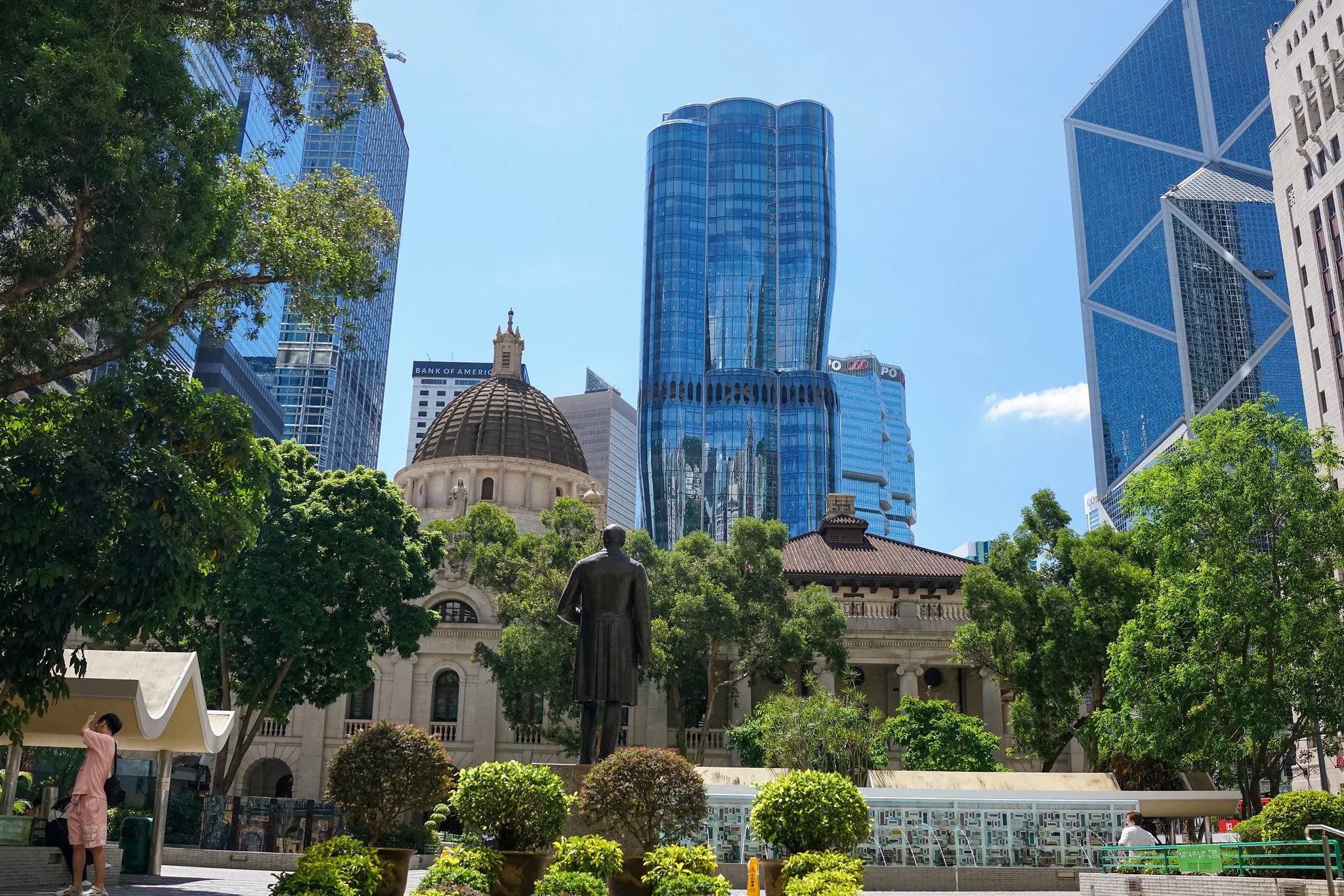
click on any image to enlarge
© Copyright Acknowledged | All rights reserved | all images taken b Jamie
Jamie’s Hong Kong | Some of my favourite images | Hong Kong 101
© Jamie Lloyd | J3 Consultants Hong Kong | J3 Private Tours Hong Kong |
| 2010 - 2026 All rights reserved. |
Click on any image to enlarge to full screen
Current images from my Instagram feed