Hong Kong Dim Sum Mastery : Origins, Tea Traditions & Icons
Hong Kong Yum Cha - Dim Sum’s Deep Bond with Chinese Tea

The J3 Group - Premium Quality Private Tours | Experiences and Insider Chats since 2010
Me Jamie, your host, I am English and I have lived in Hong Kong since January 2nd 1972 - I know the place.
A meaningful blog post with a difference - tips on Travel, Tourism, Tours, Daily Life and my personal thoughts on Hong Kong.
Please do visit Amazing Hong Kong
Hong Kong | Pearl of the Orient
Customised Private Tours + Experiences in Amazing Hong Kong
Jamie has lived in Hong Kong - Pearl of the Orient for 50+ years
Carefully Crafted Personalised and Customised Itineraries by Jamie | Hong Kong’s Most Experienced Private Tour Guide for : Solo Travellers Friends Families Seniors Couples Business People MICE Delegates.
Private Tours Cultural Tours Walking Tours Sightseeing Tours City Tours Night Tours Layover Tours Transit Tours Private Shore Excursions Bespoke Tours Personalised Tours Jewish Heritage Tours Luxury Private Tours Day Tours Luxury Boat Tours Themed Tours Private Family Tours Private Day Tours Corporate Tours
Just you, your family or friends and Jamie your personal English private tour guide - over 2,400+ tours completed since 2011 - Jamie offers quality Private Tours of Hong Kong
Tour Group Size 1 - 6 people only
J3 Group Hong Kong | J3 Consultants Hong Kong | J3 Private Tours Hong Kong
Creating Memories That Will Last A Lifetime
Go here for the Hong Kong Michelin Restaurant Guide which includes the Bib Gourmand Category

Guided by Stories, Private Tours of Hong Kong with Jamie
A Resident since 1972 - Quality Private Tours of Hong Kong
click on the image to enlarge
© Copyright Acknowledged | All rights reserved | image taken by Jamie
The Luk Yu Tea House | Iconic Dim Sum | Hong Kong
Foreword
Dim sum has long held a special place in my heart as a quintessential expression of Cantonese cuisine, one that blends centuries of tradition with the vibrant energy of modern Hong Kong life. What began as humble roadside refreshments for weary travelers has evolved into an intricate art form celebrated daily across the city, where steaming baskets and clattering carts create an atmosphere of shared joy and discovery. I find it fascinating how this culinary tradition not only nourishes the body but also strengthens social bonds, turning a simple meal into a ritual that connects generations and reflects the essence of Hong Kong’s identity.
In preparing this deep dive, I have drawn on historical accounts, firsthand observations of local dining scenes, and insights from seasoned foodies to paint a comprehensive picture. Whether exploring the ancient roots in southern China or the refined variations that define Hong Kong today, the goal is to equip readers with authentic knowledge so that every bite of dim sum carries deeper appreciation. This post celebrates dim sum not merely as food, but as a living cultural treasure that continues to adapt while honoring its origins.
I am fortunate to know the owner of the best food tour company in Hong Kong, Cecilia at Hong Kong Foodie Tours and I have no doubt she would have completely different opinions ! but that is the thing with food, ask 100 people for the best 10 dim sum restaurants in Hong Kong and you will get 100 different answers.
For the record I recently ate at The Chinese Library which is located in the Tai Kwun Complex on Hollywood Road, it would be fair to say I am a little jaded after eating at over 1,400 restaurants in over 50 years here but the Chinese Library, I was blown away by the quality of the dim sum, personal opinion of course, my guests who where major foodies (the best restaurants only) also loved the food, but hey I am absolutely not a foodie but I know good food when I eat it, I am not a sniffy, snobby food guru, I am just an average guy who loves food.
Origin and History of Dim Sum
Dim sum, which literally translates to “touch the heart” in Cantonese, emerged from the teahouses that dotted the ancient Silk Road in southern China, particularly in the Guangdong region. Early references point to practices as far back as the Jin Dynasty (265 - 420 AD), where travelers stopped for rest and refreshment. By the Tang Dynasty (618 - 907 AD), teahouse owners began offering small snacks alongside tea, recognizing that the beverage aided digestion and provided a welcome break from long journeys. These bite-sized portions - initially simple items like nuts, seeds, or basic dumplings - served as practical sustenance rather than a full meal.
The tradition gained structure during the Song Dynasty (960 - 1279 AD), when teahouses in southern China expanded their offerings to include a wider array of steamed dumplings, buns, and savory pastries presented in bamboo steamers. This era marked the shift toward a more formalized dining experience, blending tea culture with communal snacking. The Ming Dynasty (1368 - 1644 AD) and Qing Dynasty (1644 - 1912 AD) represented the golden age, as dim sum spread beyond roadside stops into urban centers and imperial circles. Chefs refined techniques, incorporating delicate wrappers, fresh fillings, and intricate folding methods that emphasized natural flavors over heavy spices - a hallmark of Cantonese philosophy. Over time, the practice of yum cha (“drink tea”) became synonymous with dim sum, evolving from a traveller’s necessity into a social custom enjoyed by all classes.
So the nutshell version of this, Dim Sum has been around for a very, very long time.
The Enduring Link Between Chinese Tea and Dim Sum
At the very core of dim sum lies its inseparable partnership with Chinese tea, a relationship that defines the entire experience known as yum cha. Teahouses along the Silk Road first paired hot tea with small snacks because tea was discovered to effectively cut through the richness and oiliness of the foods, promoting better digestion and leaving diners feeling refreshed rather than heavy. In Hong Kong and Cantonese culture, this is no mere accompaniment: diners typically begin by selecting a tea—often robust pu-erh for its fermented depth and fat-cutting properties, fragrant jasmine, or soothing chrysanthemum—before any carts arrive. The tea cleanses the palate between bites, balances the savory and sweet elements, and fosters a leisurely pace that encourages conversation. This synergy transforms dim sum from a simple meal into a harmonious ritual where the subtle bitterness and aroma of tea elevate the delicate textures and flavors of each morsel, embodying Cantonese principles of balance, moderation, and mindful enjoyment that have endured for centuries.
I should also point out that I do not drink tea, any tea, I had one sip as a kid and never again, I am coffee guy, I have offended many people in Hong Kong by refusing to drink tea and I simply do not understand why, it is my choice not to drink it (like I don’t drink alcohol either) and I would never judge anyone by their refusal to eat or drink stuff they do not want to eat or drink
I am always delighted to promote my friends in the business, they are all about doing the best tours in Hong Kong
When it comes to food tours then look no further than Hong Kong Foodie Tours (link above) I have know the owner Cecilia for a very long time and she has a real advantage, as well as food tours she has tea tasting experiences, so she owns a food tour company and a tea tasting company - you should contact her, details on her website via the link above
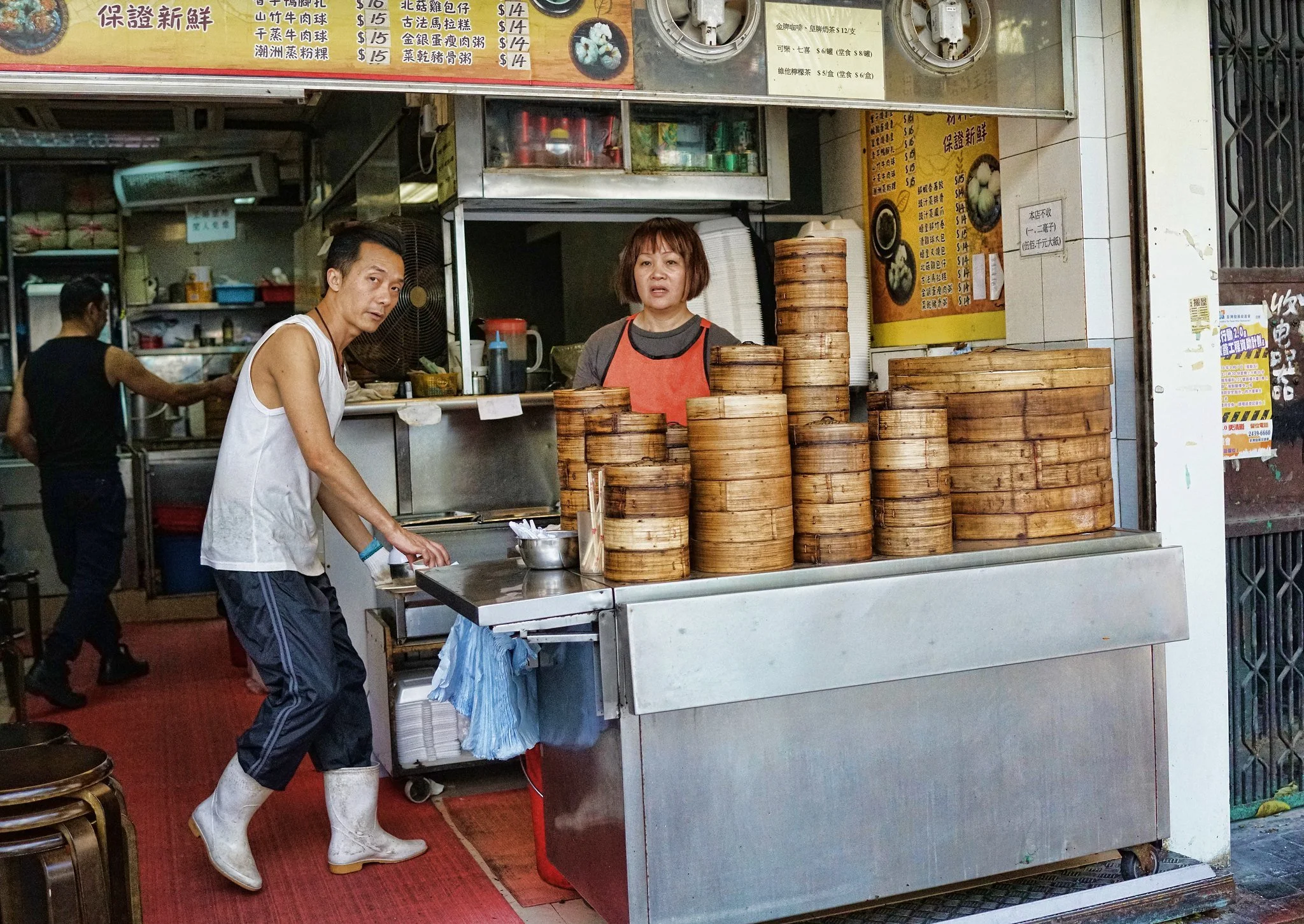
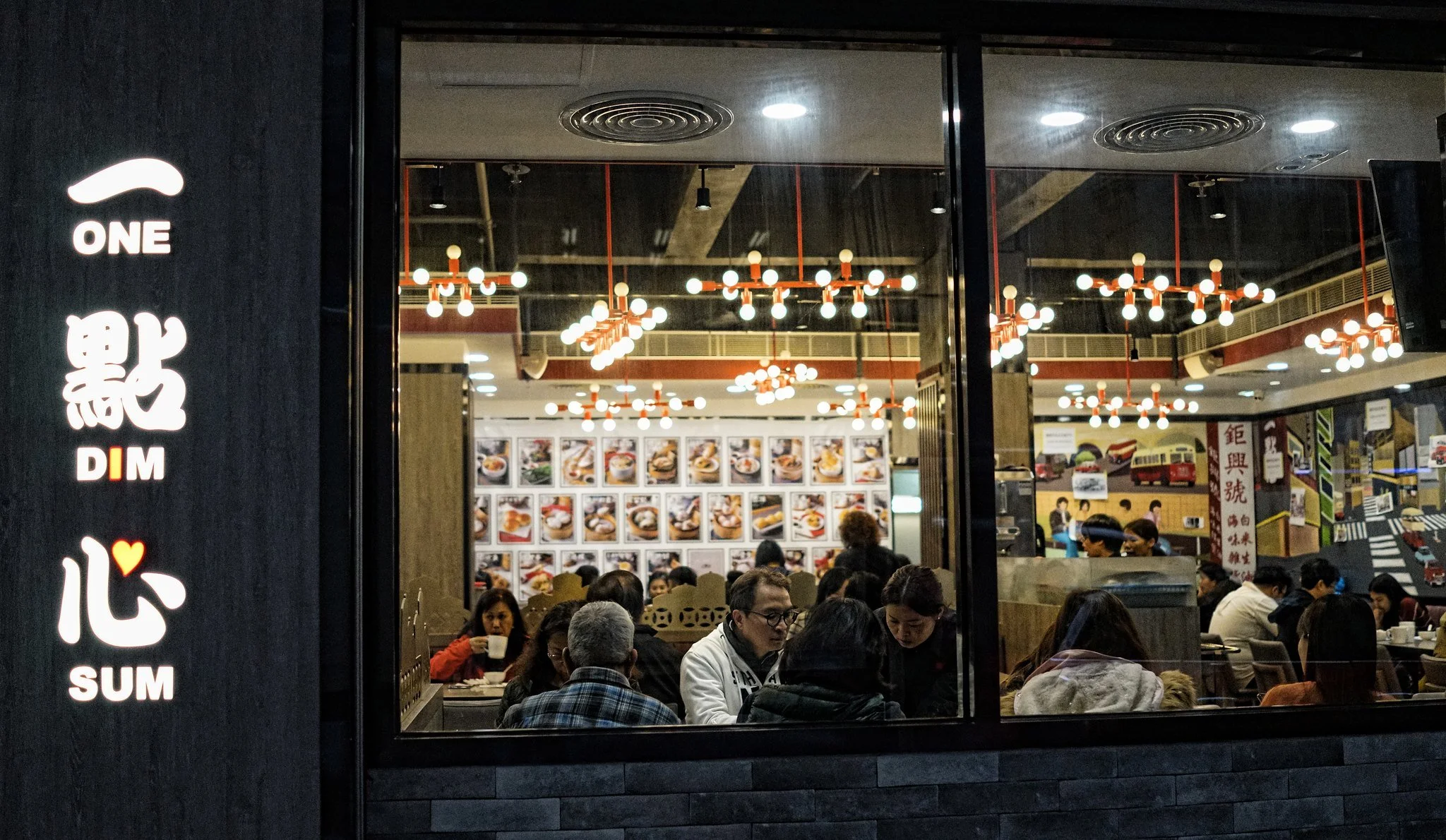
click on any image to enlarge
© Copyright Acknowledged | All rights reserved | images taken by Jamie
More local restaurants | Iconic Dim Sum | Hong Kong
Hong Kong’s Timeline: When Dim Sum Became Part of Daily Life
Dim sum arrived in Hong Kong primarily through Guangdong immigrants in the 19th century, taking root in teahouses as a quick, affordable accompaniment to tea. Early 20th-century developments saw it gain popularity among the city’s growing merchant class, with dedicated restaurants emerging as hubs for business discussions and family gatherings. The real transformation occurred after the Chinese Civil War (1927 - 1949), when many skilled chefs fled Guangdong and settled in Hong Kong, bringing advanced techniques and elevating standards.
By the postwar period of the 1950s and 1960s, large banquet-style dim sum halls proliferated, introducing the iconic trolley service that allowed diners to select dishes on the spot. This era solidified dim sum as a daily or weekly ritual for many Hong Kong residents, especially on weekends when multigenerational families would gather for extended yum cha sessions starting as early as 5 a.m. In the decades that followed, the tradition expanded beyond mornings into all-day service in some venues, adapting to modern schedules while retaining its core communal spirit. Today, for countless locals, dim sum remains an everyday comfort—whether a quick weekday breakfast or a leisurely Sunday feast - embedding itself deeply into the rhythm of Hong Kong life.
I have been devouring Chinese food in Hong Kong since January 1972 and it really took off for me from a Dim Sum point of view when Maxims Palace Restaurant opened in City Hall in Central District and it is still going strong, it remains one of favourite restaurants in Hong Kong
How Many Dim Sum Restaurants Are There in Hong Kong?
Hong Kong is widely regarded as the global capital of dim sum, and the sheer number of places serving it reflects its deep integration into daily life. As of the mid-2000s, official figures showed around 1,473 licensed food premises producing or selling Chinese dim sum. With the total number of licensed restaurants in the city now exceeding 17,500, a realistic current estimate puts the number of venues offering dim sum - from traditional teahouses and trolley-service halls to modern restaurants and hotel outlets - in the range of 1,500 to well over 2,000. This includes everything from hole-in-the-wall spots and cha chaan tengs with a few steamer items to dedicated yum cha palaces. The figure continues to evolve as new openings and closures happen frequently in this competitive dining scene.
This is common in Hong Kong official statistics are a guideline only, the reality is often quite different
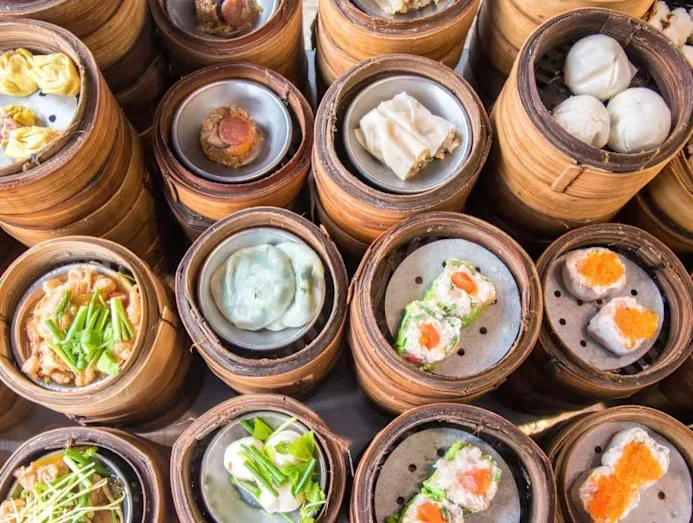
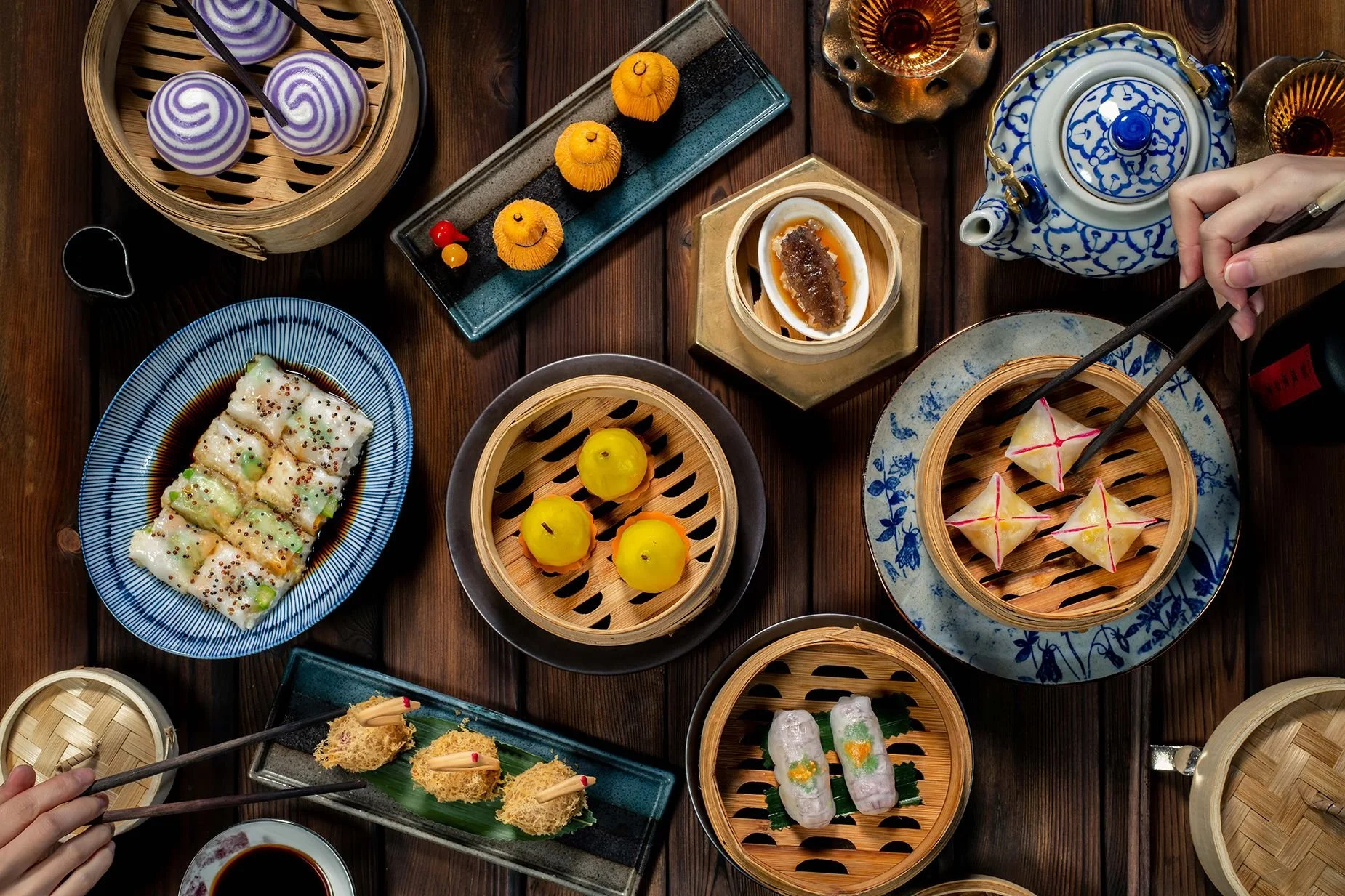
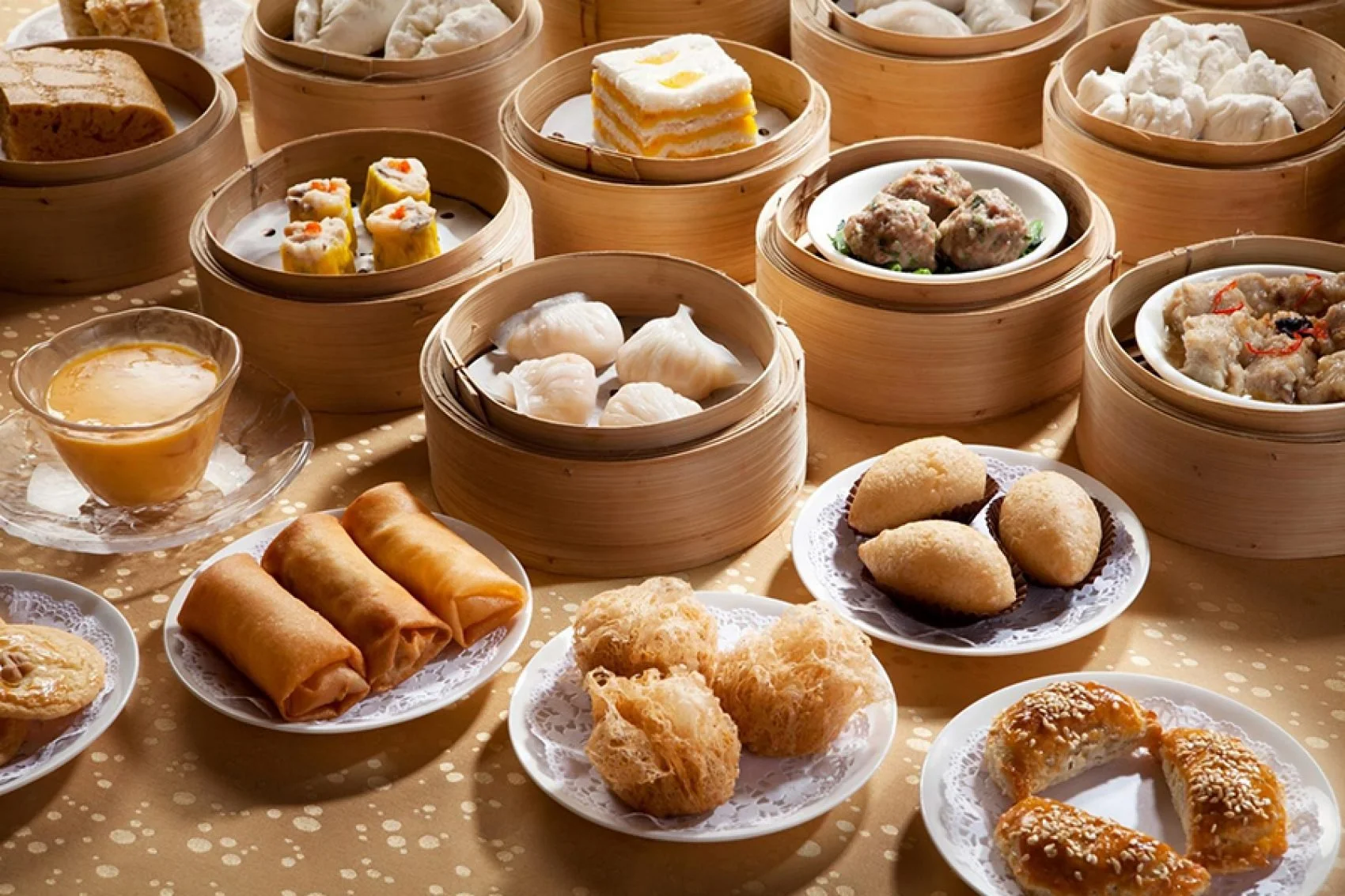
click on any image to enlarge
© Copyright Acknowledged | All rights reserved
Variety is the name of the game | Iconic Dim Sum | Hong Kong
How I Choose a Great Dim Sum Restaurant in Hong Kong
Gosh, the question I am always asked and it is tricky because of my logic in other words ask 100 people and you will get 100 different answers, such is the subject nature of good and with Dim Sum your risk upsetting the culture gods!
When guests ask me how to pick a great dim sum restaurant, I always tell them it comes down to a few key parameters that I have refined after eating at well over 100 different dim sum places across the city. First, I look for freshness and turnover — the best spots are busy from early morning with a constant stream of locals, ensuring ingredients are prepared fresh and steamers are constantly rolling out. Second, I check the execution of the classics: har gow wrappers should be thin and translucent without breaking, siu mai filling juicy yet firm, and char siu bao perfectly fluffy with balanced sweetness. Third, I pay attention to the atmosphere and service style - whether it is traditional trolley service in an old-school teahouse or precise made-to-order in a contemporary setting, the energy and attention to detail matter. Finally, I wish I could tell you that I consider tea quality and how well it pairs with the food but I can’t and I assume that whatever the restaurant serves will be just fine, along with overall consistency, because even famous names can vary by branch or day. These signs have never let me down when guiding visitors to memorable yum cha experiences.
Top 5 Trolley-Service Dim Sum Restaurants in Hong Kong
True old-school trolley service (where dim sum carts weave through the dining room) has become rare in Hong Kong, but these five stand out for preserving the classic yum cha experience. They offer the authentic chaos, noise, and joy of pointing and choosing straight from the steamers. Note that Lin Heung Lau has recently relocated due to redevelopment of its historic Wellington Street premises.
I know my friends who do food tours try and include a trolley dim sum experience, it really is something.
Lin Heung Lau (New Location): Tung Ning Building, 249-251 Des Voeux Road Central, Sheung Wan. The iconic century-old institution with chaotic charm, tightly packed tables, and excellent classic dim sum via trolley service relocated in April 2026 - still very much worth visiting for the traditional experience.
Maxim’s Palace (City Hall): 2/F, Low Block, City Hall, 5 Edinburgh Place, Central. Telephone: +852 2521 1303. One of the most scenic spots with harbour views, elegant yet lively atmosphere, and reliable trolley service - perfect for visitors seeking a memorable experience and I can confirm the memorable experience, I just love this place
Luk On Kui: 2-3/F, 40-50 Des Voeux Road West, Sheung Wan. Telephone: +852 2156 9328. A traditional favourite known for authentic pushcart service, communal tables, and strong local following in a no-frills setting which to me is a polite way of saying it is a dump! but still absolutely worth a visit.
London Chinese Restaurant: 612-618 Nathan Road, Mong Kok (Good Hope Building). Telephone: +852 2771 8018. A bustling old-school venue popular with locals, offering nostalgic trolley service and generous portions in the heart of Kowloon. I have been here quite a few times with my wifes family here. pretty good
Luk Yu Tea House: 24-25 Stanley Street, Central. Telephone: +852 2523 5464. Historic and refined with beautiful old teahouse interiors; it maintains trolley elements alongside exceptional tea and classic dim sum for a more upscale traditional feel and this is perhaps my favourite places, old school and has the history and the atmosphere and is easy to get to and (Opened in 1933 - currently one of Hong Kong’s oldest operating restaurants.) and restaurant that has been around for that long has earned its place in Hong Kong’s cultural DNA
Practical Advice for Enjoying Authentic Dim Sum in Hong Kong
Many visitors today arrive with carefully planned AI itineraries or recommendations from Tripadvisor and Google. While Hong Kong feels very international, a good number of the most character-filled traditional dim sum restaurants still operate primarily in Cantonese. English menus can be limited or absent, and staff English levels vary - this sometimes leads to communication challenges or longer waits when ordering independently.
Additionally, like in many popular tourist cities, a small number of neighbourhood spots have been known to apply different pricing for tourists versus locals, which can result in awkward moments at the bill stage. I have seen this happen even with my own Hong Kong-born, Native Cantonese-speaking wife who is Asian but not obviously Chinese-looking. These are not the norm, but they do occur in a highly competitive restaurant scene.
This is precisely why I always recommend joining a trusted local guide for food experiences when possible. The guide handles all communication, knows the right places, and ensures everything runs smoothly so you can simply relax and enjoy the meal without any surprises.
Top 10 Popular Dim Sum Dishes in Hong Kong
Hong Kong dim sum shines through its emphasis on freshness, precise execution, and balanced flavors. Here is my curated list of the top 10 most beloved classics, based on widespread local preferences and restaurant staples:
Har Gow (Steamed Shrimp Dumplings): Translucent rice-flour wrappers encase plump, succulent shrimp with subtle bamboo shoot crunch -often considered the ultimate test of a chef’s skill due to the delicate pleating.
Siu Mai (Steamed Pork and Shrimp Dumplings): Open-topped dumplings filled with a juicy mix of pork, shrimp, and mushrooms, topped with crab roe or carrot for visual appeal and savory depth.
Char Siu Bao (Steamed BBQ Pork Buns): Fluffy white buns bursting with sweet-savory barbecued pork in glossy hoisin glaze; the steamed version is lighter, while baked variants add a golden crust. (my favourite dim sum dish)
Cheung Fun (Steamed Rice Noodle Rolls): Silky rice sheets rolled around shrimp, beef, or fried dough crullers, then drizzled with a light soy sauce for a slippery, comforting texture.
Lo Mai Gai (Glutinous Rice in Lotus Leaf): Sticky rice parcels infused with chicken, Chinese sausage, mushrooms, and shallots, wrapped and steamed in fragrant lotus leaves for earthy aroma.
Fung Zau (Steamed Chicken Feet): Braised and steamed “phoenix claws” in black bean sauce - tender, gelatinous, and packed with collagen-rich flavor that locals adore.
Ngau Yuk (Steamed Beef Meatballs): Springy beef balls seasoned with ginger and herbs, offering a bouncy bite that highlights premium meat quality.
Lo Bak Go (Pan-Fried Turnip Cake): Grated radish mixed with rice flour, dried shrimp, and sausage, pan-fried to crispy perfection on the outside while remaining soft within.
Ma Lai Go (Steamed Egg Sponge Cake): Light, fluffy yellow cake with a subtle caramelized sweetness, evoking childhood memories for many Hong Kongers.
Dan Tat (Egg Custard Tarts): Flaky pastry shells filled with silky smooth egg custard - a sweet finale that balances savory dim sum with its rich, wobbly center. (my personal record is 6 in one session, something I am not proud of)
These dishes exemplify the Cantonese focus on texture contrasts and ingredient purity, best appreciated when paired thoughtfully with the right tea or in my case a Coca Cola
For the record I could eat by the bucket load all of these 10 dishes with one exception and that is chicken feet, not in this lifetime or the next it is dishes like this that make me crave a slice of blueberry cheesecake!
One dish that is strangely missing is Mango Pudding which should replace the egg sponge cake which is ok but not a patch on mango pudding, the traditional mango pudding comes with evaporated milk and must have a cherry on top, my personal record is 5 after one particularly memorable meal and yes I got that look from the wife!
Why Dim Sum in the USA, UK, Australia, and Canada Differs from Hong Kong
This is something that I personally cannot comment on so my comment are based on my guests feedback as Dim Sum is very popular in all of these countries
Feedback from guests consistently highlights noticeable differences, and the reasons stem from adaptation, supply chains, and cultural priorities. In Hong Kong, the emphasis remains on ultra-fresh, seasonal ingredients sourced daily, with chefs trained through rigorous apprenticeships that prize lightness, subtlety, and steaming precision to let natural flavors shine. Overseas versions often cater to local palates by incorporating sweeter sauces, bolder seasonings, or larger portions to appeal to Western preferences for heartier, more familiar tastes.
Early Cantonese immigrants established restaurants in these four countries from the late 19th century onward, but over generations, menus evolved to include fusion elements or American-Chinese staples, sometimes relying on frozen ingredients or simplified techniques due to logistics and cost. The communal trolley service and extended social yum cha ritual - with its central role for tea - are rarer abroad, where diners typically order from menus in a more individualistic style, leading to quicker meals rather than leisurely gatherings. Chef training also varies: Hong Kong’s high-pressure, tradition-bound kitchens foster mastery of delicate folding and timing, whereas overseas establishments may prioritize consistency and volume. The result is authentic Hong Kong dim sum feeling lighter, more refined, and truer to Cantonese roots compared to the often richer or customized interpretations found elsewhere.
Comparison with Singapore: Is Their Dim Sum Similar to Hong Kong’s?
This I can answer as I have been to Singapore many times.
Singapore’s dim sum shares strong similarities with Hong Kong’s due to the large population of Cantonese and Guangdong heritage, plus shared immigrant histories that introduced yum cha culture. Many Singaporean restaurants feature core classics like har gow, siu mai, and char siu bao prepared with comparable steaming methods and fresh seafood emphasis. However, subtle differences arise from Singapore’s multicultural influences - Malay, Indian, and Southeast Asian flavors occasionally infuse dishes with extra chili heat, spices, or sweeter profiles tailored to local tastes.
Hong Kong versions generally maintain stricter adherence to pure Cantonese restraint and refinement, benefiting from the city’s status as the global epicenter with intense competition among chefs. Singapore excels in value and accessibility through hawker-style or chain options, and some branches of Hong Kong icons like Tim Ho Wan adapt slightly for Singaporean preferences (e.g., sweeter buns). Overall, the two are closely aligned in quality and spirit, but Hong Kong edges ahead in authenticity and variety for purists, while Singapore offers vibrant, fusion-friendly interpretations that locals proudly defend as equally exceptional.
That is my fair and balanced observation
The Best Restaurants in Hong Kong for Dim Sum
Selecting the absolute best is inherently subjective, as personal taste, atmosphere, and specific dishes play key roles, but these establishments consistently rise to the top through reputation, consistency, and culinary excellence. I prioritize a mix of traditional icons and refined masters where technique and freshness are paramount:
Lin Heung Lau (New Location): Tung Ning Building, 249-251 Des Voeux Road Central, Sheung Wan. The legendary trolley-service icon with chaotic charm.
Tim Ho Wan (Multiple Locations): Example - Shop 12A & 12B, Level 1, MTR Hong Kong Station, IFC Mall, Central. Telephone: +852 2332 3078. The original “Michelin-starred dim sum at hawker prices” spot excels in fluffy char siu bao and delicate har gow across accessible branches.
Yat Tung Heen: B2F, Eaton HK, 380 Nathan Road, Jordan. Telephone: +852 2710 1093. A Michelin-starred haven offering refined, ingredient-focused dim sum with seasonal twists in an elegant hotel setting.
Dim Dim Sum: G/F, 23 Man Ying Street, Jordan. Telephone: +852 2771 7766 (other branches in Mong Kok and Wan Chai). Creative yet faithful to tradition, with standout piggy buns and innovative dumplings in a lively environment.
Lung King Heen: 4/F, Four Seasons Hotel, 8 Finance Street, Central. Telephone: +852 3196 8880. Ultra-luxurious with impeccable execution of elevated classics, perfect for special occasions in a sophisticated harbor-view space.
These venues showcase the spectrum from nostalgic to contemporary, ensuring memorable experiences regardless of budget or occasion, I must stress that I have eaten at all of these 5 places.
Now, I am going to put my neck on the line here, the very best dim sum I have had in Hong Kong, hands down, no comparison is possible, Lung King Heen in the Four Seasons Hotel (twice I have been with guests) oh boy, it is hard to even describe, awesome does not do it justice, I would go there every day if it was 90% cheaper and yes, the prices make your eyes water
Estimated Cost for a Full Dim Sum Experience at Lung King Heen (for 3 People)
As mentioned I have eaten their twice and each time it was a party of 3 and of 2026 it is a 2 star Michelin restaurant, when I ate there it was a 3 star Michelin restaurant
Lung King Heen at the Four Seasons is one of Hong Kong’s most refined venues for elevated dim sum, with premium ingredients, impeccable execution, and a minimum spend (currently around HK$500 - 700+ per person depending on the day). For a generous a la carte experience of roughly 10 shared dishes (e.g., a mix of har gow, siu mai, char siu bao, signature abalone puffs, lobster dumplings, rice rolls, and a couple of premium items) plus tea and soft drinks for 3 people, I estimate the following based on current premium pricing:
Food (10 dishes): HK$2,200 - HK$3,200 (individual signature pieces often range HK$70–150+, with luxury items higher).
Drinks (good Chinese tea + water/juices): HK$400 - HK$700.
10% service charge: Added on top.
Total estimated bill: HK$3,000 - HK$4,500 for three people (roughly HK$1,000–1,500 per person). In US dollars (at current exchange rates of approximately 1 HKD = 0.128 USD): US$384 - US$576.
This is a splurge-level experience befitting its multi-Michelin-star status - prices can vary by exact choices, day (weekday vs weekend), and any seasonal specials. Reservations and confirming the latest menu are essential.
I have eaten in so many Chinese restaurants in Hong Kong I know great food when I eat it, this was a next level experience
click on the image to enlarge
© Copyright Acknowledged | All rights reserved | image taken by Jamie
Din Tai Fung | Iconic Taiwanese Soup Dumplings | Hong Kong
Brief History of Din Tai Fung Taiwanese food in Hong Kong
This is my go to restaurant in Hong Kong, it is not specifically a Dim Sum restaurant but many of it’s dishes are similar to Dim Sum and the soup dumplings as shown in the image are to die for
Generally I do not do lunch stops on my private tours unless it is a specific request and will give my guests the options of a traditional Dim Sum experience or a Din Tai Fung experience! I like Din Tai Fung because it has an extensive menu that caters to people with food allergies and religious practices | observations, the quality is outstanding, it is in a great location in TST Kowloon and I basically never have to wait in line
I actually suggest to my guests in pre arrival planning that they consider doing a specific food tour through my friends (see bottom of this blog post)
Din Tai Fung is the world’s most famous Taiwanese restaurant brand, best known for its meticulously crafted xiaolongbao (soup dumplings). It began humbly in 1958 as a cooking oil retail shop in Taipei, founded by Yang Bing-yi (who immigrated from Shanxi Province, China) and his wife Lai Pen-mei. The name combines elements from Yang’s previous employer (Heng Tai Fung) and their oil supplier (Din Mei Oils). When the cooking oil business declined in the early 1970s due to tinned oil, the family pivoted to selling xiaolongbao and noodles in half the shop. The dumplings proved so popular that by the mid-1970s Din Tai Fung had fully transformed into a restaurant. Under the second generation (Yang’s sons), it expanded internationally starting in 1993 (Japan) and became a global icon famous for its open kitchens, precise folding technique (exactly 18 pleats per dumpling), and consistent quality.
Is “Taiwanese Dim Sum” an Accurate Description?
I often hear guests refer to Din Tai Fung as “Taiwanese dim sum,” but this is only partially accurate and can be a bit misleading. Traditional dim sum is fundamentally Cantonese - rooted in Guangdong and Hong Kong yum cha culture with a wide variety of steamed dumplings, buns, rice rolls, and small plates served with tea. Din Tai Fung specialises almost exclusively in Shanghai-style xiaolongbao and other northern Chinese dumplings and noodles, not the broad Cantonese repertoire. While the small-portion, steamed presentation feels similar to dim sum, it is more precisely described as Taiwanese-style dumplings or simply Din Tai Fung’s signature xiaolongbao. Taiwan has its own vibrant food scene that adapted and perfected mainland recipes, but calling it “Taiwanese dim sum” blends two distinct regional traditions. In Hong Kong, locals clearly differentiate the two - Din Tai Fung is excellent for soup dumplings, but for authentic Cantonese dim sum, they head to the classic trolley-service halls or any of the 1,500+ Dim Sum Restaurants in Hong Kong
Din Tai Fung Global Presence (Approximate Numbers as of 2026) Din Tai Fung operates roughly 170+ branches across more than 13 countries and regions, with a strong emphasis on Asia:
Taiwan: ~12 branches (its home base)
Japan: ~28 branches
Singapore: ~26 branches
China (Mainland): ~23 branches
Hong Kong: 4 branches
Malaysia: ~15 branches
Indonesia: ~14 branches
United States: ~17 branches
Thailand: ~5 branches
United Arab Emirates (Dubai & Abu Dhabi): ~7 - 8 branches
United Kingdom: 4 branches (all in London)
Philippines: ~8 branches
South Korea: ~6 branches
Canada: 1 branch (Vancouver)
Australia: Previously present but largely exited the market in 2024–2025 following labour disputes
The lack of branches in Canada is a little odd considering the large Chinese population in all major Canadian cities and I am betting there are a heck of a lot more traditional dim sum restaurants!
Why Din Tai Fung Has Limited Presence in Canada
My observation is spot on and a very reasonable explanation so I have been told. Canada has a large and well-established Chinese population (around 1.7 million as of recent data), concentrated in cities like Toronto, Vancouver, and Markham. However, the makeup of this diaspora heavily favou - 1990s. These communities have long embraced traditional Cantonese dim sum as a core part of their social and family culture, supporting hundreds of dedicated yum cha restaurants, especially in the Greater Toronto Area and Greater Vancouver.
Din Tai Fung’s Shanghai/Taiwanese-style focus (primarily xiaolongbao and northern-style dumplings) appeals more to mainland Chinese or younger, pan-Asian diners. While newer immigration from mainland China has grown significantly, the entrenched preference for classic Cantonese trolley-service dim sum in Canadian Chinatowns has meant less demand for Din Tai Fung until very recently. The chain only opened its first (and so far only) Canadian location in Vancouver in 2025, reflecting cautious expansion into a market already saturated with strong local alternatives.
So now you know and just so we are clear it is not about what I like food wise, I like to be able to give my quests a choice of food with one exception, I tend to shy away from street food, I have had some bad experiences, that is best left to the experts, in other words the Food Tour companies I mention at the bottom of this blog, click on the link and you will transported to their website.
Why Dim Sum Remains a Cultural Icon in Hong Kong : My Subjective Opinion
Dim sum transcends mere sustenance to embody the soul of Cantonese culture - its emphasis on harmony, sharing, and appreciation for life’s simple pleasures. In a fast-paced city like Hong Kong, the ritual of gathering around steaming baskets fosters family bonds and social connections that no other meal quite replicates; it is where stories are exchanged as readily as plates. The philosophy of using fresh, high-quality ingredients without overpowering them mirrors broader Cantonese values of balance and respect for nature.
As a cultural icon, dim sum also symbolizes resilience and adaptation: surviving wars, migrations, and modernization while retaining its core identity. It unites diverse generations - grandparents teaching grandchildren the proper way to order from carts—while welcoming innovation from young chefs. Ultimately, I believe its enduring appeal lies in the joy of discovery: each small dish invites conversation, experimentation, and delight, making it far more than food - it is a vibrant thread woven into Hong Kong’s social fabric and a proud emblem of Chinese heritage worldwide.
From my point of view, well I lived here for over 50 years and I remain fascinated by Dim Sum rituals and just the whole vibe in a more local restaurant but personally I always seem to gravitate back to the Luk Yu Tea House.
Any additional angles, such as pairing suggestions with specific teas or seasonal variations, could further enrich future explorations, but this foundation equips anyone to approach dim sum with informed enthusiasm and genuine appreciation.
Jamie’s Hong Kong Insider Chat
AI Itinerary Rescue Service - Bring your AI-generated plan (or any self-designed itinerary) and I will spend the full two hours reviewing it with you. I’ll fix the impossible timings, suggest smarter routing, add interesting places that AI never finds, adjust for your group’s energy levels, and create a realistic, enjoyable day-by-day flow that actually works in real Hong Kong. Most guests leave saying “This is exactly what we needed”
I do not do Food Tours in Hong Kong but I know people that do!
I do not do food tours as mentioned above, I have very specific reasons and part of it is that I do not speak Cantonese or write Chinese, I am from Yorkshire in England and I lack the language gene and it is not through lack of trying and yes a lot of restaurants do not have English menu’s or staff who speak conversational English.
.. and yet I have eaten at close to 1,400 restaurants in Hong Kong since January 2nd 1972, my wife was born in Hong Kong and we have been together over 40 years and her first language is Cantonese and a lot of her family are Chinese or half Chinese so I have never had much of an issue!
This does not translate to doing food tours though, yes, I could do them, no problem there but they would never ever be as good as the food tours done by my friends (see the 3 links above) most of their awesome guides are locally born Hong Kong Chinese and obviously food culture is part of their DNA, it is impossible for me to compete with that!
So please feel free to contact them for food tours
I do not do Hiking Tours in Hong Kong but I know someone that does!
I do not do Hiking Tours, never have and never will even though I used to go Hiking a lot when I was a lot younger, The Hong Kong Government is promoting hiking tours so I urge you to contact my friend Sabrina at Hong Kong Trails and Tours, she is a long time Hong Kong resident and and a very experienced hiker with close to 700 Hikes in 15+ years under her belt, please click on the link below
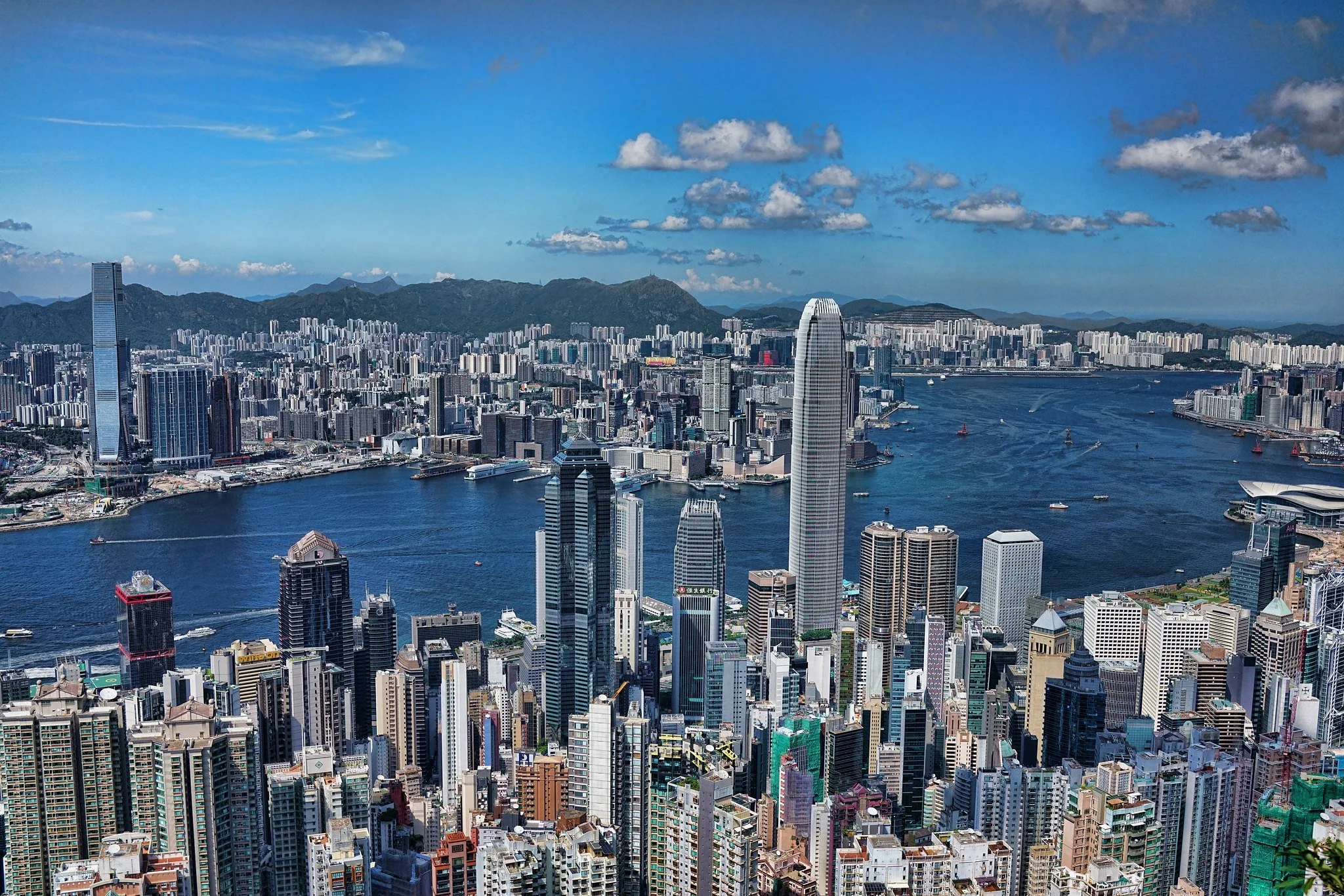
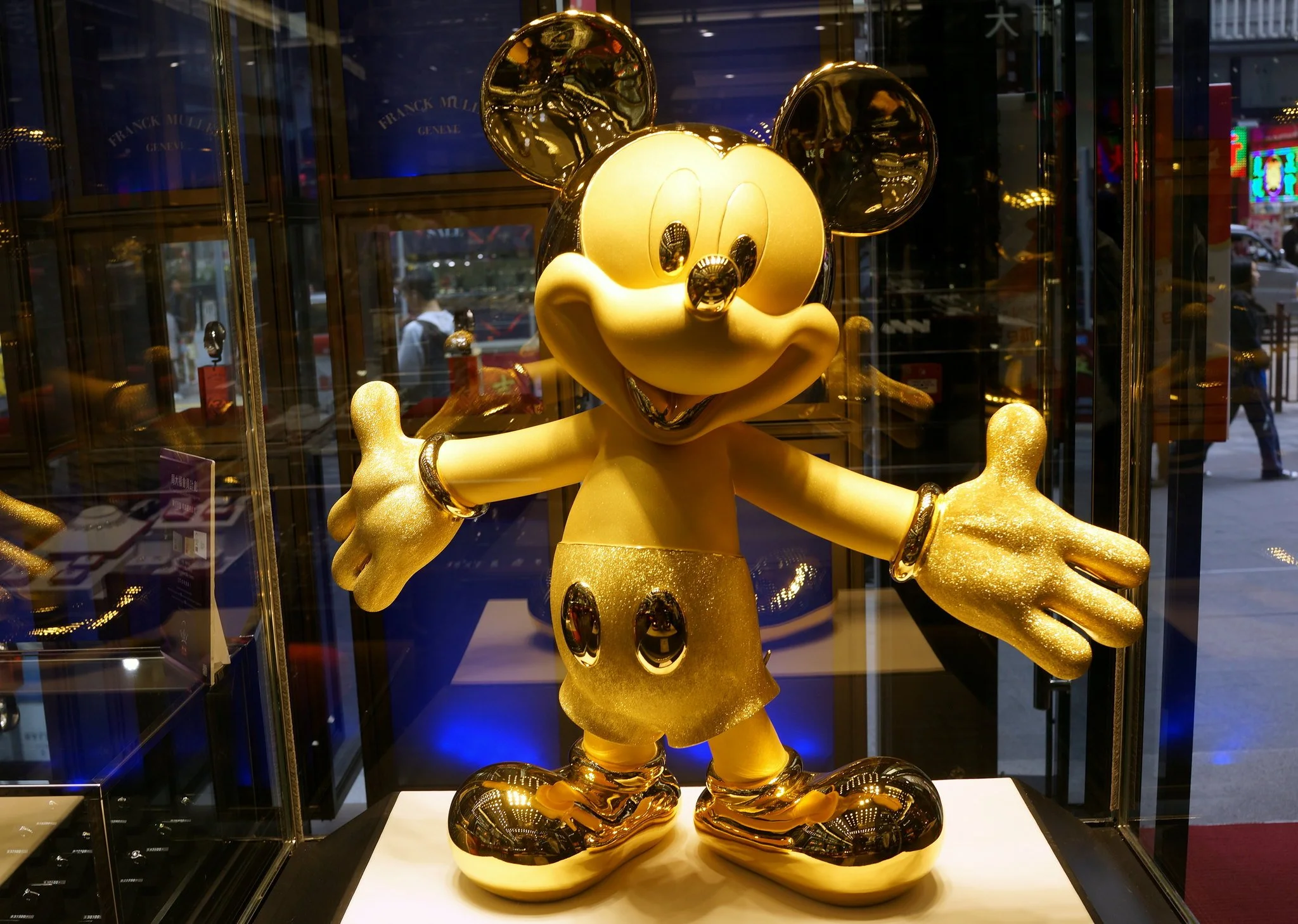
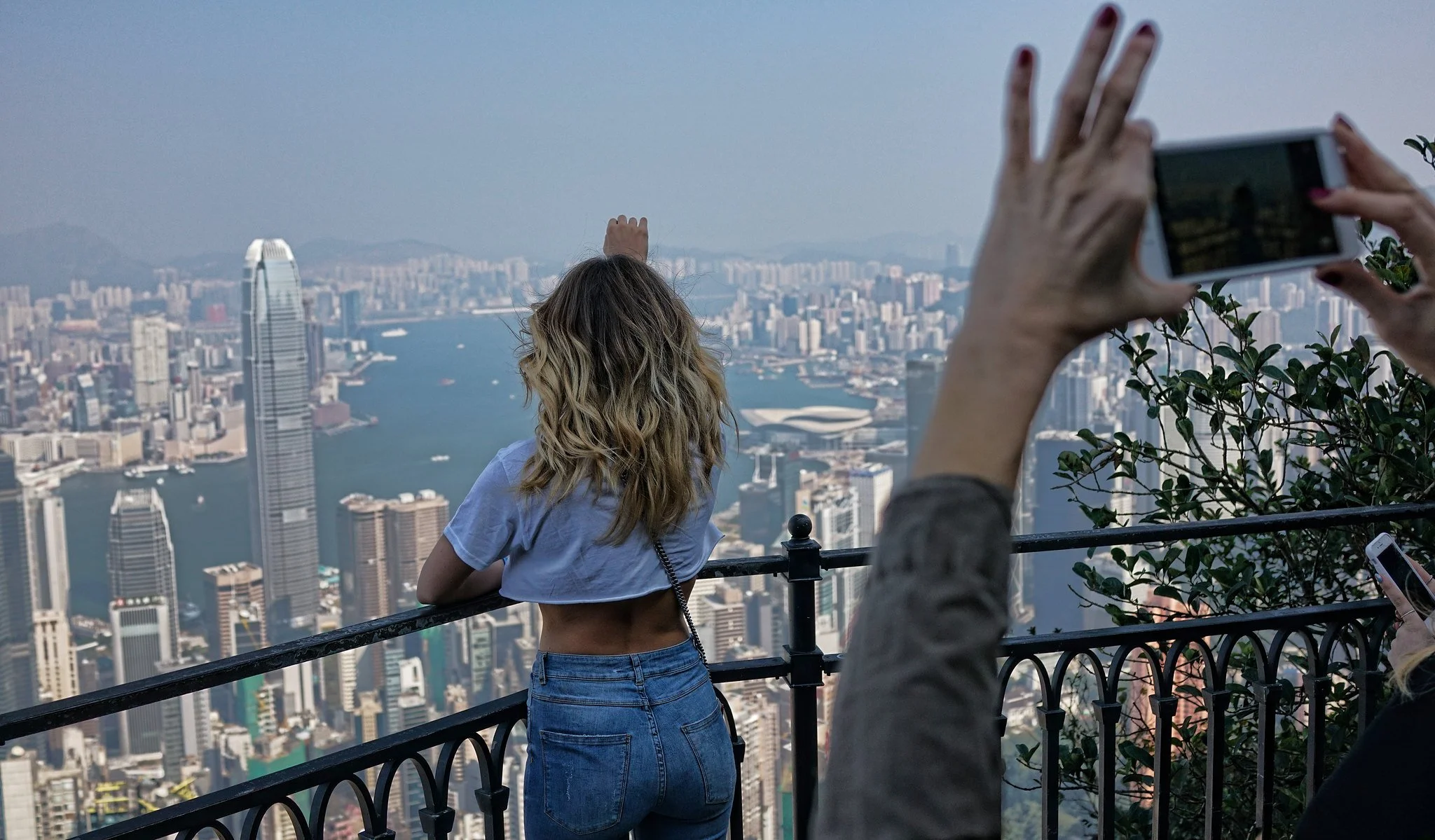
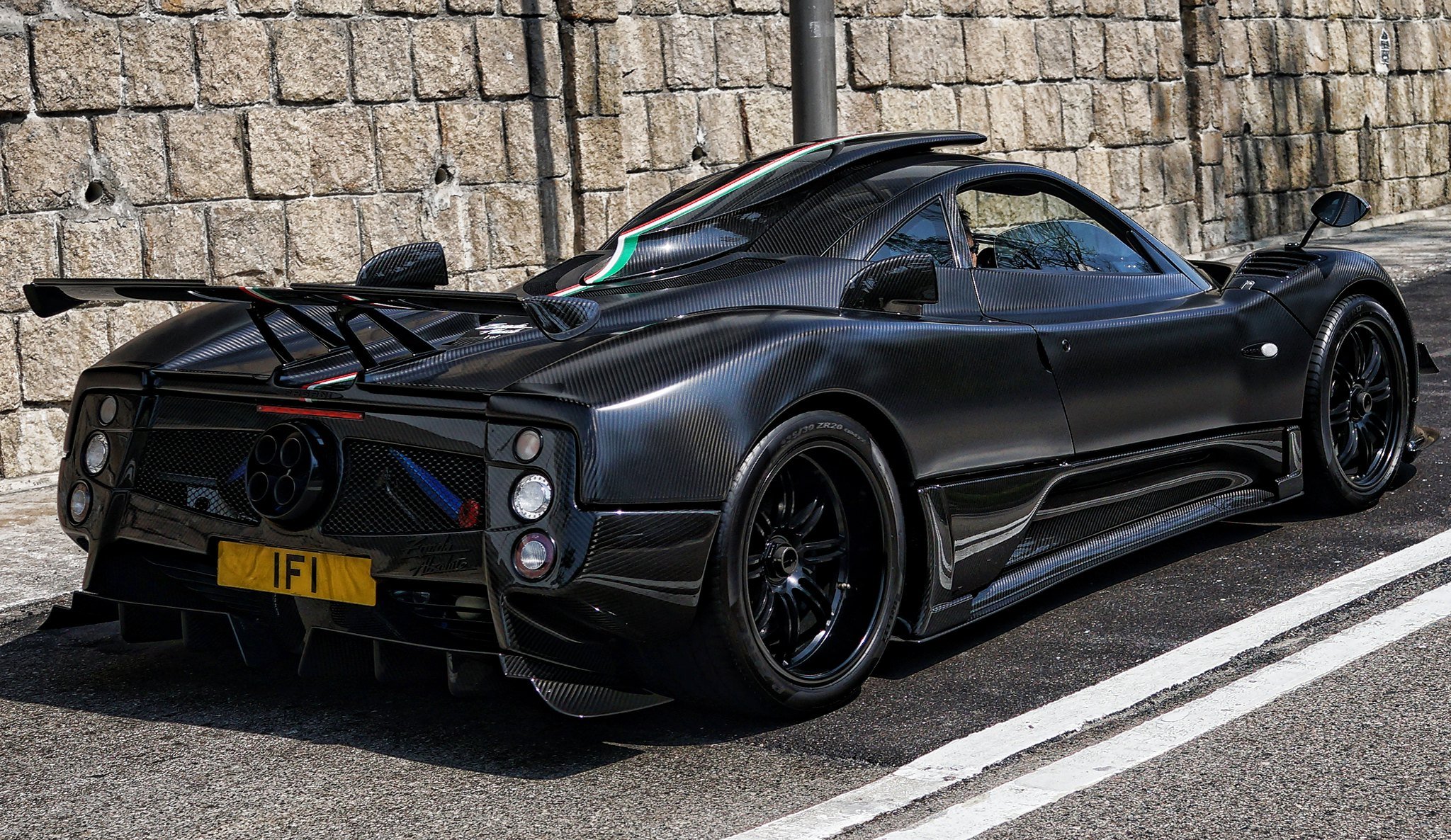
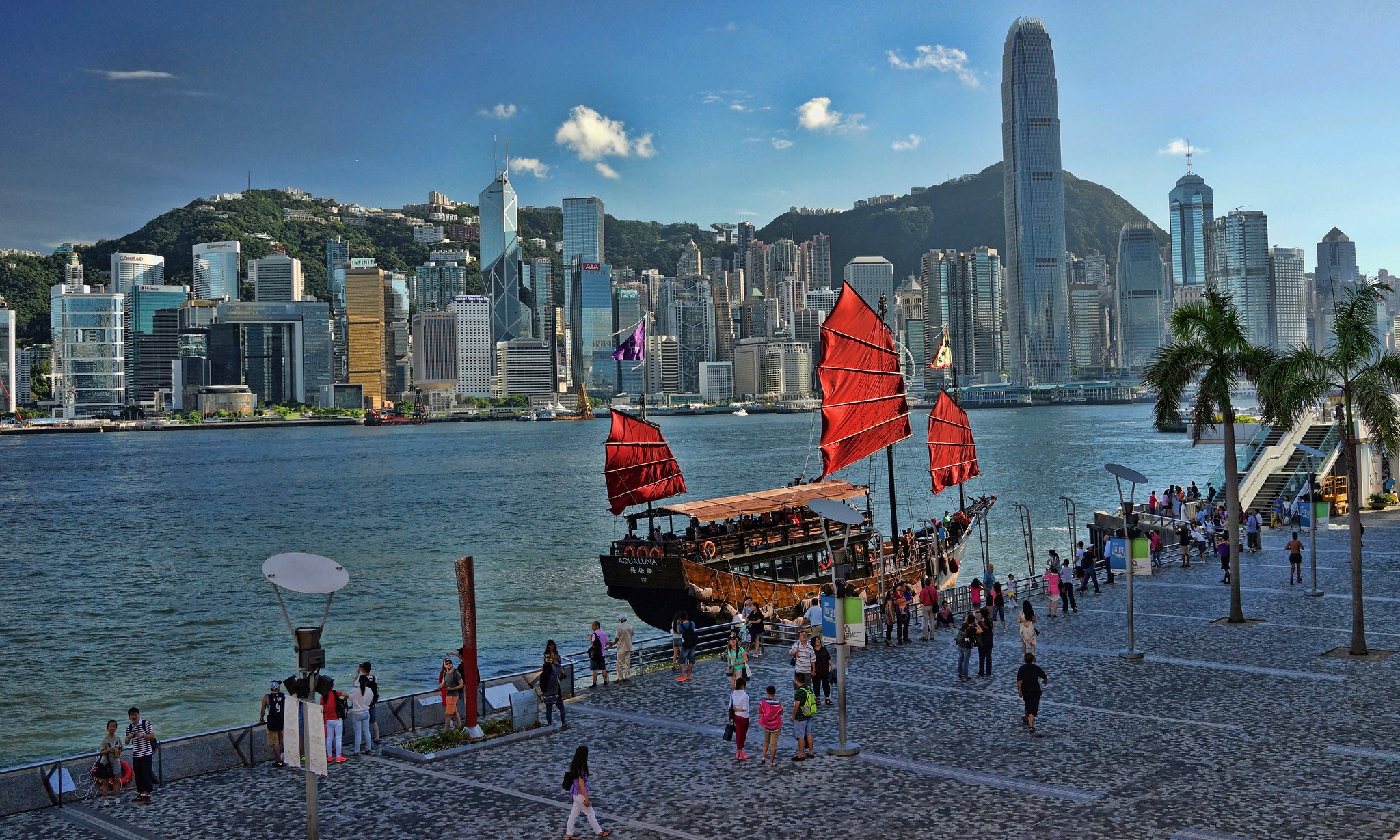
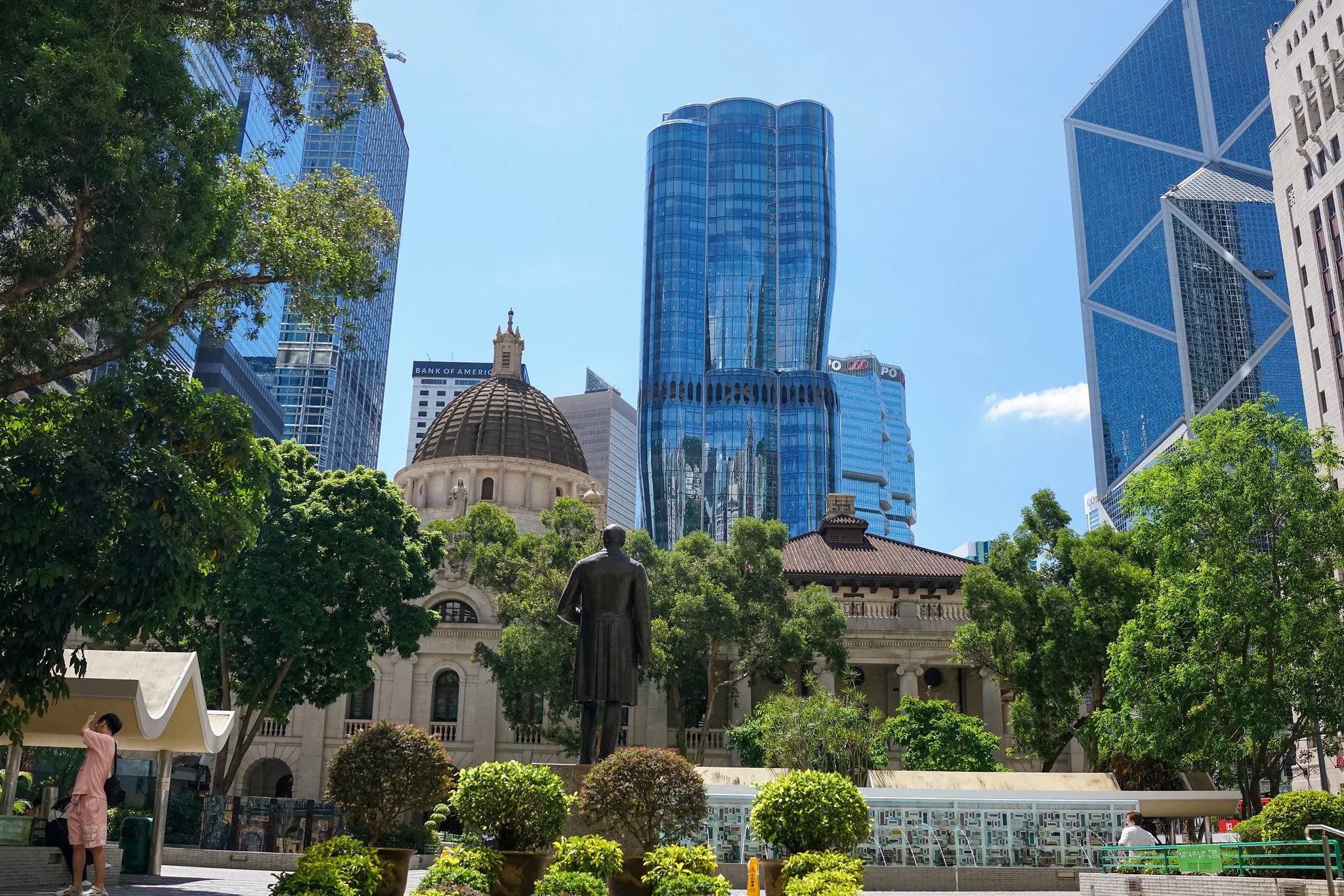
click on any image to enlarge
© Copyright Acknowledged | All rights reserved | all images taken b Jamie
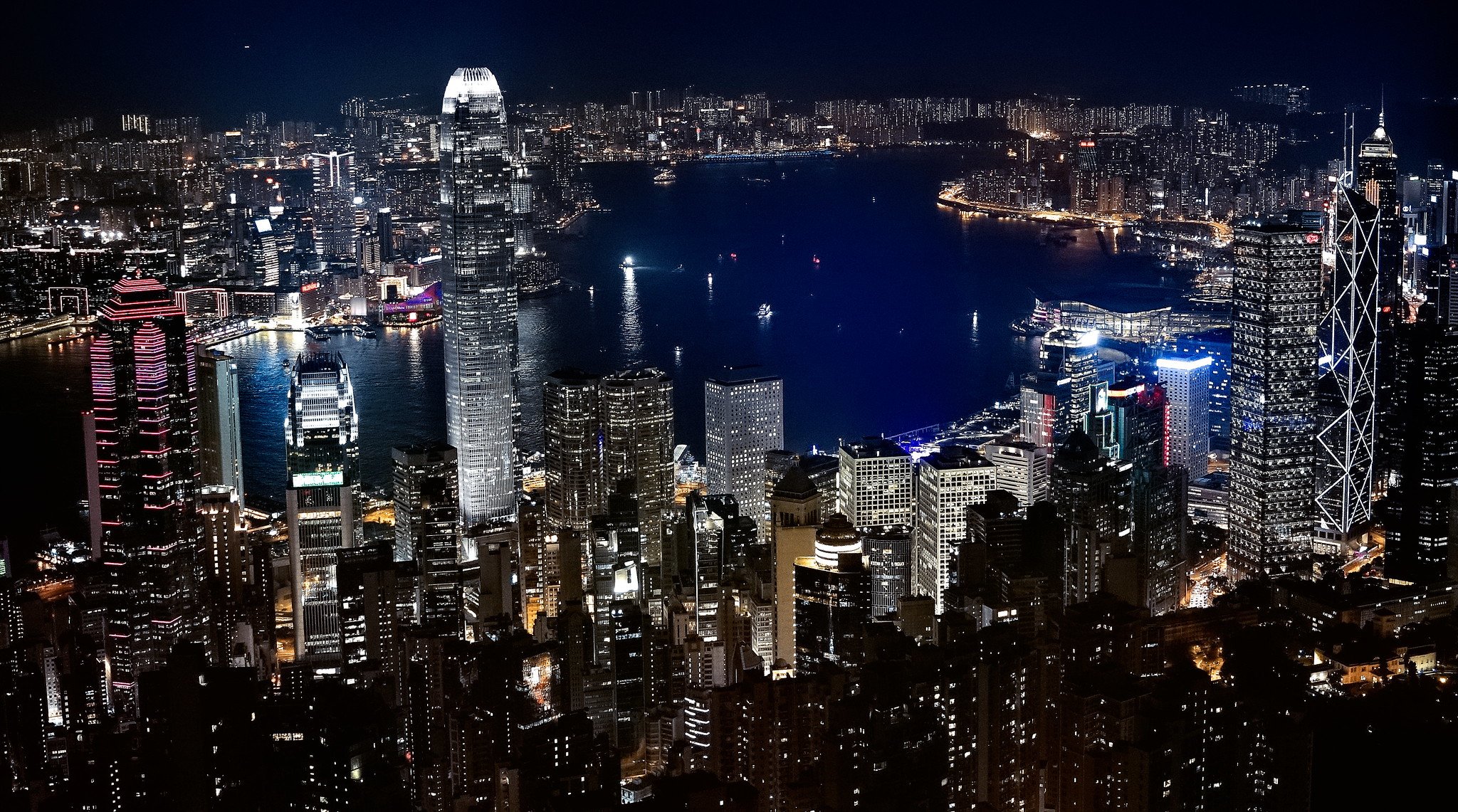
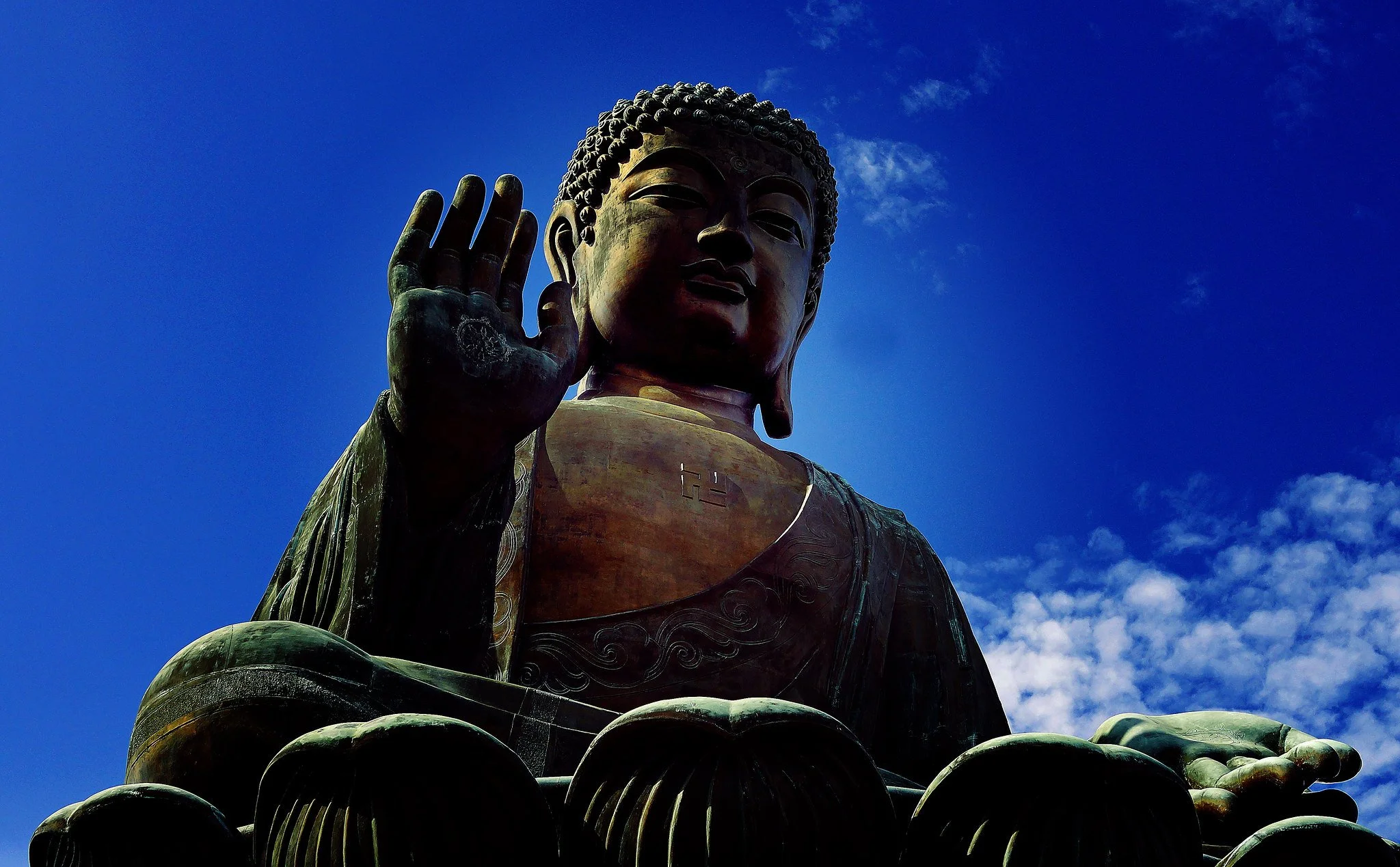
Jamie’s Hong Kong | Some of my favourite images | Hong Kong 101
© Jamie Lloyd | J3 Consultants Hong Kong | J3 Private Tours Hong Kong |
| 2010 - 2026 All rights reserved. |
Click on any image to enlarge to full screen
Current images from my Instagram feed