MTR Signs HKU MTR Station and Mosaic Stories Hong Kong
Fact-Checking HKU Signs While Celebrating Colourful History

The J3 Group - Premium Quality Private Tours | Experiences and Insider Chats since 2010
Me Jamie, your host, I am English and I have lived in Hong Kong since January 2nd 1972 - I know the place.
A meaningful blog post with a difference - tips on Travel, Tourism, Tours, Daily Life and my personal thoughts on Hong Kong.
Please do visit Amazing Hong Kong
Hong Kong | Pearl of the Orient
Customised Private Tours + Experiences in Amazing Hong Kong
Jamie has lived in Hong Kong - Pearl of the Orient for 50+ years
Carefully Crafted Personalised and Customised Itineraries by Jamie | Hong Kong’s Most Experienced Private Tour Guide for : Solo Travellers Friends Families Seniors Couples Business People MICE Delegates.
Private Tours Cultural Tours Walking Tours Sightseeing Tours City Tours Night Tours Layover Tours Transit Tours Private Shore Excursions Bespoke Tours Personalised Tours Jewish Heritage Tours Luxury Private Tours Day Tours Luxury Boat Tours Themed Tours Private Family Tours Private Day Tours Corporate Tours
Just you, your family or friends and Jamie your personal English private tour guide - over 2,400+ tours completed since 2011 - Jamie offers quality Private Tours of Hong Kong
Tour Group Size 1 - 6 people only
J3 Group Hong Kong | J3 Consultants Hong Kong | J3 Private Tours Hong Kong
Creating Memories That Will Last A Lifetime
Go here for the Hong Kong Michelin Restaurant Guide which includes the Bib Gourmand Category

Guided by Stories, Private Tours of Hong Kong with Jamie
A Resident since 1972 - Quality Private Tours of Hong Kong
click on the image to enlarge
© Copyright Acknowledged | All rights reserved | image taken by Jamie
Classic Mosiac MTR Station Sign | Wong Tai Sin | Hong Kong
Foreword
Verifying the MTR Signs at HKU Station and Exploring the Rich Mosaic History - My Thoughts as a Long-Time Hong Konger
I have been using the subway in Hong Kong since it opened in 1979 and since then I have spent the past 16 years guiding visitors through every corner of this city, and the MTR has been my reliable backbone for thousands of those journeys. I have lost count of the number of journeys I have taken.
When a friend (Hans) forwarded photos of some information signs from HKU Station, it immediately sparked that familiar mix of curiosity and slight scepticism. Some claims looked impressive on paper, but I have walked these platforms, ridden these lines, and observed the daily rhythm of Hong Kong’s transport system long enough to know that not every printed fact ages well, and mistakes can be made.
High foot traffic, constant upgrades, and the sheer scale of the network mean details can slip out of date quickly. For the record, having visited 98 of the 99 MTR stations with the images to prove it - the only one I have not yet reached is Racecourse Station in Sha Tin, which only opens on Sundays during the horse racing season - these underground spaces have become like old friends to me, each with its own distinct personality. So I decided to dig deeper, cross-check the numbers, weave in the fascinating mosaic history that makes every station special, and share my honest, detailed take.
When I refer to the MTR, this is simply Hong Kong’s subway system
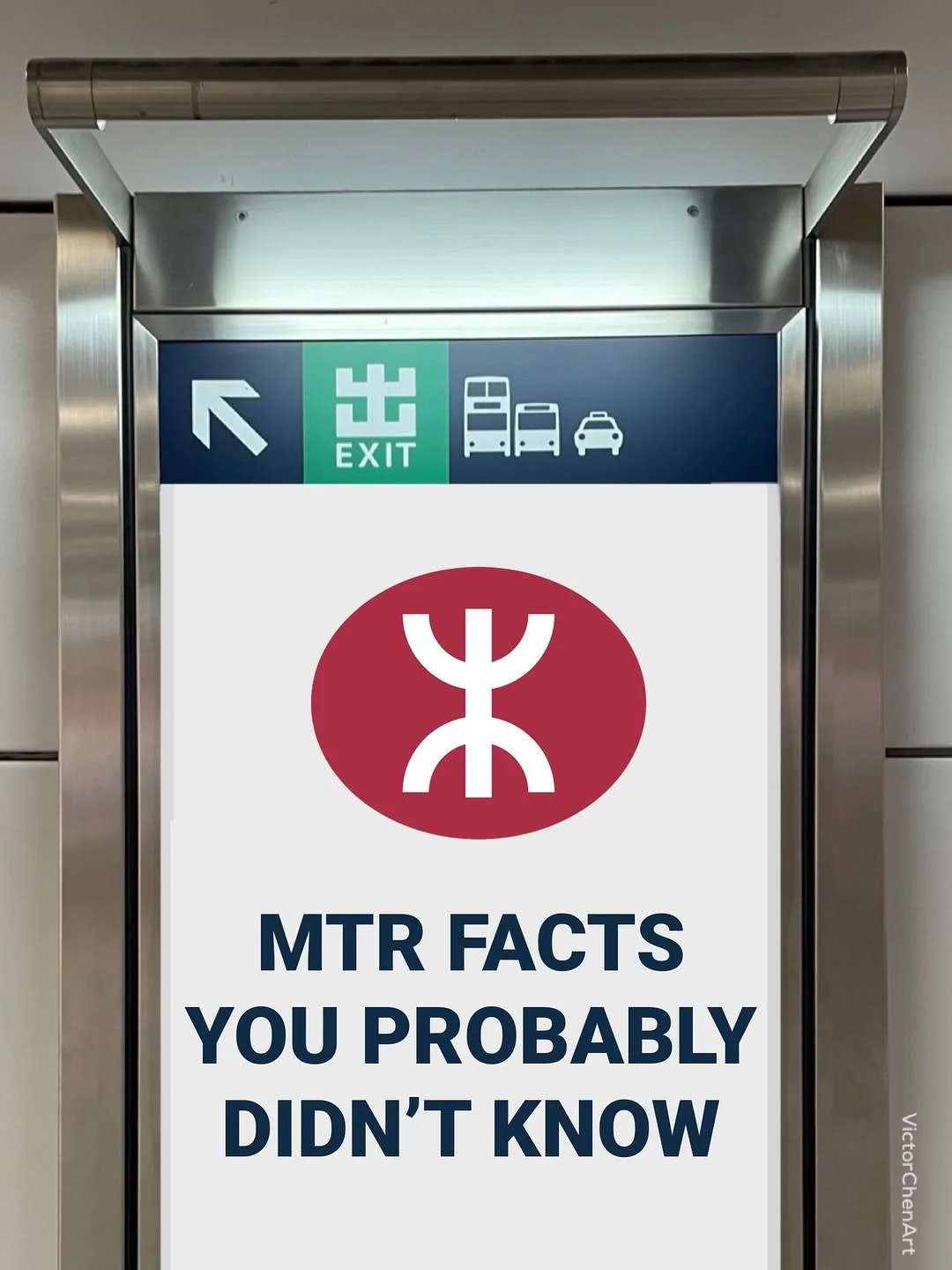
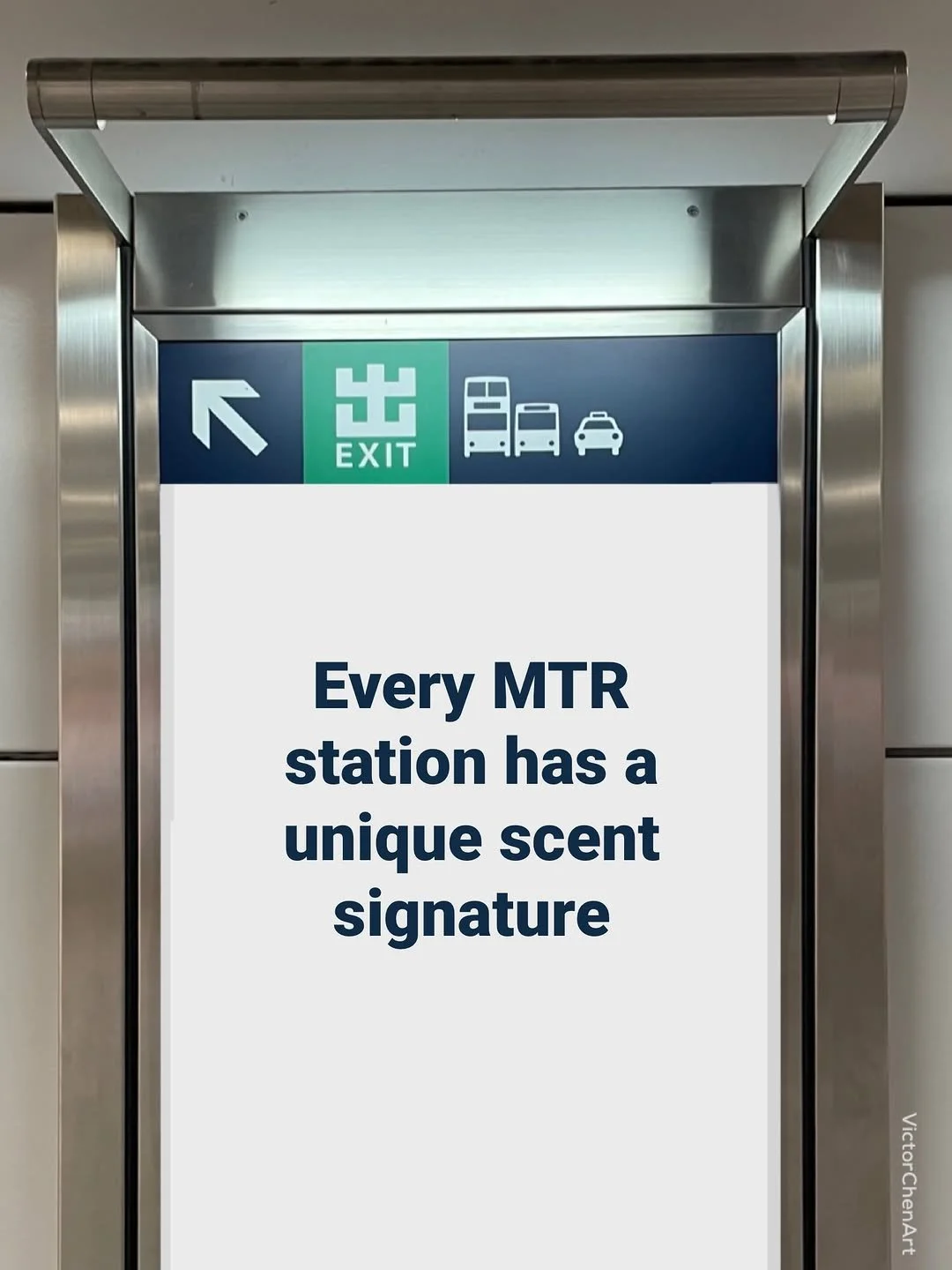
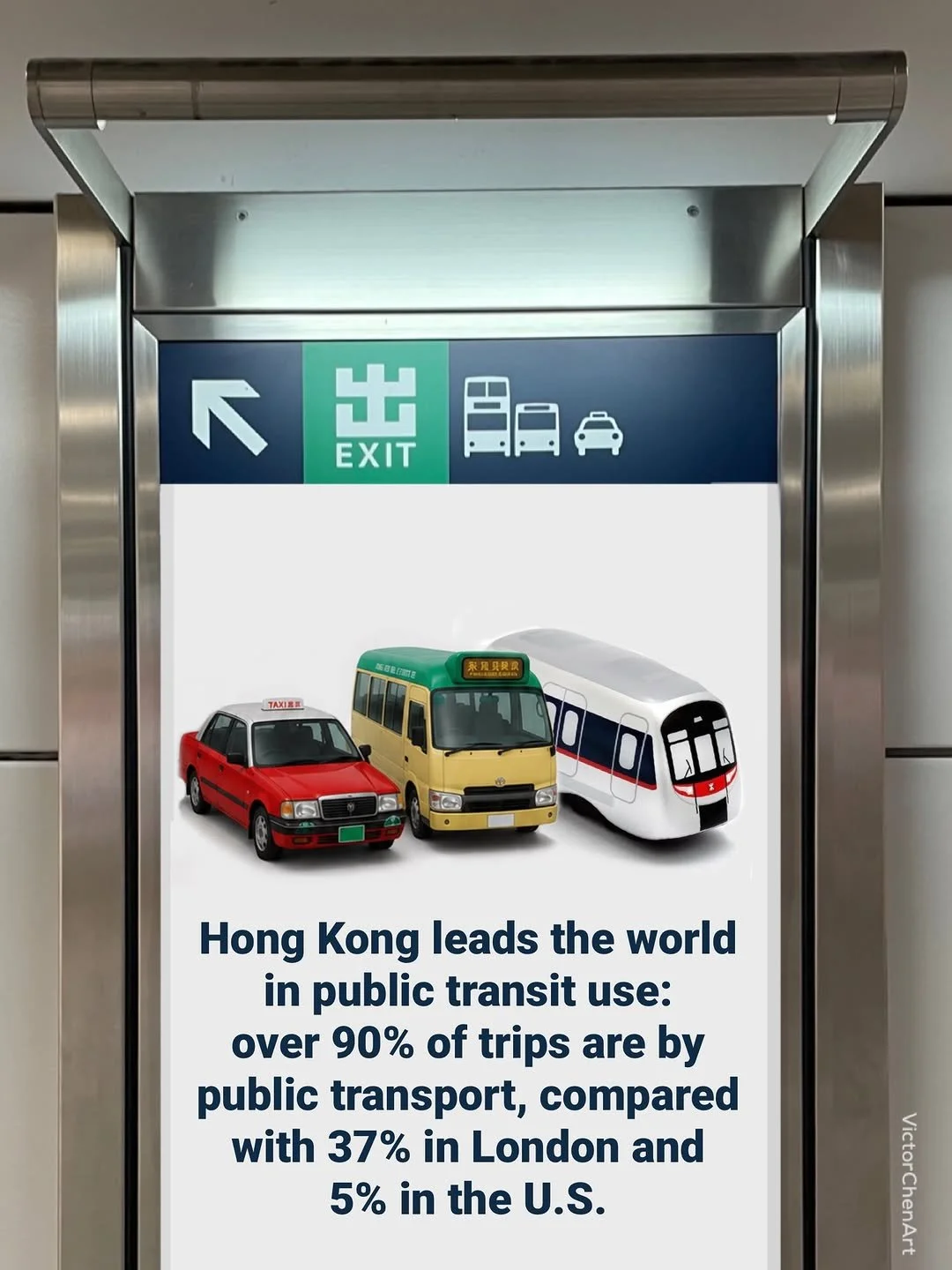
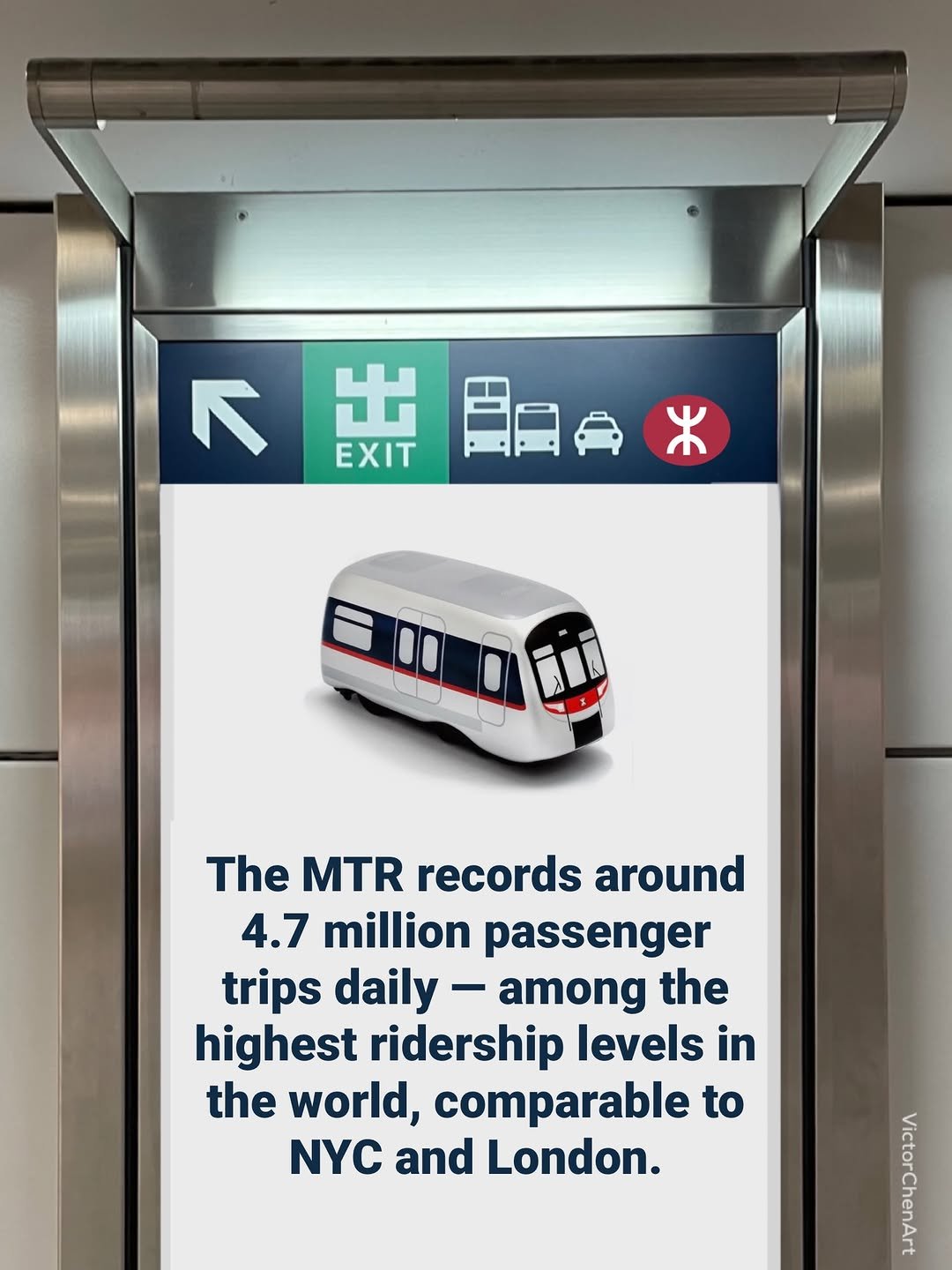
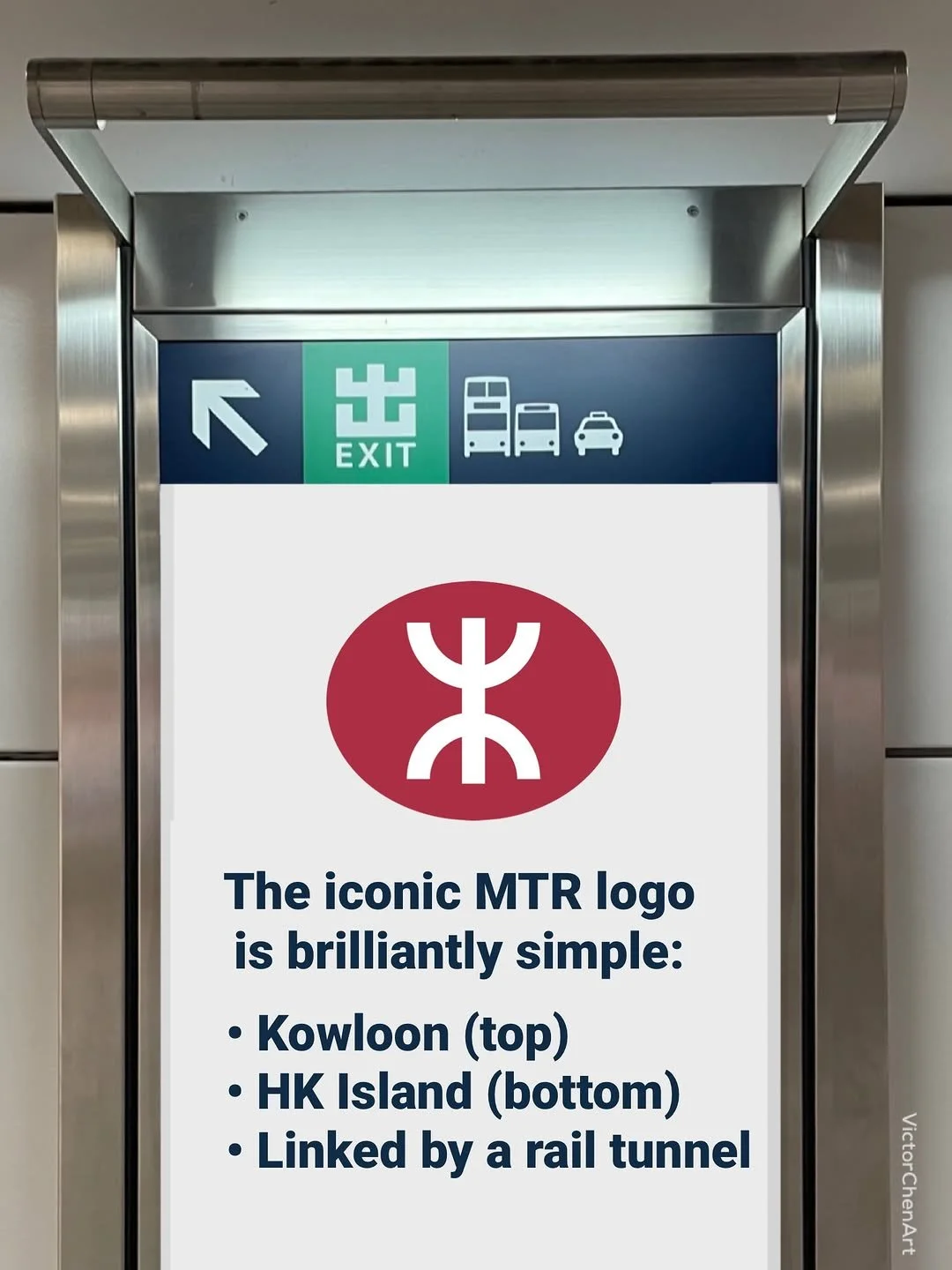
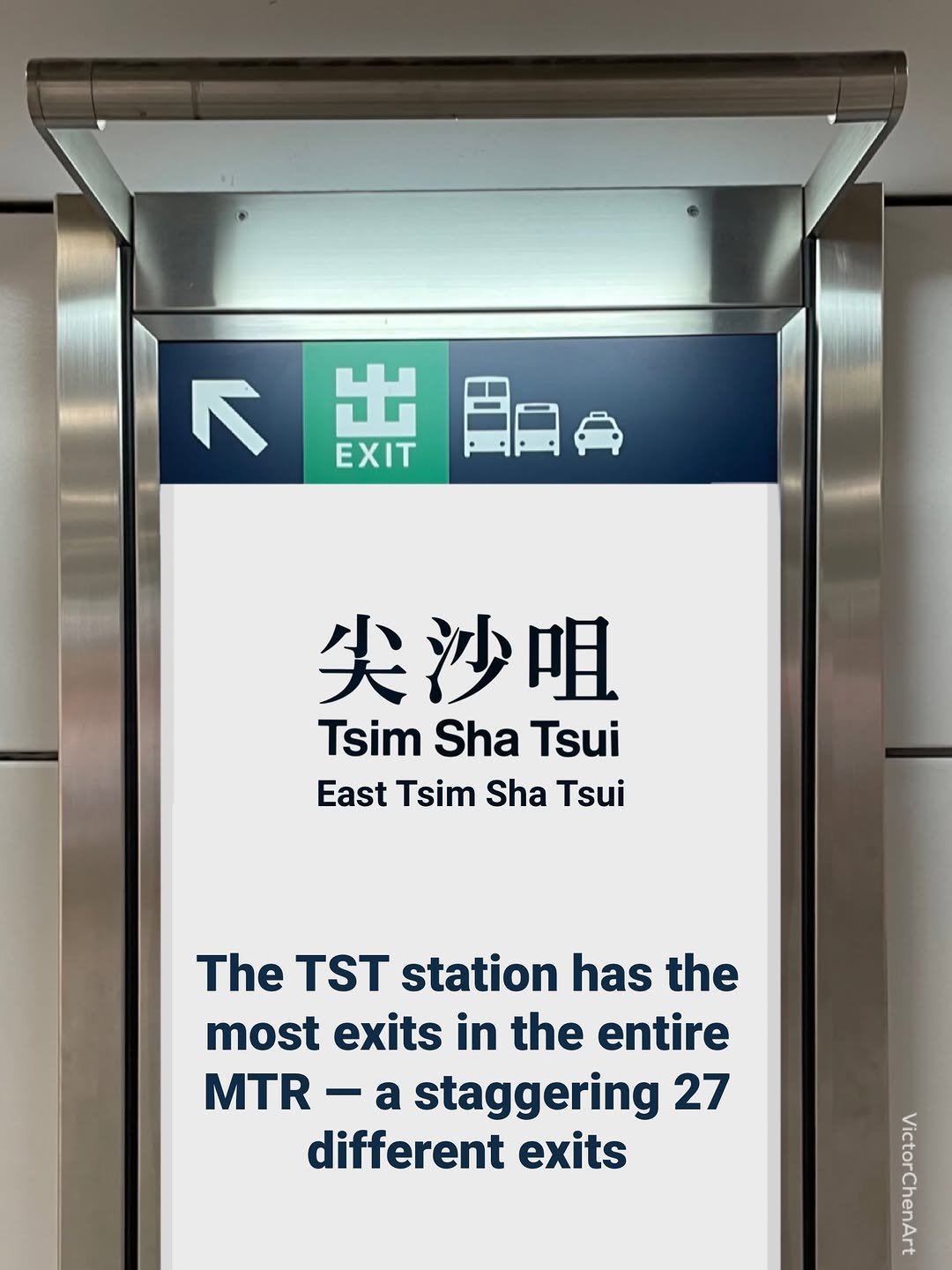
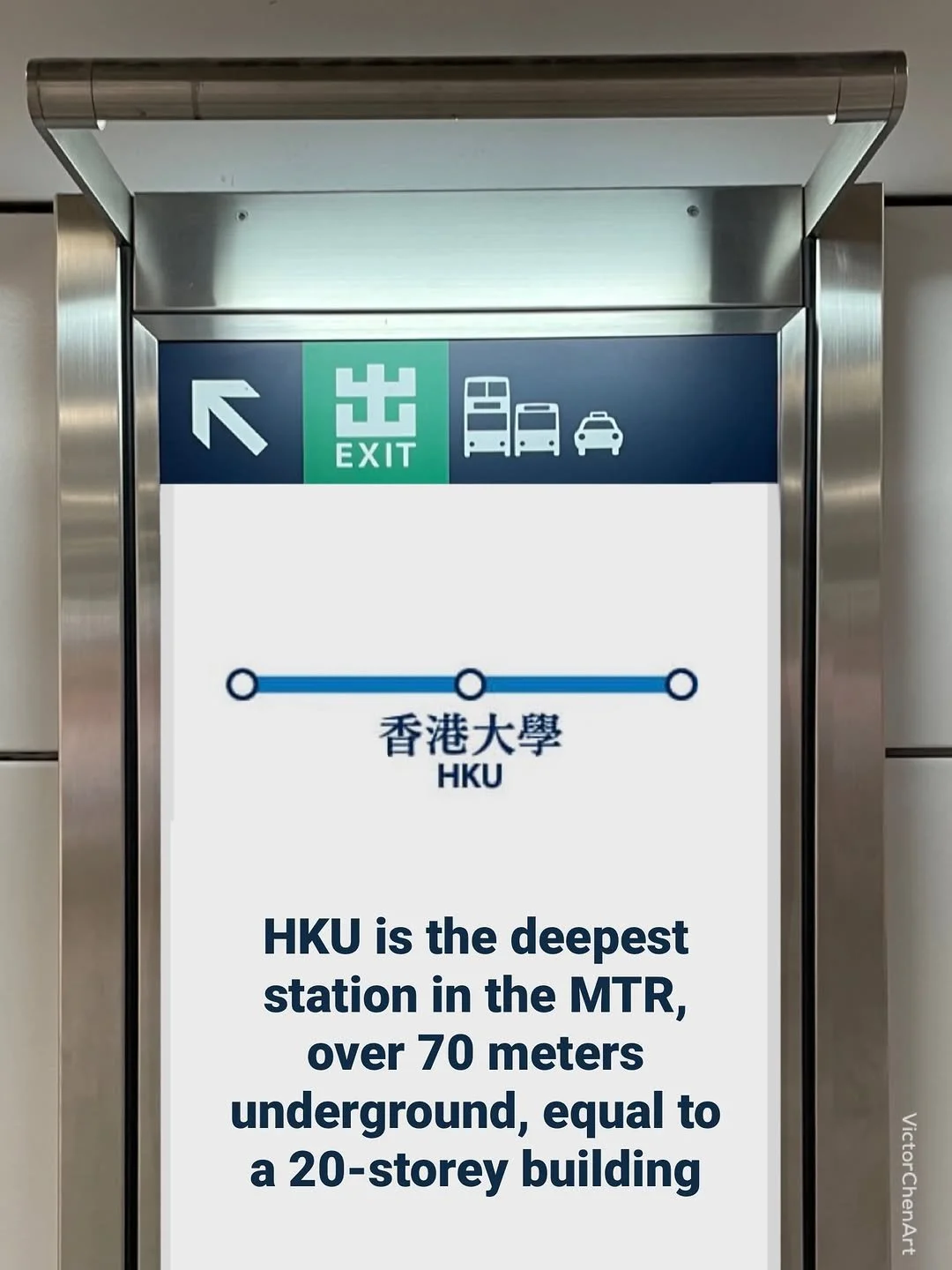
click on any image to enlarge
© Copyright Acknowledged | All rights reserved | images courtesy of Hans W. - Private Tour Guide
Classic MTR Station Signs | HKU Station | Hong Kong
MTR Stations and Their So-Called “Different Scents” - Fact or Urban Legend?
The sign apparently claims every MTR station has its own unique scent. I have to be blunt here - I have never heard of this in all my years, and after checking, I still cannot find any official record of it. I have passed through dozens of stations at rush hour, early morning, and late at night, and the only consistent “aroma” I notice is the faint, clean smell of air-conditioning mixed with the occasional hint of cleaning products or, let’s be honest, the natural scent of a busy crowd.
MTR stations do have distinctive visual identities through bold colour schemes, mosaic patterns, and architectural details introduced right from the first lines in the late 1970s to help passengers (especially those who could not read Chinese or English) navigate easily. Perhaps the sign mixed up “scent” with “sense of place” or was referring to an old marketing idea that never materialised. With millions of people streaming through every day, maintaining a different fragrance per station would be logistically impossible and probably ineffective. My verdict: this one feels like outdated or misinterpreted information. The MTR is spotlessly maintained, but it does not smell like a perfume counter, ps and it is possible that this story is true, I cannot deny that, but I do not think so!
… and personally I just think it is not a typo they just could not think of a phrase the glosses over the fact that each station has a scent but not artificial, I guess smell does not quite sound right nor does odour!
Hong Kong’s World-Leading Public Transport Usage - The Numbers Speak Volumes
One claim that definitely holds up is that Hong Kong leads the world when it comes to public transport. Over 90 percent of daily journeys made by the population are on public transport - a figure that has been consistently reported by the Transport Department and various government surveys for years. It is not just a statistic; it is the lived reality I see every single day. People here rely on the MTR, buses, trams, ferries, and minibuses because the system is dense, frequent, affordable, and integrated. For context, London’s public transport modal share sits around 33 to 37 percent depending on the exact year and measurement (trips versus journey stages), which is impressive for a major city but still far behind Hong Kong. I always tell my tour guests that this high usage is one of the reasons the city feels so efficient - I wish I could say fewer cars on the road but the fact remains we still have 700,000+ cars on the road, so congestion is still and issue, however it a genuine culture of hopping on and off public transport without a second thought. It is something Hong Kong can be quietly proud of on the global stage.
MTR Daily Passenger Trips - 4.7 Million and Holding Strong
The sign mentions an average of 4.7 million passenger trips per day on the MTR. That figure is not low at all; it is actually spot on for recent years. Looking at the latest patronage updates from the MTR Corporation, daily averages have hovered around 4.7 to 4.8 million on the heavy rail network in 2024 and into 2025. To put that in perspective:
This makes the MTR one of the busiest metro systems anywhere, carrying more passengers daily than the London Underground on many comparable days and staying competitive with New York’s subway.
When you add in the full public transport network (buses, light rail, etc.), Hong Kong handles around 11.7 million public transport journeys every day.
The numbers dipped during the pandemic but have rebounded strongly, proving the system’s resilience.
I have guided guests through peak hours at Central or Mong Kok, and I can tell you those millions translate into real energy — packed platforms, seamless interchanges, and trains arriving every two to three minutes. Far from sounding low, 4.7 million underscores just how vital the MTR remains to daily life in Hong Kong..
My Take on the MTR Logo - Simple, Strong, and Timeless
The MTR logo is one of those understated designs that has grown on me over the decades. Originally created in the 1970s by the British design firm Design Research Unit (with input from legendary designer Misha Black), the abstract symbol was meant to feel modern and international while subtly nodding to Hong Kong’s geography. The two curving shapes have been interpreted by some as representing Hong Kong Island and Kowloon connected by the vertical line of the harbour crossing, though the designers themselves described it as deliberately open-ended with a Chinese flavour. In 1996 it was refreshed by John Lloyd (no relation) and his team (including designer Tommy Li), who strengthened the lines, adjusted the red tone, and made it sturdier for the expanding network. I like it because it is clean, instantly recognisable, and works equally well on a tiny ticket or a towering station entrance. It never tries too hard - no flashy dragons or skyscrapers - yet it has endured through massive growth, corporate changes, and even the addition of high-speed rail. In my opinion, it perfectly captures the MTR’s ethos: efficient, reliable, and quietly confident.
As usual I have a different take, I think it looks like a crawling insect or an alien from planet Z!
TST Station and Its 27 Exits - True, But Central-Hong Kong Takes the Crown for Complexity
Yes, Tsim Sha Tsui Station (together with the connected East Tsim Sha Tsui Station) does boast 27 exits, and it remains the champion for sheer number in the entire MTR network. To me they are two separate stations serving different lines - TST on the Tsuen Wan Line and TST East on the East Rail Line - exactly as Central Station and Hong Kong Station are distinct stations on different lines yet linked by long underground tunnels and moving walkways. The TST pair spills out across Nathan Road, the harbourfront, and surrounding shopping areas, creating a convenient maze once you learn it.
However, in my experience the Central Station and Hong Kong Station (on Hong Kong Island) combination is far more complex and practical. Central has exits labelled A through L (skipping I), with multiple sub-exits like D1/D2, J1/J2/J3, and others, while Hong Kong Station adds its own entrances including A1/A2, B1/B2, C, D, E1/E3, F and more. The two stations serve completely different lines - Tsuen Wan and Island Lines at Central, Tung Chung and Airport Express at Hong Kong Station - but the seamless underground connections create one vast, air-conditioned network that covers an enormous area from IFC Mall and Exchange Square right across to Statue Square and beyond. On those hot, humid, or rainy Hong Kong days this interconnected underground world is a godsend. I can walk for 10 minutes without stepping outside, staying cool and dry while accessing offices, shops, hotels, and ferry piers. For sheer scale and usefulness in our climate, the Central-Hong Kong pair feels like the true champion to me, even if the raw exit count at TST is a little higher.
HKU Station - Depth, Scale, and Opening Date
The sign is correct here too. HKU Station sits 70 metres below ground level, which is roughly the height of a 20-storey building. When it opened, it was the deepest and largest cavern-style station in the entire MTR network, and it still holds that record for depth among the cavern stations. The engineering is impressive - six exits served only by lifts in some cases, emergency refuge areas, and a sense of descending into a cool, calm underground world. I remember the first time I visited shortly after opening; the scale still takes my breath away. And for the record, HKU Station officially opened on 28 December 2014 as part of the West Island Line extension, alongside Kennedy Town Station. It transformed travel to the University of Hong Kong and the western part of the island, something that no one every mentions is that depending on the exit it can take 10 minutes to get out of the station, particularly in rush hour periods
The Colour-Coded Personality of Every MTR Station - A Mosaic History Worth Celebrating
One of the most delightful aspects of the MTR is the thoughtful colour coding and mosaic tiles that give each station its own distinct visual identity. The story begins in the early 1970s when Italian-British architect Roland Paoletti and chief architect Andrew Mead chose mosaic tiles because they were inexpensive, durable, easy to clean, and perfect for high-traffic environments. Bright hues would lift the mood in otherwise plain concrete spaces, while distinct colours would help passengers recognise their stop at a glance.
The colour schemes blended function, environment, and culture: successive stations on the same line received different tones for easy navigation, and many drew inspiration from their Chinese names or surroundings. This is where the poetry comes in - Wong Tai Sin uses yellow because “Wong” means yellow, Lam Tin features sky blue as “Lam” means blue, and so on. My personal favourite is Choi Hung Station, whose name literally means “rainbow” in Cantonese. True to that, the platform walls feature a deep blue base accented by vibrant rainbow-coloured stripes running across the pillars - it feels joyful and uplifting every single time I step onto the platform. Other standouts include Diamond Hill’s striking black walls flecked with silve (which is my personal favourite), Tsim Sha Tsui’s bold black and yellow contrast, Central’s deep crimson, and Admiralty’s bright blue.
In the 1990s and 2000s newer stations shifted toward neutral tones for easier maintenance, but the MTR has since revived the mosaic spirit in every new project with signature colours and calligraphy. These tiles are not mere decoration - they humanise the underground experience, reduce anxiety in crowds, and turn daily commutes into something memorable. After riding nearly the entire network, I believe they are one of Hong Kong’s quiet cultural signatures.
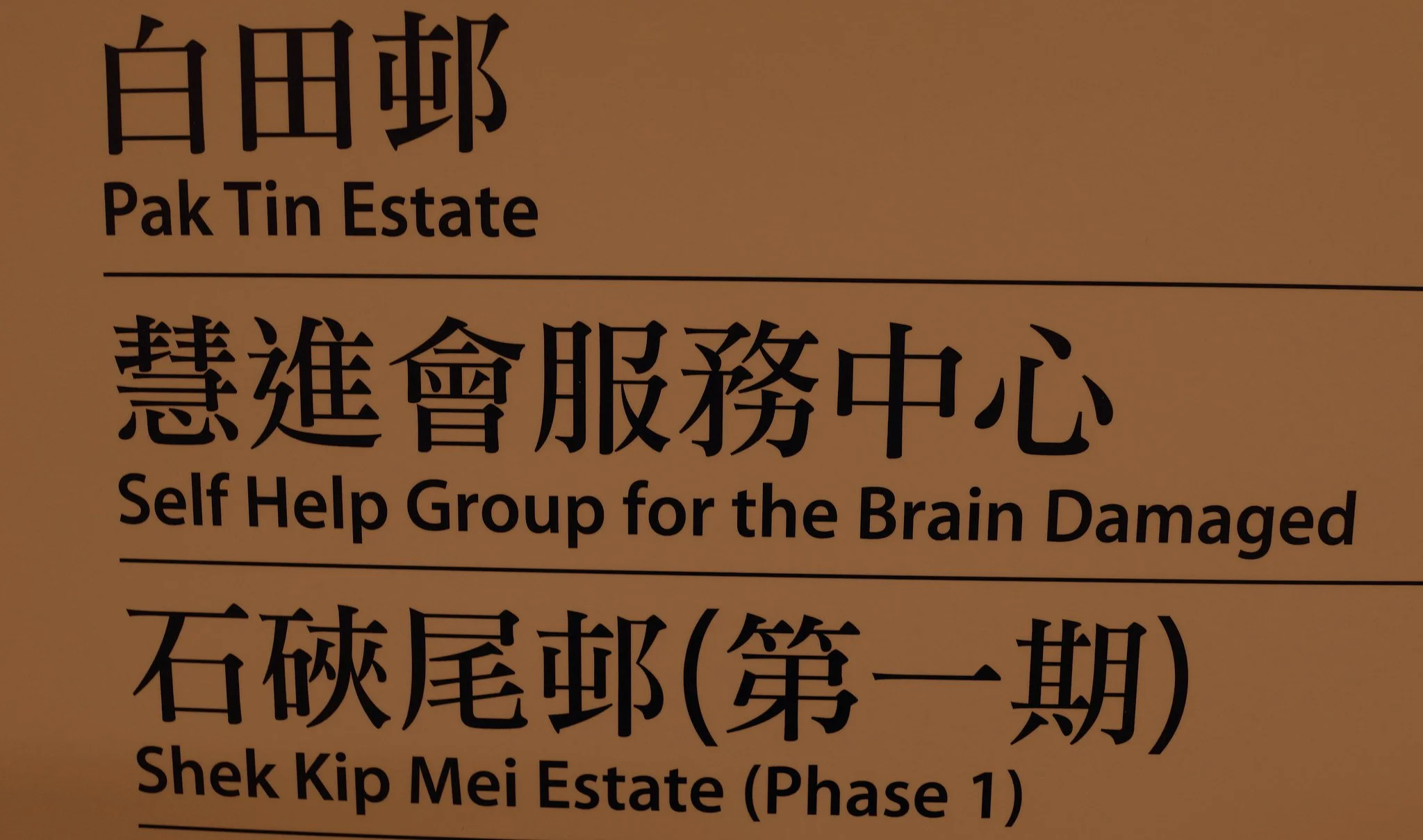
click on the image to enlarge
© Copyright Acknowledged | All rights reserved | image taken by Jamie
Classic MTR Station Sign | Shek Kip Mei | Hong Kong
A Few Final Thoughts
Overall, the signs at HKU Station mix solid facts with at least one piece of information that has not held up. The MTR remains a marvel of efficiency, and these kinds of displays are useful for reminding both locals and visitors why the system works so well. From the 27 exits at TST to the vast interconnected world of Central-Hong Kong, from the 70-metre depths of HKU to the rainbow joy of Choi Hung’s mosaics, every detail adds to the story of a network that moves 4.7 million people a day while still feeling personal. I will keep exploring, photographing, and sharing because these underground treasures deserve to be celebrated.
oh, and yes, that has to be one of the most politically incorrect signs I have ever seen!
Jamie’s Hong Kong Insider Chat
AI Itinerary Rescue Service - Bring your AI-generated plan (or any self-designed itinerary) and I will spend the full two hours reviewing it with you. I’ll fix the impossible timings, suggest smarter routing, add interesting places that AI never finds, adjust for your group’s energy levels, and create a realistic, enjoyable day-by-day flow that actually works in real Hong Kong. Most guests leave saying “This is exactly what we needed”
I do not do Food Tours in Hong Kong but I know people that do!
I do not do food tours as mentioned above, I have very specific reasons and part of it is that I do not speak Cantonese or write Chinese, I am from Yorkshire in England and I lack the language gene and it is not through lack of trying and yes a lot of restaurants do not have English menu’s or staff who speak conversational English.
.. and yet I have eaten at close to 1,400 restaurants in Hong Kong since January 2nd 1972, my wife was born in Hong Kong and we have been together over 40 years and her first language is Cantonese and a lot of her family are Chinese or half Chinese so I have never had much of an issue!
This does not translate to doing food tours though, yes, I could do them, no problem there but they would never ever be as good as the food tours done by my friends (see the 3 links above) most of their awesome guides are locally born Hong Kong Chinese and obviously food culture is part of their DNA, it is impossible for me to compete with that!
So please feel free to contact them for food tours
I do not do Hiking Tours in Hong Kong but I know someone that does!
I do not do Hiking Tours, never have and never will even though I used to go Hiking a lot when I was a lot younger, The Hong Kong Government is promoting hiking tours so I urge you to contact my friend Sabrina at Hong Kong Trails and Tours, she is a long time Hong Kong resident and and a very experienced hiker with close to 700 Hikes in 15+ years under her belt, please click on the link below
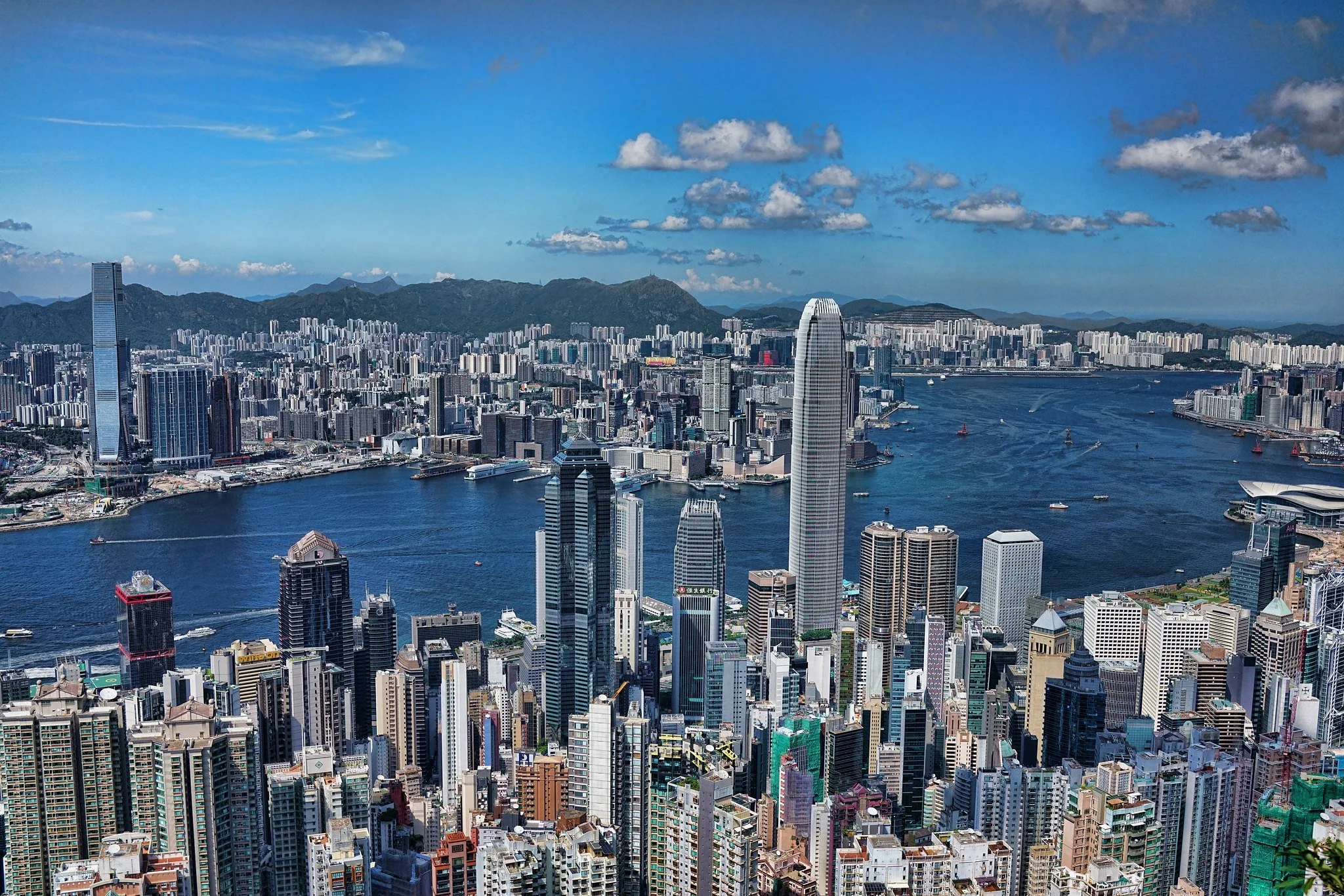
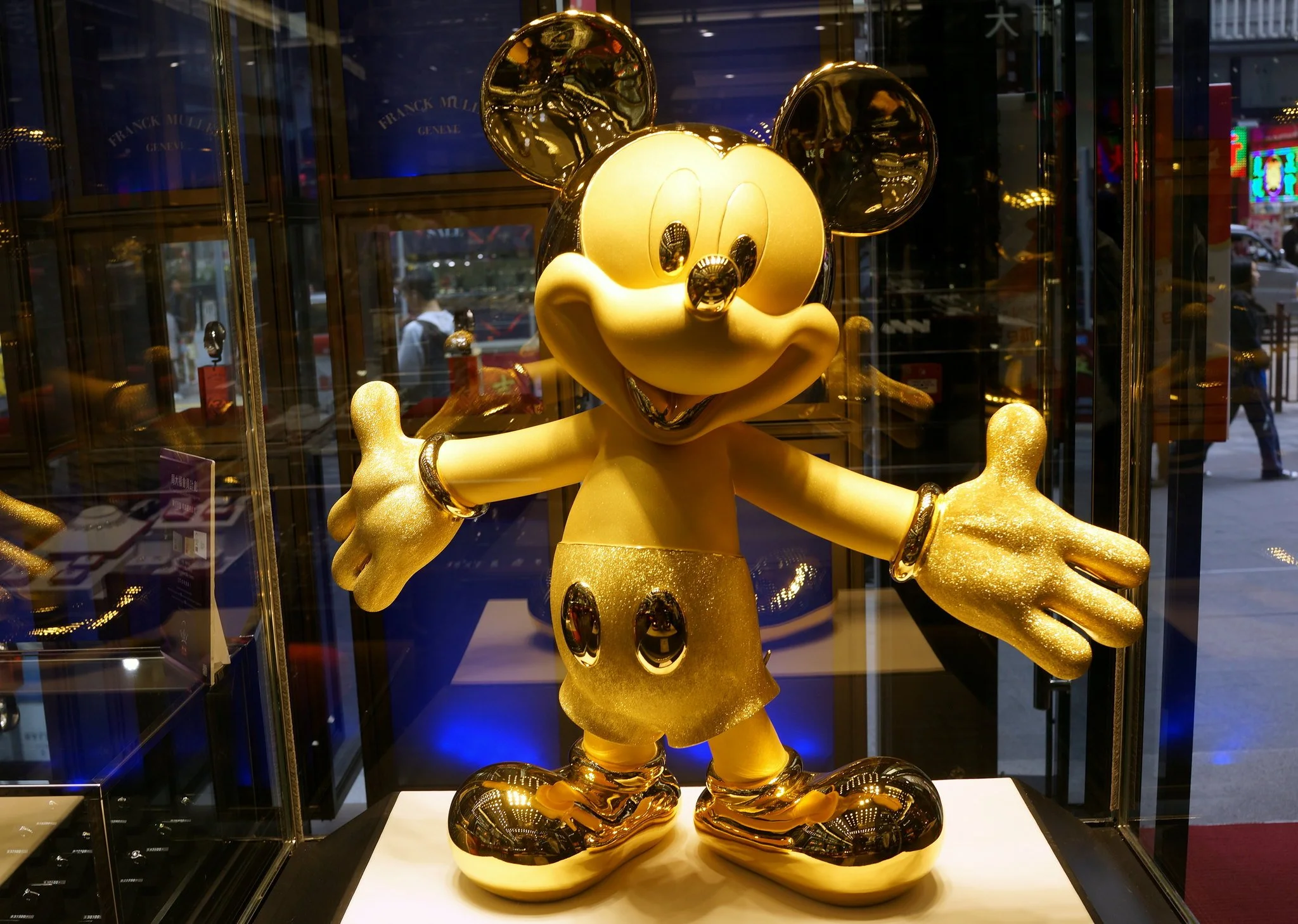
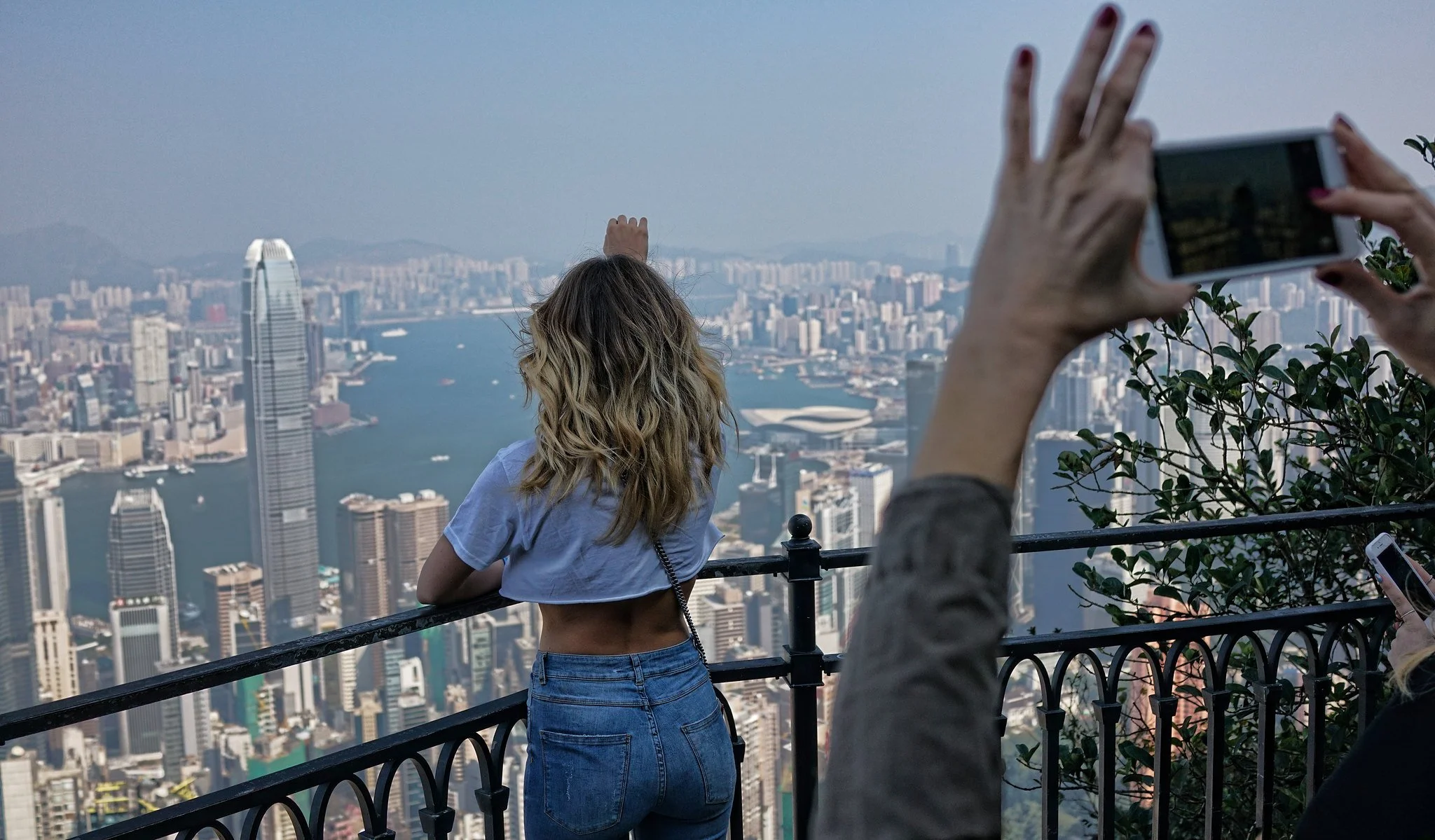
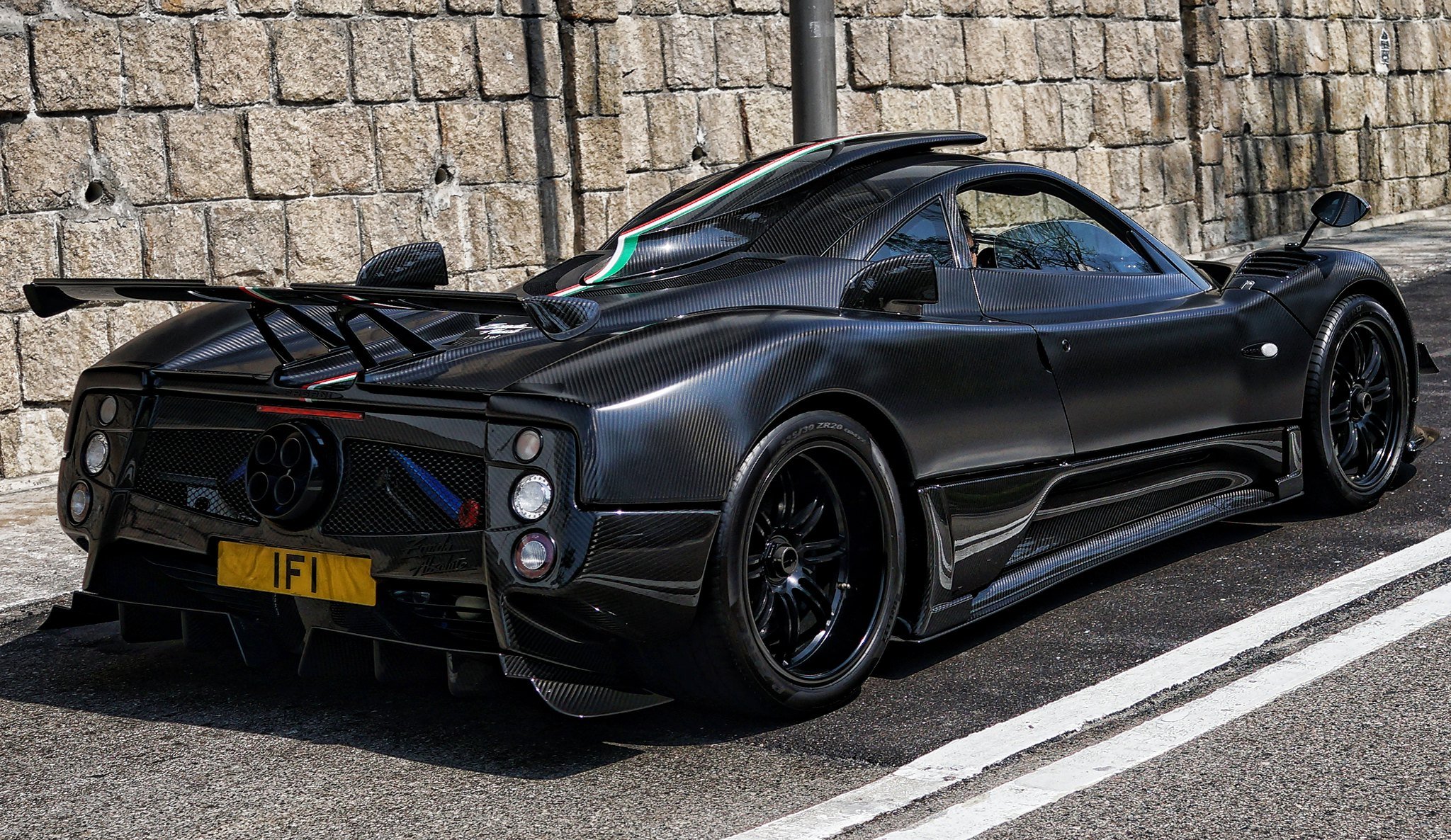
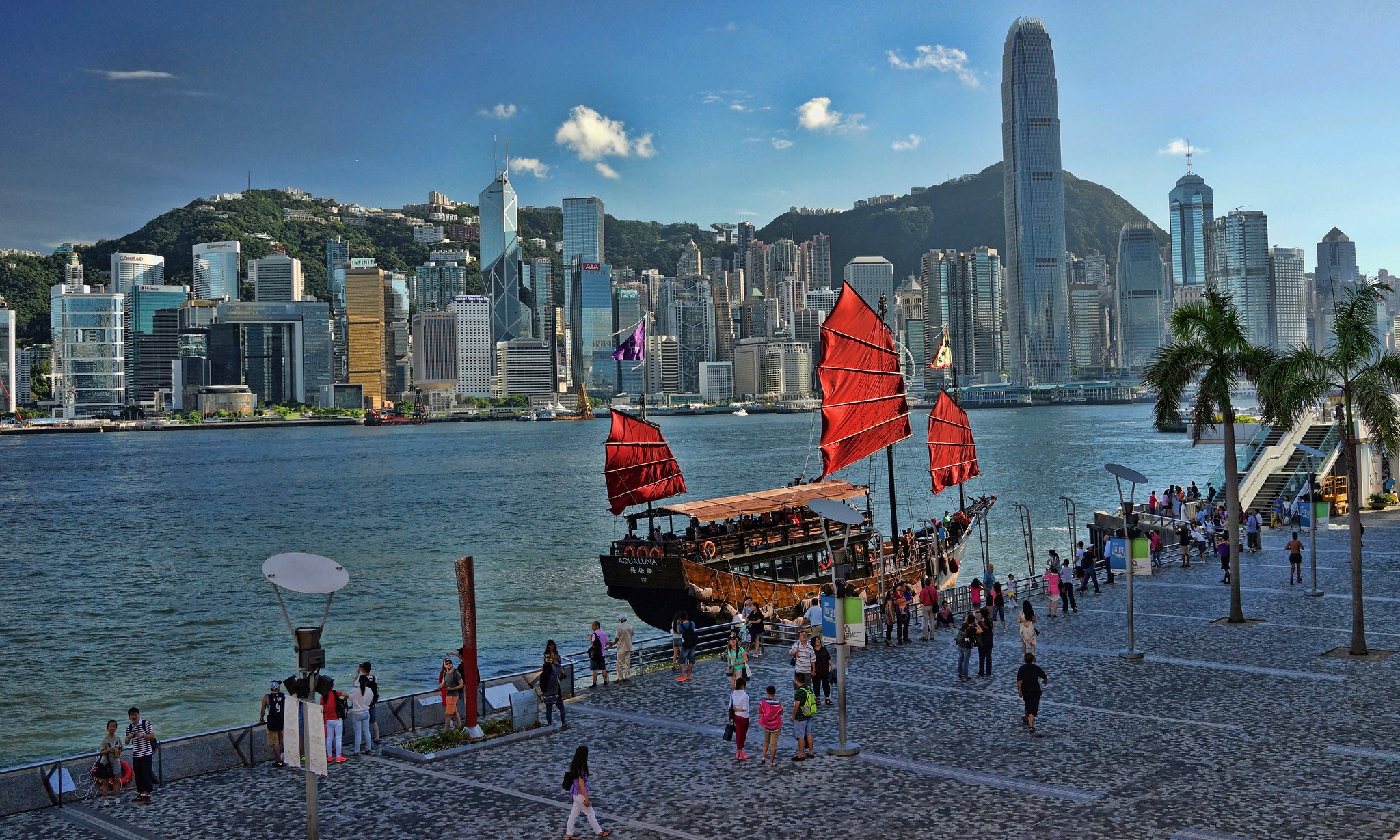
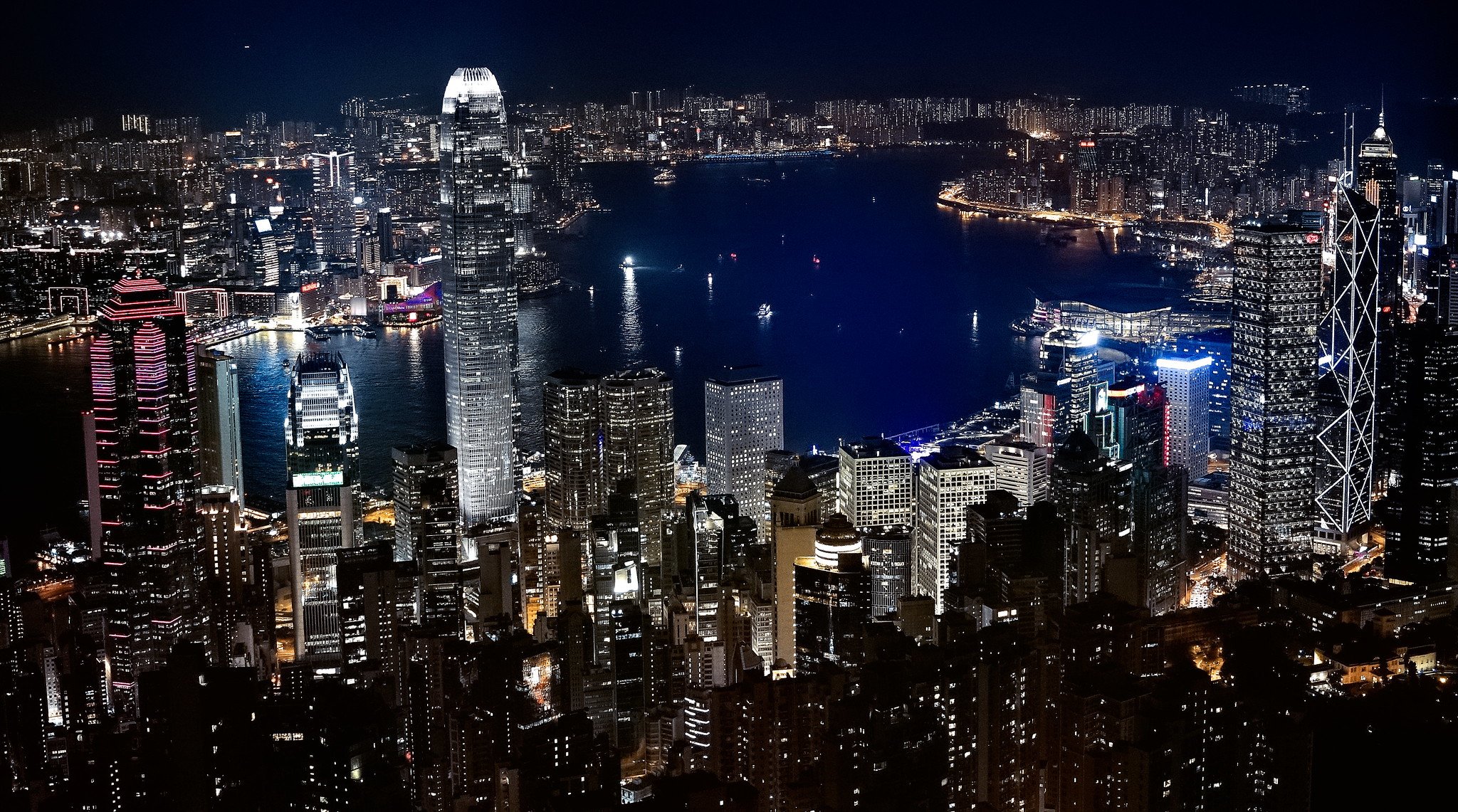
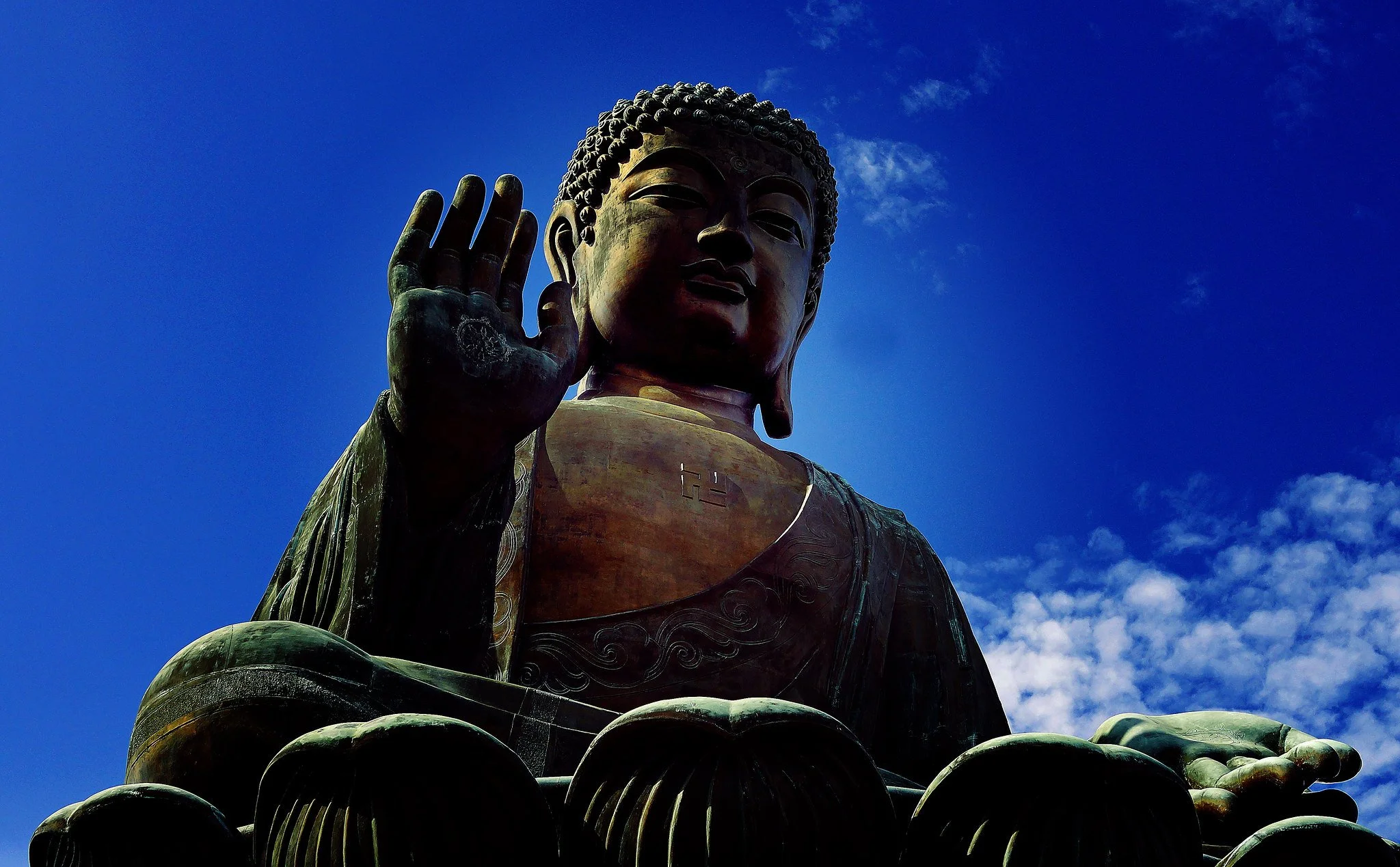
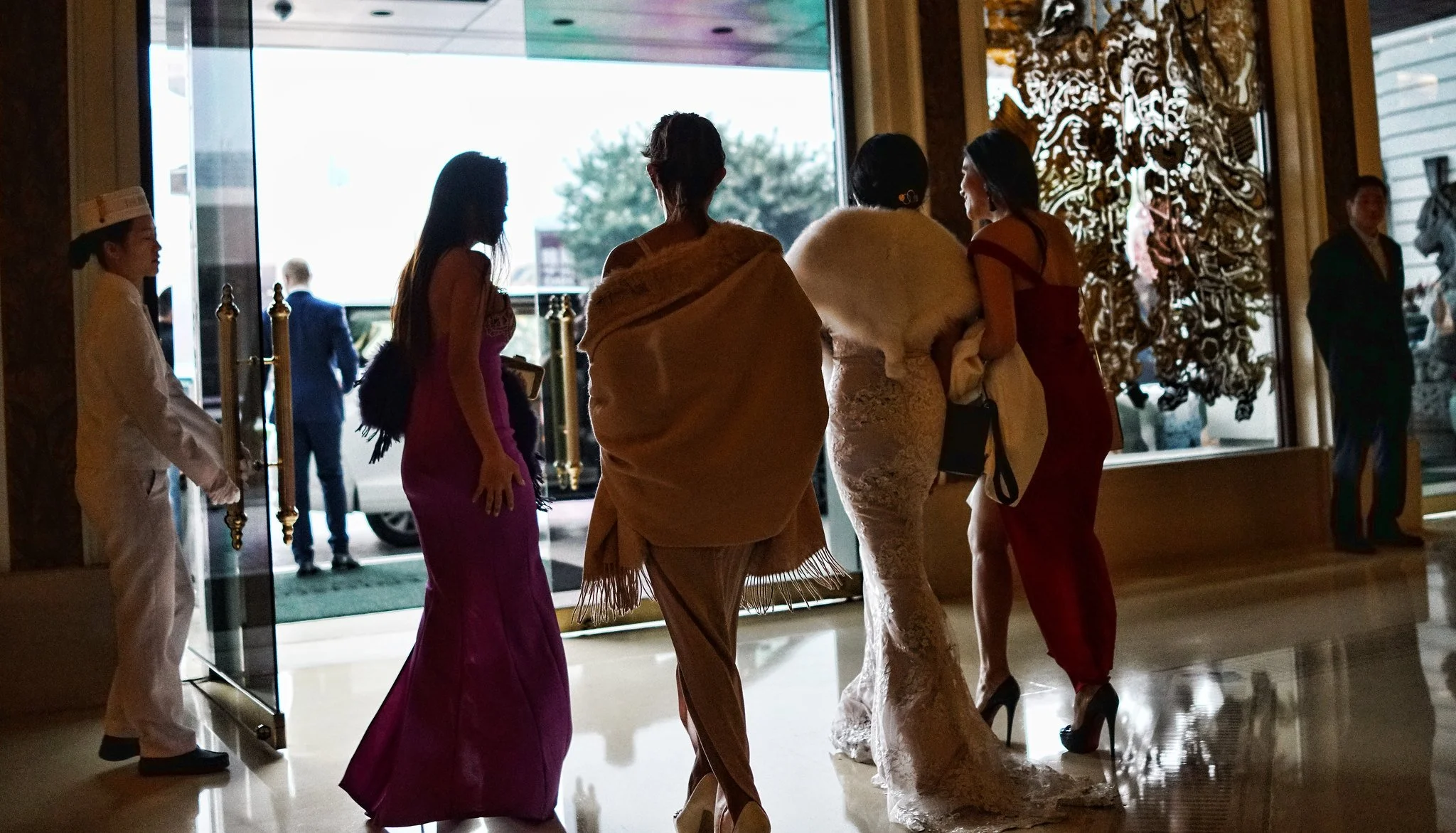
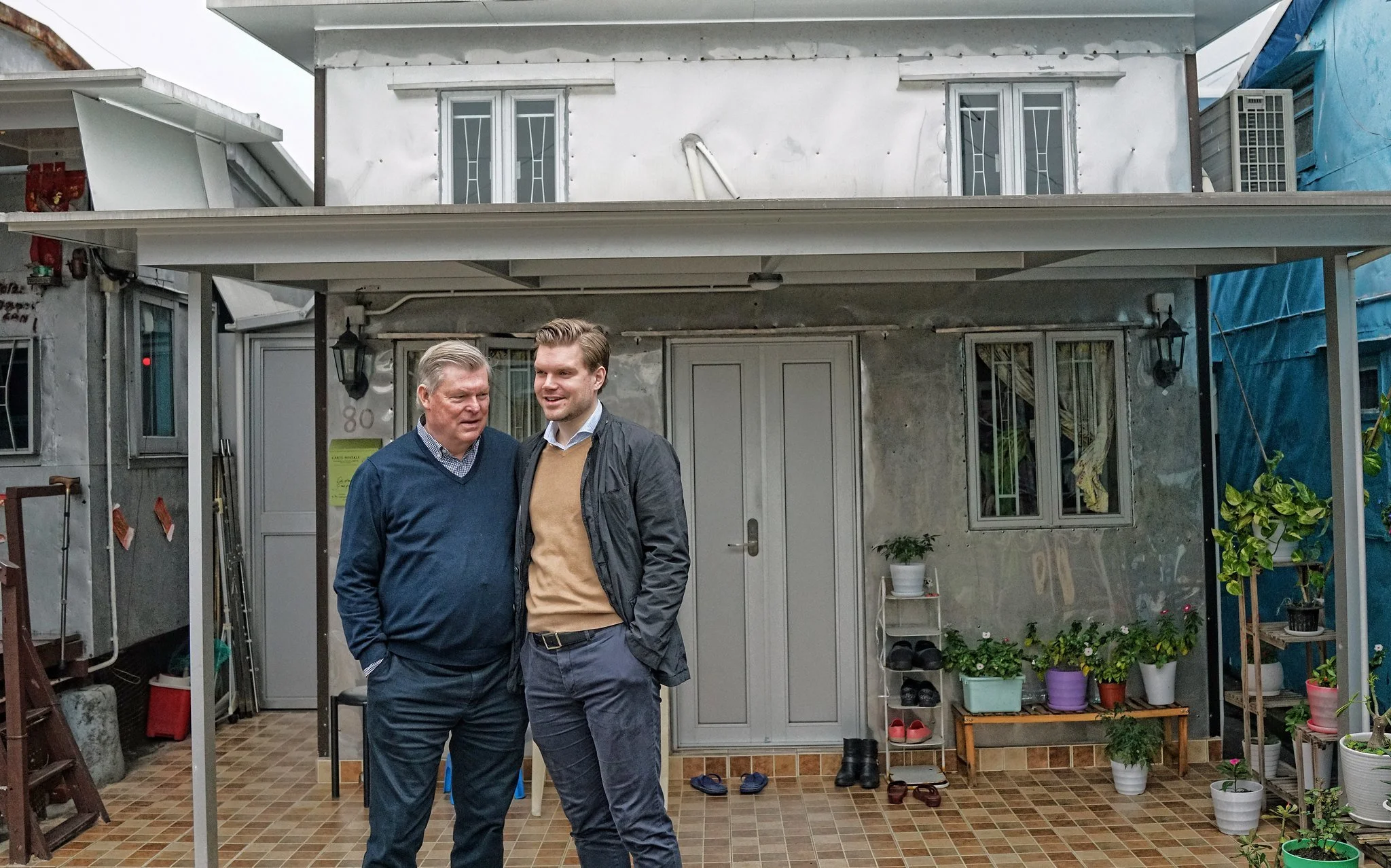
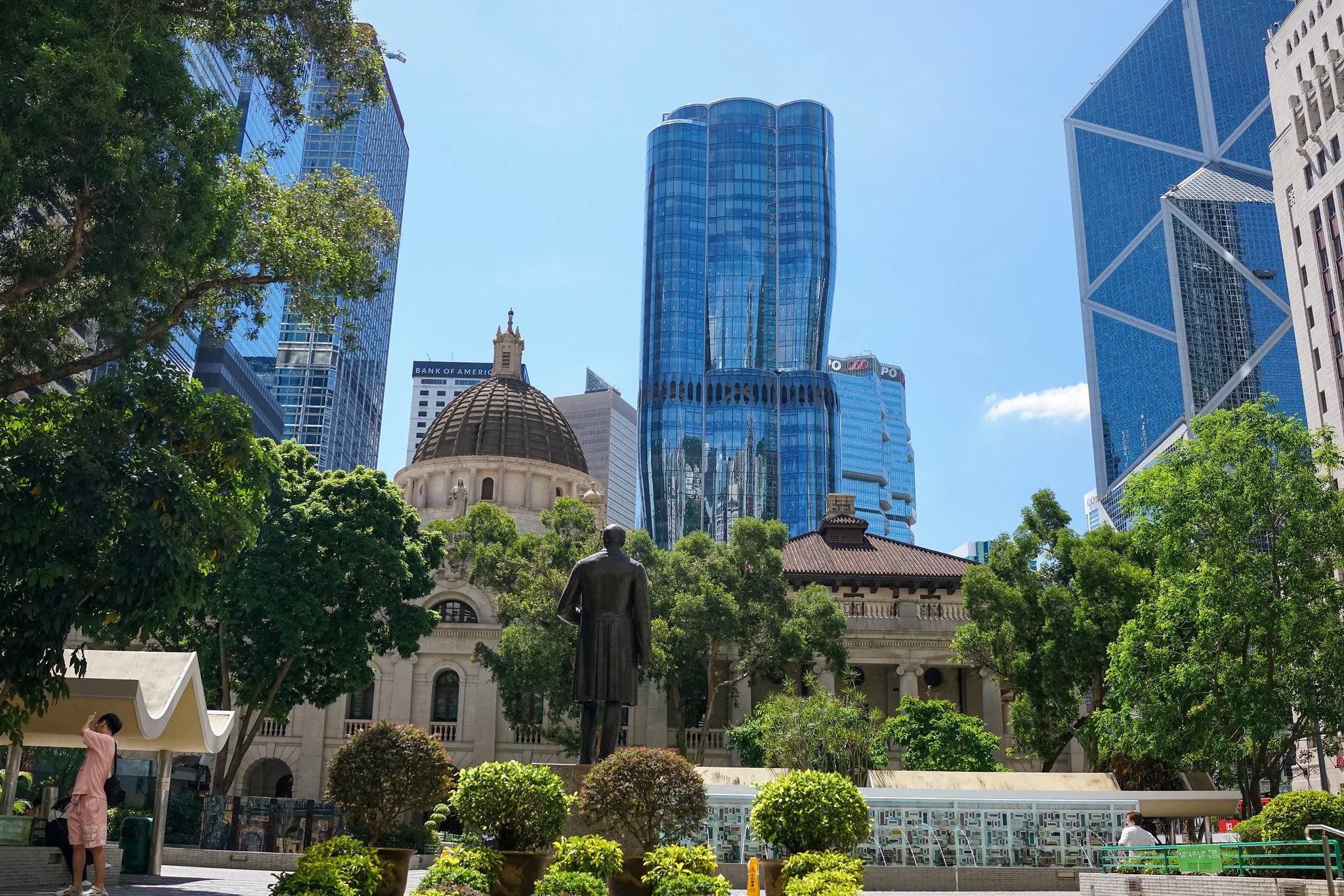
click on any image to enlarge
© Copyright Acknowledged | All rights reserved | all images taken b Jamie
Jamie’s Hong Kong | Some of my favourite images | Hong Kong 101
© Jamie Lloyd | J3 Consultants Hong Kong | J3 Private Tours Hong Kong |
| 2010 - 2026 All rights reserved. |
Click on any image to enlarge to full screen
Current images from my Instagram feed