Hong Kong’s Villain Hitters Ritual - A Causeway Bay Legend
Elderly Aunties Beating Paper Enemies Under a Flyover in Hong Kong

The J3 Group - Premium Quality Private Tours | Experiences and Insider Chats since 2010
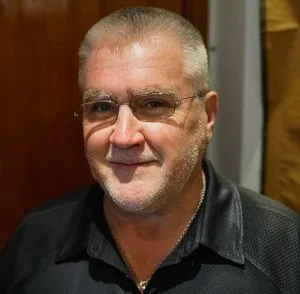
Me Jamie, your host, I am English and I have lived in Hong Kong since January 2nd 1972 - I know the place.
A meaningful blog post with a difference - tips on Travel, Tourism, Tours, Daily Life and my personal thoughts on Hong Kong.
Please do visit Amazing Hong Kong
Hong Kong | Pearl of the Orient
Customised Private Tours + Experiences in Amazing Hong Kong
Jamie has lived in Hong Kong - Pearl of the Orient for 50+ years
Carefully Crafted Personalised and Customised Itineraries by Jamie | Hong Kong’s Most Experienced Private Tour Guide for : Solo Travellers Friends Families Seniors Couples Business People MICE Delegates.
Private Tours Cultural Tours Walking Tours Sightseeing Tours City Tours Night Tours Layover Tours Transit Tours Private Shore Excursions Bespoke Tours Personalised Tours Jewish Heritage Tours Luxury Private Tours Day Tours Luxury Boat Tours Themed Tours Private Family Tours Private Day Tours Corporate Tours
Just you, your family or friends and Jamie your personal English private tour guide - over 2,400+ tours completed since 2011 - Jamie offers quality Private Tours of Hong Kong
Tour Group Size 1 - 6 people only
J3 Group Hong Kong | J3 Consultants Hong Kong | J3 Private Tours Hong Kong
Creating Memories That Will Last A Lifetime
Go here for the Hong Kong Michelin Restaurant Guide which includes the Bib Gourmand Category

Guided by Stories, Private Tours of Hong Kong with Jamie
A Resident since 1972 - Quality Private Tours of Hong Kong
click on the image to enlarge
© Copyright Acknowledged | All rights reserved | image taken by Jamie
The Villain Hitters | Canal Road Flyover | Hong Kong
Foreword
Voodoo vs the Hong Kong version!
Perhaps I have seen to many Hollywood movies but over the years I could not help but notice some similarities between Voodoo beliefs and the Villain Hitters in Causeway Bay, Hong Kong who have been “hitting” for as long as I can remember
At the same time, I need to highlight the contrast: Villain Hitting in Hong Kong feels noticeably less dark and malevolent than Voodoo and I doubt there will ever be a Hollywood blockbuster movie about our Villian Hitters,
It’s performed in broad daylight under the busy Canal Road flyover in Causeway Bay a big shopping district, by cheerful (if no-nonsense) elderly ladies, surrounded by traffic noise and the smell of incense rather than mysterious shadows. The goal is almost always neutralisation and protection - “get this person’s negativity out of my life” - rather than inflicting active harm or suffering. The burning of the paper effigy at the end reinforces closure and cleansing, not ongoing torment. That lighter, pragmatic tone is what makes it so distinctly a Hong Kong thing..
Its incredible endurance is indeed one of the most fascinating parts. For well over a century it has survived:
British colonial rule
Japanese occupation
Post-war modernisation and the huge population jump
The rise of skyscrapers and MTR (The Subway)
And now social media and AI eras
All, while staying in the exact same spot under the Canal Road Flyover. In a city famous for tearing down and rebuilding everything, this little ritual has remained stubbornly constant - a living thread of Guangdong folk culture that refuses to fade. Many locals see it as a form of emotional self-defence in a high-pressure environment, which explains why it still draws steady clients year after year
I have taken guests there to perform the ritual, it is time to give them publicity!
Villain Hitting (Da Siu Yan / 打小人) Ritual at Canal Road Flyover, Causeway Bay
This is the well-known Hong Kong folk ritual commonly called “villain hitting” or “da siu yan” in Cantonese. It involves elderly female practitioners symbolically beating paper effigies to curse or neutralize “petty persons” (siu yan) - everyday antagonists, bad luck, obstacles, or negative influences in someone’s life. The practice has been operating for decades under the Canal Road Flyover (also known locally as Goose Neck Bridge or 鵝頸橋), right where Causeway Bay meets Wan Chai. It remains a vivid, enduring slice of Cantonese folk culture amid the surrounding high-rises and traffic.
Origin of the Villain Hitters Ritual
The tradition traces back to agricultural folk practices in Guangdong province, southern China, during the Qing Dynasty (and possibly earlier). It originally involved rituals to counter the mythical White Tiger spirit - a dangerous force believed to harm crops and people around the solar term Jingzhe (“Awakening of Insects”), which marks the start of spring when pests and threats re-emerge. Farmers would create paper tiger effigies, smear them with pig’s blood or fat as a symbolic “feeding,” and beat them to appease or drive away harm. Over generations, the focus shifted from literal animal threats to human “villains” - scheming or harmful people (colleagues, ex-partners, gossips, or even abstract bad luck) who block fortune or cause stress. Migrants from Guangdong brought the practice to Hong Kong, where it adapted into a street-based service. It has been a recognized part of local intangible heritage for over a century in its current form.
Why This Specific Location in Hong Kong?
I will be honest with you, I thought this was just a random spot that presented itself and they set up shop (a fairly typical thing to do in Hong Kong)
I was wrong……
The spot under the Canal Road Flyover is not random; it is chosen for its strong yin energy in traditional Chinese cosmology. The area sits at a busy road junction (often described as where “three evil spirits cross”), creating a liminal, transitional space beneath the concrete overpass. Yin energy - associated with darkness, shadows, water, and the underworld — is considered ideal for rituals that confront and banish negative forces. The constant flow of traffic and nearby water elements are believed to help carry away the expelled bad energy. The flyover has served as the main hub for about 100 years (not quite correct, see below), with practitioners (many originally from Guangdong) setting up stalls after similar customs faced restrictions on the mainland in the late 1990s. The location’s accessibility in a densely populated, high-energy commercial district like Causeway Bay also makes it practical for both locals and visitors seeking quick relief.
click on the image to enlarge
© Copyright Acknowledged | All rights reserved
Bowrington Canal | Goose Neck Bridge | Hong Kong
On a personal note - the current Canal Road Flyover is modern so to speak, so yes, like a a lot of Hong Kong, I was there to see it in 1972!
It was built in the early 1970s as part of the infrastructure for the Cross-Harbour Tunnel. It first opened on 29 March 1972, initially connecting Canal Road West to Gloucester Road. It was later extended southward in 1976 toward the Aberdeen Tunnel area, I first saw the villain hitters in early 1972 as the Canal Road Flyover was part of the Cross Harbour Tunnel Project which my father as an engineer worked on
If you refer to the old image above, I am pretty certain this is the Bowrington Canal and the Goose Neck Bridge, the street tram track is right next to the Villain Hitters spot, even today.
The flyover replaced the old Bowrington Canal (a real waterway) and the historic Ngo Keng Kiu (Goose Neck Bridge / 鵝頸橋) that crossed it. That original bridge dated back to 1861 (with later rebuilds), and the area was reclaimed and filled in during the 1920s. So the concrete structure you see today is indeed from the 1970s - it looks modern because it is relatively new by Hong Kong standards.
Why the “100 years” association?
The villain-hitting ritual itself has been happening in that general location for over a century (tied to the old Goose Neck Bridge area and its yin-energy reputation). When the new flyover was built in the 1970s, the elderly practitioners simply continued (or relocated slightly) right underneath it. The spot retained its cultural significance even as the physical infrastructure changed. That’s why locals and articles often link the tradition to “under the Goose Neck Bridge” — the name stuck to the area, even though the actual bridge is long gone and the current flyover is only about 50+ years old.
My observation is spot-on (for a change). The ritual is much older than the 1972 concrete overhead flyover, but the two have now become permanently associated in Hong Kong’s street culture.
click on the image to enlarge
© Copyright Acknowledged | All rights reserved
Bowrington Canal | Goose Neck Bridge | Hong Kong
I quite like this image from a different location and it has been colourised, the entire canal has gone and in 2026 if is a complex road system, a flyover and lots and lots of tall buildings but the street trams are still running!
Detailed Overview of the Ritual and Its Purpose
The ritual is straightforward yet highly ritualized, typically lasting 5 - 15 minutes depending on the package. It is performed exclusively by elderly women (often in their 70s or older), known as “villain hitters” or “aunties.” These women learned the craft through apprenticeship and operate small, open-air stalls lined along the pedestrian area under the flyover, they always come across as really happy or jolly but I would not want to cross them!
Here is the typical sequence for the ritual:
Setup and offerings: The practitioner lights incense and candles to worship deities (sometimes including the Monkey King or wealth spirits for added fortune).
Client input: You provide details - the name (and ideally birth date or a photo) of the specific “villain,” or simply a general request like “remove bad luck” or “clear obstacles.” No personal details about yourself are always required, though some include them on a talisman (fulu).
Preparation of the effigy: The hitter creates or uses a pre-made paper figure representing the villain. Some add a strip of paper with the name written on it.
The beating: Using an old slipper or shoe *they do, do this, see image below), the practitioner vigorously strikes the effigy while reciting rhythmic Cantonese chants. Common verses target body parts symbolically: “Beat your little head, make your luck all dead / Beat your little hand, your good luck comes to an end / Beat your little foot, make your life no good,” and so on. The goal is to curse the villain’s influence and drive away harm.
Enhancements (optional): Some hitters smear pork fat on the effigy’s “mouth” to “shut” the villain up and prevent further trouble.
Burning and closure: The paper effigy, along with other offerings (including a small White Tiger figure), is burned. This symbolizes the complete destruction of the problem and the release of negative energy. The ashes are often left to be carried away by the environment.
Optional add-ons: For extra cost, the ritual can include prayers for prosperity, protection, or specific blessings.
The purpose is not literal black magic or harm (practitioners emphasize it is symbolic and harmless). Instead, it serves as a ritualized way to:
Neutralize “petty persons” or setbacks blocking your path.
Expel bad luck, negative energy, or stress.
Restore mental calm and invite good fortune.
Provide catharsis — a safe, structured outlet to vent frustrations without confrontation.
It functions almost like affordable street therapy: in a fast-paced, competitive city, it gives people a tangible sense of taking control and moving forward.
Cost of the Villain Hitter ritual
Prices are remarkably affordable and transparent. A basic session typically costs around HKD 50 (roughly USD 6). More elaborate packages with extended chanting, additional offerings, or specific blessings can run HKD 100–350, depending on the practitioner and your request. You pay on the spot; no appointment is needed. It is often described as the cheapest form of “revenge” or emotional release available.
How Many Ladies Perform It (and Are There Men)?
There are usually 5 - 6 active stalls run by elderly women at any given time, though the exact number fluctuates slightly with demand (more during peak periods). Reports from recent years consistently describe a small group of “seasoned aunties” or grandmas in their 70s working side-by-side. The practice is overwhelmingly (and traditionally) carried out only by women; no male practitioners operate the public stalls here. The women are respected locals who have maintained the tradition for decades, often with colorful, handwritten signs in Chinese (and sometimes basic English translations for tourists).
How to Get There from Causeway Bay MTR Station (the subway)
As they say, you will know it when you see it, it is hard to miss
It is a very short, straightforward walk of about 5 - 8 minutes (ish). Exit Causeway Bay MTR Station via Exit B. You will emerge near the junction of Hennessy Road and Canal Road. Head toward the large concrete flyover that crosses over the road - the stalls are right underneath it, on the pedestrian area at the intersection with Russell Street / Canal Road East. Look for the incense smoke, the sound of rhythmic slapping, and the rows of small tables with paper offerings. The area is busy but very safe and well-lit during daylight hours; it operates year-round, though it is busiest in the mornings and around festivals.
Is It Only in This One Location in Hong Kong?
The Canal Road Flyover is by far the primary and most famous public site for professional villain hitters in Hong Kong - it is the iconic spot that has operated continuously for generations. While some temples (such as Fuk Tak Temple in Hung Hom or certain Kwan Yin temples) may offer related rituals or services during Jingzhe or other festivals, the full street-style da siu yan with dedicated practitioners using shoes and effigies is concentrated almost exclusively here. You won’t find equivalent permanent stalls elsewhere in the city (although I am sure my friends will correct me if I am wrong!)
Why Does It Remain So Popular in the modern age of Hong Kong?
Despite Hong Kong’s ultra-modern skyline, the ritual thrives because it perfectly addresses real urban pressures: intense work competition, high living costs, relationship strains, and the general feeling of lacking control. It offers immediate, low-cost catharsis in a society where therapy can feel expensive or stigmatized. The spectacle itself - the chants, smoke, and rhythmic beating — creates a shared cultural experience that draws both locals (for serious or casual use) and curious visitors. It peaks dramatically during Jingzhe (usually early March), when queues can stretch for hours, but it runs daily year-round. Social media has also given it new visibility, yet its staying power comes from genuine belief in its effectiveness for some and its role as harmless cultural entertainment for others. In a city that constantly reinvents itself, this pocket of old Guangdong tradition under a flyover feels reassuringly permanent.
click on the image to enlarge
© Copyright Acknowledged | All rights reserved | image taken by Jamie
The Villain Hitter Auntie | Canal Road Flyover | Hong Kong
Quick Summary of the Duration of the the Qing Dynasty
in plain English - Qing Dynasty: 1644 - 1912 (268 years). It was one of the longest-lasting dynasties in Chinese history.
I always get a little confused by these dynasties so it helps to have it translated for context, so yes Villain Hitting has been around for a while.
The Revenge | Specific Target Aspect
Yes, the press in Hong Kong often highlights the dramatic “revenge on your enemies” angle because it makes for eye-catching headlines - “pay $5 to curse your boss/ex/neighbour!” - and it’s partly true. But like much folklore, the reality is more nuanced, practical, and culturally layered than pure malevolent sorcery.
You can indeed bring or provide:
The full name of the person
Birth date (if known)
A photograph
Even a small personal item (like a piece of clothing in rarer cases)
The practitioner writes the target’s details on the paper effigy (or attaches the photo directly to it). She then performs the ritual specifically against that individual. The chanting is tailored: rhythmic Cantonese verses that call out the villain by name and detail the grievances (e.g., “you gossip-monger, you backstabber, may your schemes fail”). Some aunties ask you to describe the problem first so they can make the curses more pointed.
This is the part that feels most like “getting even.” Clients use it for cheating partners, toxic bosses, office schemers, noisy neighbours, or anyone causing ongoing stress. It’s a socially acceptable way to express anger without direct confrontation in a high-density, face-conscious city.
Measuring Success - The Folklore Reality
Exactly as I wonder:there is no empirical way to “prove” it works.
Success is subjective and personal:
Many people report feeling lighter, calmer, and more empowered afterward - a clear psychological release.
Some claim real-world improvements: the difficult colleague suddenly leaves the company, the ex stops contacting them, business picks up, or random obstacles disappear.
Others treat it lightly or humorously - “even if it doesn’t work, it felt good to watch her get beaten with a slipper!”
Practitioners and regulars will say the ritual works best when combined with positive action on your part (changing your own behaviour, avoiding the person, etc.). It’s not guaranteed black magic, but a symbolic clearing of negative energy so good fortune can flow in. In Hong Kong’s pragmatic culture, plenty of people do it yearly as a kind of spiritual maintenance, especially around Jingzhe (Awakening of Insects, usually early March).
Comparison to Voodoo Dolls
My analogy is very common in Western reporting - and there are surface similarities:
Both use a physical representation (doll/effigy) of the target.
Both involve ritual actions meant to affect the person (sticking pins vs. beating with a shoe).
Both are folk practices for influencing or harming an enemy from afar.
Key differences:
Voodoo (particularly Louisiana/Haitian traditions) often involves sympathetic magic with pins, herbs, personal items, and spirits to cause direct harm or control., and I am pretty sure I have not seen it here but I bet some people practice it!
Villain Hitting (da siu yan) is more about banishing and neutralizing the villain’s influence rather than inflicting suffering. The goal is usually to make the petty person powerless or drive them away from your life, not necessarily to curse them with illness or misfortune. The burning of the effigy at the end symbolizes complete removal of the problem. It’s framed as protection and cleansing more than outright attack.
Tone-wise, Hong Kong’s version feels more like street-level therapy or catharsis performed by kindly (if blunt) elderly aunties, whereas Voodoo dolls carry heavier associations with darker magic in popular imagination.
Many locals and anthropologists describe villain hitting as a form of indigenous psychotherapy - affordable, immediate, and culturally resonant stress relief in a pressure-cooker city. It’s listed as part of Hong Kong’s intangible cultural heritage for good reason.
Overall, the ritual sits in that wonderful grey area of Chinese folk belief: part superstition, part psychology, part theatre. The press loves the revenge hook, but for many participants it’s less about destroying enemies and more about reclaiming peace of mind. Harmless fun for tourists, genuinely meaningful for some locals.
My Considered Opinion about this wonderful ritual
This is one of Hong Kong’s most fascinating living traditions - equal parts superstition, psychology, and quiet resilience. On the surface it looks bizarre (old ladies whacking paper dolls with slippers amid roaring traffic and large crowds), but underneath it is profoundly human. It channels anger, frustration, and helplessness into something structured and symbolic, providing emotional release without real-world fallout. In a place as high-pressure as Hong Kong, that kind of affordable mental reset has real value. It is not about promoting harm but about reclaiming agency and clearing space for better things. Its endurance shows how deeply rooted Cantonese folk wisdom remains, even as the city evolves around it. If you are open-minded, visiting (or participating) offers a genuine window into local culture that no shopping mall or skyscraper view can match — a reminder that sometimes the most powerful “cures” are the simplest and oldest. It is harmless, respectful when observed politely, and a wonderful example of why Hong Kong’s street-level heritage continues to captivate. If you go, approach with curiosity rather than skepticism; the aunties appreciate respectful observers, and the experience is oddly satisfying even as a spectator
So there you go
Jamie’s Hong Kong Insider Chat
AI Itinerary Rescue Service - Bring your AI-generated plan (or any self-designed itinerary) and I will spend the full two hours reviewing it with you. I’ll fix the impossible timings, suggest smarter routing, add interesting places that AI never finds, adjust for your group’s energy levels, and create a realistic, enjoyable day-by-day flow that actually works in real Hong Kong. Most guests leave saying “This is exactly what we needed”
I do not do Food Tours in Hong Kong but I know people that do!
I do not do food tours as mentioned above, I have very specific reasons and part of it is that I do not speak Cantonese or write Chinese, I am from Yorkshire in England and I lack the language gene and it is not through lack of trying and yes a lot of restaurants do not have English menu’s or staff who speak conversational English.
.. and yet I have eaten at close to 1,400 restaurants in Hong Kong since January 2nd 1972, my wife was born in Hong Kong and we have been together over 40 years and her first language is Cantonese and a lot of her family are Chinese or half Chinese so I have never had much of an issue!
This does not translate to doing food tours though, yes, I could do them, no problem there but they would never ever be as good as the food tours done by my friends (see the 3 links above) most of their awesome guides are locally born Hong Kong Chinese and obviously food culture is part of their DNA, it is impossible for me to compete with that!
So please feel free to contact them for food tours
I do not do Hiking Tours in Hong Kong but I know someone that does!
I do not do Hiking Tours, never have and never will even though I used to go Hiking a lot when I was a lot younger, The Hong Kong Government is promoting hiking tours so I urge you to contact my friend Sabrina at Hong Kong Trails and Tours, she is a long time Hong Kong resident and and a very experienced hiker with close to 700 Hikes in 15+ years under her belt, please click on the link below




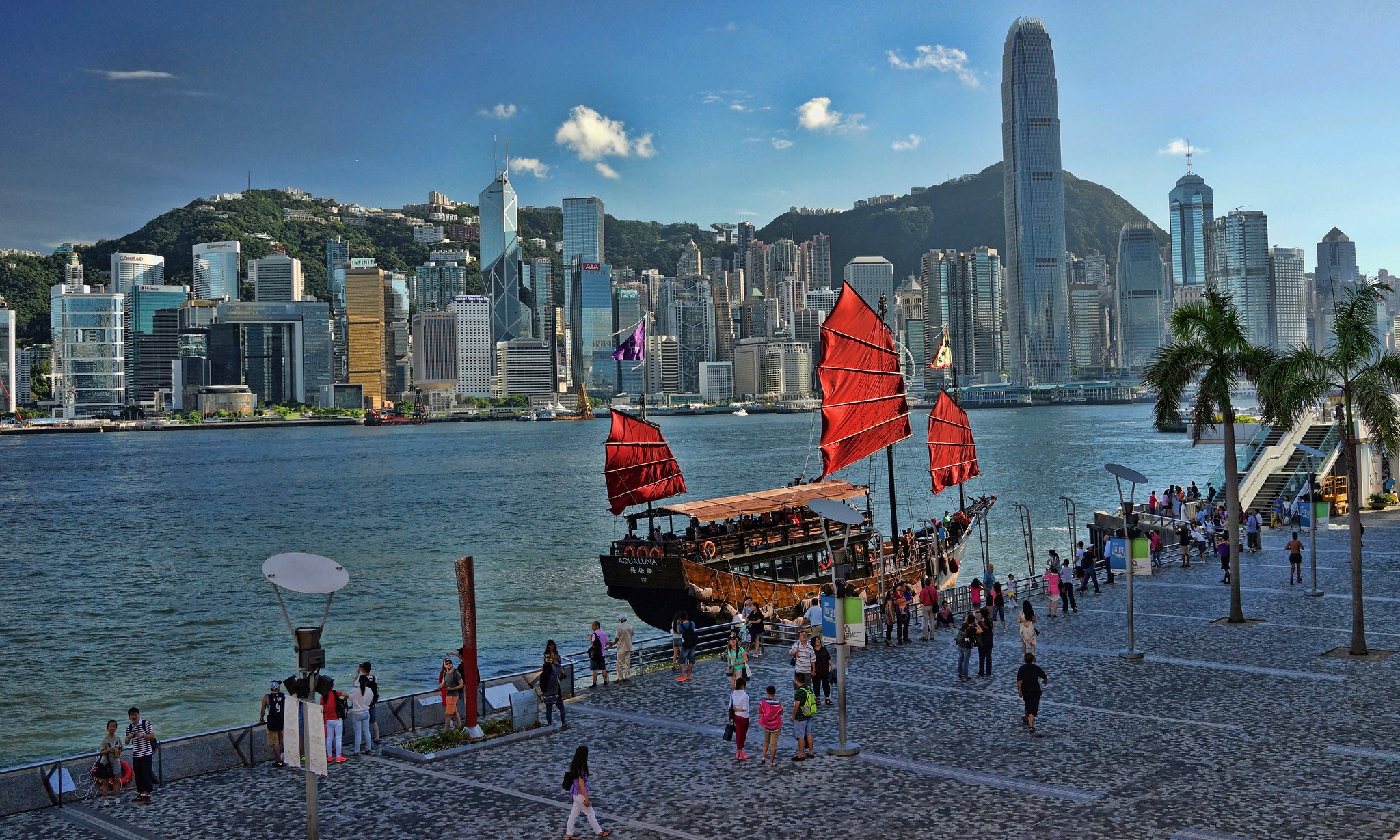
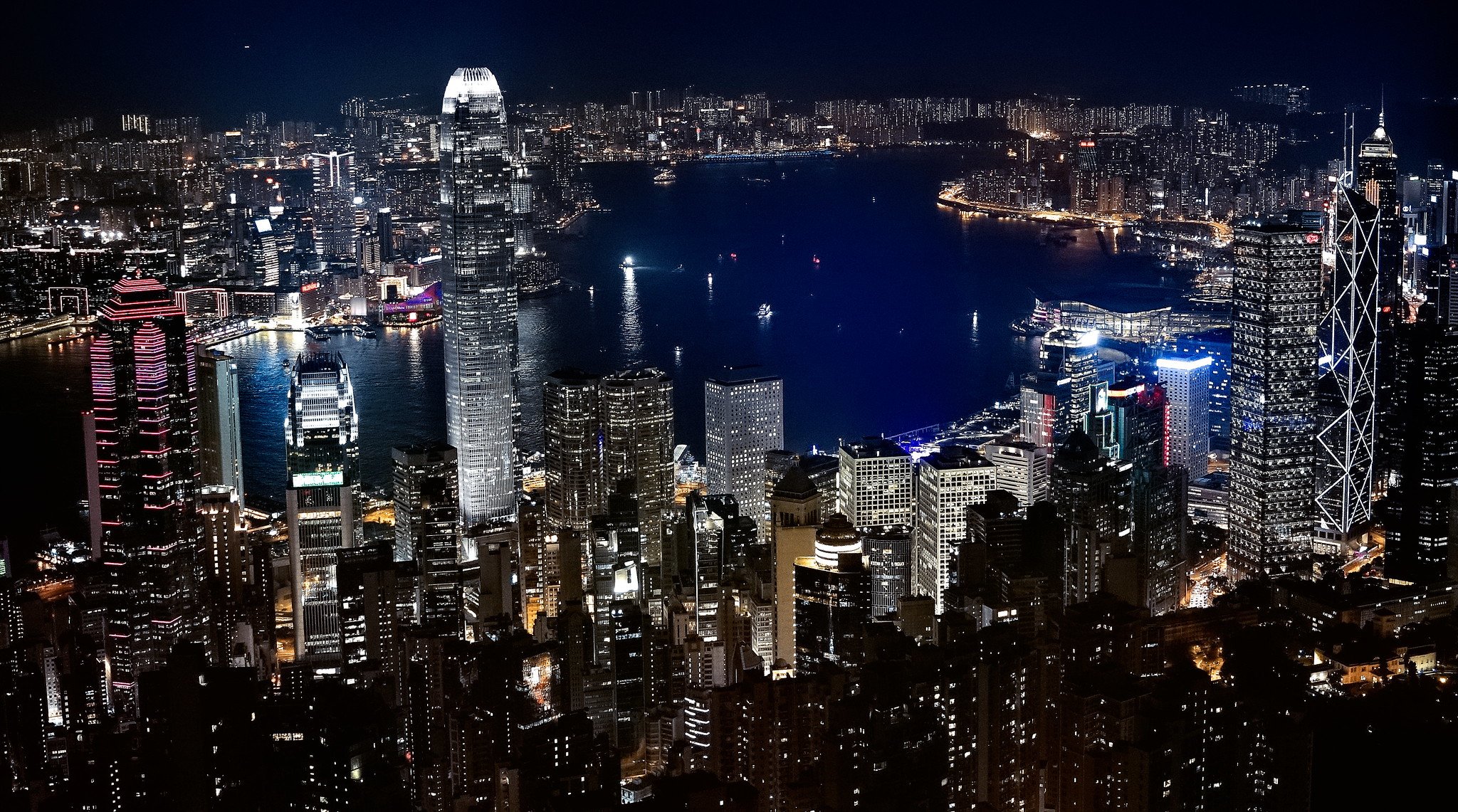
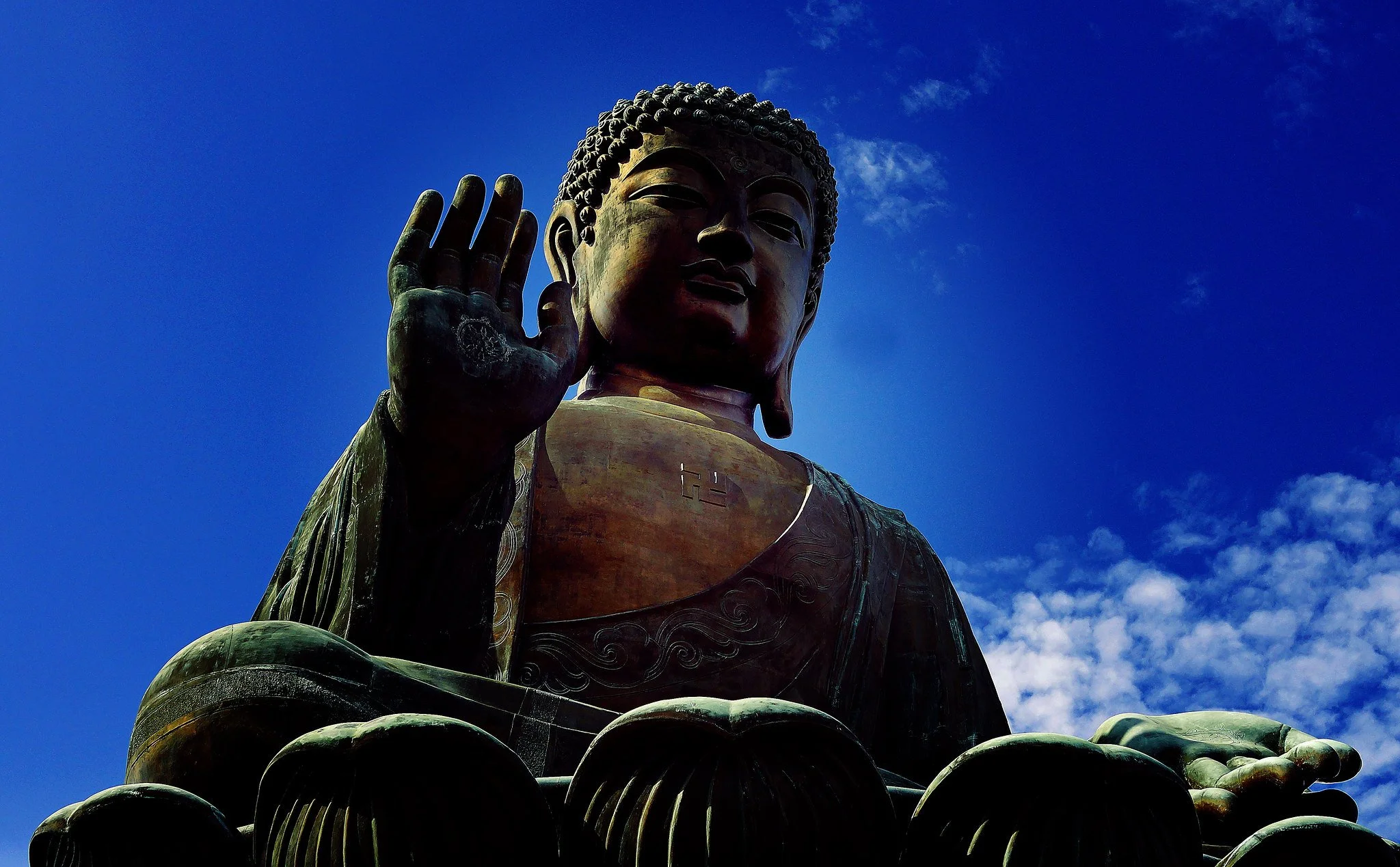
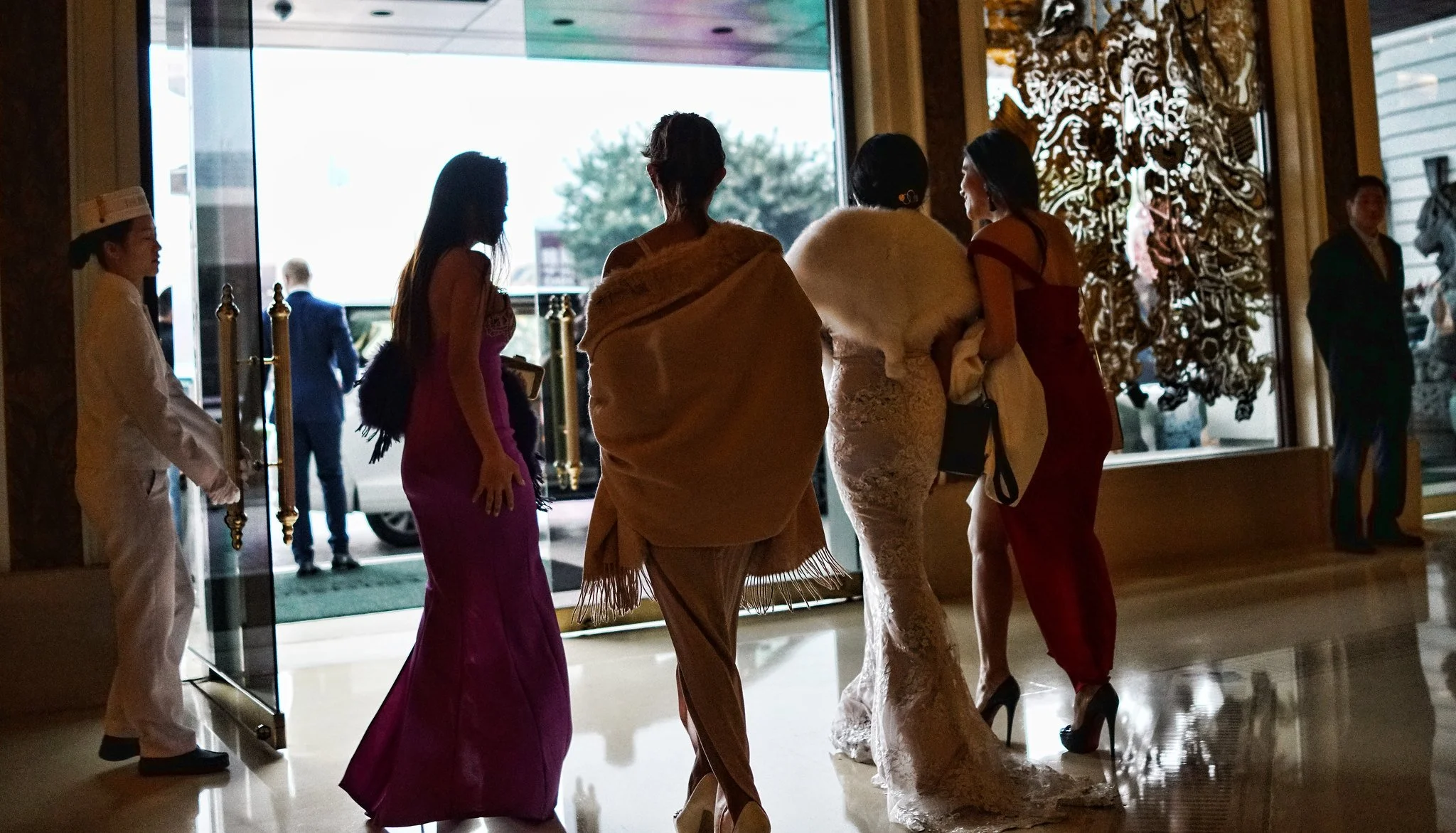
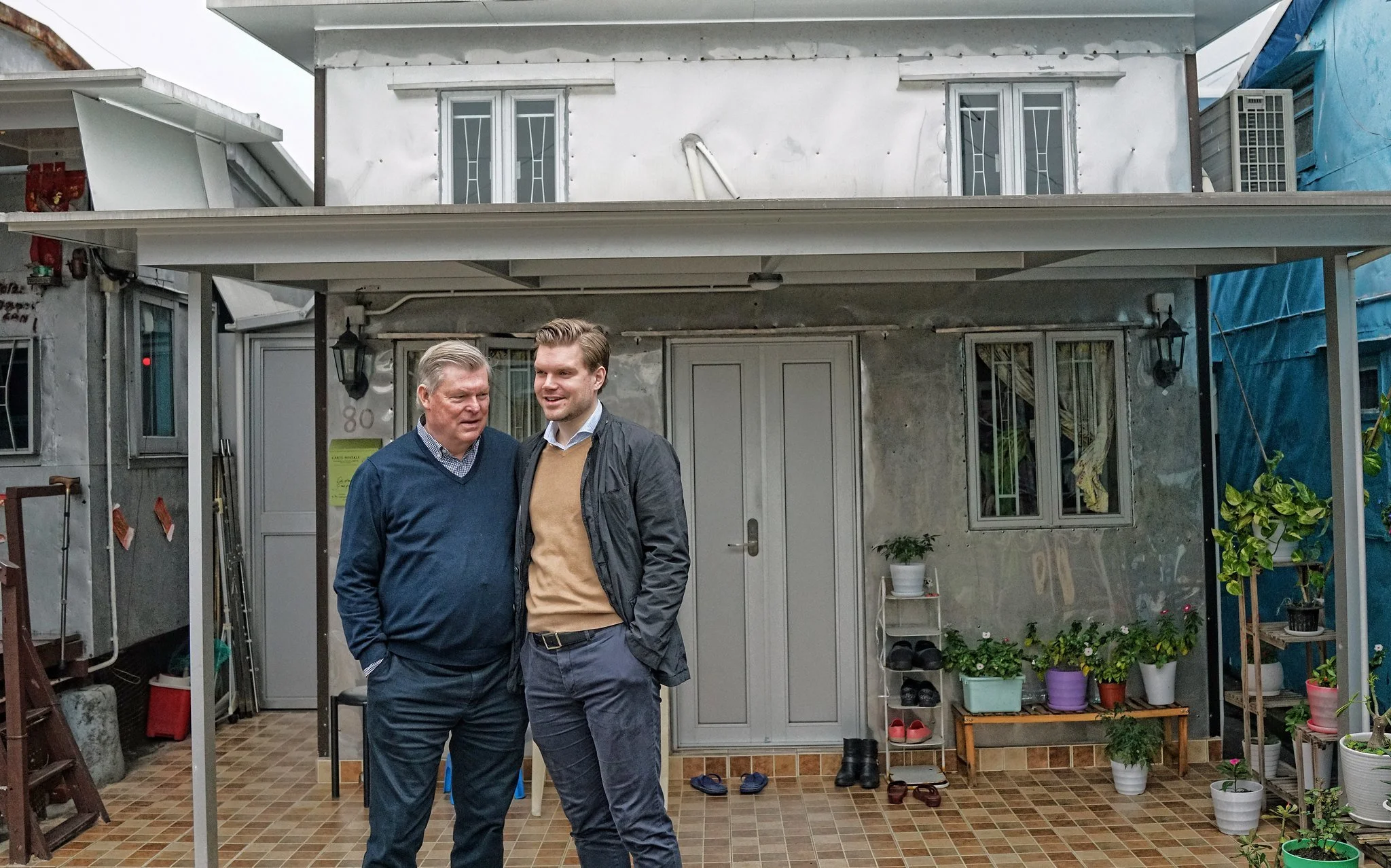
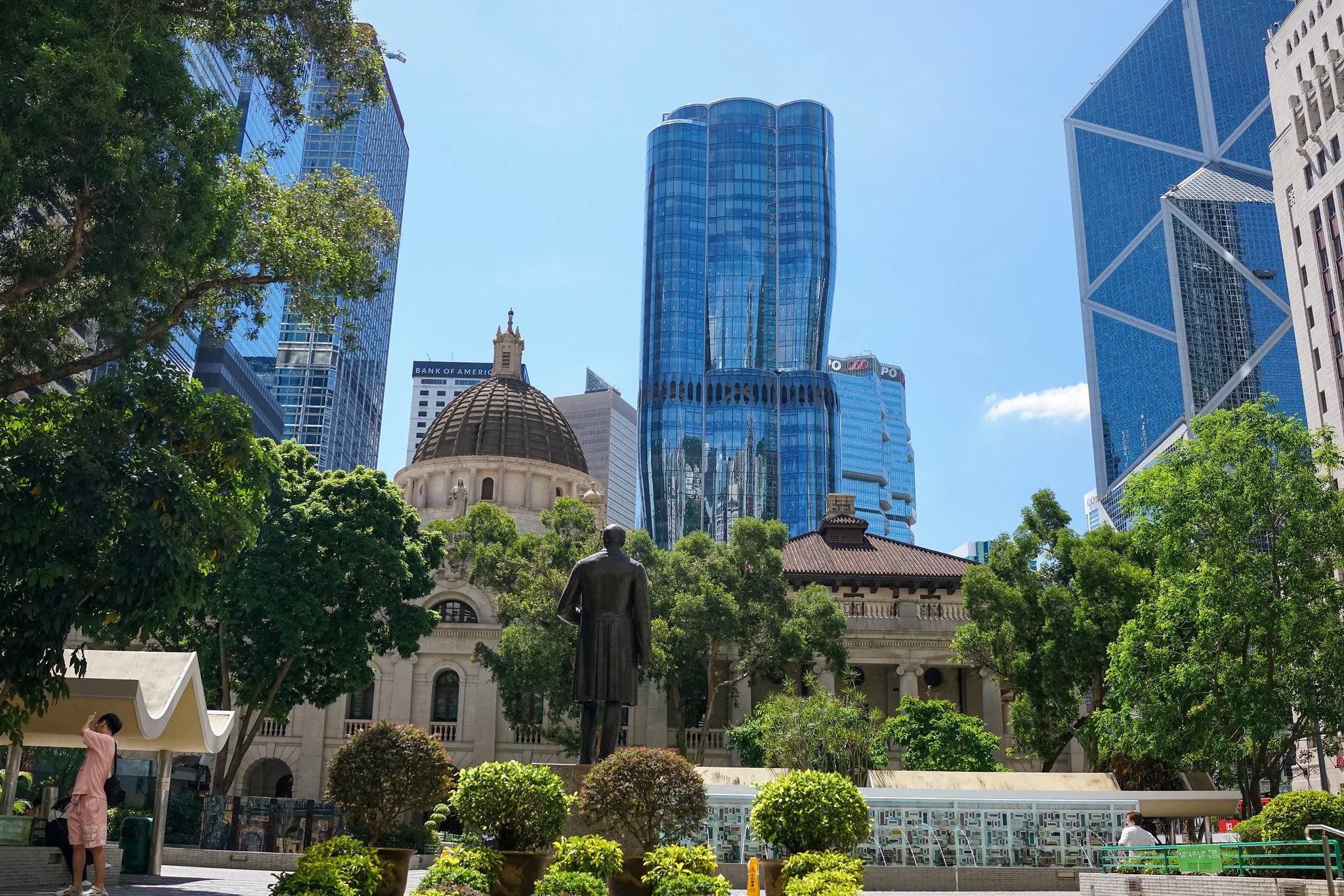
click on any image to enlarge
© Copyright Acknowledged | All rights reserved | all images taken b Jamie
Jamie’s Hong Kong | Some of my favourite images | Hong Kong 101
© Jamie Lloyd | J3 Consultants Hong Kong | J3 Private Tours Hong Kong |
| 2010 - 2026 All rights reserved. |
Click on any image to enlarge to full screen





Current images from my Instagram feed