The crazy prices paid for lucky car licence plates in Hong Kong
The J3 Group - Premium Quality Private Tours | Experiences and Insider Chats since 2010
Me Jamie, your host, I am English and I have lived in Hong Kong since January 2nd 1972 - I know the place.
A meaningful blog post with a difference - tips on Travel, Tourism, Tours, Daily Life and my personal thoughts on Hong Kong.
Please do visit Amazing Hong Kong
Hong Kong | Pearl of the Orient
Customised Private Tours + Experiences in Amazing Hong Kong
Jamie has lived in Hong Kong - Pearl of the Orient for 50+ years
Carefully Crafted Personalised and Customised Itineraries by Jamie | Hong Kong’s Most Experienced Private Tour Guide for : Solo Travellers Friends Families Seniors Couples Business People MICE Delegates.
Private Tours Cultural Tours Walking Tours Sightseeing Tours City Tours Night Tours Layover Tours Transit Tours Private Shore Excursions Bespoke Tours Personalised Tours Jewish Heritage Tours Luxury Private Tours Day Tours Luxury Boat Tours Themed Tours Private Family Tours Private Day Tours Corporate Tours
Just you, your family or friends and Jamie your personal English private tour guide - over 2,400+ tours completed since 2011 - Jamie offers quality Private Tours of Hong Kong
Tour Group Size 1 - 6 people only
J3 Group Hong Kong | J3 Consultants Hong Kong | J3 Private Tours Hong Kong
Creating Memories That Will Last A Lifetime
Go here for the Hong Kong Michelin Restaurant Guide which includes the Bib Gourmand Category

Guided by Stories, Private Tours of Hong Kong with Jamie
A Resident since 1972 - Quality Private Tours of Hong Kong
click on the image to enlarge
© Copyright Acknowledged | All rights reserved | image taken by Jamie
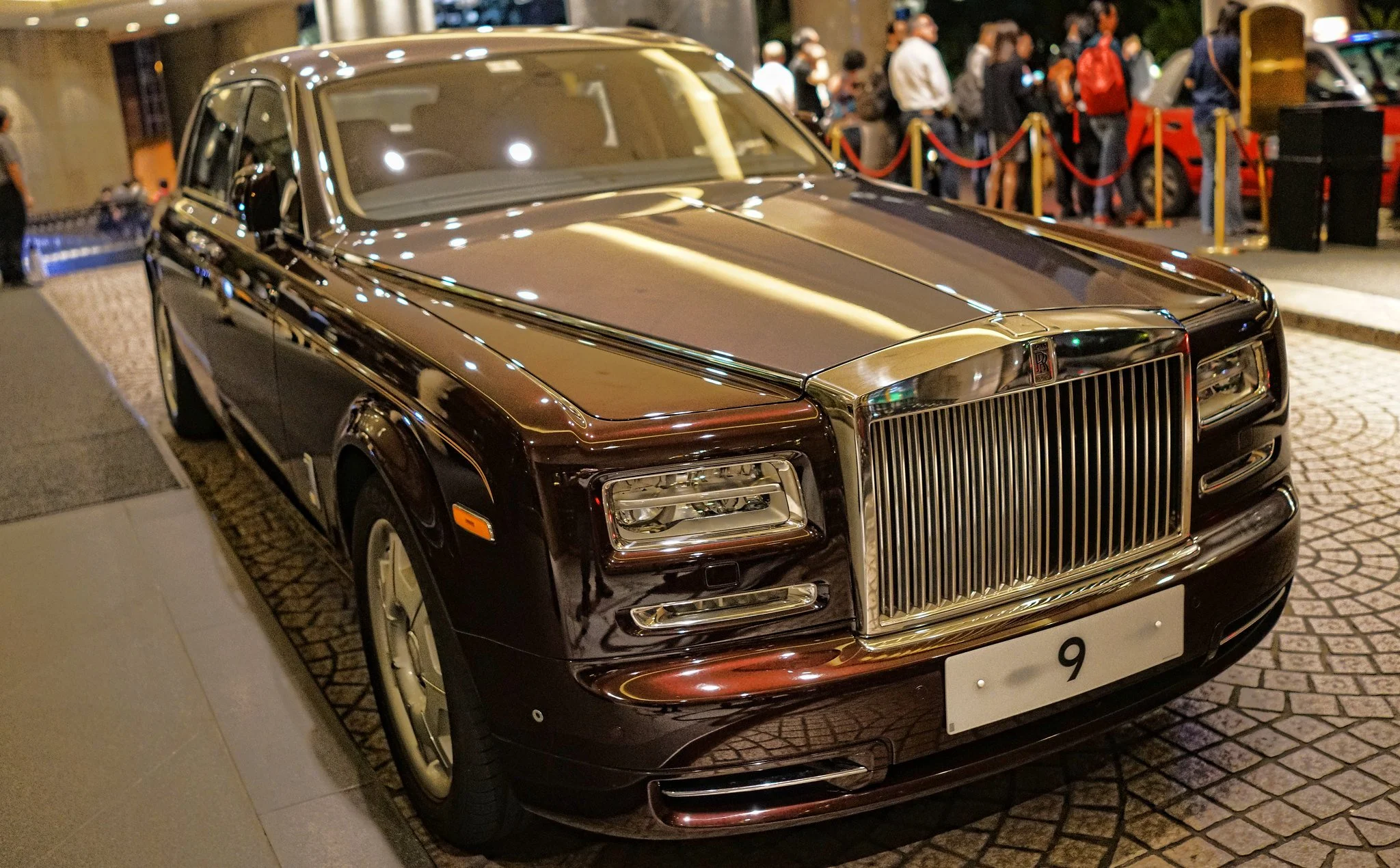
HKG Car Licence Plate - No. - 9 | Licence Plate sold for HK$13,000,000 or US$1,666,666 | It is number 8 of the 114 cars with a HK$1 Million + | US$128,205 + Licence Plates in Hong Kong
Foreword
From lucky numbers to car licence plates and then the lucky traditions, Hong Kong is a real melting pot of beliefs and I have embraced them since I was a kid who arrived here in 1972
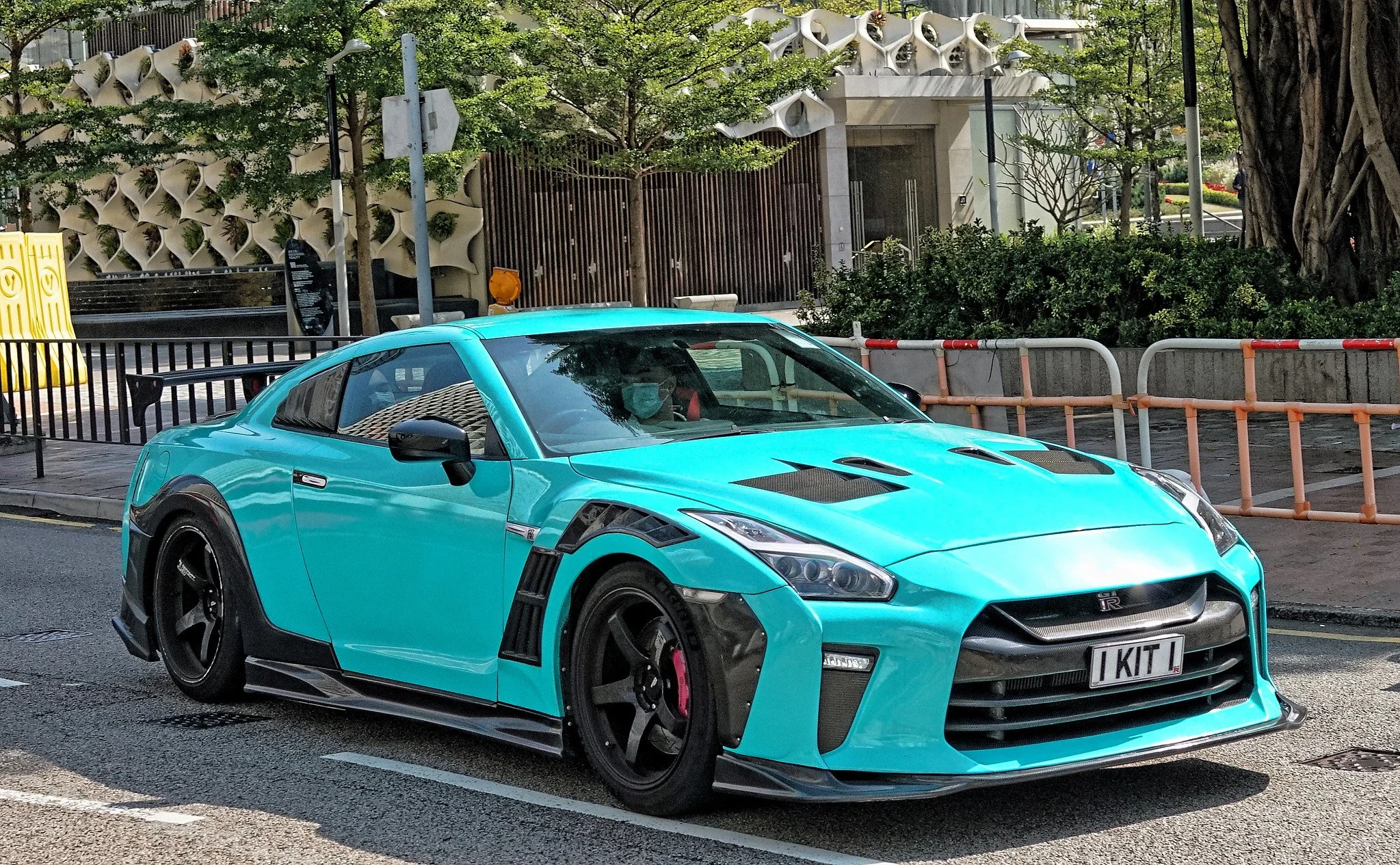
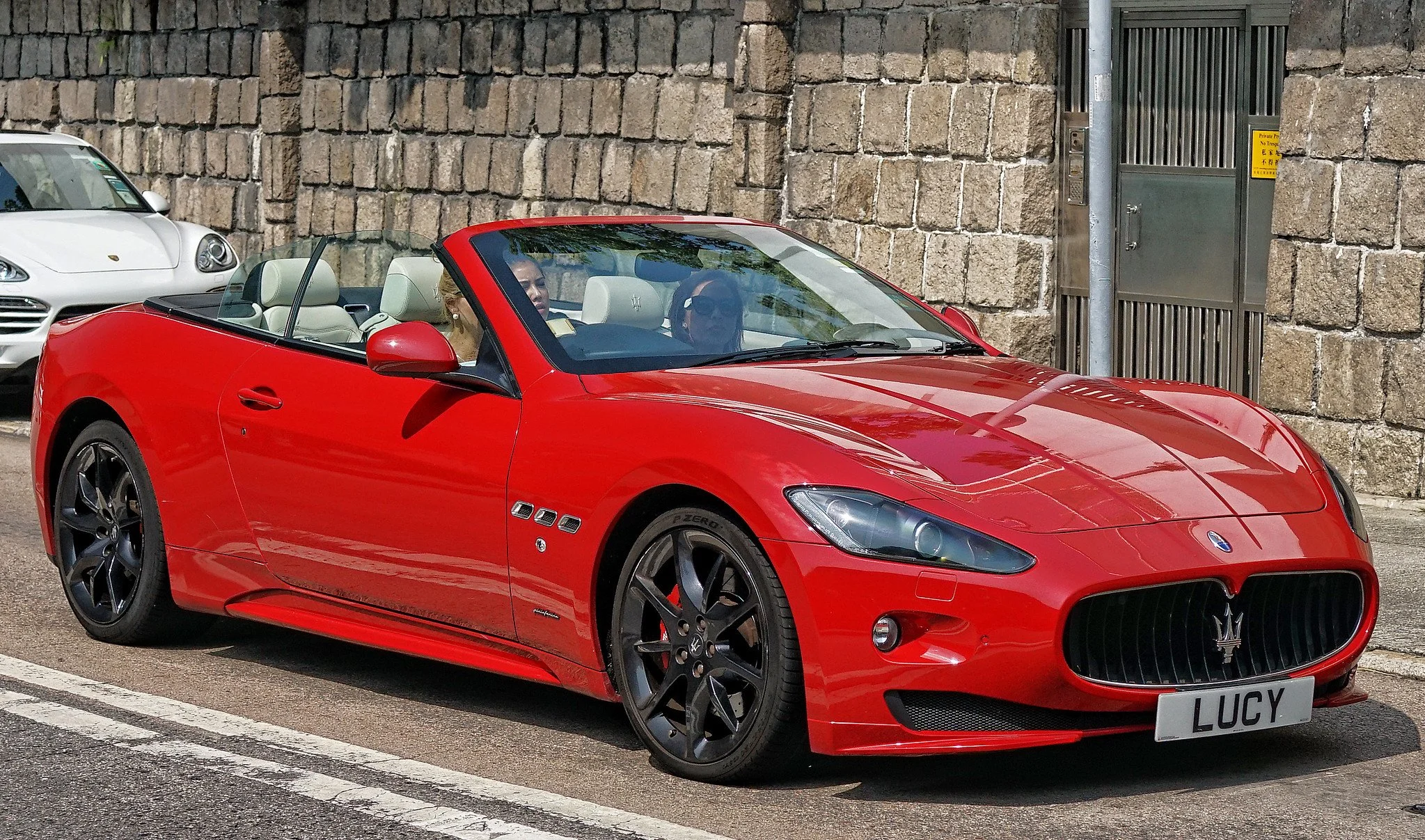
My hobby so to speak is car licence plates and I am totally fascinated at the immense amount of money spent on car licence plates in Hong Kong which in general revolve around lucky number combinations but it goes way beyond that, numbers have deep meanings and I have taken the time to immerse myself in this cultural oddity,
I was born on Friday 13th (top that) so being English I have some understanding of lucky numbers or lucky traditions but I also have in interest in unlucky numbers and traditions which are a big part of Hong Kong culture and trust me it pays to be aware of these subjects if you live here!
So we will start with numbers and yes, the one thing I have mastered is being able to count from 1 - 10 in Cantonese!
Lucky Numbers in Chinese Culture (Hong Kong Context)
As a Hong Kong resident and private tour guide with deep roots in the city, I am very familiar with how numbers play a significant role in daily life, business, and traditions here. In Cantonese-speaking Hong Kong, lucky numbers are primarily determined by numerology rooted in feng shui, superstition, and homophones - where the sound of a number resembles positive or negative words. This system hasn't drastically changed in the past 15 years (post-AI era advancements haven't altered cultural beliefs much), but there's been a slight evolution in how they're applied in modern contexts like digital payments, license plates, phone numbers, and even cryptocurrency or NFT trends. For instance, with the rise of apps like WeChat Pay or Alipay, (more a Mainland China thing) people increasingly seek "lucky" virtual red envelope amounts, and in real estate, floor numbers still command premiums based on these associations.
Below, I'll provide a detailed explanation for each number from 0 to 10, focusing on their meanings, cultural significance, common uses, and any positive/negative connotations. These are based on traditional Cantonese interpretations (since Hong Kong uses Cantonese), with notes on Mandarin where they differ slightly. I'll emphasize Hong Kong-specific examples, like how these appear in local customs, addresses, or festivals.
I should point out that quite often there are strange contradictions in meanings which personally drive me nuts and it really means you have to take a leap of faith, in my world what that means is that often you can twist a meaning to reflect anything you want it to mean!
0 (零 - Ling)
Pronunciation and Homophone: In Cantonese, it sounds like "ling," which can imply "zero" or nothingness, but also wholeness or completeness (like a circle with no beginning or end).
Luck Level: Neutral to mildly positive. It's not inherently lucky or unlucky but often seen as a placeholder that enhances other numbers. In feng shui, zero represents potential or infinity, symbolizing endless possibilities.
Cultural Significance: In Hong Kong, zero is associated with cycles, like the lunar calendar or the "full circle" in family reunions during Mid-Autumn Festival. It's avoided in isolation (e.g., no one wants a "0" score), but in combinations, it adds balance. Historically, it's linked to Taoist concepts of void leading to creation.
Common Uses: Phone numbers ending in 0 for "smooth" transactions; in addresses, it's neutral. In modern times, with e-commerce, prices like HK$10.00 emphasize completeness.
Pros/Cons: Positive for harmony; negative if implying emptiness (e.g., zero wealth).
1 (一 - Yat)
Pronunciation and Homophone: Sounds like "yat" in Cantonese, meaning "one" or "sure/certain."
Luck Level: Neutral to positive. It symbolizes unity, beginnings, and independence—often seen as a strong, singular force.
Cultural Significance: Represents leadership and primacy in Hong Kong's competitive business culture. In weddings, it's tied to "one heart" or monogamy. In feng shui, it's the number of heaven, denoting new starts. Over the past decade, with Hong Kong's startup boom, 1 is popular in company names for "number one" vibes.
Common Uses: License plates like "A1" for prestige; single-digit floors in buildings (e.g., 1/F for shops). In Lunar New Year, red envelopes with HK$10 (1+0) signify a fresh start.
Pros/Cons: Positive for ambition; can be negative if implying loneliness (e.g., "one person" in isolation).
2 (二 - Yi)
Pronunciation and Homophone: Sounds like "yi," resembling "easy" (易 - yi) or "double."
Luck Level: Lucky. It stands for harmony, pairs, and good things coming in twos.
Cultural Significance: In Hong Kong, it's beloved for relationships -think "double happiness" (囍) at weddings. Feng shui links it to partnerships and balance (yin-yang). In recent years, with the city's focus on family amid emigration trends, 2 emphasizes togetherness. It's also tied to the binary nature of tech (0s and 1s, but 2 as duality).
Common Uses: Phone numbers with repeating 2s for "easy life"; dim sum portions often come in 2s for sharing. Buildings avoid skipping 2 like they do 4.
Pros/Cons: Positive for relationships; rarely negative, but can imply "second place" in competitions.
3 (三 - Saam)
Pronunciation and Homophone: Sounds like "saam," similar to "saang" (生 - birth/alive/growth).
Luck Level: Very lucky. It represents life, vitality, and expansion.
Cultural Significance: Symbolizes the three stages of life (birth, growth, death/rebirth) or the three realms (heaven, earth, man). In Hong Kong's Taoist-Buddhist mix, it's auspicious for health and family. With aging populations post-2010, 3 is popular in wellness trends like three-generation households. It's also linked to the Trinity in some Christian contexts here.
Common Uses: Three incense sticks in temples; license plates like "3A" for growth. In business, companies like yours (J3—perhaps inspired by this?) use it for prosperity.
Pros/Cons: Positive for creativity and family; can be negative in phrases like "three's a crowd."
4 (四 - Sei)
Pronunciation and Homophone: Sounds like "sei," identical to "death" (死 - sei).
Luck Level: Very unlucky. It's the most avoided number in Hong Kong, despite the fact that many licence plates have a 4 in the sequence
Cultural Significance: Deeply tied to mortality and misfortune. In feng shui, it disrupts energy flow. Despite modernization, this superstition persists - buildings often skip the 4th, 14th, 24th, 34th floor etc and prices avoid 4s. In the past 15 years, with global influences, some younger Hongkongers downplay it, but it's still strong in real estate and health contexts (e.g., avoiding room 4 in hospitals).
Common Uses: Rarely positive; sometimes reframed as "four seasons" for cycles, but generally shunned. In combos like 14 ("certain death"), it's worse and some people will insist that 44 is lucky (4 + 4 = 8) and 48 simply means you are going to die rich!
Pros/Cons: Few positives (stability in some Western views); overwhelmingly negative for endings and yet I have an image od a car with the licence plate 4444 this Licence Plate sold for HK$1,000,000 or US$128,205
5 (五 - Ng)
Pronunciation and Homophone: Sounds like "ng," resembling "me/myself" or "not/no" (唔 - m).
Luck Level: Neutral to mixed. It represents the five elements (wood, fire, earth, metal, water) in feng shui.
Cultural Significance: Balances the universe; in Hong Kong, it's linked to the five blessings (longevity, wealth, health, virtue, peaceful death). With the city's five-star culture (hotels, ratings), it's practical. Post-2010, in education, it's tied to pentagons or five-point stars for excellence.
Common Uses: Five-spice in cuisine; high-fives in sports. Avoided in isolation but okay in groups.
Pros/Cons: Positive for balance; negative if implying negation (e.g., "no" in combos).
6 (六 - Luk)
Pronunciation and Homophone: Sounds like "luk," similar to "flow/smooth" (流 - lau) or "road/fortune" (禄 - luk).
Luck Level: Lucky. It denotes smoothness and progress.
Cultural Significance: Ideal for business and travel - In feng shui, it's the number of heaven's luck. In Hong Kong's fast-paced life, 6 symbolizes easy journeys (e.g., MTR lines). Over the last decade, with tourism recovery post-COVID, 6 is hot for travel agencies.
Common Uses: Phone numbers ending in 6 for "smooth sailing"; six-packs in markets for abundance.
Pros/Cons: Positive for success; rarely negative, but can imply "fall" in some dialects.
7 (七 - Chat)
Pronunciation and Homophone: Sounds like "chat," resembling "together" (齊 - chai) or "gone/certain" (實 - sat).
Luck Level: Mixed to lucky. It can mean wholeness (seven days a week) but also spirits.
Cultural Significance: Tied to the seven stars of the Big Dipper in Taoism; in Hong Kong, it's auspicious for completeness but unlucky during Ghost Month (7th lunar month). With global influences, 7 is seen as lucky in lotteries (e.g., Mark Six).
Common Uses: Seven colors of the rainbow for hope; avoided in some addresses but popular in games.
Pros/Cons: Positive for unity; negative for loss (e.g., "seven up" as in death in slang).
8 (八 - Baat)
Pronunciation and Homophone: Sounds like "baat," identical to "prosper/wealth" (發 - faat).
Luck Level: Extremely lucky - the superstar of numbers!
Cultural Significance: Ultimate symbol of fortune and infinity (turned sideways: ∞). In Hong Kong's capitalist ethos, 8 drives premiums on everything. Post-2008 financial crisis, it surged in popularity for recovery. In Beijing Olympics (08/08/08), it was highlighted, influencing HK too.
Common Uses: 8th floor apartments cost more; red envelopes of HK$88.
Pros/Cons: Overwhelmingly positive for riches; no real negatives although the licence plate 2 letters + 4888 might take a bit of explaining, (death, death, death, wealth)
9 (九 - Gau)
Pronunciation and Homophone: Sounds like "gau," similar to "long-lasting/eternity" (久 - gau).
Luck Level: Very lucky. It represents longevity and permanence.
Cultural Significance: Linked to the emperor (nine dragons); in feng shui, it's the fullest yang energy. In aging Hong Kong society, 9 is prized for health spans. Modern twist: 99-year leases in property echo this.
Common Uses: Nine-course banquets; 99 roses for eternal love.
Pros/Cons: Positive for endurance; can imply "enough" as in limits., one rich family in Hong Kong has a bunch of cars which I have photographed including the one above, the 3 plates are digits ony, 9, 29 and 9999! which where gbought for a small fortune
10 (十 - Sap)
Pronunciation and Homophone: Sounds like "sap," meaning "ten/complete" or resembling "certain" (實 - sat).
Luck Level: Lucky. It symbolizes perfection and totality (10/10).
Cultural Significance: Represents completion, like the Ten Heavenly Stems in Chinese astrology. In Hong Kong education, 10 is top marks. With decimal systems in finance, it's practical for "full amount."
Common Uses: HK$10 notes for small luck; 10th anniversaries celebrated big.
Pros/Cons: Positive for achievement; neutral if implying "cross" (十字) in some contexts.
I have also published what I consider to be a refined user friendly list of the same numbers, see below
Refined Lucky Numbers 0 - 10 (Hong Kong | Cantonese Focus)
0 (零 - ling4): Neutral-positive. Represents completeness, eternity, potential, or a "full circle." Often seen as lucky in combos (e.g., ending prices or numbers with .00 for wholeness). In HK, it's common in money amounts for "clean" transactions, but avoided alone as it can imply "nothing."
1 (一 - yat1): Neutral to positive. Means "sure/certain," unity, new beginnings, or being "number one." In feng shui, it's tied to heaven and leadership. HK folks like it for ambition (e.g., "top spot" in business), but it can hint at loneliness if isolated.
2 (二 - yi6 / léuhng5): Very lucky. Sounds like "easy" (易 yi6) or "bright/double" (亮 léuhng5). Symbolizes harmony, pairs, good things in twos (e.g., double happiness at weddings). In HK, hugely popular for relationships and "easy success."
3 (三 - saam1): Lucky. Sounds like "birth/alive/growth" (生 saang1). Represents vitality, creativity, the three realms (heaven-earth-man), or family generations. Strong in health/wellness contexts in aging HK society.
4 (四 - sei3): Extremely unlucky. Identical sound to "death" (死 sei2). Universally avoided in HK—buildings skip 4th/14th/etc. floors, hospitals avoid room 4, prices dodge it. Even with global influences, this remains ironclad.
5 (五 - ng5): Mixed/neutral. Linked to the five elements (balance in feng shui) or "me/I" (我 ngo5 in some slang). Can be positive for harmony, but sometimes negative as "no/not" (唔 m4). In HK, it's practical but not a top pick.
6 (六 - luk6): Very lucky. Sounds like "smooth/flow" (流 lau4) or "road/fortune" (禄 luk6). Means easy progress, smooth sailing—ideal for tours, travel, business deals. In HK's fast life and tourism scene, it's a favorite for "frictionless" success.
7 (七 - cat1): Mixed, leaning neutral-negative in some views. Can mean "together/united" or wholeness (7 days), but tied to spirits/ghosts (especially 7th lunar month). In HK lotteries (Mark Six), it's popular, but avoided in serious life events.
8 (八 - baat3): The absolute king—extremely lucky. Sounds exactly like "prosper/wealth/fortune" (發 faat3). Symbolizes infinity (∞ shape), endless riches. In HK capitalism, it's premium everywhere: plates, floors, prices, your tour count (2,360 has that nice 8 vibe for ongoing wealth).
9 (九 - gau2): Very lucky. Sounds like "long-lasting/eternal" (久 gau2). Means longevity, permanence, imperial power (nine dragons). Prized in HK for health, relationships, property leases (99-year echoes).
10 (十 - sap6): Lucky. Means "complete/perfect" (full score, 10/10). Symbolizes totality, achievement. In HK education/business, it's top-tier; red envelopes often HK$10 for fresh starts.
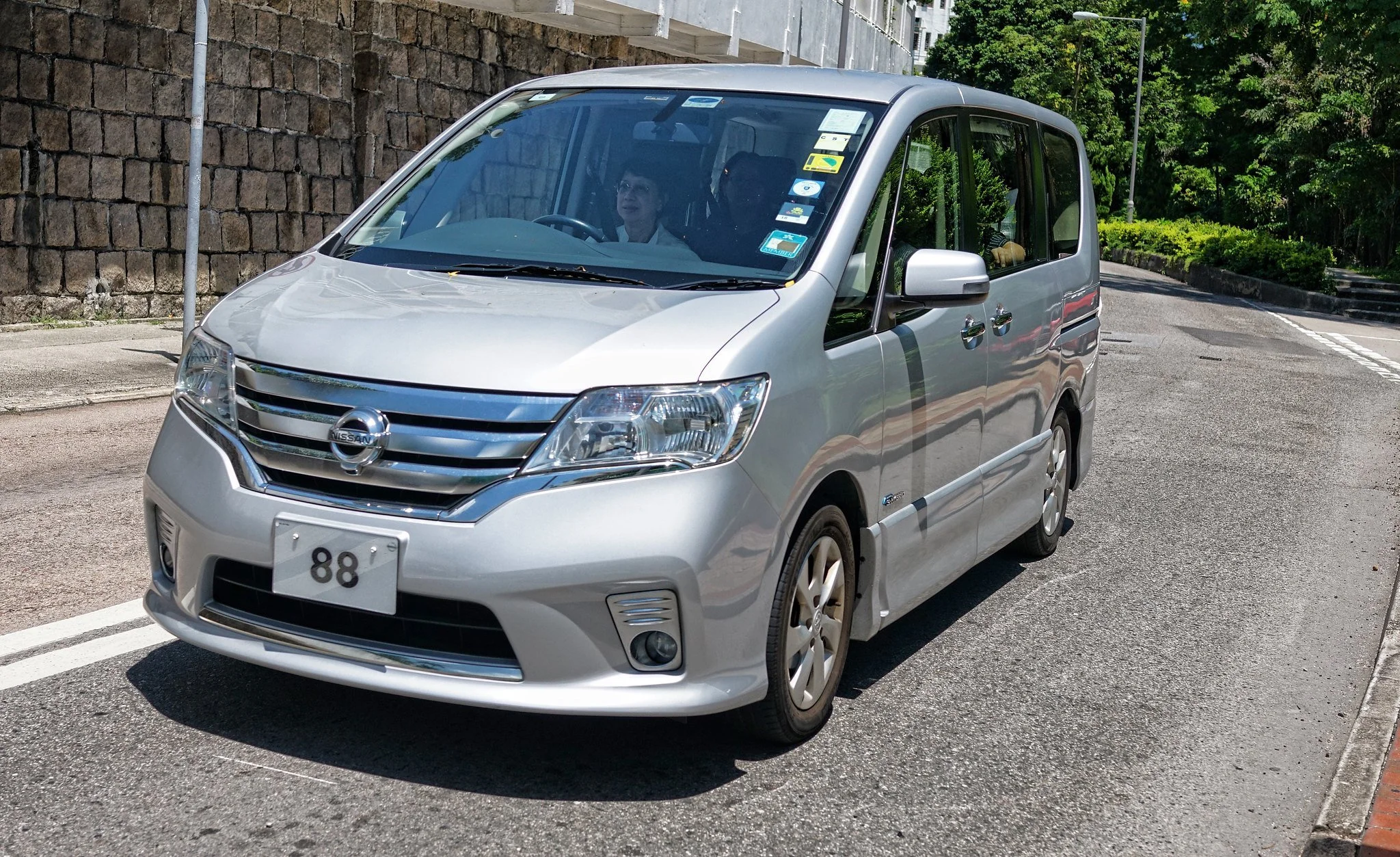
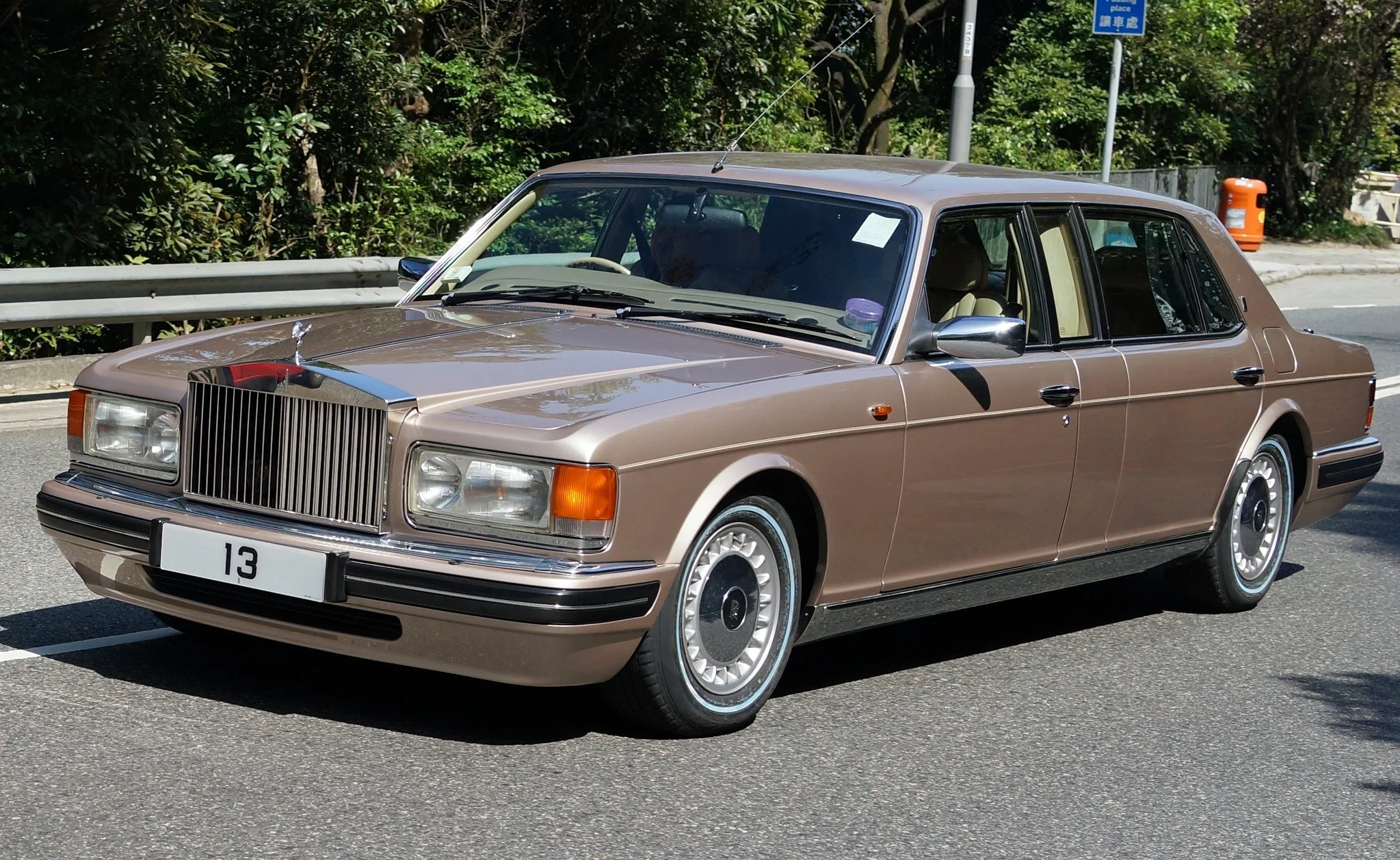
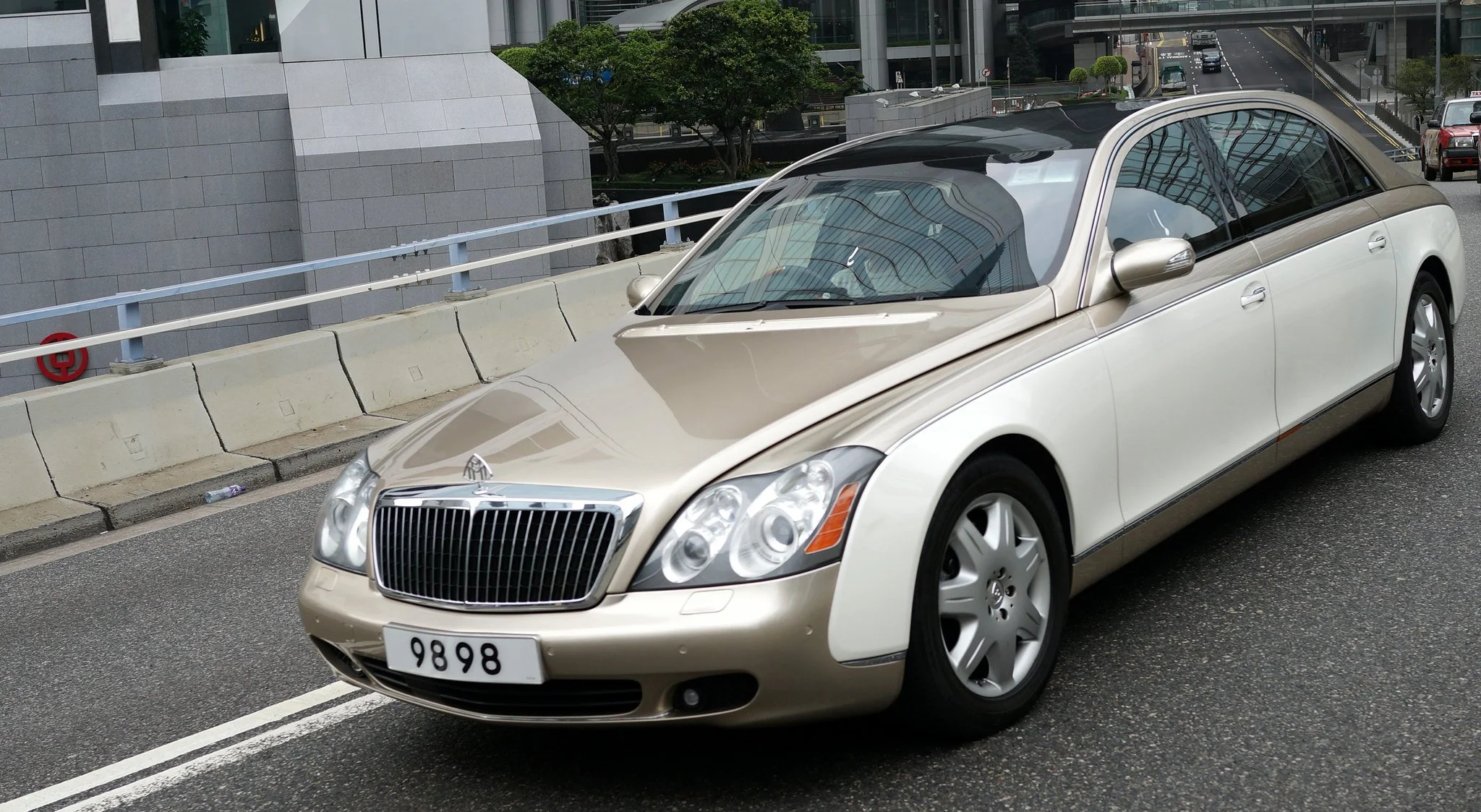
click on any image to enlarge
© Copyright Acknowledged | All rights reserved | images taken by Jamie
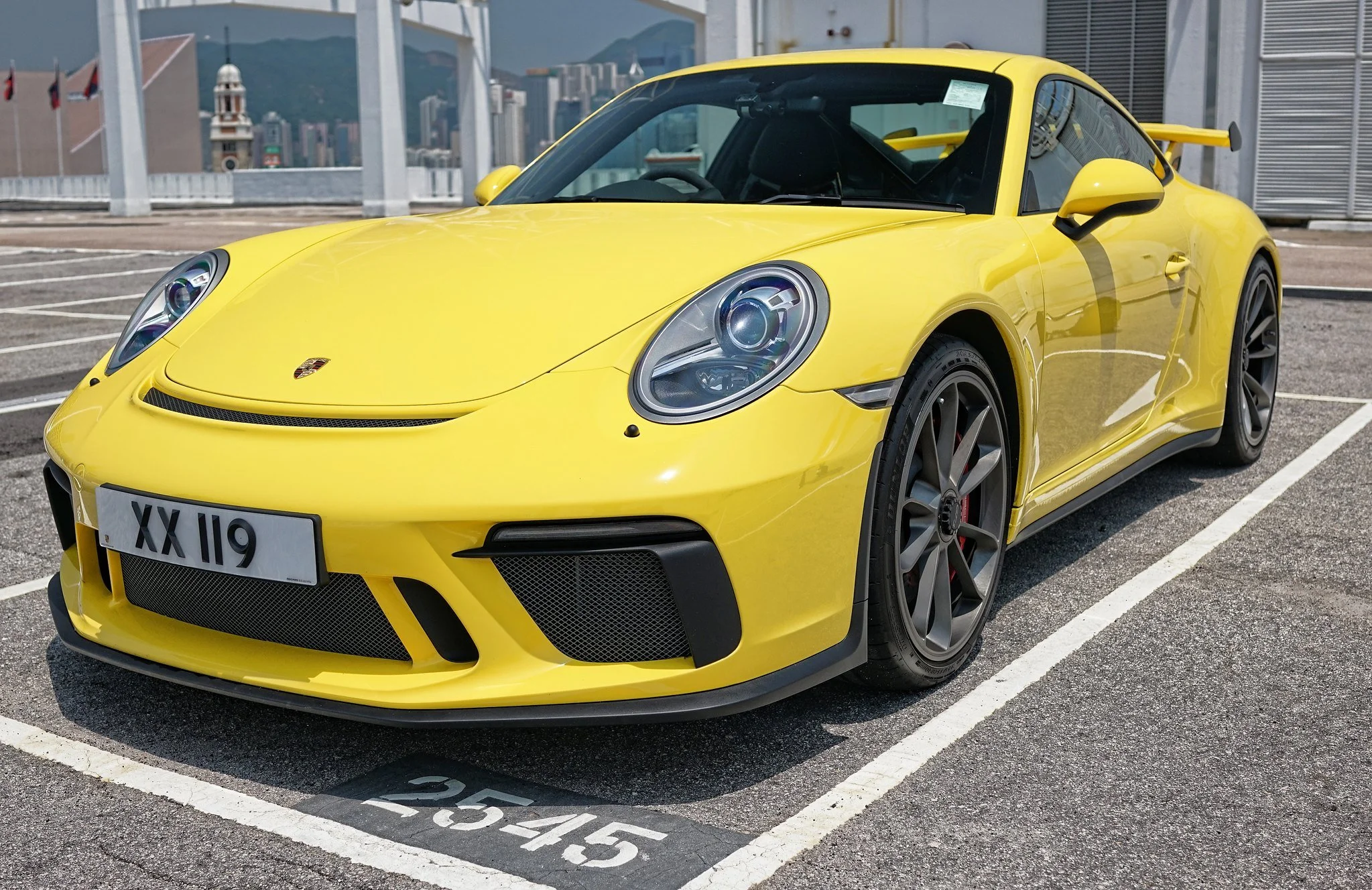
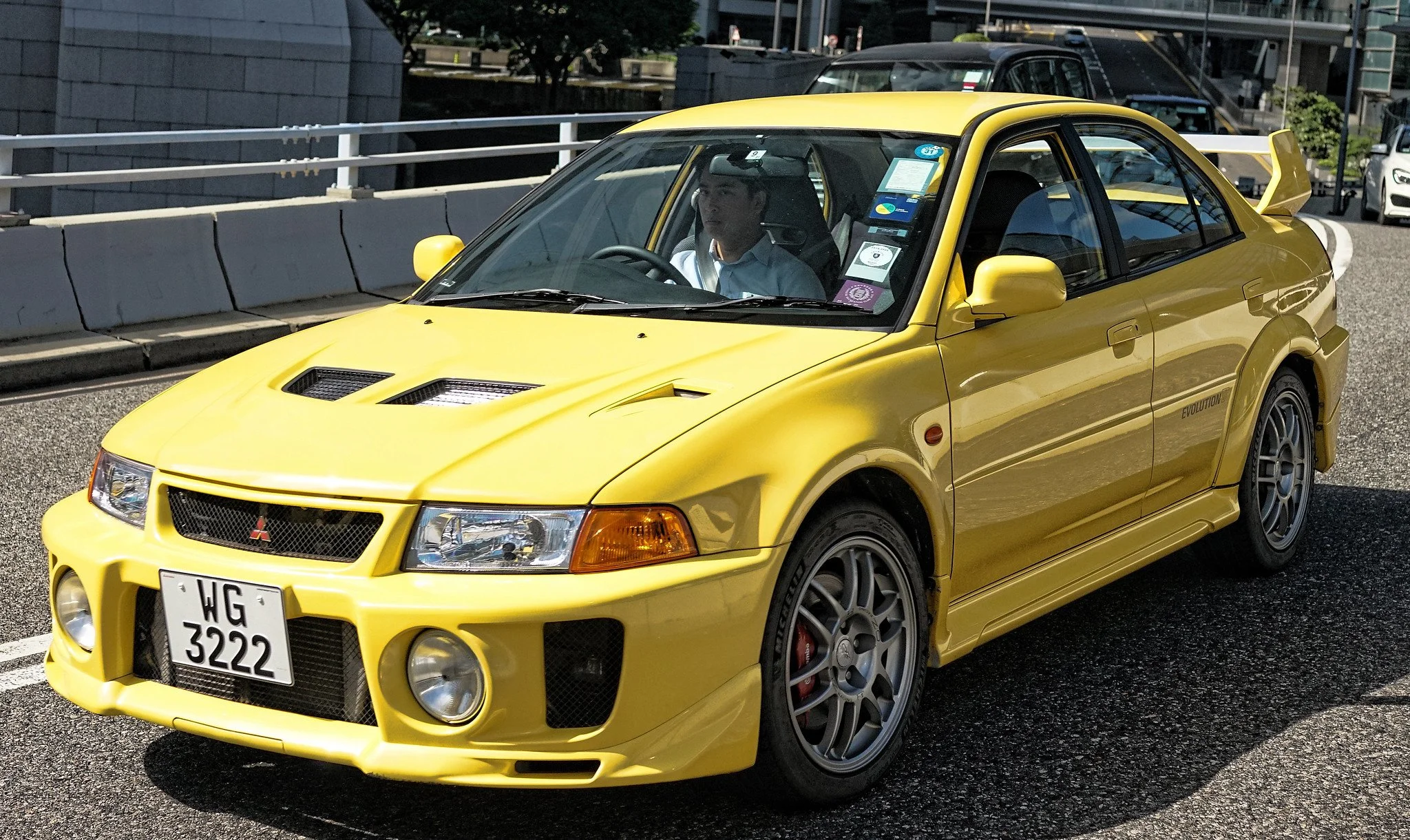
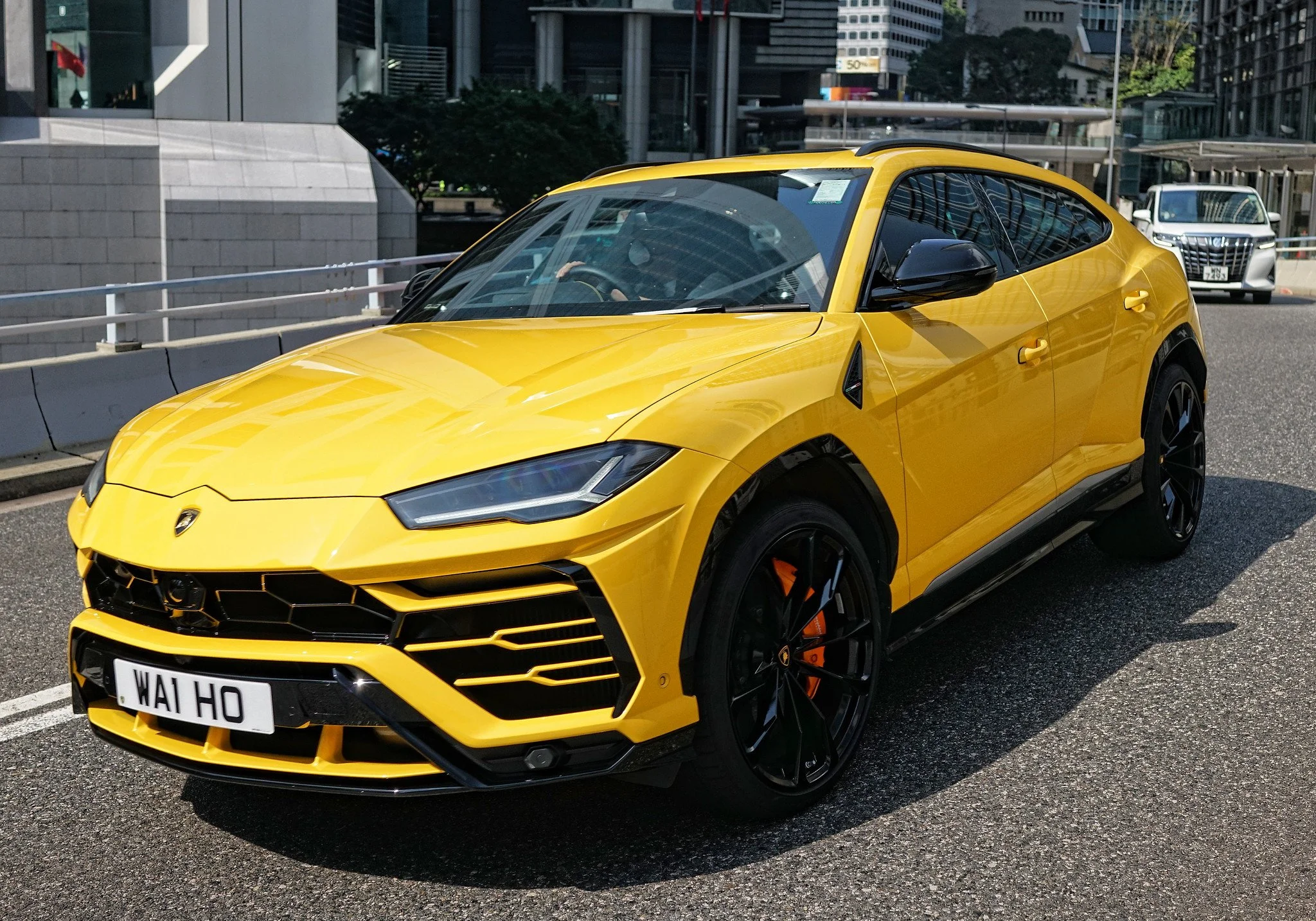
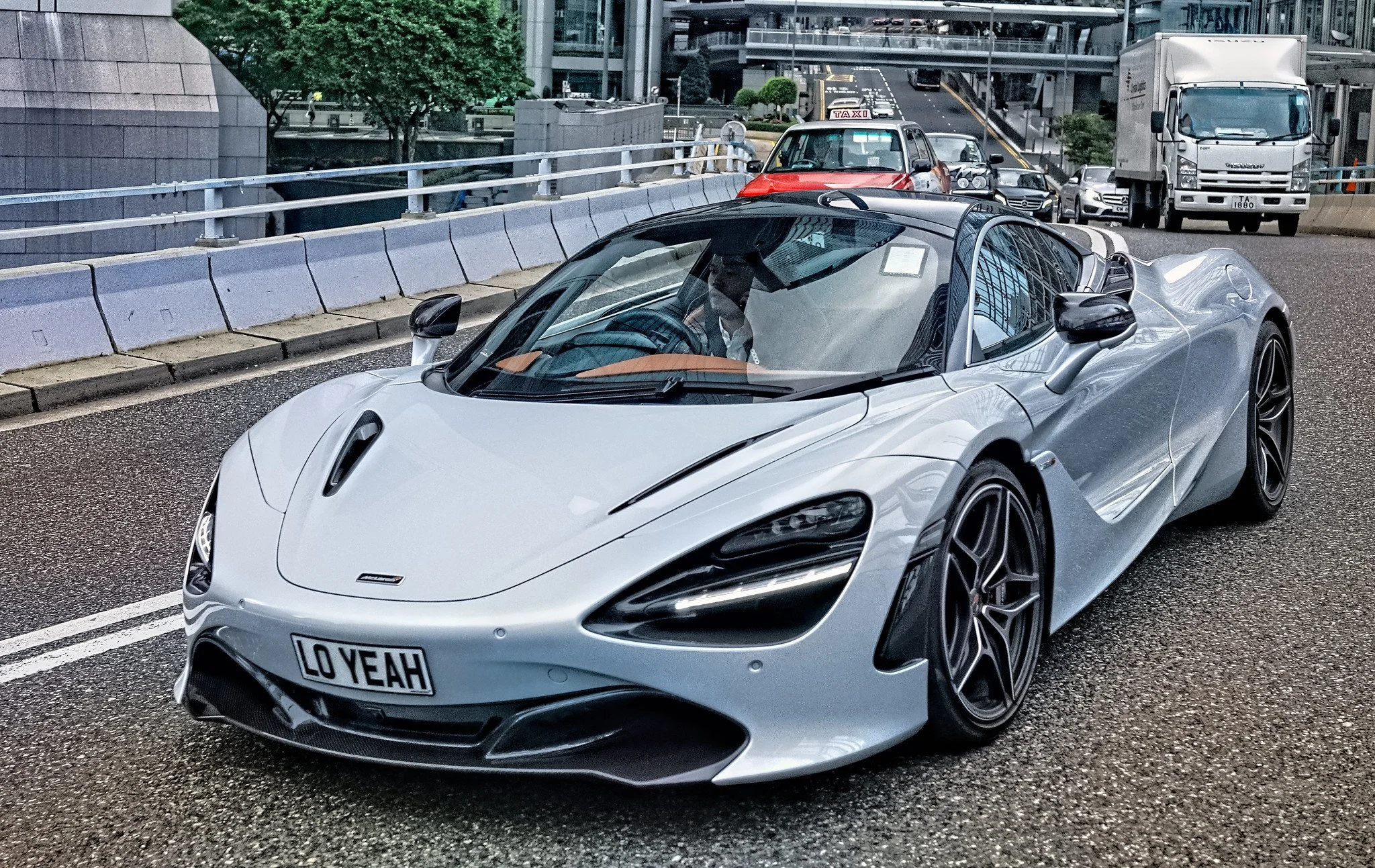
Expensive Car Licence Plates | Simply Amazing | Hong Kong
Standout Lucky Number Combinations (Most Sought-After in Hong Kong Today)
These phonetic "stories" drive massive premiums in auctions, WeChat/Alipay red packets, phone numbers, and more. HK-specific auctions (e.g., recent Lunar New Year ones) show 8-heavy ones fetching millions HKD.
88 / 888 / 8888: Triple/quadruple prosperity. "Double happiness" visual (囍 looks like 88). Ultimate wealth booster.
168: "One road to prosperity" (一路發 yat1 louh6 faat3). All-time business/travel favorite - smooth path to riches.
28: "Easy prosperity" (易發 yi6 faat3). Massive in HK plates (historic high sales).
68: "Smooth prosperity" (流發 lau4 faat3). easy money flow.
520: "I love you" (我愛你 - Mandarin influence, but viral in HK via apps/social). Romantic red packets.
666: "Triple smooth." Everything flows perfectly; modern slang for "awesome/cool."
99 / 999: Eternal longevity/health. Popular for gifts, wellness.
38: "Birth/growth of wealth" (生發 saang1 faat3). New ventures.
188 / 288: "Easy/repeated prosperity." Variations on 28/88.
1314: "Forever/lifetime love" (一生一世). Long-term commitment.
Avoid combos with 4 (e.g., 14 = "certain death," 44 = double death). Even 13 gets skipped sometimes due to 1+3=4 or Western bleed-over but remember 4 + a lucky number can also be very lucky!
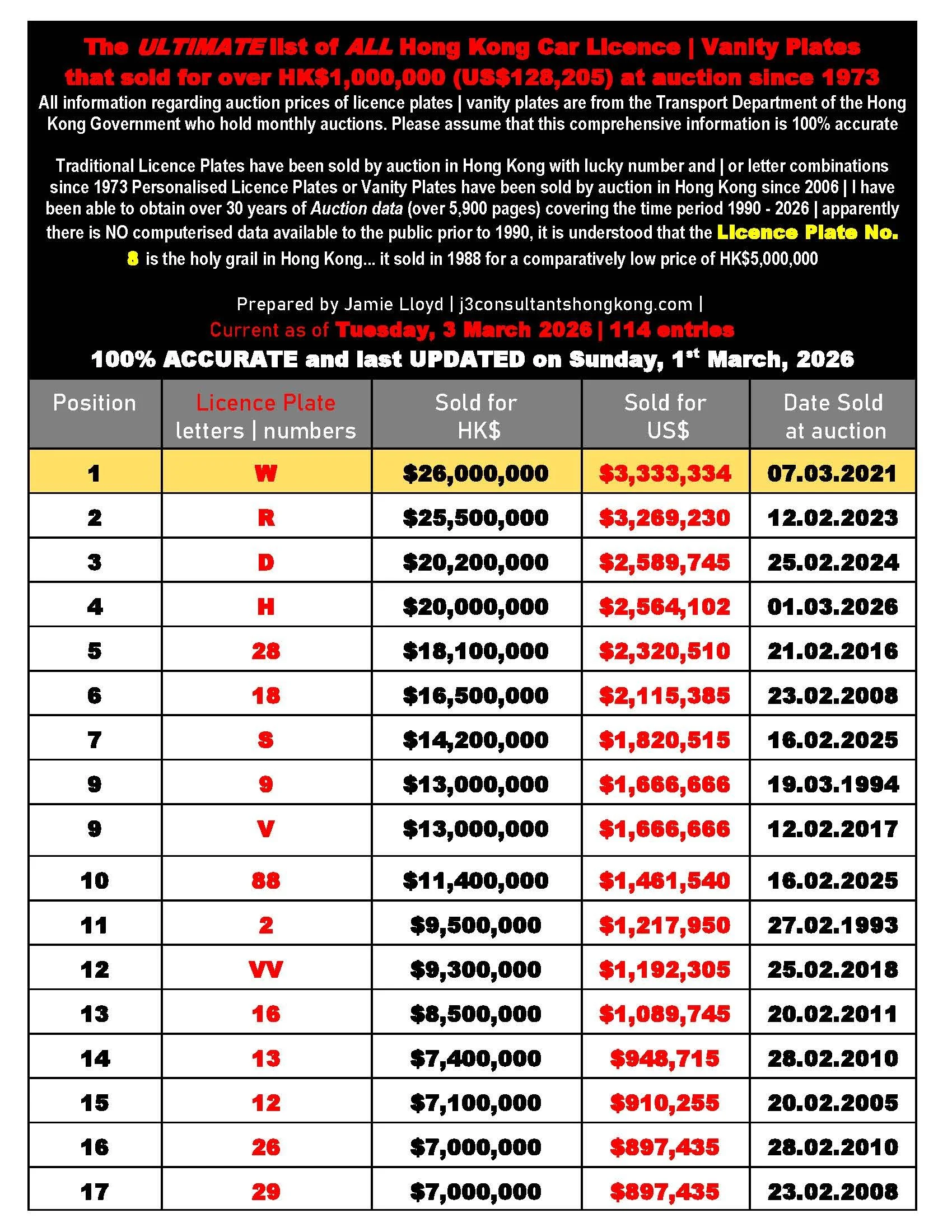
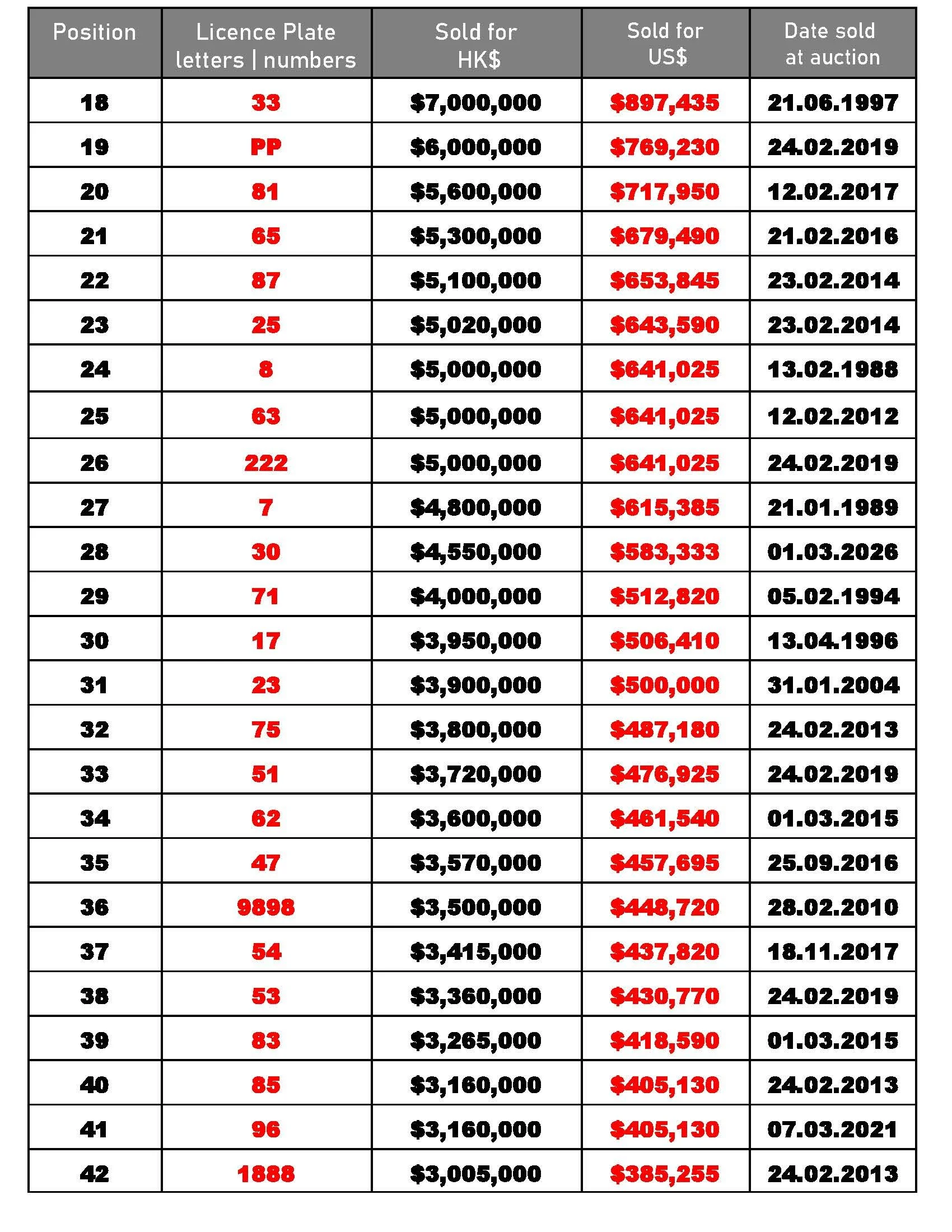
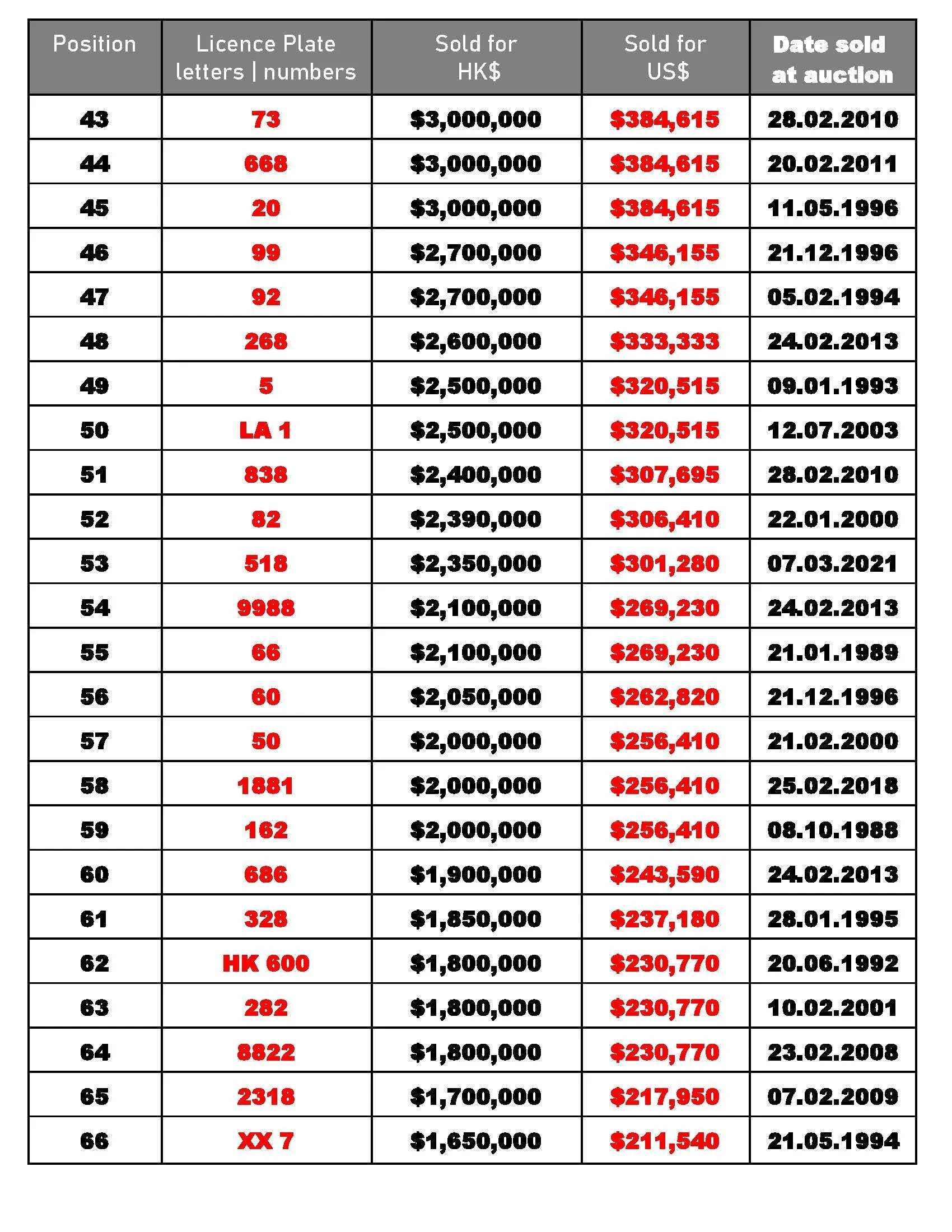
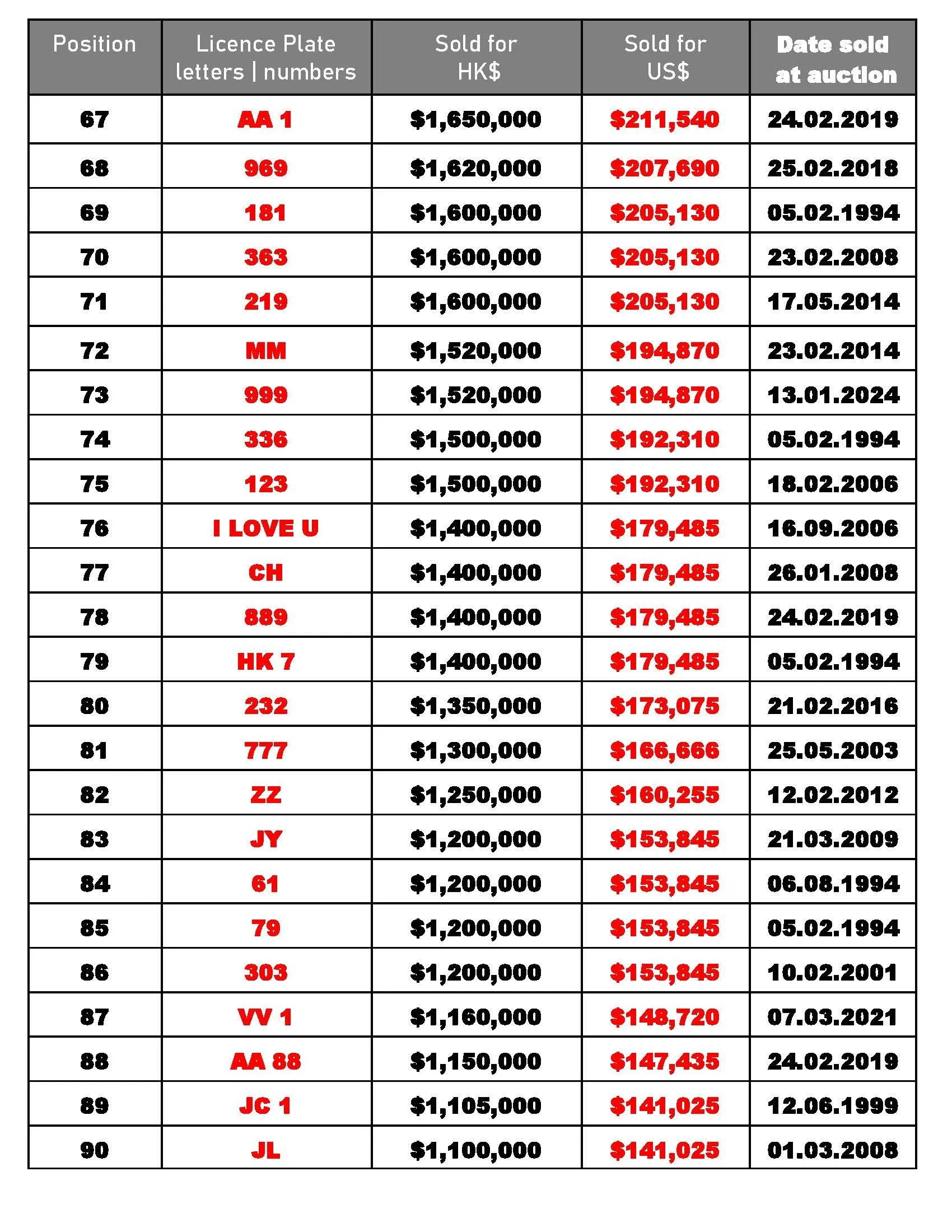
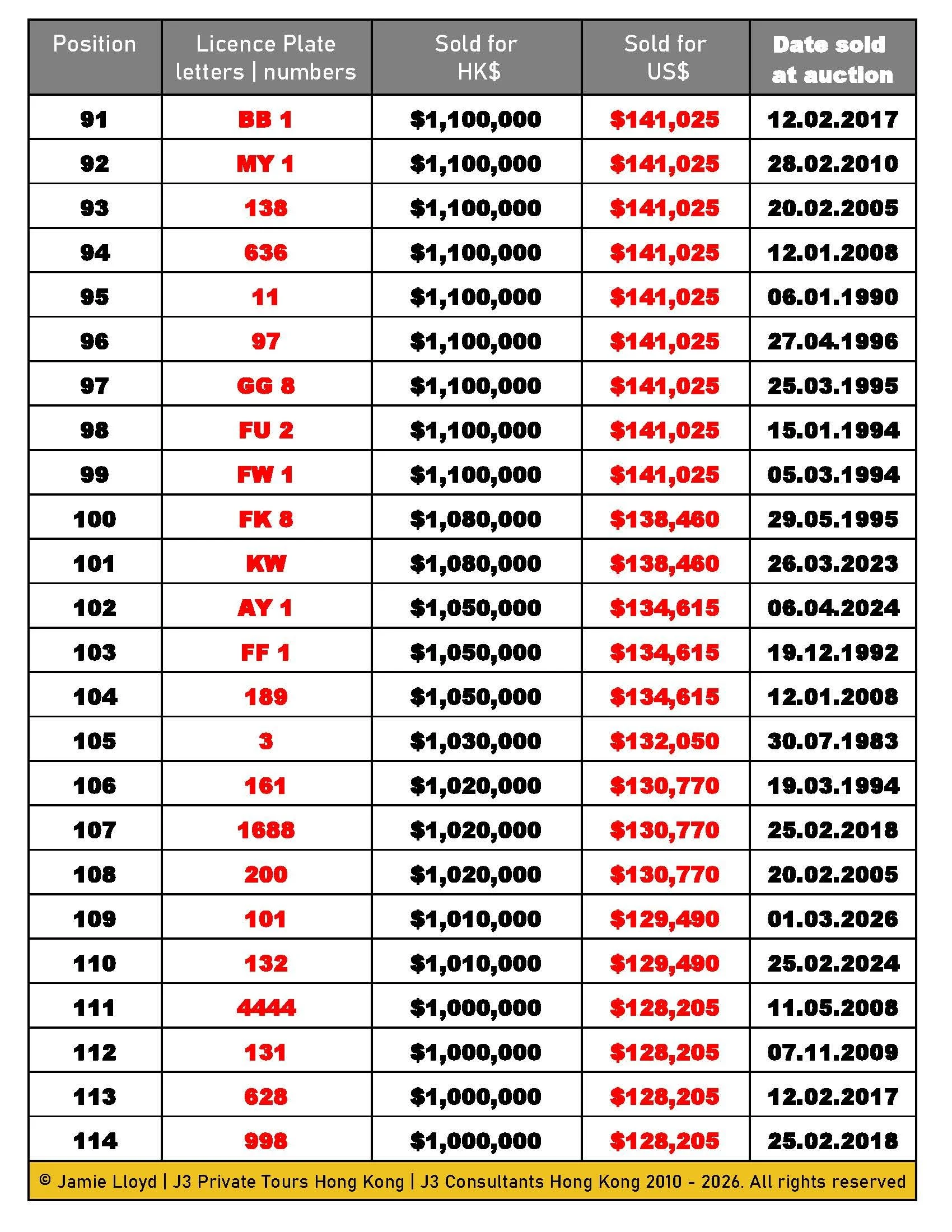
click on the image to enlarge
© Copyright Acknowledged | All rights reserved | data by Jamie
Hong Kong Licence or Vanity Plates | The Definitive List - Sold for US$128,205 + or HK$1,000,000 + updated 01.03.2026
click on the image to enlarge
© Copyright Acknowledged | All rights reserved | image taken by Jamie
The Kau Cim Ritual | Taoist + Buddhist Temples | Hong Kong
The tradition of shaking the sticks, known locally as kau cim (求籤) or fortune-stick divination, is one of Hong Kong’s most enduring and accessible spiritual practices. Rooted in ancient Chinese folk religion, it remains vibrant year-round at Taoist and Buddhist temples across the city, offering devotees and visitors a personal way to seek guidance on everyday concerns like career moves, health, relationships, family matters, or major decisions. Far from being limited to Chinese New Year crowds, kau cim is performed daily by locals who treat it as a meditative ritual for clarity and reassurance amid the fast pace of modern life. The two temples I mention Sik Sik Yuen Wong Tai Sin Temple and Che Kung Temple in Sha Tin - are among the most popular and representative sites where this tradition thrives.
It is no coincidence that the no. 8 stick is prominent in the image above
How the Kau Cim Ritual Works
The process is straightforward yet deeply ritualistic, designed to focus the mind and invite divine insight. Here is the refined, step-by-step practice as observed at most Hong Kong temples today:
Preparation and offerings: Purchase a small bundle of incense (usually three sticks or a pre-packaged set) from vendors near the entrance or main altar. Light them respectfully and place them in the large incense burners or holders provided.
Approach the altar: Kneel on the cushions in front of the main deity’s altar (Wong Tai Sin at his temple, or Che Kung at his). Silently introduce yourself - name, date of birth, and perhaps your address or a brief personal context - then clearly state your specific question or wish in your mind. Devotees emphasize that vague queries yield vague answers; the more focused and sincere the intent (e.g., “Should I accept this job offer?” or “What should I watch for in my health this year?”), the more meaningful the response is believed to be.
Shake the sticks: Hold the bamboo cylinder (a red wooden or bamboo tube containing 78 - 100 numbered flat sticks, depending on the temple) at a slight angle. Gently and rhythmically shake it while remaining focused on your question. Continue until exactly one stick falls out onto the floor. If two or more fall, return them to the cylinder and shake again. This physical act is seen as the deity selecting the answer.
Obtain the fortune slip: Note the number inscribed on the fallen stick. Exchange it at a nearby counter or kiosk for a corresponding printed slip containing a short classical Chinese poem (often metaphorical or poetic in style). The poem is deliberately open-ended, requiring interpretation.
Interpretation: This is where the tradition deepens. Many people take the slip to professional fortune tellers stationed in dedicated arcades or stalls within or adjacent to the temple grounds. The teller reads the poem aloud, explains its layered meanings in the context of your question, and offers practical advice. Readings blend Taoist principles of balance and flow, Confucian ethics of duty and harmony, and Buddhist ideas of karma and mindfulness. Sessions typically last 5 - 15 minutes and cost between HKD 20 - 50 for a basic stick interpretation, or HKD 100 - 300 for a fuller analysis that might include palm or face reading.
The entire experience usually takes 20 - 40 minutes and feels contemplative rather than mechanical. Temples maintain a respectful atmosphere even on busy days, with soft incense smoke and the rhythmic clatter of sticks providing a soothing soundtrack., for the record I have had many guests shake the sticks and consult a fortunte teller at the Sik Sik Yuen Wong Tai Sin Temple!
At Sik Sik Yuen Wong Tai Sin Temple in Hong Kong
This is Hong Kong’s premier destination for kau cim, often described by locals as the place “where wishes come true.” Dedicated to the deity Wong Tai Sin (a deified healer and sage), the temple draws hundreds of daily visitors year-round precisely because of its reputation for accurate and responsive divination. The main altar area is equipped with rows of kneeling spots and stick cylinders, and the adjacent Fortune-Telling and Oblation Arcade houses dozens of independent soothsayers in covered stalls. These interpreters are highly experienced, many having practiced here for decades, and they handle everything from quick clarifications to in-depth life guidance. The temple’s blend of Taoist, Buddhist, and Confucian elements makes it especially approachable for people of varying beliefs. Outside peak festival times, the experience is calmer, allowing for a more personal connection, I really do love to go to this temple (well over a thousand times and counting
At Che Kung Temple in Sha Tin in Hong Kong
This 17th-century temple, dedicated to the Song Dynasty general Che Kung (revered for protection and warding off illness), offers a similar kau cim experience but with distinctive local touches. The stick cylinder here typically holds around 96 numbered rods. Worshippers often combine the ritual with other traditions unique to the site: spinning a large golden prayer wheel (or “windmill”) for luck, beating a ceremonial drum to “awaken” the deity, and making offerings for health and prosperity. The atmosphere is energetic yet orderly, and the temple remains open daily for quiet visits. It sees steady footfall from Sha Tin residents and those seeking protection-oriented guidance, making kau cim a natural part of the visit at any time of year.
This is a quite awkward to get to, kind of out in the boonies and quite a walk from the nearest subway station, so I only go there infrequently
The Chinese New Year Official Divination at Che Kung Temple in Hong Kong
A high-profile kau cim ritual occurs annually during the Chinese Lunar New Year period and receives significant media coverage. On the morning of the second day of the Lunar New Year, a prominent community leader - most commonly the chairman of the Heung Yee Kuk (the rural advisory body) - performs the drawing on behalf of Hong Kong at Che Kung Temple. The selected stick’s poem is interpreted as an omen for the city’s overall fortune in the coming year, covering themes like economy, social harmony, governance, and public well-being. The result is categorized broadly as “good,” “neutral/mid,” or “bad,” and the poetic verse is analyzed publicly by feng shui masters or scholars.
While high-ranking government officials participated more directly in earlier decades, the ritual evolved into a semi-official civic tradition led by rural and community representatives. It is still widely reported in local news as the city’s collective fortune reading, with the chosen stick number and its implications discussed extensively. For instance, in recent years the draw has yielded “neutral” outcomes, prompting interpretations urging resilience, innovation, and vigilance in challenging times. The event draws large crowds to Che Kung Temple and underscores how deeply intertwined this folk practice is with Hong Kong’s cultural and even civic identity.
Consulting Fortune Tellers at Large Temples in Hong Kong
Beyond the stick-shaking itself, large temples function as vibrant hubs for professional fortune-telling services. Wong Tai Sin’s arcade is the largest and most famous, with a world-record number of stalls offering not only kau cim interpretations but also complementary methods like palmistry, face reading, astrology based on birth data, and even the sale of small protective talismans or charms. Che Kung Temple and other major sites (such as those dedicated to Tin Hau or Kwan Tai) maintain smaller but active clusters of tellers. These practitioners are typically licensed or long-established independents who rent space from the temple authorities; many speak Cantonese, Mandarin, and some speak very good English.
The tradition of consulting them is practical rather than purely mystical - people return repeatedly for ongoing guidance, treating the sessions almost like informal counseling rooted in cultural wisdom. In recent years, temples have experimented with digital aids (such as online stick interpreters or RFID-enabled machines), yet the human element remains overwhelmingly preferred. Devotees value the personal rapport, nuanced explanations, and empathetic advice that no algorithm can replicate. Fees are modest and transparent, and many tellers will politely decline if they feel the question is not sincere or the timing is inauspicious.
Yeah, I get a bit annoyed these days that all these mystical rituals end up with e versions or apps on ypur phone, where is the fun in that? these rituals need to be explained by experts in person, one on one.
Suggestions and Practical Thoughts
Best times: Weekday mornings or mid-afternoons are ideal for a peaceful experience; avoid major festivals or weekends if you prefer minimal queues. The ritual itself works equally well on ordinary days - many locals visit when they face a specific life crossroads rather than waiting for holidays.
Etiquette tips: Dress modestly, speak softly, avoid photography directly at the altars during active prayer, and treat dropped sticks or slips with care. If two sticks fall repeatedly, it is traditionally seen as a sign to rephrase your question or return another day.
Enhancing the experience: After interpretation, some people make a small donation or additional incense offering as thanks. Combining kau cim with a quiet walk around the temple gardens can turn the visit into a reflective half-day outing.
Accessibility: Both temples are well served by public transport and open daily from early morning until late afternoon (typically 7 - 8 a.m. to 5 - 6 p.m., with minor seasonal variations).
In my considered view, kau cim endures in Hong Kong because it elegantly bridges the ancient and the contemporary. It is not blind superstition but a structured ritual that encourages self-reflection, humility before uncertainty, and proactive decision-making. In a city known for its relentless energy and high-stakes choices, the practice offers a moment of pause and a culturally resonant framework for processing life’s ambiguities.
The fortune tellers, far from being relics, act as wise interpreters who help people translate poetic symbolism into actionable insight—often leaving visitors feeling lighter, more centered, or simply reassured that they are not navigating challenges alone. Whether you approach it with deep faith or respectful curiosity, participating in this tradition provides a genuine window into Hong Kong’s living heritage and the quiet resilience of its people. It remains as relevant today as it has been for generations, quietly reminding us that sometimes the most profound answers emerge from the simplest, most intentional acts.
In Jamie speak, it is fascinating to do the sticks ritual and then have a reading done by a local fortune teller
12 Common Lucky Traditions in Hong Kong
Here are some of the most common and interesting Hong Kong luck traditions that are still widely observed today — especially useful for your tours when you want to expand beyond foo dogs and HSBC’s Feng Shui features. These practices are deeply embedded in daily life, business, and festivals, and many visitors find them fascinating (even if they initially seem “superstitious”).
1. Red Colour & Red Underwear During Chinese New Year
Wearing red (or at least red underwear) on Chinese New Year’s Eve and the first day of the Lunar New Year is extremely common. (but not for me!)
Red is the strongest colour for driving away bad luck and attracting prosperity.
Many Hong Kong people (especially women) buy new red underwear specifically for New Year - it’s seen as a private way to start the year with good qi.
You’ll also see red clothing, red accessories, red phone cases, red nail polish - anything to maximise the effect.
2. Lai See (Red Packets) - Beyond the Amount - unless like me you dread coughing up thousands of $ for lai see packets to your friends and extended family!
We’ve already covered the crispy new bank notes, but there are extra layers:
Never give a red packet with four pieces of anything (4 = death).
Many people choose amounts like HK$88, HK$188, HK$388 (8 = wealth).
Some choose HK$520 (sounds like “I love you” in Cantonese) for couples or romantic partners.
Married people give to unmarried people, but unmarried people over ~30 sometimes give small packets to children anyway - to avoid being seen as “taking luck” from younger people.
3. Turning the Calendar to the First Day
On the first day of the Lunar New Year, many households deliberately turn the wall calendar to the new year page very early in the morning.
Some people avoid turning any calendar pages on the first day at all - to avoid “turning away” good luck.
Similarly, many people do not sweep the floor** on New Year’s Day (sweeping = sweeping away wealth).
4. “No Sharp Objects” on Chinese New Year
Avoid using scissors, knives, or any sharp objects on the first day of the New Year.
Reason: Cutting = severing good luck or relationships.
Many families prepare all food in advance or use blunt tools so no cutting happens on day 1.
5. “Good Words” and Wordplay
Certain words are avoided because they sound like bad things:
No saying “death”, “die”, “sick”, “poor”, “broken”, “lose”.
No breaking dishes/glass on New Year (breaking = bad luck for the year).
Instead, people use lots of positive homophones:
Fish (魚 yú) = abundance/surplus (年年有餘)
Chicken (雞) = good luck / family unity
Poon choi / basin dish (盆菜) = full prosperity
Turnip (蘿蔔 lo baak) = good luck (because it sounds like “good fortune”)
6. Opening Doors & Windows on New Year’s Eve / Day
Many households open all doors and windows at midnight or early on New Year’s Day.
Reason: to let good luck and fortune energy flow into the home.
Some people also open cupboards and drawers briefly - “letting wealth in”.
7. Buying a New Broom (but not using it yet)
It’s common to buy a new broom before Chinese New Year.
Reason: to sweep away the old year’s bad luck.
But you don’t use the new broom until after the New Year — using it on day 1 would sweep away incoming wealth.
8. God of Wealth (財神) Visits
On the second or third day of the Lunar New Year (depending on family tradition), many people welcome the God of Wealth by:
Setting up offerings (fruit, sweets, incense)
Making noise (banging pots, firecrackers in the past)
Going out to “receive” him at temples or busy streets
Some businesses open on the 4th day specifically to welcome the God of Wealth.
9. “Choi Hei” (彩氣) - Collecting Luck
On the first few days of the New Year, many people go out to busy places (e.g. Causeway Bay, Mong Kok, Tsim Sha Tsui) to “collect choi hei” - walking through crowds to absorb the collective good energy of the new year.
Visiting temples to burn incense and draw kau cim (fortune sticks) is also very popular.
10. Touching / Rubbing Lucky Objects
Beyond foo dogs and HSBC lions:
rubbing the bronze ox or turtle statues at Man Mo Temple or other temples.
Touching the stone lions at government buildings, banks, shopping malls, or pavilions (like the Lions Pavilion you visited).
Rubbing the golden pig or golden cat statues at many Chinese restaurants or shops (especially during New Year).
11. “No Black or White” Clothing for Weddings & Important Events
Black and white are mourning colours - avoided for weddings, new business openings, housewarmings, etc.
Brides traditionally wear red (or very bright colours) for the same reason.
12. Hanging Pomegranate or Peach Wood Items
Small dried pomegranates (石榴) or peach wood charms are hung above doors or in homes to ward off evil and bring fertility/prosperity.
Very common in older flats and shops.
These traditions are still very much alive in Hong Kong - especially among locals aged 40+ and in family businesses. Younger people may follow them more lightly, but almost everyone participates in at least some of them (especially the red underwear and Lai See).
Most of my wifes family are Chinese so I cannot avoid any of it and I take it all in good grace and humour and my sons love it, they rake in load of red packets filled with money!
Tactile “Lucky” Rituals in Hong Kong
There are plenty of genuinely widespread tactile rituals in Hong Kong that do involve touching statues or symbolic elements for good fortune. These practices belong to the city’s rich folk heritage - a practical blend of Taoism, Buddhism, and everyday Chinese beliefs - where physical touch is seen as a way to absorb positive energy, protection, or prosperity. They’re not formal religious requirements but lived customs that give people a tangible, hands-on way to engage with hope in a high-pressure environment. Over decades, the most popular spots develop visibly polished patches on the stone or metal from thousands of hands.
The classic examples are guardian lions (often called foo dogs or shishi), placed at temple entrances or important buildings to ward off evil. People rub their paws, heads, or noses, believing it activates blessings for safety and success; the wear is unmistakable on many older examples. The same principle applies to the two famous bronze lions outside the HSBC headquarters in Central—one in particular has paws that gleam from repeated rubbing tied to business prosperity. In contrast, for Buddha figures specifically, the most common rubbing tradition involves statues of the Laughing Buddha (Maitreya or Budai), where visitors gently rub the rounded belly for happiness, wealth, and general good luck. These are smaller, approachable figures found in many temples and even shops.
At the Po Lin Monastery complex around the Big Buddha, the emphasis remains on respectful, non-tactile devotion: lighting incense, offering prayers, walking the steps as a form of mindful ascent, or simply absorbing the elevated, panoramic calm. Smaller attendant statues or decorative elements around the base may occasionally see light interaction, but nothing comparable to the foo-dog or belly-rubbing customs.
Hong Kong is full of other engaging lucky traditions that can enrich a visit without depending on the biggest crowds. Many involve simple, repeatable actions that feel personal and atmospheric rather than performative. Here are several that stand out for their authenticity and accessibility:
Spinning prayer wheels or colourful pinwheels at Che Kung Temple in Sha Tin. The motion is believed to “turn your luck around,” sweeping away misfortune and inviting smoother fortune—especially popular around Chinese New Year but meaningful any time. The temple has a focused, purposeful energy that suits a quick, intentional stop.
Drawing kau cim (bamboo fortune sticks) at temples such as Wong Tai Sin. please see all my comments above - After lighting incense and stating your intention, you shake a cylinder until a numbered stick falls out; it’s then matched to a corresponding oracle slip for guidance. The ritual feels reflective and interactive, offering a moment of quiet anticipation amid the incense haze.
The “villain hitting” (da siu yan) ceremony performed by specialists under the Canal Road flyover in Causeway Bay. This quirky, very local practice uses symbolic items to “hit away” negative influences, grudges, or bad luck from specific people or situations. It’s raw, street-level folk wisdom at its most unfiltered and one of these days I will write a blog post about this ritual
Touching the “dragon bed” altar at Lung Mo (Dragon Mother) Temple on Peng Chau Island. A ferry ride takes you to this compact, community-oriented spot where the tradition centres on the carved stone bed for blessings related to health, family harmony, and protection - particularly gentle and heartfelt.
For a more immersive feel, the Pak Tai Temple near the Blue House in Wan Chai is an excellent example of the kind of place that rewards a zig-zag approach to itineraries. Built in the 1860s, it houses a striking three-metre copper statue of the deity and carries a moody, almost hushed atmosphere with very few visitors on ordinary days. The space invites lingering and quiet observation rather than a rushed checklist, making any guardian-lion interaction (if present) feel genuinely personal. It’s the sort of hidden layer that turns a standard temple visit into something memorable and respectful.
In my considered view, these traditions endure because they bridge the intangible with the everyday. In a city defined by speed and ambition and of course the accumilation of wealth, they provide psychological anchors - small acts of participation that foster optimism, community connection, and a momentary sense of agency. They’re less about guaranteed outcomes and more about intention: the feel of cool, worn stone under your palm or the soft rattle of fortune sticks becomes a private ritual that grounds you in Hong Kong’s layered cultural identity. For private guiding, the real value lies in steering away from popularity contests and toward places that reward curiosity and presence. A crowded photo stop at a famous site might tick a box, but a quiet moment in an atmospheric corner like Pak Tai or Peng Chau creates the kind of story that folk remember long after they’ve left - because it feels discovered, not prescribed.
Jamie’s Hong Kong Insider Chat
AI Itinerary Rescue Service - Bring your AI-generated plan (or any self-designed itinerary) and I will spend the full two hours reviewing it with you. I’ll fix the impossible timings, suggest smarter routing, add interesting places that AI never finds, adjust for your group’s energy levels, and create a realistic, enjoyable day-by-day flow that actually works in real Hong Kong. Most guests leave saying “This is exactly what we needed”
I do not do Food Tours in Hong Kong but I know people that do!
I do not do food tours as mentioned above, I have very specific reasons and part of it is that I do not speak Cantonese or write Chinese, I am from Yorkshire in England and I lack the language gene and it is not through lack of trying and yes a lot of restaurants do not have English menu’s or staff who speak conversational English.
.. and yet I have eaten at close to 1,400 restaurants in Hong Kong since January 2nd 1972, my wife was born in Hong Kong and we have been together over 40 years and her first language is Cantonese and a lot of her family are Chinese or half Chinese so I have never had much of an issue!
This does not translate to doing food tours though, yes, I could do them, no problem there but they would never ever be as good as the food tours done by my friends (see the 3 links above) most of their awesome guides are locally born Hong Kong Chinese and obviously food culture is part of their DNA, it is impossible for me to compete with that!
So please feel free to contact them for food tours
I do not do Hiking Tours in Hong Kong but I know someone that does!
I do not do Hiking Tours, never have and never will even though I used to go Hiking a lot when I was a lot younger, The Hong Kong Government is promoting hiking tours so I urge you to contact my friend Sabrina at Hong Kong Trails and Tours, she is a long time Hong Kong resident and and a very experienced hiker with close to 700 Hikes in 15+ years under her belt, please click on the link below
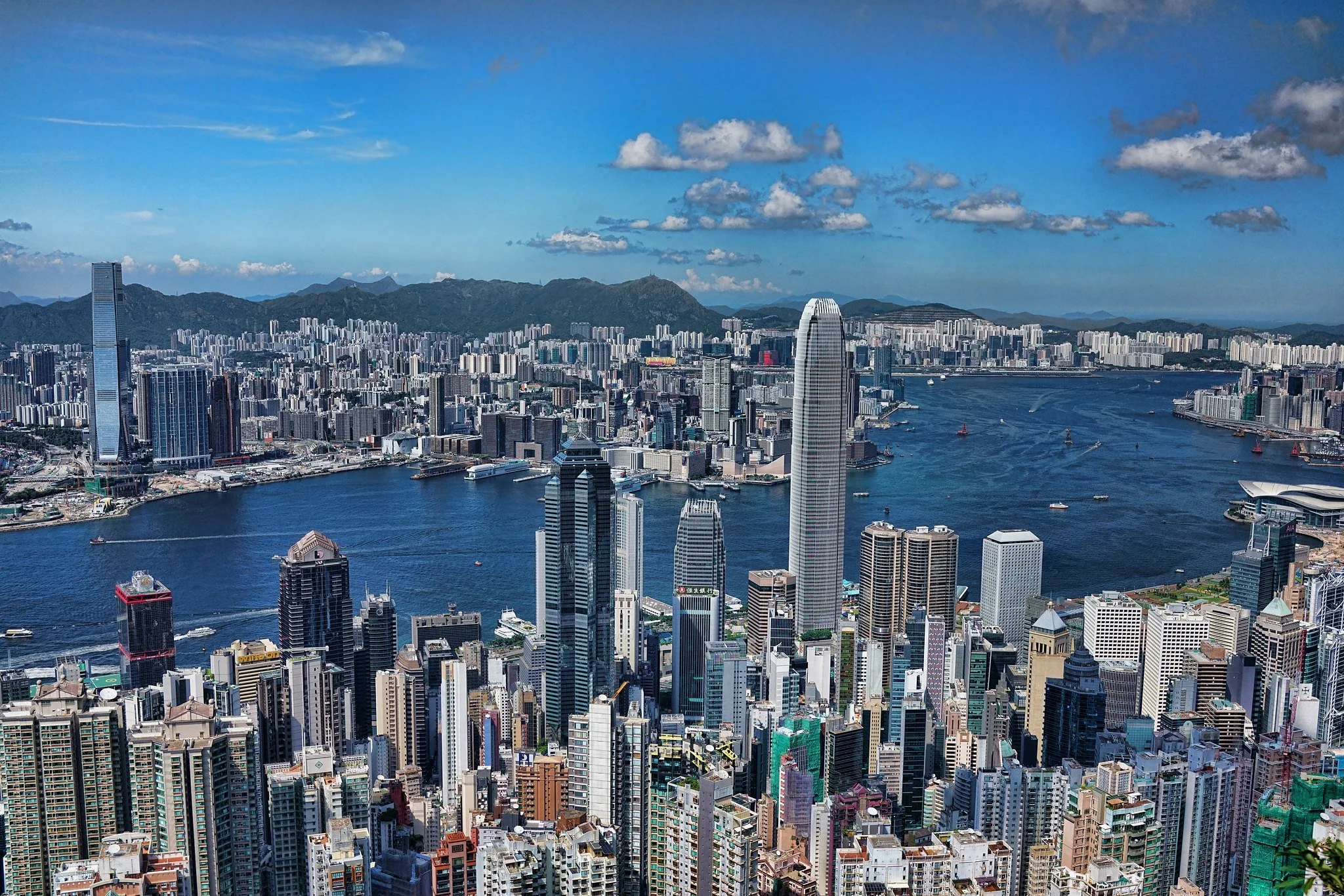
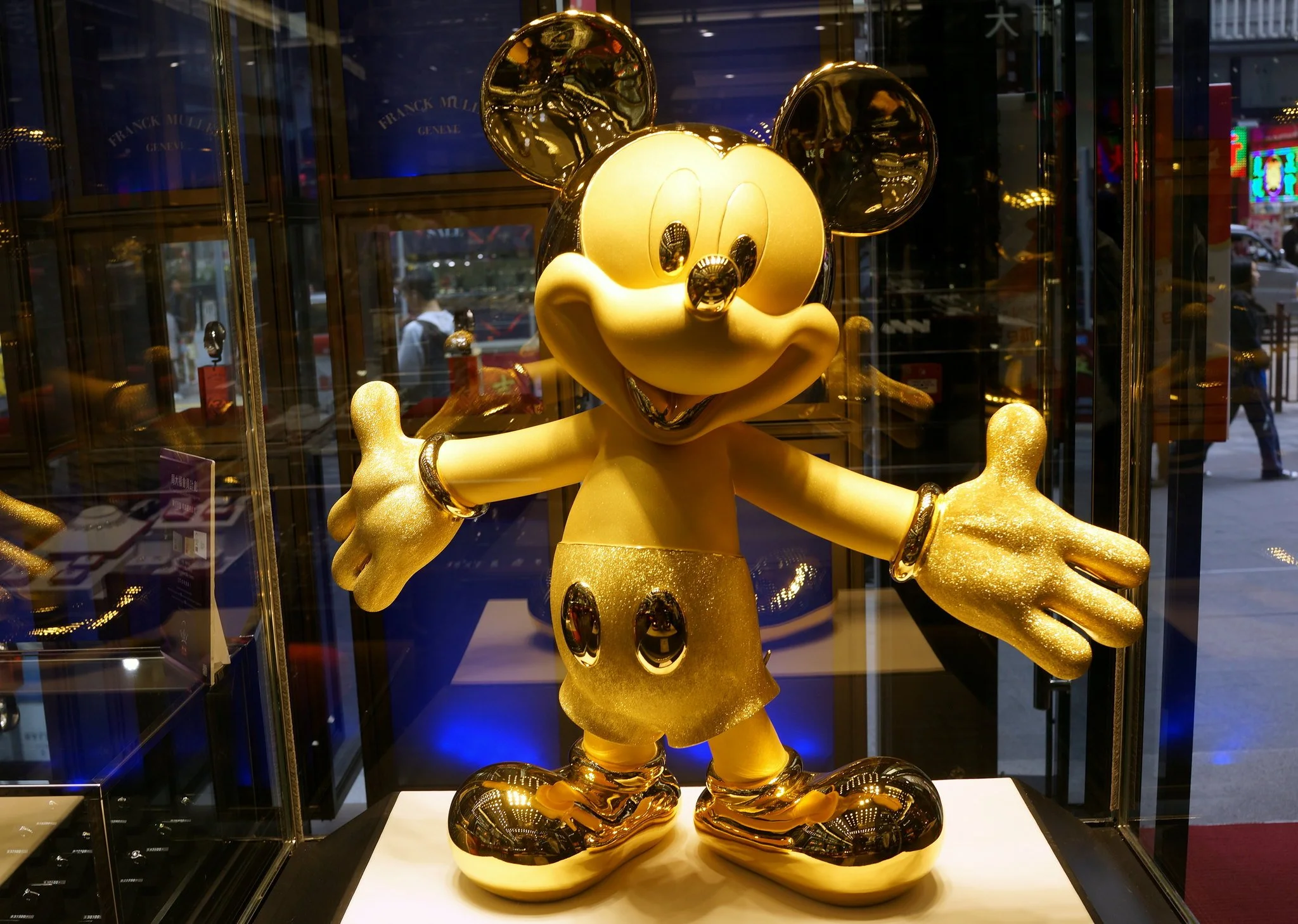
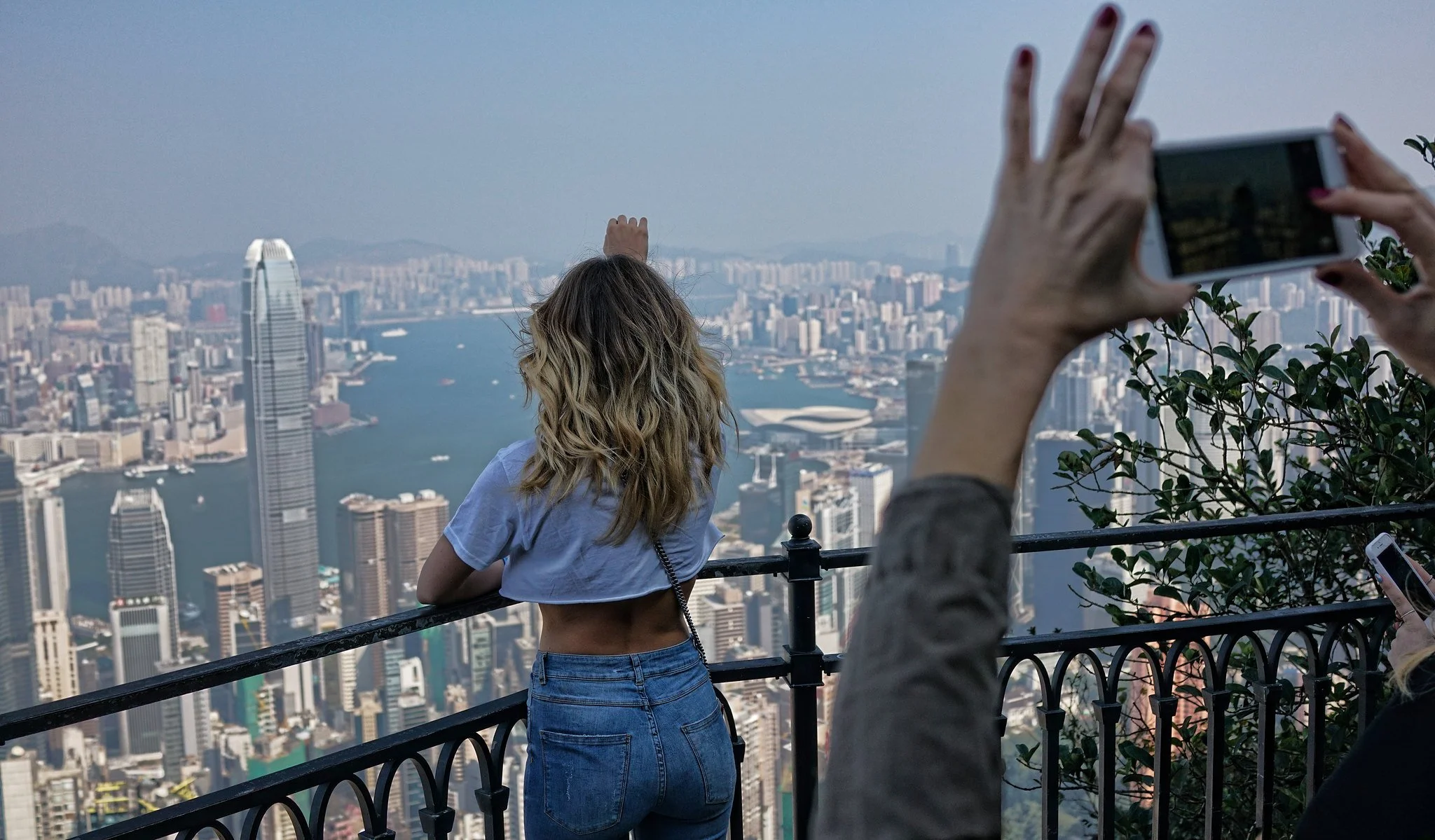
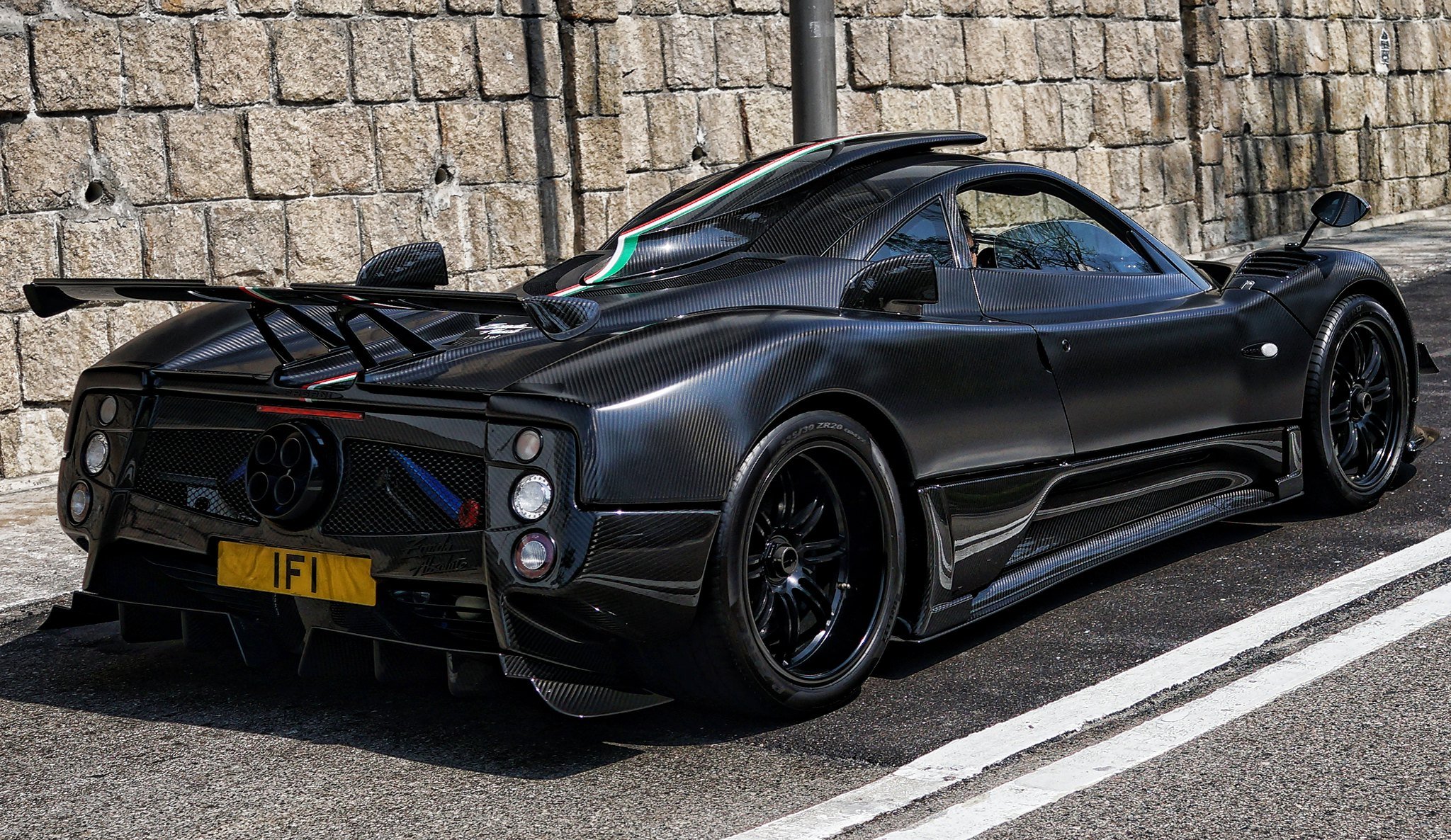
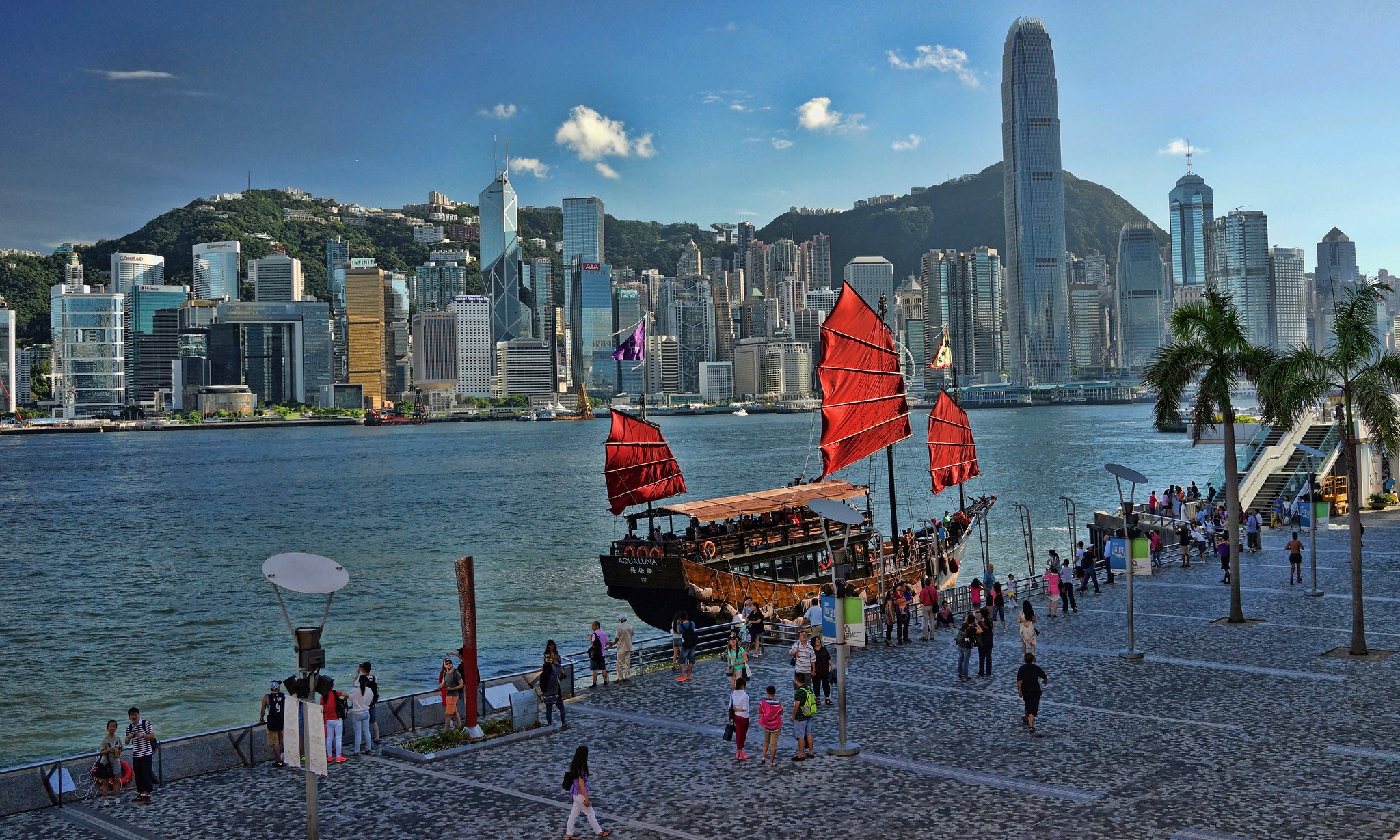
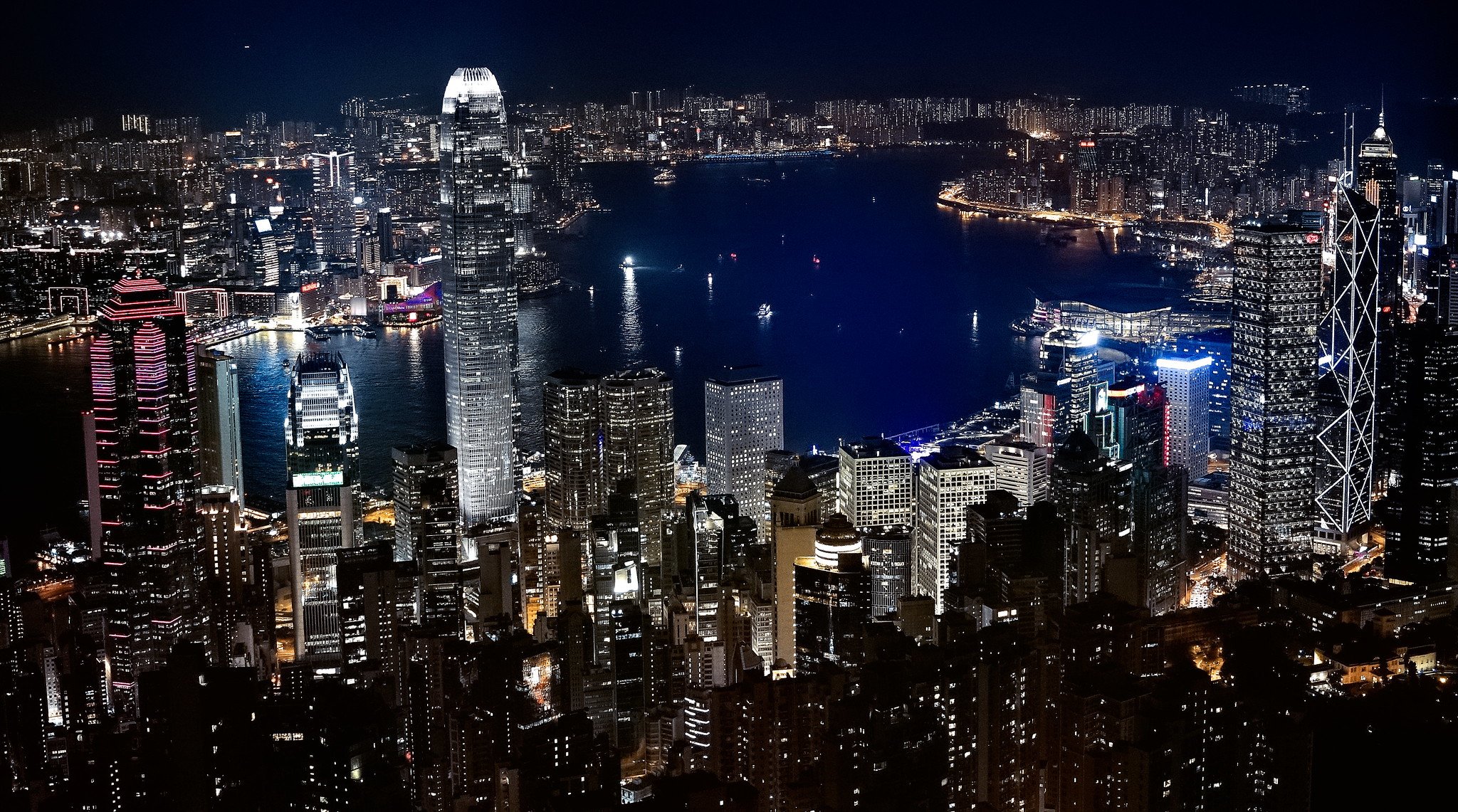
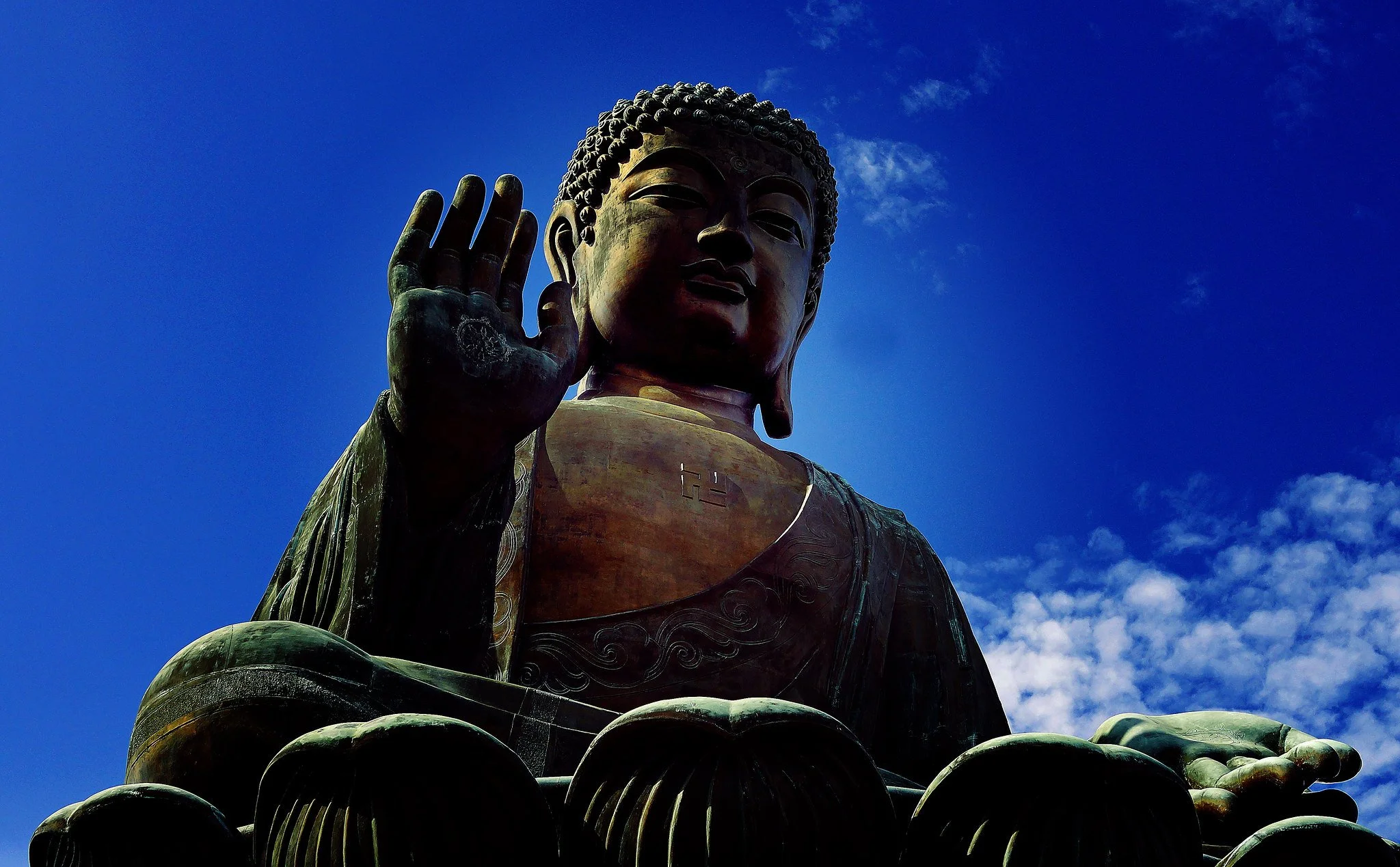
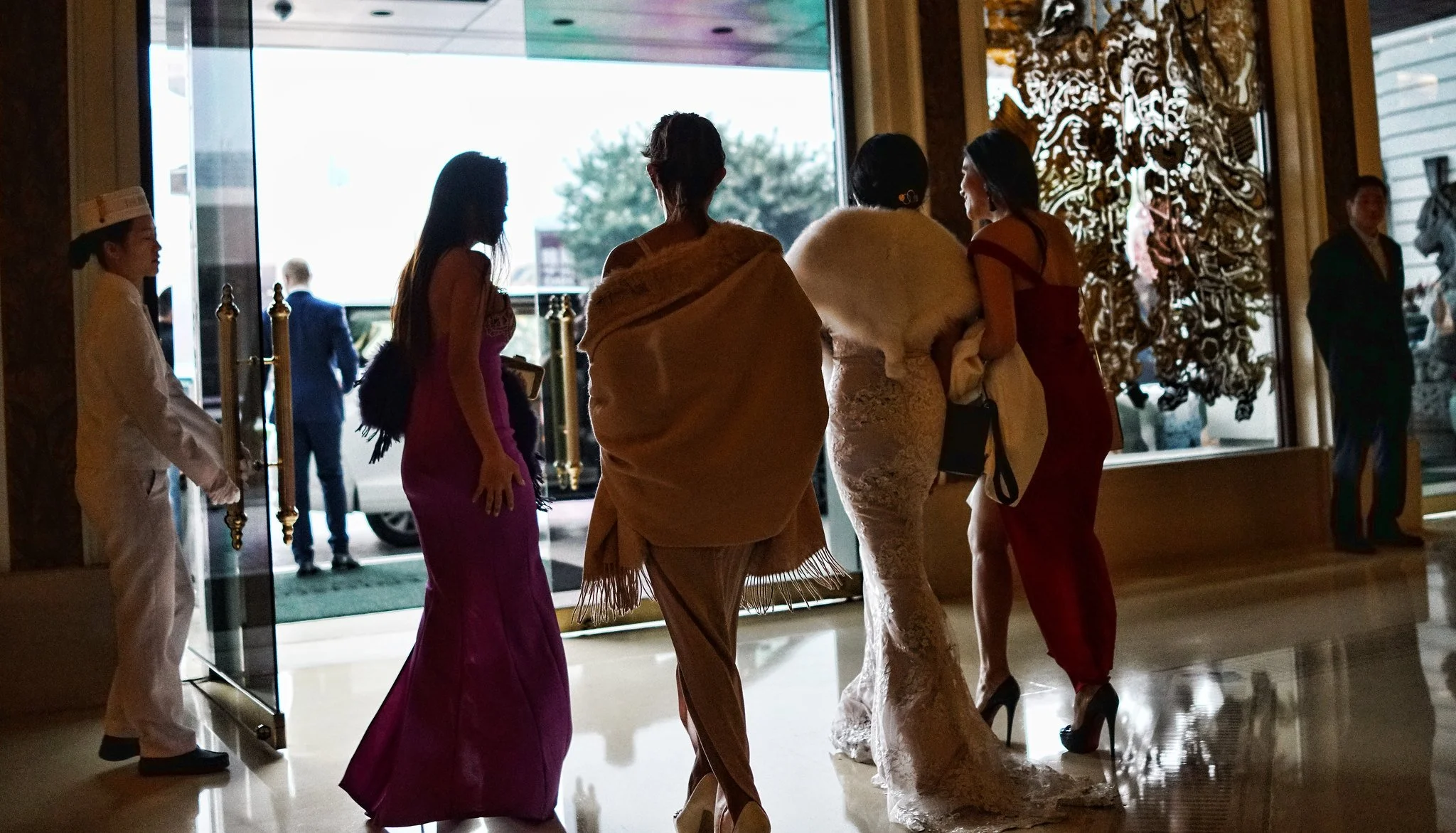
click on any image to enlarge
© Copyright Acknowledged | All rights reserved | all images taken b Jamie
Jamie’s Hong Kong | Some of my favourite images | Hong Kong 101
© Jamie Lloyd | J3 Consultants Hong Kong | J3 Private Tours Hong Kong |
| 2010 - 2026 All rights reserved. |
Click on any image to enlarge to full screen
Current images from my Instagram feed