Hong Kong Tap Water: Is it Safe to Drink or Stick to Bottles?
How Hong Kong Turns Rain & Imported Water into Fresh Water

The J3 Group - Premium Quality Private Tours | Experiences and Insider Chats since 2010
Me Jamie, your host, I am English and I have lived in Hong Kong since January 2nd 1972 - I know the place.
A meaningful blog post with a difference - tips on Travel, Tourism, Tours, Daily Life and my personal thoughts on Hong Kong.
Please do visit Amazing Hong Kong
Hong Kong | Pearl of the Orient
Customised Private Tours + Experiences in Amazing Hong Kong
Jamie has lived in Hong Kong - Pearl of the Orient for 50+ years
Carefully Crafted Personalised and Customised Itineraries by Jamie | Hong Kong’s Most Experienced Private Tour Guide for : Solo Travellers Friends Families Seniors Couples Business People MICE Delegates.
Private Tours Cultural Tours Walking Tours Sightseeing Tours City Tours Night Tours Layover Tours Transit Tours Private Shore Excursions Bespoke Tours Personalised Tours Jewish Heritage Tours Luxury Private Tours Day Tours Luxury Boat Tours Themed Tours Private Family Tours Private Day Tours Corporate Tours
Just you, your family or friends and Jamie your personal English private tour guide - over 2,400+ tours completed since 2011 - Jamie offers quality Private Tours of Hong Kong
Tour Group Size 1 - 6 people only
J3 Group Hong Kong | J3 Consultants Hong Kong | J3 Private Tours Hong Kong
Creating Memories That Will Last A Lifetime
Go here for the Hong Kong Michelin Restaurant Guide which includes the Bib Gourmand Category

Guided by Stories, Private Tours of Hong Kong with Jamie
A Resident since 1972 - Quality Private Tours of Hong Kong
click on the image to enlarge
© Copyright Acknowledged | All rights reserved | image taken by Jamie
Hong Kong Tap Water | Safe to Drink! | Hong Kong
Foreword
Yes, that is an image of the tap in our kitchen and yes we use Fairly Liquid! absolutely brilliant for greasy food, this post is about water and like gas and electricity it is something we take for granted, we never give it a moments thought, I thought it was time to do a bit of research.
Over my years doing private tours for visitors around Hong Kong, one question comes up time and again from tourists staying in hotels or short-term rentals: is the tap water safe to drink in Hong Kong? For as long as I can remember, my default reply has always been yes but to be 100% safe you should stick to stick with bottled water to avoid any potential issues with building plumbing or taste preferences. But I have long wanted to dig deeper into the facts, history, and systems behind our water supply and golly it is a complex subject - it would be true to say that the only interesting thing I really knew is that in Hong Kong we use seawater for flushing toilets in Hong Kong, not fresh water.
Like many people I turn on the tap in the kitchen and bathrooms many times during the day without a moments thought and I never give flushing the toilet much thought either, why would you? everything works so efficiently, you do not need to know the details until it stops working and with water here you get billed infrequently and it is a relatively small amount
What follows is a comprehensive look at Hong Kong’s water story from the early 1970s through to today - the sources, the infrastructure, the treatment process, what happens after we use it, the clever use of seawater for flushing, how this compares with a major city just over the border in China, the practical details of water billing, and a full exploration of the Tseung Kwan O Desalination Plant. I have aimed for maximum detail so that anyone reading this - whether a visitor, resident, or fellow private guide - walks away fully informed.
Hong Kong’s Water Supply: The Big Picture Today
Hong Kong has no really large natural rivers or lakes of its own, so we rely on a clever mix of local and imported resources. Fresh water comes roughly 70-80 percent from the Dongjiang River in Guangdong Province over the border in China and 20-30 percent from local rainfall collected in catchments. A small but growing contribution now comes from the new Tseung Kwan O Desalination Plant. (which to be honest had completely slipped my mind!)
17 impounding reservoirs with a total storage capacity of 586.05 million cubic metres.
18 water treatment works with a combined capacity of 4.51 million cubic metres per day.
1 desalination plant producing 0.135 million cubic metres per day (first stage).
Seawater flushing serving about 85 percent of the population, saving huge volumes of fresh water every year.
2 water reclamation plants producing 0.075 million cubic metres per day for non-potable uses.
The Water Supplies Department (WSD) supplies fresh water to over 99.99 percent of the population, and the treated water meets the Hong Kong Drinking Water Standards, which align closely with World Health Organisation guidelines.
A Brief History from the Early 1970s to the Present
In the late 1960s and early 1970s, Hong Kong still faced real water shortages after severe droughts. The Dongjiang supply, which began in 1965, had already transformed reliability, but the 1970s saw continued expansion of local reservoirs and treatment capacity to cope with rapid population and economic growth.
By the 1980s and 1990s, agreements with Guangdong increased Dongjiang imports significantly, and major sea reservoirs like High Island (completed 1978) and Plover Cove added massive storage. The 2000s brought focus on quality improvements, including dedicated aqueducts to protect imported water from pollution. The 2008 Total Water Management Strategy emphasised conservation, leakage reduction, and new sources.
I should point out that in the town we live in out in the boonies in Hong Kong, the huge water pipe from China to Hong Kong comes though our town, it is huge
In 2023 the Tseung Kwan O Desalination Plant came online, marking a major step towards greater self-reliance amid climate challenges. Today, annual Dongjiang supply can reach over 800 million cubic metres, and the system has proven resilient even during droughts.
click on the image to enlarge
© Copyright Acknowledged | All rights reserved
August 2025 | 14” inches of rain in one day | Hong Kong
How Rainwater Becomes Tap Water: The Journey Step by Step
Local rainfall is collected across about one-third of Hong Kong’s land area designated as water gathering grounds, many overlapping with country parks. Rain runs into streams and is stored in the 17 reservoirs. Dongjiang water arrives via a sophisticated transfer system ending at Shenzhen Reservoir before crossing into Hong Kong.
At the treatment works the raw water undergoes:
Chemical coagulation and sedimentation to remove particles.
Filtration through sand or advanced media.
pH adjustment.
Chlorination for disinfection.
Fluoridation for dental health.
The result is soft water that meets stringent chemical and bacteriological standards. From treatment works it moves to service reservoirs and then through the distribution network to buildings. Regular monitoring happens at every stage - from source to consumer taps.
I have often heard people say the water here as a slight chemical taste, personally it just tastes like water., in our home at my wifes insistence I have to boil the tap water before sticking it into the fridge…
Is Tap Water Safe to Drink in Hong Kong?
Officially, yes - the treated water supplied by the Water Supplies Department is safe for direct consumption and among the safest in the world. However, once it reaches older buildings, the condition of internal pipes, storage tanks, and plumbing can affect quality. Many hotels and newer residential towers maintain excellent systems, but for peace of mind - especially with visitors who may have sensitive stomachs - bottled water remains my practical recommendation. Occasional localised issues remind us that building-level maintenance matters.
What Happens to Water When It Goes Down the Sink or Out of the Bathtub? Clearing Up the Sewage Question
One of those questions I sometimes wonder about but never ask, until now.
Used water (sewage) flows into the Drainage Services Department’s network and heads to one of 68 sewage treatment facilities. It receives primary, secondary, and in some cases tertiary treatment before discharge into the sea.
Many people, myself included for a long time, assume sewage is mainly toilet flushing water. In reality, sewage in Hong Kong includes all used water that leaves buildings: water from toilets (mostly seawater in 85 percent of buildings), sinks in kitchens and bathrooms, bathtubs and showers, washing machines, and any other household wastewater.
Hong Kong has two completely separate water supply networks in most buildings - one for fresh water (drinking, cooking, bathing) that becomes greywater when it goes down sinks and baths, and a dedicated seawater network for toilet flushing. When you flush, seawater carries the waste into the same sewer pipes that carry the greywater. The result is mixed saline sewage.
At our apartment block, once a month for half a day each, there is no fresh or salt water as they clean the storage tanks, I guess everyone thinks that is fine.
Hong Kong does recycle some treated effluent - there are two water reclamation plants producing 0.075 million cubic metres per day for non-potable uses like flushing or irrigation. Plans exist to expand reclaimed water supply, particularly in the New Territories. Most wastewater is not returned to the drinking supply, but the system efficiently treats and safely discharges what we send down the drains.
The Brilliant Use of Salt Water for Flushing
Since the 1950s Hong Kong has pioneered seawater flushing on a large scale. A completely separate network of salt-water mains, pumping stations, and service reservoirs delivers treated seawater (electro-chlorinated to control bacteria) to about 85 percent of households and buildings for toilet flushing. This saves roughly 20-25 percent of our fresh water demand every year - an enormous conservation measure. Seawater is corrosive, so the infrastructure uses special materials, but the system works brilliantly and is one of the smartest features of our urban planning.
Comparison with Shenzhen - A Large City Just Over the Border in China
Shenzhen, right across the border, shares similarities with Hong Kong in relying heavily on the Dongjiang River for its fresh water, but the overall approach differs. Like us, Shenzhen draws a large portion from the Dongjiang and has numerous reservoirs. However, it depends almost entirely on fresh water for all uses, including toilet flushing, without our widespread seawater system. This puts higher demand on fresh resources. Shenzhen has invested heavily in advanced treatment and wastewater facilities, including high reclaimed water reuse rates - sometimes up to 70 percent or more for non-potable needs. In contrast, Hong Kong’s dual fresh/seawater setup saves 20-25 percent of fresh water demand, while Shenzhen pushes harder on reclamation to support its massive population growth. Both maintain excellent tap water quality, but our seawater flushing remains a unique efficiency.
How the Water Supplies Department Calculates Your Bill and Average Monthly Costs
To convert to US$ simply divide by 7.80 which is essentially a fixed exchange rate
The Water Supplies Department uses a progressive four-tier tariff structure designed to encourage conservation. Domestic accounts are normally billed every four months.
The current domestic fresh water tiers are:
First 12 cubic metres – free of charge.
Next 31 cubic metres – HK$4.16 per cubic metre.
Next 19 cubic metres – HK$6.45 per cubic metre.
Any consumption above 62 cubic metres – HK$9.05 per cubic metre.
Sewage charges (based on fresh water consumption) are added on top. For a typical three-person household with daily per capita fresh water consumption around 120-130 litres, total use over four months is roughly 50-55 cubic metres. On that basis the water tariff might come to around HK$165-200 for the period, with sewage adding roughly HK$108-120, for a total four-month bill of about HK$273-320 (roughly HK$68-80 per month). This equates to HK$23-27 (US$2.95-3.45) per person per month for water and sewage combined. Many smaller or careful households pay even less.
Exploring the Tseung Kwan O Desalination Plant: Hong Kong’s New Climate-Proof Water Source
The Tseung Kwan O Desalination Plant (TKODP) is Hong Kong’s first major seawater desalination facility and a landmark addition to our water infrastructure. Located on an 8-hectare site in Tseung Kwan O Area 137, right by the sea, the plant benefits from seawater with relatively low turbidity and stable quality, making it ideal for treatment. Construction of the first stage began in December 2019 and it was commissioned on 22 December 2023.
The first stage has a production capacity of 135,000 cubic metres (135 million litres) of fresh water per day. This meets around 5 % of Hong Kong’s daily fresh water demand and can supply approximately 370,000 people or 137,000 homes. It draws about 340 million litres of seawater daily to achieve this output. The plant is designed for flexible operation from 25 percent to 100 percent capacity depending on demand. Plans are already underway for a second stage that would double capacity to 270,000 cubic metres per day (about 10 percent of demand).
This is the first plant in Hong Kong to use reverse osmosis (RO) technology. The process involves four main stages: screening and pre-treatment, high-pressure reverse osmosis through thousands of membranes (with energy recovery devices recapturing up to 96 percent of the pressure energy), post-treatment to adjust pH and minerals, and finally blending with water from Pak Kong Water Treatment Works before distribution to Sai Kung, East Kowloon, and parts of Hong Kong Island.
Sustainability features include solar panels, internal water recycling that cuts freshwater use for operations by over 36 percent, and a digital twin system for smart monitoring. The first stage cost around HK$9,018 million and includes a 15-year operation and maintenance contract and my sense of humour being what it is, no doubt the plant can be run by one worker using an app on a smart phone!
click on the image to enlarge
© Copyright Acknowledged | All rights reserved | image taken by Jamie
A typical May Rainstorm | Wong Tai Sin | Hong Kong
The Happy Valley Underground Stormwater Storage Scheme: Flood Prevention and Water Harvesting Under the Racetrack
There is also a massive underground system beneath the Happy Valley Racecourse and Recreation Ground. However, it was developed by the Drainage Services Department (DSD) rather than the Water Supplies Department (WSD), and its primary purpose is flood prevention rather than adding directly to the fresh drinking water supply.
Completed in phases between 2015 and 2017 (fully operational by March 2017), the Happy Valley Underground Stormwater Storage Scheme (HVUSSS) features a huge 60,000 cubic metre underground stormwater storage tank - equivalent to about 24 standard swimming pools - built beneath the sports pitches and recreation ground surrounded by the famous racecourse. This was a response to repeated severe flooding in Happy Valley and Wan Chai during heavy rainstorms in the 2000s. The tank temporarily stores excess stormwater from the upstream catchment during peak rainfall (designed for a 1-in-50-year storm event), then releases it gradually via gravity and pumps (peak rate 1.5 cubic metres per second) to the sea through downstream drainage systems. This greatly reduces flooding risk in the low-lying urban areas.
A standout feature is the integrated water harvesting system - the largest of its kind in Hong Kong. It collects groundwater, irrigation runoff from the sports pitches, and stormwater through subsoil drainage beneath the tank and pitches. After simple disinfection, this harvested water (around 220,000 cubic metres per year) is reused as non-potable reclaimed water for:
Irrigation of 11 football pitches.
Toilet flushing in changing rooms and nearby public toilets.
Street cleaning in Happy Valley and Wan Chai districts.
This clever reuse conserves precious fresh (potable) water that would otherwise come from the WSD network. So while it does not feed directly into our drinking water reservoirs or treatment works, it fits beautifully into the broader water management picture by reducing demand on fresh supplies and promoting sustainability. It is a perfect example of multi-purpose infrastructure – solving flooding while harvesting and recycling water on site and yes, how can you not talk about the word sustainability, which is used by the Hong Kong Government at the drop of a hat, it is a buzzword primarliy used by experts and bureaucrats to show how clever they are!
Water Rationing in Hong Kong: My Arrival in 1972 and the Last Official Restrictions
I have always mentioned arriving on 2 January 1972, and it is interesting how memory works with these things. In the 50+ years since, I figured that severe, city-wide water rationing with taps turned off for days at a time largely became a thing of the past. The dramatic shortages and long queues that defined the 1960s were mostly behind us by then, thanks to new reservoirs and the growing Dongjiang imports.
The worst official rationing in Hong Kong’s history occurred in 1963, during a devastating drought. Water was supplied for only 4 hours every 4 days at the peak, lasting for months until typhoon rains in 1964 ended it. Rationing had been common before that, sometimes for hundreds of days a year. (this was mentioned in the James Clavell novel Nobel House, set in 1963)
After the Plover Cove Reservoir came online in 1968, continuous supply returned for a while. However, there were still periods of restrictions later. Water rationing was renewed for the last time in 1980 - 81. Restrictions began in October 1981, with supplies reduced to as little as 10 hours a day by early 1982 in some areas. I remember this vaguely as I lived in Pokfulam which is home to a large reservoir and the water level was very low.
They were gradually eased in May 1982 (to 16 hours) and fully lifted on 1 June 1982 after heavy spring rainfall refilled reservoirs. This was the final episode of formal, territory-wide rationing. Since then, thanks to reliable imports, expanded local storage, and better management, we have avoided returning to those measures even during drier years.
I also have a more sobering memory of 1972 being quite wet, especially in June 1972 which brought some of the heaviest rainfall on record - over 650 mm fell in just three days ,16-18 June, more than double the monthly average. This triggered tragic landslides (including the deadly ones at Sau Mau Ping and Kotewall Road which as a family we where involved in
), but it also helped fill reservoirs and avoided any shortage that year. It was one of those extremely wet years that contrasted sharply with the drier periods before and after.
My Final Thoughts
After researching all this, I remain comfortable telling visitors that the municipal supply is high quality, yet I still suggest bottled or filtered water for convenience and extra reassurance., personally I like Perrier water (lemon) and other flavoured waters, these days stores seemingly have 50 different branded waters, the most popular is Bonaqua water and yes it is just water and is bottled by the Coca Cola company in Hong Kong, it is pretty cheap and tastes just fine if you like plain water. I always laugh at the marketing efforts of water brands who mention mineralised, refreshing etc, it has no taste and for me cannot compete with a tin of Doctor Pepper!
Hong Kong’s water story shows impressive engineering and foresight - from turning hillsides into catchments to importing vast volumes reliably, using seawater creatively, and now adding desalination for resilience. The Tseung Kwan O plant had become a wispy vanishing memory for me until I looked into it again – a powerful reminder of how quickly we forget these major infrastructure achievements. The contrast with Shenzhen highlights our unique strengths, while continued investment in desalination, recycling, and conservation will be key going forward.
Out-of-left-field observation: the dual fresh/salt system means every toilet flush in most buildings is essentially ocean water – a tiny daily reminder of how this dense city maximises every resource. Water really is one of those things we all take for granted until we stop and look at the remarkable system behind it. I have lived here 50+ years and learned more in the last few days than in all that time combined
So there you go,
Jamie’s Hong Kong Insider Chat
AI Itinerary Rescue Service - Bring your AI-generated plan (or any self-designed itinerary) and I will spend the full two hours reviewing it with you. I’ll fix the impossible timings, suggest smarter routing, add interesting places that AI never finds, adjust for your group’s energy levels, and create a realistic, enjoyable day-by-day flow that actually works in real Hong Kong. Most guests leave saying “This is exactly what we needed”
I do not do Food Tours in Hong Kong but I know people that do!
I do not do food tours as mentioned above, I have very specific reasons and part of it is that I do not speak Cantonese or write Chinese, I am from Yorkshire in England and I lack the language gene and it is not through lack of trying and yes a lot of restaurants do not have English menu’s or staff who speak conversational English.
.. and yet I have eaten at close to 1,400 restaurants in Hong Kong since January 2nd 1972, my wife was born in Hong Kong and we have been together over 40 years and her first language is Cantonese and a lot of her family are Chinese or half Chinese so I have never had much of an issue!
This does not translate to doing food tours though, yes, I could do them, no problem there but they would never ever be as good as the food tours done by my friends (see the 3 links above) most of their awesome guides are locally born Hong Kong Chinese and obviously food culture is part of their DNA, it is impossible for me to compete with that!
So please feel free to contact them for food tours
I do not do Hiking Tours in Hong Kong but I know someone that does!
I do not do Hiking Tours, never have and never will even though I used to go Hiking a lot when I was a lot younger, The Hong Kong Government is promoting hiking tours so I urge you to contact my friend Sabrina at Hong Kong Trails and Tours, she is a long time Hong Kong resident and and a very experienced hiker with close to 700 Hikes in 15+ years under her belt, please click on the link below
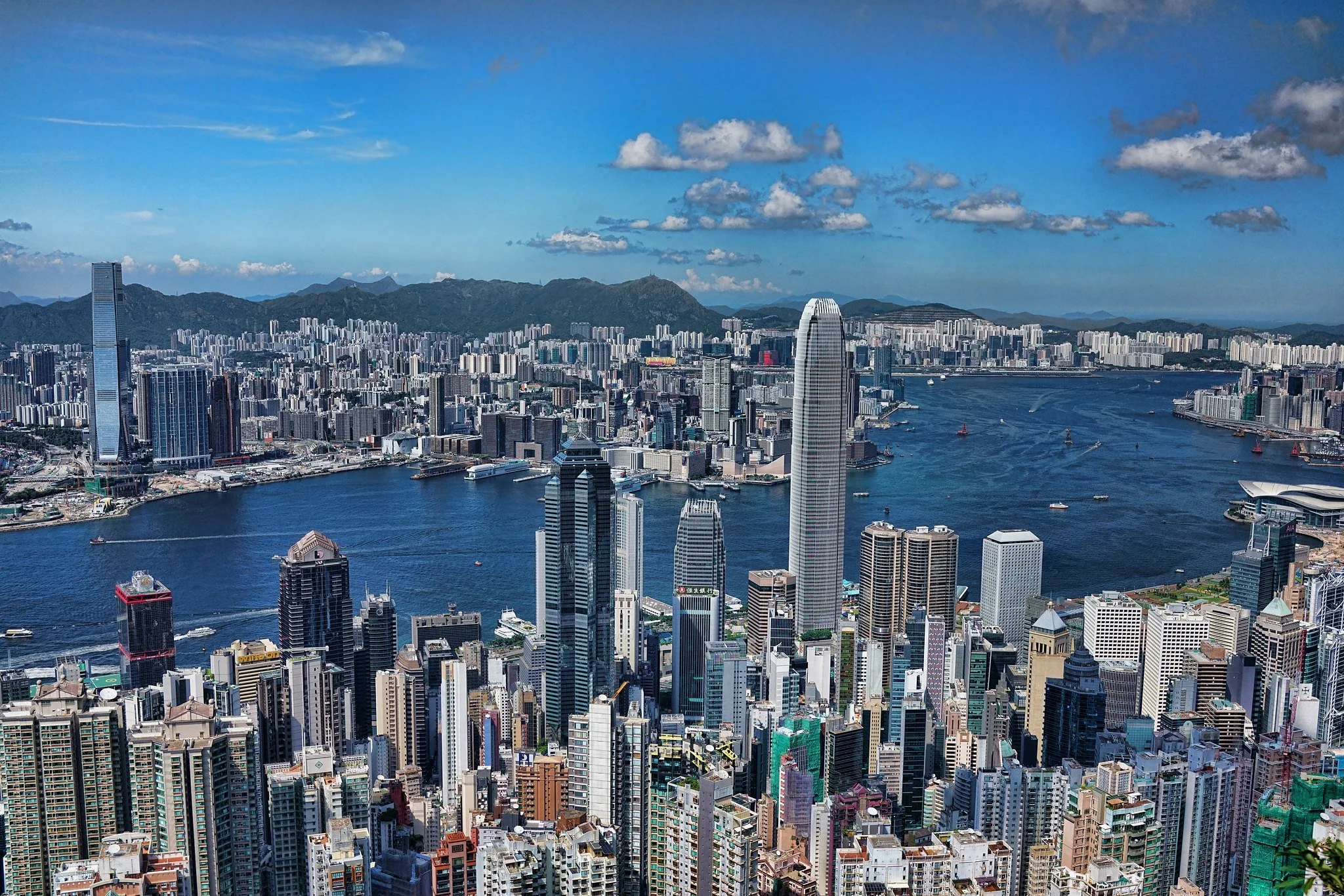
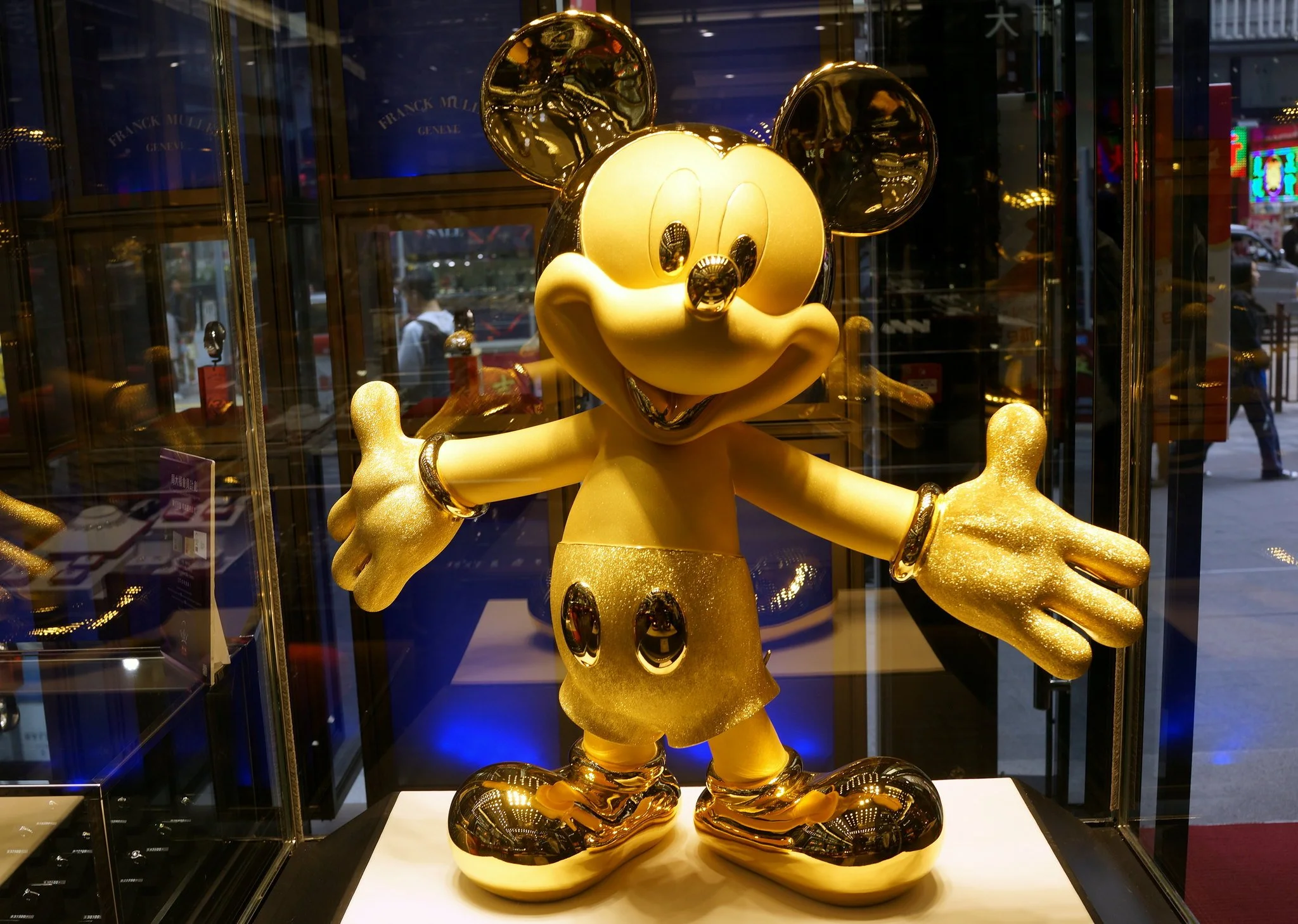
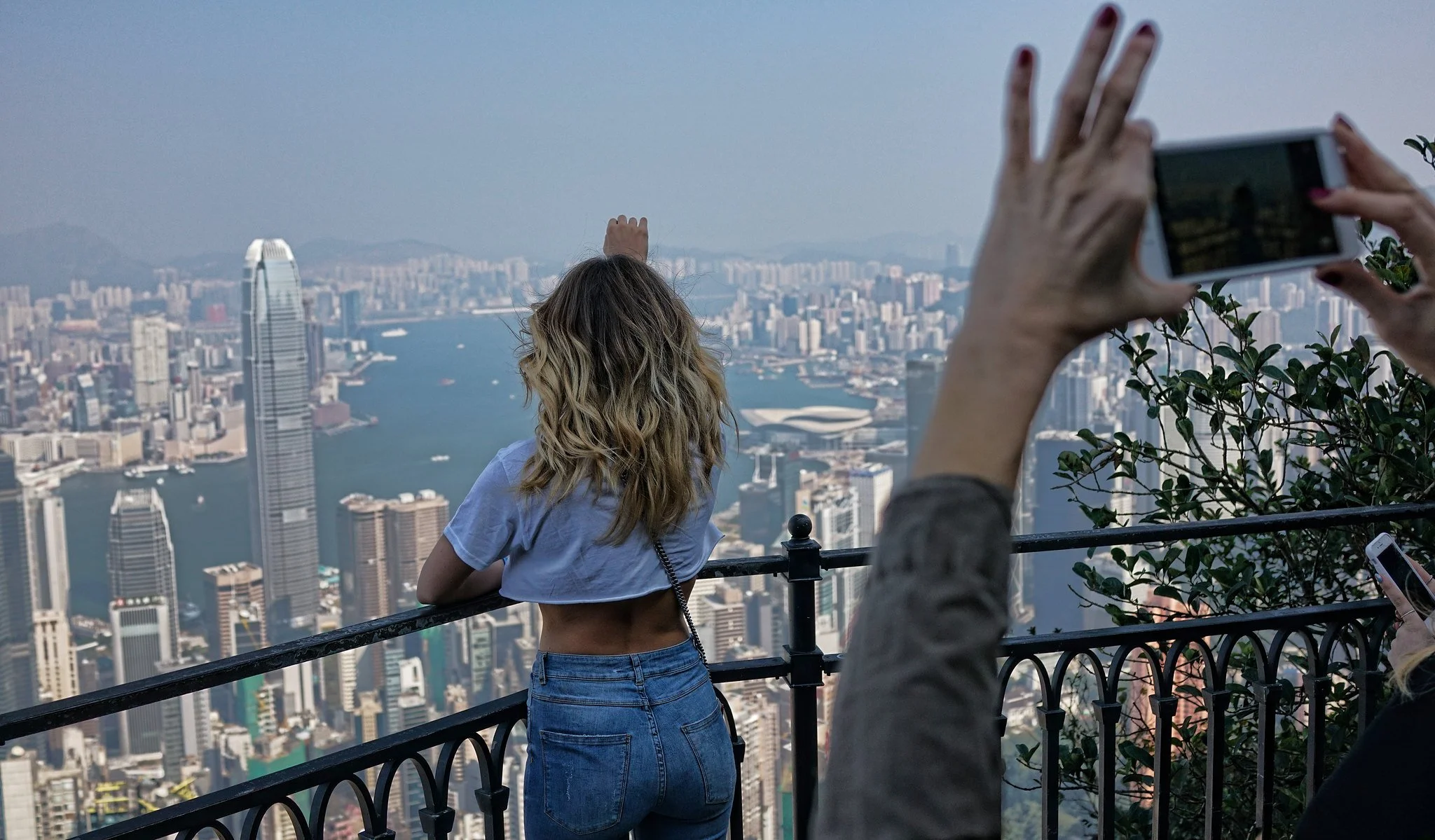
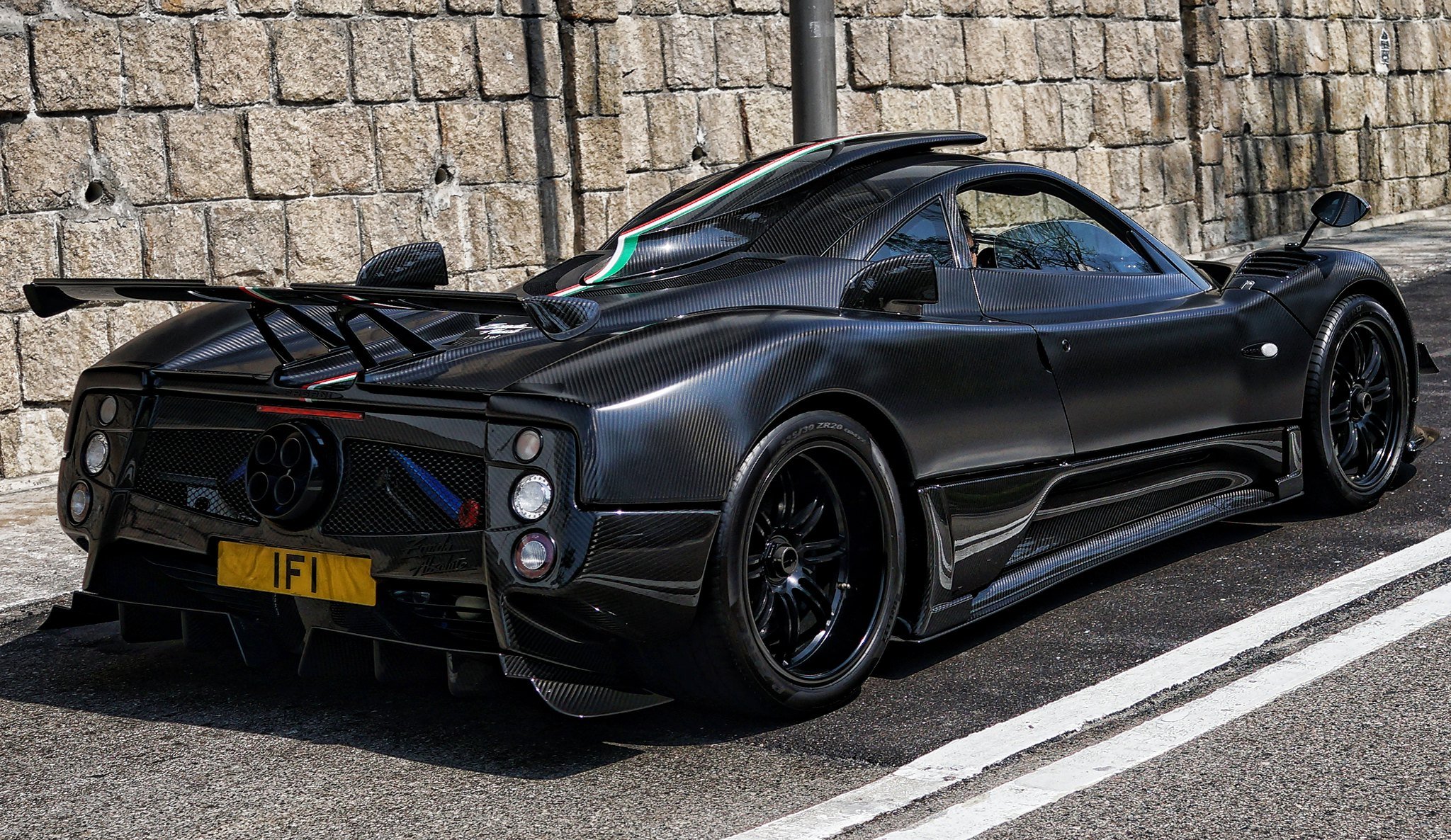
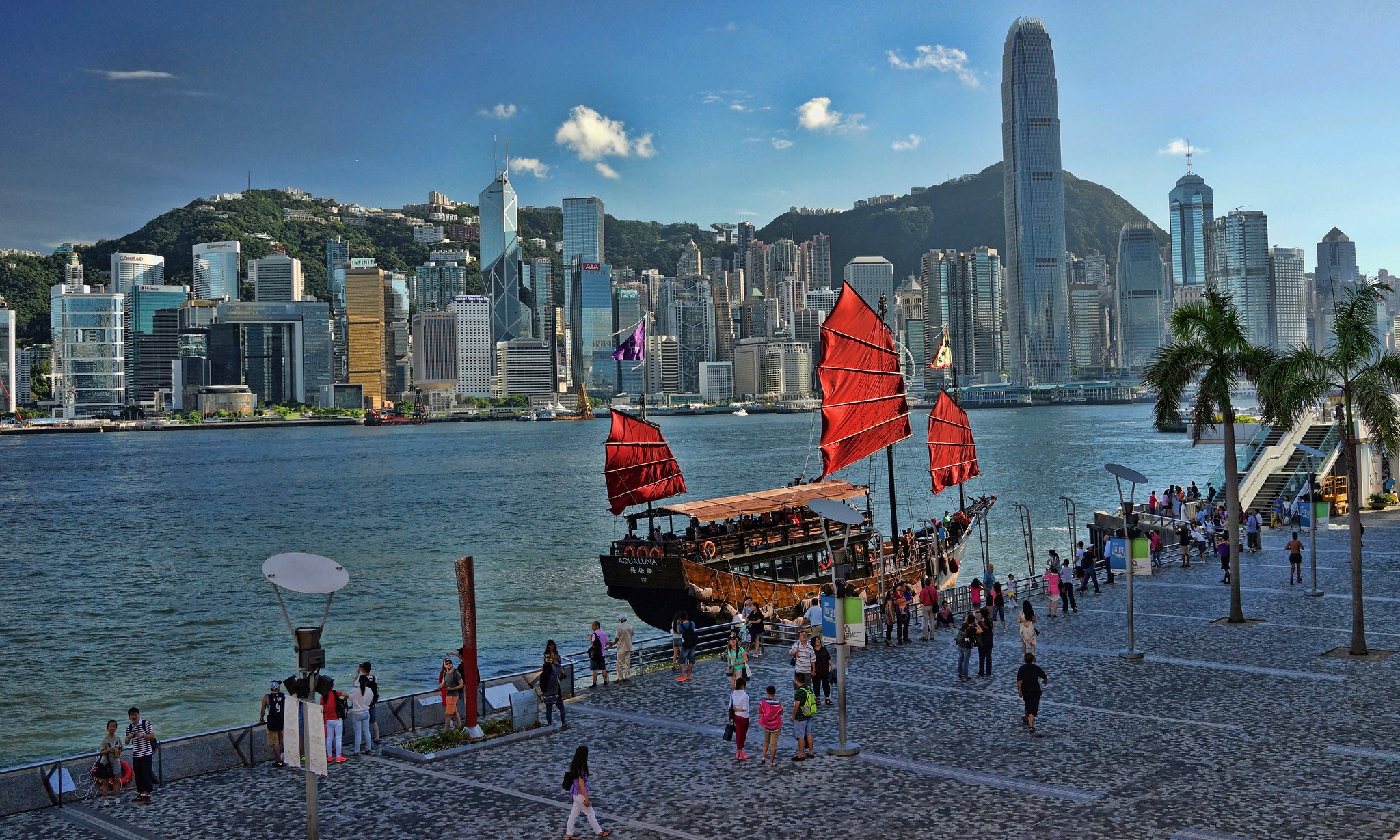
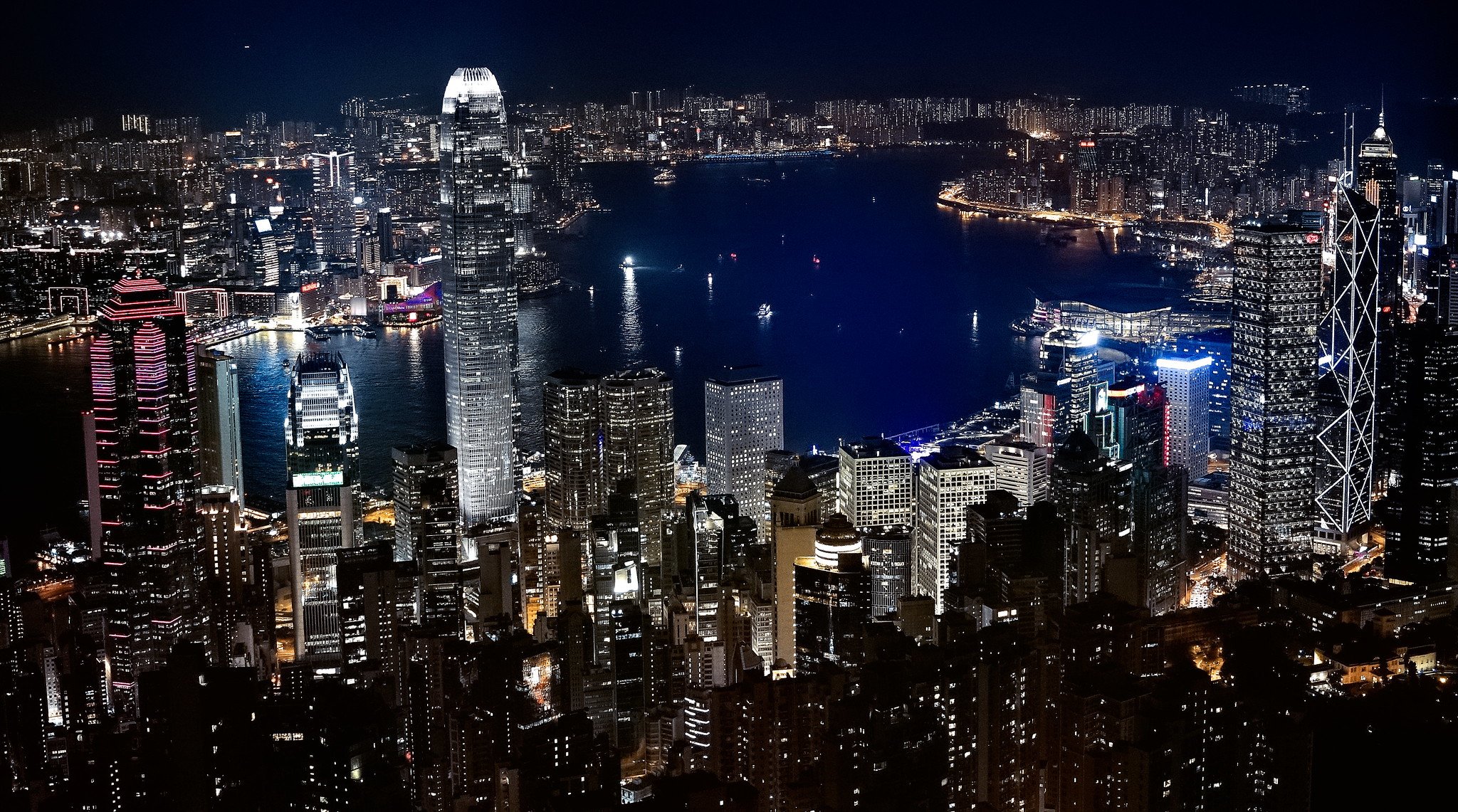
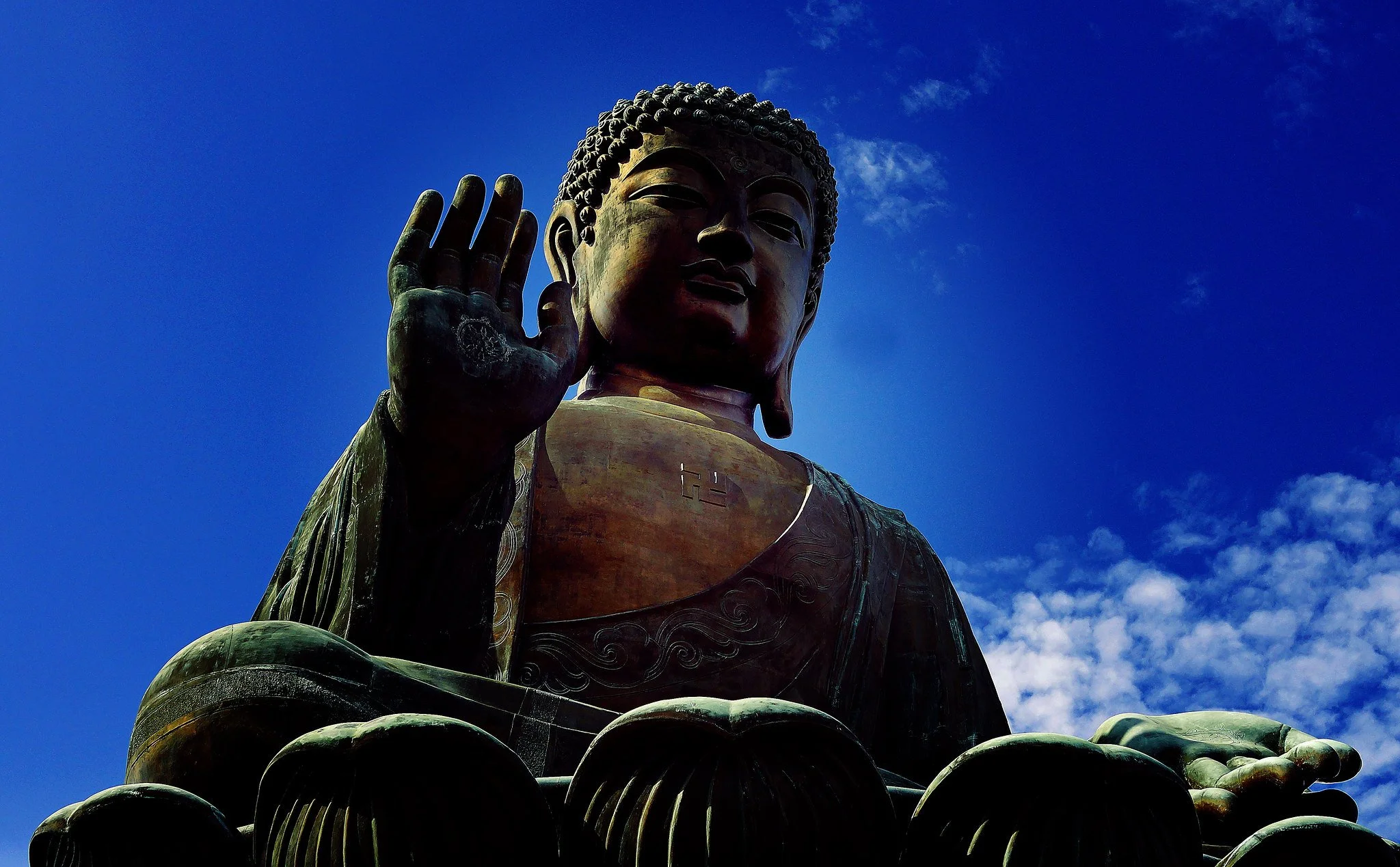

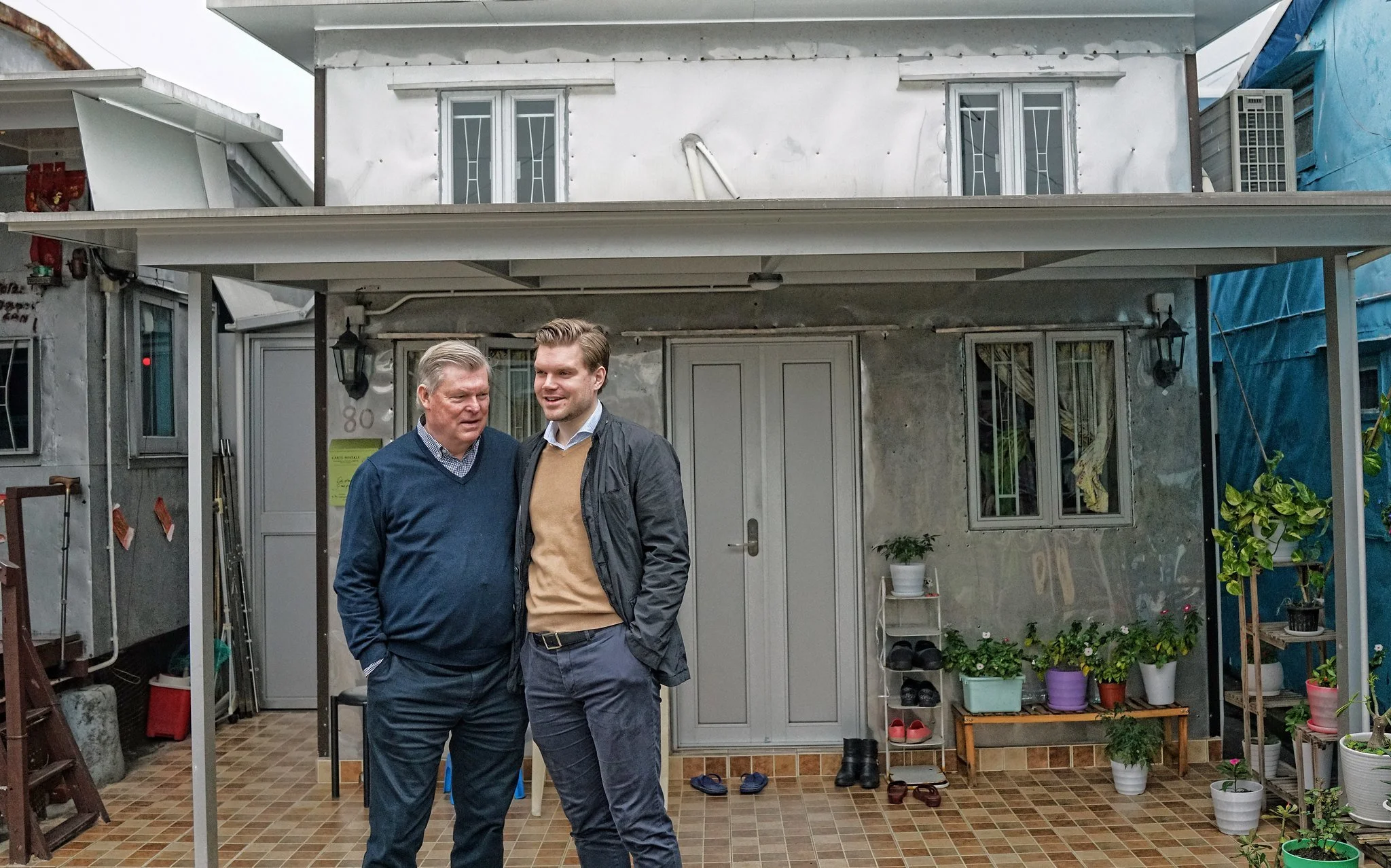
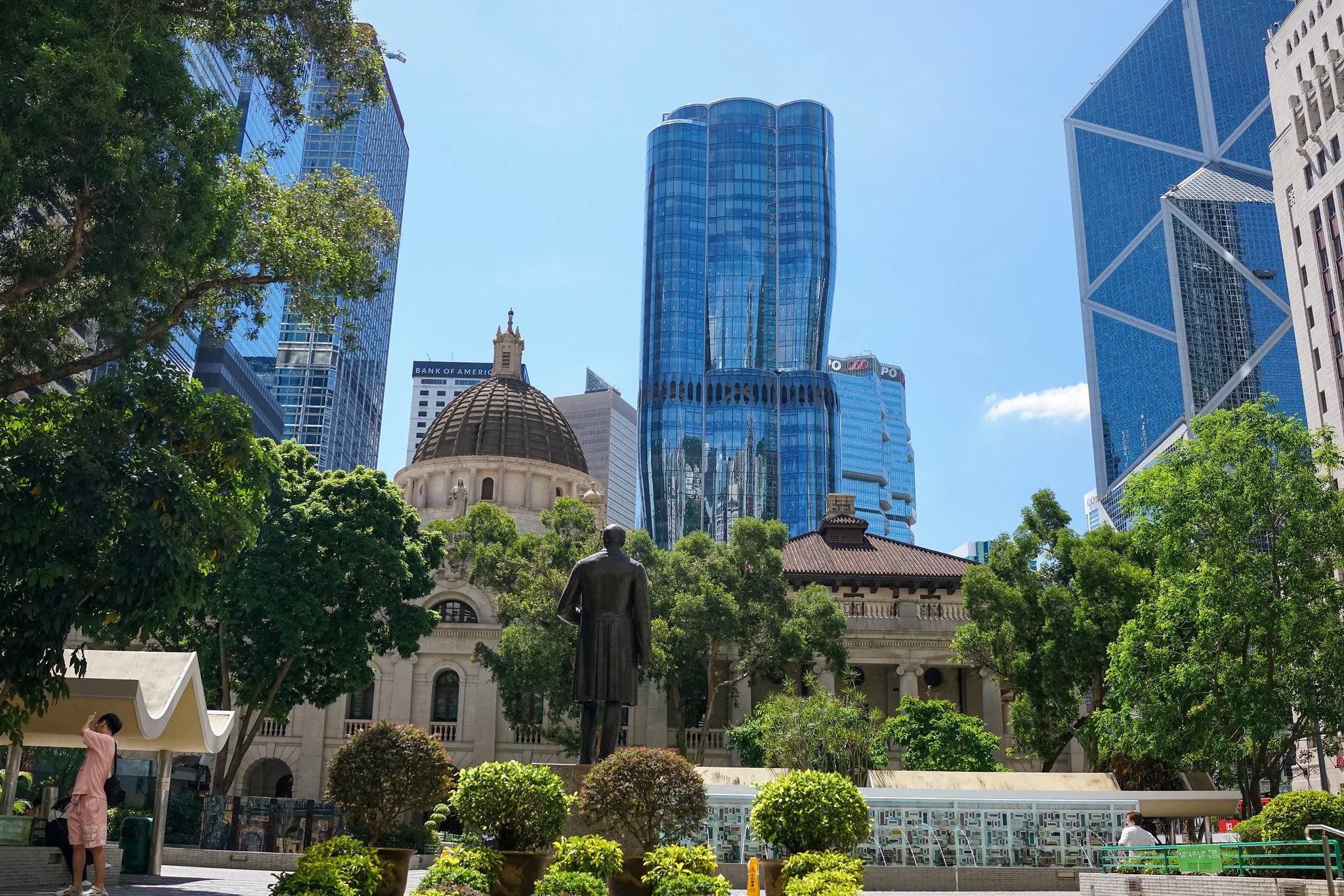
click on any image to enlarge
© Copyright Acknowledged | All rights reserved | all images taken b Jamie
Jamie’s Hong Kong | Some of my favourite images | Hong Kong 101
© Jamie Lloyd | J3 Consultants Hong Kong | J3 Private Tours Hong Kong |
| 2010 - 2026 All rights reserved. |
Click on any image to enlarge to full screen




Current images from my Instagram feed