The amazing history of this building which opened in 1912

The J3 Group - Premium Quality Private Tours | Experiences and Insider Chats since 2010
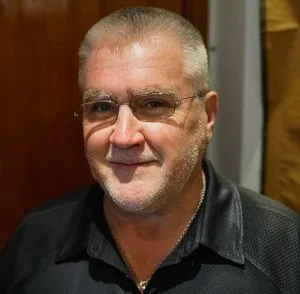
Me Jamie, your host, I am English and I have lived in Hong Kong since January 2nd 1972 - I know the place.
A meaningful blog post with a difference - tips on Travel, Tourism, Tours, Daily Life and my personal thoughts on Hong Kong.
Please do visit Amazing Hong Kong
Hong Kong | Pearl of the Orient
Customised Private Tours + Experiences in Amazing Hong Kong
Jamie has lived in Hong Kong - Pearl of the Orient for 50+ years
Carefully Crafted Personalised and Customised Itineraries by Jamie | Hong Kong’s Most Experienced Private Tour Guide for : Solo Travellers Friends Families Seniors Couples Business People MICE Delegates.
Private Tours Cultural Tours Walking Tours Sightseeing Tours City Tours Night Tours Layover Tours Transit Tours Private Shore Excursions Bespoke Tours Personalised Tours Jewish Heritage Tours Luxury Private Tours Day Tours Luxury Boat Tours Themed Tours Private Family Tours Private Day Tours Corporate Tours
Just you, your family or friends and Jamie your personal English private tour guide - over 2,400+ tours completed since 2011 - Jamie offers quality Private Tours of Hong Kong
Tour Group Size 1 - 6 people only
J3 Group Hong Kong | J3 Consultants Hong Kong | J3 Private Tours Hong Kong
Creating Memories That Will Last A Lifetime
Go here for the Hong Kong Michelin Restaurant Guide which includes the Bib Gourmand Category

Timeless Hong Kong Stories, Tailored Just for You by Jamie
A Resident since 1972 - Sharing Hong Kong as Only a Local Can
click on the image to enlarge
© Copyright Acknowledged | All rights reserved | image take by Jamie
Hong Kong Culture | The Court of Final Appeal, 1912 | Hong Kong
Still an iconic sight in the heart of the Central Business District
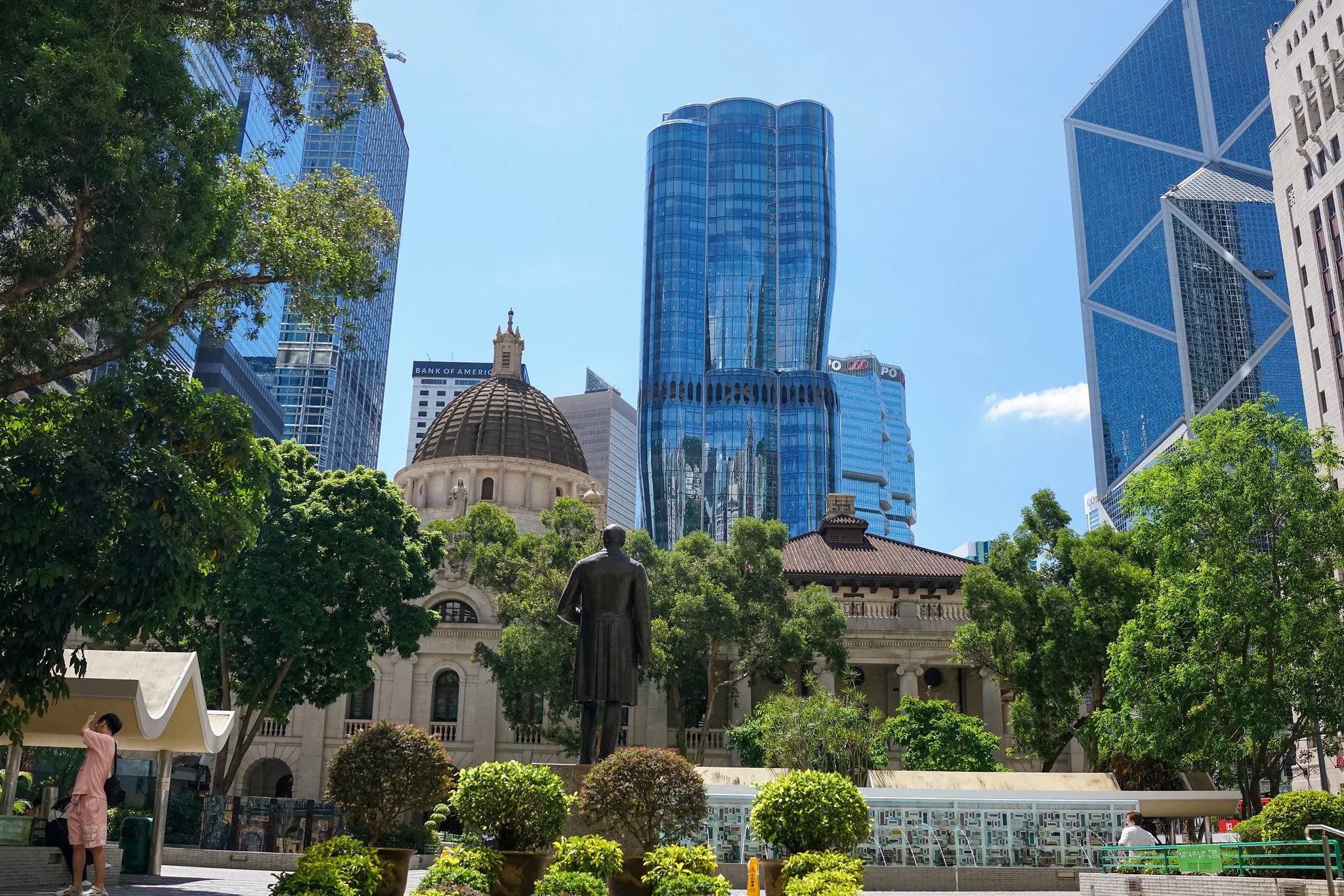
I just love this iconic and historic building and it located right in the heart of the Hong Kong Central Business District and is adjacent to Statue Square where I love to sit and pass the time., we do not have many old buildings left and this one opened in 1912, which by Hong Kong standards is a very long time ago!
… and yes I still call it the Supreme Court Building, old habits and all that.
I recommend every visitor to visit this building, you can feel the history and it is just a few steps away from Statue Square
The History of the Court of Final Appeal Building in Hong Kong
The Court of Final Appeal Building, also known as the Old Supreme Court Building, is a neo-classical landmark in Central Hong Kong, located at 8 Jackson Road along the eastern side of Statue Square. Designed by British architects Sir Aston Webb and E. Ingress Bell (famous for parts of Buckingham Palace and the Victoria and Albert Museum), it stands as a symbol of Hong Kong's colonial legal heritage. The structure features granite construction, Ionic columns, and a pediment topped by a 2.7-meter statue of Themis, the Greek goddess of justice, blindfolded and holding scales and a sword (inspired by the one at London's Old Bailey). The building covers about 2,660 square meters and reaches around 40 meters in height, including its Tudor Crown finial. Its exterior was declared a monument under the Antiquities and Monuments Ordinance in 1978.
Construction began on reclaimed land in Central, reflecting the colony's rapid expansion. Here's a chronological history, including its evolving uses over the past century and a bit:
Early Planning and Construction (1894 - 1912), The Court of Final Appeal Building, Hong Kong
Discussions for a new Supreme Court started in 1894 amid debates on relocating government offices. By 1897, plans were formalized, with the site chosen on the Central Reclamation area.
Piling work commenced in 1900, handled by contractor Sing Moh. The foundation stone was laid in 1903.
Superstructure construction ran from 1903 to 1912, overseen by contractor Chan A Tong.
The building was officially opened on January 15, 1912, by Governor Sir Frederick Lugard and Chief Justice Sir Francis Piggott in a formal ceremony. It was purpose-built as the Supreme Court to centralize judicial functions in the growing British colony.
Supreme Court Era (1912 - 1941), The Court of Final Appeal Building, Hong Kong
From 1912 to 1939, it served as the Supreme Court of Hong Kong, handling major colonial legal matters. This period symbolized British imperial rule in Statue Square (then Royal Square), alongside other colonial structures.
The building hosted high-profile trials and was a hub for legal administration. An interesting anecdote: In its early years, the dome was a prominent feature, but it would later be painted black during World War II to camouflage it from aerial bombings.
Japanese Occupation and World War II (1941 - 1945), The Court of Final Appeal Building, Hong Kong
Following the fall of Hong Kong on December 25, 1941, after 18 days of fighting, the building was occupied by Imperial Japanese forces. It became the headquarters of the Kempeitai (Japanese military police), a notorious secret police unit responsible for political surveillance, counter-insurgency, and terror operations across the city.
The Kempeitai used the building as a torture center, where interrogations, beatings, and executions occurred. Atrocities included systematic torture of prisoners, including waterboarding, electric shocks, and severe beatings. Many locals, Allied prisoners, and suspected resistors were detained here, with estimates of thousands suffering during the 3 years and 8 months of occupation. The building suffered heavy damage from Allied bombings and neglect.
A grim anecdote: Survivors recounted screams echoing from the cells, and bodies were sometimes disposed of discreetly. This era ties into broader Japanese war crimes in Hong Kong, such as the St. Stephen's College massacre and forced labor, which were later prosecuted in post-war trials held in Hong Kong (1946 - 1948), convicting 123 individuals in 46 cases. One notable case involved Kempeitai officer Inouye Kanao, whose war crimes conviction was overturned, leading to a treason trial in the Supreme Court itself.
Post-War Recovery and Supreme Court Resumption (1945 - 1985), The Court of Final Appeal Building, Hong Kong
After Japan's surrender on August 15, 1945 (formalized September 2), British forces under Rear Admiral Cecil Harcourt retook Hong Kong. The building briefly served as temporary headquarters for the provisional Hong Kong government in 1945.
From 1946 to 1948, it provided temporary accommodation for the Supreme Court while repairs were made. Full restoration occurred in the early 1950s, and it resumed as the Supreme Court by 1952.
It continued as the Supreme Court until 1983, when operations moved to a new building in Admiralty (now the High Court). In 1985, the old building was repurposed for the Legislative Council.
Legislative Council Period (1985 - 2011), The Court of Final Appeal Building, Hong Kong
From 1985 to 2011, it housed the Legislative Council (LegCo), Hong Kong's law-making body. This era saw debates on key issues like the handover to China in 1997. Modifications included modernizing interiors while preserving the exterior.
An interesting story: During protests or sessions, the building's location in Statue Square made it a focal point for public gatherings, blending its judicial past with political present.
Renovation and Current Use as Court of Final Appeal (2011 - Present), The Court of Final Appeal Building, Hong Kong
LegCo moved to Tamar in 2011, leaving the building vacant. A HK$620 million renovation from 2013 to 2015 adapted it for the Court of Final Appeal (CFA), preserving heritage elements like the dome and columns while adding modern court facilities.
The CFA relocated here in September 2015, marking a return to judicial use. Today, it handles Hong Kong's highest appeals, upholding the "one country, two systems" principle. As of 2026, it remains operational, with public access for hearings (though photography inside is restricted). It has become a minor tourist spot, especially for mainland visitors interested in legal proceedings, but locals still tend to keep a safe distance.
Summary of Uses Over the Past Century, The Court of Final Appeal Building, Hong Kong
click on the image to enlarge
© Copyright Acknowledged | All rights reserved |
Hong Kong Culture | The Court of Final Appeal - Uses since 1912 | Hong Kong
Interesting Stories and Anecdotes, The Court of Final Appeal Building, Hong Kong
Architectural Symbolism: Governor Lugard at the opening emphasized the building's role in justice, stating it represented "law and order" in the colony. The Themis statue has weathered storms - literally, surviving typhoons and war damage. Typhoon Ellen in 1983 decimated Statue Square but the CFA remained intact!
WWII Camouflage: The dome was painted black to avoid detection by Allied planes, a practical wartime adaptation.
WWII Damage: it is true that on certain parts of the walls you will see bullet and shrapnel damage from the Battle of Hong Kong in 1941
Post-War Trials Connection: While not directly hosting all trials, the building's Kempeitai past featured in evidence during Hong Kong's war crimes tribunals (1946–1948), where atrocities like those at Stanley Internment Camp and local massacres were prosecuted.
Cultural Cameo: The building appears in films and photos as a colonial icon, and its proximity to Statue Square has made it a backdrop for events like holiday light shows held at Christmas and Chinese New Year
Feng Shui Lore: Some believe the nearby Bank of China Tower's sharp angles "attack" the building's energy, contributing to its perceived bad vibes.
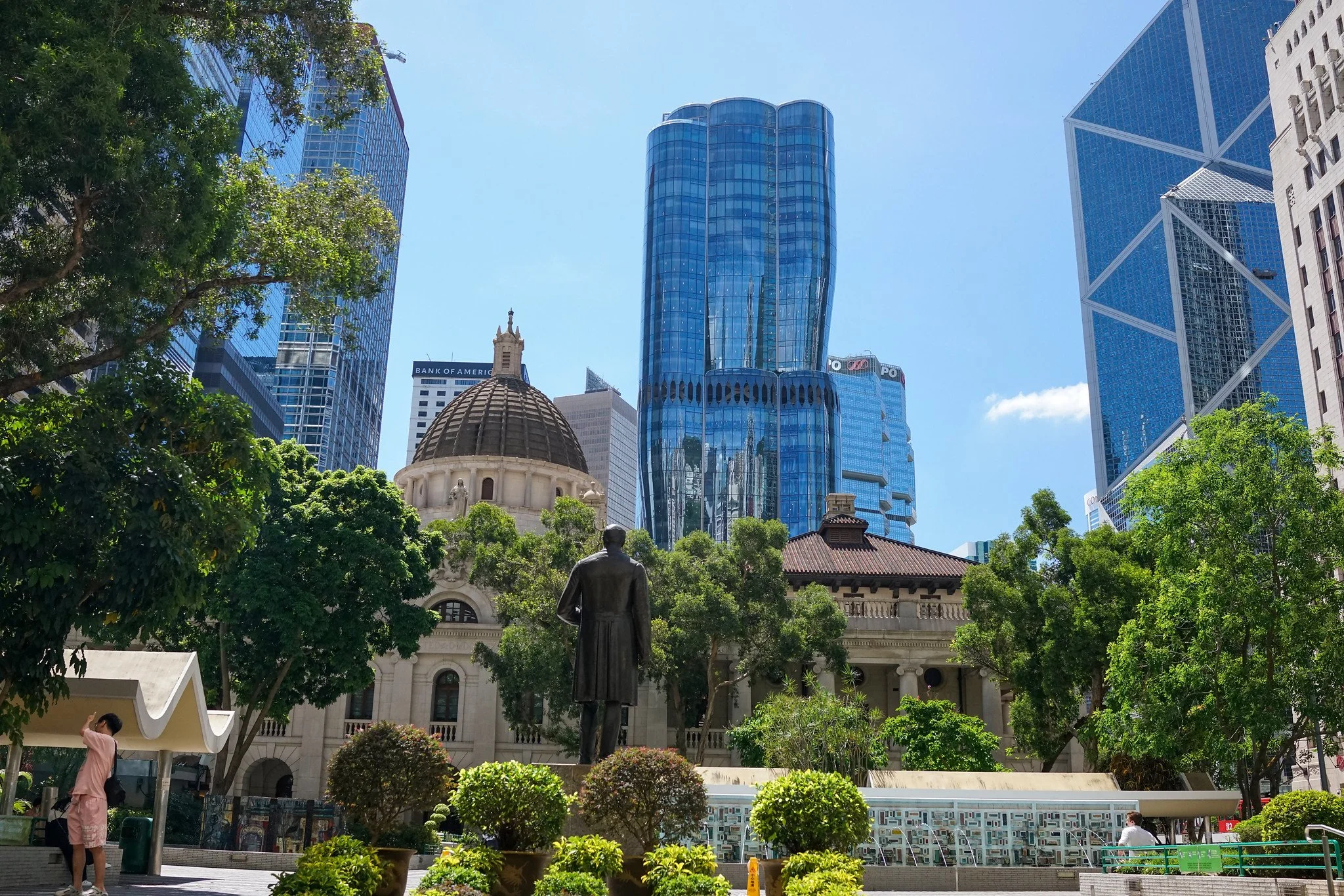
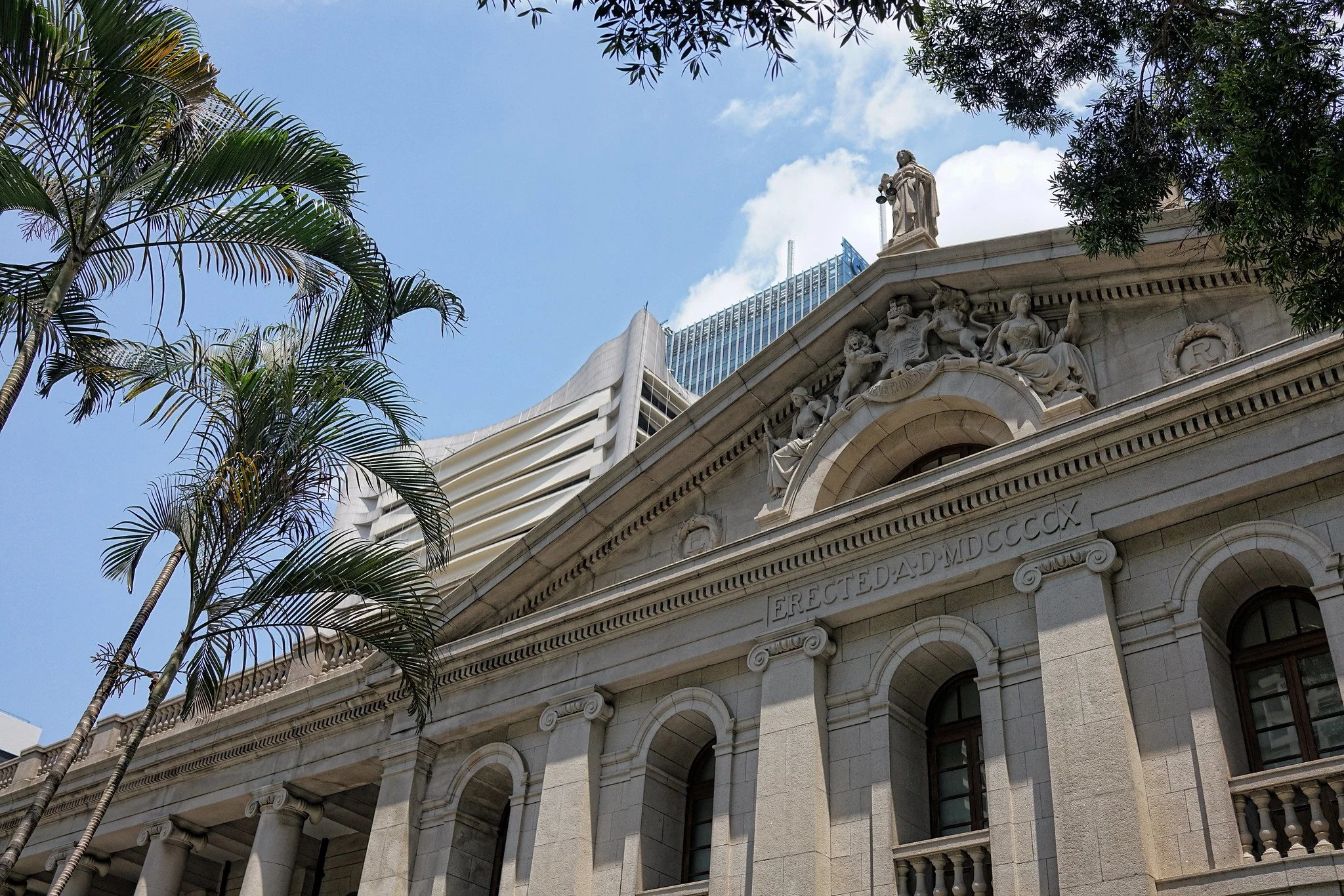
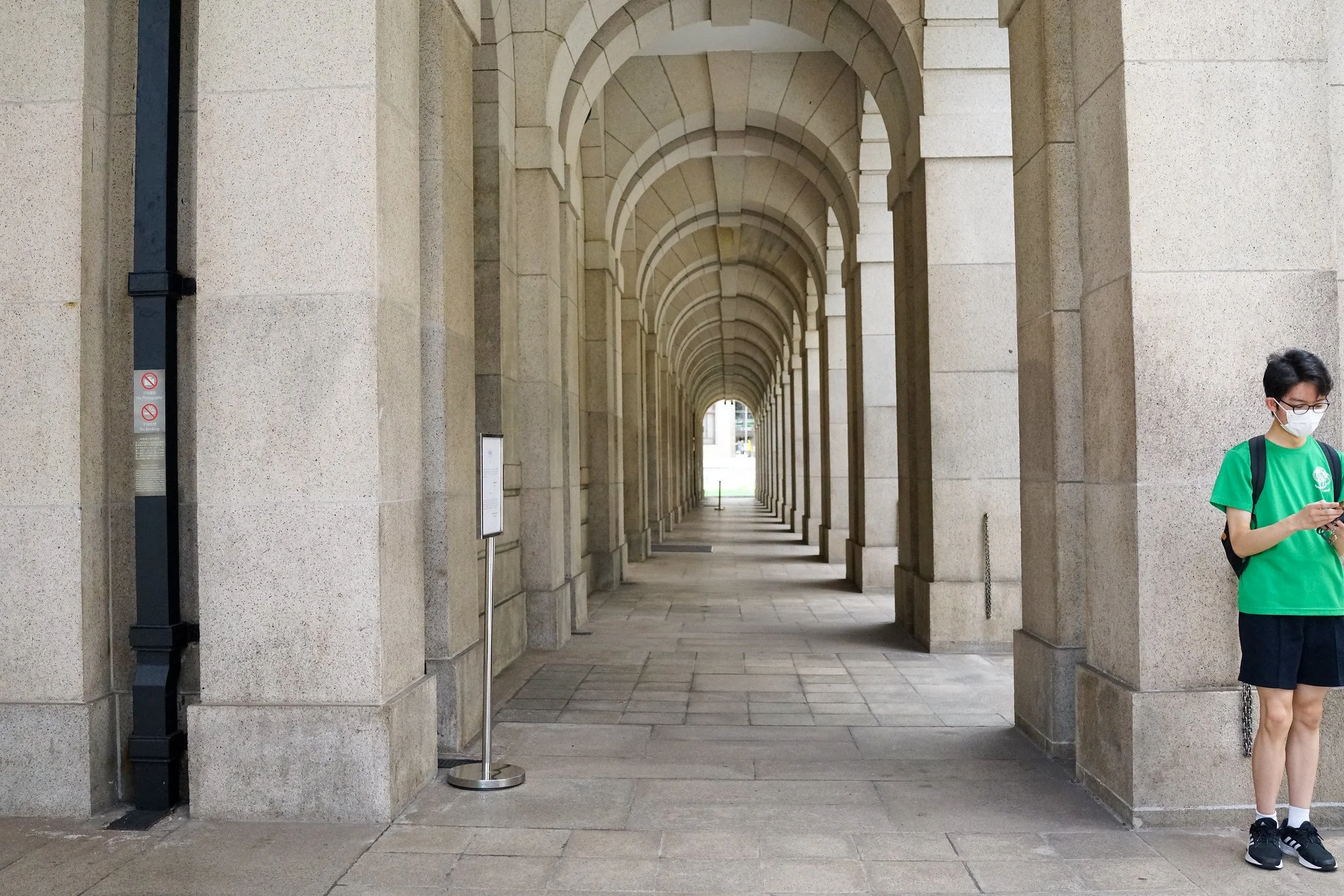
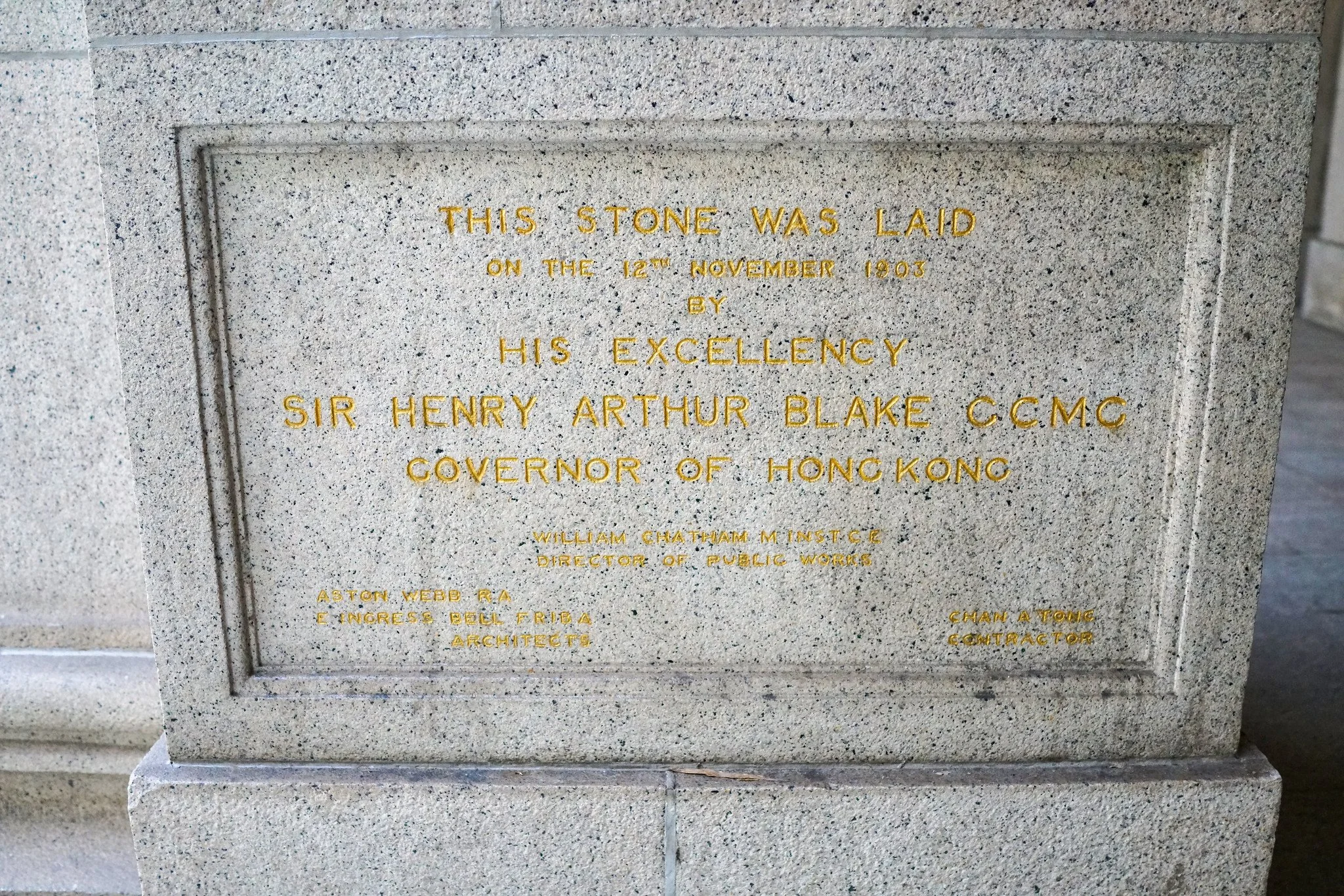
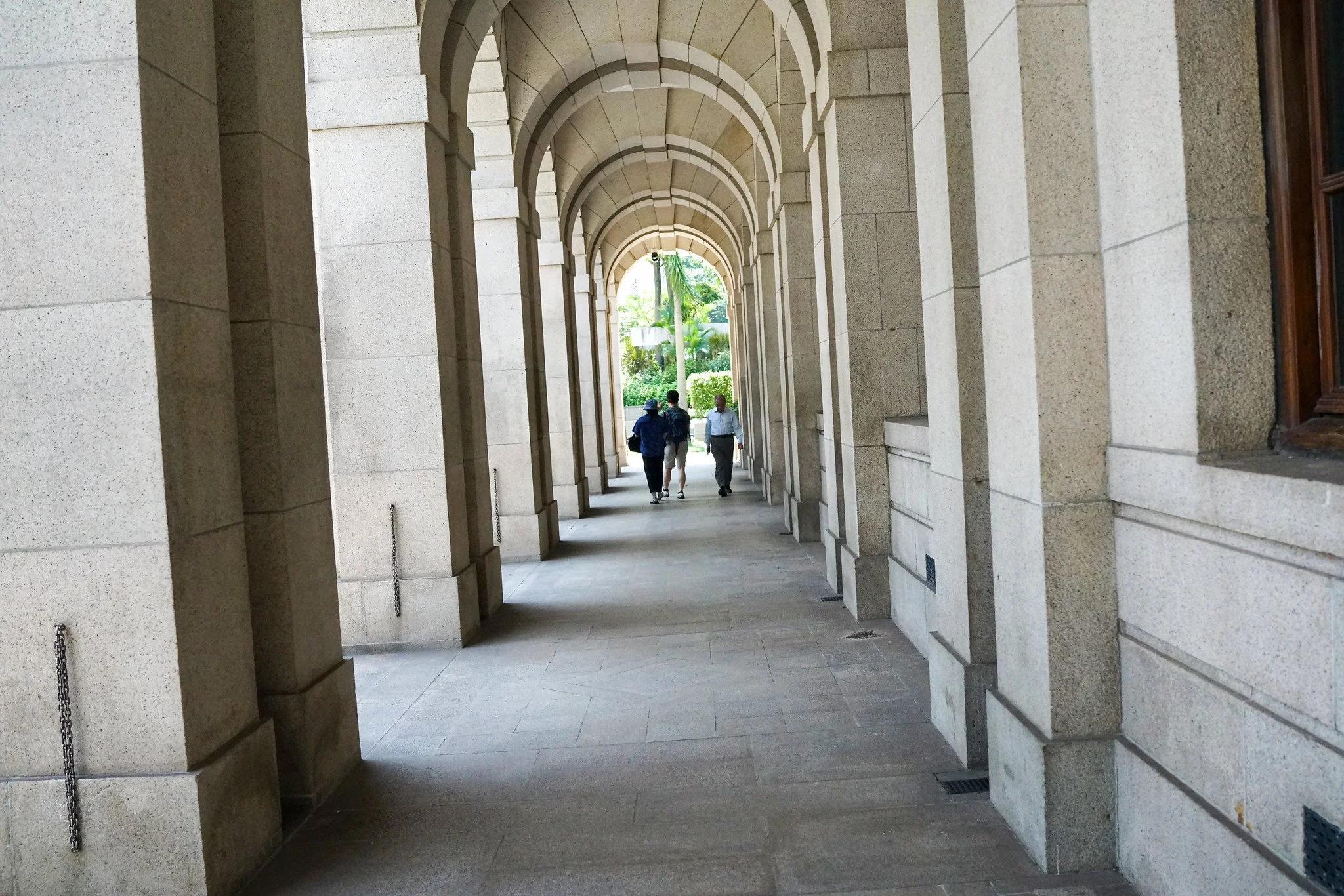
click on the image to enlarge
© Copyright Acknowledged | All rights reserved | images taken by Jamie
Hong Kong Culture | The Court of Final Appeal Building, iconic! | Hong Kong
Why Locals Rarely Approach the Building: Superstition and Speculation - The Court of Final Appeal Building, Hong Kong
I am in Statue Square most days, visitors likely observed this firsthand - the "invisible barrier" where crowds in Statue Square avoid the sidewalks around the building, even on busy days. This avoidance is rooted in local beliefs, particularly among older Hong Kong residents, who view the structure as having "bad joss" or negative energy.
The primary reason ties directly to its WWII history as the Kempeitai headquarters. Many associate it with ghosts or restless spirits from the torture and deaths that occurred there—screams, executions, and suffering are said to linger. Hong Kong's strong superstitious culture, influenced by Feng Shui and ancestral traditions, amplifies this: buildings with violent pasts are seen as haunted or unlucky, potentially bringing misfortune to those who get too close. Speculation includes poor Feng Shui due to its colonial design clashing with natural energy flows, or residual "yin" energy from atrocities making it inauspicious.
While not everyone subscribes to this (younger generations or tourists often ignore it), it's a common cultural undercurrent and I am old enough to actually believe these stories.
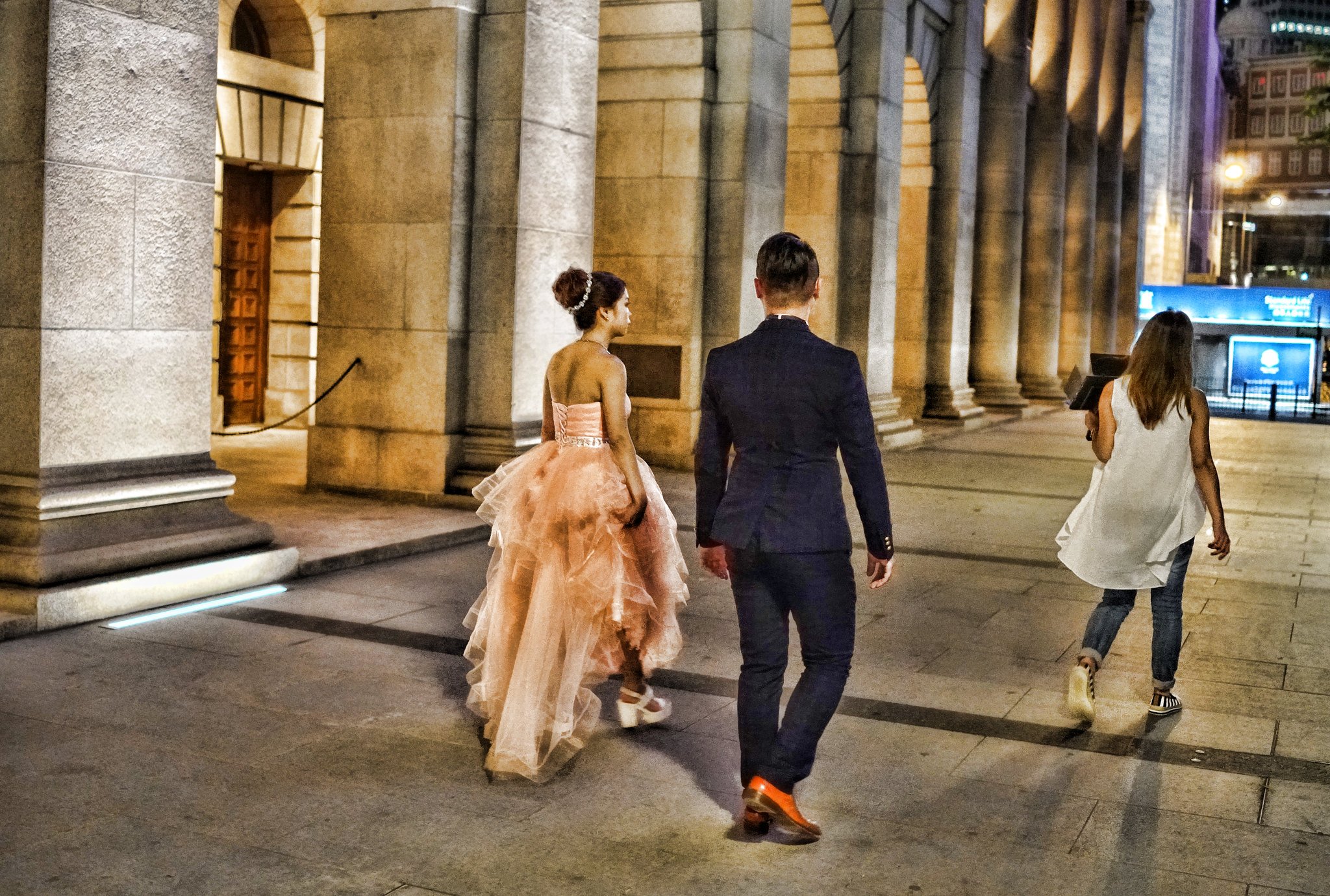
The Court of Final Appeal building and surrounding sidewalk at the main entrance are an absolute favourite for wedding photography, I see this almost every time I am in Statue Square and often wonder why the young couples ignore the bad joss (ignorance of the buildings history?) or something as mundane as they can do the photography without hundreds of pedestrians ruining the shot!
It's one of those quirky contrasts in Hong Kong life where the same spot can feel "off-limits" to some locals yet be a hotspot for others and by golly Wedding Photographers love it.
The Court of Final Appeal Building (and its grand steps, columns, and entrance area) is indeed a hugely popular choice for wedding and pre-wedding photography. Professional photographers and couples frequently list it among the top spots in Central for pre-wedding shoots, often ranking it in "best Hong Kong locations" guides alongside places like Victoria Harbour, The Peak, or colonial-era spots. The reasons are pretty straightforward and practical:
Striking neo - classical architecture - The tall Ionic columns, intricate stone facades, grand staircase leading up to the main entrance, and the statue of Themis atop the pediment give a majestic, timeless, almost European or "Parisian" vibe. Couples love how it conveys elegance, sophistication, and a sense of solemnity or "forever" commitment - perfect for symbolizing justice, balance, and enduring love in wedding imagery.
Photogenic setting - The building's clean lines, symmetry, and heritage look provide a regal backdrop without being overly busy visually. The surrounding open space in Statue Square and Chater Garden adds greenery and urban contrast, making compositions feel balanced and romantic. It's especially stunning at golden hour or when lit up at night.
Convenience and accessibility — Right in the heart of Central, easy to reach by MTR (The Subway), and no need for permits for exterior shots (as long as it's public space and doesn't block access). Photographers can quickly get multiple angles, and the wide steps allow posing without much obstruction.
Multiple couples at once - I have seen some quirky moments (and as some photographers note amusingly), it's common to have 2 - 3 bridal parties shooting simultaneously on different parts of the steps or entrance - there's enough space, and the building's scale accommodates it without feeling crowded in the frame.
Regarding the "bad joss" or Feng Shui aspect I mentioned earlier: For the couples (and especially the photographers directing them), it seems largely to be a non-issue. Many are younger, more cosmopolitan, or mainland visitors who may not share the same depth of local superstition tied to the building's Kempeitai history. Others might know the past but prioritize the aesthetics - beauty and practicality often win out over folklore in these contexts. The superstition tends to be stronger among older generations or those deeply rooted in traditional beliefs, while wedding photography leans toward modern, aspirational, or Western-influenced styles (grand architecture - luxury and romance).
The practical upside I have pointed out - fewer random pedestrians ruining shots - is spot-on too. The main entrance and steps are somewhat set back from the busiest pedestrian flows through Statue Square, so photographers can more easily control the scene, especially early mornings, weekdays, or off-peak times when crowds thin out. It's a "controlled chaos" spot compared to busier areas like the harbourfront or Mid-Levels escalators.
So now you know!
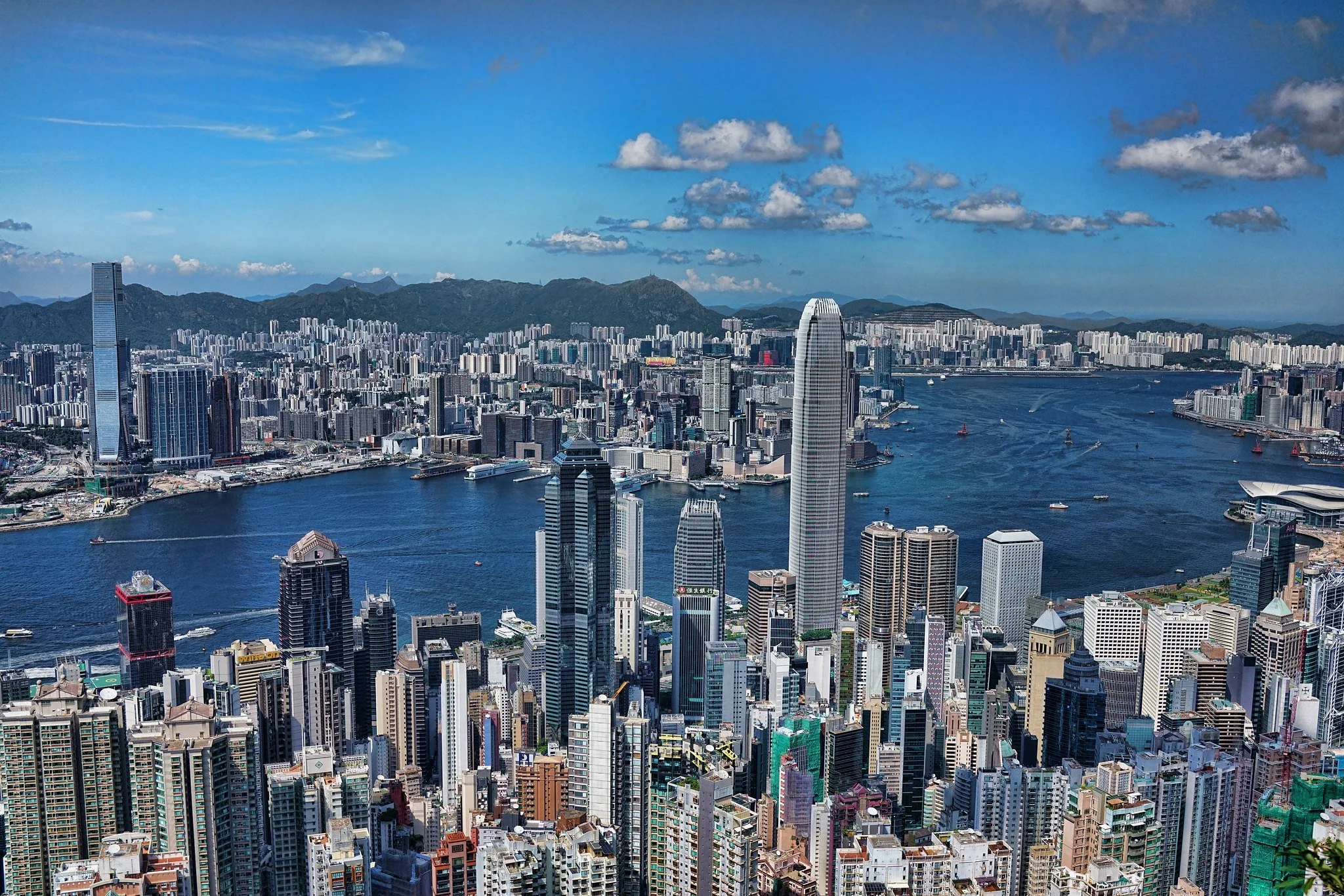
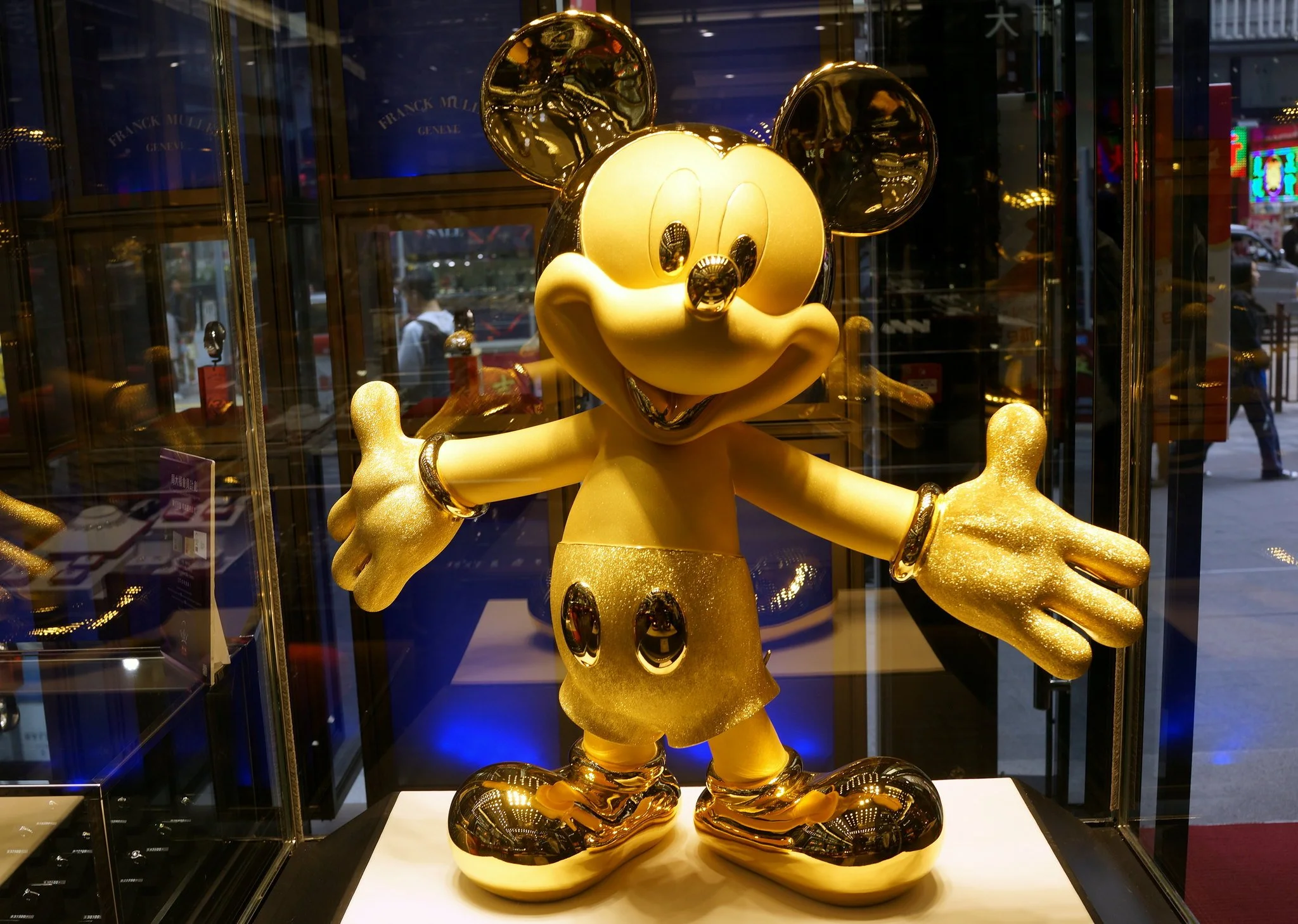
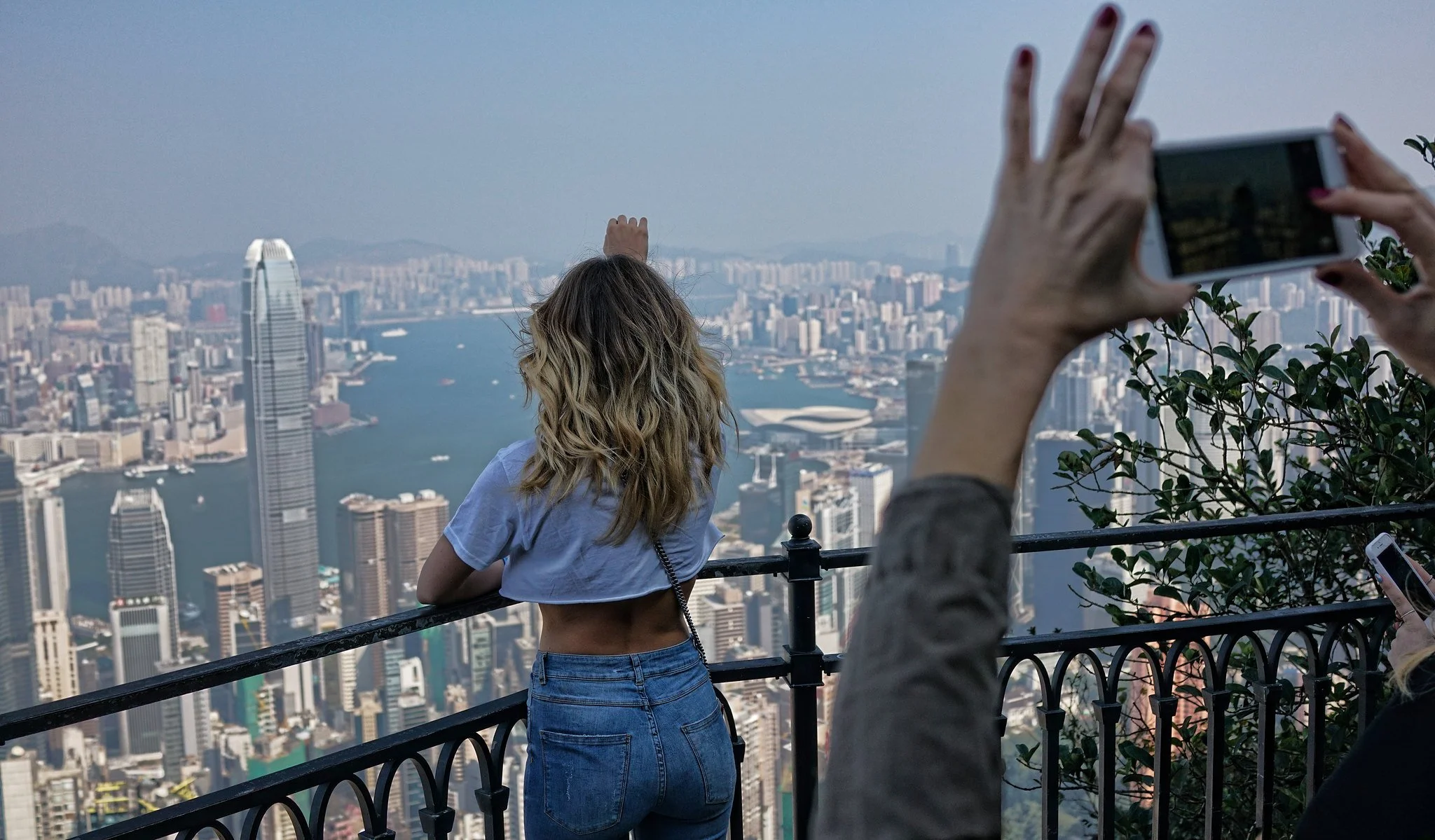
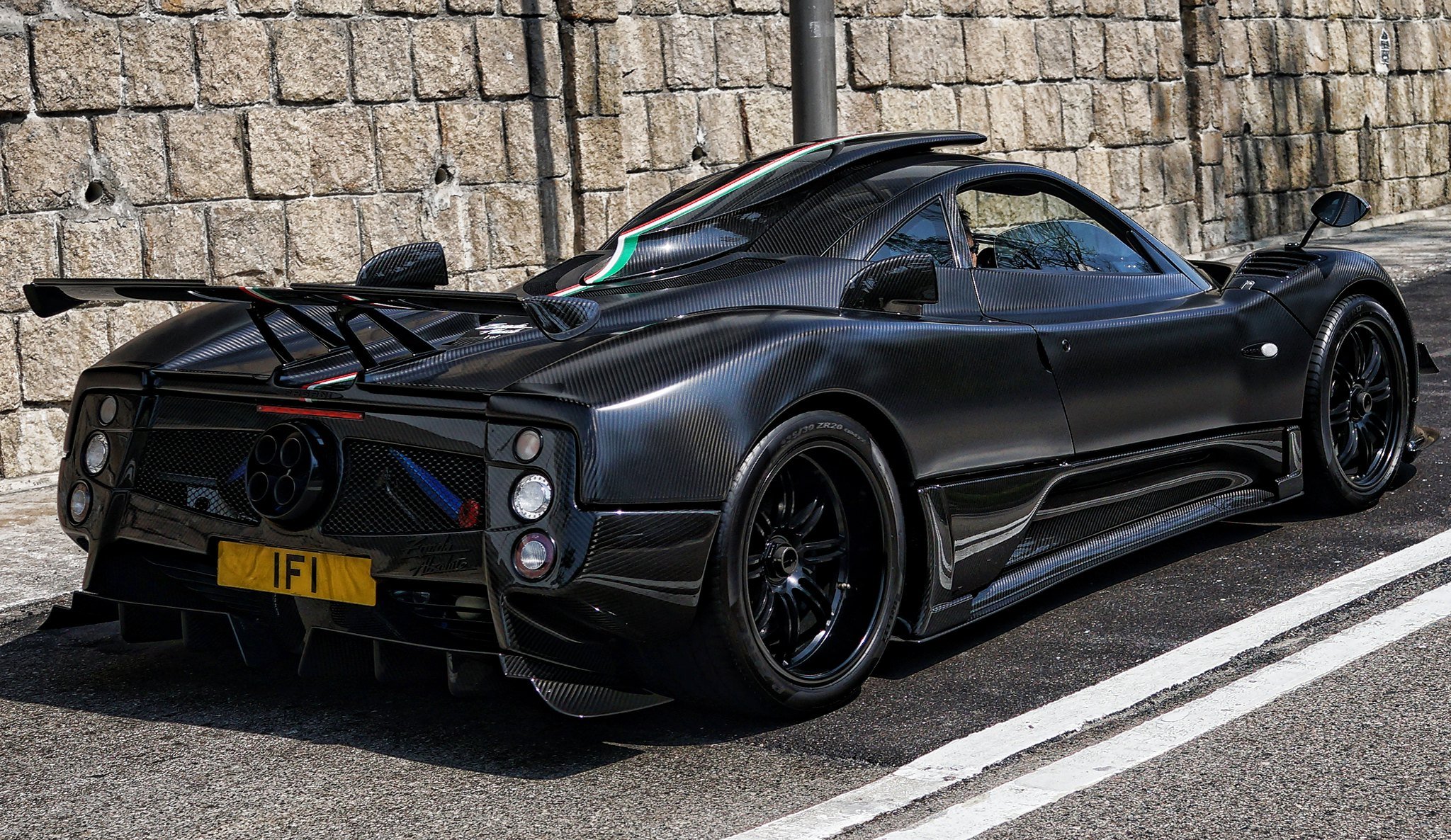
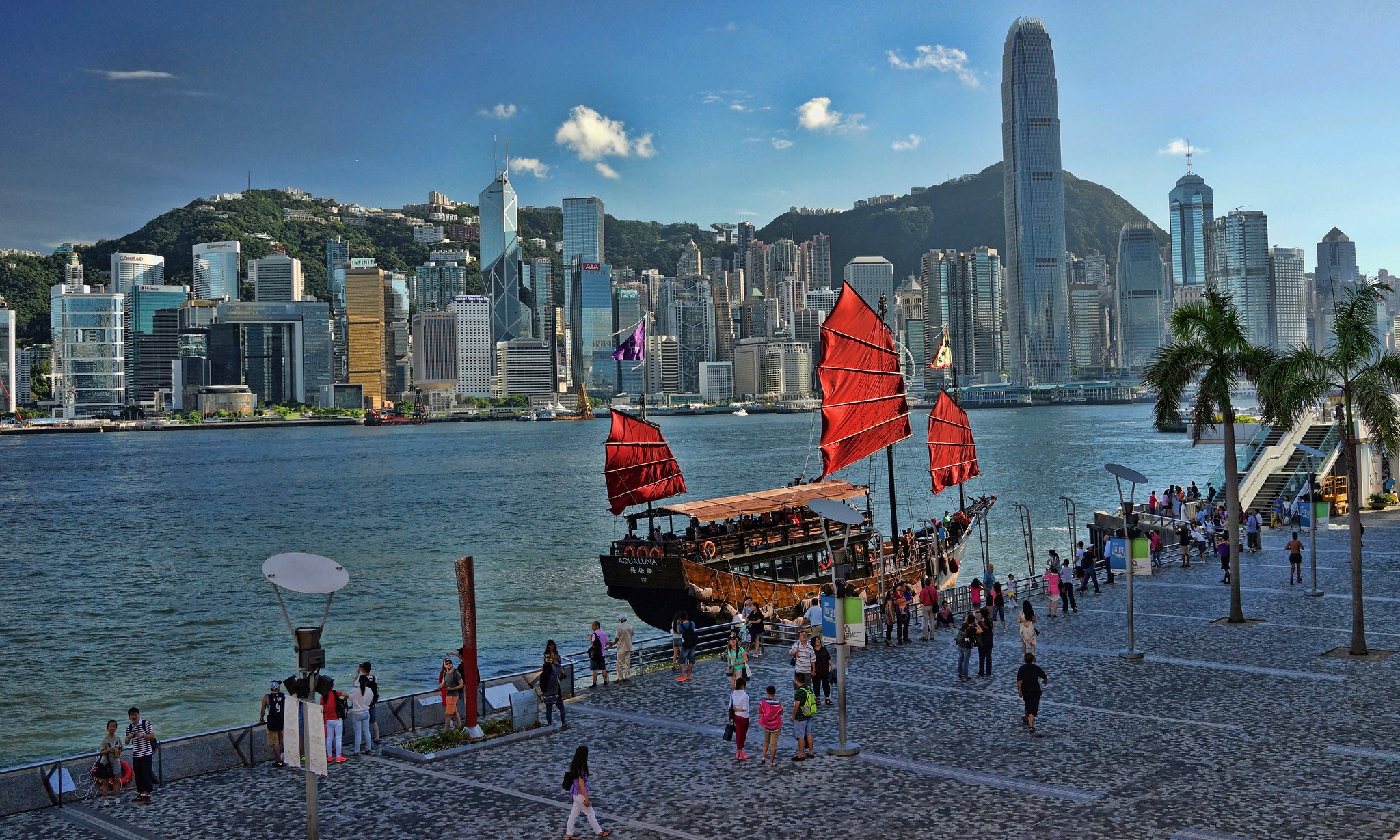
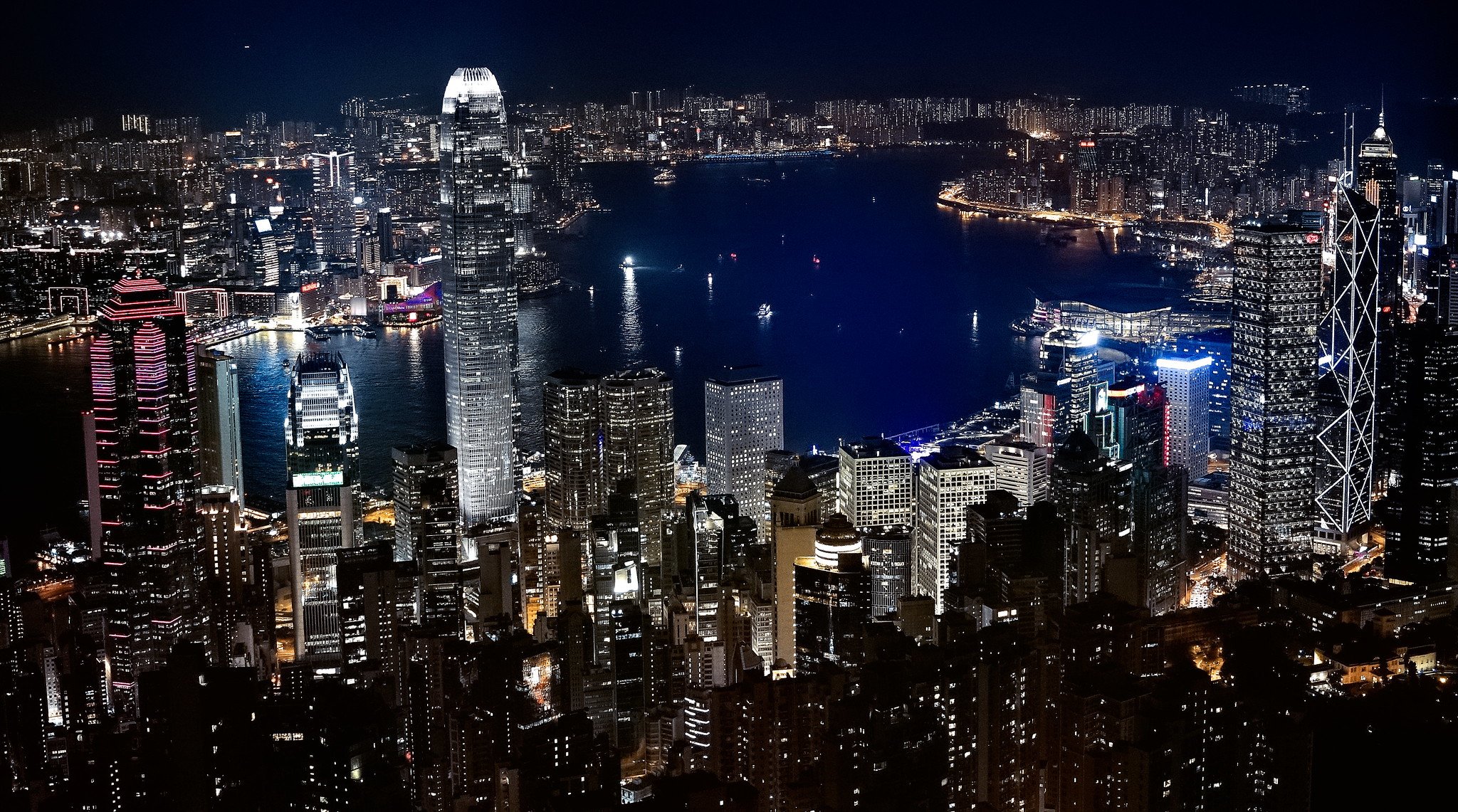
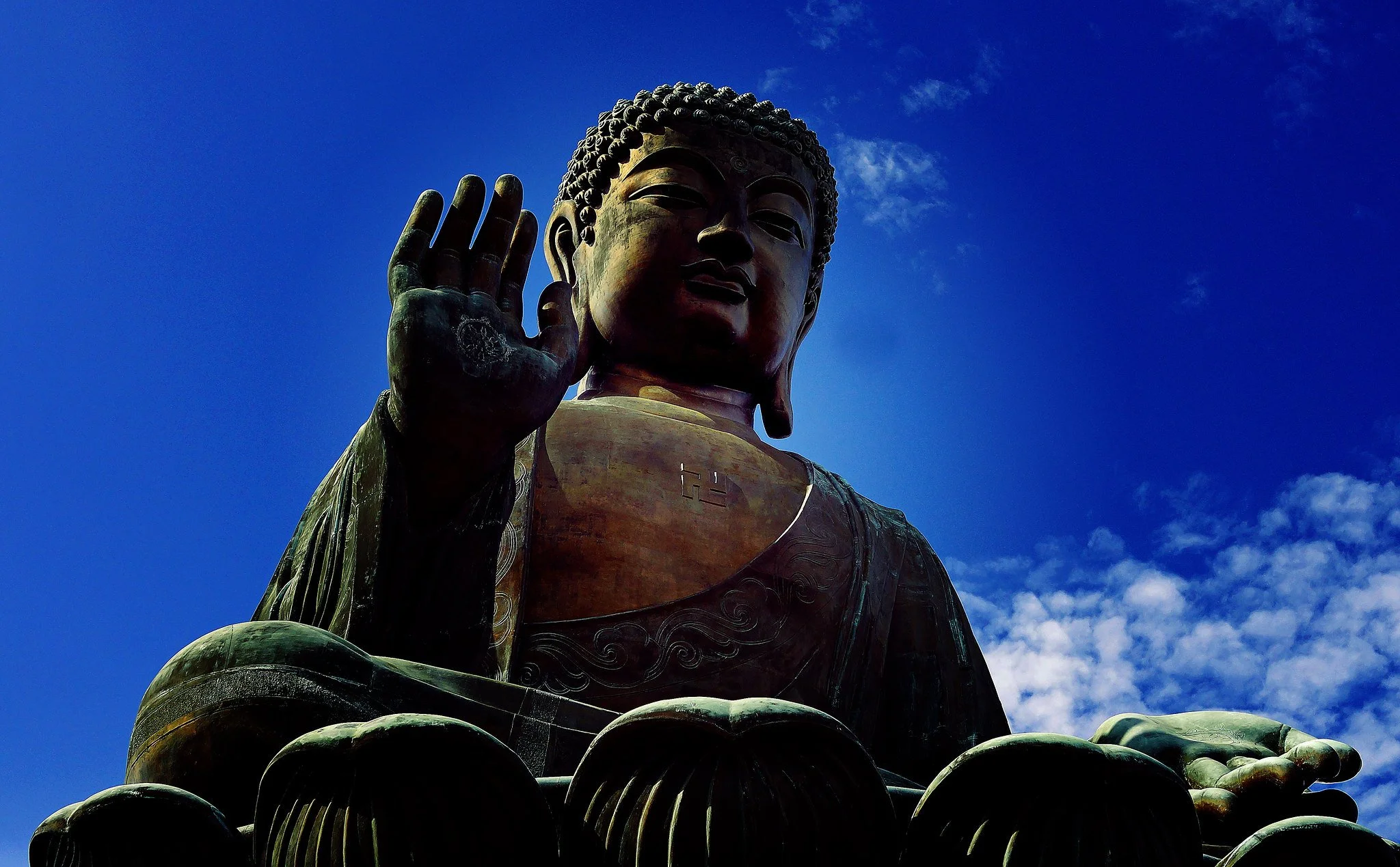
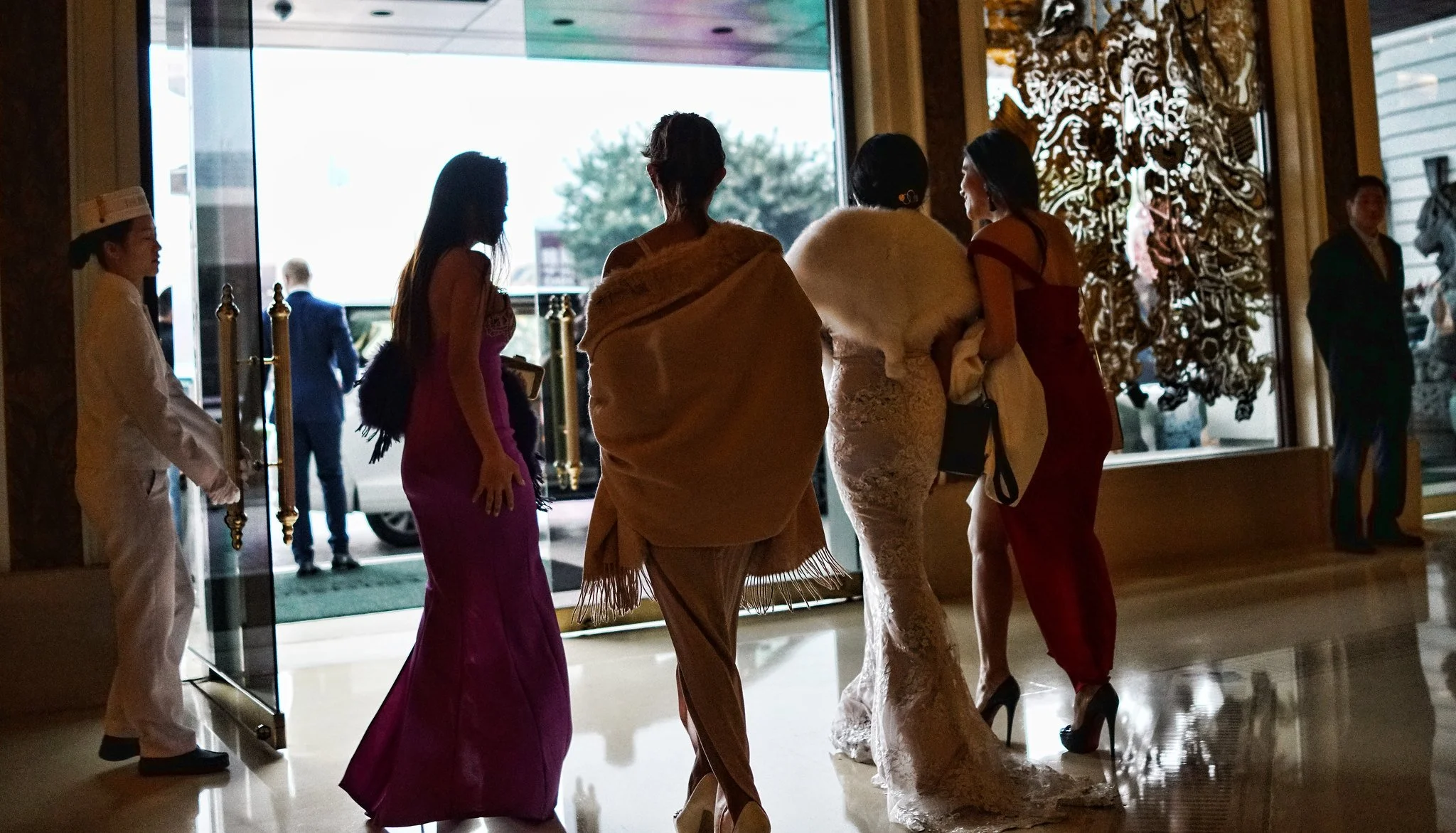
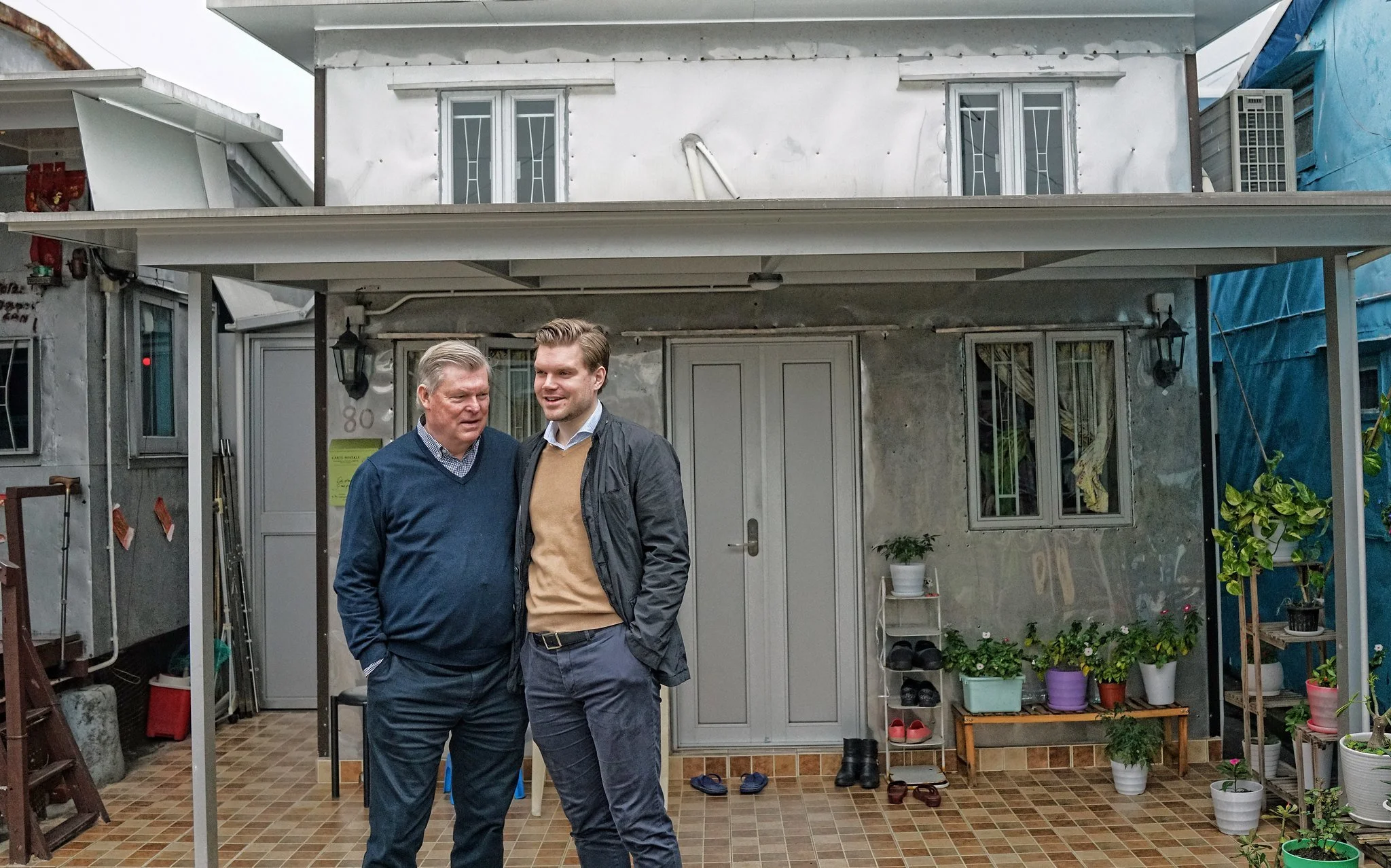
click on any image to enlarge
© Copyright Acknowledged | All rights reserved | all images taken b Jamie
Jamie’s Hong Kong | Some of my favourite images | Hong Kong 101
I do not do food tours in Hong Kong but I know people that do!
I am pleased to say a lot of Food Tour Companies will have egg tarts on their tasting menu
I have very specific reasons and part of it is that I do not speak Cantonese or write Chinese, I am from Yorkshire in England and I lack the language gene and it is not through lack of trying and yes a lot of restaurants do not have English menu’s or staff who speak conversational English.
.. and yet I have eaten at close to 1,400 restaurants in Hong Kong since January 2nd 1972, my wife was born in Hong Kong and we have been together over 40 years and her first language is Cantonese and a lot of her family are Chinese or half Chinese so I have never had much of an issue!
This does not translate to doing food tours though, yes, I could do them, no problem there but they would never ever be as good as the food tours done by my friends (see the 3 links above) most of their awesome guides are locally born Hong Kong Chinese and obviously food culture is part of their DNA, it is impossible for me to compete with that!
So please feel free to contact them for food tours
© Jamie Lloyd | J3 Consultants Hong Kong | J3 Private Tours Hong Kong |
| 2010 - 2026 All rights reserved. |
Click on any image to enlarge to full screen
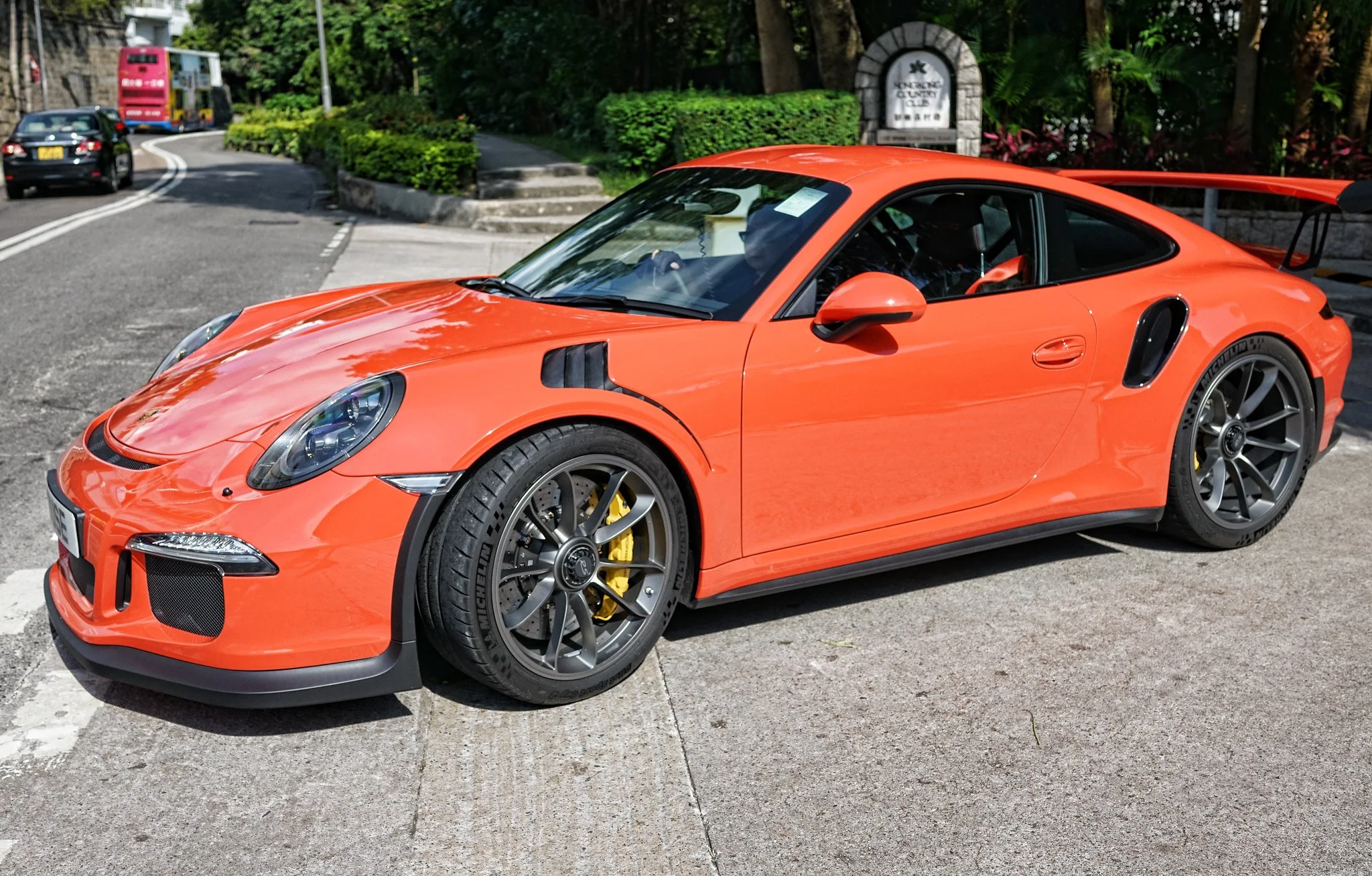
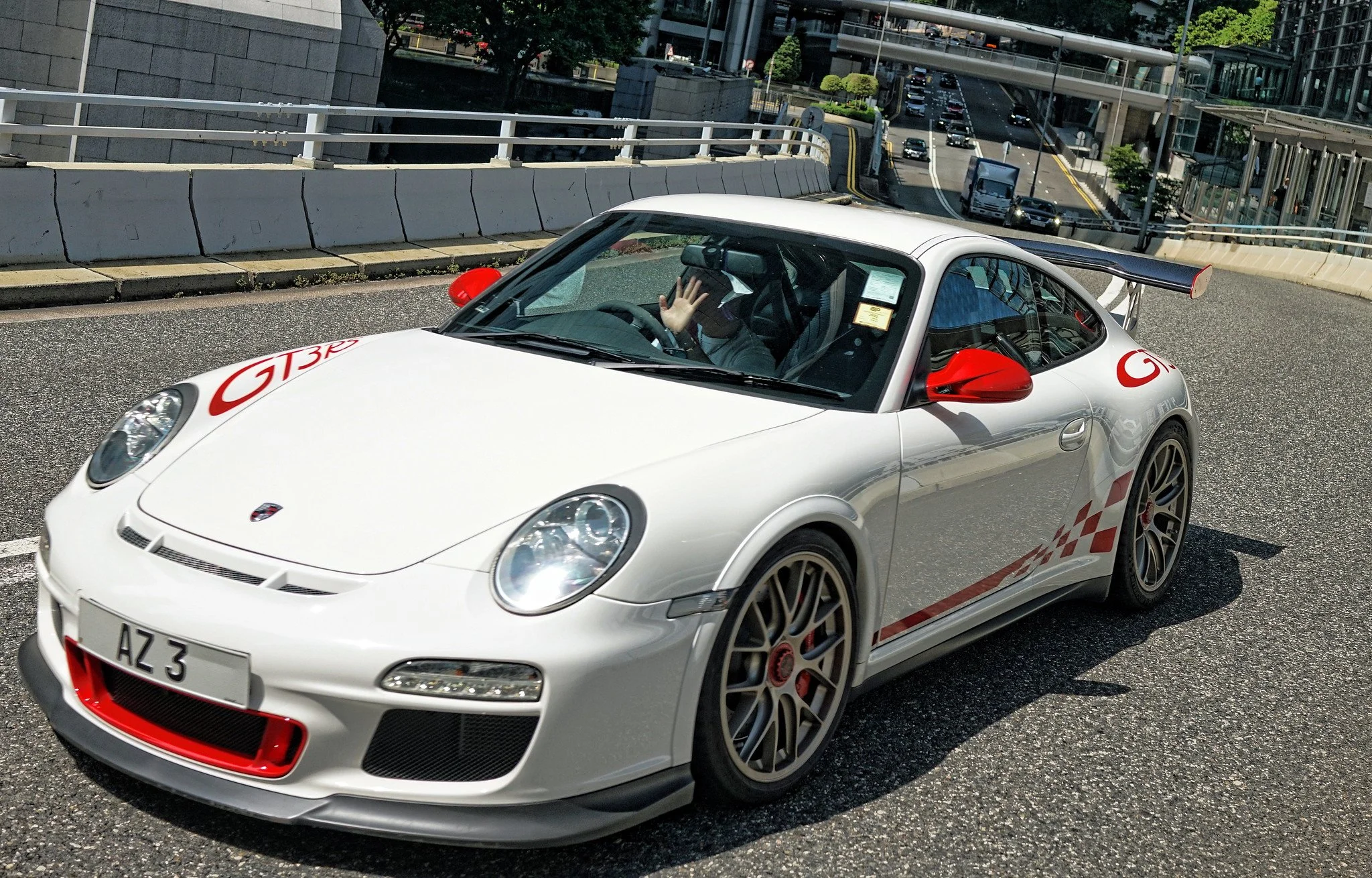
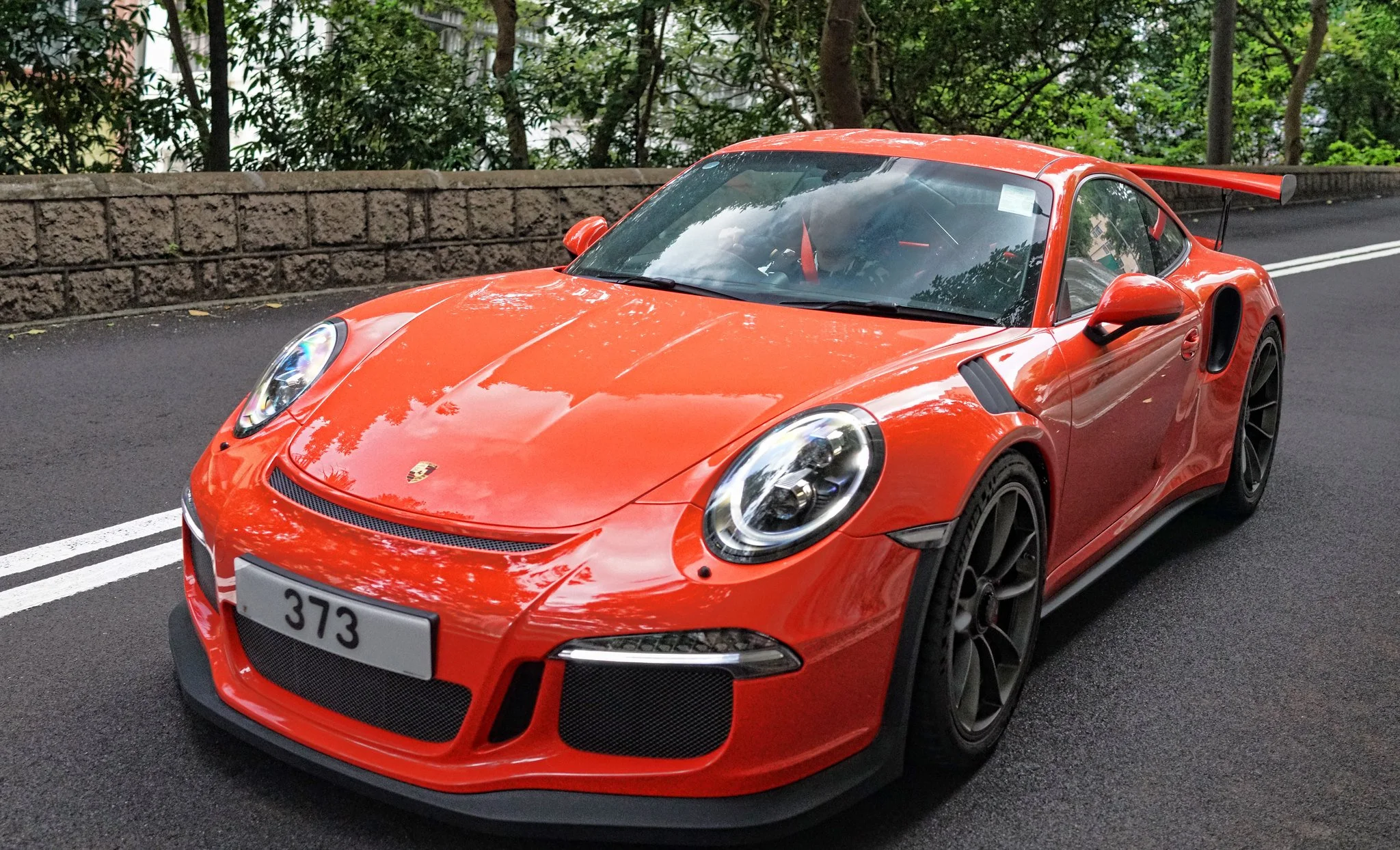
Current images from my Instagram feed