On Golden Pond - Amazing Koi varieties in Hong Kong Temples
Koi - History, Size, Lifespan, and Temple Traditions Explained

The J3 Group - Premium Quality Private Tours | Experiences and Insider Chats since 2010
Me Jamie, your host, I am English and I have lived in Hong Kong since January 2nd 1972 - I know the place.
A meaningful blog post with a difference - tips on Travel, Tourism, Tours, Daily Life and my personal thoughts on Hong Kong.
Please do visit Amazing Hong Kong
Hong Kong | Pearl of the Orient
Customised Private Tours + Experiences in Amazing Hong Kong
Jamie has lived in Hong Kong - Pearl of the Orient for 50+ years
Carefully Crafted Personalised and Customised Itineraries by Jamie | Hong Kong’s Most Experienced Private Tour Guide for : Solo Travellers Friends Families Seniors Couples Business People MICE Delegates.
Private Tours Cultural Tours Walking Tours Sightseeing Tours City Tours Night Tours Layover Tours Transit Tours Private Shore Excursions Bespoke Tours Personalised Tours Jewish Heritage Tours Luxury Private Tours Day Tours Luxury Boat Tours Themed Tours Private Family Tours Private Day Tours Corporate Tours
Just you, your family or friends and Jamie your personal English private tour guide - over 2,400+ tours completed since 2011 - Jamie offers quality Private Tours of Hong Kong
Tour Group Size 1 - 6 people only
J3 Group Hong Kong | J3 Consultants Hong Kong | J3 Private Tours Hong Kong
Creating Memories That Will Last A Lifetime
Go here for the Hong Kong Michelin Restaurant Guide which includes the Bib Gourmand Category

Guided by Stories, Private Tours of Hong Kong with Jamie
A Resident since 1972 - Quality Private Tours of Hong Kong
click on the image to enlarge
© Copyright Acknowledged | All rights reserved | image taken by Jamie
The Gold Koi | Po Lin Monastery | Hong Kong
Foreword
I went through a phase in the early 1990’s where I had 2 collections of Piranha fish in some very large tanks, one collection was the really big ones and the smaller ones, well the stuff of Hollywood B movies.
My thing lasted 3 years and I must admit I enjoyed my time with them
I no longer keep fish but I do admire Koi which are very prevalent in Hong Kong and my imagination being what it is, when day dreaming kicks in at the Nan Lian Gardens in Hong Kong, I imagine people falling into the massive koi pond and being eaten by swarms of huge koi! it is a fact that when the chap comes to feed them they swarm and thrash about!
For years, whenever I paused beside the serene ponds of Hong Kong’s temples and gardens, I found myself drawn to the graceful, swirling schools of koi. (and trying not to think about Koi swarms) These living jewels glide through the water with an almost meditative calm, their vibrant colors and patterns shifting like silk beneath the surface. At places like Po Lin Monastery on Lantau Island next to the Big Buddha, the fish seem especially majestic - large, purposeful, and perfectly at home amid the lotus blooms and ancient architecture. One encounter in particular has stayed with me for years: a striking gold koi whose scales caught the light with a natural metallic sheen, gleaming as if polished from within. It was a moment that blended wonder with a deep appreciation for how these fish have become woven into the spiritual fabric of Hong Kong life. What began as simple admiration grew into a desire to understand their story - from ancient origins to their revered place in Buddhist settings - and I am pleased to share that journey here and yes, the golden koi came up to me and I was able to touch it, that was a real moment!
Koi are far more than ornamental pond fish; they embody resilience, prosperity, and quiet perseverance, qualities that resonate powerfully in Hong Kong’s temples and gardens. In this post, I explore their fascinating history, the practical details of their care and biology, and the reasons they feel so perfectly at home in sacred spaces. Whether you have admired them during a visit to the Po Lin Monastery, wondered about the symbolism behind their presence, or simply dreamed of a thriving koi collection in your own garden, I hope these insights bring the same sense of discovery and connection that I have found over many years of observing them. Their story reminds us that beauty in nature often carries deeper layers of meaning, patience, and enduring harmony - lessons as timeless as the ripples they create in the water.
Sadly day dreaming of koi ponds in Hong Kong is a waste of time as houses with gardens and ponds could easily set you back tens of millions of US$, yep, reality at work in Hong Kong
Beyond the visual splendor, koi invite us to slow down and reflect, much like the Buddhist teachings that surround their ponds. In the bustling context of modern Hong Kong, these fish offer a living reminder of continuity and good fortune. I invite you to read on, perhaps planning your next temple or garden visit with fresh eyes, or simply appreciating the elegance these remarkable creatures bring to our shared landscapes.
The History of Koi Fish
Koi fish, known formally as Nishikigoi or “brocaded carp,” have a captivating history that stretches back centuries and ties deeply into Asian culture, including the serene temple gardens I encounter regularly in Hong Kong. These ornamental fish originated from the common carp, Cyprinus carpio, which were first domesticated in Eastern Asia as a practical food source around the 4th or 5th century. Farmers in what is now China and later Japan raised them in rice paddies and irrigation ponds to provide protein during harsh winters when other supplies were scarce.
I always forget that Koi are basically just a big carp!
The true birth of the colorful varieties I admire today happened in the early 19th century in Japan’s Niigata Prefecture, specifically in rural villages like Yamakoshi and Ojiya. Local rice farmers noticed rare genetic mutations in their black carp stocks - sudden splashes of red, yellow, and white patterns - and began selectively breeding them not just for food but for beauty. Over generations, these experiments produced the vibrant, patterned fish that became known as Nishikigoi by the early 20th century. The term itself evokes the shimmering, embroidered appearance of brocade fabric. From those humble beginnings in snow-bound Japanese villages, koi spread worldwide as symbols of elegance and resilience, evolving into over 100 recognized varieties while retaining their hardy carp ancestry.
The History of Koi in Hong Kong and the religious aspects
In Hong Kong, koi have become a beloved fixture in temples and public gardens, where their graceful movements add a layer of tranquility to sacred spaces. I often point out schools of them during tours, and at the Po Lin Monastery on Lantau Island, the ponds hold impressive groups of 20 to 30 fish that appear quite substantial at 12 to 18 inches. These are not yet fully mature adults but are thriving in the monastery’s carefully maintained water features, including the distinctive Lotus Pond of Seven Jewels. This pond draws inspiration from ancient Buddhist texts describing a pure, jewel-adorned lotus pool in the Pure Land, filled with water possessing eight ideal qualities - purity, coolness, sweetness, softness, and the power to nourish virtue while dispelling suffering. Koi swimming there create gentle ripples that enhance meditation and reflection, turning the ponds into living embodiments of harmony. Similar setups appear in other Buddhist sites across Hong Kong, such as the Chi Lin Nunnery and Nan Lian Garden in Diamond Hill, where expansive koi ponds feature even larger, more diverse schools amid lotus blooms and traditional architecture. The fish seem to embody a quiet persistence that resonates with visitors seeking peace amid the city’s bustle and it is true, sometimes I go there alone just to watch the fish and collect my thoughts.
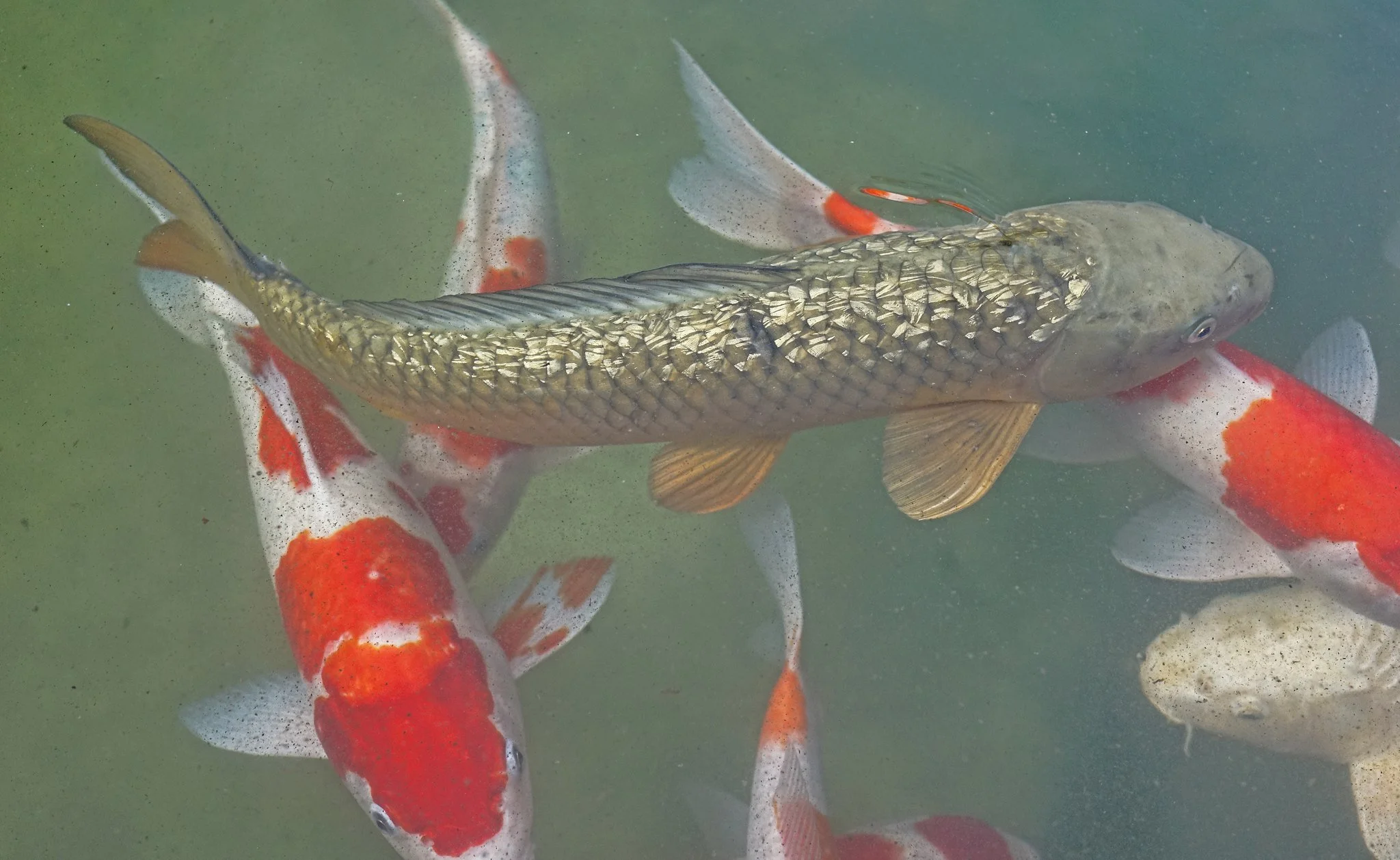
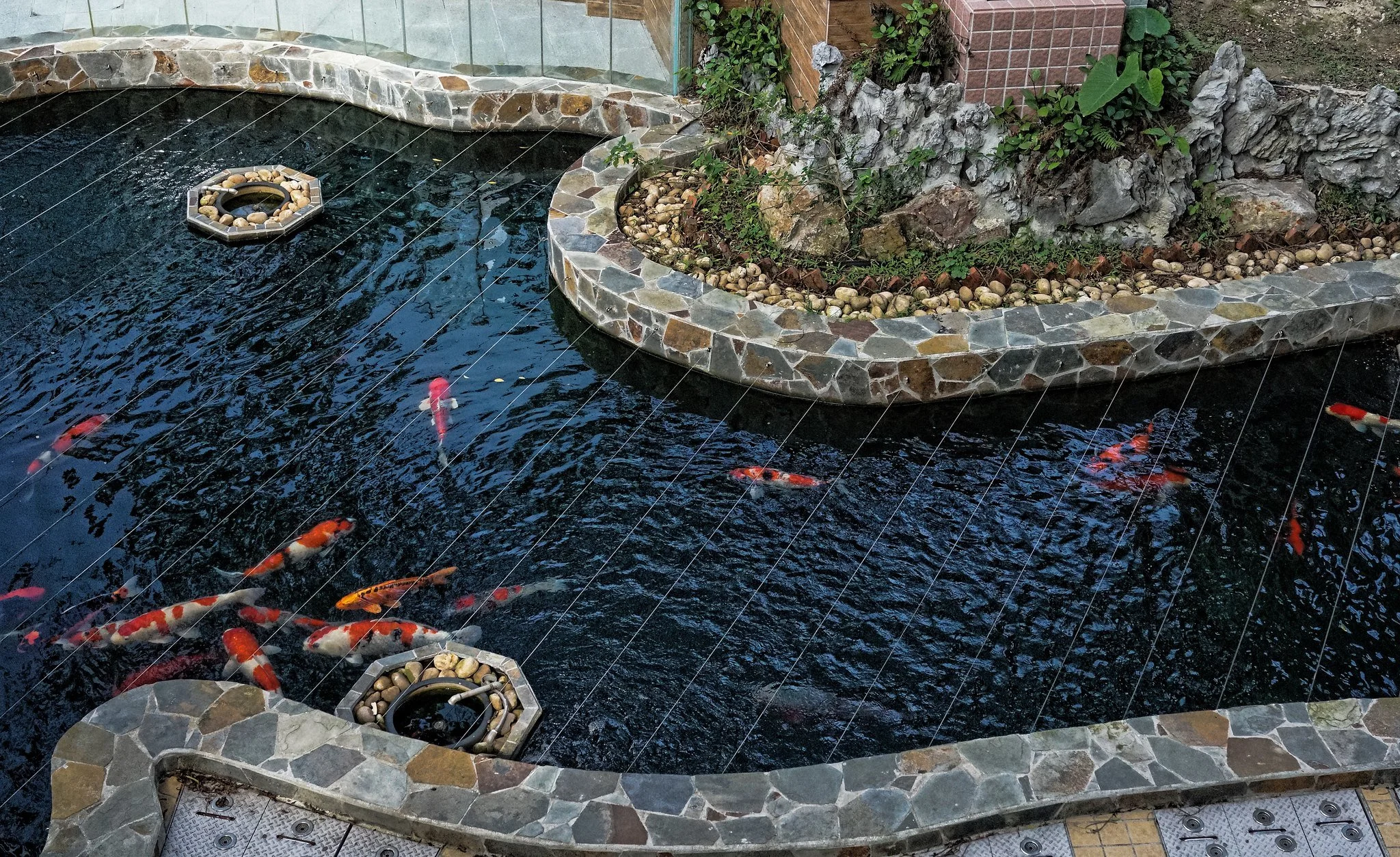
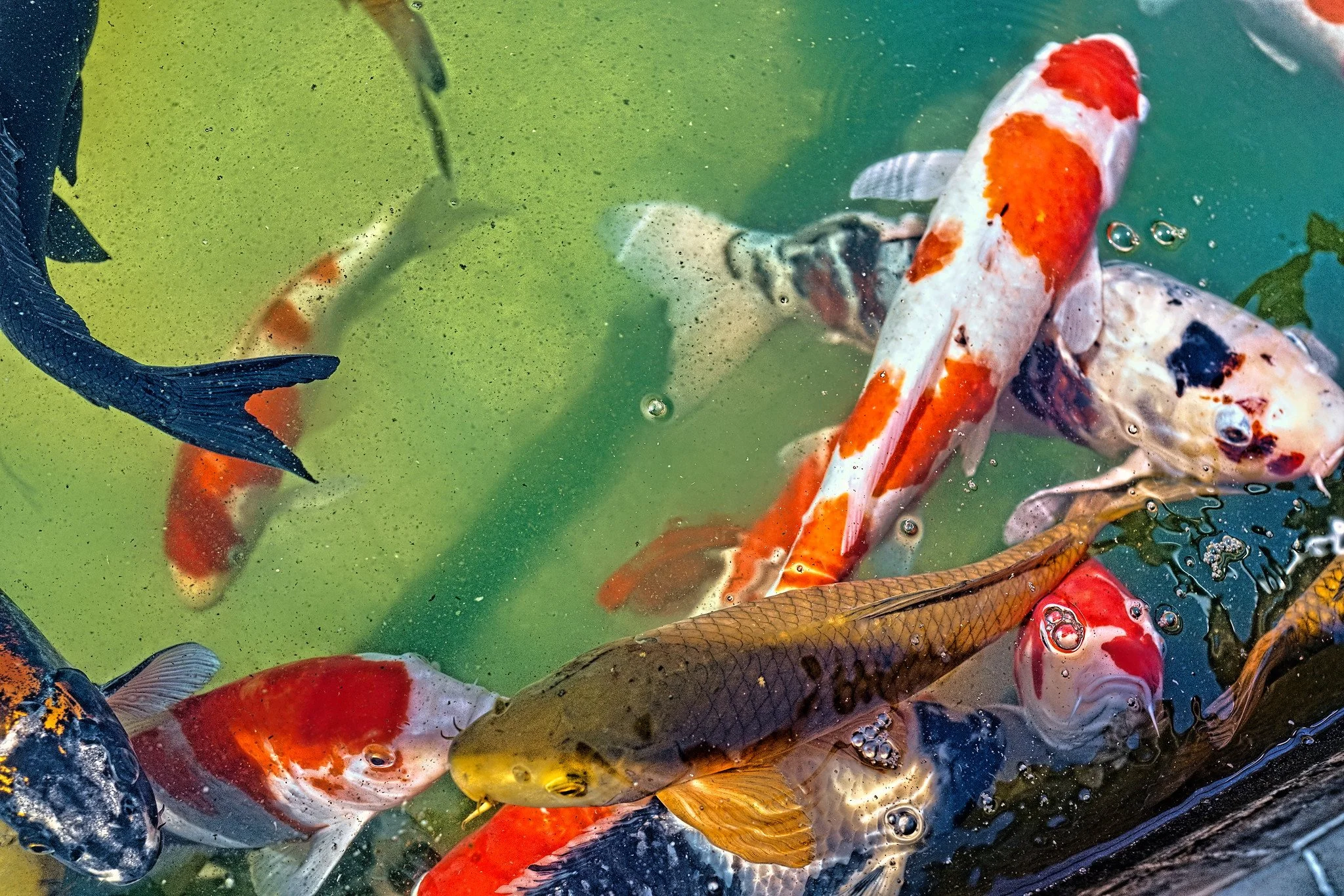
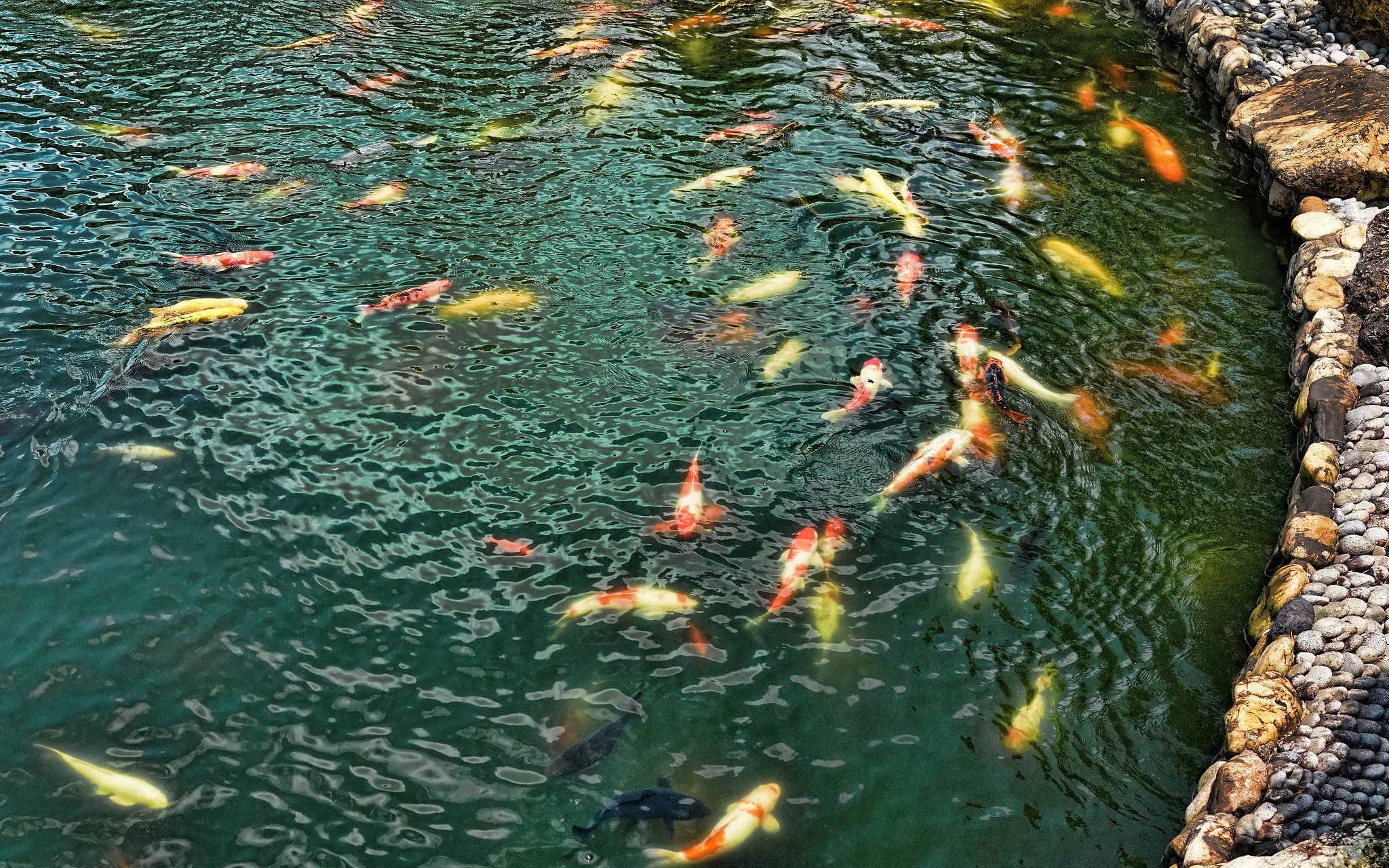
click on the image to enlarge
© Copyright Acknowledged | All rights reserved | image taken by Jamie
On Golden Pond | Temple Koi | Hong Kong
Please note, that one of the images above shows some wire over the pond at the Po Lin Monastery, this I took years ago, I was there in early April 2026 a few times and the wires are gone and the fish are much larger now and I guess the birds know when to retreat!
Koi hold special popularity in Buddhist temples like those in Hong Kong because they carry profound symbolic weight that aligns perfectly with core teachings. In Buddhist tradition, koi represent courage, perseverance, and the ability to overcome obstacles without retreat—qualities drawn from the legendary tale of carp swimming upstream against powerful currents, leaping waterfalls, and transforming into dragons. This mirrors the Buddhist path of virya, or diligent effort, toward enlightenment. They also symbolize abundance, good fortune, prosperity, and longevity, themes that echo across Chinese and Japanese cultural influences integrated into Hong Kong’s temples.
Fish in general signify freedom from earthly bonds and the flow of positive energy, making koi ponds ideal for fostering serenity and mindfulness. At places like the Po Lin Monastery, the ponds are not mere decorations but deliberate features that invite contemplation of impermanence, harmony with nature, and the cultivation of inner peace. Their presence turns ordinary water into a canvas for spiritual lessons, which is why I see them consistently in Buddhist sites here - practical yet deeply meaningful.
Koi - Worldwide popularity
Worldwide, the most popular places to witness large schools of koi in impressive numbers and settings are concentrated in Japan, where the fish originated and where breeding traditions remain strongest. Niigata Prefecture still hosts hundreds of dedicated breeders and traditional ponds, but visitors flock to famous temple and garden sites like those in Kyoto and Tokyo. Shinjuku Gyoen National Garden in Tokyo features expansive central ponds teeming with massive, colorful koi that draw crowds year-round for their scale and vibrancy. Koishikawa Korakuen, one of Tokyo’s oldest gardens, boasts dramatic koi ponds framed by manicured landscapes and bridges, while Happo-en in Meguro offers ornate waterfall-fed ponds that feel almost theatrical. Senso-ji Temple in Asakusa and Ritsurin Garden in Takamatsu provide accessible, historic settings with thriving schools.
Beyond Japan, standout locations include the Byodo-In Temple in Hawaii, which recreates a classic Japanese aesthetic with large koi populations, and select gardens in the United States such as the Portland Japanese Garden (home to around 50 impressive specimens) or the Fort Worth Japanese Garden in Texas, which maintains over 1,200 koi across its ponds - a truly spectacular scale that rivals anything I have seen. In China, historic sites like Yu Garden in Shanghai also feature notable koi displays, blending the fish’s ancient carp roots with ornamental traditions. These spots attract enthusiasts globally because they showcase koi not as isolated pets but as integral elements of landscaped harmony.
Key statistics on adult koi size, lifespan, and related traits:
Adult size: Typically reach 20 - 36 inches (50–90 cm) in length; minimum adult length often 14 - 18 inches in standard conditions; exceptional specimens exceed 3 feet (90+ cm) and can weigh up to 90+ pounds in ideal ponds.
Lifespan: Average 25 - 40 years with proper care; many exceed 50 years; documented exceptional cases surpass 200 years (verified via scale growth rings, similar to tree rings).
Natural predators: Primarily herons, egrets, and kingfishers (from above); raccoons, minks, otters, and domestic cats at pond edges.
Diet: Omnivorous - high-protein pellets (30 - 40% protein in warm months), aquatic insects, worms, crustaceans, algae, plants; supplemental items like shrimp, chopped vegetables, or fruits (e.g., watermelon) in moderation; wheat-germ foods in cooler seasons.
Temperature tolerance: Hardy range approximately 35 - 85°F (2 - 30°C); ideal 64 - 75°F; enter dormancy in cold with reduced feeding below 50°F; require aeration and depth in Hong Kong summers and mild winters to maintain oxygen and prevent stress.
One particularly striking memory from Po Lin Monastery (see images above) involves a gold koi whose scales appeared to have a natural metallic sheen, almost like polished gold reflecting light in the water. I am not exaggerating the effect - it looked genuinely luminous and otherworldly. This is characteristic of the Ogon variety within the Hikarimuji class of koi, which are single-colored, metallic fish bred specifically for their brilliant, reflective luster. Varieties like Yamabuki Ogon feature a warm, golden-yellow hue with scales that catch and mirror sunlight in a way that appears almost liquid metal, a trait developed through selective breeding in Japan starting in the mid-20th century. The shine is entirely natural, resulting from specialized scale structure rather than any artificial coating, and it makes these fish stand out dramatically in temple ponds where light plays across the surface. Such specimens add an extra layer of visual poetry to the already symbolic environment.
Interesting facts about koi continue to fascinate me whenever I pause by a pond. They are surprisingly intelligent, capable of recognizing individual human faces and voices, learning to eat directly from a hand, or even responding to a bell for feeding time - behaviors that make them far more engaging than many assume. Female koi can produce up to 50,000 eggs in a single breeding season, though survival rates depend heavily on care. Their cultural resonance extends to art, tattoos, and folklore, where they embody perseverance and good fortune; in Japan, carp streamers fly on Children’s Day to wish strength and success upon the young.
I once hosted some American guests who maintained a collection of 60 koi in a generously sized garden pond back home, and it was clear from their stories that such a group requires substantial filtration, regular water testing, and space to prevent overcrowding - yet the rewards of watching them glide and interact make the effort worthwhile. Koi truly bridge the practical and the poetic, turning any water feature into a dynamic ecosystem.
Collecting Koi - the cost reality
Regarding the cost of acquiring young koi, prices vary widely based on size, variety, and quality.
Average price ranges for young/juvenile koi (USD):
Basic pond-grade juveniles (around 4 - 8 inches): $10 - $100.
Higher-quality examples with promising patterns or bloodlines: $100+ even when young.
Show-grade or premium specimens escalate significantly as they mature.
So there go and please do visit the Po Lin Monastery at the Big Buddha on Lantau Island and look at the Koi Pond, it is very close to the Veggie Restaurant and Snack Steps, (about 30 seconds up some steps)
Jamie’s Hong Kong Insider Chat
AI Itinerary Rescue Service - Bring your AI-generated plan (or any self-designed itinerary) and I will spend the full two hours reviewing it with you. I’ll fix the impossible timings, suggest smarter routing, add interesting places that AI never finds, adjust for your group’s energy levels, and create a realistic, enjoyable day-by-day flow that actually works in real Hong Kong. Most guests leave saying “This is exactly what we needed”
I do not do Food Tours in Hong Kong but I know people that do!
I do not do food tours as mentioned above, I have very specific reasons and part of it is that I do not speak Cantonese or write Chinese, I am from Yorkshire in England and I lack the language gene and it is not through lack of trying and yes a lot of restaurants do not have English menu’s or staff who speak conversational English.
.. and yet I have eaten at close to 1,400 restaurants in Hong Kong since January 2nd 1972, my wife was born in Hong Kong and we have been together over 40 years and her first language is Cantonese and a lot of her family are Chinese or half Chinese so I have never had much of an issue!
This does not translate to doing food tours though, yes, I could do them, no problem there but they would never ever be as good as the food tours done by my friends (see the 3 links above) most of their awesome guides are locally born Hong Kong Chinese and obviously food culture is part of their DNA, it is impossible for me to compete with that!
So please feel free to contact them for food tours
I do not do Hiking Tours in Hong Kong but I know someone that does!
I do not do Hiking Tours, never have and never will even though I used to go Hiking a lot when I was a lot younger, The Hong Kong Government is promoting hiking tours so I urge you to contact my friend Sabrina at Hong Kong Trails and Tours, she is a long time Hong Kong resident and and a very experienced hiker with close to 700 Hikes in 15+ years under her belt, please click on the link below
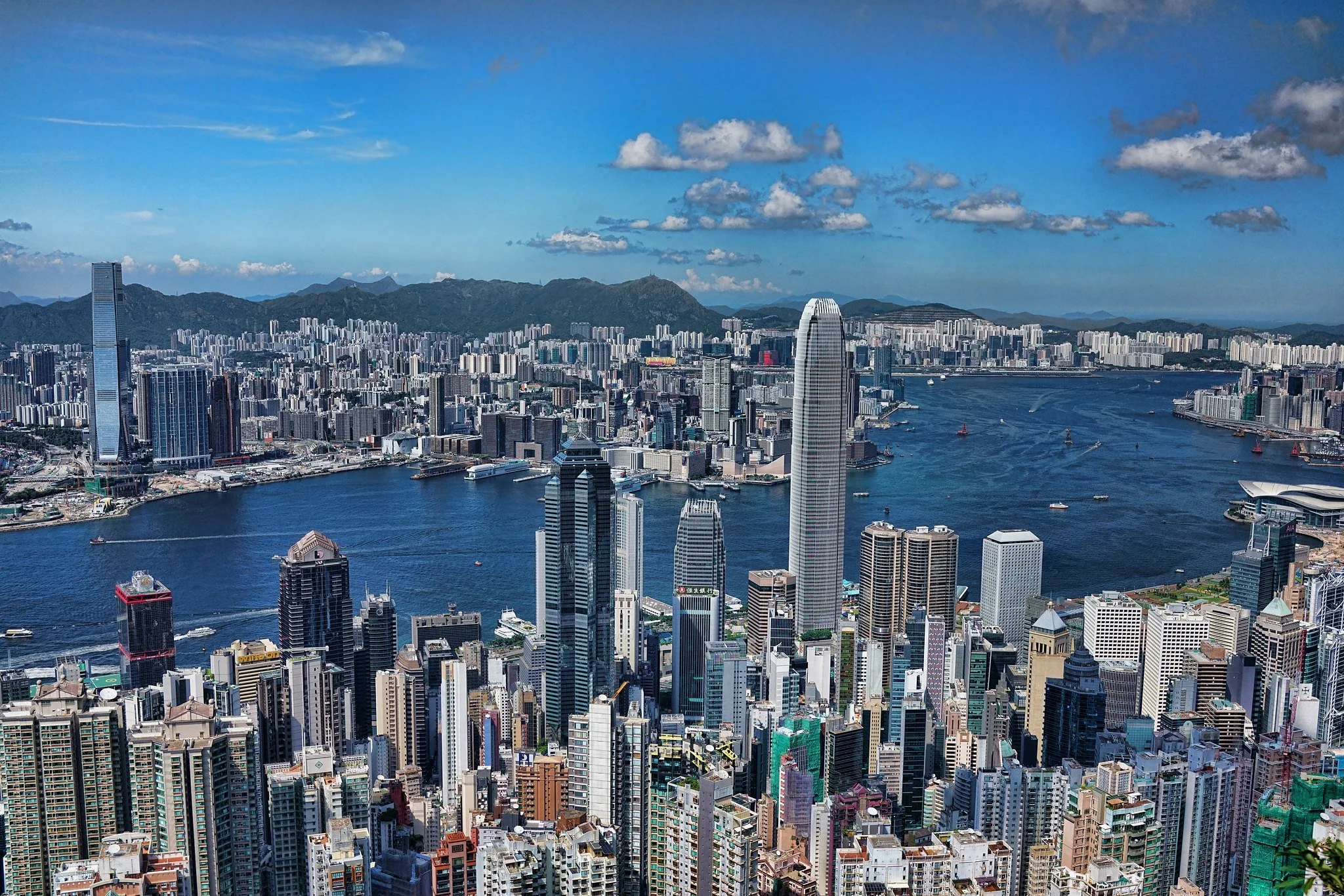
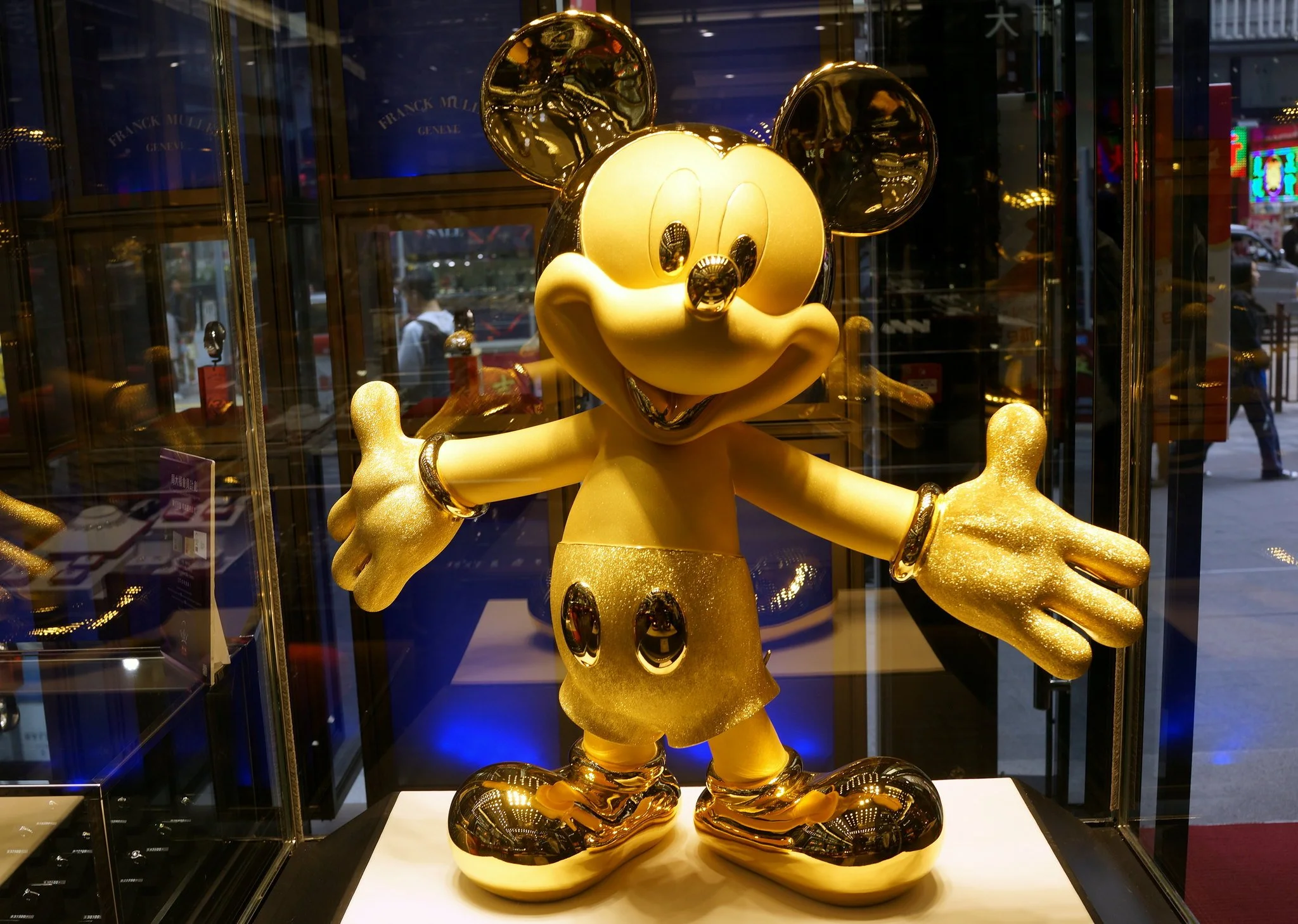
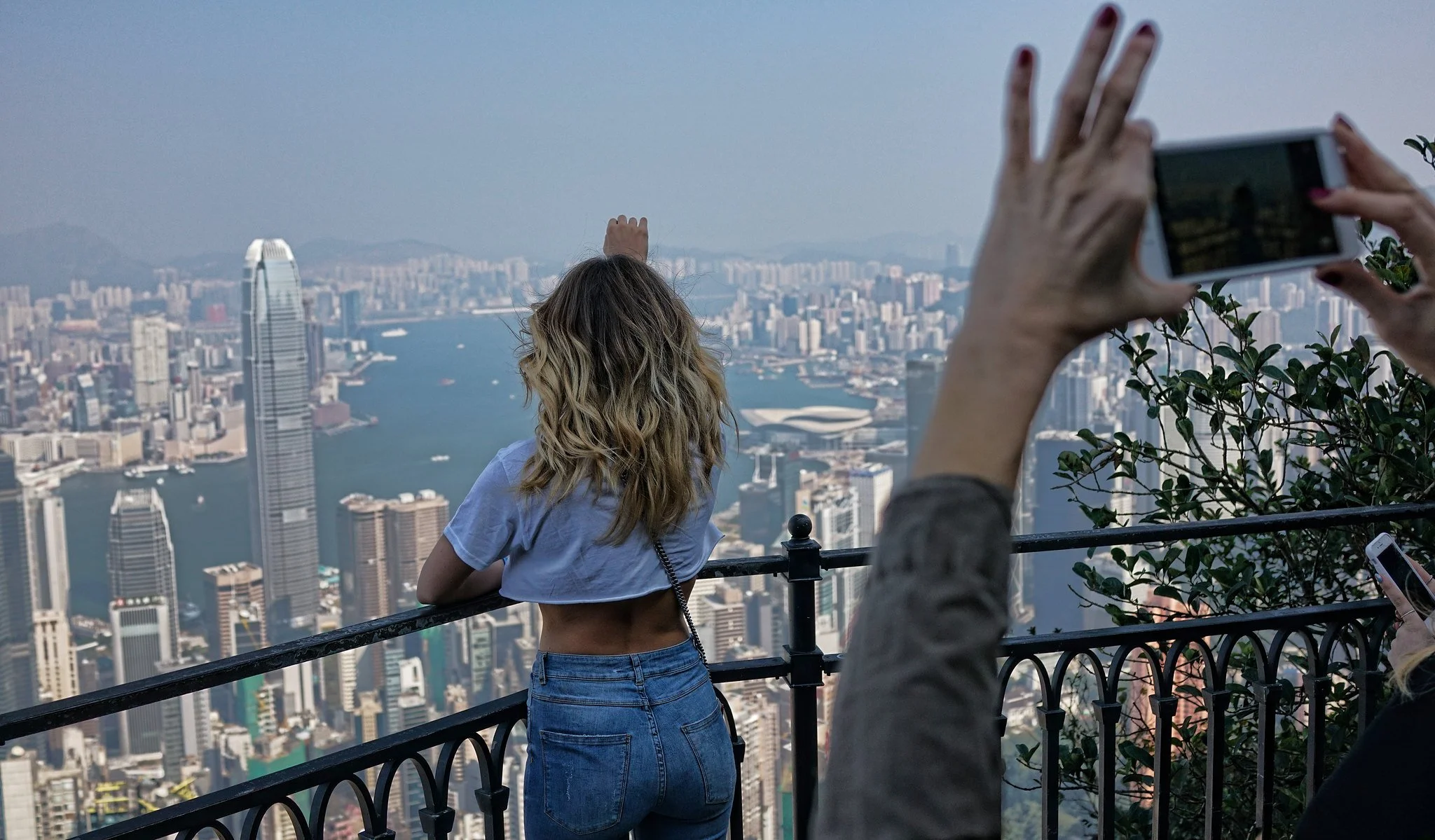
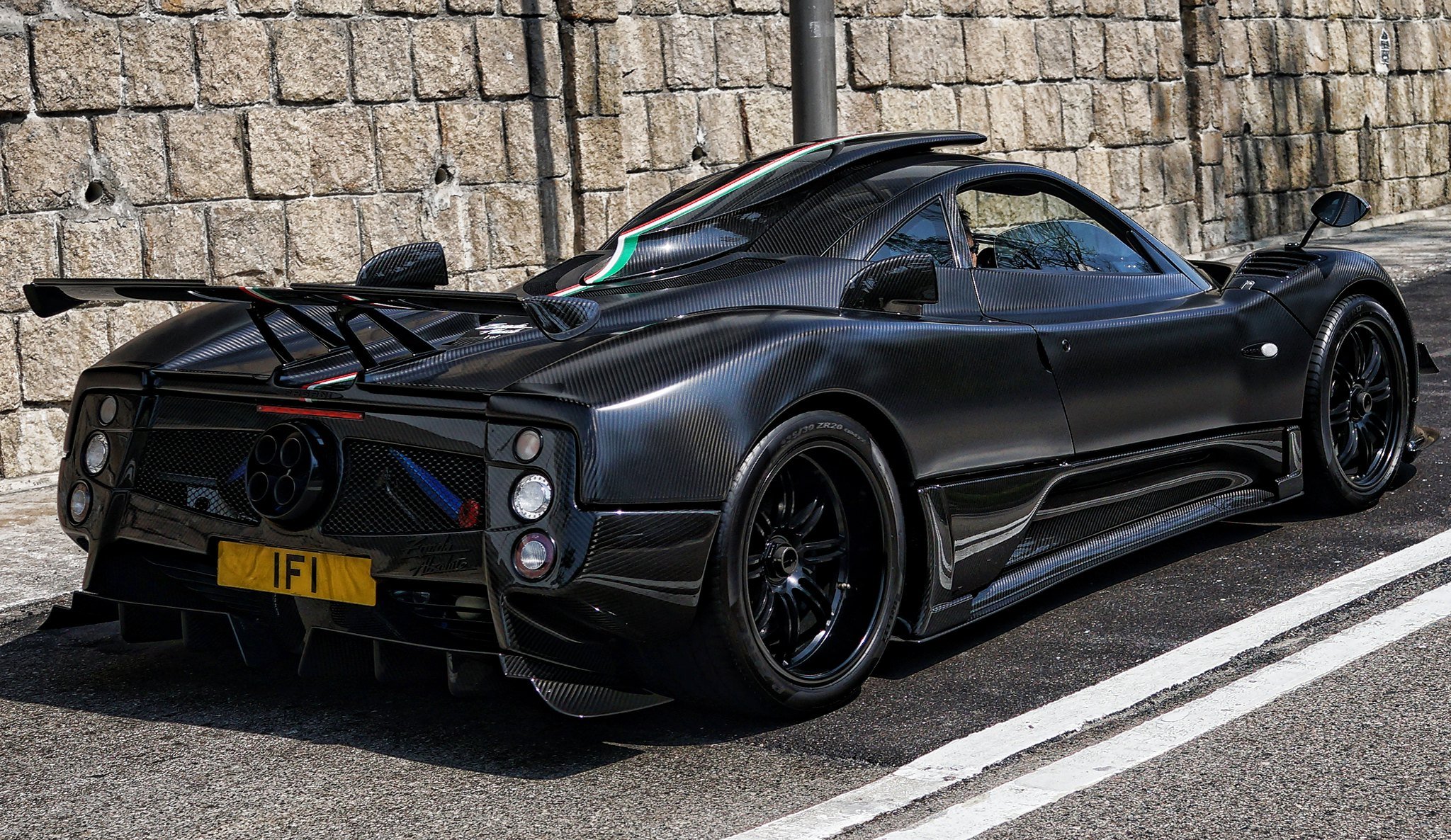
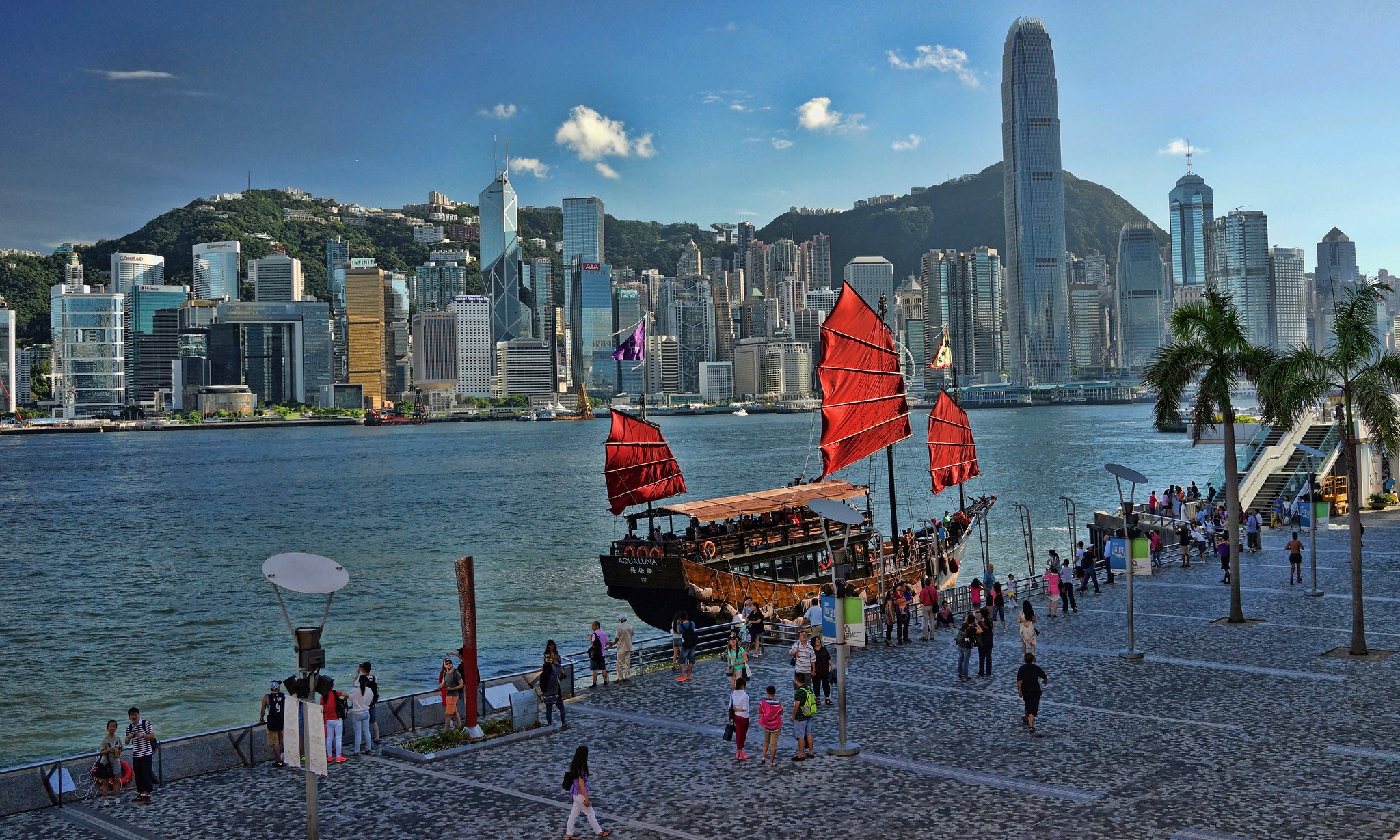
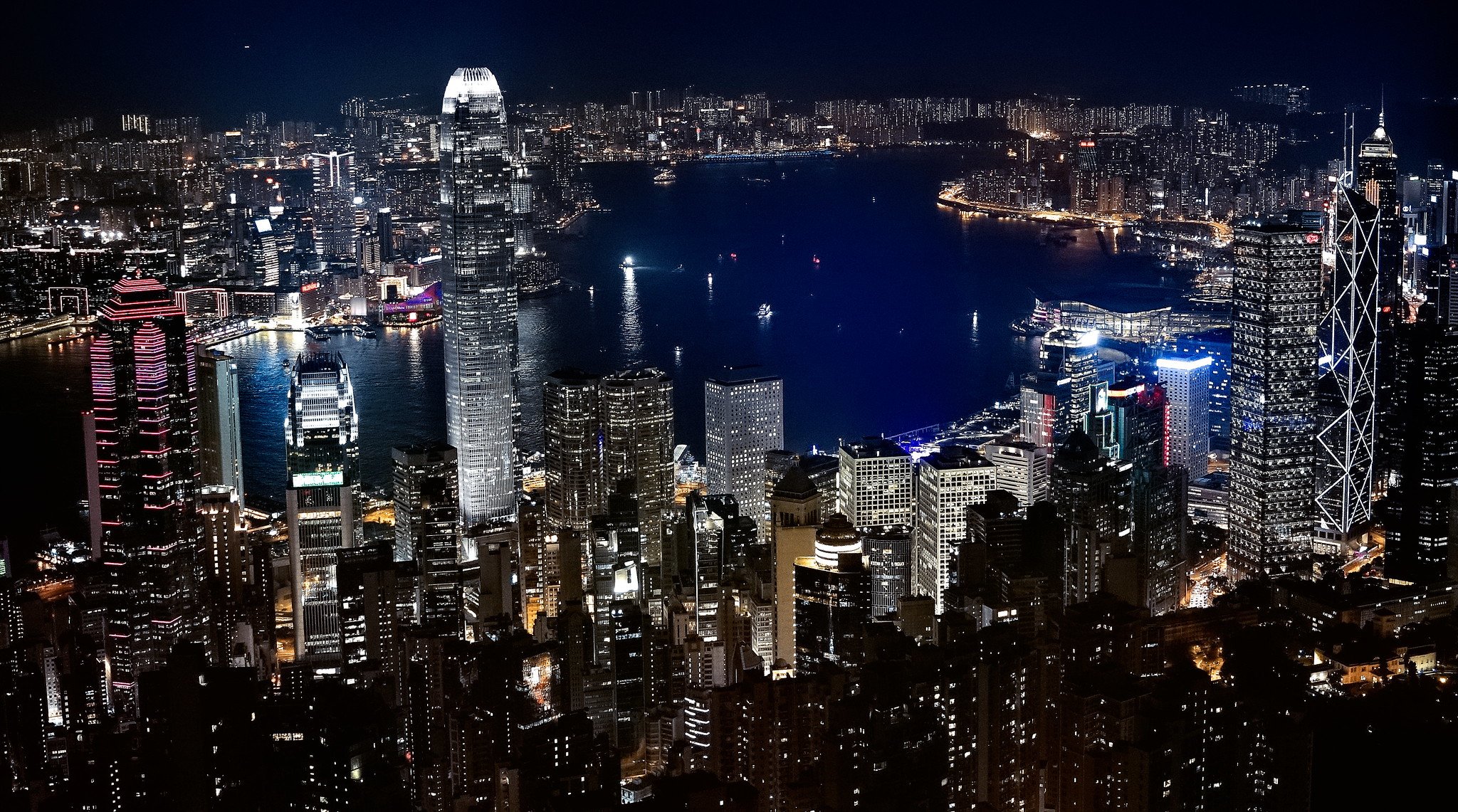
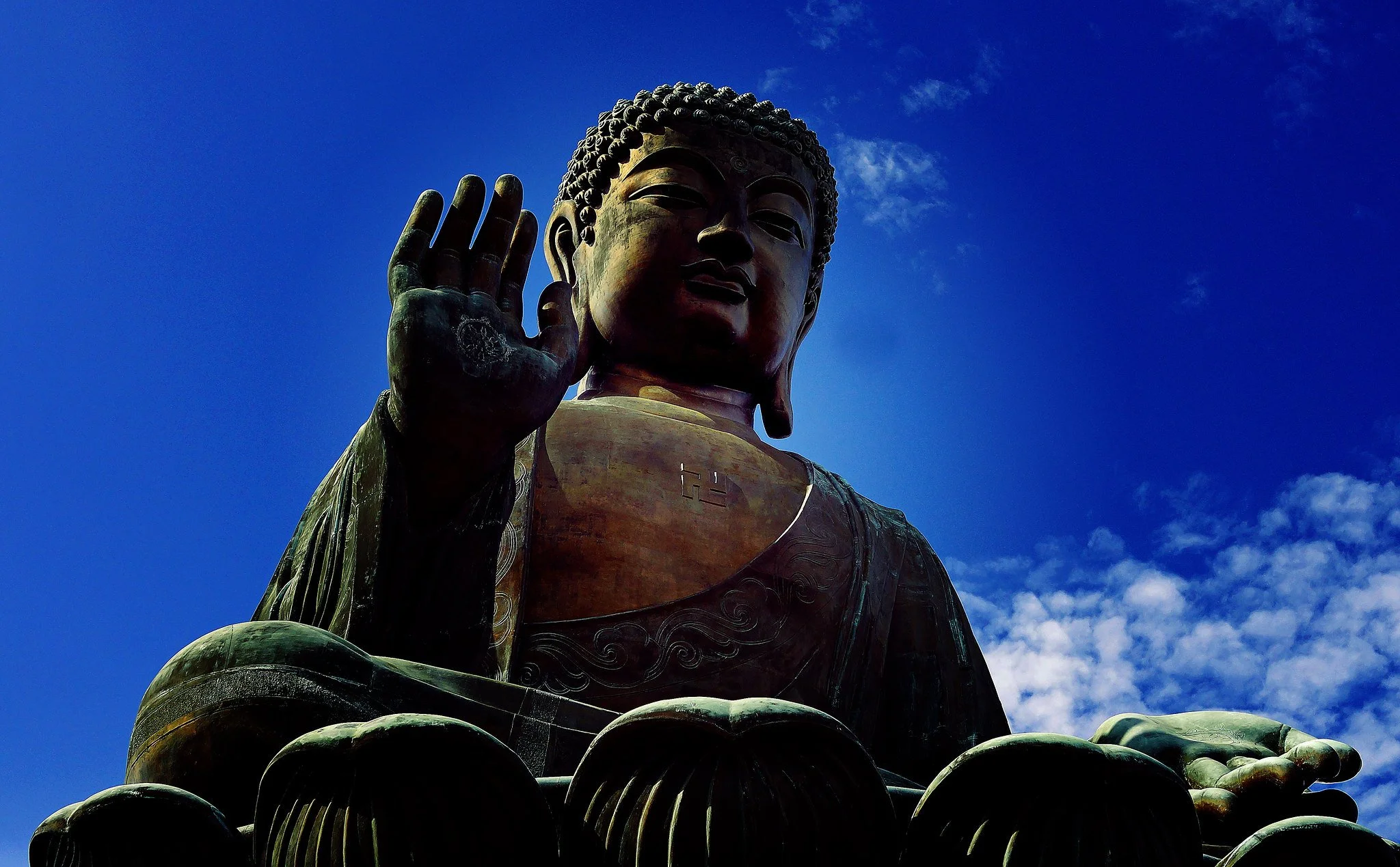
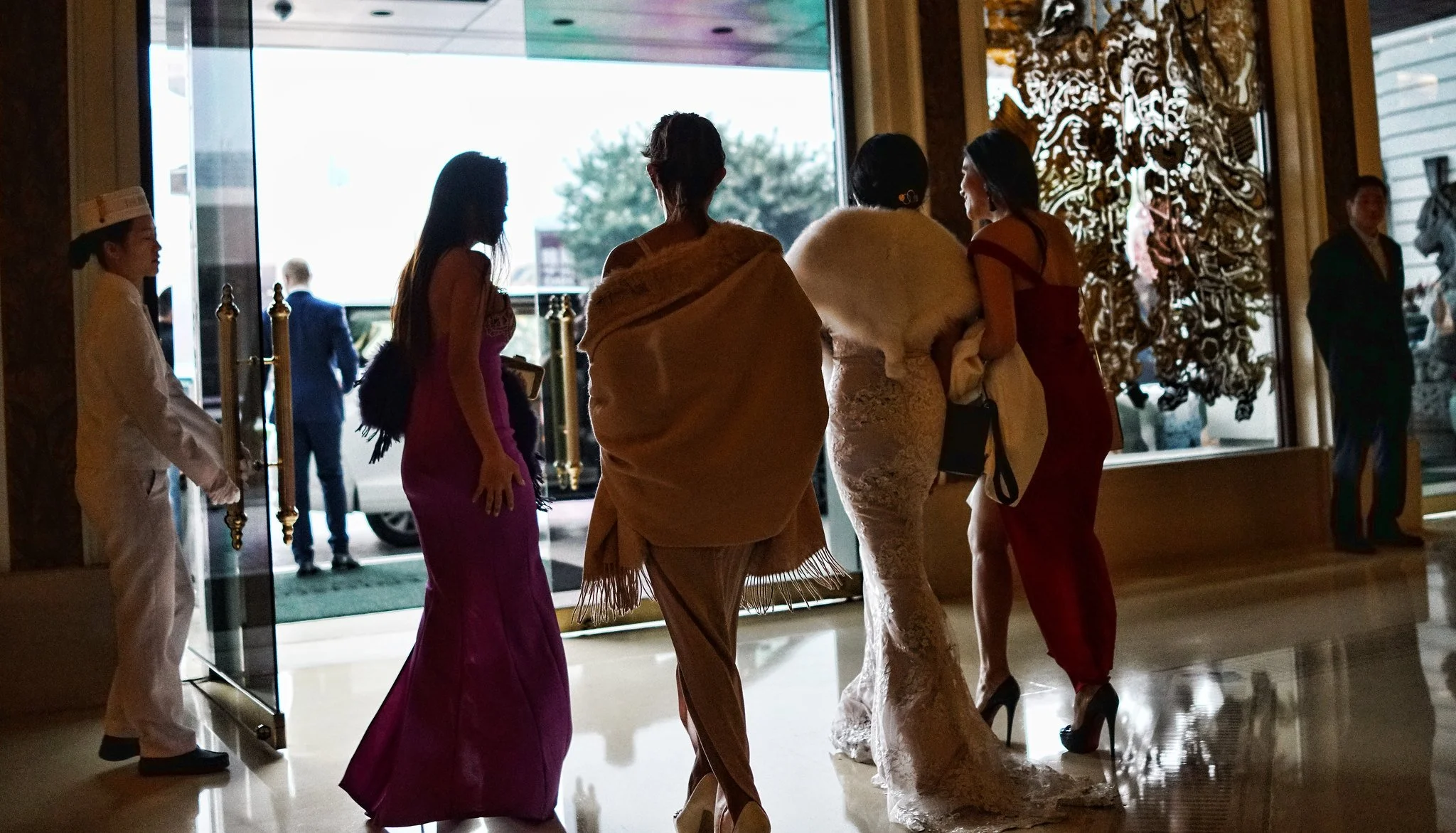
click on any image to enlarge
© Copyright Acknowledged | All rights reserved | all images taken b Jamie
Jamie’s Hong Kong | Some of my favourite images | Hong Kong 101
© Jamie Lloyd | J3 Consultants Hong Kong | J3 Private Tours Hong Kong |
| 2010 - 2026 All rights reserved. |
Click on any image to enlarge to full screen
Current images from my Instagram feed