Then and Now Hong Kong - The Hong Kong Club in Central Hong Kong
The oldest & most famous Private Club in Hong Kong est 1846

The J3 Group - Premium Quality Private Tours | Experiences and Insider Chats since 2010
Me Jamie, your host, I am English and I have lived in Hong Kong since January 2nd 1972 - I know the place.
A meaningful blog post with a difference - tips on Travel, Tourism, Tours, Daily Life and my personal thoughts on Hong Kong.
Please do visit Amazing Hong Kong
Hong Kong | Pearl of the Orient
Customised Private Tours + Experiences in Amazing Hong Kong
Jamie has lived in Hong Kong - Pearl of the Orient for 50+ years
Carefully Crafted Personalised and Customised Itineraries by Jamie | Hong Kong’s Most Experienced Private Tour Guide for : Solo Travellers Friends Families Seniors Couples Business People MICE Delegates.
Private Tours Cultural Tours Walking Tours Sightseeing Tours City Tours Night Tours Layover Tours Transit Tours Private Shore Excursions Bespoke Tours Personalised Tours Jewish Heritage Tours Luxury Private Tours Day Tours Luxury Boat Tours Themed Tours Private Family Tours Private Day Tours Corporate Tours
Just you, your family or friends and Jamie your personal English private tour guide - over 2,400+ tours completed since 2011 - Jamie offers quality Private Tours of Hong Kong
Tour Group Size 1 - 6 people only
J3 Group Hong Kong | J3 Consultants Hong Kong | J3 Private Tours Hong Kong
Creating Memories That Will Last A Lifetime
Go here for the Hong Kong Michelin Restaurant Guide which includes the Bib Gourmand Category

Then and Now Hong Kong - The Hong Kong Club in Central
The oldest and most famous Private Club in HK est 1846
click on the image to enlarge
© Copyright Acknowledged | All rights reserved.
The Hong Kong Club 2nd Generation | Central District | Hong Kong - 1973 or 1974
Foreword
My old man was a senior Engineer with the Hong Kong Telephone Company and because of his connections I got as far as the lobby in 1972, my old man even then was fairly prominent in the Freemasons and those connections are like gold, they get you into all sorts of places that lesser mortals can onlyy dream of.
I have been in the Hong Kong Club (the 3rd generation) just once and for less than 30 minutes, a quicl in and out meeting
To be honest the Hong Kong Club has never appealed to me, I am much more at home in places like the Kowloon Cricket Club (another revered Hong Kong institution) which are more down to earth but I absolutely understand that places like the Hong Kong Club have a major role to play in Hong Kong Society and I have no doubts whatsoever that a lot of important decisions have been made in the Hong Kong Club since 1846
Actually behind the Hong Kong Club was the Cable and Wireless Building (the parent company then of the Hong Kong Telephone Company) and my father spent a lot of time in there as well
I must admit I love the old building as shown above and despite being a protected building, that did not save it (had the building been owned by the Hong Kong Government it would still be there) - such is Hong Kong.
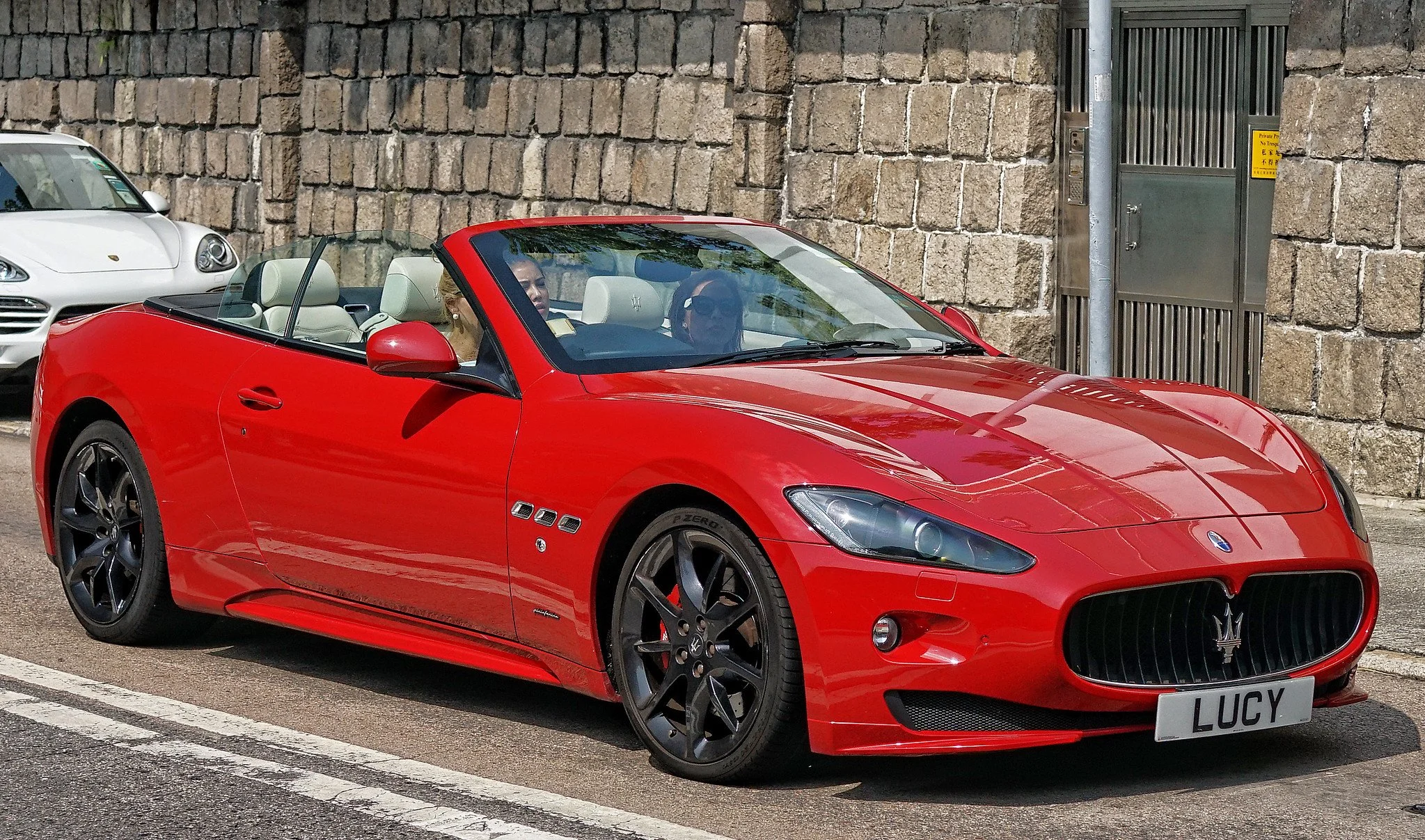
I quite often stand very close to the Hong Kong Club Building as it is a jolly good spot to photograph cars and between 12pm - 2pm there is a non stop procession of older white males in expensive suits and carrying briefcases that amble over to the club for a spot of lunch and a sherry and yes it probably still is one of the ultimate perks - to get membership to the Hong Kong Club.
One of the best things about doing research is things pop up that jpg your memory and sometimes you learn something, I did not know that Hong Kong Land (one of the largest landlords in the Central Business District) was the company behind the 3rd generation building below, I have a deep family connection to Hong Kong Land.
The club has a long and interesting history so read on and if a member invites you, dust off your best clothes and enjoy a really interesting experience.


click on the image to enlarge
© Copyright - my own images | All rights reserved.
The Hong Kong Club 3rd Generation | Central District | Hong Kong - 2025
The Hong Kong Club - Central District Hong Kong
Historic Timeline of the Hong Kong Club
The Hong Kong Club, located on Jackson Road in Central District, Hong Kong, is one of the city's oldest and most exclusive private members' clubs. Below is a chronological timeline of its history, incorporating details on the original and replacement buildings, construction timelines, costs (where available), architects, purpose, notable members, membership restrictions, interesting stories, and amenities in the current building. Information is drawn from historical records, with a focus on key milestones.
1846: Founding of the Club
The Hong Kong Club was established on 26 May 1846 by British merchants and civil servants as the first gentlemen's club in Hong Kong. Its primary purpose was to foster a "greater community of feeling" among elite classes, serving as a private business, dining, and social venue for influential figures such as heads of major trading firms ("hongs"), government officials, and professionals in law and accounting. It was often referred to simply as "The Club" due to its prominence and was seen as the seat of real power in colonial Hong Kong, where governors and senior civil servants discussed matters with business elites.
Notable Members: Early members included the original eight founders, who were heads of large "hongs." Over time, membership comprised senior government officials, top businessmen, and professionals. No specific individual names are prominently recorded in historical sources, but the club hosted governors and colonial elites.
Membership Restrictions: From inception, membership was strictly limited to British merchants and civil servants; women and individuals of "unsuitable background" (including non-Europeans) were banned.
This exclusivity persisted, with the club remaining predominantly European until the late 1970s.
Interesting Story: The club's early premises were on Queen's Road Central, facing the Post Office, with a stipulation that the property could not be sold while any founders lived, underscoring its initial exclusivity among a small group.
1846: Construction of the Original (First-Generation) Building
The first clubhouse was built in 1846 on Queen's Road Central at the junction with D'Aguilar Street. It was a three-storey structure in classic architectural style.
Architect: Mr. S. Strachan.
Cost: £15,000, financed through the issuance of £100 shares.This building served as the club's home until 1897, providing basic social and dining facilities.
1877: Intrusion Incident
Interesting Story: A British soldier, enraged by the privileges of the official and merchant classes, ed the club with a sword. He swung at lamps and chandeliers while menacing members, shouting "You're one of them," highlighting tensions over colonial elitism.
1886: Property Transition
The original Queen's Road property was disposed of by the last two surviving founders and rented to a new Members' Club, marking a shift toward expansion.
1895–1897: Construction of the Second-Generation (Old Historic) Building
The club acquired a new sea-front site on Jackson Road as part of Sir Paul Chater's Central Praya reclamation scheme. A 999-year lease was granted in 1895 with an annual rent of $324. The main building, a three-storey Renaissance-style structure, was completed and occupied in July 1897. It featured electric lights, fans, lifts, spacious dining and bar areas, a bowling alley, nine billiard tables, reading and general rooms, and accommodations for 34 guests (some let to members monthly, others for visitors).
Architects: Palmer & Turner (the architectural firm).
Cost: Not specified in historical records.
An annexe was added in 1903, connected by a covered walkway, to accommodate growing membership.
1925–1930: Proposal for Abolition
Interesting Story: Governor Sir Cecil Clementi suggested abolishing the club and replacing it with one open to all races, criticizing its exclusivity as detrimental to colonial harmony.
Late 1970s: Financial Difficulties and Membership Changes
The club faced deficits (e.g., HK$200,000 in 1978 despite investment income), leading to accusations of poor management. Membership began opening to non-Europeans in the late 1970s, though only a few Chinese members were admitted by the early 1980s.
1981: Demolition of the Second-Generation Building and Failed Wind-Up Attempt
Despite being declared a monument by the Antiquities Advisory Board in 1980 for preservation, the historic building was demolished in June 1981. Reasons included claims of fire safety hazards and high renovation costs (estimated at HK$25 million). Members voted to accept a redevelopment offer from Hongkong Land, which covered all demolition and rebuilding costs in exchange for 25 years of rental income from the upper office floors.
Interesting Story: In May 1981, a group of members called an emergency meeting to wind up the club and distribute its assets, but the motion was rejected by a 451–147 vote. The demolition was controversial, as it prioritized financial gains over heritage, with the new building providing rent-free club facilities in perpetuity on lower floors.
1981–1984: Construction of the Third-Generation (New Replacement) Building
he current 21-storey modern building was constructed starting in 1981 and opened in 1984. The club occupies eight floors, with the rest leased as offices. From 2009, the club gained full ownership and began collecting all rental revenues (estimated at HK$100 million annually). A refurbishment in 2011 added modern features, including a fitness center and members' cafe by mid-2021.
Architect: Harry Seidler.
Cost: Not directly specified, but fully shouldered by Hongkong Land as part of the redevelopment deal.
1996: Opening to Women
Membership Restrictions Update: Certain premises remained off-limits to women until the Sex Discrimination Ordinance in 1996, after which membership was opened to women.
2007–Present: Modern Era
Membership stands at around 1,550 resident members (70% expatriates as of 2007), admitted only by invitation and ballot. Reciprocal club members and temporary visitors (proposed by members) can use facilities for up to 30 days annually. In 2015, the Hong Kong Club Foundation was established for charitable purposes, donating over HK$50 million to date. The club published a history book, "Kindred Spirits," in 2016.
Amenities in the New Club: The current building offers a range of exclusive facilities for members, including spacious dining rooms and bars, a billiard room with multiple tables, a bowling alley, a card room, a modernized library with around 19,000 items (books, CDs, DVDs), reading and general lounges, guest accommodations, a fitness center, and a members' cafe. These amenities support social, recreational, and business activities in a luxurious, colonial-inspired setting.
So there you go
My insider tip
Please note that in general if you book a tour on Viator or Tripadvisor you generally have NO control over what guide will lead your Private Tour of Hong Kong and this is the most important component of the tour. I urge you to check the actual company website and book via their website and do not forget to read Tripadvisor reviews as well.
© Jamie Lloyd | J3 Consultants Hong Kong | J3 Private Tours Hong Kong |
| 2010 - 2025 All rights reserved. |
Click on any image to enlarge to full screen
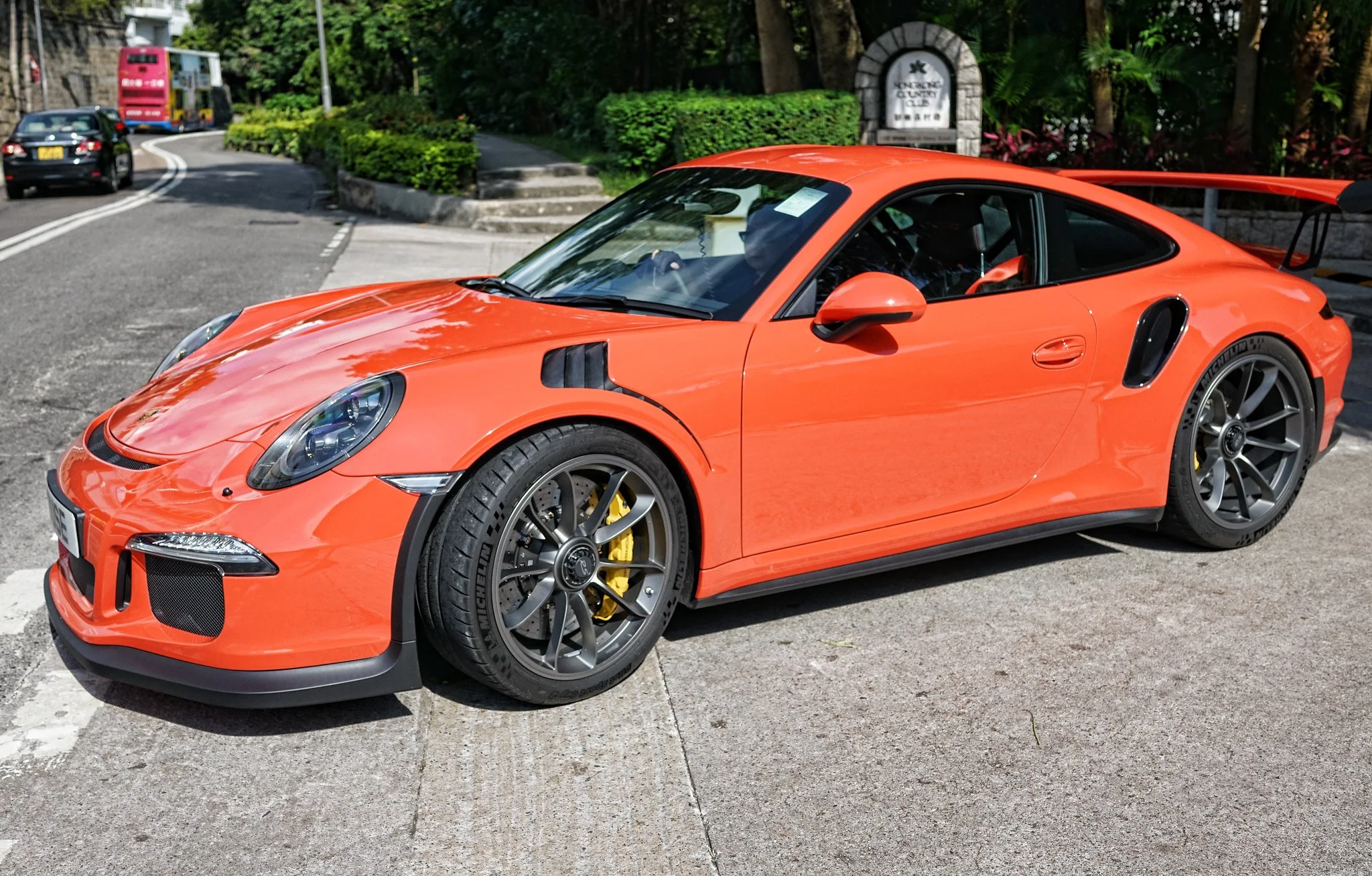
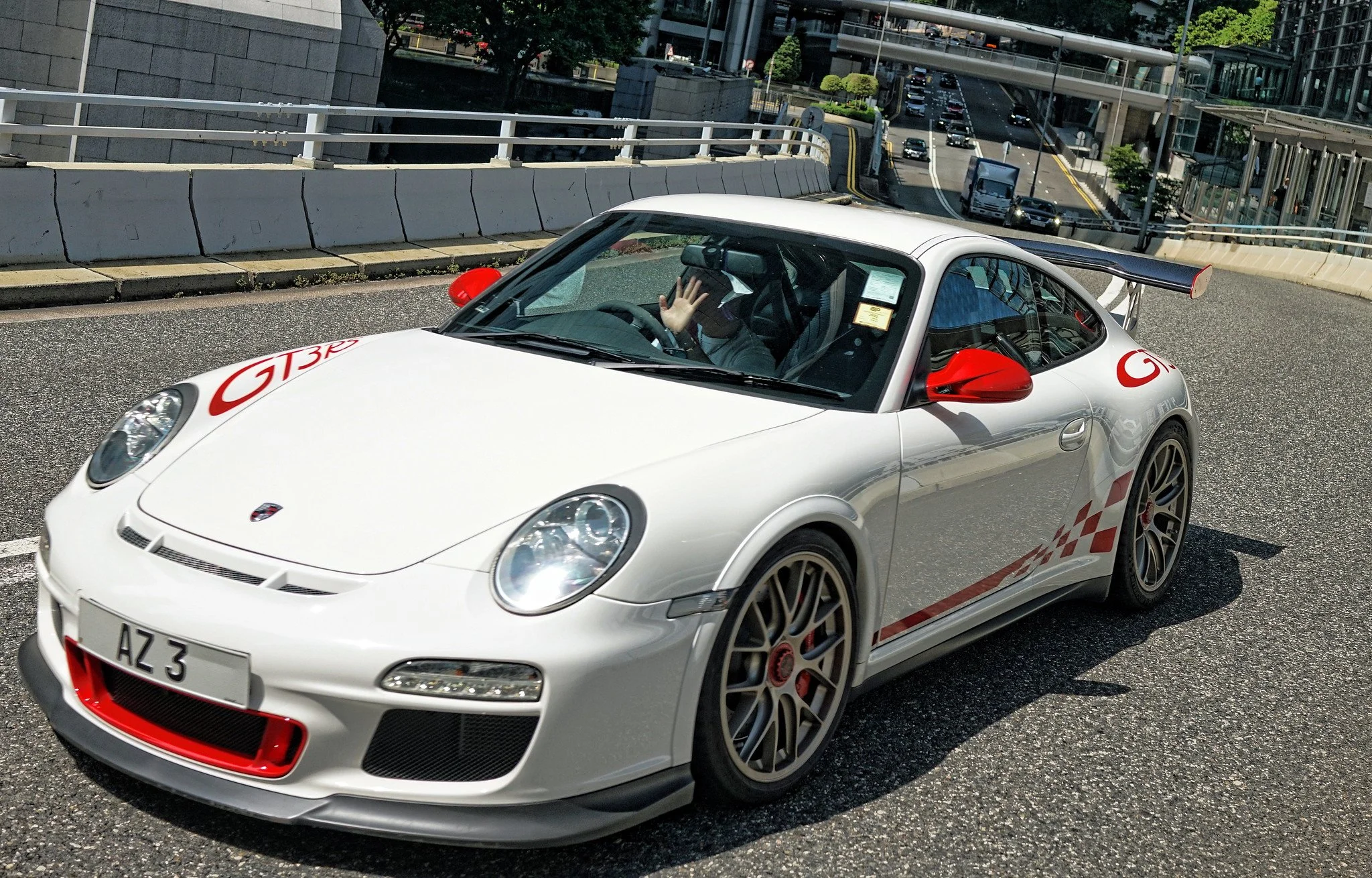
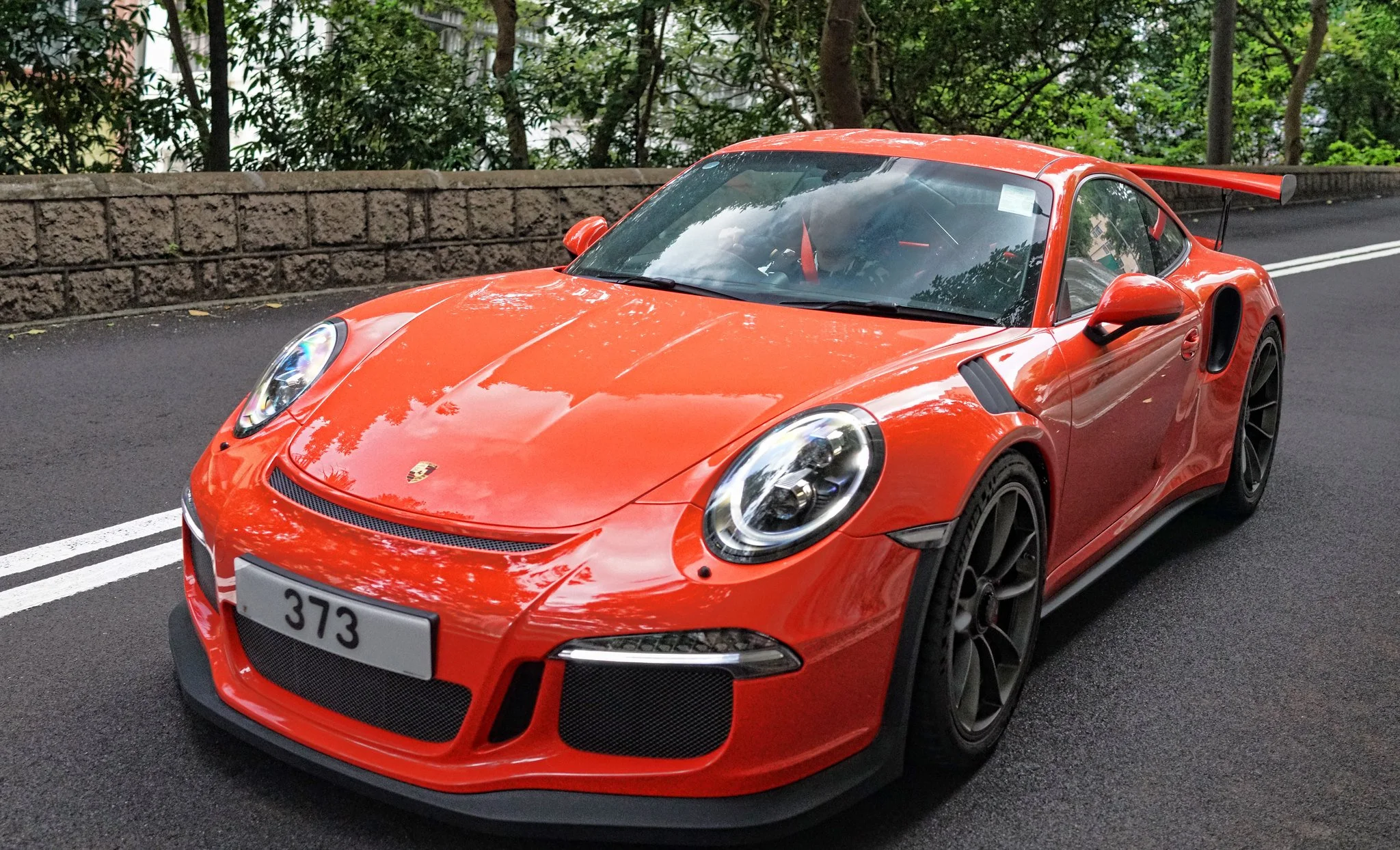
Current images from my Instagram feed