Then and Now in Hong Kong - HSBC Lions in 1941 Hong Kong
The complete history of the HSBC Bronze Lions Hong Kong

The J3 Group - Premium Quality Private Tours | Experiences and Insider Chats since 2010
Me Jamie, your host, I am English and I have lived in Hong Kong since January 2nd 1972 - I know the place.
A meaningful blog post with a difference - tips on Travel, Tourism, Tours, Daily Life and my personal thoughts on Hong Kong.
Please do visit Amazing Hong Kong
Hong Kong | Pearl of the Orient
Customised Private Tours + Experiences in Amazing Hong Kong
Jamie has lived in Hong Kong - Pearl of the Orient for 50+ years
Carefully Crafted Personalised and Customised Itineraries by Jamie | Hong Kong’s Most Experienced Private Tour Guide for : Solo Travellers Friends Families Seniors Couples Business People MICE Delegates.
Private Tours Cultural Tours Walking Tours Sightseeing Tours City Tours Night Tours Layover Tours Transit Tours Private Shore Excursions Bespoke Tours Personalised Tours Jewish Heritage Tours Luxury Private Tours Day Tours Luxury Boat Tours Themed Tours Private Family Tours Private Day Tours Corporate Tours
Just you, your family or friends and Jamie your personal English private tour guide - over 2,400+ tours completed since 2011 - Jamie offers quality Private Tours of Hong Kong
Tour Group Size 1 - 6 people only
J3 Group Hong Kong | J3 Consultants Hong Kong | J3 Private Tours Hong Kong
Creating Memories That Will Last A Lifetime
Go here for the Hong Kong Michelin Restaurant Guide which includes the Bib Gourmand Category

Then and Now in Hong Kong - HSBC Lions in 1941
The complete history of the HSBC Bronze Lions Hong Kong
click on the image to enlarge
The iconic HSBC bronze Lions Stephen and Stitt outside HSBC Headquarters in Hong Kong - 1941
As you may know I have recently started to use AI as a research tool, I am a typical writer and I get writers block when confronted with a blank screen, AI is proving very helpful in getting me the information I need and it saves me an awful lot of time which means I can pump out more blog posts!
The image above brings back a lot of memories of the younger version of me that arrived in early January 1972, it pretty much looked exactly the same in 1972 as it did in 1941 when this image was taken, the headquarters in the image was replaced in 1985 but I went into the old building many times as a young person.
I wrote a blog post in 2024 basically just showing images of the bronze lions and touching on some history but 18 months later I have become somewhat more adept at research and enjoy reading about Hong Kong history and to this day when I do a private tour I try as hard as possible to include a quick visit to see the bronze lions at HSBC Headquarters, it is in a really easy location to get to and 30 yards away from Statue Square.
The enduring story which has had quite a few historians have written articles about is the mystery of the shrapnel marks on the angry lion (see image below) and it is absolutely correct that many misinformed tour guides say that the marks are bullet holes, they have no interest in putting in some time on proper research
Us top drawer Private Tour Guides, well we know a very notable and excellent historian called Jason Wordie in Hong Kong and he knows a fair bit about the history of the shrapnel marks.
Personally I have a three theories, once which is very plausible and one which is not and one which is possible but not likely on how the shrapnel hit the angry lion and part of the mystery and history is that there is simply no definitive answer
not so plausible theory and please refer to the 1941 image above, well some Japanese soldiers could have lobbed some grenades and the shrapnel rebounded off the granite wall and hit the lion or maybe that shrapnel from a shell did the same thing, I am not an expert on ballistics or damage caused by grenades and shells when they explode, it is set in stone (no pun intended) that the building was hit by 13 shells (no confirmation on any grenades being thrown) I guess strange things happen when shells and grenades explode and who can predict what shrapnel does
I actually think that the plausible theory is the 2 lions where transposed at some stage and angry lion was located where the calm lion is and vice versa, plausible but we know that cranes are needed to lift the lions and how likely was that in pre war or wartime Hong Kong? in the space of a few days unless the Bank was hoping to remove them and relocate them in a warehouse somewhere (or a wooden shed)
So my slightly wacky theory is the timeline of the damage, we know that Japanese Forces took the Lions + a bunch of other statues and they ended up in Japan, is it not conceivable that Japanese military cranes hoisted the lions off their base, put them on the ground and maybe a shell, mortar round or a hand grenade was lobbed by allied forces or even “resistance forces” before the actual surrender and went off damaging the lion? Hong Kong was surrendered to the Japanese on December 25th 1941 after 18 days of fierce fighting, the damage could have happened at anytime during that 18 day window, I have never seen any stories on how much damage the bank headquarters sustained
I guess we may never know
click on the image to enlarge
The complete history and story of the HSBC Bronze Lions in Hong Kong and key information on how they got shrapnel damage during the 2nd World War occupation of Hong Kong
The HSBC bronze lions, named Stephen and Stitt, are iconic symbols of The Hongkong and Shanghai Banking Corporation (HSBC) and have stood guard at the bank’s headquarters in Hong Kong since 1935. Their history is intertwined with the cultural, historical, and wartime events of the region, including their notable shrapnel damage from World War II. Below is a comprehensive account of their origins, significance, wartime experiences, and the story of their shrapnel damage
Origins and Creation (1923–1935)
The story of the HSBC lions begins with the Shanghai branch of the bank. In 1921, Alexander Stephen, the Chief Manager of HSBC’s Shanghai office, was inspired by the imposing stone lions outside the Venetian Arsenal in Italy. He commissioned a pair of bronze lions for the new HSBC building on the Bund in Shanghai, which opened in 1923. These lions, designed by Henry Poole RA and cast by J W Singer & Sons in Frome, England, became local landmarks, with passersby stroking them for luck and prosperity. They were nicknamed Stephen (roaring) and Stitt (quiescent) after Alexander Stephen and Gordon H. Stitt, the Shanghai branch manager.
Inspired by the Shanghai lions’ success, HSBC commissioned a second pair for its new Hong Kong headquarters at 1 Queen’s Road Central, opened in 1935. These lions were designed by Shanghai-based British sculptor W.W. Wagstaff, who was nicknamed “Lao Doo Pei” (Old Hunchback) due to his physical appearance.
Wagstaff worked with foreman Chou Yin Hsiang of Shanghai Arts and Crafts to cast the lions, which were modeled on but not identical to the Shanghai originals. The Hong Kong lions, also named Stephen (roaring, on the left) and Stitt (calm, on the right), were crafted in segments over two years and became symbols of strength, stability, and good feng shui for the bank.The lions were placed at the Des Voeux Road entrance, facing outward, and quickly became objects of veneration. Locals and visitors rubbed their paws and noses for luck, a tradition that continues today. The lions’ placement adhered to feng shui principles, enhancing the bank’s perceived prosperity.
World War II and the Japanese Occupation (1941–1945)
The HSBC lions’ most dramatic chapter occurred during the Japanese occupation of Hong Kong (December 1941–August 1945), particularly during the Battle of Hong Kong (December 8–25, 1941). This period left the lions with their distinctive shrapnel scars and nearly resulted in their destruction.
Shrapnel Damage During the Battle of Hong Kong
The Battle of Hong Kong began on December 8, 1941, when Japanese forces invaded the British Crown colony, coinciding with the attack on Pearl Harbor. The battle was marked by intense fighting, including heavy shelling and bombing of Hong Kong Island, where the HSBC headquarters was located in Central. The HSBC building itself was targeted, receiving 13 direct hits on a single day, as staff and families sought refuge within its fortress-like structure.
click on the image to enlarge
HSBC Lions in Hong Kong - shrapnel damage
During this bombardment, the lion named Stephen sustained visible shrapnel damage, particularly on its left hindquarters and back. The damage is characterized by jagged holes, with one source noting a shell fragment that became “white hot” and welded itself to Stephen’s base. These marks are often mistakenly described by tour guides as bullet holes, but historians, such as Jason Wordie in a 2016 article, clarify that they resulted from shelling during the Japanese invasion in December 1941.
A point of curiosity, raised by Andrew Suddaby on Gwulo.com, questions why the shrapnel damage appears on the lions’ sides facing the bank, which would have been relatively protected, rather than their outward-facing sides toward the harbor, where Japanese shelling from Kowloon or naval forces might have originated. One theory suggests the lions may have been repositioned or rotated during or after the battle, though no definitive evidence confirms this. The exact circumstances of the damage remain uncertain, as HSBC’s archives have not provided conclusive details.
click on the image to enlarge
HSBC Lions in Hong Kong June 2025 - location, same as 1941
Removal by Japanese Forces
Following Hong Kong’s surrender on December 25, 1941, the Japanese occupied the city for three years and eight months. During this period, the HSBC building served as the Japanese military headquarters. The bronze lions, valuable for their metal content, were seized by the Japanese and shipped to Osaka, Japan, with the intent to melt them down for scrap to support the war effort.
Fortunately, the lions were spared. In 1945, an American sailor in Osaka recognized them, noting their similarity to the Shanghai HSBC lions he had seen previously. He alerted HSBC, and the bank, with assistance from General Douglas MacArthur, Supreme Commander of the Allied forces in Japan, secured their return. The lions were shipped back to Hong Kong and restored to their original positions outside the HSBC headquarters in October 1946.The shrapnel scars on Stephen were not repaired, preserving them as “war wounds” that symbolize the lions’ resilience and Hong Kong’s survival through the conflict. Some sources speculate that additional damage could have occurred during their transport to Japan, but this remains an unverified urban legend, with most evidence pointing to the 1941 shelling as the primary cause.
Post-War History and Cultural Significance (1946–Present)
Upon their return in 1946, Stephen and Stitt resumed their role as guardians of the HSBC headquarters. They have only been removed twice since 1935: during the Japanese occupation and in the early 1980s during the demolition of the 1935 headquarters and construction of the new Norman Foster-designed building (completed in 1985). During this relocation, the lions were temporarily placed in Statue Square on June 4, 1982, under the supervision of a feng shui master to ensure proper placement. They were reinstalled at the new headquarters on June 1, 1985, lifted simultaneously by two cranes to avoid favoring one lion over the other.
The lions have since become enduring symbols of HSBC and Hong Kong, appearing on banknotes and inspiring replicas worldwide. In 2002, copies of the Hong Kong lions were commissioned for HSBC’s global headquarters in London’s Canary Wharf, cast by Bronze Age Foundry in Limehouse under sculptor Mark Kennedy. Notably, Kennedy was instructed not to replicate the shrapnel scars, as they were considered historical battle marks unique to the Hong Kong originals. Additional replicas were made for HSBC’s Shanghai IFC building (2010), Birmingham (2018), and for HSBC’s 150th anniversary in Hong Kong (2015).
The lions have also faced modern challenges. In December 2019 and January 2020, during Hong Kong’s pro-democracy protests, they were vandalized with red and black paint, and Stitt was briefly set ablaze in response to HSBC’s freezing of an account linked to the protest-funding Spark Alliance. The damage was superficial, and the lions were covered for restoration by British conservation experts, marking their third absence from public view.In 2016, HSBC installed rainbow-painted replica lions at its Hong Kong headquarters to support LGBT rights, designed by artist Michael Lam under feng shui guidance. These were removed after shareholder objections but sparked significant public conversation.
Critical Analysis and Unanswered Questions
While the shrapnel damage is widely attributed to the 1941 Battle of Hong Kong, the lack of damage on the lions’ harbor-facing sides raises questions about the direction of the shelling or possible repositioning during the war. The absence of definitive records from HSBC’s archives, as noted in discussions on Gwulo.com, leaves room for speculation. The urban legend that damage occurred during transport to Japan lacks corroboration and seems less likely given the nature of the jagged holes, which align with shrapnel from explosive shells rather than transport-related impacts.
Additionally, the lions’ cultural significance as feng shui symbols and objects of public veneration highlights their role beyond mere decoration. Their survival through war, occupation, and modern protests underscores their status as resilient emblems of Hong Kong’s history.
Summary
The HSBC bronze lions, Stephen and Stitt, were commissioned in 1935 for the bank’s Hong Kong headquarters, inspired by the 1923 Shanghai lions. Crafted by W.W. Wagstaff, they symbolize strength and prosperity, enhanced by their feng shui placement. During the 1941 Battle of Hong Kong, Stephen sustained shrapnel damage from Japanese shelling, with scars still visible today.
The lions were seized by Japanese forces during the occupation and nearly melted down in Osaka but were saved by an American sailor and returned in 1946 under General MacArthur’s orders. They have since remained at the HSBC headquarters, except for a temporary relocation in the 1980s and a brief restoration period in 2020 after protest-related vandalism. Their shrapnel scars, preserved as historical marks, and their enduring presence make them iconic landmarks of Hong Kong’s resilience
My insider tip
Please note that in general if you book a tour on Viator or Tripadvisor you generally have NO control over what guide will lead your Private Tour of Hong Kong and this is the most important component of the tour. I urge you to check the actual company website and book via their website and do not forget to read Tripadvisor reviews as well.
© Jamie Lloyd | J3 Consultants Hong Kong | J3 Private Tours Hong Kong |
| 2010 - 2025 All rights reserved. |
Click on any image to enlarge to full screen
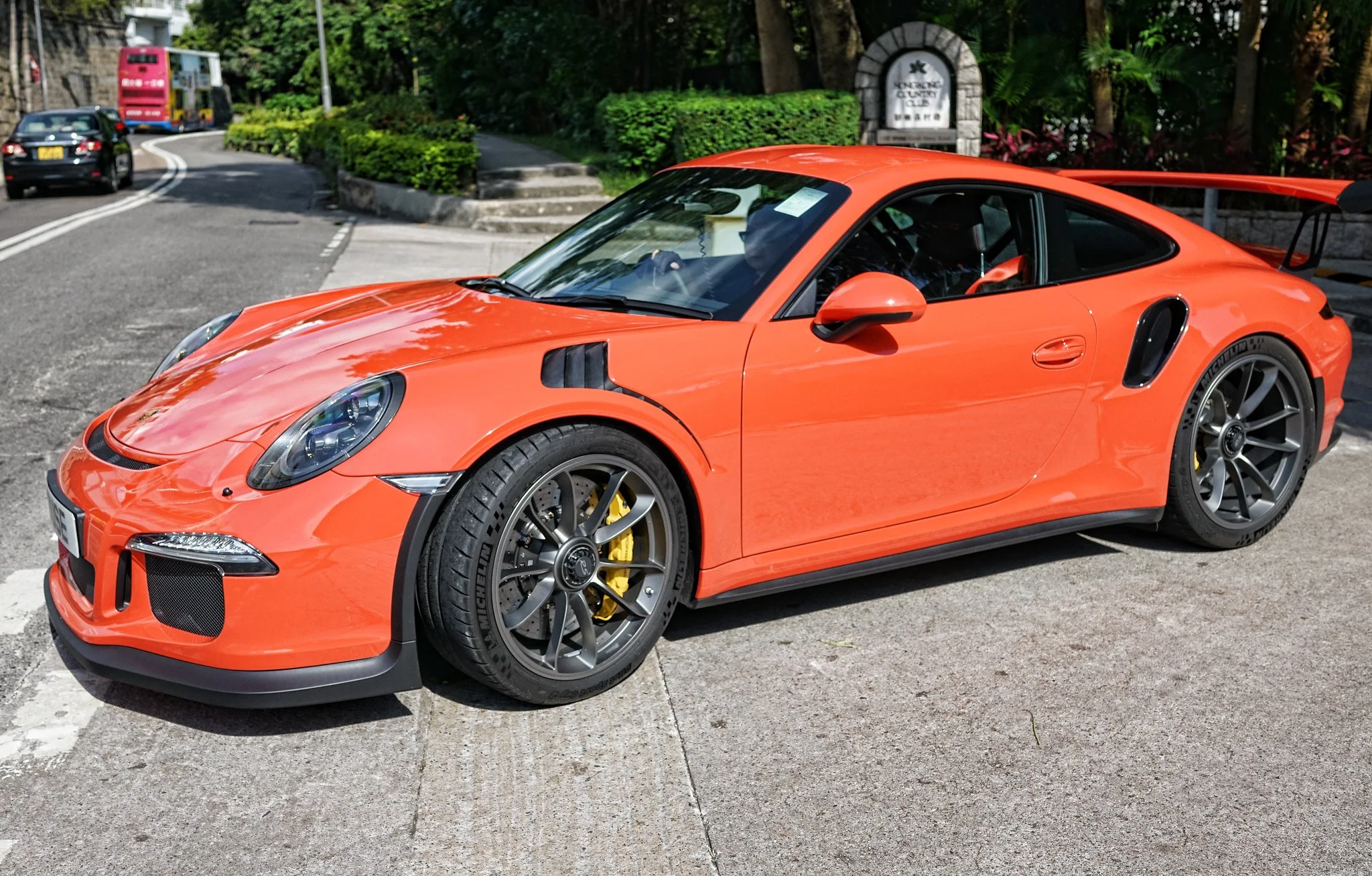
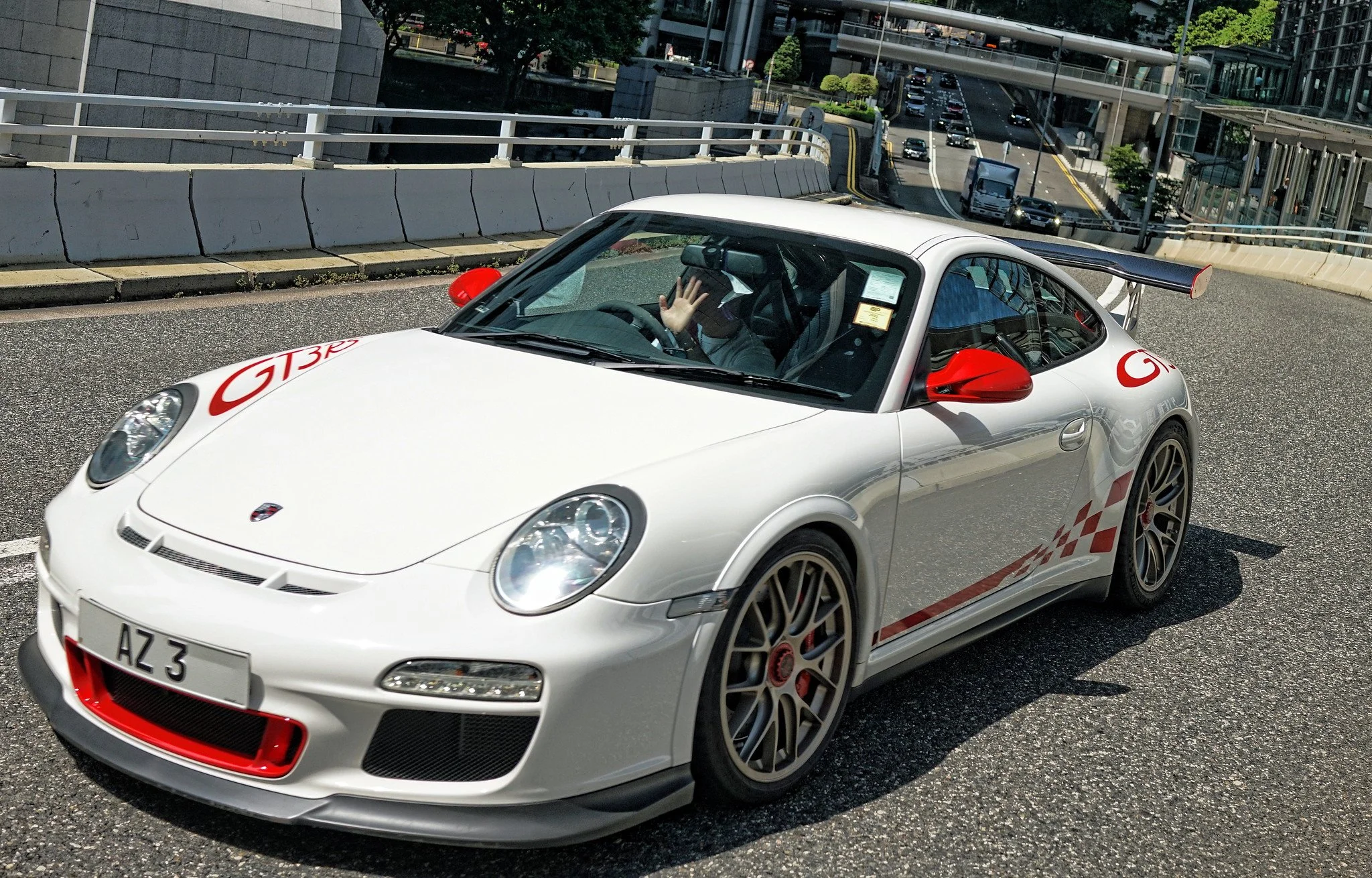
Current images from my Instagram feed