Then and Now Hong Kong - City Hall in Central District
Still one of the most iconic buildings (1962 version) in Hong Kong

The J3 Group - Premium Quality Private Tours | Experiences and Insider Chats since 2010
Me Jamie, your host, I am English and I have lived in Hong Kong since January 2nd 1972 - I know the place.
A meaningful blog post with a difference - tips on Travel, Tourism, Tours, Daily Life and my personal thoughts on Hong Kong.
Please do visit Amazing Hong Kong
Hong Kong | Pearl of the Orient
Customised Private Tours + Experiences in Amazing Hong Kong
Jamie has lived in Hong Kong - Pearl of the Orient for 50+ years
Carefully Crafted Personalised and Customised Itineraries by Jamie | Hong Kong’s Most Experienced Private Tour Guide for : Solo Travellers Friends Families Seniors Couples Business People MICE Delegates.
Private Tours Cultural Tours Walking Tours Sightseeing Tours City Tours Night Tours Layover Tours Transit Tours Private Shore Excursions Bespoke Tours Personalised Tours Jewish Heritage Tours Luxury Private Tours Day Tours Luxury Boat Tours Themed Tours Private Family Tours Private Day Tours Corporate Tours
Just you, your family or friends and Jamie your personal English private tour guide - over 2,400+ tours completed since 2011 - Jamie offers quality Private Tours of Hong Kong
Tour Group Size 1 - 6 people only
J3 Group Hong Kong | J3 Consultants Hong Kong | J3 Private Tours Hong Kong
Creating Memories That Will Last A Lifetime
Go here for the Hong Kong Michelin Restaurant Guide which includes the Bib Gourmand Category

Then and Now Hong Kong - City Hall in Central District
Still one of the most interesting buildings (1962 version) in HK
click on the image to enlarge
© Copyright Acknowledged | All rights reserved.
The Original City Hall | Central District | Hong Kong - 1870’s
Foreword
City Hall 1962 Central District Hong Kong
I have a soft spot for City Hall, when we arroved in Hong Kong in January 1972 within the first few weeks my parents enrolled us kids in the City Hall Library, yes an actual library with books! I spent many a Saturday in the library, it really was on the waterfront back then (next to the Star Ferry) and it was easy to get to.on the no. 13 bus from Kotewall Road where we lived.
Amazingly the no. 13 bus still operates and its first stop is City Hall.as it was when I was a kid
It is one of those buildings that stands out despite its very plain design, a small building surrounded by skyscrapers, it even has a lovely garden.
These days (and since 1980) I quite often pop into Maxim Palace a famous dim sum restaurant in City Hall, it is still one of my ffavourite Chinese Restaurants in Hong Kong
The one surprising thing about City Hall is that it is quite large complex with a number of buildings and a lovely garden which is a popular wedding venue (there is a marriage registry in City Hall)
The 1964 image below is one of my favourite images, City Hall really stood out in those days just over the road from the old Supreme Court Building and Statue Square and the Cenotaph war memorial
click on the image to enlarge
© Copyright Acknowledged | All rights reserved.
City Hall | Central District | Hong Kong - 1964
click on the image to enlarge
© Copyright - my own images | All rights reserved.
City Hall | Central District | Hong Kong - 2025
City Hall 1841 - 2025 Central District Hong Kong
Historical Timeline of Hong Kong City Hall
The history of City Hall in Hong Kong spans multiple iterations, reflecting the city's colonial and post-colonial development. Below is a chronological timeline incorporating the current 1962 complex, its predecessors, and key milestones:
1841–1860s: Following the establishment of the British Crown Colony of Hong Kong, the need for a civic center emerged in the City of Victoria (now Central). Initial public buildings were rudimentary.
1869: The first City Hall opened on 28 June, designed by French architect Achille-Antoine Hermitte in Renaissance Revival style. Funded partly by public subscriptions (cost: approximately HK$125,000), it served as a multipurpose cultural venue with a theatre, library, museum, and assembly rooms.
It was officially inaugurated by Prince Alfred, Duke of Edinburgh. Located along Des Voeux Road Central and Pedder Street, it occupied land now partially used by the HSBC headquarters and Bank of China Building.
1933: The first City Hall was demolished in stages (fully by 1947) to make way for banking developments, as the site was sold to private interests. No direct replacement was built immediately due to economic and wartime disruptions.
Late 1950s: A public campaign by the Sino-British Club advocated for a new civic center on reclaimed land near Edinburgh Place. This led to the design and planning of the current complex.
1960: Foundation stone laid on 25 February by Governor Sir Robert Brown Black.
962: The current City Hall complex officially opened on 2 March, also by Governor Black. Built at a cost of HK$20 million, it was designed in the International Style by British architects Ron Phillips and Alan Fitch (with initial input from Professor Gordon Brown of the University of Hong Kong and his team, including Patricia O'Reilly Mayne). Construction was handled by the Public Works Department and contractor Cheong Lee Construction. The site covers 10,000 square meters on reclaimed seafront land, approximately 200 meters from the original City Hall site.
1980s–1990s: Managed by the Urban Council (dissolved in 1999), it hosted cultural events and government functions.
2001: The main Central Library relocated from City Hall to a new building in Causeway Bay, but a branch library remains in the complex.
2009: Designated as a Grade I historic building for its architectural and cultural significance.
2022: Declared a monument under the Antiquities and Monuments Ordinance on 20 May, becoming the youngest post-World War II structure in Hong Kong to receive legal protection against demolition or major alterations.
Note: There have only been two City Hall buildings in Hong Kong's history—the 1869 original and the 1962 current one. No other predecessors existed, though temporary civic functions were scattered across other venues between 1933 and 1962.
Details of Each Specific Building and Place in the City Hall Complex
The complex consists of two main blocks (High and Low), a memorial garden, and an integrated car park, all arranged along a central axis for public accessibility. Materials include steel, concrete, glass, and anodized aluminum, emphasizing clean geometric forms. Below is a table summarizing each component:
Component Description and Construction Details
Functions Current Status
High Block 12-storey tower at the south-western end; designed by Phillips and Fitch; part of the 1962 build. Houses the City Hall Public Library (floors 9–11), Recital Hall (111 seats, 8th floor), Exhibition Gallery (260 sq m, 7th floor), two Committee Rooms (40 seats each, 7th floor), Marriage Registry (1st floor), and Maxim's MX fast food outlet (ground floor). Active; managed by Leisure and Cultural Services Department (LCSD).
Low Block 3-storey structure at the eastern end; aligned with the former Queen's Pier for axial symmetry; part of the 1962 build. Includes Concert Hall (1,430 seats + 60 standing), Theatre (463 seats), Exhibition Hall (590 sq m, 1st floor), HK Collectables Arts Shop (1st floor), URBTIX Box Office, enquiry counter, and restaurants/cafe (ground and mezzanine). Active; hosts performances and events; managed by LCSD.
Memorial Garden Walled garden in the north-western quadrant between the blocks; features a 12-sided dodecagon Memorial Shrine with plaques, a Roll of Honour, and eight Chinese characters honoring the "Brave and the Dead." Entrance gates display emblems of the Hong Kong Volunteer Defence Corps and Royal Hong Kong Regiment. Built as part of the 1962 complex to commemorate WWII (1941–1945) casualties. Serves as a public memorial space; popular for wedding photos and quiet reflection. Active; maintained by LCSD; open to the public.
Car Park 3-storey structure integrated into the complex; designed by Phillips and Fitch; provides 171 parking spaces. Public parking facility. Operational; managed by the Transport Department.
All elements were constructed simultaneously in the early 1960s, with the complex serving as a cultural and civic hub.
Library Status
Yes, the City Hall Public Library still operates within the High Block (floors 9–11). It was Hong Kong's central library until 2001 but now functions as a specialized branch with sections like Reference Library, Business and Industry Library, Multimedia Resource Centre, Creativity and Innovation Resource Centre, Newspapers and Periodicals Reading Room, Computer and Information Centre, Basic Law Library, Adult Lending Library, and Junior Library. It remains a public resource managed by LCSD.
Government Departments with Offices
The complex is primarily managed by the Leisure and Cultural Services Department (LCSD) under the Home Affairs Bureau, which oversees operations, maintenance, and programming. No other major government departments have dedicated offices, though it previously hosted Urban Council meetings (dissolved in 1999). Facilities like the Marriage Registry are government-operated but integrated into LCSD's cultural remit.
Notable Restaurants
The complex features several eateries operated by Maxim's Caterers (a prominent Hong Kong chain):
City Hall Maxim's Palace: Chinese cuisine, specializing in dim sum and banquets; located in the Low Block; known for harbor views and traditional Cantonese dishes.
Deli and Wine: Continental-style deli with wines, sandwiches, and light meals; in the Low Block.
City Hall Maxim's Café: European cafe offering coffee, pastries, and casual dining; in the Low Block.
Maxim's MX: Fast food outlet in the High Block ground floor, focusing on quick bites.
These are popular for their affordability and location, often used by concert-goers.
Analysis and Speculation: Why the City Hall Complex Has Not Been Redeveloped or Sold
Despite its prime waterfront location in Central—valued for its proximity to financial hubs, ferries, and high-end developments—the City Hall complex remains largely unchanged. It is flanked by two low-rise, government-owned car parks: the City Hall Car Park (2–3 storeys, 171 spaces) to one side and the Star Ferry Car Park (similar height, managed by the Transport Department) on the other, both under government control via the Transport Department. These car parks are modest in scale (not high-rise) to preserve views and access, aligning with the complex's open design.
Key reasons it hasn't been redeveloped or sold include:
Heritage Protection: Designated a Grade I historic building in 2009 and a declared monument in 2022, it is legally safeguarded under the Antiquities and Monuments Ordinance. This prohibits demolition, major alterations, or sale without Antiquities Authority approval, making it the first post-WWII structure so protected. Its International Style architecture set trends in 1960s Hong Kong, adding cultural value.
Public and Cultural Role: As a government-owned civic hub, it provides essential public services (e.g., library, performances, memorials) that generate community value over commercial gain. Redevelopment could disrupt these, facing public backlash—similar to past campaigns that saved other heritage sites.
Government Ownership and Policy: Hong Kong's government relies on land sales for revenue but prioritizes preserving public assets in prime areas for non-commercial use. Selling to developers would contradict policies favoring cultural preservation amid urban density pressures.
Historical Precedent and Integrity: Unlike the first City Hall (sold and demolished for banks), the current one has endured land reclamation and renovations but retains core integrity. Years of minor changes (e.g., to interiors) have "chipped away" at originality, but full redevelopment is avoided to maintain its landmark status.
Speculatively, in a city facing housing shortages and high land costs, pressures to redevelop could rise if economic downturns persist (e.g., weak real estate market in 2024–2025). However, its monument status acts as a strong barrier—any move would require legislative changes and could spark protests, as seen in other heritage battles. The adjacent low car parks likely stay undeveloped to support ferry/pedestrian access and views, reinforcing the area's public-oriented zoning rather than high-rise commercialization.
click on the image to enlarge
© Copyright - my own images | All rights reserved.
City Hall | Central District | Hong Kong - 2025
So there you go
My insider tip
Please note that in general if you book a tour on Viator or Tripadvisor you generally have NO control over what guide will lead your Private Tour of Hong Kong and this is the most important component of the tour. I urge you to check the actual company website and book via their website and do not forget to read Tripadvisor reviews as well.
© Jamie Lloyd | J3 Consultants Hong Kong | J3 Private Tours Hong Kong |
| 2010 - 2025 All rights reserved. |
Click on any image to enlarge to full screen
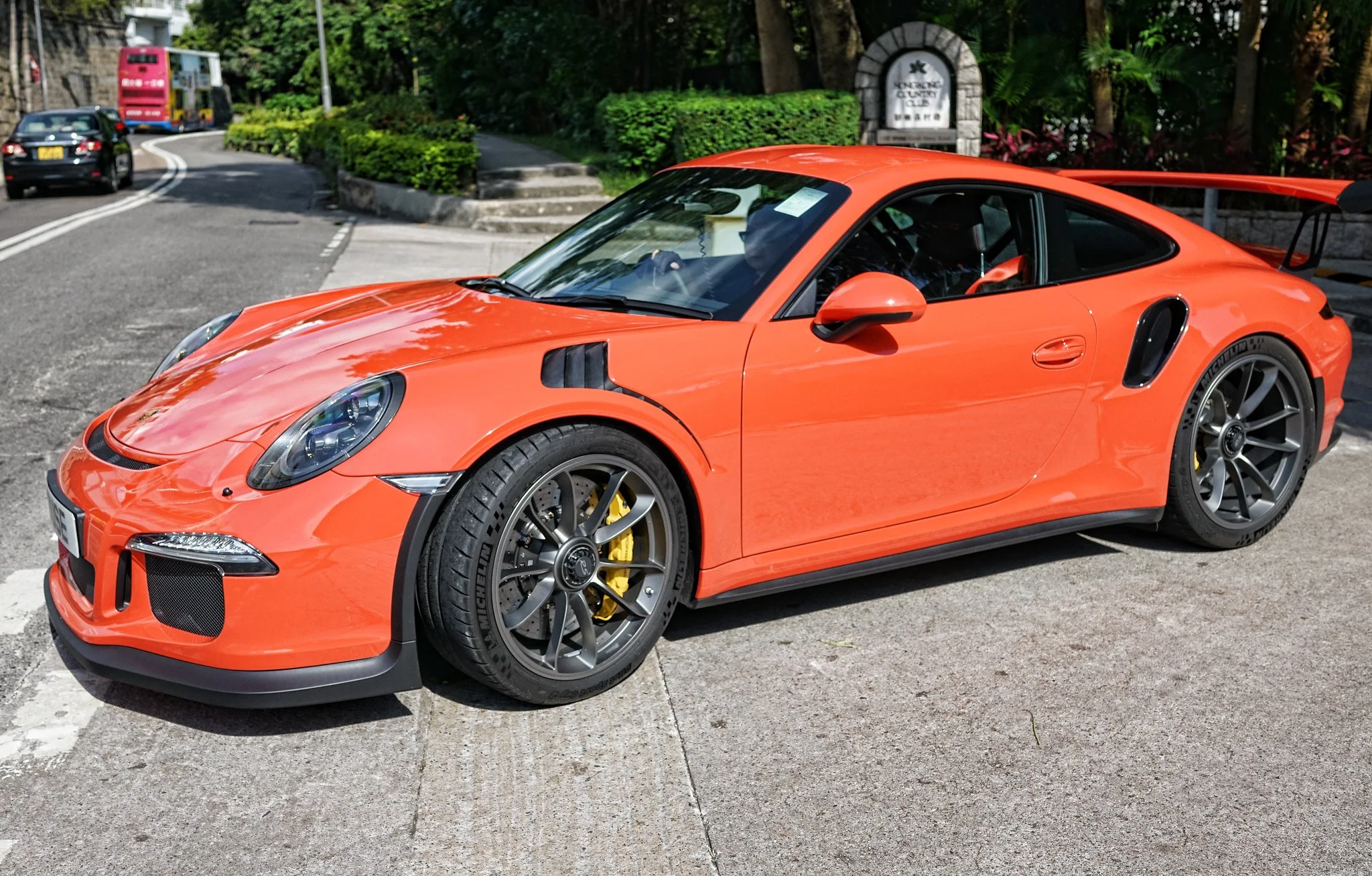
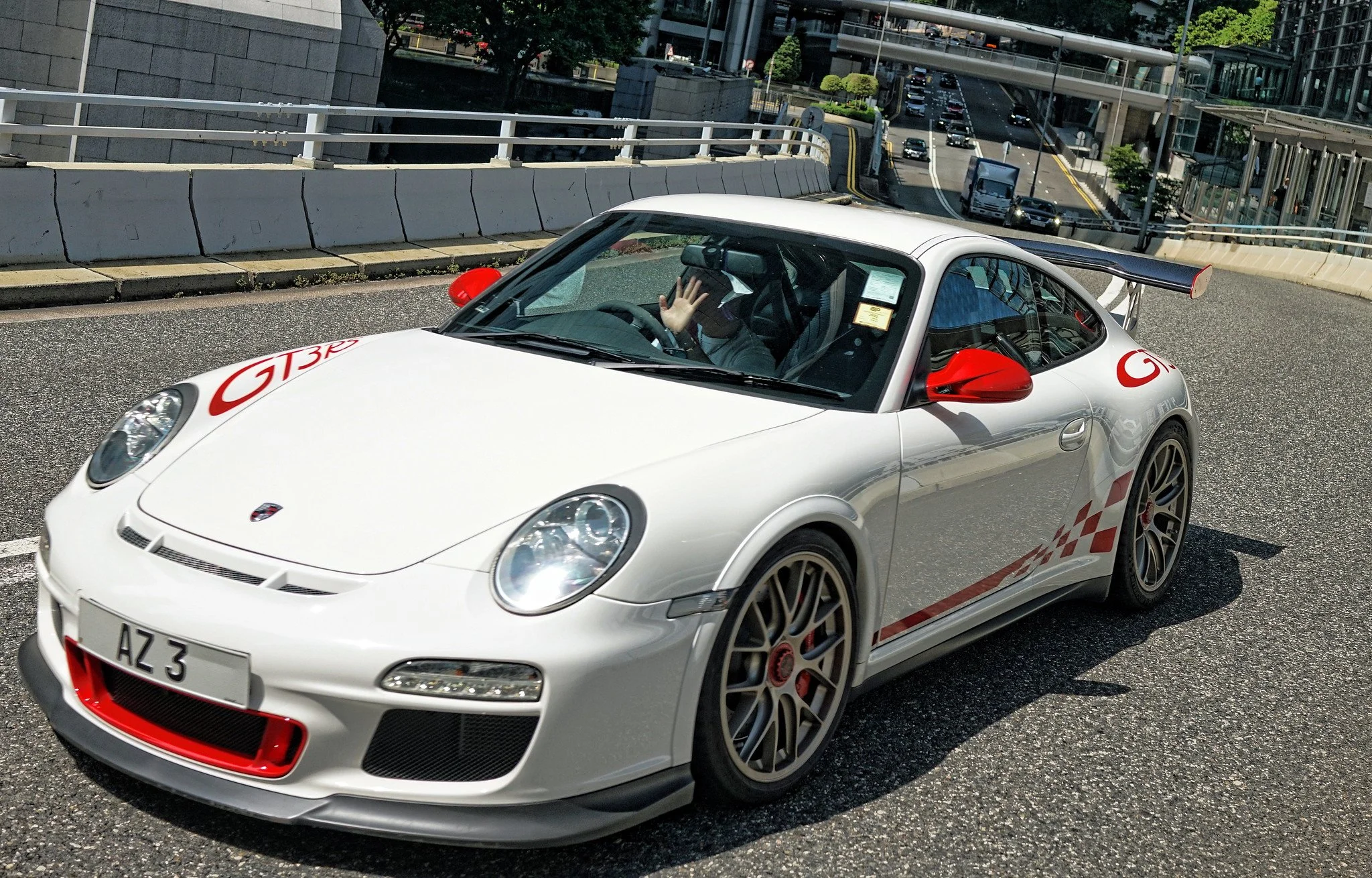
Current images from my Instagram feed