History of the water fountains in Statue Square, Hong Kong
+ the limited history of the little known artist who created them
The J3 Group - Premium Quality Private Tours | Experiences and Insider Chats since 2010
Me Jamie, your host, I am English and I have lived in Hong Kong since January 2nd 1972 - I know the place.
A meaningful blog post with a difference - tips on Travel, Tourism, Tours, Daily Life and my personal thoughts on Hong Kong.
Please do visit Amazing Hong Kong
Hong Kong | Pearl of the Orient
Customised Private Tours + Experiences in Amazing Hong Kong
Jamie has lived in Hong Kong - Pearl of the Orient for 50+ years
Carefully Crafted Personalised and Customised Itineraries by Jamie | Hong Kong’s Most Experienced Private Tour Guide for : Solo Travellers Friends Families Seniors Couples Business People MICE Delegates.
Private Tours Cultural Tours Walking Tours Sightseeing Tours City Tours Night Tours Layover Tours Transit Tours Private Shore Excursions Bespoke Tours Personalised Tours Jewish Heritage Tours Luxury Private Tours Day Tours Luxury Boat Tours Themed Tours Private Family Tours Private Day Tours Corporate Tours
Just you, your family or friends and Jamie your personal English private tour guide - over 2,400+ tours completed since 2011 - Jamie offers quality Private Tours of Hong Kong
Tour Group Size 1 - 6 people only
J3 Group Hong Kong | J3 Consultants Hong Kong | J3 Private Tours Hong Kong
Creating Memories That Will Last A Lifetime
Go here for the Hong Kong Michelin Restaurant Guide which includes the Bib Gourmand Category

The history of the water fountains in Statue Square, Hong Kong
and the limited history of the little known artist who created them
click on the image to enlarge
It is about time that more details where published about these two iconic water fountains | features (above and below) in Statue Square in Hong Kong with details of the little known artist who created these works of art, not much is known about him - that changes now, his most iconic work is seen by many thousands of people daily!
I have lived in Hong Kong since 1972 so 53 years which means I have seen these two water fountains thousands and thousands of times as Statue Square is one of my favourite places to hang out in Hong Kong not to mention I do my best to visit it with my guests on my Private Tours of Hong Kong.
So now I have got that out of the way, down to business.
It was only when I started researching stuff in 2010 when I set up my tour business that I actually decided to check out the history of these fountains, I was blissfully unaware of it despite them being installed in 1965 | 1966
I will be totally honest with you, I am not someone who loves art, before coming to Hong Kong in 1972 as a kid I grew up in Yorkshire and it was pretty gritty and industrial and anyone that loved art was basically a ponce, ( a pretentious, affected, or effete man.) so I restricted myself to reading comics! that all changed in Hong Kong and I began to appreciate art and stuff starting with Chinese scrolls.
One of my more embarrassing moments with regards to these two water fountains in Statue Square was in 2011 on one of my first tours when a young lady with her Mum and Brother (on a tour) asked me who was the artist who created the fountains, we where stood right next to the fountain above, I decided that honesty would be the best policy and I said, “no one knows his name as he was pretty obscure” and then naturally the young lady pointed out his name carved into the ceramic just above the water line! whoops! and since that moment of humiliation I have been expanding my knowledge.
click on the image to enlarge
History of the Water Fountains in Statue Square, Hong Kong
Statue Square, located in Central, Hong Kong, is a historic public pedestrian space built on reclaimed land at the late 19th century. The square was originally conceived by Sir Catchick Paul Chater as a "Royal Square" to house statues of British royalty, starting with Queen Victoria’s statue in 1896. Over time, it evolved into a civic space with significant architectural and cultural importance. The water fountains, a defining feature of the square, were introduced during a major redesign in the mid-1960s, reflecting efforts to modernize and enhance public spaces in Hong Kong.
1960s Redesign:
In 1965–1966, Statue Square was redeveloped by the Public Works Department, with architects Szeto Wai and Alan Fitch leading the project. The redesign aimed to create new spatial and visual connections between the square, the reconstructed Queen’s Pier (1954), and the new City Hall (1962). It was part of a city-wide initiative to provide more green spaces for Hong Kong’s growing population. The addition of fountains and planting beds transformed the square into a peaceful oasis amidst the bustling financial district. The fountains, in particular, added aesthetic and functional value, offering a cooling respite for visitors.
Ceramic Fountains by Antonio Casadei:
The ornamental ceramic fountains, installed in the mid-1960s, are a highlight of the square. These relief panel fountains, featuring intricate tile work, were created by Italian artist Antonio Casadei. The fountains are noted for their artistic integration of Eastern and Western influences, reflecting Casadei’s unique style. One fountain bears his signature in the bottom right corner, confirming his authorship.
Current Status: The fountains remain a central feature of Statue Square, complementing the statue of Sir Thomas Jackson and the Cenotaph war memorial. Despite changes in the surrounding area, such as the demolition of Queen’s Pier in 2006 and ongoing waterfront reclamation, the fountains have largely retained their original design. They continue to attract visitors and serve as a gathering point, particularly for domestic workers on Sundays although it is fair to say that most people will probably just say “that’s nice” and not get into any meaningful discussion on their merits.
Biography of Antonio Casadei and His Work in Hong Kong
Early Life and Training:
Antonio Casadei was born in Italy and began his artistic training in 1944 at Faenza, a renowned center for ceramics. He studied under notable instructors Melandri, Matteucci, and Gatti, mastering techniques in ceramics, glass, and metalwork. His Italian heritage deeply influenced his artistic temperament, but his work later incorporated elements of Eastern culture, particularly after moving to Hong Kong.
Life in Hong Kong:
Casadei relocated to Hong Kong in 1960 and lived there for approximately 20 years. During this period, he established himself as a prominent artist, known for his versatility and craftsmanship. His ability to blend traditional Italian artistry with local influences made him a sought-after figure in Hong Kong’s art and design scene.
Antonio Casadei (1923–2014) was an Italian artist who left a significant mark on Hong Kong’s public art scene during his 20-year residency from 1962 to 1983. A painter, ceramist, sculptor, photographer, and cinematographer, Casadei arrived in Hong Kong during its post-war construction boom, leveraging his expertise in ceramics and large-scale installations to contribute to the city’s cultural landscape. Below is a comprehensive history of his known artworks in Hong Kong, including their locations, based on available information.
Background and Arrival in Hong Kong
Born in Forlì, Italy, in 1923, Casadei studied ceramics in 1948 and built a reputation in Italy during the 1950s for large ceramic and sculptural installations. He moved to Hong Kong in 1962, setting up a ceramic studio in the New Territories. His work coincided with a period of rapid urban development, allowing him to secure prestigious commissions for public and private spaces. His art blended Italian artistic traditions with Eastern influences, reflecting Hong Kong’s unique East-West cultural fusion.
Key Artworks and Locations in Hong Kong
Casadei’s artworks in Hong Kong primarily consist of large-scale ceramic murals, sculptures, and public installations created during the 1960s and 1970s. Below is a detailed list of his known works and their locations:
Statue Square Fountains (Casadei Fountain), Central, Hong Kong
Description: One of Casadei’s most iconic contributions, the Statue Square fountains consist of two relief panel fountains made of concrete and glass mosaic tiles. These ornamental ceramic water features were commissioned in the mid-1960s and became a landmark in Hong Kong’s Central district. His signature is visible on the bottom right corner of one of the panels. (actually the fountain that is shown first above) The fountains were so prominent that they appeared on the cover of the British colonial government’s 1966 annual report.
Location: Statue Square, Central, Hong Kong (still extant as of recent accounts, though renovations in the square have raised concerns about potential damage).
Significance: These fountains are among Casadei’s most recognized works, blending functionality with artistic expression. They remain a public attraction, though their creator’s name is often overlooked by contemporary visitors.
click on the image to enlarge
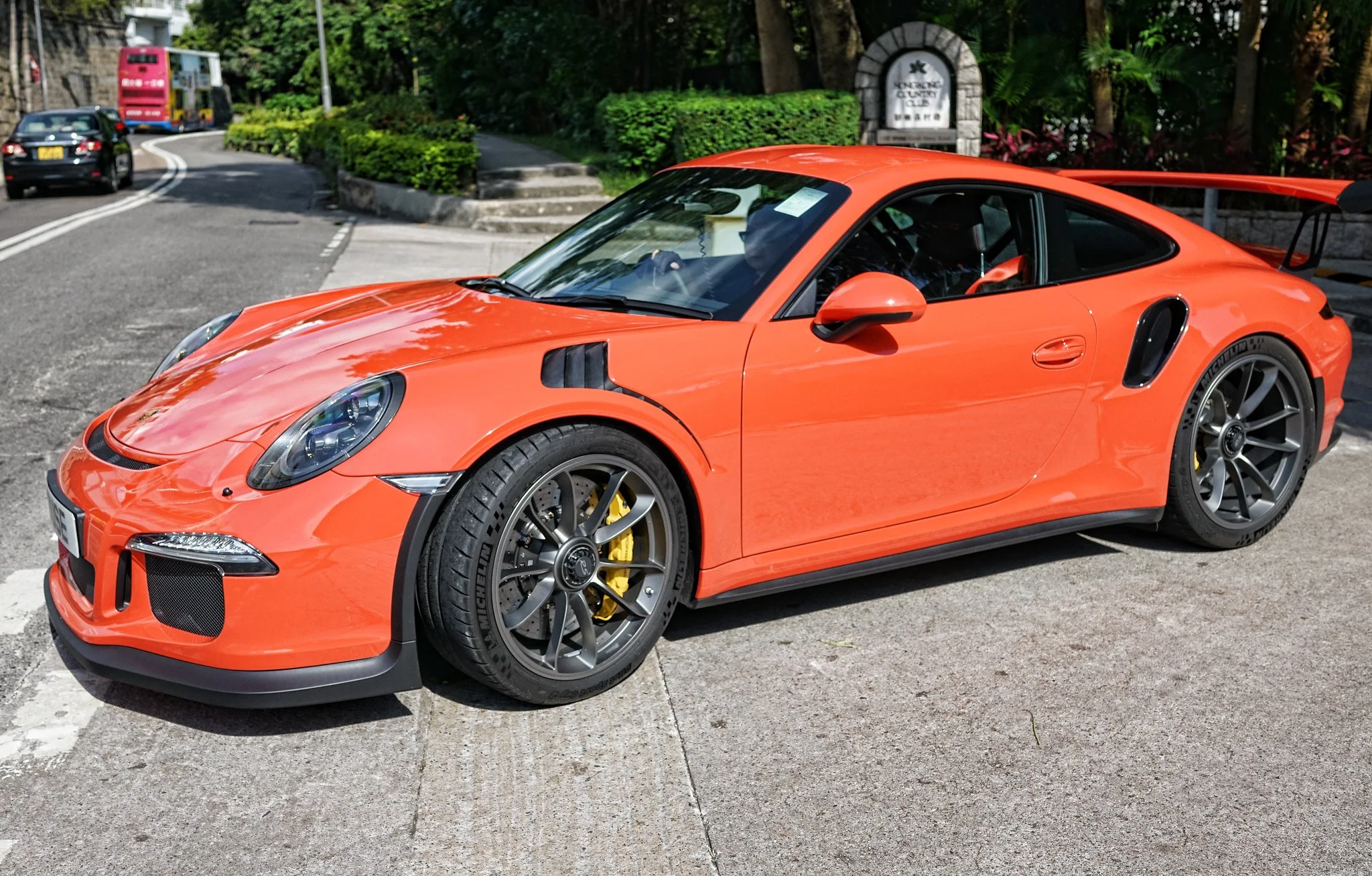
Mei Foo Sun Chuen Ceramic Mural, Lai Chi Kok, Kowloon (see orange fountain image above)
Description: A vibrant ceramic panel, similar in style to the Statue Square fountains, was installed in a courtyard fountain at Mei Foo Sun Chuen, a major residential estate developed in the 1970s. The mural features Casadei’s chiselled signature, and its preservation has been aided by the lack of water damage compared to the Statue Square fountains. A photo-essay by Hong Kong photographer William Furniss documents this work.
One of these days I will go there and photograph it, the problem is Mei Foo has 99 apartment blocks but I do have an idea of where it might be located.
This sculpture is referred to as the “Pegasus” or “Flying Horse,” with one source suggesting it is a water feature at Mei Foo Sun Chuen, potentially still present and valued for its feng shui significance. The plaque at Mei Foo reportedly includes Chinese characters (including “Ma” for horse) and the name “Ka Ma Square.” I am pretty sure it wil still be there.
Significance: This mural reflects Casadei’s ability to integrate art into residential spaces, contributing to the aesthetic identity of one of Hong Kong’s largest housing estates.
Tai Ping Koon Restaurant Mural, Causeway Bay, Hong Kong
Description: A ceramic mural installed in the Tai Ping Koon Restaurant, a historic establishment known for its “soy-sauce cuisine” blending Hong Kong and Western culinary traditions. Commissioned in 1970, the mural was notably expensive, reportedly costing the equivalent of a Wan Chai flat at the time. It features swirling copper on fibreglass, originally glowing green and gold, though it has darkened over time.
Location: Tai Ping Koon Restaurant, Causeway Bay, Hong Kong (still extant, though its title, if it had one, has been lost).
Significance: The mural’s fusion of Italian artistry with Hong Kong’s culinary culture underscores Casadei’s ability to adapt his work to local contexts.
St. George’s Building Back-Lit Glass Wall, Central, Hong Kong
Description: A back-lit glass wall in the lobby of St. George’s Building, showcasing Casadei’s versatility with materials beyond ceramics. This work was part of his broader contributions to commercial spaces in Hong Kong.
Location: St. George’s Building, Central, Hong Kong (status uncertain, as no recent confirmation of its condition or existence is available). I will also check this out, St. Georges Building is next to the Mandarin Hotel and opposite Princes Building and a minutes walk from Statue Square
Significance: This piece highlights Casadei’s experimentation with glass and lighting, aligning with his reputation as a master of multiple media.
Mandarin Oriental Hotel and Prince’s Building Artworks, Central, Hong Kong
Description: Casadei created large-scale art pieces for the Mandarin Oriental Hotel and Prince’s Building, both located near Statue Square. Specific details about these works (e.g., medium, style, or exact location within the buildings) are scarce, but they were part of his portfolio of commissions for prominent commercial spaces.
Location: Mandarin Oriental Hotel and Prince’s Building, Central, Hong Kong (status uncertain due to renovations or changes in these properties over time). I will see if they still exist, I imagine they still do
Significance: These commissions reflect Casadei’s prominence in Hong Kong’s art scene, as he was entrusted with enhancing the aesthetic of major landmarks.
Other Housing Estates and Restaurants
Description: Casadei created additional large-scale art pieces for various housing estates and famous restaurants across Hong Kong, though specific details (titles, media, or exact locations) are not well-documented in available sources. These works likely included ceramic murals or sculptures similar to his known installations.
Location: Various unnamed housing estates and restaurants in Hong Kong (specific locations and current status unknown).
Significance: These works underscore Casadei’s widespread influence in shaping Hong Kong’s public and private spaces during the 1960s and 1970s.
Exhibitions and Archival Recognition
1962 Exhibition at Hong Kong City Hall:
Casadei held a solo exhibition titled Ceramics, Sculpture, Oil Painting, Monotype and Glass Decoration at the Hong Kong City Hall in 1962, showcasing his versatility across media. The invitation card for this exhibition was preserved in a Kodak box by Ha Bikchuen, indicating its historical significance.
Hong Kong’s Forgotten Masters (2023–2024):
This exhibition at Ping Pong Gintonería in Sai Ying Pun (October 13, 2023–January 28, 2024) featured Casadei alongside other overlooked artists active in Hong Kong from the 1960s to 1990s. It included over 20 of his paintings and sculptures, as well as archival material.
Antonio Casadei & Hong Kong’s First Public Art Commissions (2023): Held at Ping Pong Gintonería from March 18–July 10, 2023, this exhibition showcased a selection of Casadei’s Hong Kong works, including a photo-essay by William Furniss on his installations at Statue Square and Mei Foo Sun Chuen.
Broader Context and Legacy
Casadei’s work in Hong Kong was part of a broader artistic movement in the 1960s and 1970s, a period when the city’s art scene was transitioning from traditional Chinese influences to a more modern, international identity. His contributions coincided with the New Ink Painting Movement and the growth of art education, though he remained distinct as an Italian artist adapting to Hong Kong’s cultural milieu. His large-scale installations were notable for their accessibility, appearing in public spaces like Statue Square and private venues like restaurants and hotels, yet he remains relatively underrecognized today.
Casadei’s personal life also reflected his integration into Hong Kong. He lived in Kowloon Tong and later moved to a remote house in Sai Kung, where he built a fibreglass speedboat for fishing and diving, showcasing his inventive spirit. In 1968, he filed a U.S. patent for an inflatable sled, an unusual endeavor for an artist in subtropical Hong Kong, which was granted in 1970 but expired in 1987.
Continuing from the previous response, which ended at Casadei’s departure from Hong Kong in 1983:
In 1983, at the age of 60, Antonio Casadei left Hong Kong for Spain, settling in Alicante on the Costa Blanca. His departure marked the end of a prolific two-decade period in Hong Kong, where his public artworks had become integral to the city’s urban landscape. A South China Morning Post interview at the time, titled “The artist who’s left his mark on Hongkong,” noted that “evidence of his talent lies virtually wherever one looks,” highlighting his widespread influence. In Spain, Casadei continued creating art, including fish-themed works into his 80s, some of which are available online. He passed away on March 9, 2014, in Alicante.
Additional Notes
The exact nature and current status of works in the Mandarin Oriental Hotel, Prince’s Building, and other unspecified locations are unclear due to potential renovations or lack of recent documentation and as mentioned above, I imagine they still exist despite major renovations in both buildings
The Pegasus sculpture’s location is ambiguous, with sources suggesting both Mei Foo Sun Chuen and Statue Square. Further investigation would be needed to clarify this., this is a bit silly, if it was in Statue Square I would have noticed it considering I have been in there many thousands of times.
Additional works in housing estates and restaurants lack specific details, as historical records are incomplete.
Conclusion
Antonio Casadei’s artworks in Hong Kong, created during his 1962–1983 residency, include iconic public installations like the Statue Square fountains, Mei Foo Sun Chuen mural, and Tai Ping Koon Restaurant mural, alongside less-documented pieces in commercial and residential spaces. His contributions, blending Italian and Eastern aesthetics, remain visible in key locations like Central, Causeway Bay, and Lai Chi Kok, though some works’ status is uncertain. Recent exhibitions have sought to revive his legacy, but he remains a relatively overlooked figure in Hong Kong’s art history. For further details, the Hong Kong Art Archive or exhibitions like those at Ping Pong Gintonería may offer additional resources.
On a personal note, well he had great connections back in the 1960’s, St. Georges Building, The Mandarin Oriental Hotel and Princes Building are all owned by major property developers,
St. Georges Building is owned by the Kadoorie Family (who own the Peninsula Hotel Group as well) and it opened in 1969, if the art is there it makes sense as the Kadoorie family is always exhibiting art in the Peninsula Hotel in Hong Kong
The Mandarin Oriental Hotel and Princes Building are owned by Jardine Matheson, a British Company and one of the oldest companies in Hong Kong, again, these buildings appeared in 1963 and 1965, well Statue Square was being renovated into it’s current form in 1965 | 1966 so I suspect that Mr. Casadei got the Statue Square contract because of the work he did earlier for Jardine Matheson.
My insider tip
Please note that in general if you book a tour on Viator or Tripadvisor you generally have NO control over what guide will lead your Private Tour of Hong Kong and this is the most important component of the tour. I urge you to check the actual company website and book via their website and do not forget to read Tripadvisor reviews as well.
© Jamie Lloyd | J3 Consultants Hong Kong | J3 Private Tours Hong Kong |
| 2010 - 2025 All rights reserved. |
Click on any image to enlarge to full screen
Current images from my Instagram feed